
Dog parks look like heaven on grass, but not every breed thrives in free for all play. Some dogs feel calmer, safer, and happier when routines and rules set the tone.
If you have ever wondered why your polite pup stiffens in a crowded park, you are not alone. Let’s explore breeds that often prefer structure over chaos, and how you can set them up to win.
Akita
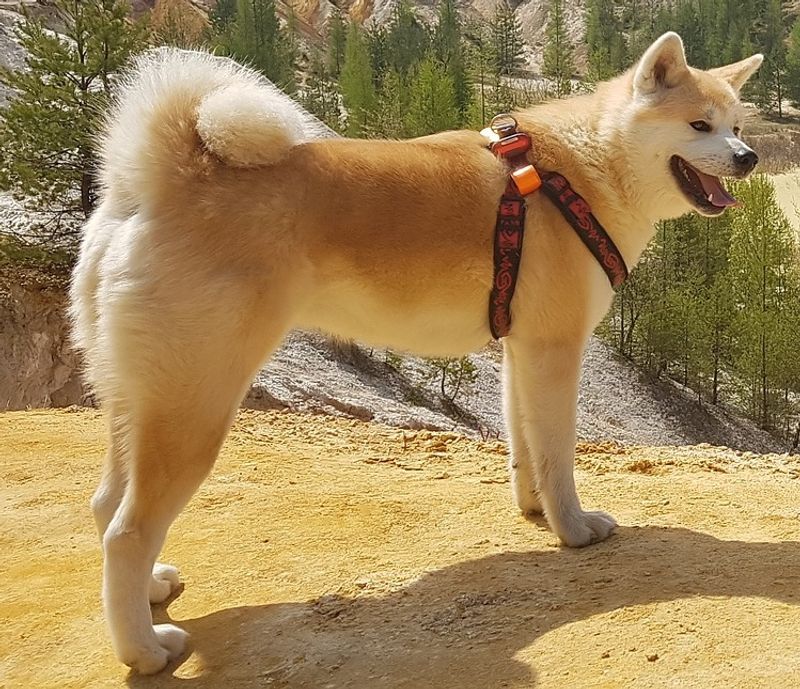
The Akita reads rooms like a seasoned bouncer and notices every shifting detail. In busy dog parks, that vigilant nature can tip into tension, especially with off leash greetings and unpredictable play.
Structured walks, clear boundaries, and calm engagement help this breed stay centered and polite.
You will get the best from an Akita with routines and respectful space. Parallel walks with known dogs beat chaotic scrums hands down.
Reward stillness, practice neutral passes, and keep sessions short, then end on a win.
They can be affectionate and loyal, but they do not need a party to be fulfilled. Confidence grows when you lead with steadiness.
Opt for small controlled social time, and watch their dignity shine.
Chow Chow
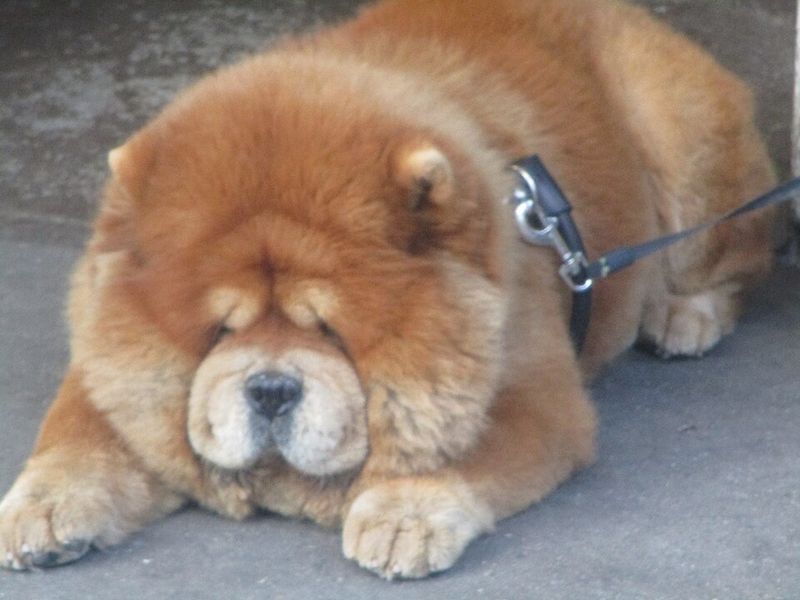
Chow Chows cherish personal space and dislike rude introductions. At dog parks, fast approaches and shoulder bumps can feel like social assault.
Their stoic faces hide stress signals, so people miss the early whisper before the shout.
Choose structured environments with predictable routines and known playmates. Slow parallel walks and side by side training keep things polite.
Teach a reliable recall, and use breaks to help decompress before arousal spikes.
These dogs bond deeply and respect calm leadership. You will see their confidence bloom when meetings feel fair and slow.
Skip the chaos, curate the company, and let their quiet dignity breathe.
Shar Pei
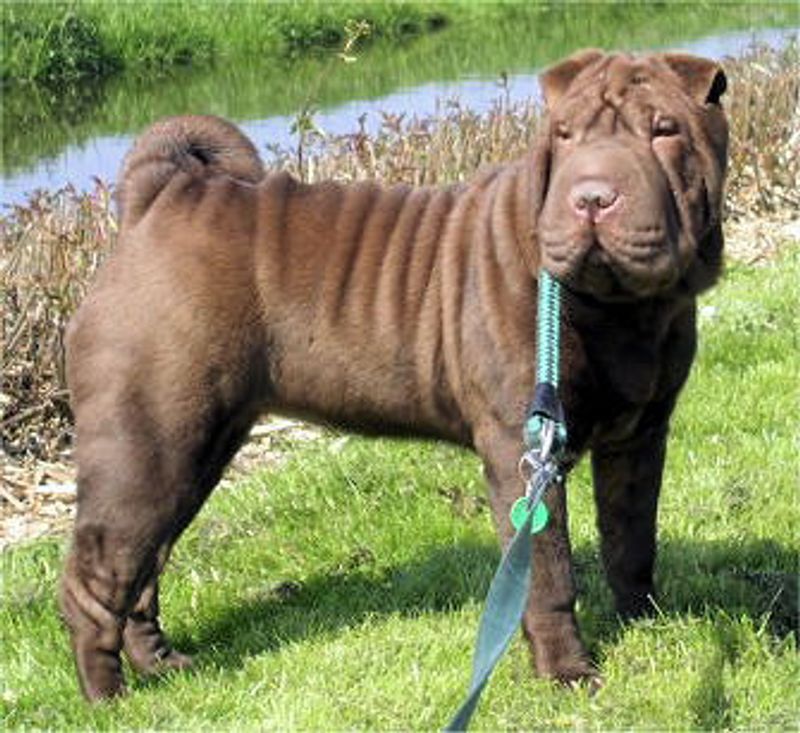
Shar Pei are thoughtful, sometimes standoffish dogs that dislike pushy play. Dog parks often deliver unpredictable chases and body slams that feel unfair to them.
With history as guardians, they can become defensive when crowd pressure builds.
Favor calm social setups with one or two known dogs. Practice neutral walking, sniff breaks, and name recognition before any off leash time.
Keep exits available so they never feel trapped or forced into conflict.
When you honor their preferences, they relax and show a charming, loyal side. You will notice softer eyes and easier movement when the setting is quiet.
Structure builds trust, and trust unlocks their best behavior.
Basenji
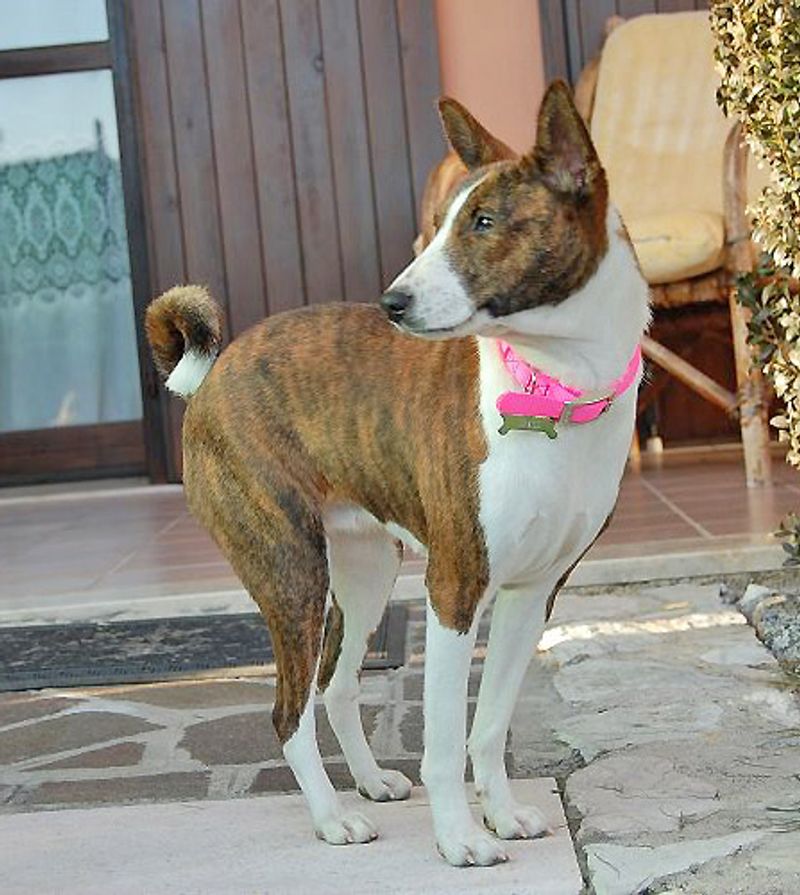
Basenjis are clever, catlike problem solvers with a taste for independence. Busy parks can feel like noisy static, making recalls dicey and arousal spike fast.
Their chase drive may switch on the second a sprinting dog streaks past.
Structured outlets beat chaos every time. Set up scent games, flirt pole sessions with rules, and long line hikes to practice recall under threshold.
Keep greetings brief and choose confident, polite playmates.
When you provide clear frameworks, the Basenji’s brilliance shines. You will see sharper focus and fewer selective hearing moments.
Tap into brain work and routine, and their energy finds a satisfying, civilized lane.
Shiba Inu
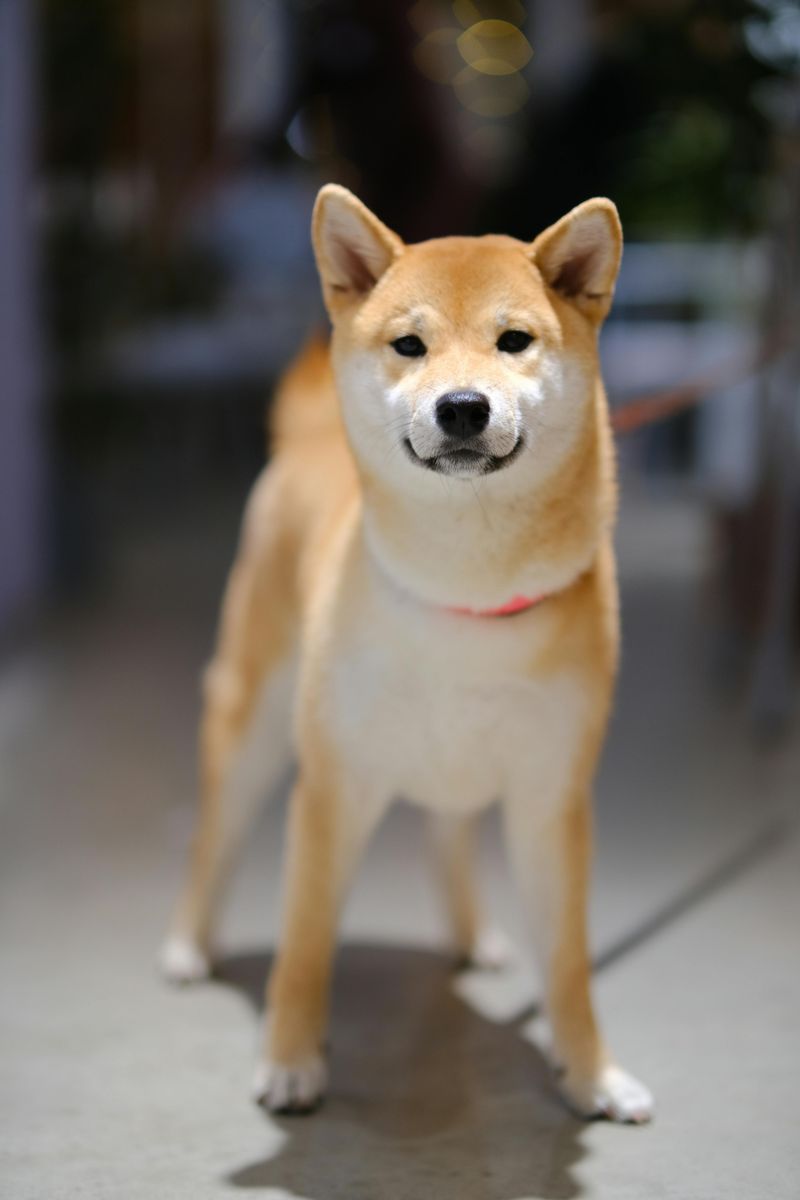
Shiba Inus are discerning communicators with a strong sense of self. In a chaotic park, rude greetings and chase games often feel like crossed boundaries.
They prefer predictable routines, choice, and respectful distances.
Use long lines, structured decompression walks, and short training bursts to build engagement. Plan one on one sessions with neutral, stable dogs.
Reward check ins and allow sniffing as a reset before asking for more.
Given clarity and space, the Shiba becomes playful on their terms. You will see light, springy movement and softer ears when they feel safe.
Trade the crowd for curated company, and watch their confidence grow.
Afghan Hound
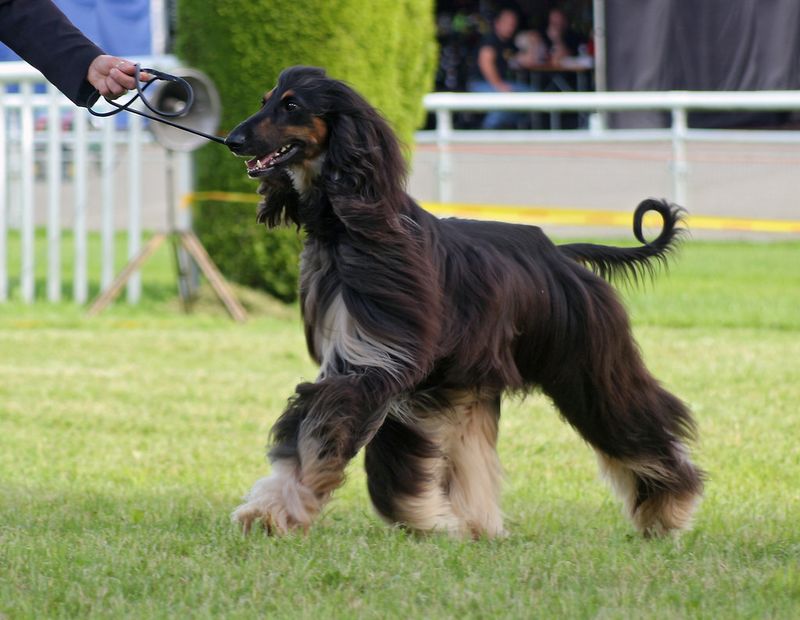
Afghan Hounds are sensitive sighthounds built for speed and elegance, not bumper car play. Dog parks can flood them with chaotic motion and rough contact they dislike.
Their focus drifts to movement, and a sudden sprint may turn into a chase that outruns recall.
Choose structured exercise like fenced sprint lanes, long line gallops, and controlled meetups. Keep playmates polite and avoid body slamming styles.
Practice settles between sprints so arousal does not spiral.
With routines and gentle handling, their calm grace emerges. You will notice softer eyes and smoother strides when pressure stays low.
Let them move beautifully within rules, and they will thrive.
Saluki
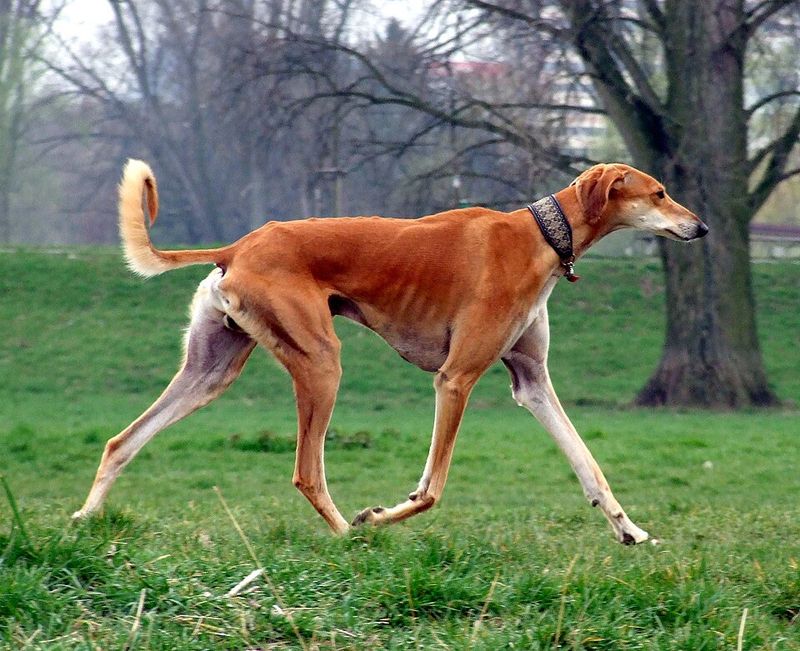
Salukis are sensitive, agile sighthounds that value calm over collision. Crowded parks can spark frantic chases and noisy conflicts that drain their composure.
Their prey drive means a darting dog or squirrel can hijack attention instantly.
Offer structured sprints, controlled recall on long lines, and quiet social time with steady dogs. Use predictable routines and soft handling to keep arousal in a healthy lane.
Teach stillness between runs so excitement can settle fully.
When life feels orderly, Salukis show gentle affection and poised movement. You will see relaxed shoulders and responsive check ins.
Provide fair rules and curated company, and their nobility truly shines.
Borzoi
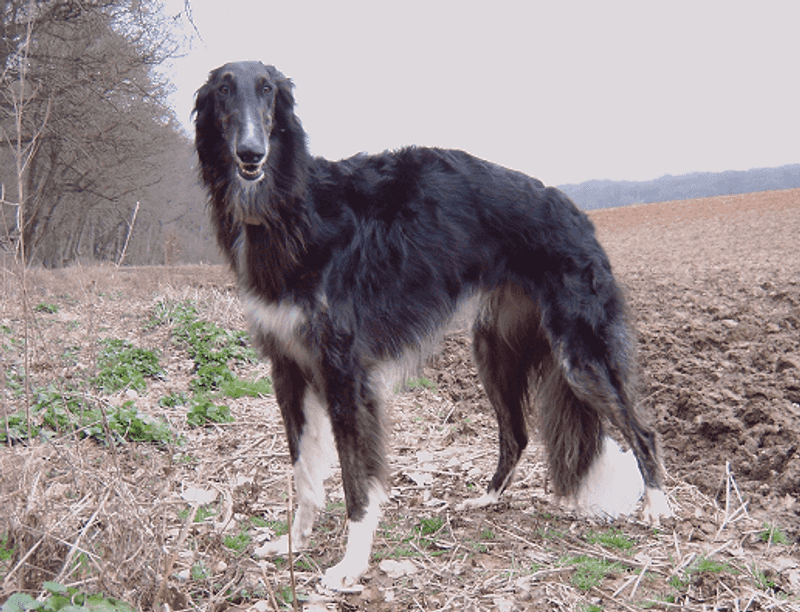
Borzoi are refined sighthounds with massive stride and a thoughtful, aloof nature. Dog parks often cram too much speed, noise, and bumping into a small space.
That cocktail can trigger chase, collisions, and frayed nerves.
Structured outlets let them shine without chaos. Use secure open fields, long line recalls, and sprint then settle routines.
Keep playmates mannerly and avoid body slam styles that risk injury.
When you slow the world down, Borzoi become serene companions. You will notice smoother strides, softer faces, and easier responses.
Choose boundaries over bedlam, and their dignity and athleticism sing together.
Great Pyrenees
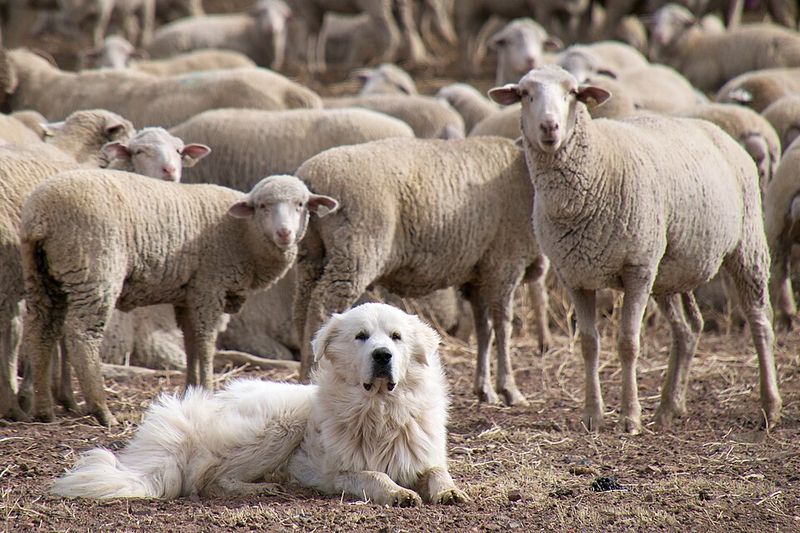
Great Pyrenees are livestock guardians tuned to watch, not wrestle. In dog parks, constant motion and noisy scuffles can push them into referee mode.
They may posture or intervene when play looks unfair, which raises tension fast.
Favor structured walks, controlled introductions, and quiet decompression time. Give them jobs like loose heel, place, and perimeter checks during outings.
Keep sessions short and celebrate calm choices before arousal stacks.
In predictable settings, they become gentle, steady companions. You will see that signature floating trot and soft expression return.
Respect their guardian wiring, provide routine, and they will relax into their role.
Anatolian Shepherd Dog
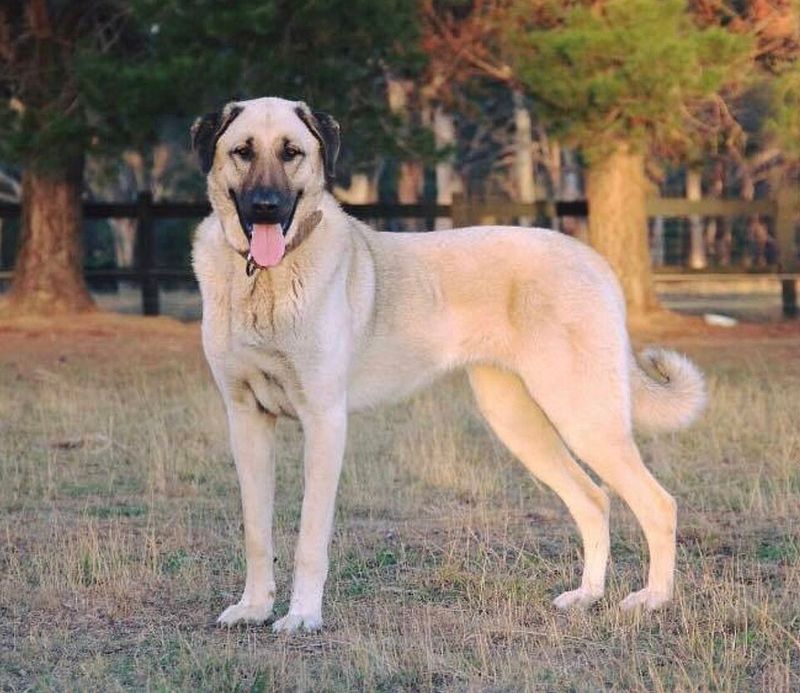
Anatolian Shepherd Dogs are serious guardians bred to make independent decisions. Dog parks pile on unpredictability, and that can awaken protective instincts.
They do best when the environment is calm, rules are clear, and exits exist.
Use structured walks, controlled greetings, and purposeful tasks that channel their brain. Practice place work, pattern games, and long line recall in low distraction areas.
Keep playmates neutral and confident, avoiding rowdy, body slamming styles.
With leadership and routine, their confidence turns from rigid to relaxed. You will see smoother transitions and quicker check ins under pressure.
Choose structure over chaos, and this impressive breed thrives with you.