
If your dog plants their paws mid sidewalk, you are not alone. Many breeds get labeled stubborn when the real story is comfort, communication, or motivation.
Understanding why certain dogs pause, sniff, and negotiate can turn frustrating walks into calm, connected routines. Let’s dig into ten breeds that often refuse to walk for reasons that go deeper than stubbornness.
Basset Hound
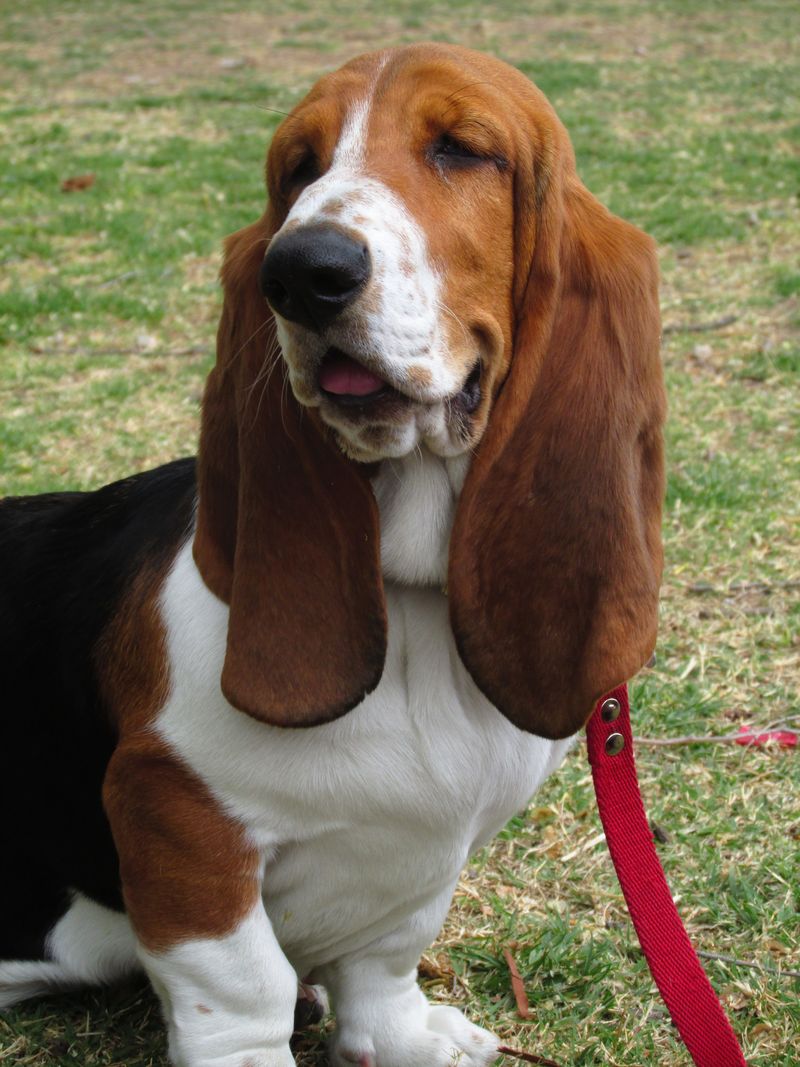
Basset Hounds are scent detectives first, walking companions second. When a Basset stops, it is often because their nose has found a headline worth reading.
Instead of dragging, give a cue, offer a sniff break, then reward forward steps. You will see cooperation grow.
These dogs carry heavy fronts and long backs, so pace and surface matter. Heat, stairs, and slick floors can feel uncomfortable, and they may pause to protect themselves.
Keep walks short, let them investigate, and bring high value treats. With patience and structure, that statue moment becomes a thoughtful pause, not defiance.
French Bulldog
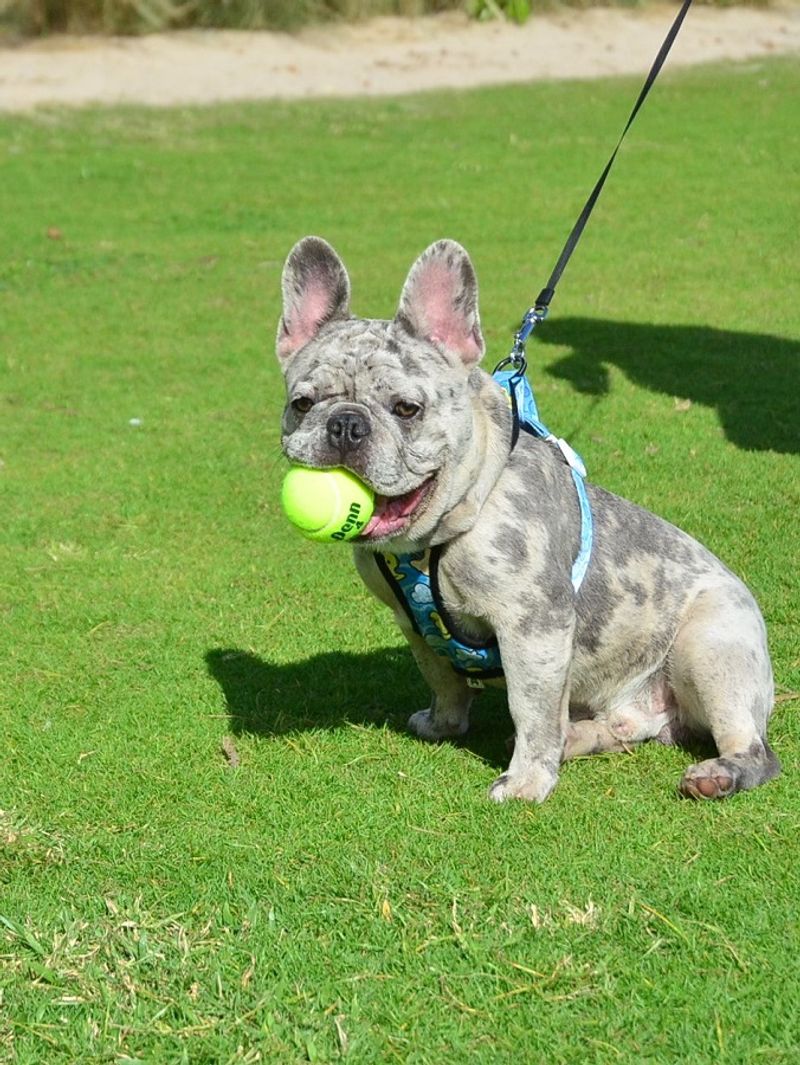
French Bulldogs are heat sensitive and built like little powerlifters. When they stop, they might be regulating breathing or avoiding hot pavement.
Consider time of day, shade, and a shorter route. Teach start stop cues and celebrate tiny forward choices.
Comfort sets the stage for success.
Harness fit is crucial for their stocky chest. A front clip harness can reduce pulling without pressure on the airway.
Bring water, watch for tongue color changes, and use quiet streets to lower sensory overload. You will notice fewer refusals when walks feel safe and breathable.
What looks like stubbornness is often self protection in a compact body.
Pug
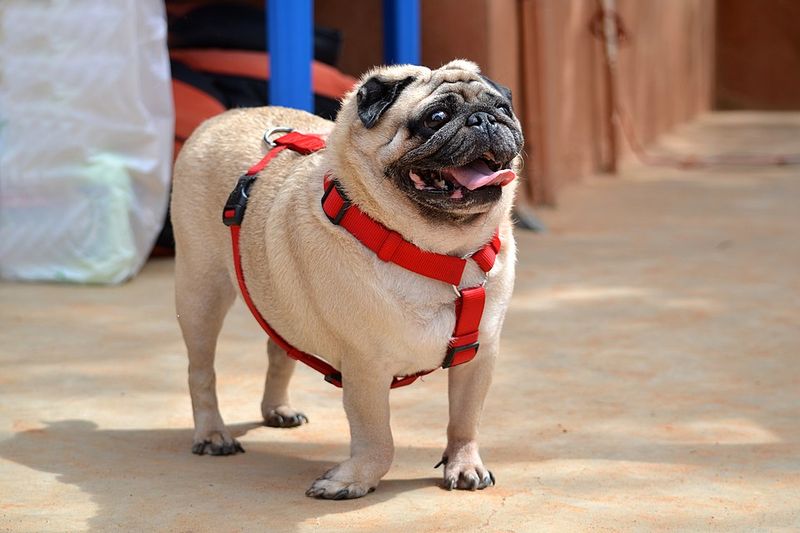
Pugs may stop when breathing gets tough or when distractions stack up. Short muzzles mean they overheat fast, so cooler hours and gentle pacing matter.
Reinforce frequent check ins and use touch free cues when possible. A soft harness helps support without throat pressure.
The pause is communication.
Break the route into micro goals. Reward three steps, then five, then the next landmark.
Bring water, avoid hills in hot weather, and let them sniff to decompress. Many Pugs walk beautifully when choice and comfort guide the plan.
Your job is to be the calm narrator, not the tugger. Stubborn is a myth when needs are met.
Dachshund
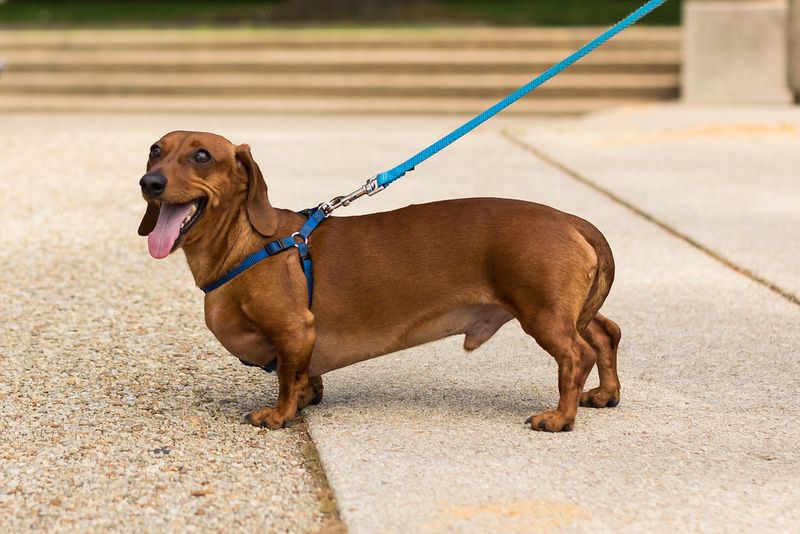
Dachshunds often pause to assess body safety. Long spines and short legs make jumps, stairs, and potholes feel risky.
When they plant themselves, they may be managing discomfort or asking for support. Keep surfaces friendly, use ramps, and teach a slow, supportive pace.
Reinforce brave steps generously.
Sniffing is also a big motivator for this hunter at heart. Build sniff breaks into the route and cue them, so stopping feels structured.
A well fitted harness protects their back better than a collar. If your Dachshund stalls, listen first, then guide.
With clear communication, you will see confident forward motion replacing those famous anchoring moments.
Shih Tzu
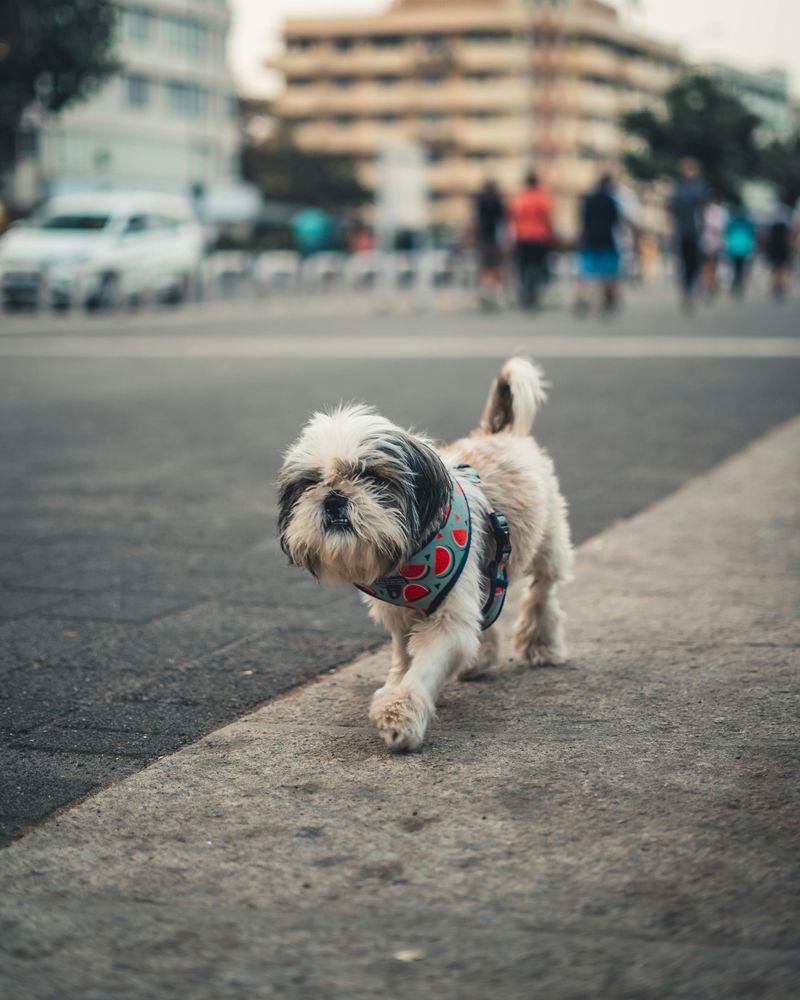
Shih Tzus can be sensitive to wind, noise, and busy foot traffic. Stopping is often their way of taking in the scene and asking for reassurance.
Squat to their level, offer a treat, and give a cheerful forward cue. Keep sessions short, predictable, and fun.
Consistency builds bravery.
Grooming matters too. Hair in the eyes, matting, or a tight topknot can make walking unpleasant.
Try a soft harness and check for rubbing points. Choose low distraction routes at first, then layer in novelty slowly.
With patience and clarity, your Shih Tzu will choose movement more readily. They are not stubborn, just thoughtful and sensitive.
Lhasa Apso
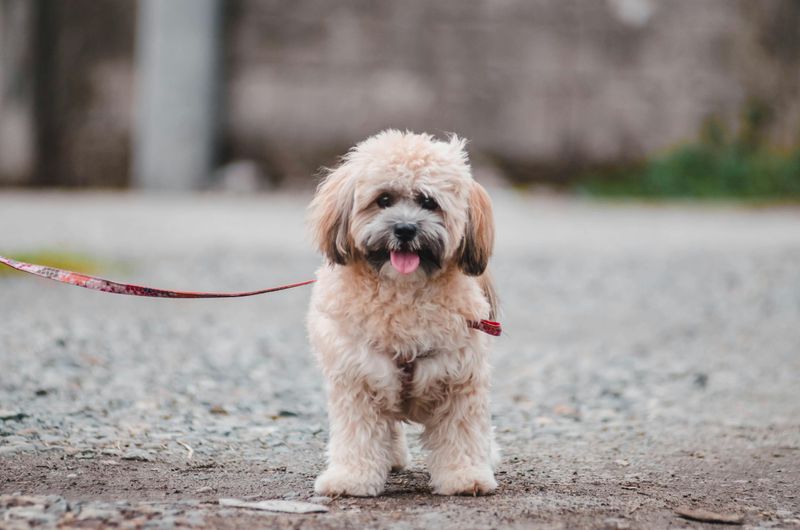
Lhasa Apsos are discerning watchdogs, bred to notice everything. When they halt, they are evaluating the environment, not digging in for drama.
Offer a hand target or a nose touch to re engage focus. Mark and reward small advances.
Predictability and partnership unlock their momentum.
Comfortable grooming and a well fitted harness support steady movement. Avoid crowded sidewalks until your dog feels fluent with cues.
Let them scan, then invite forward with a choice based approach. Respect the pause, guide the decision, and celebrate effort.
Over time, those careful stops become confident strides, proving it was never stubbornness, just thoughtful guardianship.
Maltese
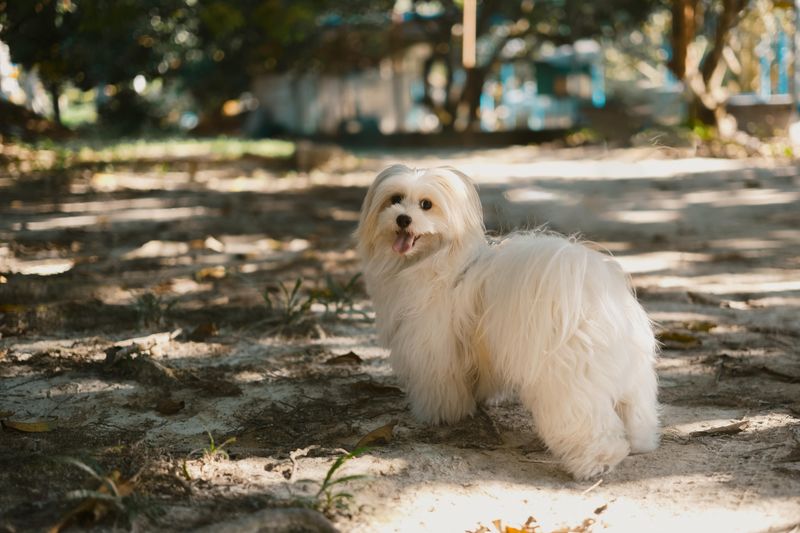
Maltese dogs often pause when overwhelmed by sudden movement or noise. Instead of forcing, create distance, breathe, and cue a simple behavior like touch.
Reward recovery, then choose a calmer path. Their silky coats can snag on brush, so check for physical discomfort too.
Safety first unlocks cooperation.
Use lightweight gear and keep walks brief if energy is low. Build confidence with repetition and tiny victories.
A predictable route with sniff stops can transform stopping into structured surveying. When your Maltese trusts the plan, forward movement returns.
You will see that the pause was a question, and your calm answer made all the difference.
Havanese
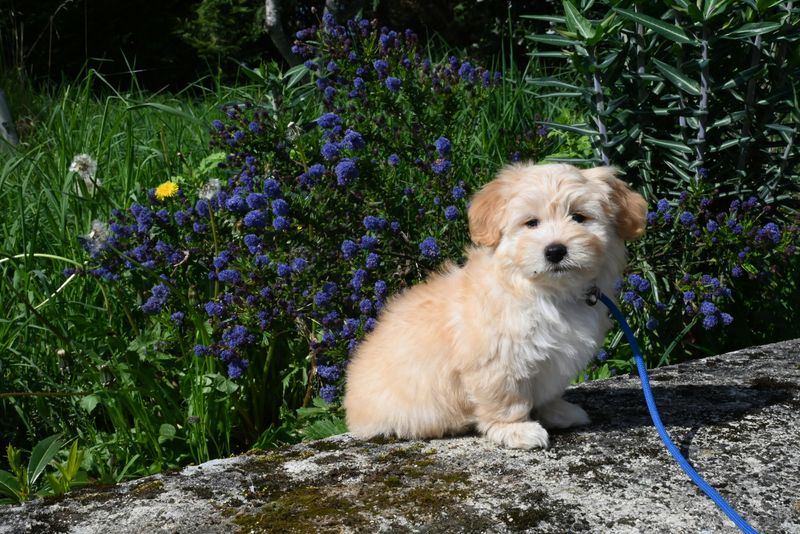
Havanese are social observers who like to check the scene. When they freeze, they are often gathering info or negotiating excitement.
Give them a labeled watch cue, then a let us go cue followed by a reward. This keeps curiosity but restores flow.
Choice makes cooperation easy.
Mind coat maintenance and humidity comfort. A breathable harness and trimmed pads help movement feel smooth.
Practice short, fun routes near home before tackling crowded spots. Sprinkle play into the walk to keep engagement lively.
With clear communication, you will see fewer standstills and more happy prancing beside you.
Coton de Tulear
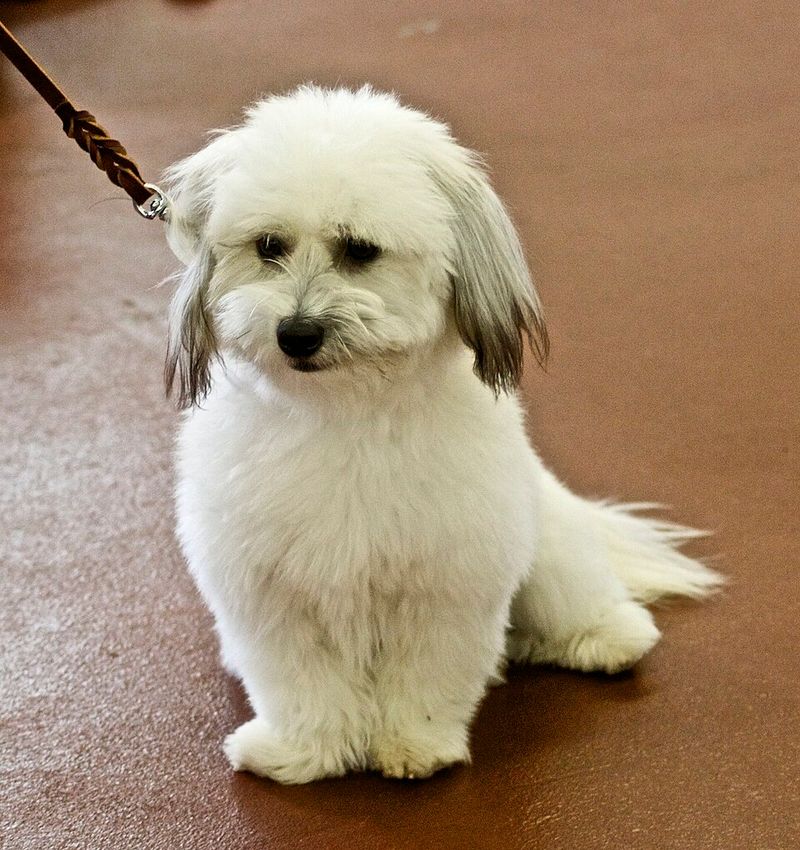
Cotons can be playful clowns, but big gusts, seagulls, or bikes may give them pause. When they stop, frame it as a reset rather than a battle.
Offer a quick trick, reward, and step forward together. Keep sessions sweet and brief.
Momentum grows from fun, not force.
Check coat around harness points to avoid tugging discomfort. Choose cooler times and smooth surfaces for those cottony paws.
Build a predictable loop with landmarks they love. Over weeks, the stop becomes a glance and a grin.
You will feel teamwork click, proving they were communicating, not being stubborn.
Bichon Frise
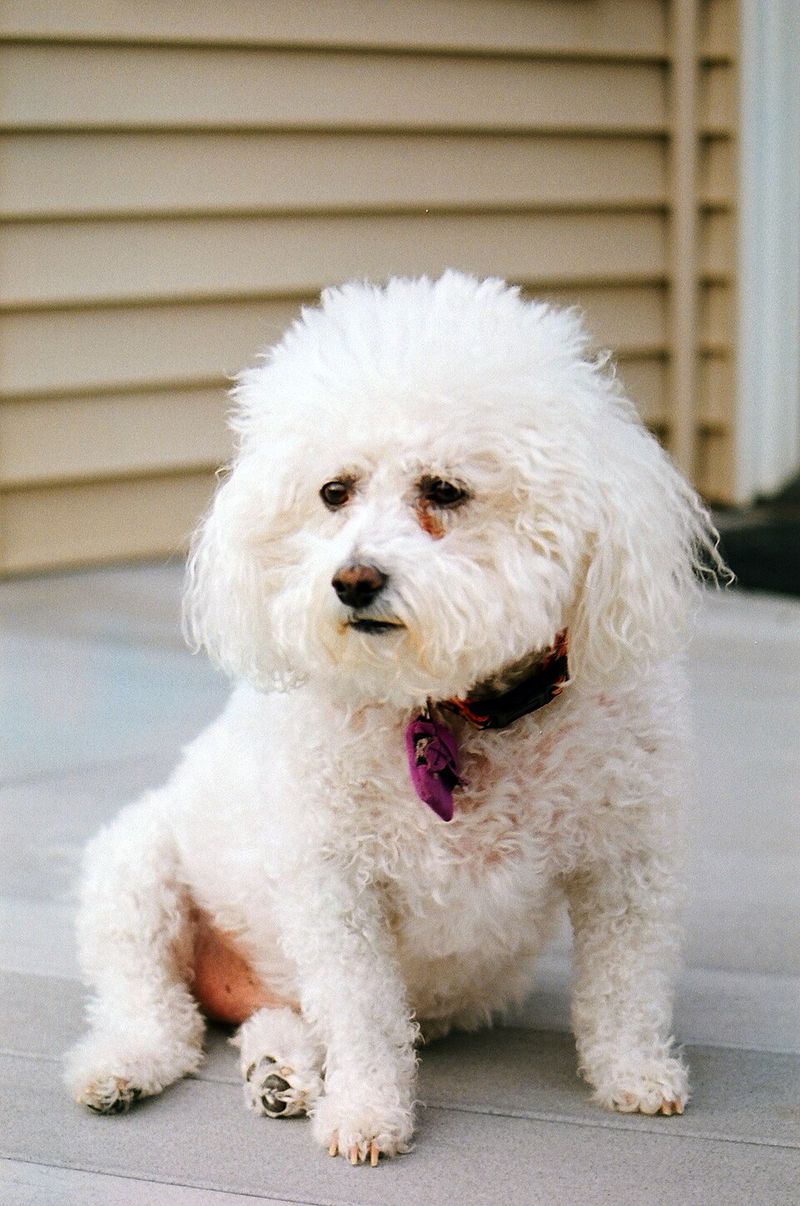
Bichons thrive on positive attention and may stall when the environment feels chaotic. Label the pause, offer a hand target, then reward steps toward you.
Keep leash pressure light and cues upbeat. Build confidence with short routes and frequent praise.
Joy fuels forward motion in this cheerful breed.
Regular coat care and a comfortable harness prevent rubbing that can trigger refusals. Choose side streets before busy boulevards, and use games to re engage.
A predictable routine reduces decision fatigue. Soon, that street corner freeze turns into a quick check in.
Stubbornness fades when the walk feels safe, comfortable, and fun.