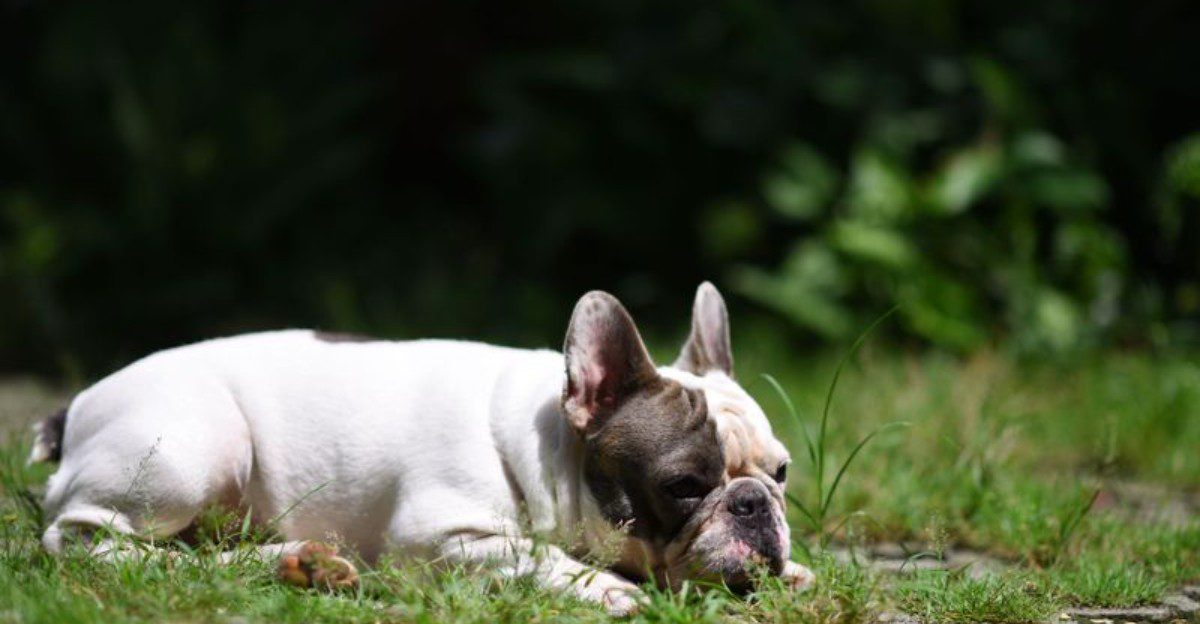
Some dogs do flashy tricks, but quiet thinkers often impress in everyday life. The pup snoring on your couch might read routines, solve problems, and understand you better than you realize.
Real smarts show up in calm moments, like remembering routes or finding a lost toy. Meet ten breeds that prove brains are more than a show.
Poodle
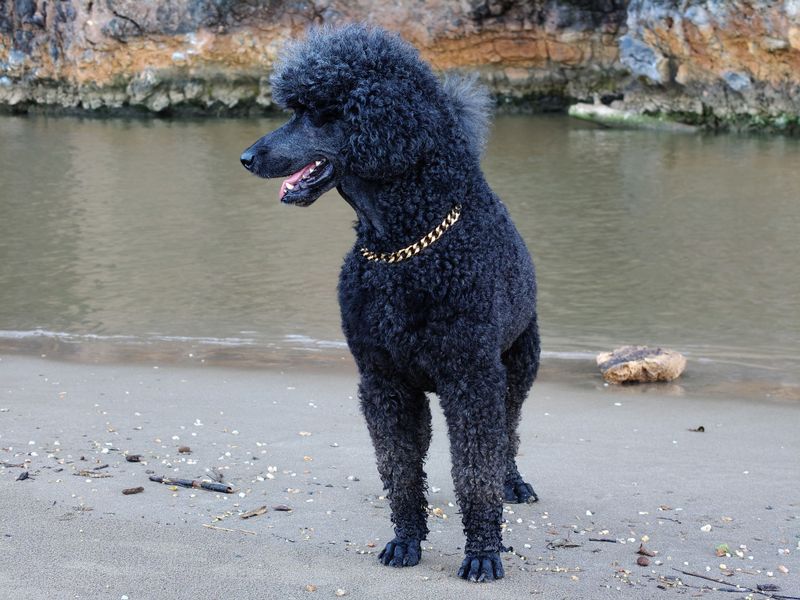
Watch the poodle figure out a puzzle feeder like a tiny engineer. Their smarts show in problem solving, not just in fancy grooming.
Quick to read routines, they notice your habits and plan around them. Teach jobs like picking up toys, and you will see initiative.
Keep sessions short, include brain games, and they stay happy. Daily walks should include sniff breaks for information gathering, which feeds their curious mind.
Water retrieves make great workouts.
Miniature Schnauzer
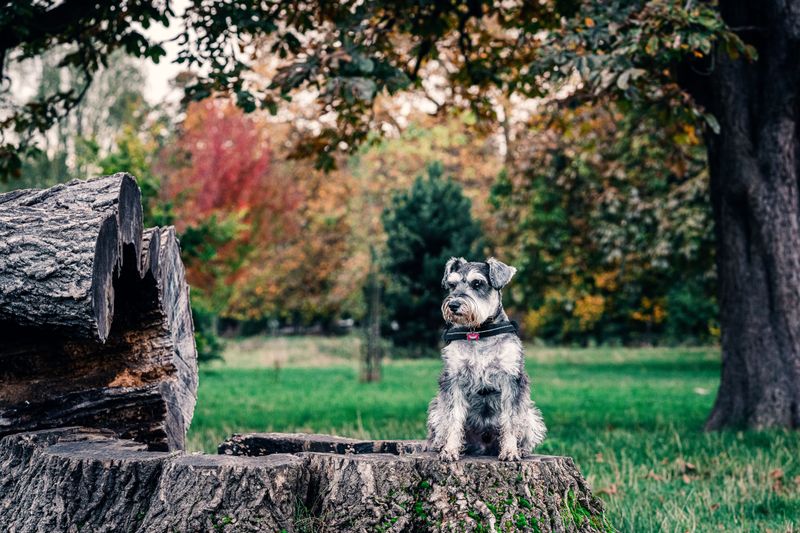
Curiosity fuels the miniature schnauzer, a watchdog and analyst rolled into one. Instead of chasing applause, they map the world from the sofa.
Patterns matter to them. They learn doorbell times, neighbor schedules, and which pocket holds treats.
Use that focus with scent games and short tasks.
Rotate toys weekly to challenge memory. Keep training upbeat, with clear rules and quick breaks.
A tired schnauzer mind sleeps soundly after a good mystery.
Dachshund
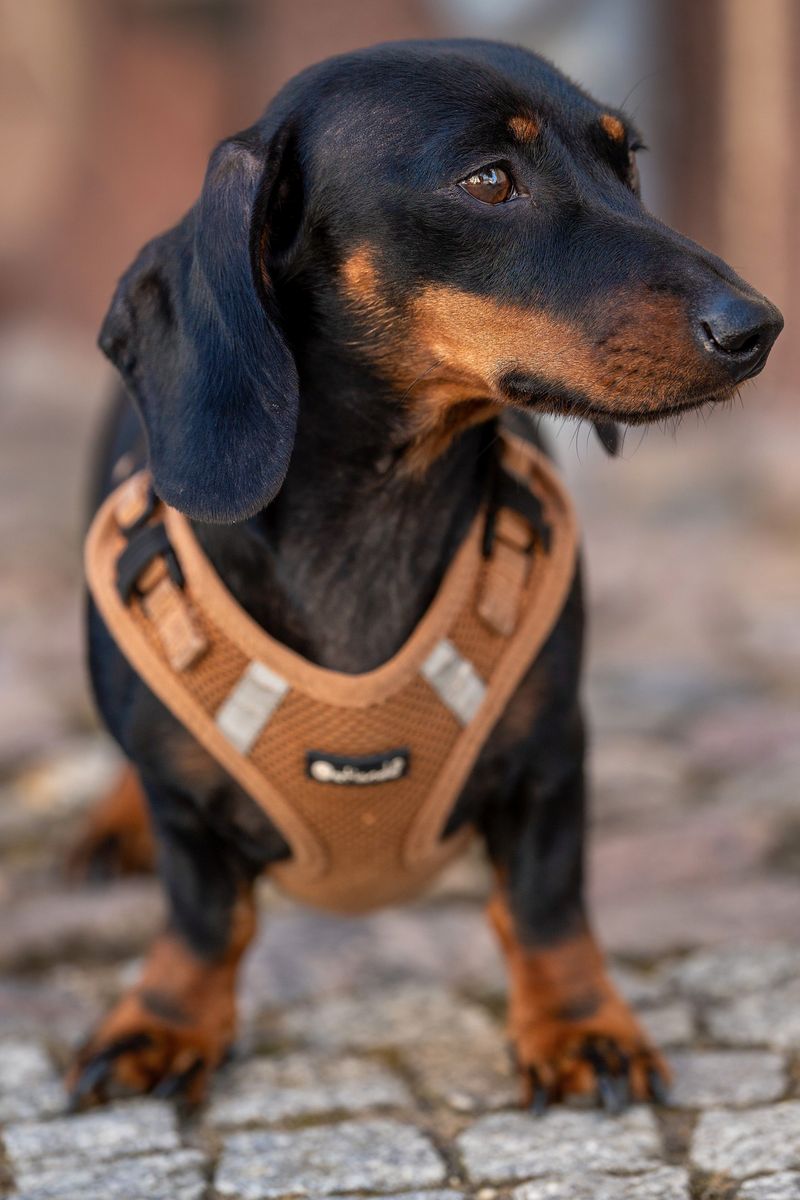
Stubborn is one word people use, but independent thinker fits better. A dachshund weighs options before acting, which looks like napping until the plan is ready.
Bred for problem hunting, they excel at nose work. Hide treats under cups, and watch the strategy unfold.
Short lessons beat long lectures.
Protect backs with ramps and low jumps. Give digging boxes to satisfy instincts.
Respect their choices, and cooperation grows faster than any stage trick.
French Bulldog
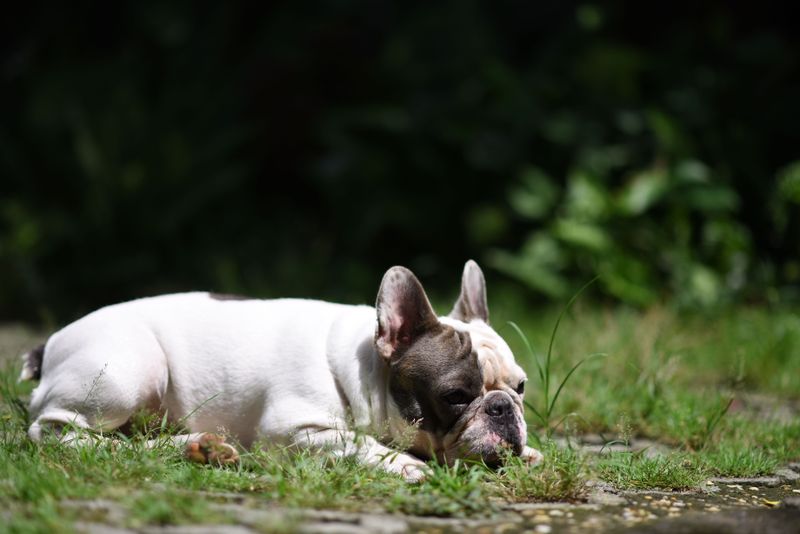
Side-eye from a Frenchie can feel like getting graded. They read people well and often choose the most efficient path to rewards.
Short faces mean exercise needs care, so brain work shines. Try clicker games with simple choices, like touching targets or picking between two bowls.
Keep rooms cool, break activities into tiny bursts, and praise often. Social puzzles, such as finding a friend, keep them engaged without overdoing it.
Boston Terrier
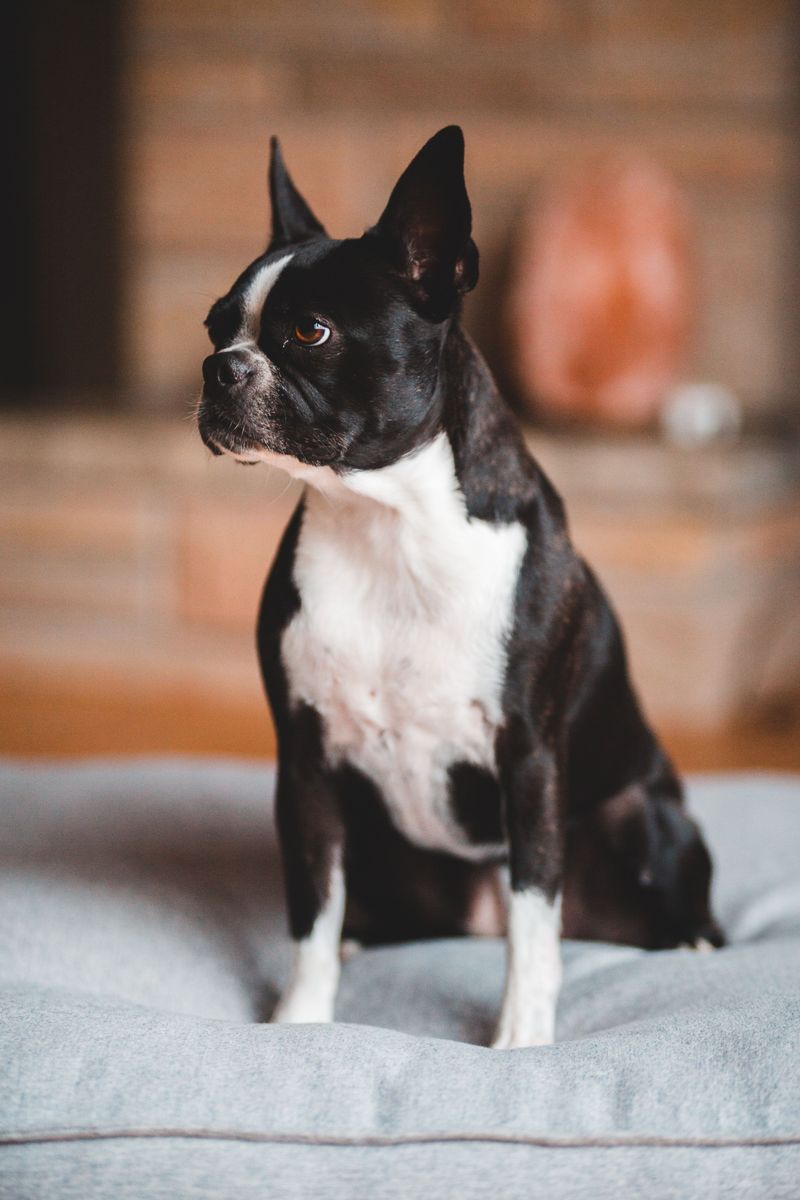
Energy meets thoughtfulness in the Boston Terrier. Between zoomies, you will notice careful listening and quick understanding of household rules.
They shine with turn-taking games. Ask for eye contact, then a sit, then a release.
Change the order to test flexible thinking.
Limit repetitive drills to prevent boredom. Fetch with pauses for cues keeps minds active and manners sharp.
Urban walks with new sights turn into fun learning labs.
Whippet
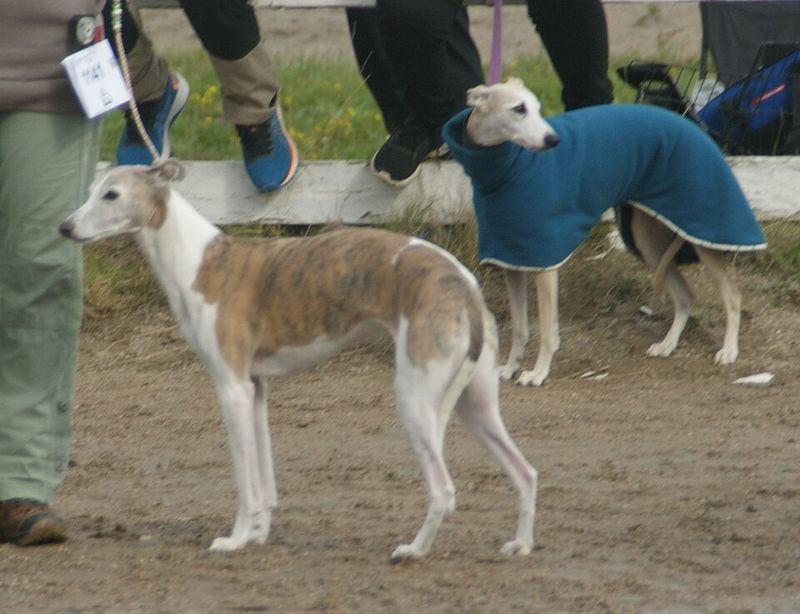
Speed gets the spotlight, yet the whippet’s quiet focus is just as striking. At rest, they watch, listen, and remember small details.
Gentle by nature, they appreciate soft guidance. Use lure games to practice impulse control, switching between chase and settle.
Add scent trails indoors on rainy days.
Speed bursts should be brief and safe. Cozy recovery time helps them process learning.
Confidence grows when challenges are fair and calm.
Shih Tzu
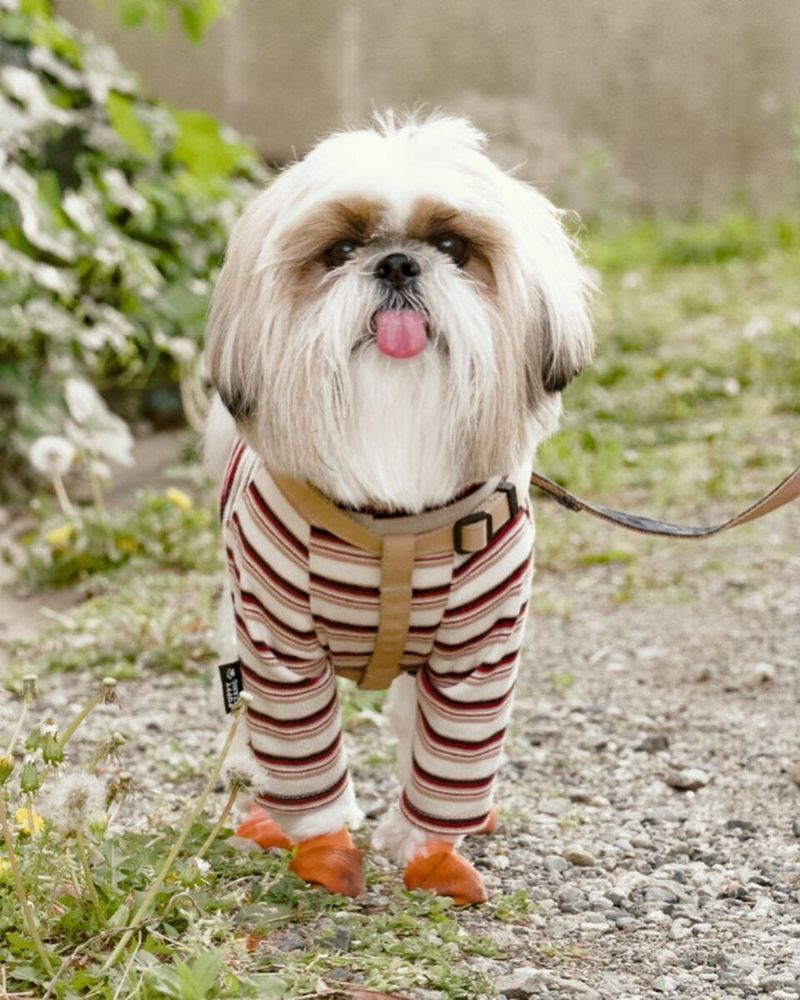
Royal lap dog looks aside, the Shih Tzu is a quiet observer with a thoughtful streak. They notice moods and adjust behavior to fit the room.
Teach practical, helpful skills like waiting on a mat, following hand signals, and moving away on cue. Short, gentle sessions suit their style.
Grooming time becomes learning time with calm rewards. Puzzle bowls slow meals and sharpen patience.
Friendly visitors keep social skills polished.
Greyhound
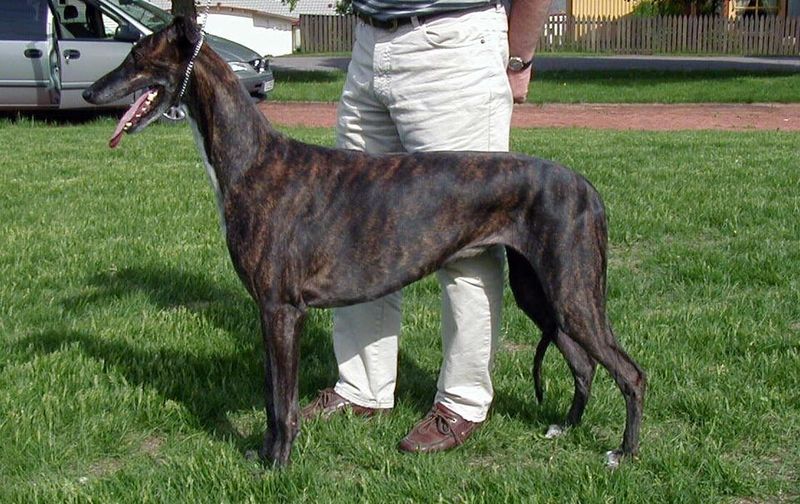
Sprinter by past, philosopher by present. Many greyhounds retire into homes and quickly learn rhythms, from elevator rides to quiet corners.
They appreciate clear structure. Use simple choice games to build confidence, like picking between two comfy beds or two sniff spots.
Calm praise works best.
Short training bursts fit their style. Add gentle enrichment after walks, such as foraging boxes.
Respect rest, and you will find a thoughtful, adaptable partner.
Cavalier King Charles Spaniel
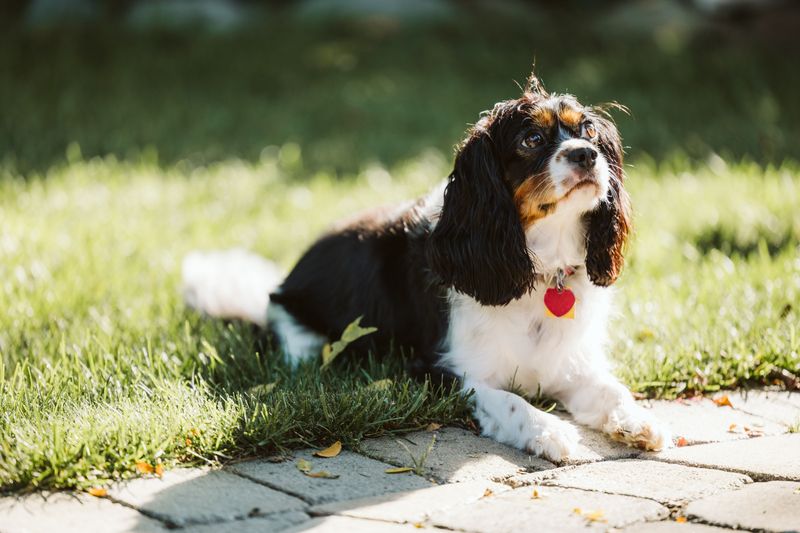
Soft eyes are only part of the story. Cavaliers read human feelings with surprising skill and choose calm responses that soothe a room.
Use that social awareness in training. Practice quiet check-ins, settled greetings, and gentle leash work around distractions.
Reward with touch and voice.
Sniff walks and bird-watching windows enrich their day. Simple hide-and-seek builds recall without pressure.
Balanced routines help them think clearly and rest well.
Basset Hound
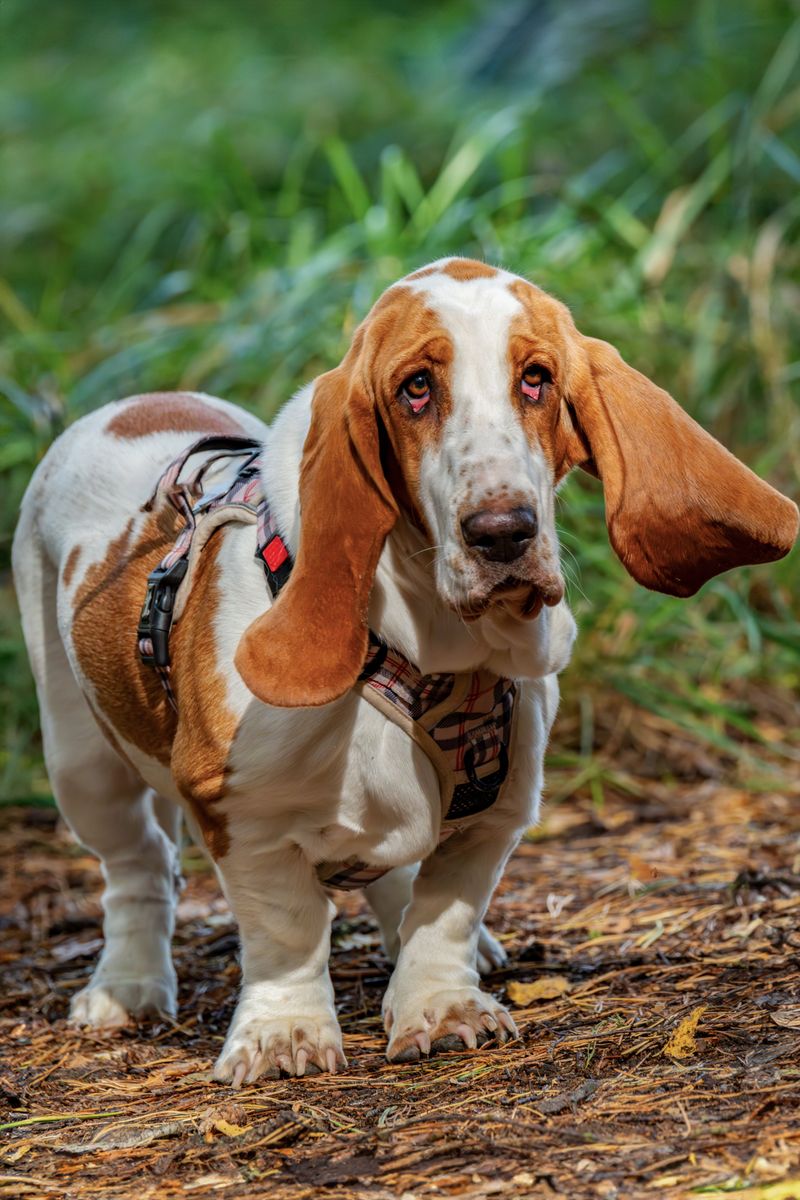
Nose first, nap second, then nose again. The basset hound treats every scent like a chapter book, reading slowly and thoroughly.
Patience pays with this thinker. Set up backyard trails using treats or spices, and let them lead.
Use sturdy harnesses for comfortable tracking.
Training should be calm and steady, with plenty of breaks. Food puzzles matched to long muzzles keep minds busy.
Celebrate small wins, and persistence blooms.