
If your dog paces, sighs, and stares at you when the rest of the house is asleep, you are not alone. Certain breeds just find it harder to switch off at night, especially when their brains and bodies are still buzzing.
The good news is that small changes to routine, enrichment, and environment can make a big difference. Let’s look at the breeds owners say struggle most, and how you can help them finally settle.
Keeshond
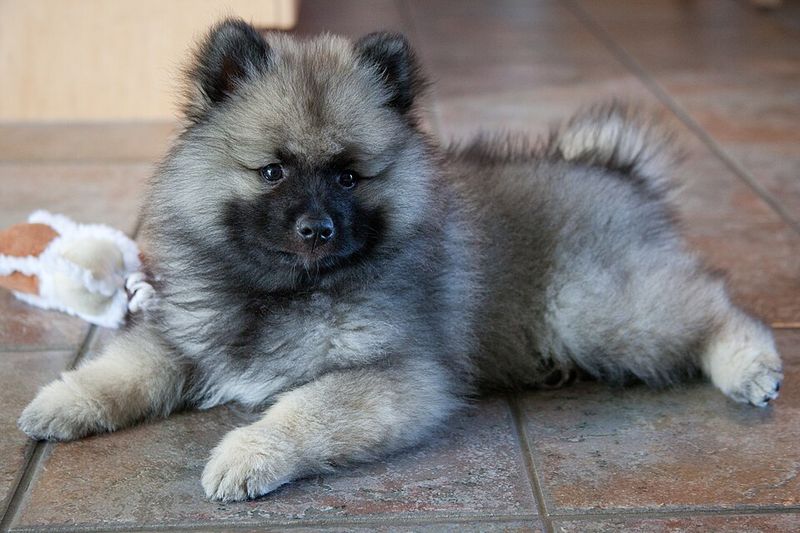
Keeshonden are alert watchdogs, which means nighttime noises can keep them wired. Their thick coat and foxlike face draw attention, but it is their sensitive nature that keeps ears perked long after bedtime.
If yours paces at night, think mental workouts before dusk and a predictable wind down routine.
Try scent games, a stuffed lick mat, and a dark, cool room. Close curtains, play gentle brown noise, and offer a familiar blanket that smells like you.
A last calm potty walk helps reset expectations and reduces restless bursts.
Give clear sleep cues like lights down and a specific bed. Be consistent for a week and you should see steadier nights.
Gentle reassurance works better than endless midnight play.
American Eskimo Dog
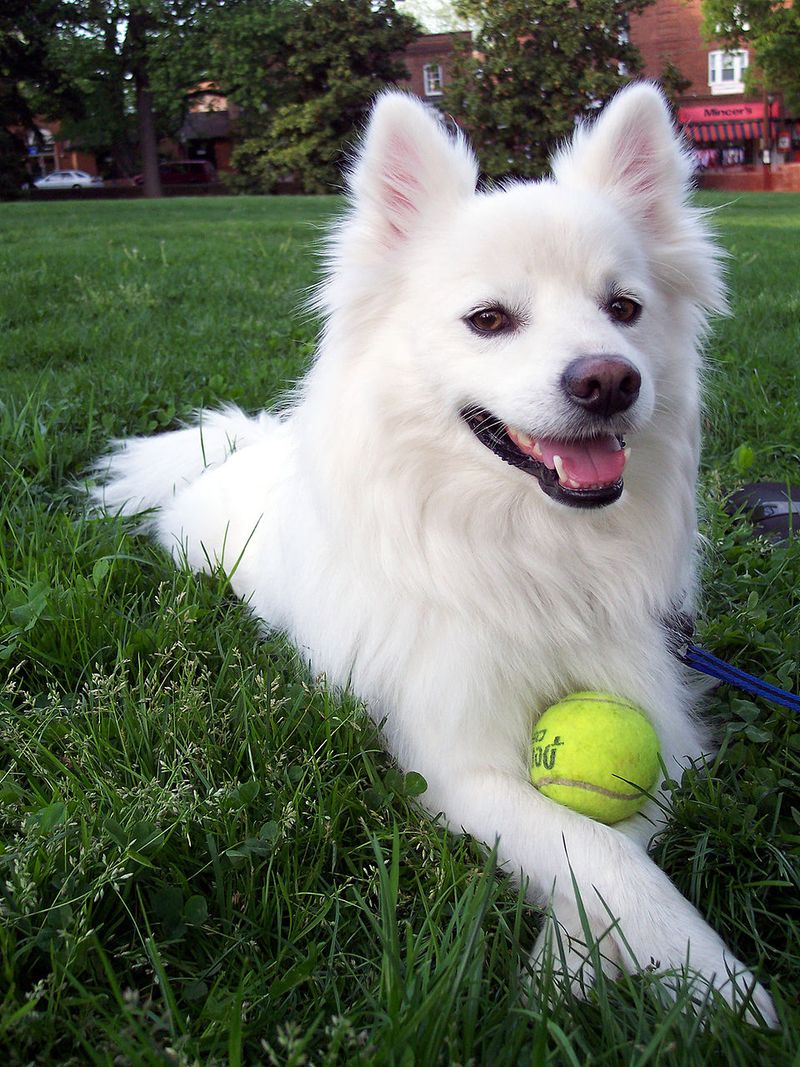
American Eskimo Dogs are brilliant and vocal, so nighttime can feel like an encore performance. If they did not burn mental energy earlier, they will improvise with hallway zoomies and balcony commentary.
Channel that brainpower with puzzle feeders and structured trick training before sunset.
Keep the bedroom cool to suit their dense coat. A snug, denlike crate or covered bed helps reduce visual triggers.
White noise masks outside sounds that spark alert barking and prevent those sudden 2 a.m. wakeups.
Practice a calming pre sleep routine daily. Ten minutes of sniffy decompression and a predictable last potty break can be magic.
You set the tone: low lights, slow movements, then settle with a chewie they adore.
Samoyed

Samoyeds are social, chatty, and stamina rich, so bedtime might feel optional to them. Many will patrol for fun if they are under exercised or overstimulated late.
Aim for earlier heavy activity and later quiet decompression to avoid the midnight second wind.
Because they run warm, provide a cooling mat and slightly lower room temperature. Blackout curtains cut outdoor movement that triggers alertness.
A stuffed frozen Kong offers mouth work that soothes without revving them up.
Teach a solid place cue on their bed. Reward settling for longer increments each evening.
If they whine, guide them back kindly rather than negotiating play, and you will see those famous Sammie smiles even at lights out.
Eurasier
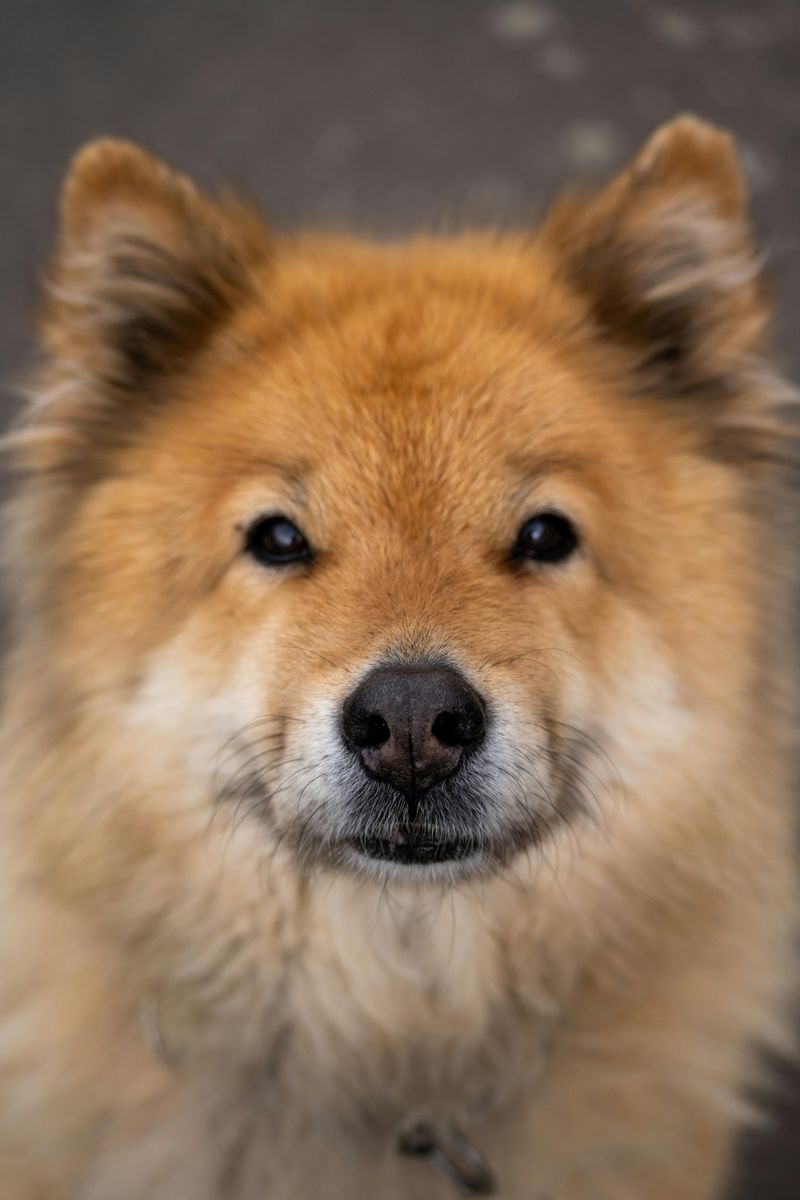
Eurasiers bond deeply and can shadow you from room to room, which sometimes becomes nighttime dependency. If they worry when you move, they may wake and follow.
Build confidence with brief, positive separations during the day so nights feel safer and calmer.
Keep late evening low key: gentle grooming, sniff walks, and mat relaxation. Use a predictable cue like a soft chime before settling.
Avoid rough play after dinner because adrenaline lingers longer than you think.
Offer a nearby bed to reduce FOMO without inviting midnight chatter. Reinforce quiet with occasional soft praise.
With patience, this thoughtful breed learns that nothing exciting happens after lights down, making rest a natural choice.
Border Collie
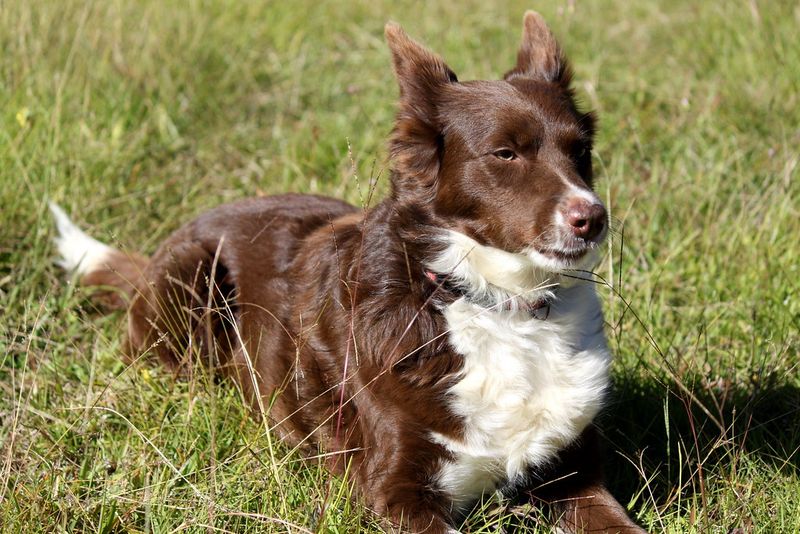
Border Collies are legendary workaholics. If the job board is empty at night, they will invent projects like herding shadows.
Provide real work earlier: structured training, sheepball games, or nosework that taxes the brain far more than endless fetch.
Cap stimulation an hour before bedtime. Use mat training with a long lasting chew to flip the switch from go to slow.
Close curtains to limit motion triggers and add white noise to block neighborhood sounds.
Teach an off duty cue so your collie knows the shift has ended. Reward calm, not frantic obedience.
Consistency prevents the 1 a.m. stare down and helps this genius finally clock out.
Shetland Sheepdog
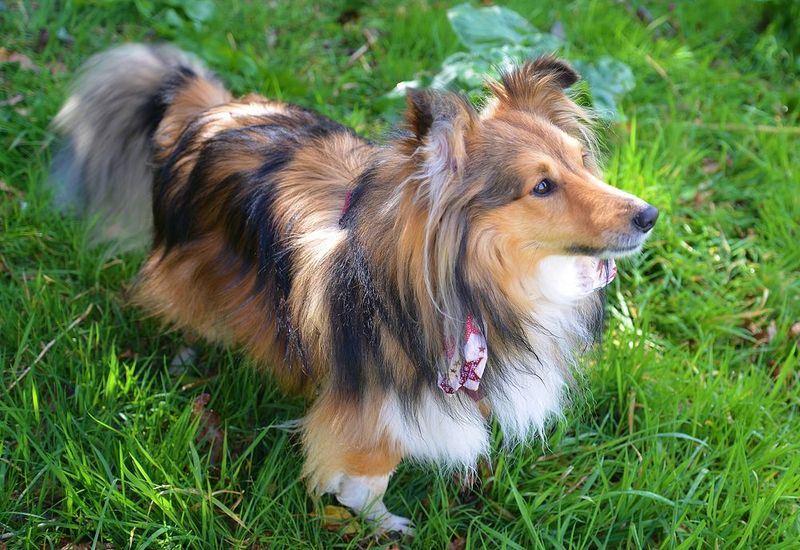
Shetland Sheepdogs are sensitive to sights and sounds, so nighttime can feel busy even in a quiet home. Their quick brains need closure before bed.
Run a brief obedience refresher, then switch to slow sniffing or massage to bring arousal down.
Visual control matters: blackout shades and covered crates reduce scanning. Keep toys out of sight to prevent self starting games at midnight.
Calm music or brown noise can soften trigger sounds like car doors.
Mark and reward relaxed body language. A predictable bedtime phrase and a comfy bed teach them what comes next.
Over a week, the habit forms and your Sheltie will sigh into sleep without pacing.
Miniature Schnauzer
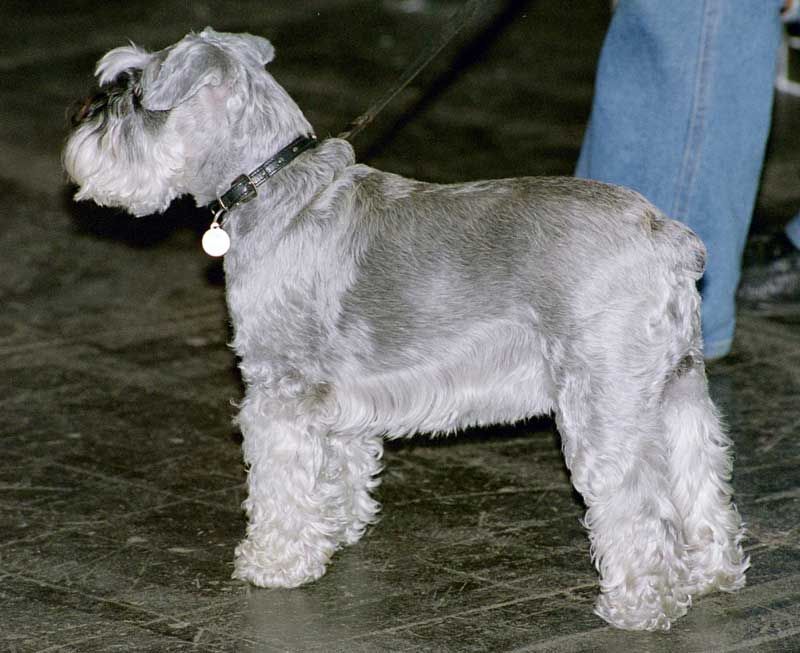
Miniature Schnauzers are alert little sentries, often quick to announce every hallway footstep. Nighttime city noises can kick off repeated wake ups.
Tire the nose with scent games and the body with controlled fetch before dinner, not right before bed.
Crate training with a breathable cover creates a cozy den that reduces visual alerts. Add a safe chew to occupy them during the wind down.
Keep late water modest to prevent 3 a.m. bathroom breaks.
Respond calmly to barks, then guide back to bed. Reward quiet moments so silence pays better than commentary.
Within days, you will notice longer stretches of peace and fewer false alarms.
Cocker Spaniel

Cocker Spaniels are affectionate and can get clingy at night, especially after a busy day of attention. If they struggle to settle, create a clear pre sleep routine: short potty, water check, then lights down.
Keep affection calm and steady rather than playful.
Ear checks and gentle brushing can be soothing while also preventing discomfort that disrupts sleep. Offer a soft chew to ease the transition to rest.
Avoid late sugar or high fat treats that might upset tummies.
Place the bed near you at first, then gradually move it to the desired spot. Reinforce calm with quiet praise.
Soon your cocker will nestle in and let those silky ears drift into dreams.
Dachshund

Dachshunds love to burrow, and the right bed can make or break nighttime success. A hooded or blanket style nest taps into their natural preferences.
Without it, they may dig noisily at linens and wake everyone repeatedly.
Because of back concerns, avoid late roughhousing and jumping on furniture near bedtime. Provide steps or a ramp to prevent risky leaps if they sleep near you.
A brief sniffy walk before lights out helps settle their curious noses.
Offer a warm, safe chew and keep the room quiet. Consistency plus cozy security equals fewer midnight adventures.
With the right den, your doxie will tuck in and stay put.
Pug

Pugs can struggle at night due to brachycephalic airways and warm rooms. Keep the temperature cool and consider an elevated mesh bed for airflow.
Remove harnesses or clothing to reduce any breathing restriction and help them relax fully.
An air purifier doubles as white noise and reduces irritants that make snoring worse. Avoid heavy meals close to bedtime, which can increase reflux and restlessness.
Gentle facial wipes and a calm cuddle routine tell them sleep is here.
Watch for signs of sleep apnea and consult your vet if nights remain rough. Most pugs settle beautifully with comfort, cool air, and consistent cues.
Your snorty companion will snooze like a pro.
Boston Terrier
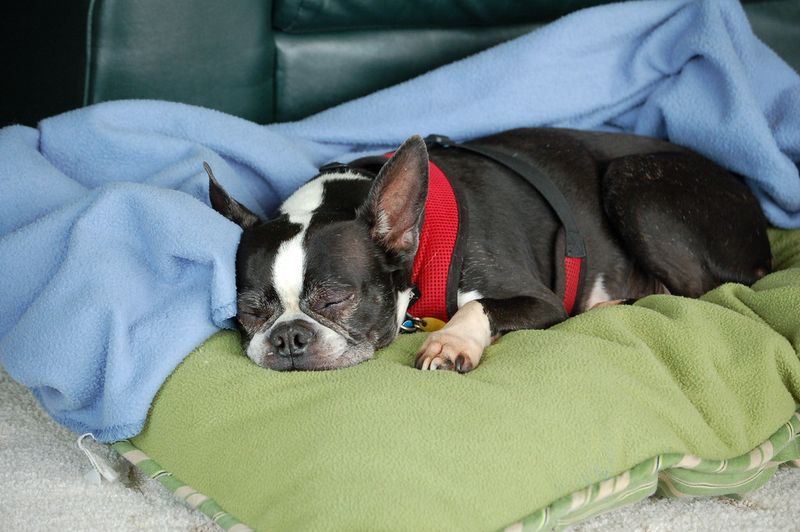
Boston Terriers are playful charmers and sometimes forget the off switch. If you let fetch run late, expect a midnight encore.
Schedule energetic play earlier and finish with calmer foraging games to gently land the plane before bedtime.
Because some Bostons run hot, keep the room cool and bedding breathable. An orthopedic bed supports joints and discourages restlessness.
White noise helps mask hallway clangs that trigger micro wakeups.
Teach a settle on mat cue and reward deep breaths and chin down. Keep lights low and movements slow for the final half hour.
With a routine, your Boston will happily tuck in and dream of tomorrow’s adventures.
Shih Tzu
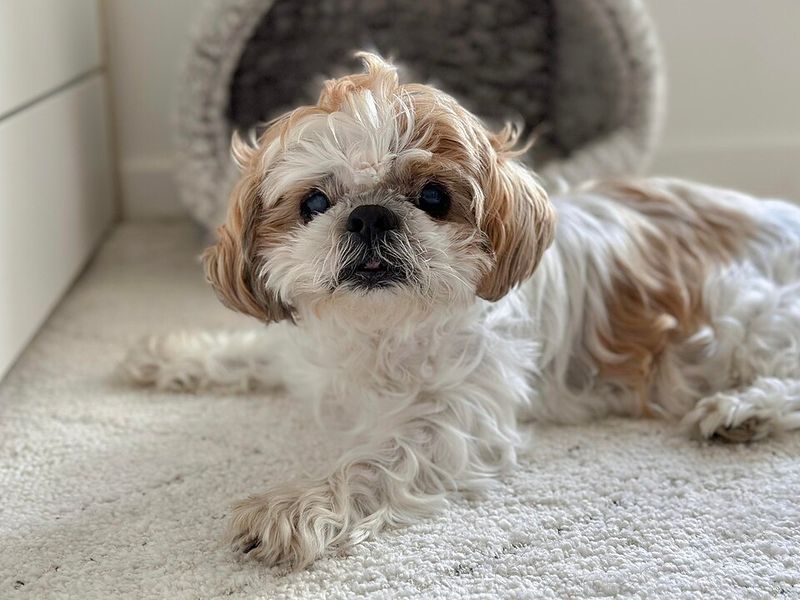
Shih Tzus thrive on companionship and may protest when the room goes dark if daytime needs were unmet. Keep grooming quick and gentle at night to prevent tangles from becoming discomfort.
A final potty break and a sip of water help avoid wee hour whimpers.
Use a calm, repetitive phrase and guide them to a plush bed near you at first. Gradually increase distance if desired.
A slow chew or snuffle mat eases them into restful breathing without overexcitement.
Limit late naps to build sleep pressure. Reinforce quiet moments and ignore attention seeking whines once needs are met.
Soon your Shih Tzu will settle gracefully and snooze like royalty.