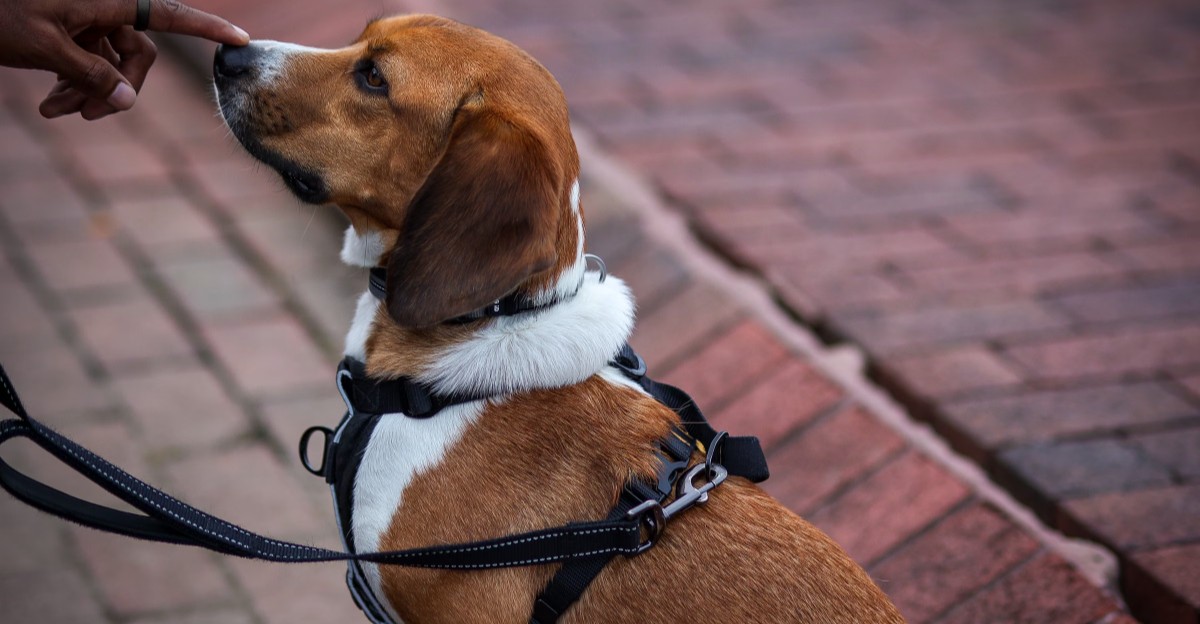
Some dogs hear the doorbell and get excited to meet someone new. Others would rather watch from across the room until they feel safe.
Knowing how different breeds react to guests can help you pick the right dog and plan calm, happy visits. Here is a look at the social butterflies, plus two breeds that need a little extra patience.
Golden Retriever
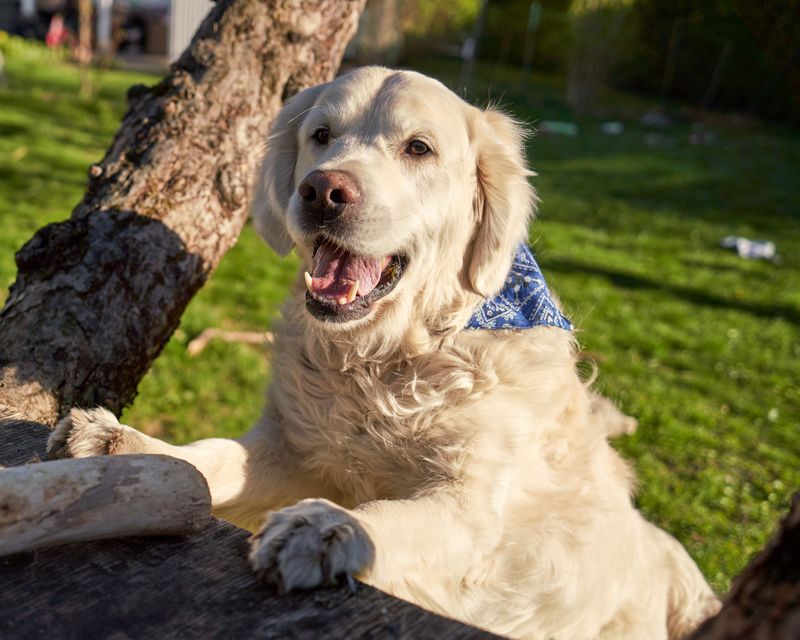
Picture a furry welcome mat that wags. Golden Retrievers often greet visitors like long-lost cousins, tail spinning and a toy in their mouth as a gift.
Bred in Scotland to fetch birds gently, they carry that soft, eager spirit into every hello. Their main problem is too much joy.
Teach a calm sit at the door, and reward it with a treat. Your guests will thank you, and so will their clean pants.
Labrador Retriever
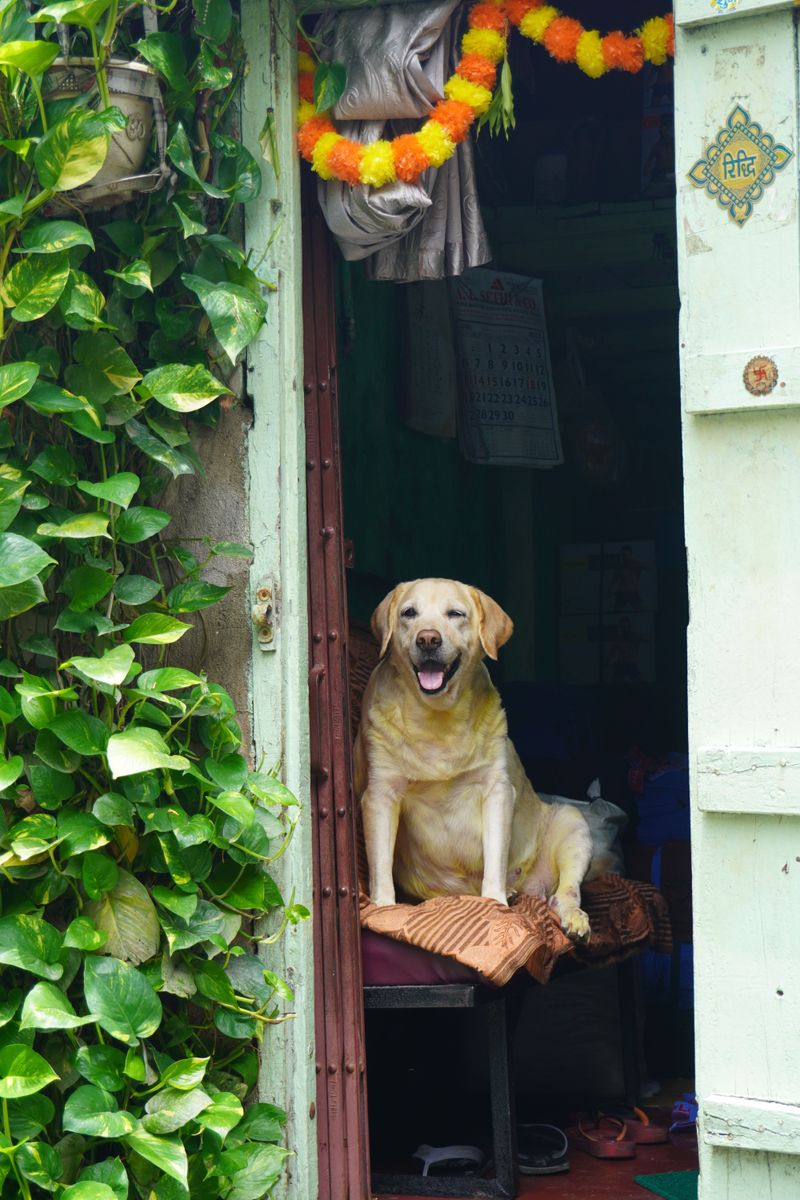
Did you know the Labrador actually comes from Newfoundland, not Labrador? Fun fact aside, this breed has been a top family favorite in America for decades.
Labs tend to think every stranger is a new playmate. That friendly outlook makes them poor guard dogs but wonderful hosts.
Because they love food, treats work great for training polite greetings. Keep a jar by the door and practice with friends who visit often.
Beagle
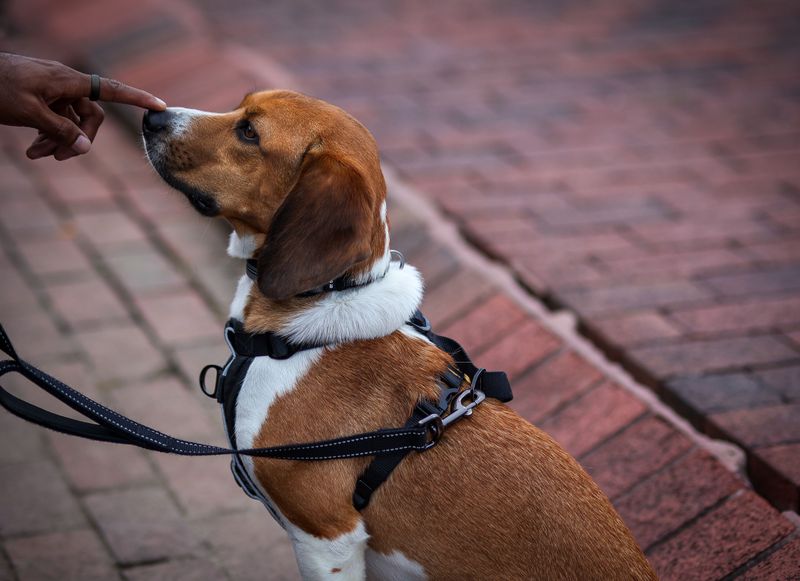
First comes the nose, then comes the friendship. A Beagle will sniff your shoes, your bag, and maybe your pocket snacks before deciding you are wonderful.
These little hounds were bred to hunt in packs, so they enjoy company and rarely act shy around new faces.
One warning, though. Beagles are loud.
That famous bay may announce every visitor to the whole street, so gentle quiet training helps a lot.
Cavalier King Charles Spaniel
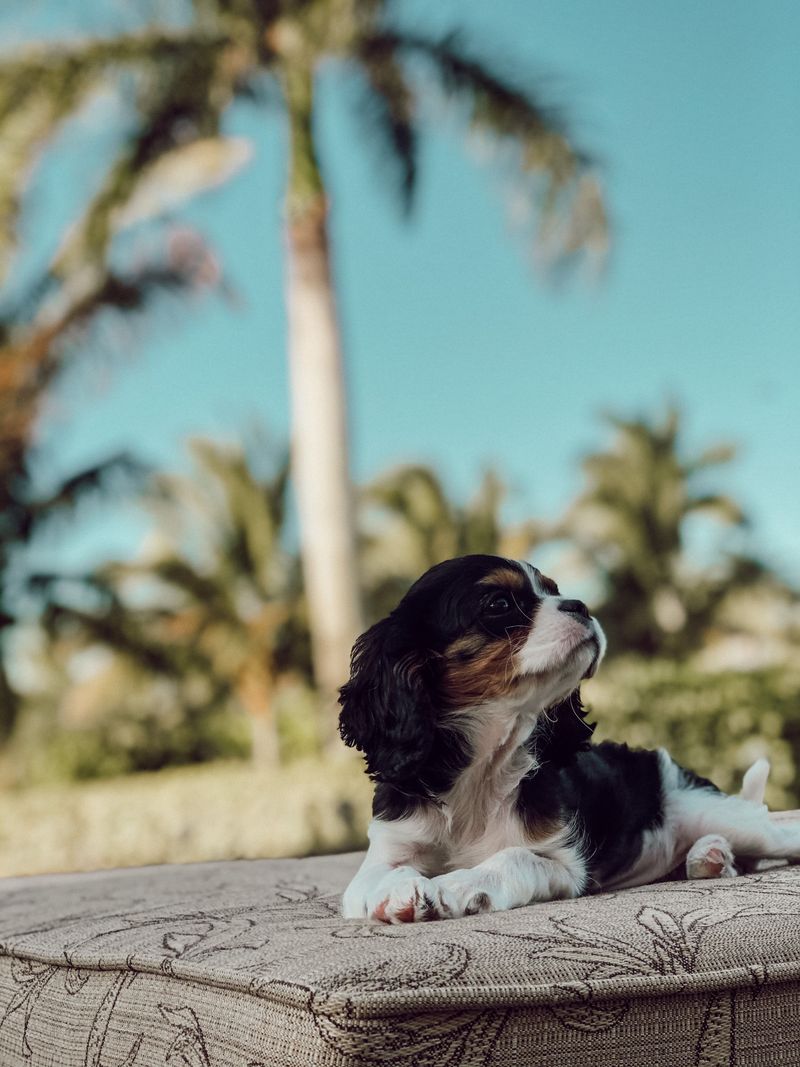
Royal lap warmer, reporting for duty. Cavaliers were favorites of English kings, and they still act like every guest deserves a royal welcome.
Within minutes, many will climb onto a visitor’s lap and settle in for a nap. They are small, soft, and rarely bossy.
Since they crave people so much, they can feel lonely when left out. Let them join the visit, and they will happily do the rest.
Boxer
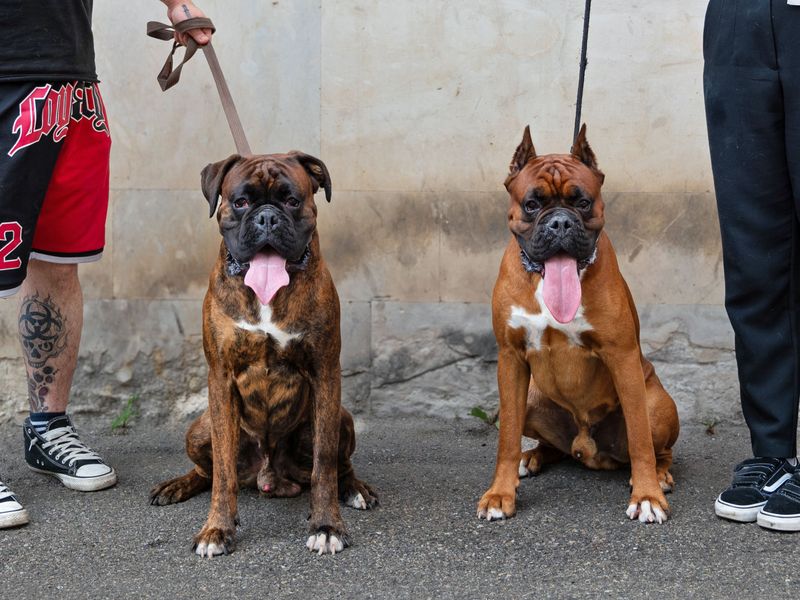
Ever seen a dog do a happy dance? Boxers wiggle their whole bodies, a move fans call the kidney bean, when someone fun walks in.
They are goofy clowns with strong muscles, so an excited greeting can knock over small kids.
Here is a smart trick. Ask guests to ignore the bouncing and only give attention when all four paws are on the floor.
Boxers learn fast when rewards are clear.
Pug
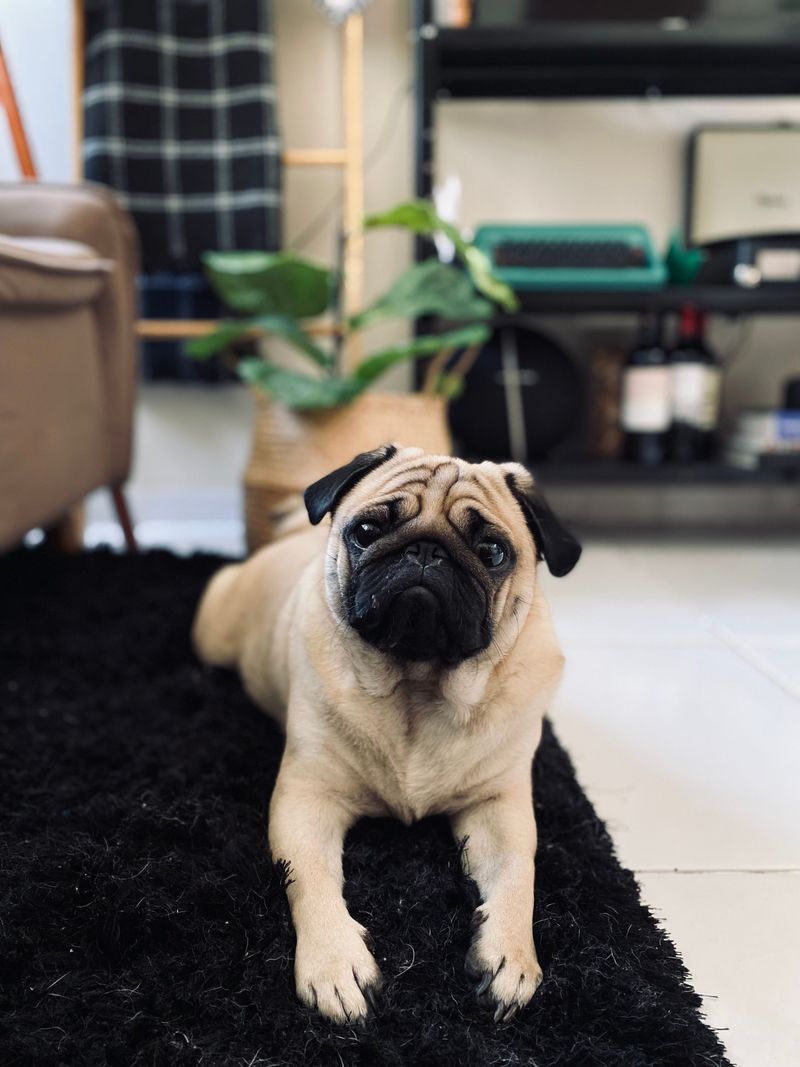
Snorts, snuffles, and a curly tail. When a Pug meets someone new, the soundtrack is half the fun.
Pugs were bred in ancient China for one job only, keeping people company. That history shows in how quickly they warm up to strangers.
They do not need much exercise, which makes them great for apartments with lots of visitors. Just watch the hot weather, since their flat faces make breathing harder.
Irish Setter
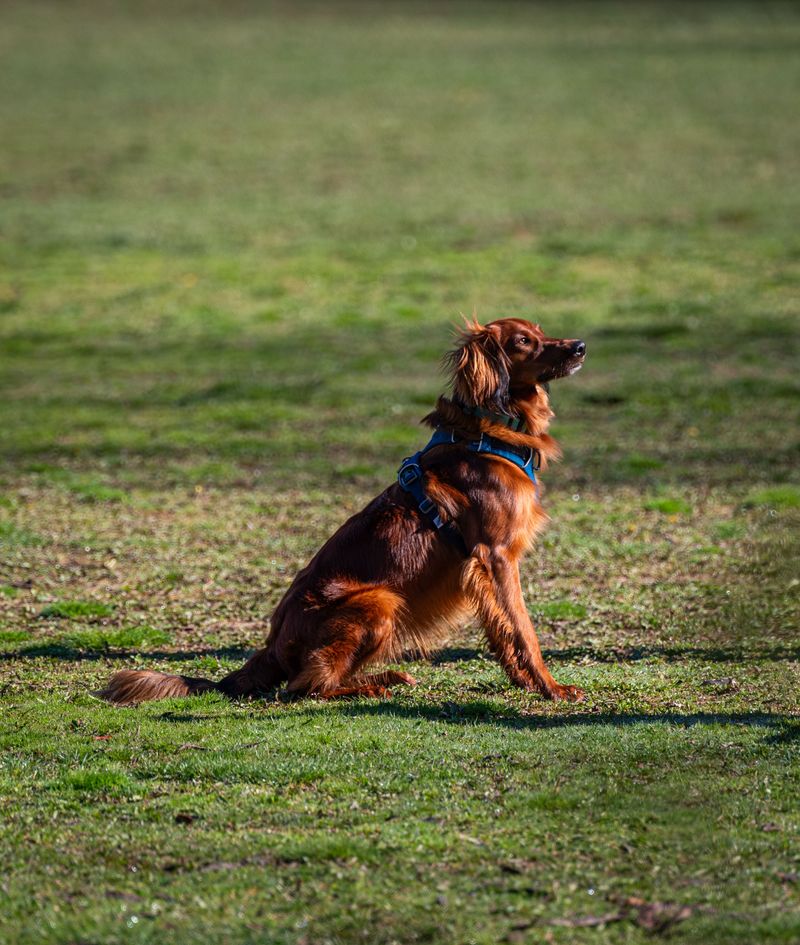
With a coat like polished copper and the energy of a sugar rush, the Irish Setter makes an entrance.
These dogs adore people and rarely meet a stranger they dislike. Some owners joke that they never quite grow up, staying puppy-like for years.
To help them greet calmly, give them a long run or game of fetch before company arrives. A tired setter is a polite setter, and much easier to hug.
Bichon Frise
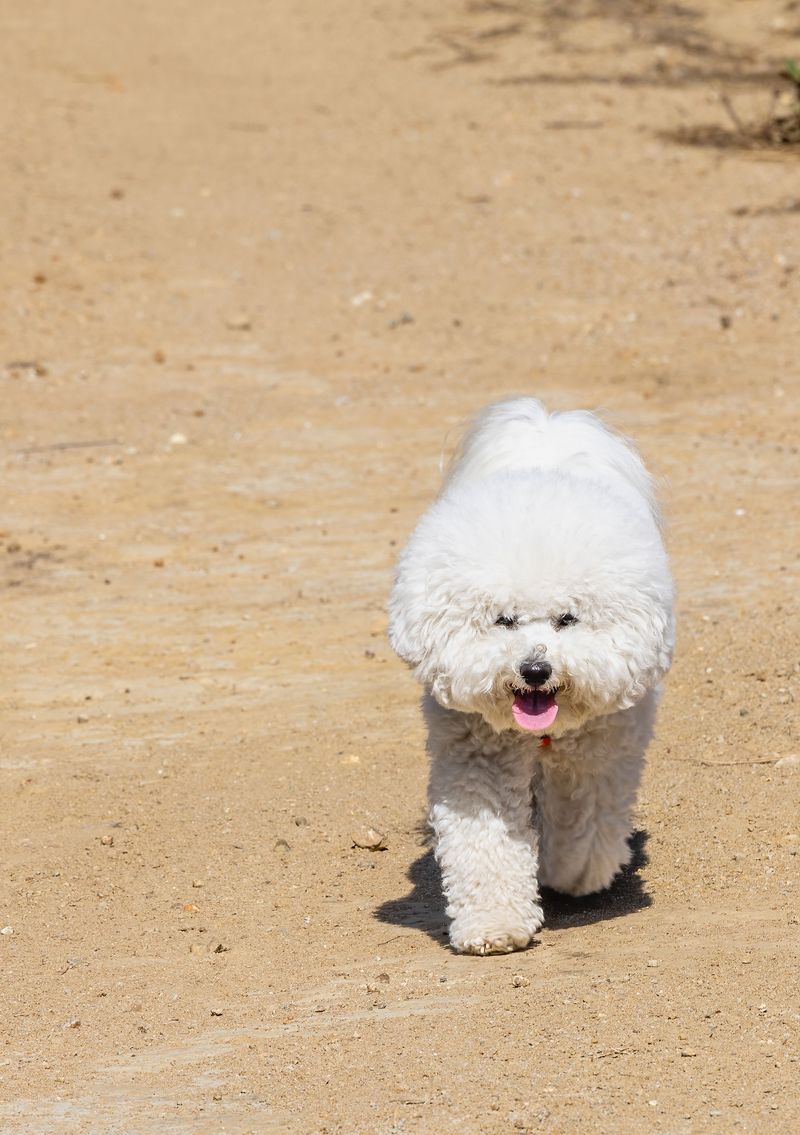
Think of a cotton ball with a big personality. Bichons once performed tricks in French circuses, and they still love an audience.
When the doorbell rings, many race over ready to show off. Their cheerful mood often helps nervous guests relax too.
Bichons shed very little, which some visitors with mild allergies appreciate. Regular grooming keeps that puffy coat looking fresh for every new friend who stops by.
Newfoundland
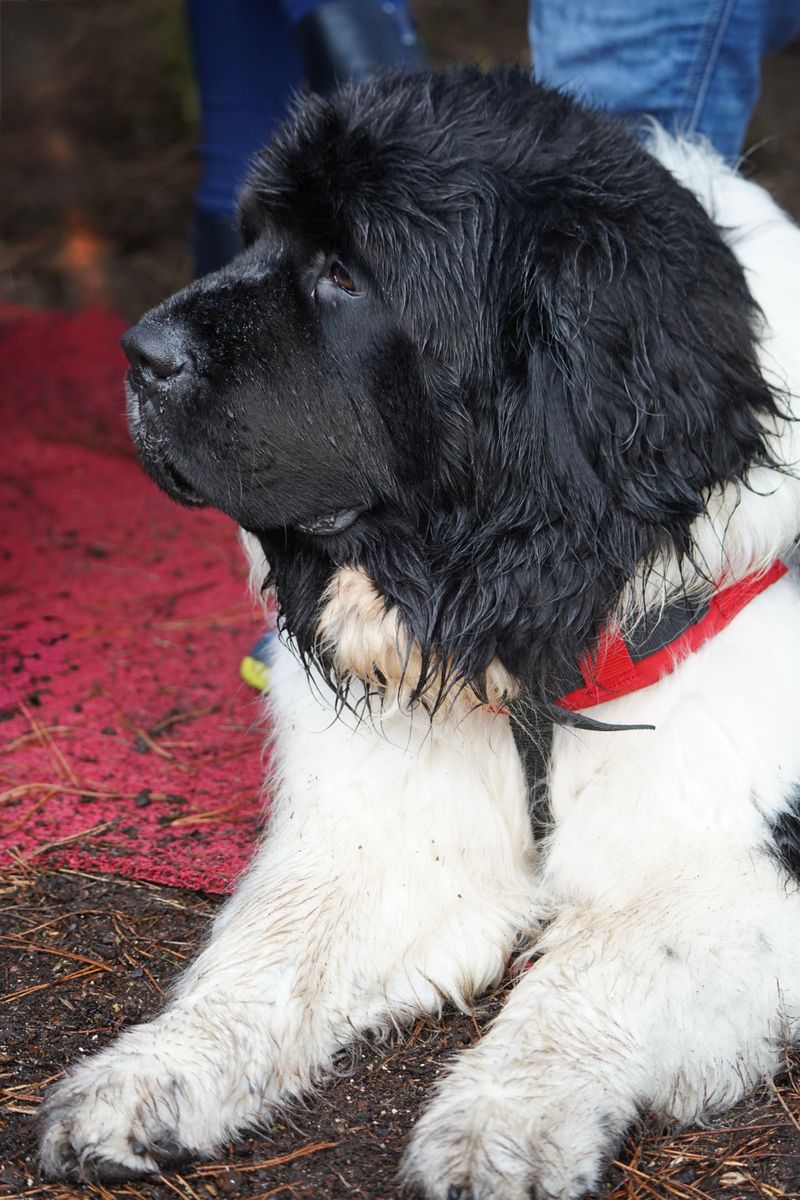
With a heart as big as its paws, the Newfoundland greets guests with slow, calm kindness. These giants can weigh over 130 pounds, yet many act like oversized teddy bears.
Fishermen once relied on them to pull people from icy water. That rescue instinct turned into deep patience.
Bring a towel, though. Newfies drool, and a friendly head on your knee can leave a wet souvenir behind.
Poodle
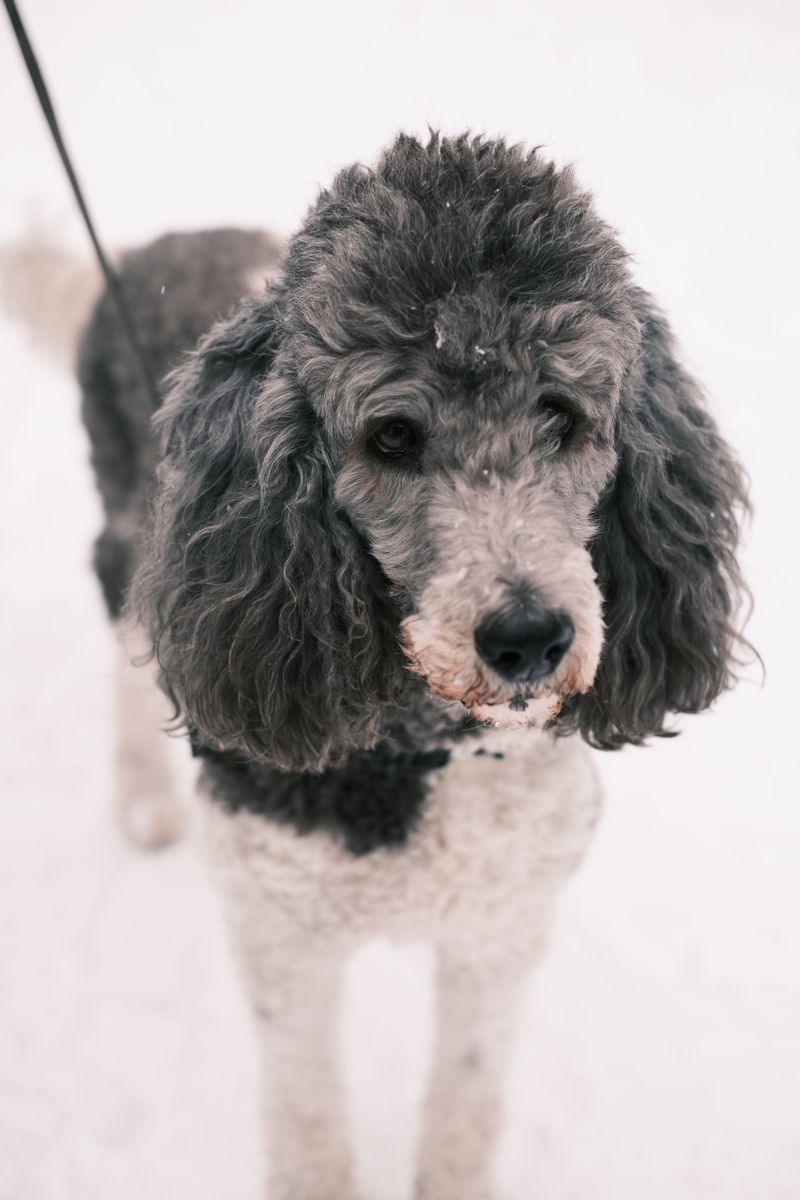
Smart and social, Poodles read a room better than most people. They often size up a guest quickly, then decide to be charming.
Surprise! Poodles were first bred in Germany as water retrievers, not as fancy show dogs.
Their sharp minds make them easy to train for doorbell manners. Try teaching a go to your mat command.
Many Poodles learn it in just a few short practice sessions.
Bernese Mountain Dog
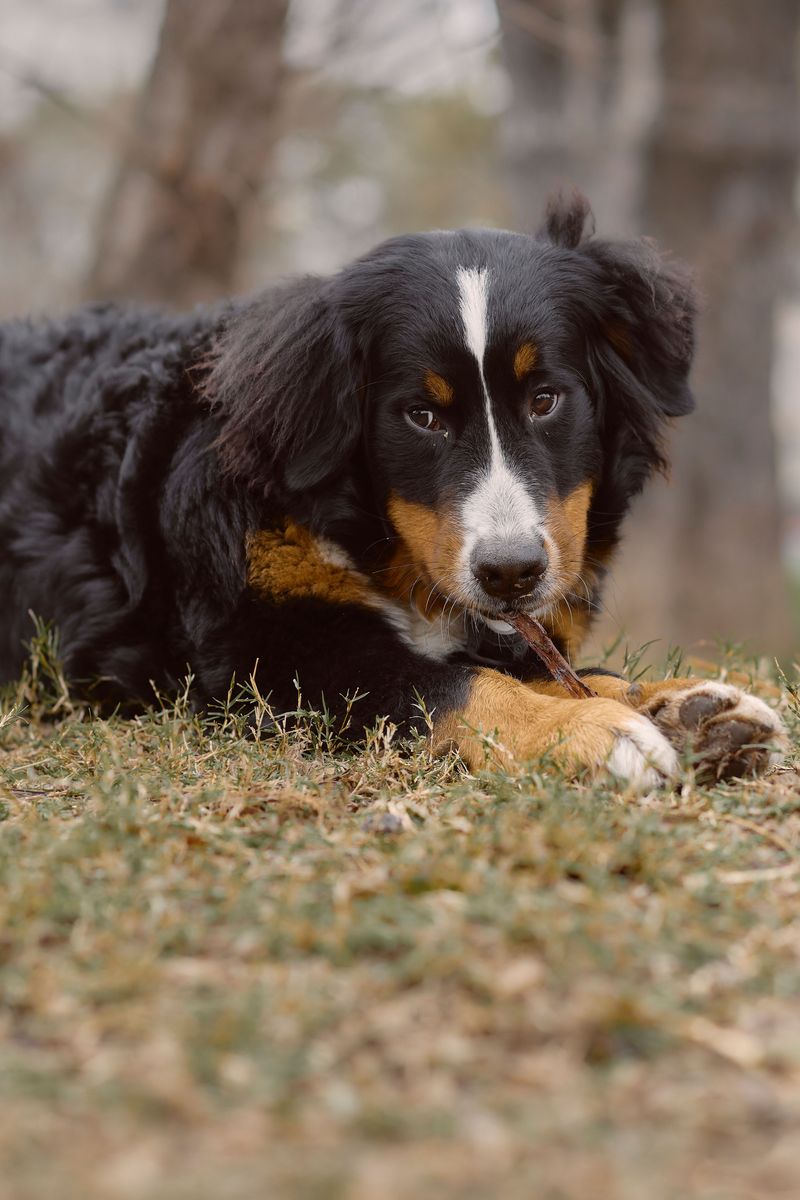
Lean in and you might feel the famous Berner hug. These Swiss farm dogs like to press their big bodies against people they trust.
Most are mellow and sweet with newcomers, though a few act shy at first. Give them a moment, and the warmth usually shines through.
Their thick coats shed a lot, so a lint roller near the door is a kind gift for guests in dark clothes.
Havanese
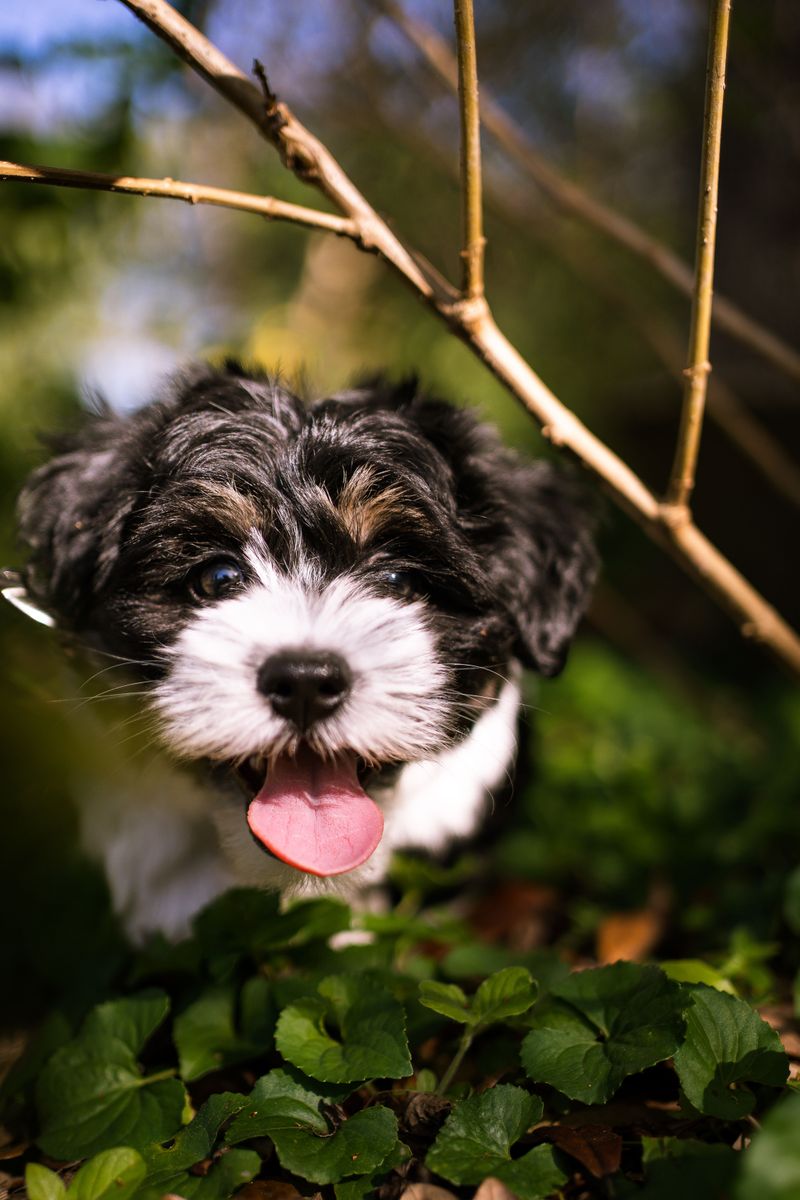
Cuba’s national dog has one goal: being near you. Havanese are small, silky, and famous for following people from room to room.
New visitors usually get a wiggly hello and a quick spin. Some even learn tricks just to impress company.
Since they bond so strongly, they can bark when left alone. Plenty of playtime and gentle meetings with new people early in life help them grow into relaxed little hosts.
Collie
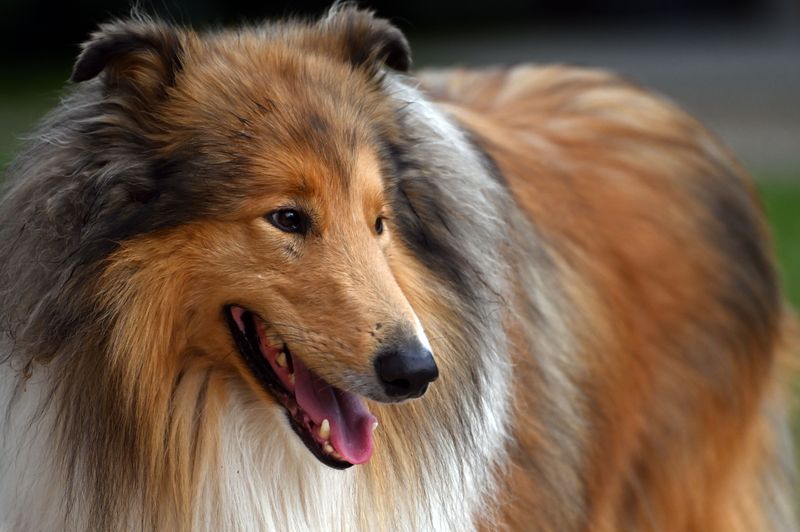
Remember Lassie? That loyal TV star was a Rough Collie, and the real breed lives up to the legend.
Collies are thoughtful greeters. They may bark once to alert you, then welcome guests with soft eyes and a polite sniff.
Herding is in their blood, so do not be surprised if your Collie tries to round up visiting kids. Redirect that urge with games of fetch or simple puzzle toys.
Chow Chow (Needs More Time)
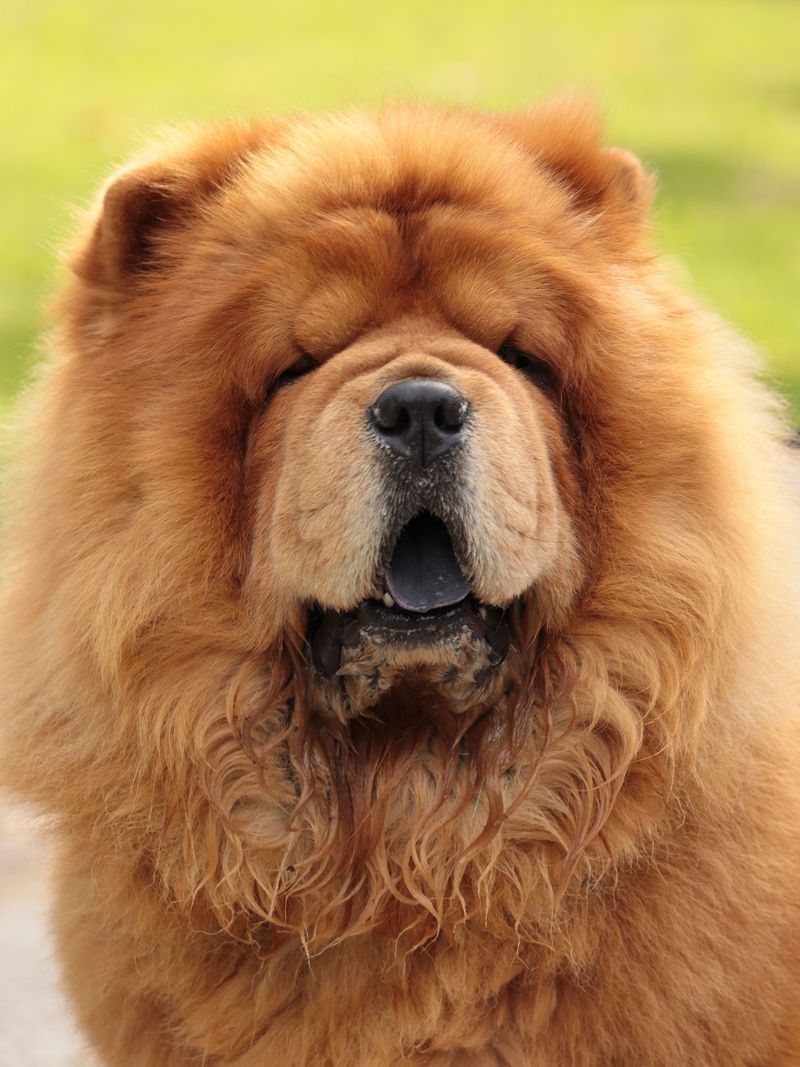
Lion-like and dignified, the Chow Chow does not hand out friendship freely. Many stay aloof with strangers and save affection for family.
That blue-black tongue is real, by the way, and it is one of their quirkiest features.
Never force a meeting. Ask guests to ignore the dog, avoid reaching over its head, and let the Chow approach first.
Patience earns trust, while pushing can lead to stress or growls.
Shiba Inu (Needs More Time)
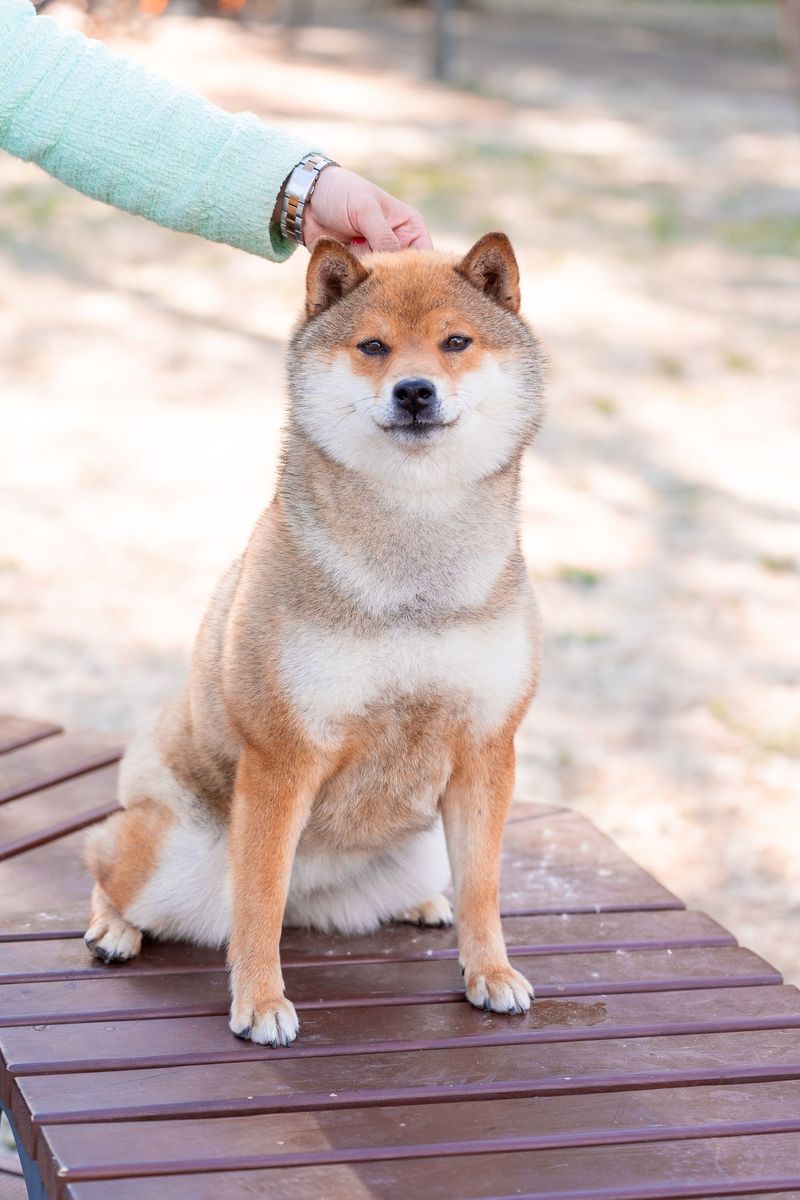
Independent, alert, and a little catlike, the Shiba Inu often treats visitors like suspects in a mystery. This ancient Japanese breed likes to observe before deciding anything.
Some will even let out the famous Shiba scream when handled too soon.
Give your Shiba a quiet safe spot away from the door. Let guests toss treats gently without staring.
Over time, many Shibas warm up, but always on their own schedule.