
Flat-faced dogs are adorable, but the movement to check their health is gaining momentum for good reason. You are hearing more from vets, breeders, and owners who want happier, easier-breathing companions.
Honest talk about noses, airways, eyes, and heat tolerance is not anti-dog, it is pro-welfare. If you care about these breeds, this conversation is where meaningful change starts.
French Bulldog
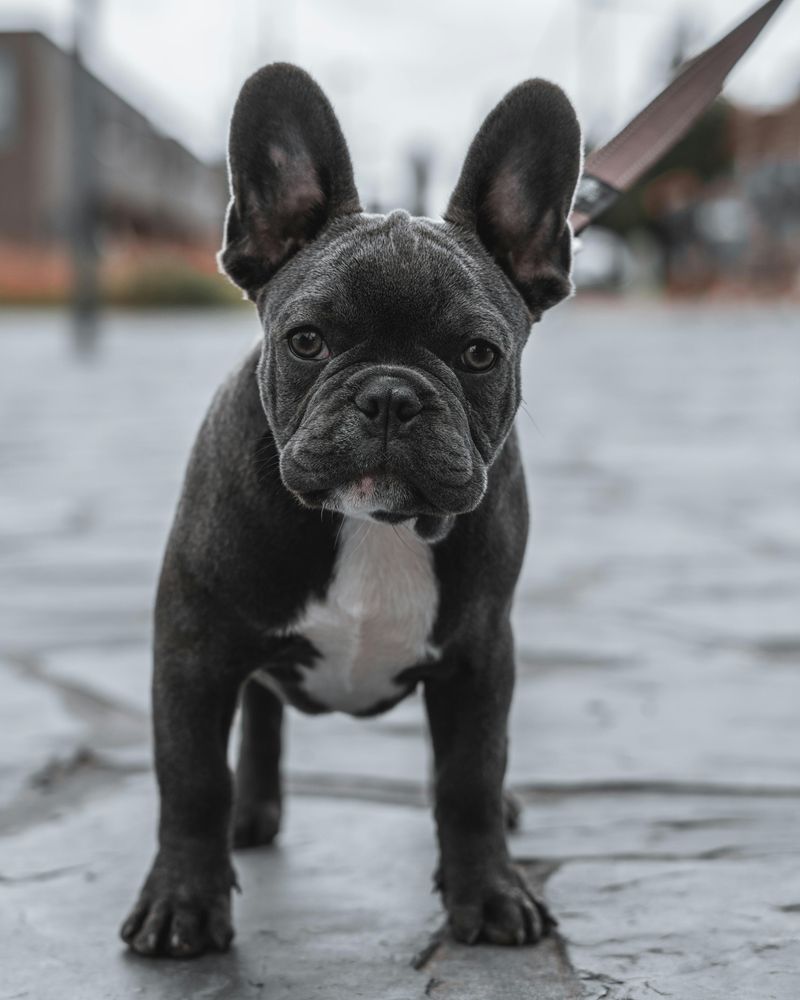
French Bulldogs capture hearts fast, but their compact skulls can squeeze airways. You might notice snorting, fast breathing, or struggle during play on warm days.
A health-first approach means screening for BOAS, checking nostril width, and managing weight carefully.
Talk with your vet about activity pacing, harness use, and heat avoidance. Consider early spay or neuter timing and anesthesia plans tailored for short-muzzled dogs.
If you are choosing a puppy, ask breeders about independent respiratory scoring and relatives that breathe quietly.
Small changes make a big difference. Keep rooms cool, limit exuberant fetch sessions, and monitor sleep sounds.
The goal is not perfection, just steady comfort and easier airflow for a beloved companion.
English Bulldog
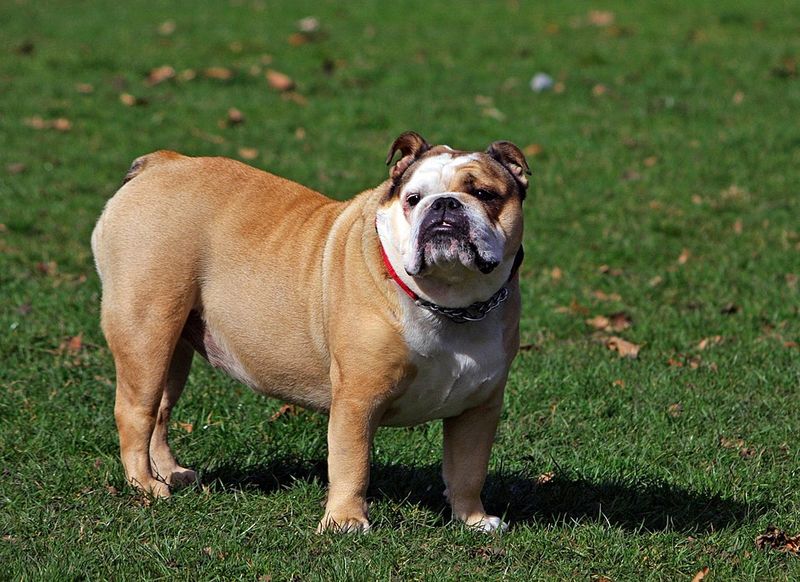
English Bulldogs often face stacked challenges like narrowed nostrils, long soft palates, and skin fold irritation. You can help by keeping weight trim, cleaning facial folds, and avoiding heat stress.
Many vets recommend early airway assessments and tailored anesthesia protocols.
Ask about BOAS grading and whether imaging or surgery could expand the airway. Responsible breeders are prioritizing wider nostrils, athletic build, and sounder breathing lines.
If you adopt, request medical history and plan for regular rechecks, especially during seasonal heat.
Comfort matters daily. Choose a harness that avoids neck pressure, schedule short, shaded walks, and keep water handy.
With proactive care, Bulldogs can live fuller lives with fewer respiratory crashes.
Pug
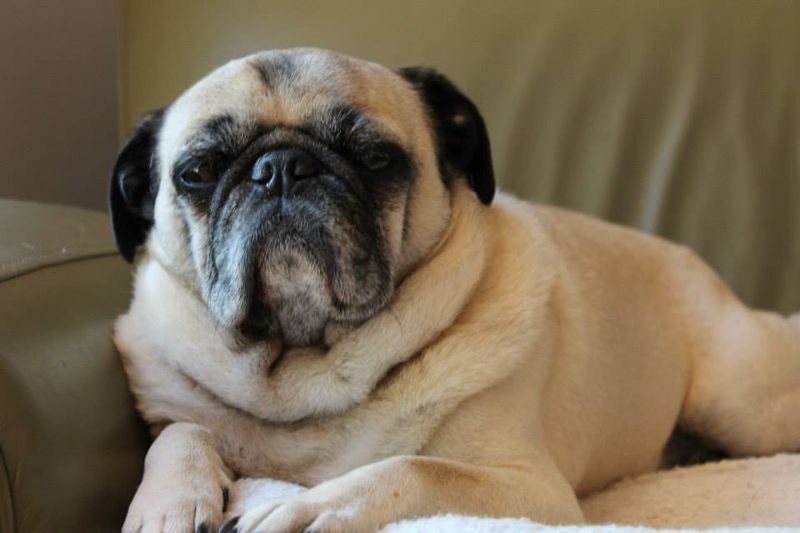
Pugs are charming comedians, yet their flat faces can make each breath a workout. You might hear honks, snorts, or watch them overheat faster than expected.
Eye care is essential due to prominent globes that risk injury and dryness.
Work with your vet on weight goals, airway evaluation, and eye lubrication if needed. Keep exercise brief, avoid neck collars, and choose cool times for play.
If selecting a puppy, ask to meet relatives and listen for calm, quiet breathing at rest.
Small environmental tweaks help a lot. Use fans, cooling mats, and calm training games over intense fetch.
With mindful management, Pugs can stay joyful without pushing their respiratory limits.
Boston Terrier
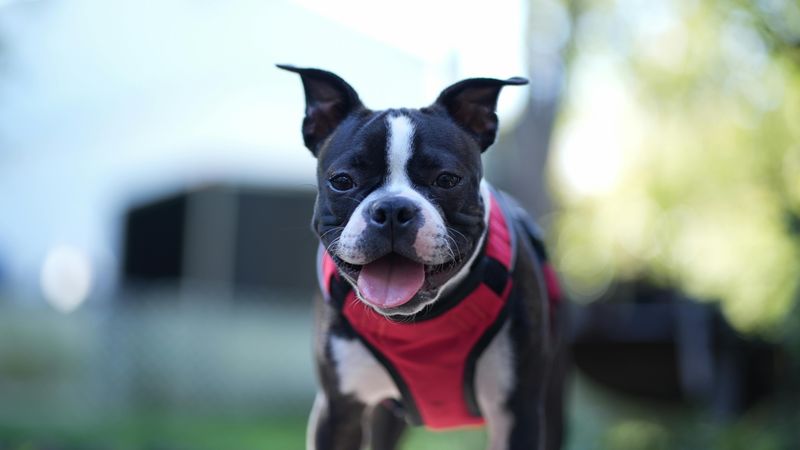
Boston Terriers bring big personality in a compact package, but their short muzzles deserve attention. Some breathe easily, others tire quickly or snore loudly.
You can safeguard comfort by choosing a slightly longer-nosed line and keeping body condition lean.
Discuss BOAS screening, nostril width, and palate assessment with your vet. A harness helps reduce airway strain on walks, especially during training.
Plan activities during cool hours and watch for tongue discoloration or collapse signs when excited.
Eye health needs monitoring due to shallow sockets. Protective habits like gentle play and avoiding poke hazards reduce risk.
Thoughtful choices today set your Boston up for steady, cheerful energy tomorrow.
Pekingese
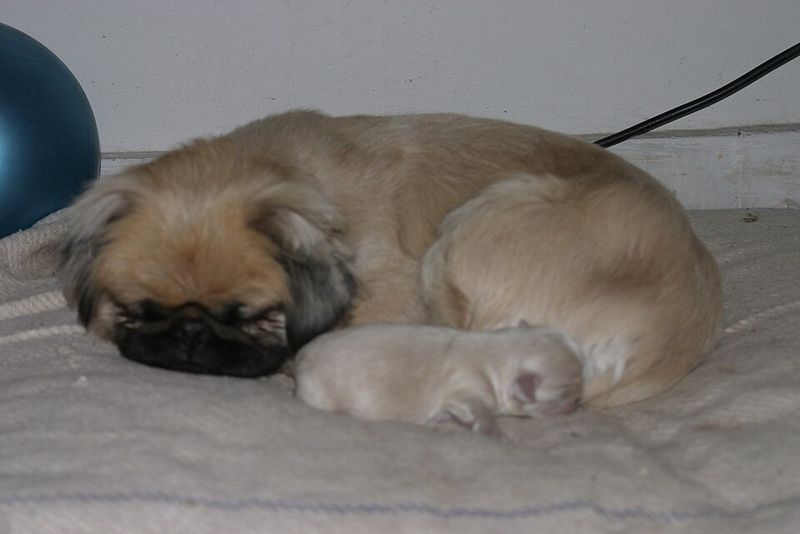
Pekingese thrive with calm routines, but their very short noses and heavy coats can challenge temperature control. You might see open-mouth breathing after mild exertion.
Regular grooming around the face supports airflow and reduces heat buildup.
Schedule veterinary checks for airway grade, eye lubrication needs, and dental spacing. Keep walks unhurried, prefer soft terrains, and provide nonrestrictive harnesses.
Ask breeders about longer muzzle lines and family members that breathe quietly through closed mouths.
At home, create cool resting zones and avoid crowded, hot rooms. Teach relaxed enrichment like sniffy games rather than sprints.
The aim is graceful comfort, ensuring your Pekingese enjoys affection without respiratory strain.
Japanese Chin

Japanese Chin are delicate companions with expressive eyes and a short muzzle. Light exercise suits them best, since heat and excitement can tip breathing into overdrive.
Watch for nasal snorts, reverse sneezes, or frequent tear staining.
Your vet can guide BOAS grading, nostril openness, and eye surface protection. Keep sessions short and positive, and use a chest harness for outings.
If choosing a breeder, ask about respiratory scoring and family lines with effortless rest breathing.
Home comfort is simple and powerful. Cool mats, quiet napping spots, and gentler play protect energy reserves.
With considerate care, a Chin remains bright and social without pushing fragile airways.
Boxer
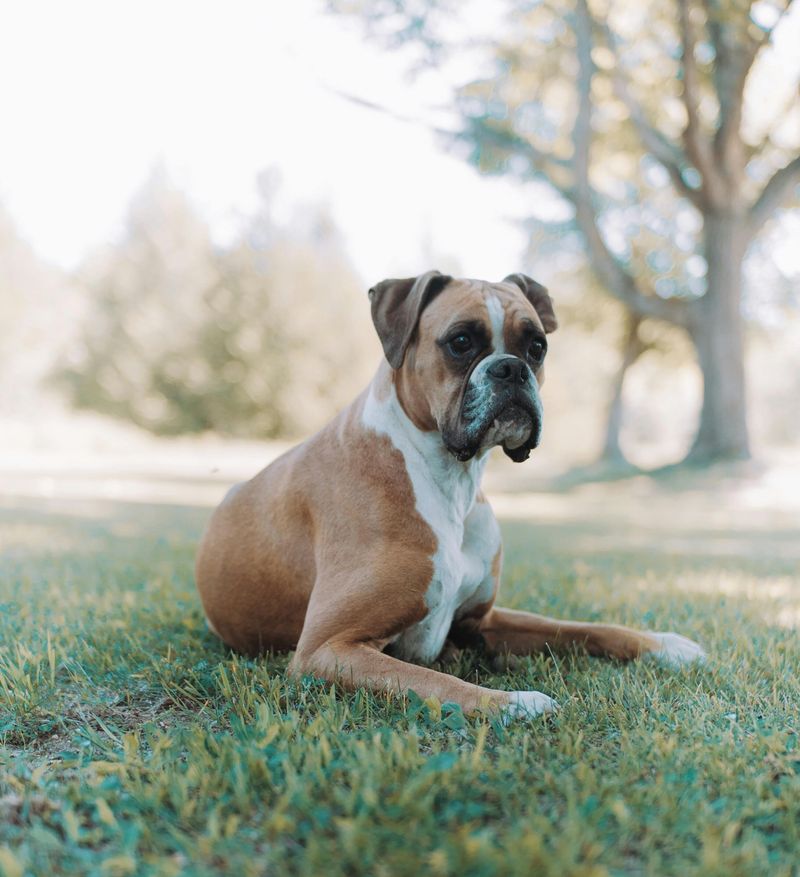
Boxers are energetic, yet some lines show brachycephalic traits that complicate breathing during heat or excitement. You may notice noisy panting or quick fatigue on humid days.
Balanced conditioning and weight control keep them safer and happier.
Ask your vet about airway checks, heart screening, and temperature planning for workouts. Use a harness, schedule shaded runs, and prioritize interval-style play over endless fetch.
If selecting a puppy, look for moderate muzzle length and parents with quiet rest breathing.
Hydration is key. Carry water, take frequent breaks, and cool down slowly after play.
With smart pacing, a Boxer can stay athletic without slipping into respiratory distress.
Shih Tzu
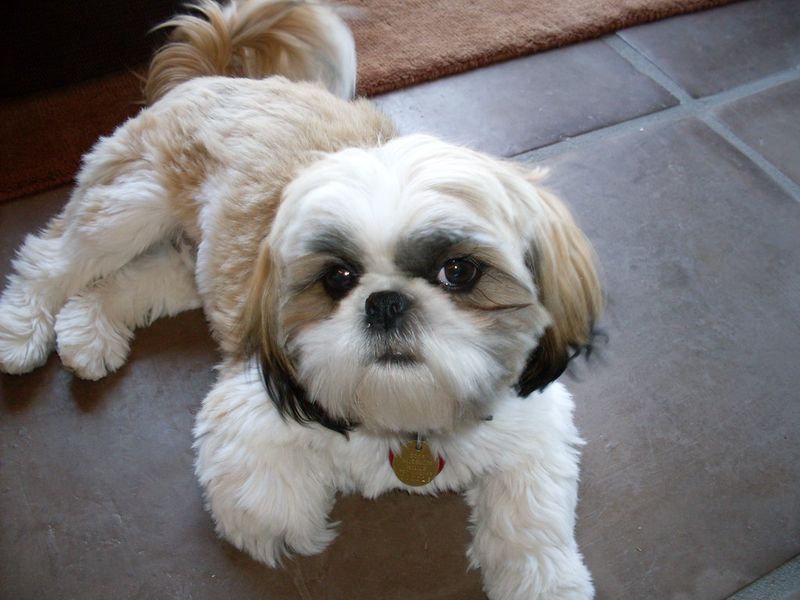
Shih Tzus thrive on closeness, but their short muzzles and lush coats call for mindful care. Breathing can worsen when facial hair blocks airflow or when weight creeps up.
You can make a difference with tidy grooming and a cool, calm home environment.
Discuss airway grading, dental spacing, and eye surface protection with your vet. Choose a harness, avoid neck pressure, and keep walks mellow and shaded.
Breeders prioritizing slightly longer muzzles and open nostrils are helping reshape the future.
Daily habits matter most. Trim facial fringes, offer water often, and schedule playful training in short bursts.
Comfort-first routines keep your Shih Tzu buoyant without breathless moments.
Lhasa Apso
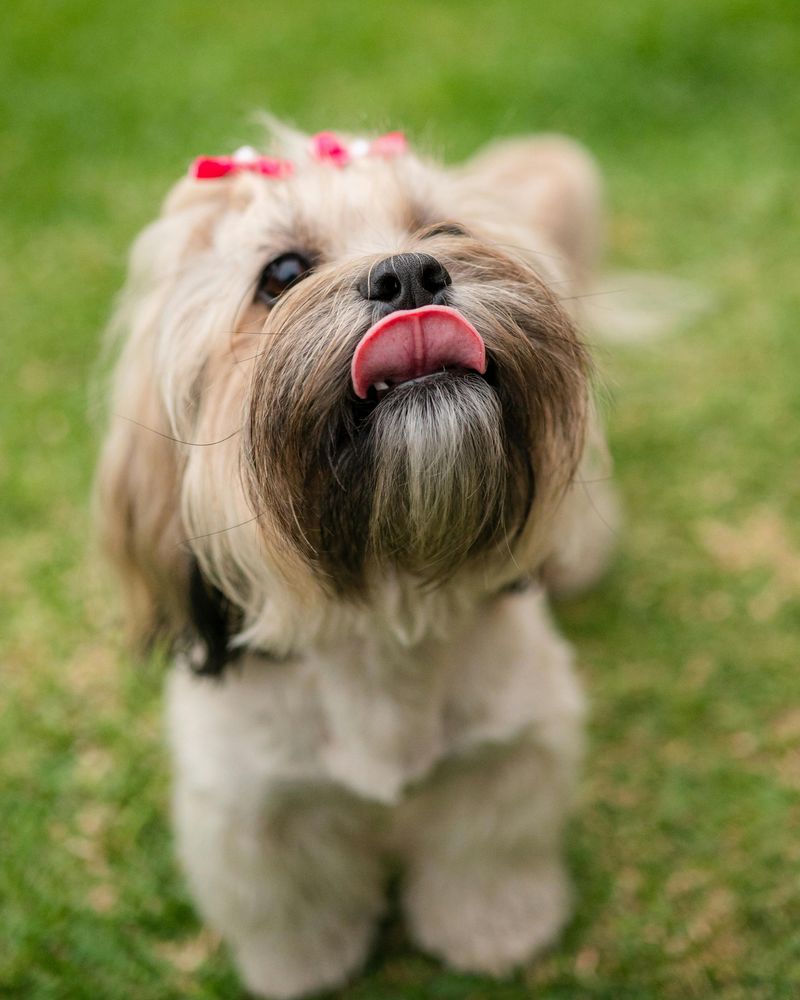
Lhasa Apsos are sturdy yet sensitive to heat because of dense coats and shorter muzzles. Breathing strain may show as loud snoring, snorting, or quick fatigue.
You can help by keeping coat hair off the face and maintaining a lean body condition.
Ask your vet for BOAS evaluation, nostril assessment, and eye health checks. Plan walks during cool hours, use a harness, and favor puzzle games over frantic sprints.
When choosing a breeder, inquire about relatives with quiet breathing and moderate facial structure.
Home strategies are simple. Provide airflow, cooling mats, and calm rest spaces.
These small steps protect comfort and allow your Lhasa to enjoy steady companionship without respiratory flare ups.
Dogue de Bordeaux
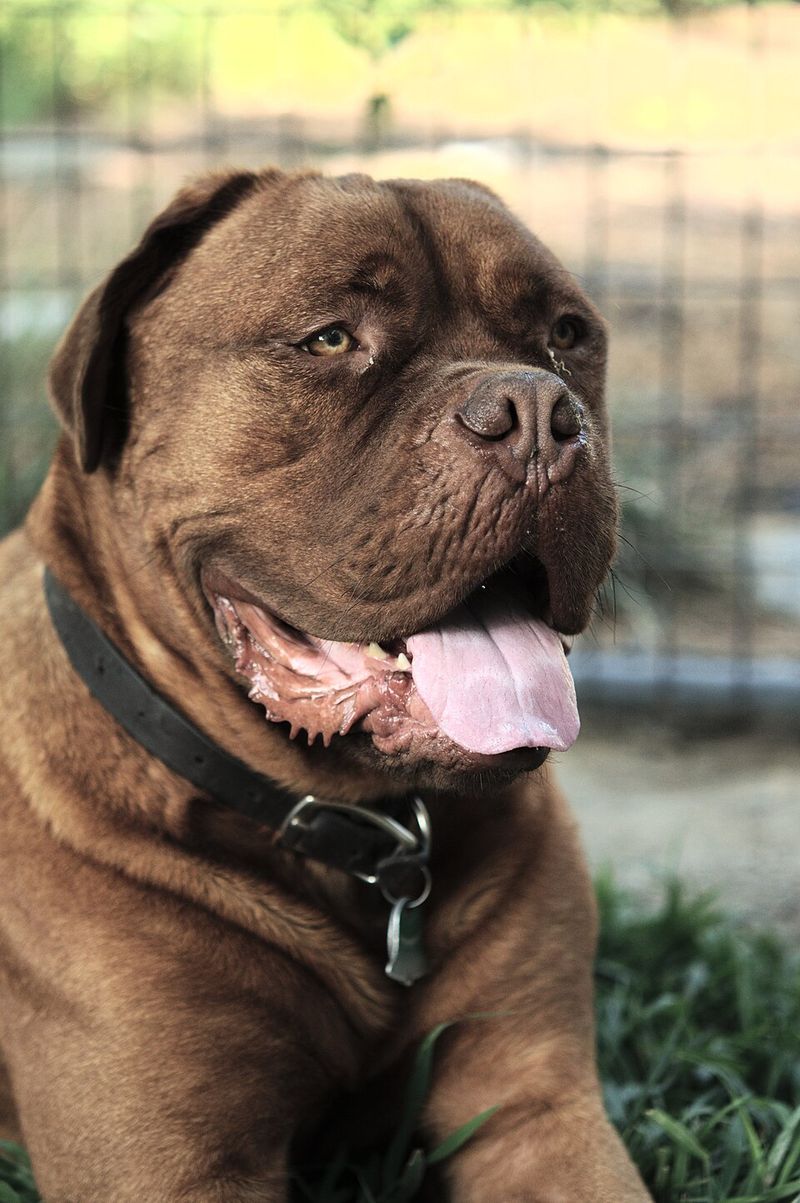
Dogue de Bordeaux dogs are powerful yet vulnerable to heat and airway strain due to head shape and size. You might hear heavy panting after mild exercise, especially in warm weather.
Keeping weight lean and sessions short protects comfort and stamina.
Request airway screening, nostril checks, and skin fold care guidance from your vet. Use a strong, well fitted harness to avoid throat pressure.
If buying a puppy, seek moderate features and parents that breathe quietly at rest and during gentle play.
Environmental management matters. Shade, cool floors, and gradual cool downs reduce risk.
With deliberate pacing, this gentle giant can enjoy life without overwhelming respiratory stress.
Bullmastiff
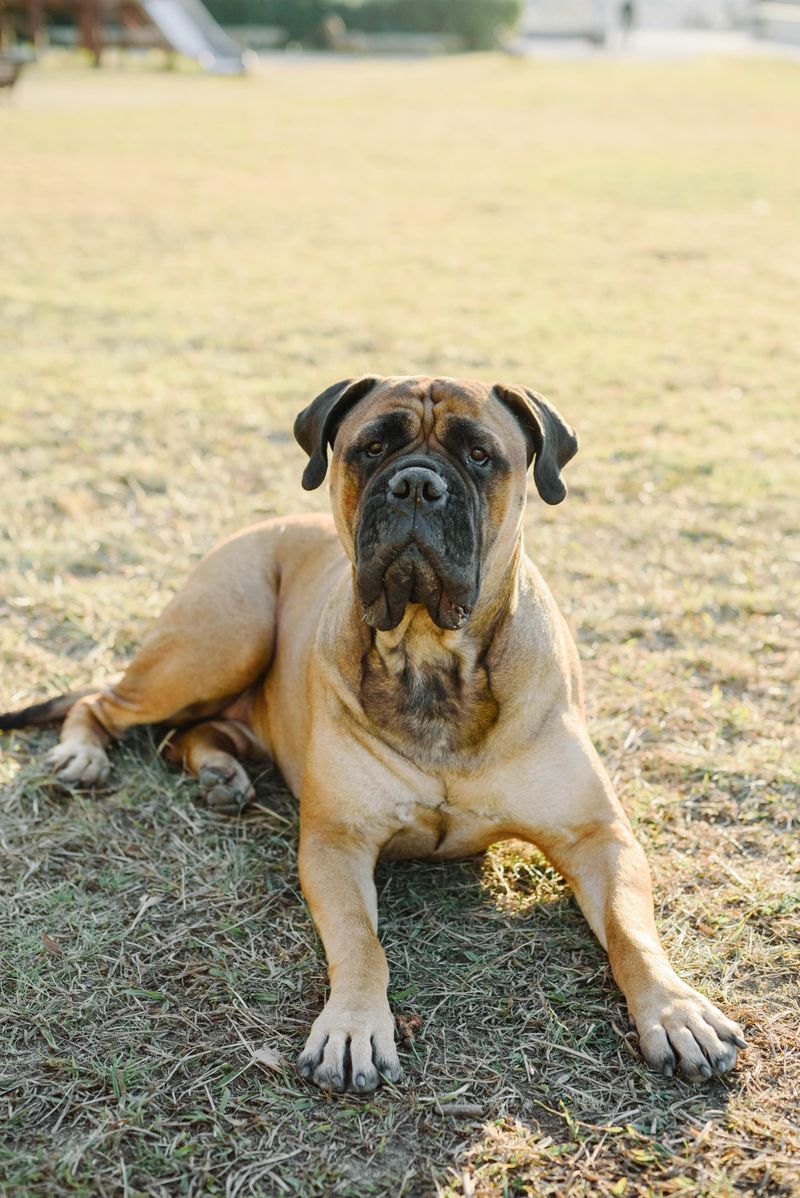
Bullmastiffs are calm guardians, but their massive build and shorter muzzles need careful pacing. Heat and exertion can push breathing into unsafe territory quickly.
You can support welfare with lean nutrition, structured rest, and thoughtful activity windows.
Partner with your vet on BOAS grading, heart checks, and anesthesia plans. Choose a padded harness, avoid intense pulling, and practice interval walks with cooling breaks.
For puppies, ask about moderate features and relatives with quiet, efficient breathing.
Daily routines keep them safe. Provide shade, cool water, and slow warm ups before play.
With proactive habits, a Bullmastiff can stay steady, comfortable, and deeply connected to you.