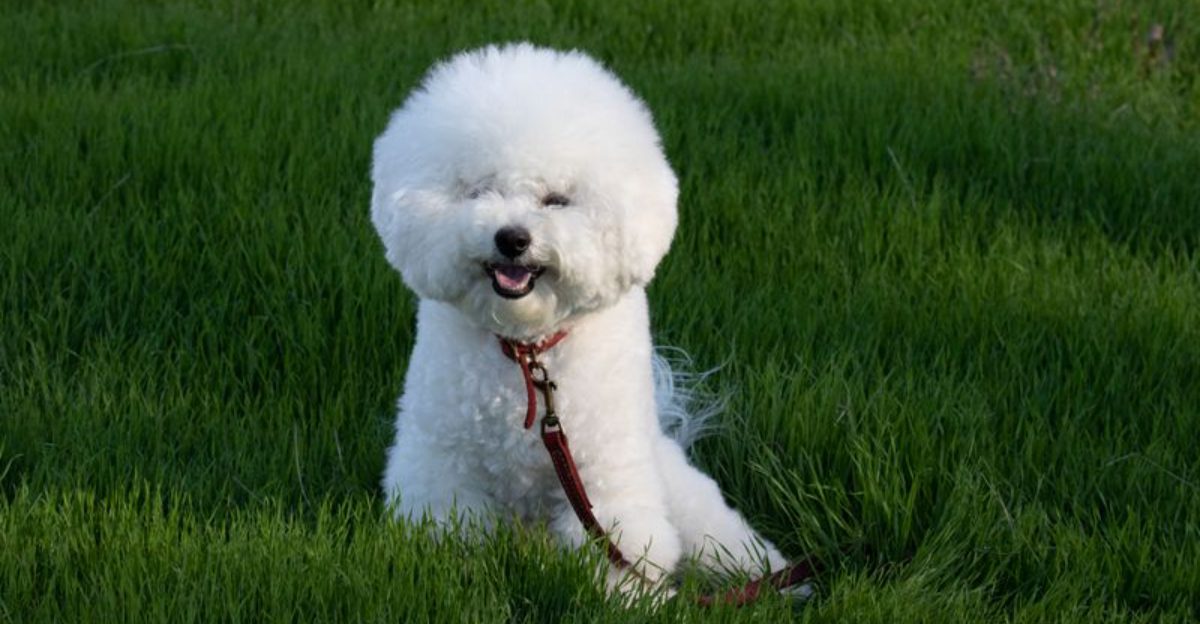
Some dogs live for company, and quiet rooms can feel too big when people leave. After the front door clicks, the day can get tough for friendly, people-loving breeds.
Knowing how to help them relax can prevent stress, barking, and chewed shoes. Here are smart ways to support social pups that struggle with alone time.
Beagle
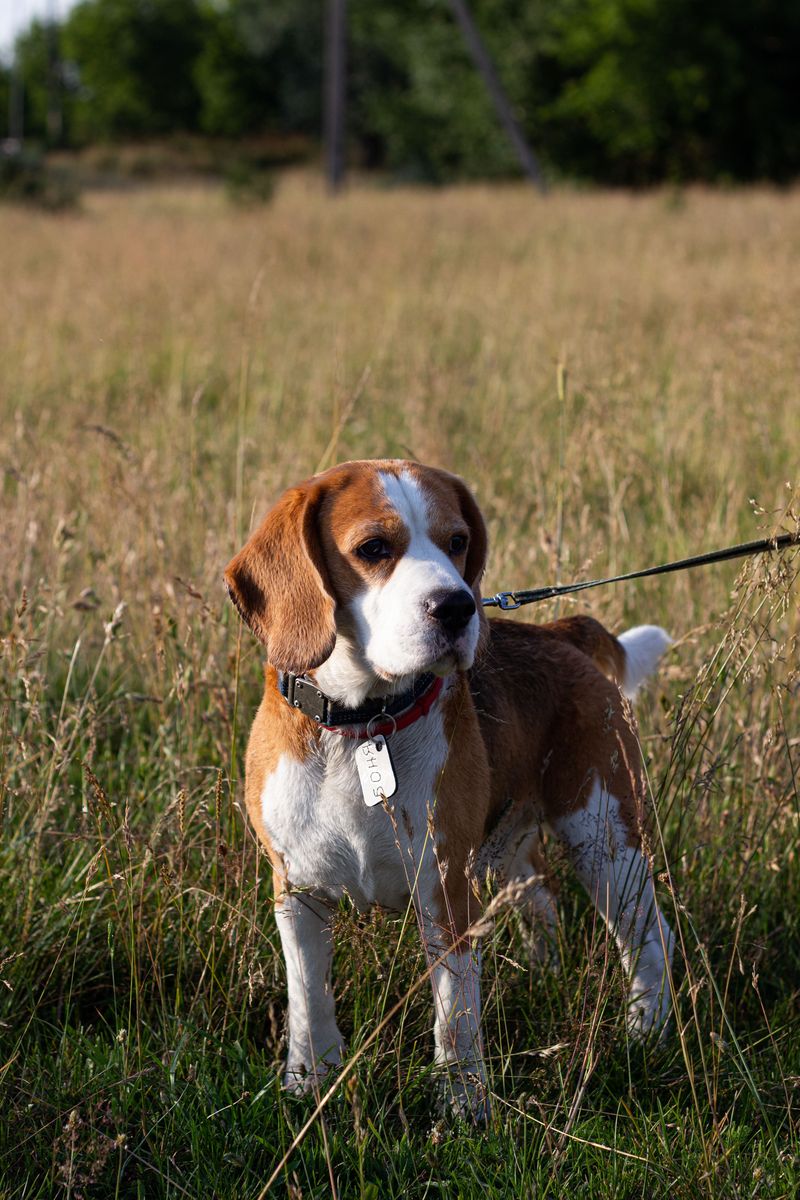
Nose to the floor and heart on their sleeve, Beagles crave company as much as scent trails. When left alone, their musical howl can echo down the block.
Ease the blues with a pre-departure sniffari. Ten minutes of scent games in the yard can drain that busy brain.
Inside, rotate food puzzles so the challenge stays fresh. A frozen Kong can last an episode or two.
For neighbors, white noise helps cover hallway sounds that spark baying.
Bichon Frise
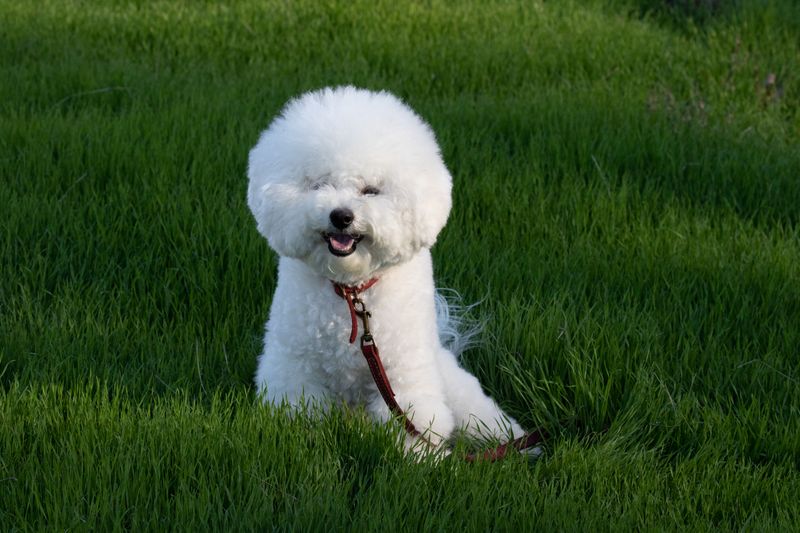
Like a tiny cloud with a cheerful smile, the Bichon loves being in the middle of every moment. Quiet rooms can feel lonely fast.
Create a goodbye routine that predicts good things. Cue a special word, start soothing music, and offer a lick mat that lasts.
Keep departures low-key. No big speeches, just routine.
Practice short absences while you do chores. Confidence grows when your return feels predictable and calm every single time.
Boston Terrier
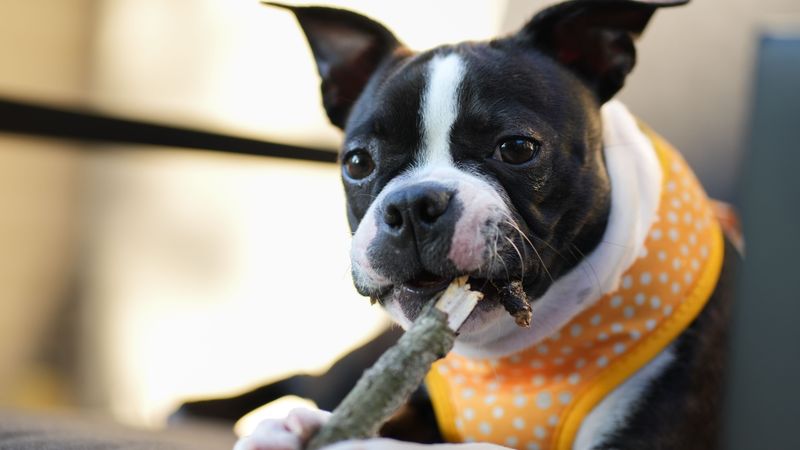
Big eyes, bigger personality, the Boston Terrier often wants front-row seats to your day. When you leave, channel that energy.
Try a brisk game of fetch before work, then offer a stuffed chew for cooldown. That combo helps flip from zooms to snoozes.
Tech can help too. A treat-tossing camera turns check-ins into mini victories.
Keep training fun with short sessions that teach settle cues and happy mat time.
Shih Tzu
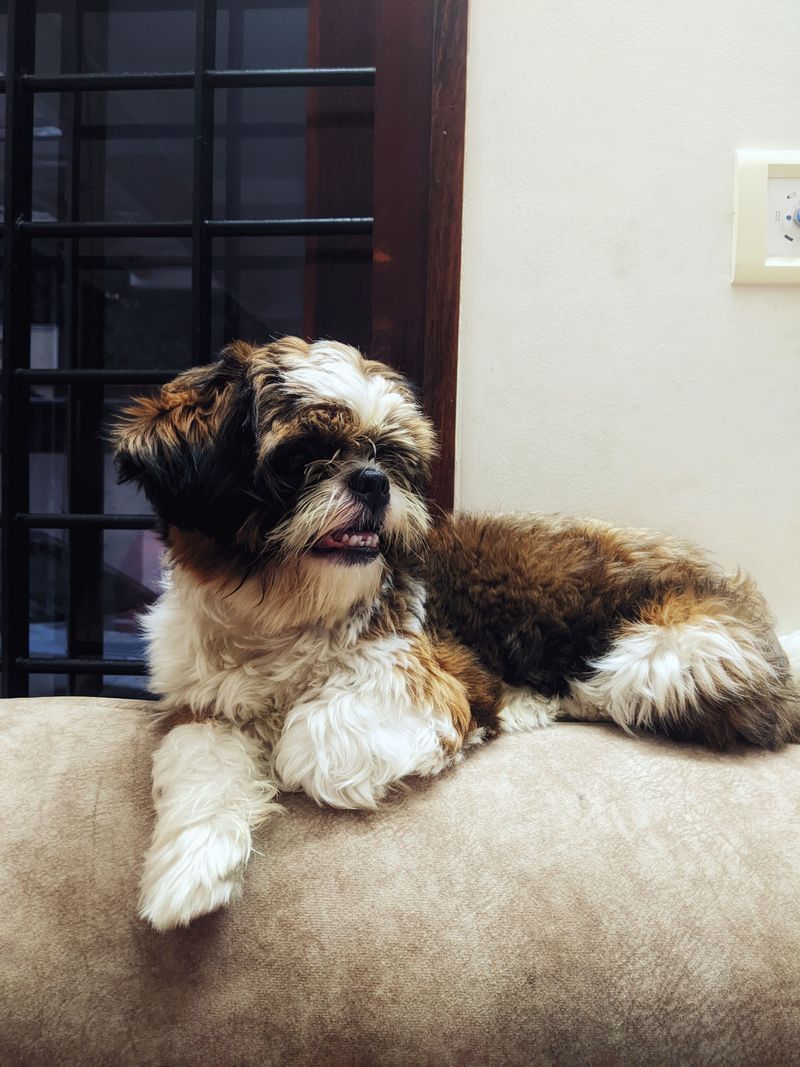
Royal roots, couch-loving spirit. A Shih Tzu often thrives on soft laps and steady schedules.
Gentle comfort goes a long way. Try low-volume classical music or soft audiobooks during alone time.
Familiar voices and rhythms can ease tension.
Slow feeders extend meals and create focus. Leave one near a comfy perch where outside sights are limited.
If grooming time relaxes your dog, brush before you go. Calm feelings can linger after you step out.
Havanese
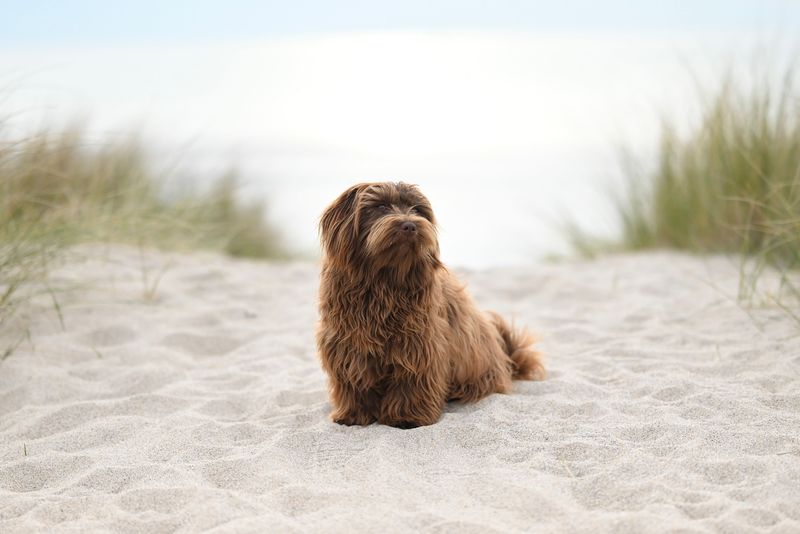
Bred to be a shadow, the Havanese can worry when the room goes quiet. Managing sights and sounds helps.
Frosted window film stops street drama. Set up a treat hunt in different rooms, then cue rest with a chew that is safe and long-lasting.
Social needs are real. Arrange a midday walker or a trusted neighbor teen.
Even a 15-minute visit can reset their mood and cut anxious pacing.
English Cocker Spaniel
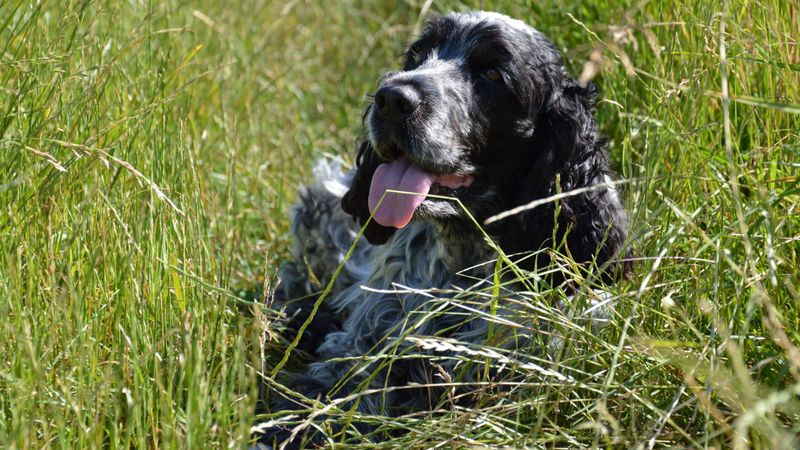
Sweet-eyed and sensitive, English Cockers often read the room like pros. They also read your shoes.
Reduce departure cues by mixing up your routine. Pick up keys randomly, put on boots then make tea, and sometimes do not leave.
Predictability loses its sting.
For busy minds, beginner nosework is magic. Hide cotton swabs with scent in boxes and celebrate finds.
Sniffing burns energy kindly and builds quiet confidence when alone time follows.
Pekingese
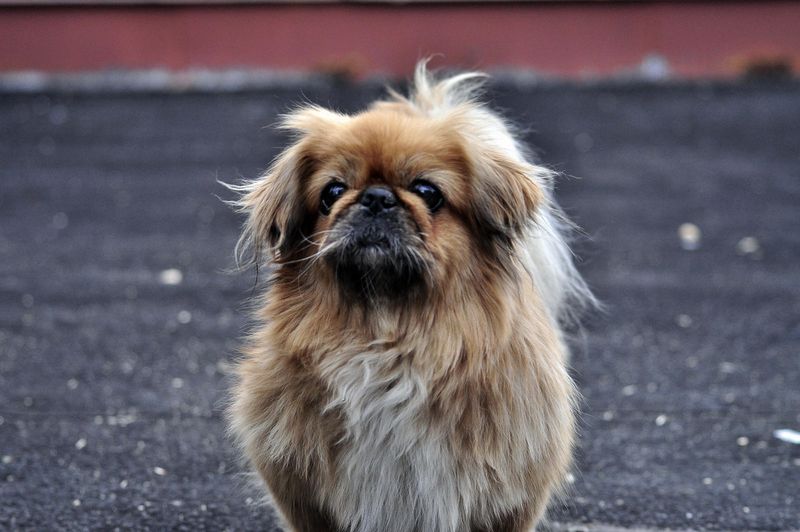
Regal yet loyal, the Pekingese prefers calm rooms and close company. Door drama can feel overwhelming.
Create a peaceful zone away from foot traffic with a comfy bed and a view that does not face the hallway. A baby gate can reduce guard duty and stress.
Short confidence games matter. Practice place training with tasty rewards, then step away for seconds at a time.
Gradually add minutes. Small wins stack into real resilience.
Soft Coated Wheaten Terrier
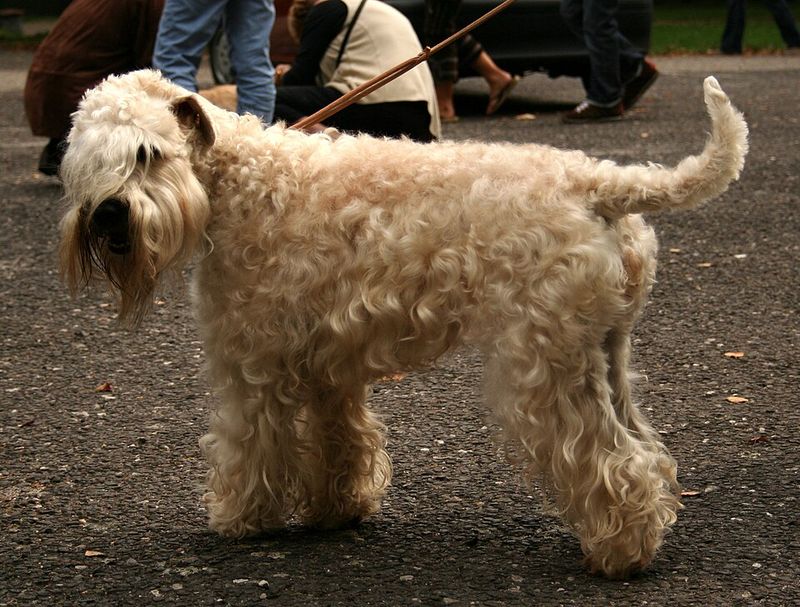
Known for the happy dance at the door, Wheatens feel big feelings. Before leaving, tire out legs and brain with a flirt pole session followed by easy obedience.
Movement first, thinking second. That sequence helps the body settle.
Inside, rotate rugged puzzles so they do not get solved in a minute. For vocal dogs, give a fabric item carrying your scent in a safe spot.
Familiar smells can anchor emotions.
Coton de Tulear
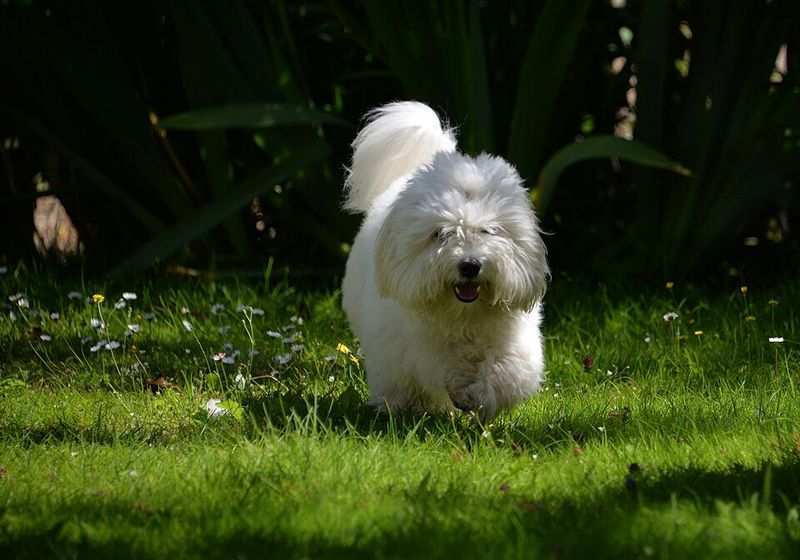
Storybook fluff with a social streak, the Coton often tags along like a cheerful sidekick. Solo hours feel longer without a plan.
Schedule a puzzle breakfast in a different room from the door to avoid fixating on departures.
Pair that with short training that teaches settle on a mat, then quietly step out and in. Increase time slowly.
If anxiety spikes, roll back a step. Progress should look boring and steady, not dramatic.
English Setter
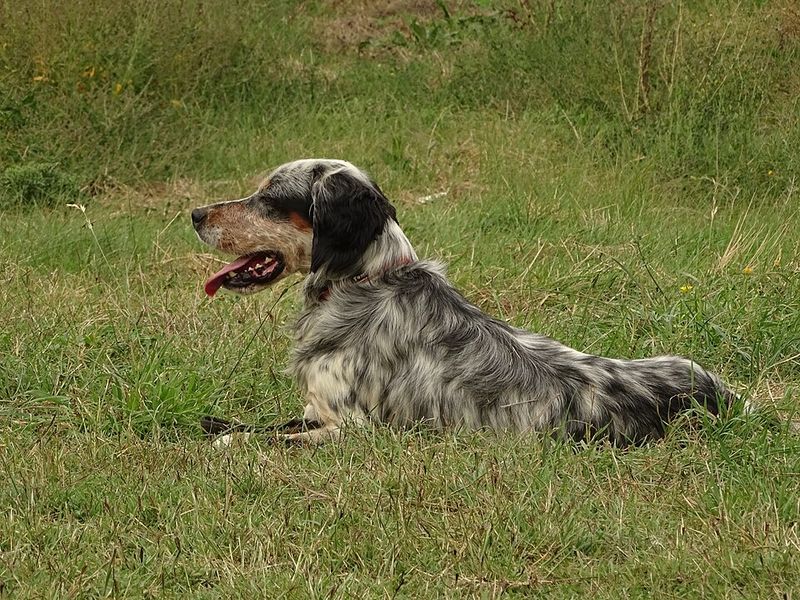
Built to range and check in, English Setters often miss their people the moment the latch clicks. Meet those needs with a morning field sniff on a long line.
Ten to fifteen minutes of meandering solves half the problem.
Back home, offer a wobble feeder that makes breakfast last. For sound-sensitive dogs, play gentle white noise.
Pair returns with calm greetings so excitement does not spike into jumping or door dashing.
Clumber Spaniel
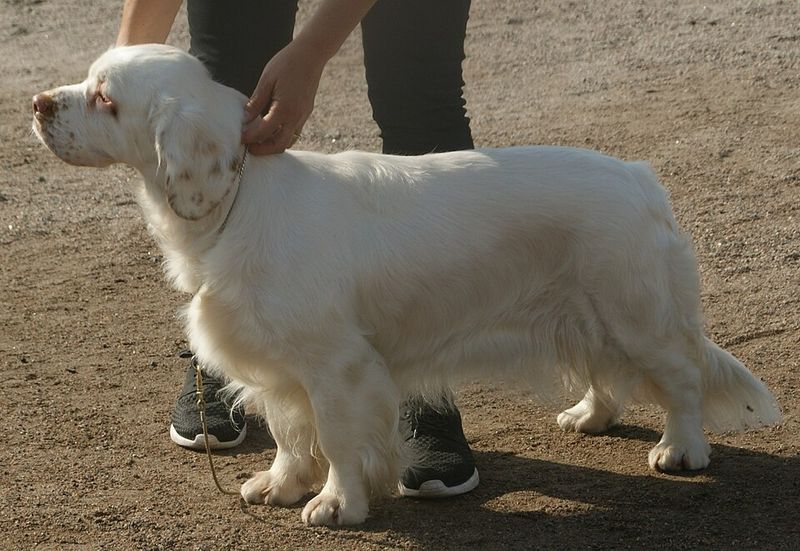
Big body, soft soul. The Clumber often wants to park near your feet.
Encourage independence by teaching go-to-bed as a relaxing skill. Reward quiet breathing and long blinks.
Then step out for one minute, return, and drop a treat without fanfare.
Cool surfaces help heavy dogs nap longer. Provide a chill tile spot plus a supportive bed.
Stock safe chews that last. A relaxed jaw often means a relaxed mind.