
You hear it all the time: someone took their dog to a group class and swears everything got worse. Maybe your once polite pup started barking more, tuning you out, or copying the rowdiest dog in the room.
The truth is, some breeds are lightning fast learners but also lightning fast overstimulated. If you are navigating this debate, here are the breeds owners keep warning about and how to approach them smarter, not harder.
German Shepherd Dog
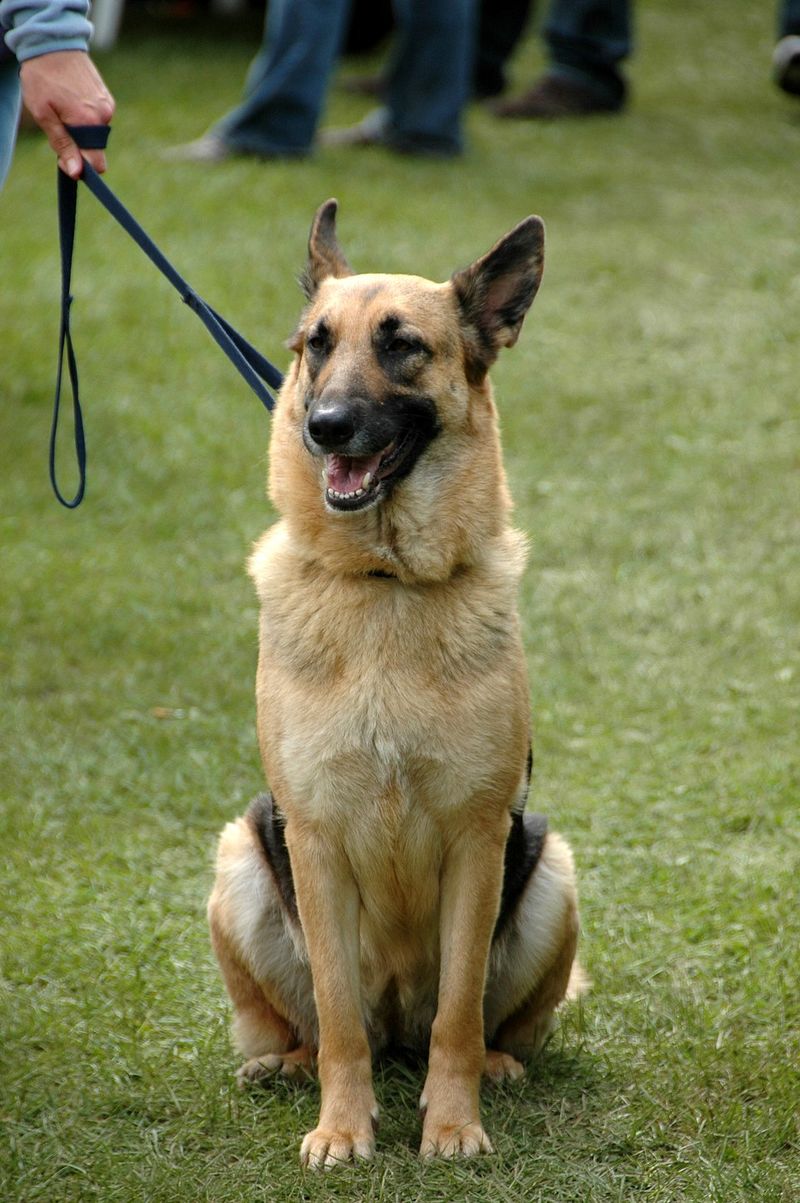
German Shepherds are brilliant, driven, and sensitive to handler clarity. In busy group classes, they can fixate on other dogs, noises, or handlers, making obedience look like a tug of war.
Overarousal often disguises as disobedience, and corrections without context can sour trust quickly.
These dogs thrive when training drills are split into short, precise reps with built-in decompression. Pattern games, place training, and strategic distance from triggers help keep their brains online.
If you go to group class, arrive early, pick a corner, and advocate for space.
Proof skills alone first at home, then add tiny layers of distraction. Pair structure with fair play.
A clear plan beats sheer intensity every time.
Belgian Malinois
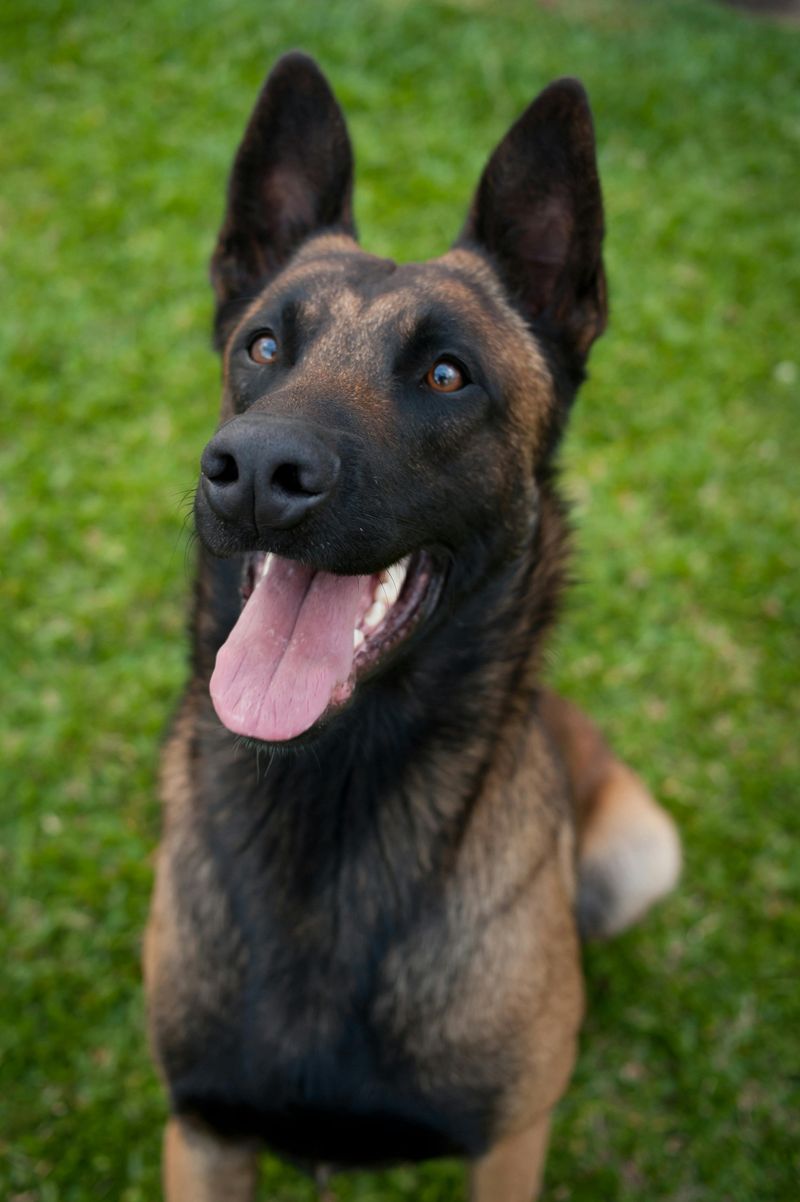
The Malinois is a jet engine strapped to a kite, and group classes can light the fuse. They self-amplify off motion, voices, and tension, rehearsing arousal that later leaks into lunging or spinning.
When every dog around is moving, neutrality becomes the hardest skill.
Build clarity at home with clear markers, targeted tug play, and capped drives. Practice stationing on a raised bed between short working bursts, then increase distractions in micro steps.
The goal is not tired, but thoughtful.
At class, request larger buffer zones and opt out of chaotic drills. Reward stillness as heavily as flashy obedience.
With fair outlets and boundaries, you will keep the brain engaged while the body stays composed.
Australian Shepherd
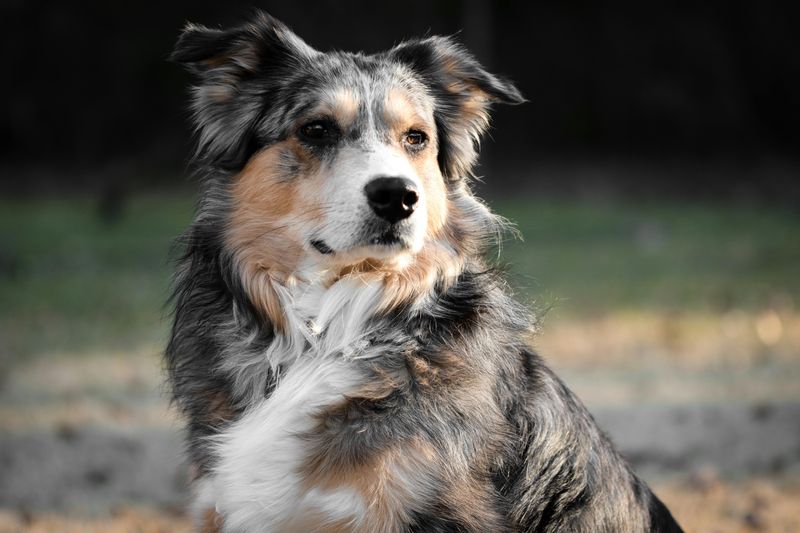
Aussies read the room like mind readers, which is both gift and trap. In group classes, they can overwork themselves trying to manage movement and people, herding energy spilling into nipping or barking.
The more chaos, the more they micromanage, and the cycle snowballs.
Task them deliberately: target mats, chin rests, and calm reinforcement patterns. Keep sessions short, add sniff breaks, and avoid endless heel lines where arousal creeps upward.
Clarity plus decompression beats more commands shouted louder.
Choose classes that value space and structure over social free-for-all. Advocate for placements away from doorways and high-traffic lanes.
Teach off-switch cues at home so class becomes practice, not an emotional marathon.
Border Collie
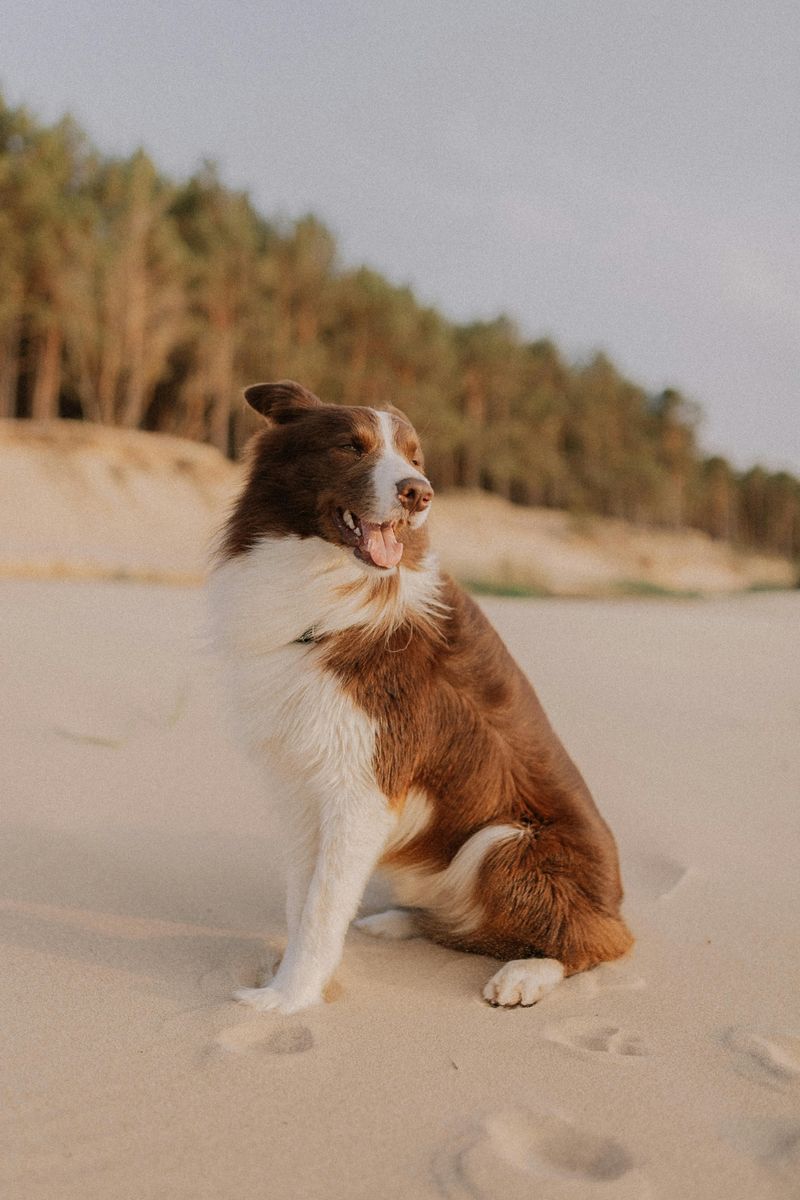
Border Collies collect motion like magnets. In crowded classes, they lock onto twitchy tails and sneakers, slipping into eye-stalk-chase cycles that feel impossible to interrupt.
Over time, the rehearsal of fixation can outpace obedience, making class results look worse than home practice.
Break the loop with pattern feeding, look-away games, and strategic sightlines. Use visual barriers, park behind cones, and work short sets, reinforcing soft eyes and exhalations.
Keep the brain busy with shaping puzzles, not just heel heel heel.
Pick trainers who respect working-breed mechanics. Cue neutral observation on a mat before joining any lines.
The win is genuine neutrality around motion long before flashy routines.
Doberman Pinscher
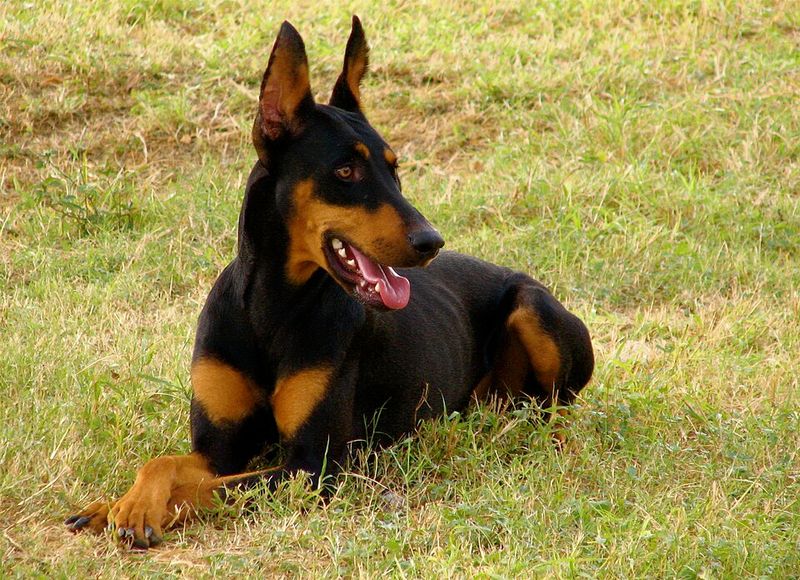
Dobermans crave clarity and relationship, and they notice handler stress instantly. In group classes, inconsistent rules across teams can create confusion that Dobies interpret as pressure, leading to vocalizing or avoidance.
They are sensitive, not stubborn, and they shut down if corrections outrun comprehension.
Bank trust with predictable markers and fair criteria. Work clean mechanics at home, then add distractions with generous distance.
Reward relaxed body language, not just positions checked off a list.
In class, ask for space and skip drills that stack frustration. Short wins and exits beat grinding through chaos.
When the relationship feels safe, they blossom into calm, precise partners rather than edgy hall monitors.
Rottweiler
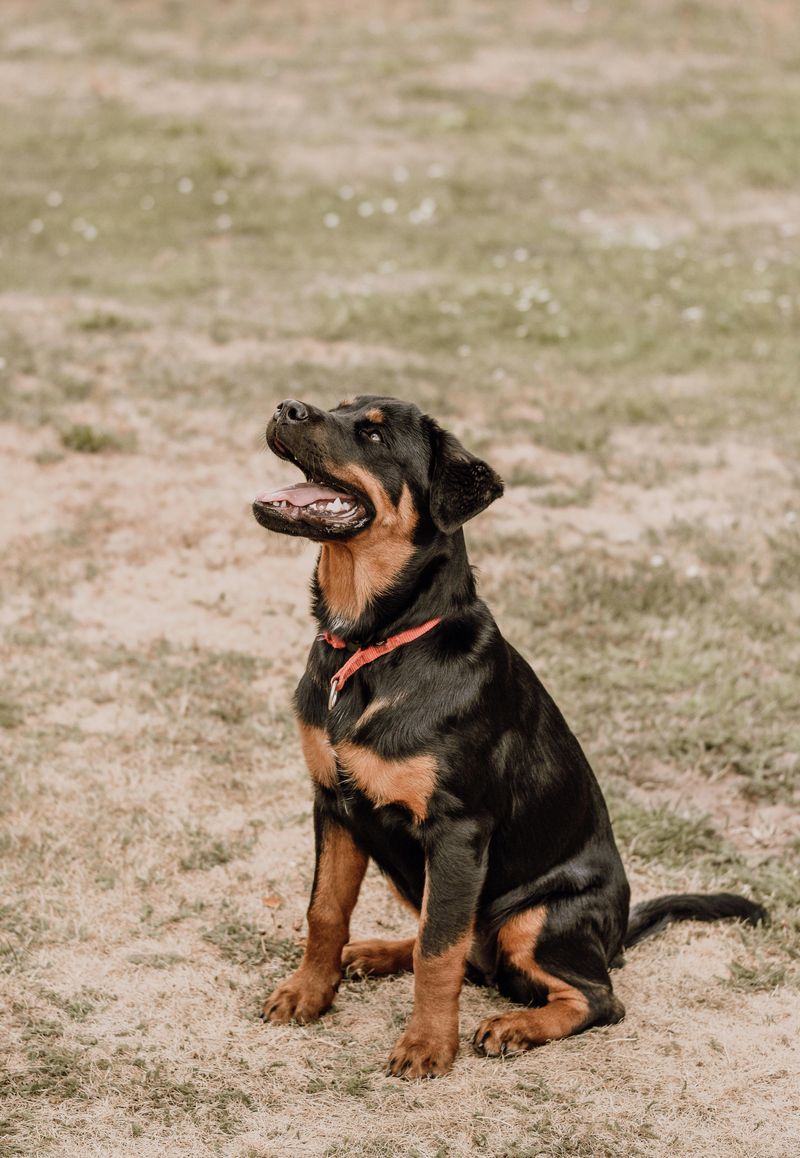
Rottweilers are thoughtful and powerful, which means mistakes scale quickly in groups. Crowded rooms can make them hypervigilant, rehearsing pushy greetings or defensive postures.
If handlers tighten leashes under stress, pressure stacks and dogs answer with more muscle.
Teach slow, deliberate reps, emphasizing neutrality and spatial manners. Reward loose body language and soft eyes around other teams.
Use place cots, parallel walking, and calm exits before thresholds turn sticky.
Choose classes that limit chaos and respect body pressure. Success looks like relaxed breathing and a loose leash, not just sits under duress.
A composed Rottie becomes a joy, but that composure is built with space, timing, and fairness.
Cane Corso
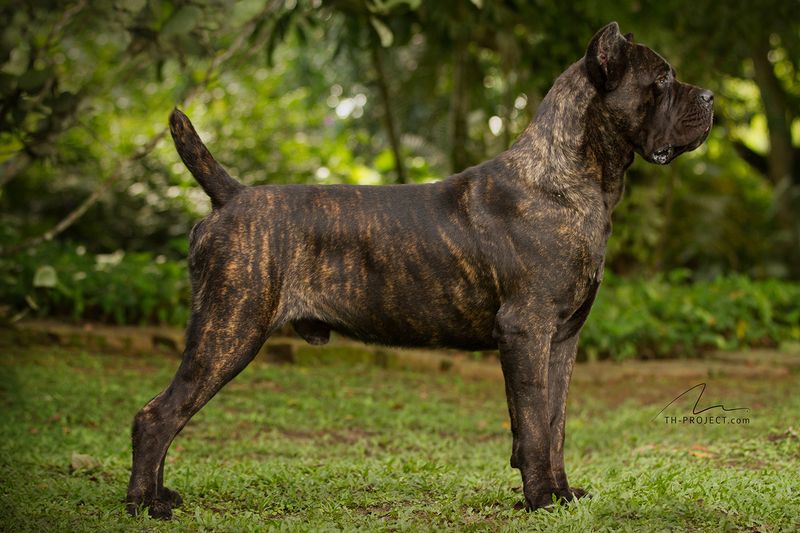
Guardian breeds like the Cane Corso do not need social chaos to learn neutrality. In group classes, proximity to unknown dogs and people can push them into handler-dependent scanning.
If pushed to mingle, they may practice posturing that later resurfaces in adolescence.
Focus on clear boundaries and nonnegotiable routines. Teach place, door manners, and calm observation at controlled distances.
Reinforce disengagement from novel stimuli heavily and keep sessions short.
Pick trainers who understand guardian genetics. Your wins will be quiet: loose posture, soft head turns, and smooth exits.
When respect for space leads the plan, the Corso learns to relax rather than debate every approach.
Akita
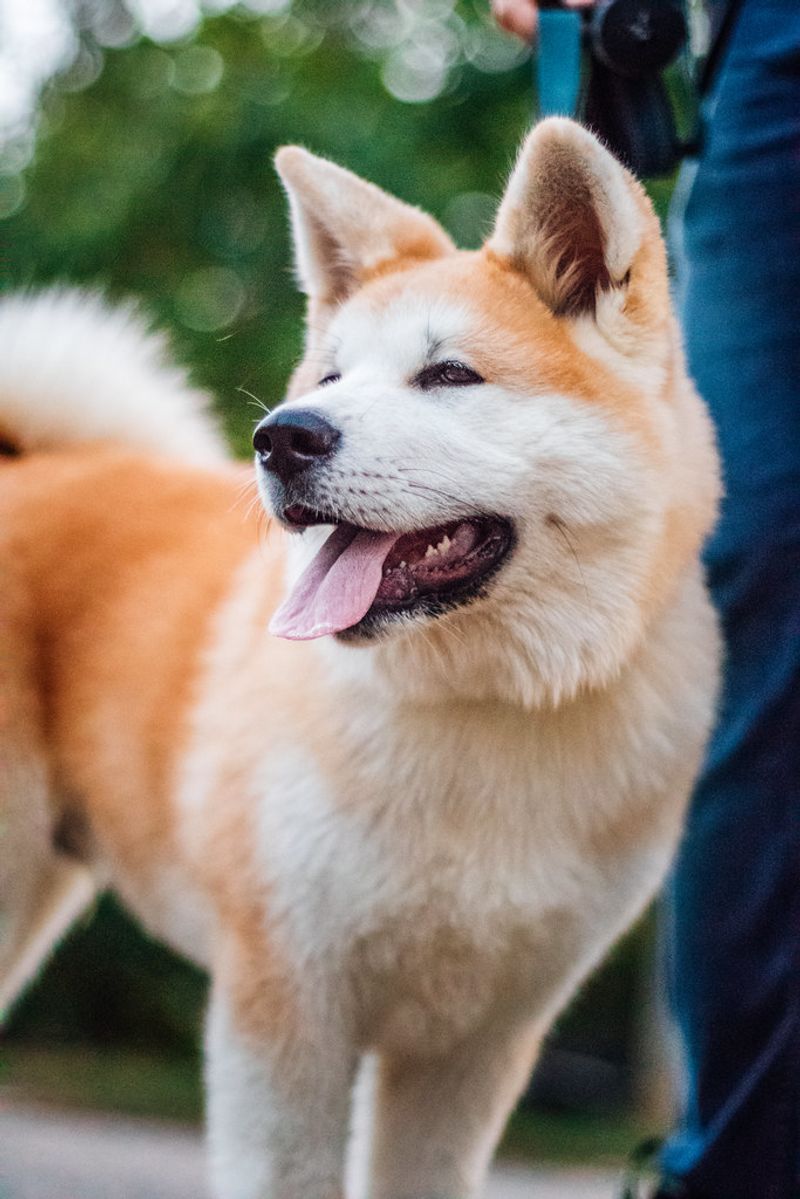
Akitas are dignified, independent, and selective about social currency. Group classes that force close quarters or greeting drills can backfire, rehearsing stoic tension.
They often comply beautifully at home but go stiff in crowds, then humans mislabel it stubborn or aloof.
Build a language of consent and distance. Reinforce voluntary check ins, chin targets, and slow breathing on a mat.
Keep repetitions few and meaningful rather than endless.
Request perimeter spots and skip social flooding. Quiet wins compound into genuine neutrality.
When given room and clear expectations, Akitas show steady, reliable obedience without simmering under the surface.
Boxer
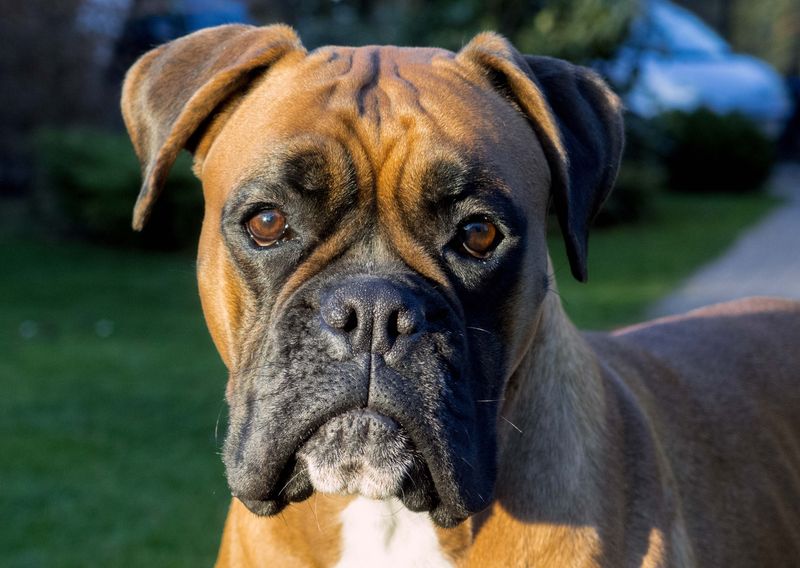
Boxers bring joyful chaos and will happily rehearse clown mode if class energy runs hot. Their social drive can drown out handler voice, turning simple sits into pogo-stick routines.
The more noise, the more they bounce, and corrections often feel like a game.
Channel that spark with rapid micro-drills and frequent releases. Reinforce calm eye contact and four-on-the-floor before adding speed work.
Use play strategically, then switch to food for downshifts.
At class, set up behind barriers, and aim for predictable patterns. Short, successful reps beat marathon heeling lines.
With structure and humor, Boxers prove that impulse control can be fun and dependable.
Rhodesian Ridgeback
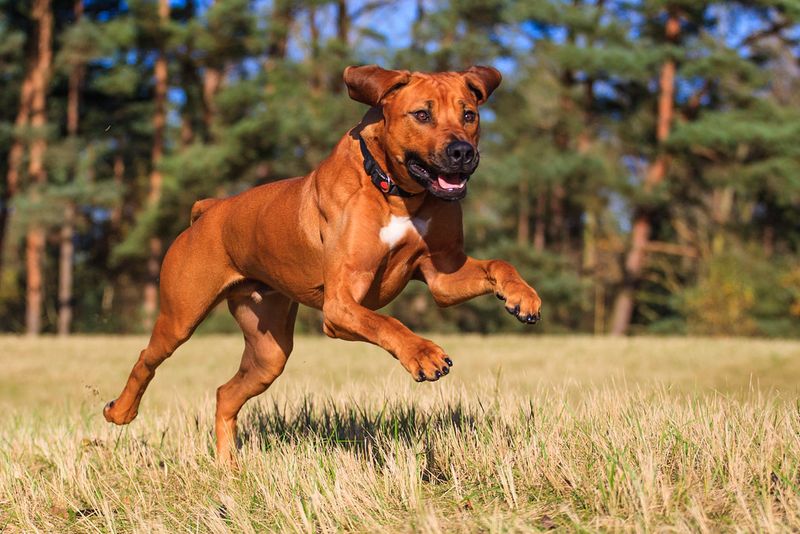
Ridgebacks are athletic hunters with opinions. Forced proximity in classes can feel confrontational, especially with bouncy neighbors.
They may appear checked out, but they are often measuring the room and conserving energy until it matters, which owners misread as stubborn.
Use purposeful routines: long-line recalls, place work, and calm stands for exams. Reinforce disengagement from motion and allow generous space.
Keep food meaningful and avoid nagging commands they will simply ignore.
Select trainers comfortable with independent thinkers. Celebrate neutral body language and quiet compliance.
When classes honor distance and autonomy, Ridgebacks show steady, civil manners instead of argumentative debates.
Siberian Husky
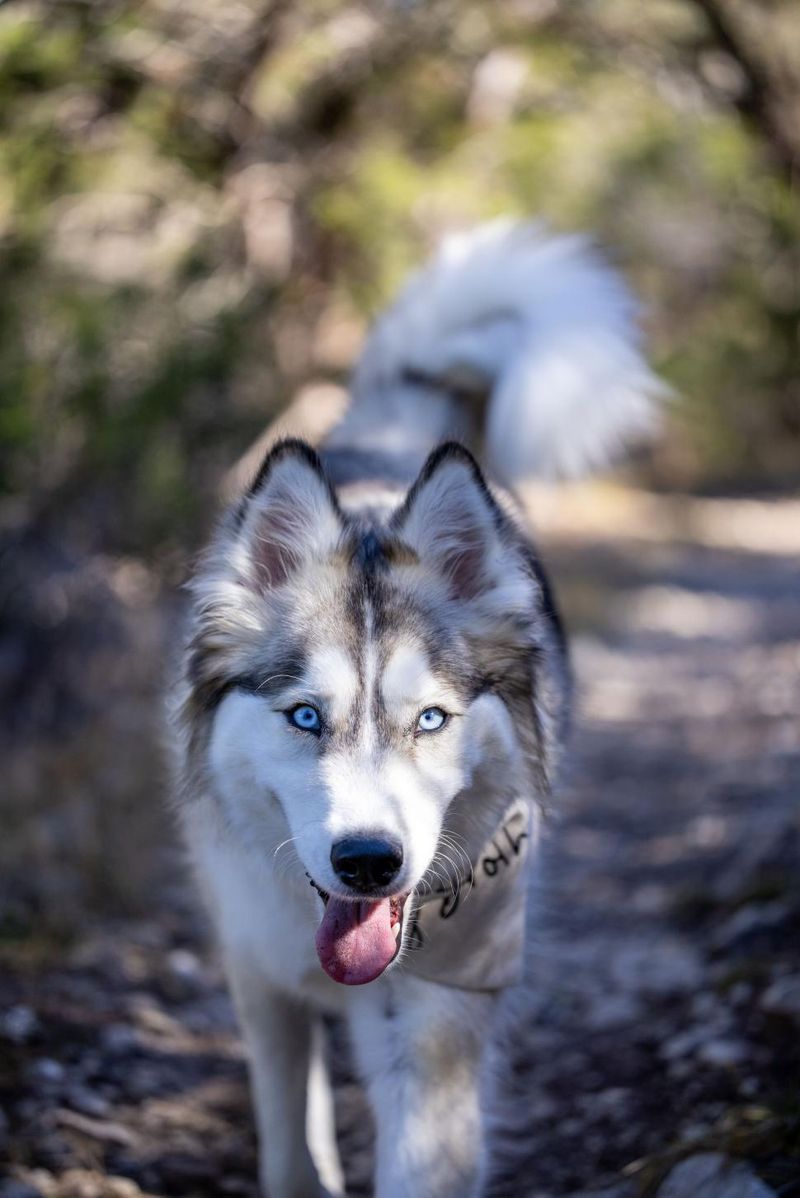
Huskies are masters of selective hearing when the environment sings louder. In group classes, chorus barking and energy spikes turn focus into an uphill climb.
They also find leash pressure annoying, which can escalate sled-dog pulling theatrics.
Make attention the game itself with rapid reinforcement, then fade gradually. Use harness and long-line for energy outlets outside class, and teach loose-leash skills separately.
Decompression walks and sniffing keep arousal from boiling over.
Choose classes with outdoor options and space. Keep sessions brisk, ending on wins before wanderlust kicks in.
Build value for calm stillness as much as for running, and you will see reliable engagement return.
American Bulldog
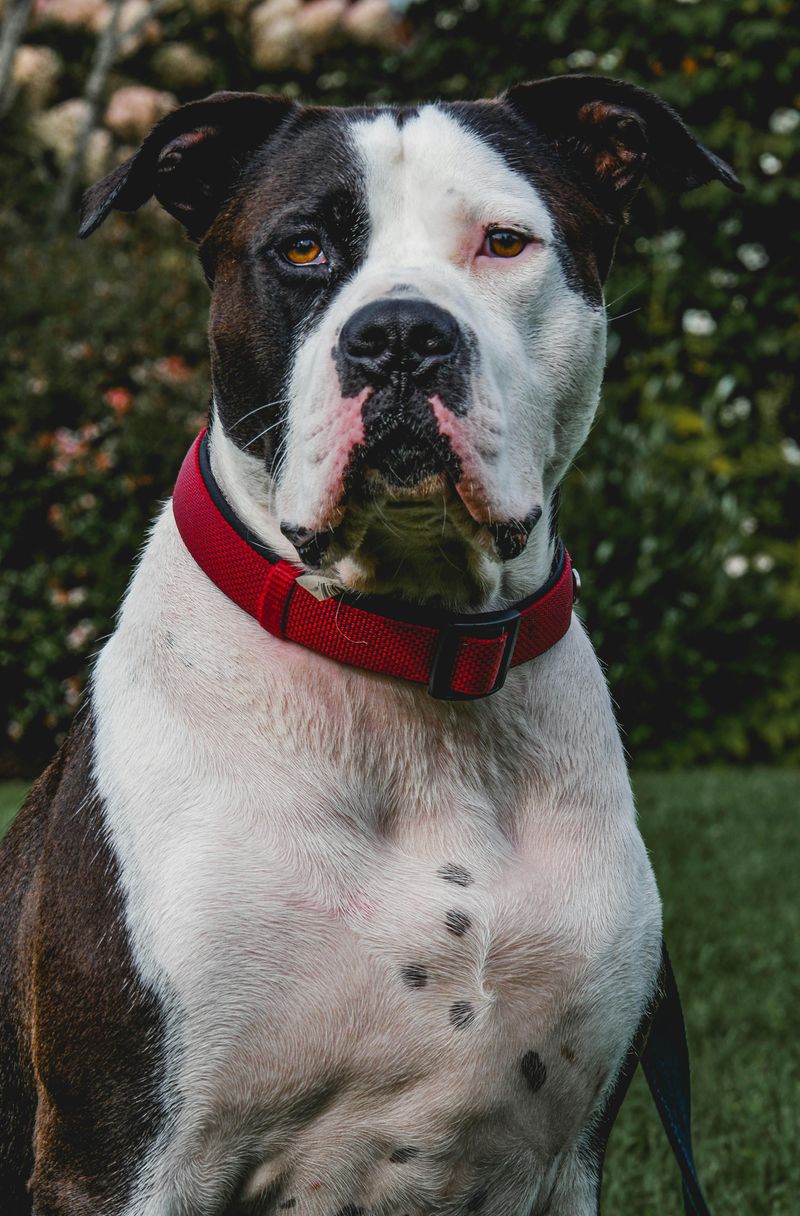
American Bulldogs bring power and enthusiasm, which can snowball in rowdy classes. If boundaries blur, they might practice body checking, dragging, or loud protest vocals.
Many do best with short, structured reps, clear leash handling, and meaningful reinforcement.
Teach impulse control through place, waits at thresholds, and tidy engagement games. Keep criteria fair and avoid repeating cues into white noise.
Reward loose bodies and soft mouths generously to build manners under excitement.
For classes, choose small groups that respect spacing and handler skill. Opt out of chaotic meet-and-greets.
With consistency and calm leadership, these dogs channel brawn into thoughtful, steady obedience.