
Harness or collar feels like a simple choice until you clip the leash and your dog turns into a sled engine. With some breeds, that tiny gear decision changes comfort, control, and even long term health.
Today we are diving into the 11 breeds that spark the loudest arguments in parks and group chats. By the end, you will know where your pup likely stands and how to pick gear that actually works for everyday walks.
Siberian Husky
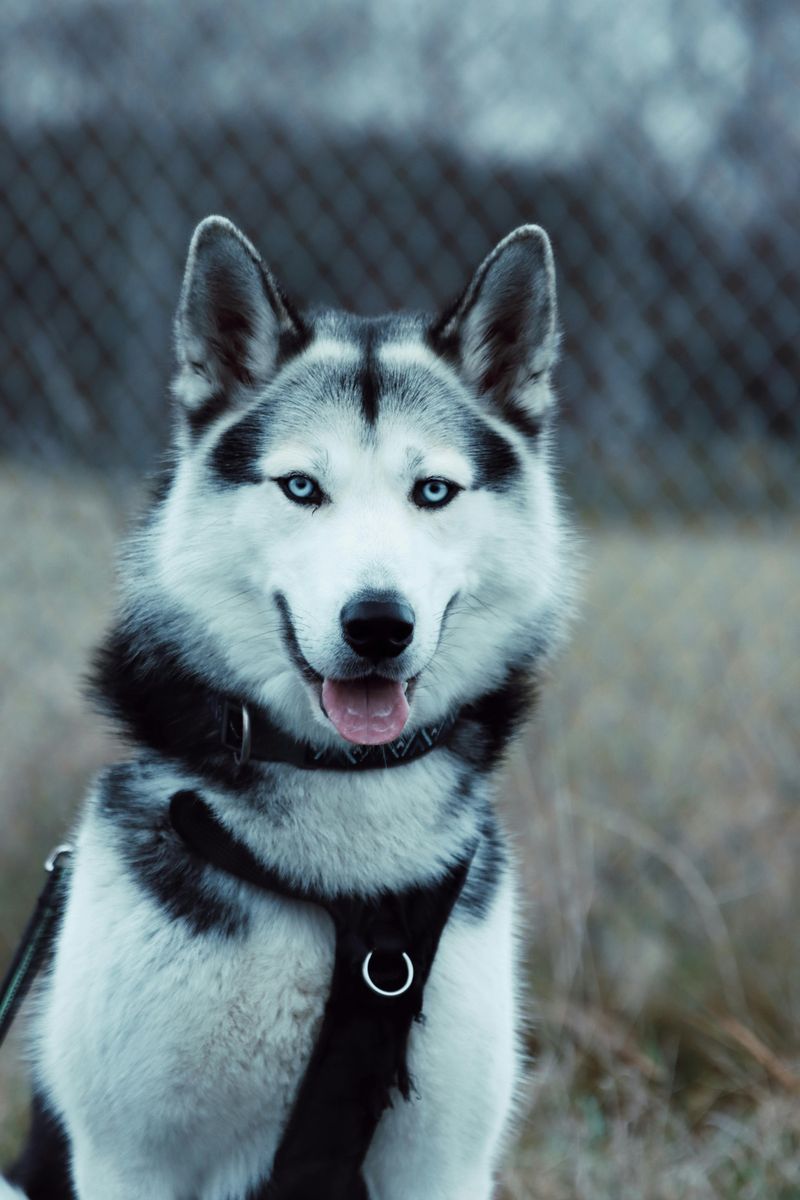
Siberian Huskies are born to pull, so a harness often gives you safer control and protects their neck. Collars can work for calm, trained Huskies, but that eager forward drive can tighten a collar fast.
If you love jogging or canicross, a sport harness disperses force across the chest and shoulders.
That said, some Huskies pace better with a flat collar during relaxed walks. You might rotate gear based on intensity and training goals.
Focus on a Y front harness to avoid shoulder restriction and chafing.
Check fur for rubbing, and adjust straps snug but not tight. Reinforce loose leash manners before adding speed.
With patience, the right fit turns that snow dog enthusiasm into controlled power and happy miles together.
Alaskan Malamute
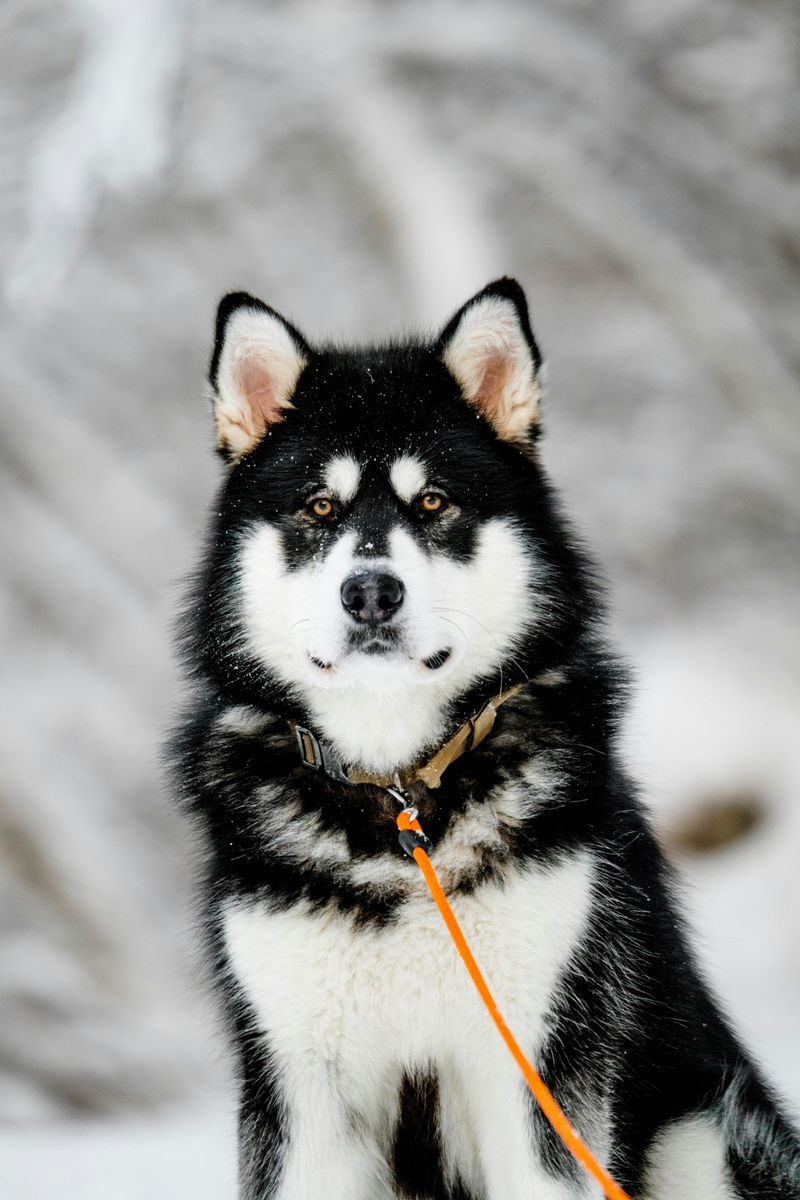
Malamutes are heavier than Huskies and can generate massive torque, making harnesses the safer default. A padded, wide strapped harness spreads pressure and reduces risk to the trachea.
Collars might be fine for short, slow potty breaks where pulling is minimal.
For hikes and backpacking, a well fitted harness with a rear attachment keeps movement natural. Training remains essential, because no tool replaces manners.
Consider front clip options for urban walks where quick redirection helps.
Measure deep chests carefully and reassess fit with seasonal coat changes. Watch for heat buildup under padding.
When power meets structure and patience, you get smoother handling and a more comfortable dog on every adventure.
Beagle
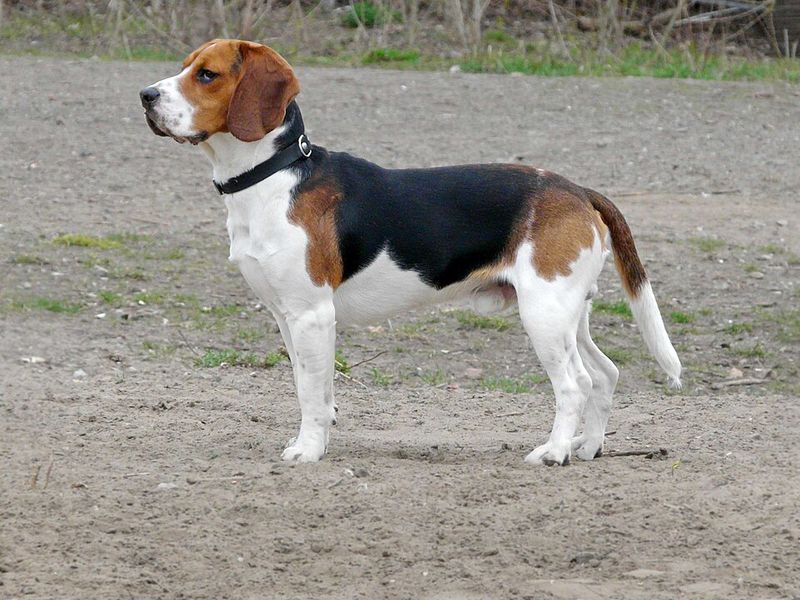
Beagles follow their noses, which often means sudden lunges toward scents. A harness can help steer that momentum without cranking the neck.
Collars still have a role during calm strolls or for ID tags and quick outings.
Front clip harnesses give gentle turning power when scent drive kicks in. Choose a low bulk design that does not rub armpits during longer walks.
Reward check ins so your Beagle learns that sniff time comes with listening.
Collars can be handy for quick backyard breaks, but avoid leash pops on sensitive throats. Sniffaris are more fun when pressure is balanced across the chest.
A comfortable harness turns chaotic zigzags into manageable curiosity.
Dachshund
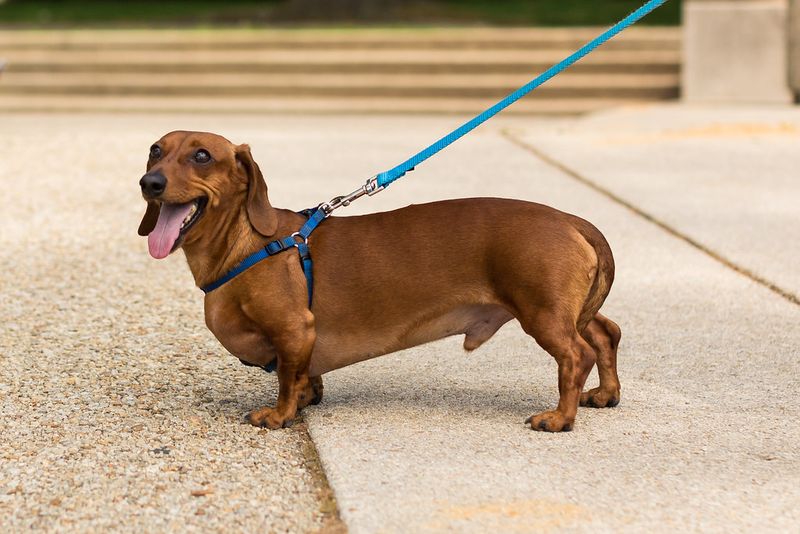
Dachshunds have long spines and delicate necks, so harnesses usually win for safety. Spinal health matters when they surge forward or jump off curbs.
A Y front harness supports the chest and avoids pressure near the throat.
Collars can still carry ID tags and be used for brief, low tension walks. Keep fit snug to prevent slipping over the head.
Avoid restrictive designs that pinch the shoulders or rub the armpits.
Use ramps at home to reduce jumps, and pair the harness with slow, steady training. Short legs do not equal short energy, so plan controlled sniff breaks.
Your doxie stays comfortable and confident when gear respects their unique build.
French Bulldog
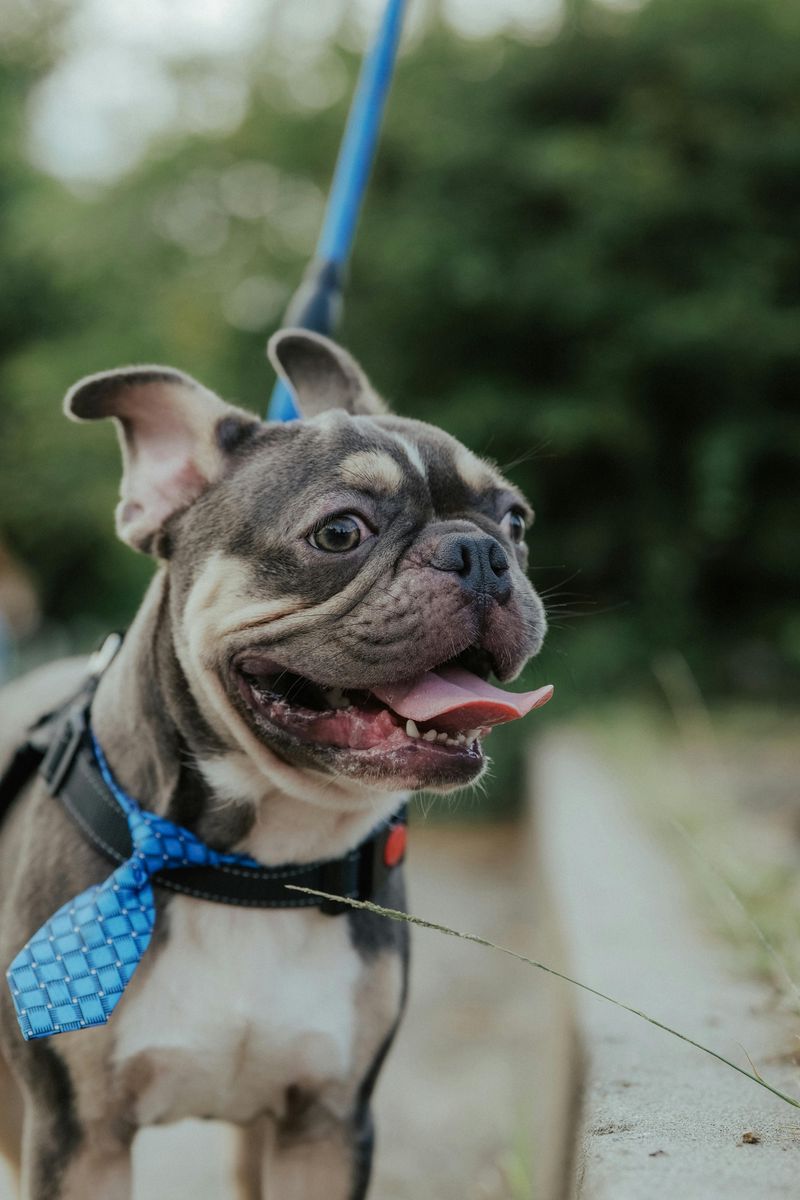
French Bulldogs can have sensitive airways, so reducing neck pressure is a priority. Harnesses help avoid collar pressure on the trachea and soft tissues.
Choose breathable mesh with strong stitching to support that sturdy chest.
Collars may be fine for tags and very gentle on leash moments. Watch for heat, because brachycephalic breeds overheat quickly.
A lightweight, well ventilated harness keeps walks safer and more comfortable.
Fit matters: ensure room at the shoulders and a secure chest strap. Front clip options provide extra steering without harsh corrections.
When breathing is protected, your Frenchie can explore at their pace with fewer snorts and more smiles.
Pug
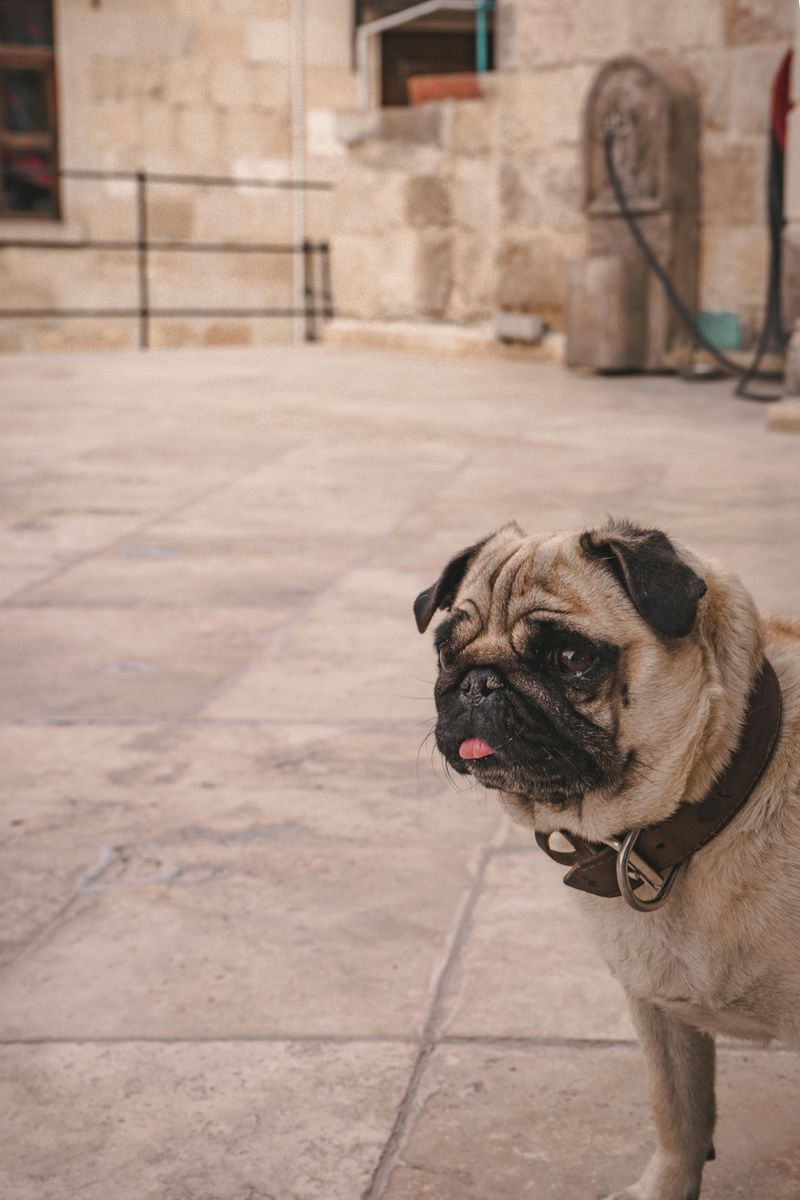
Pugs share the short snout challenge and benefit from harnesses that prevent neck strain. A collar can add pressure when excitement spikes.
Choose soft padding and adjustable straps to fit that barrel chest.
Keep walks moderate and bring water, since heat affects them quickly. A front clip harness can reduce pulling without harsh cues.
Collars still work for tags or very calm strolls around the block.
Check for rubbing under the arms and around the sternum. Aim for two finger snugness and reassess fit as weight fluctuates.
With the right harness and pace, your Pug stays cheerful, comfy, and ready for short adventures.
Cocker Spaniel
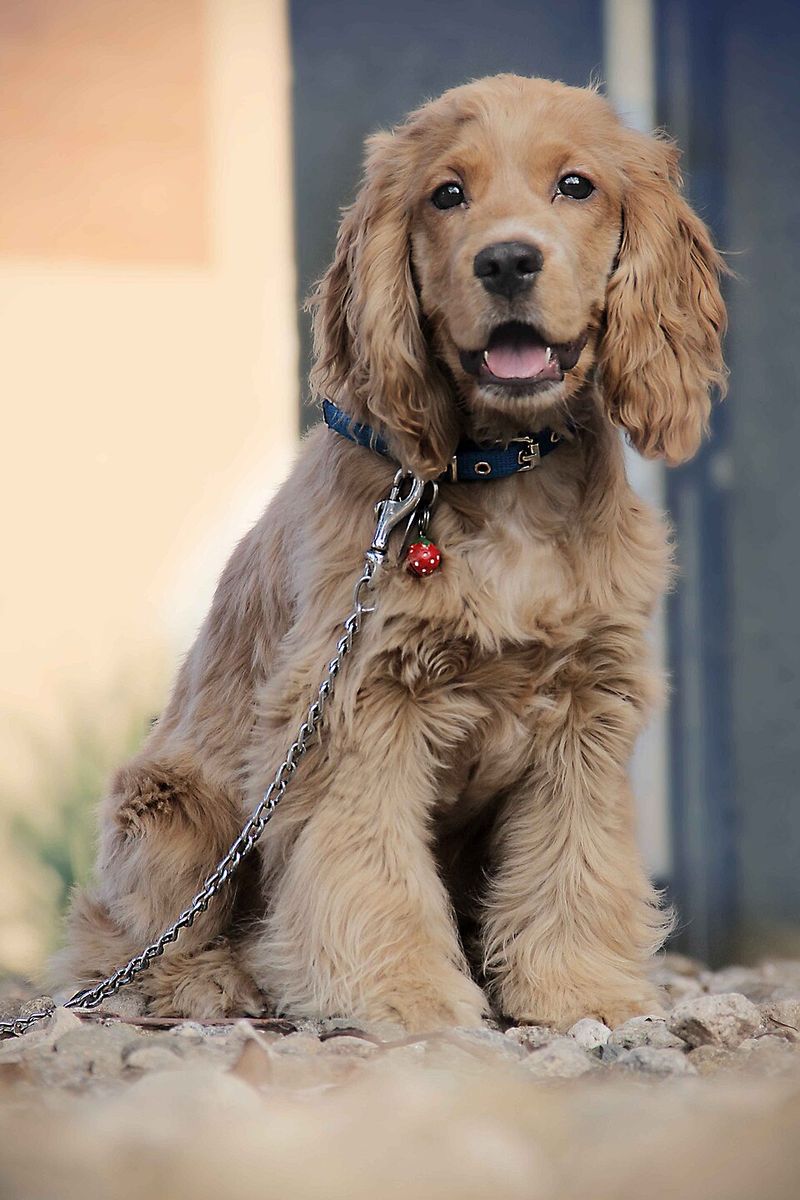
Cocker Spaniels are enthusiastic explorers with soft necks and silky coats, so a harness commonly offers better comfort. Collars can tangle fur and add pressure when they surge toward birds.
A smooth lined harness reduces matting and spreads force across the chest.
For city walks, a front clip helps manage zigzags without harsh corrections. Keep treats handy to reward loose leash moments.
Regular grooming around straps prevents friction and knots.
Collars still serve for ID and short potty breaks. Choose reflective trim for dawn or dusk walks in wooded areas.
Balanced gear and consistent training make your Spaniel’s happy trot easier to guide and enjoy.
German Shepherd Dog
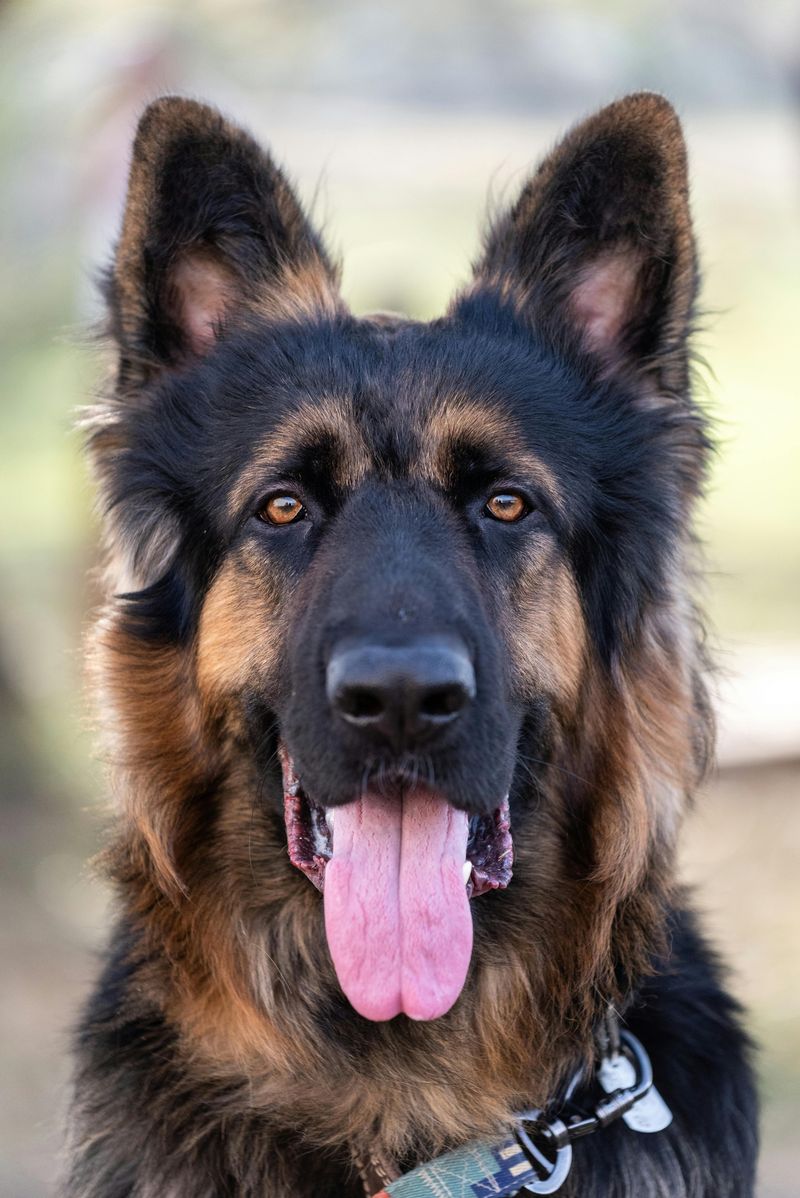
German Shepherd Dogs are powerful, smart, and quick to pick up training. A sturdy harness with a handle gives control without neck strain during transitions.
Collars can work for advanced teams, but early stages benefit from chest distributed pressure.
Consider a dual clip harness for flexible handling while you teach engagement. Reward calm focus before introducing challenging environments.
Balanced structure supports joints and keeps shoulders free to move.
Collars remain useful for scent work or off duty ID when leash tension is minimal. Check fit as muscle changes with training.
With clarity and consistency, your GSD thrives whether in the city or on the trail.
Labrador Retriever
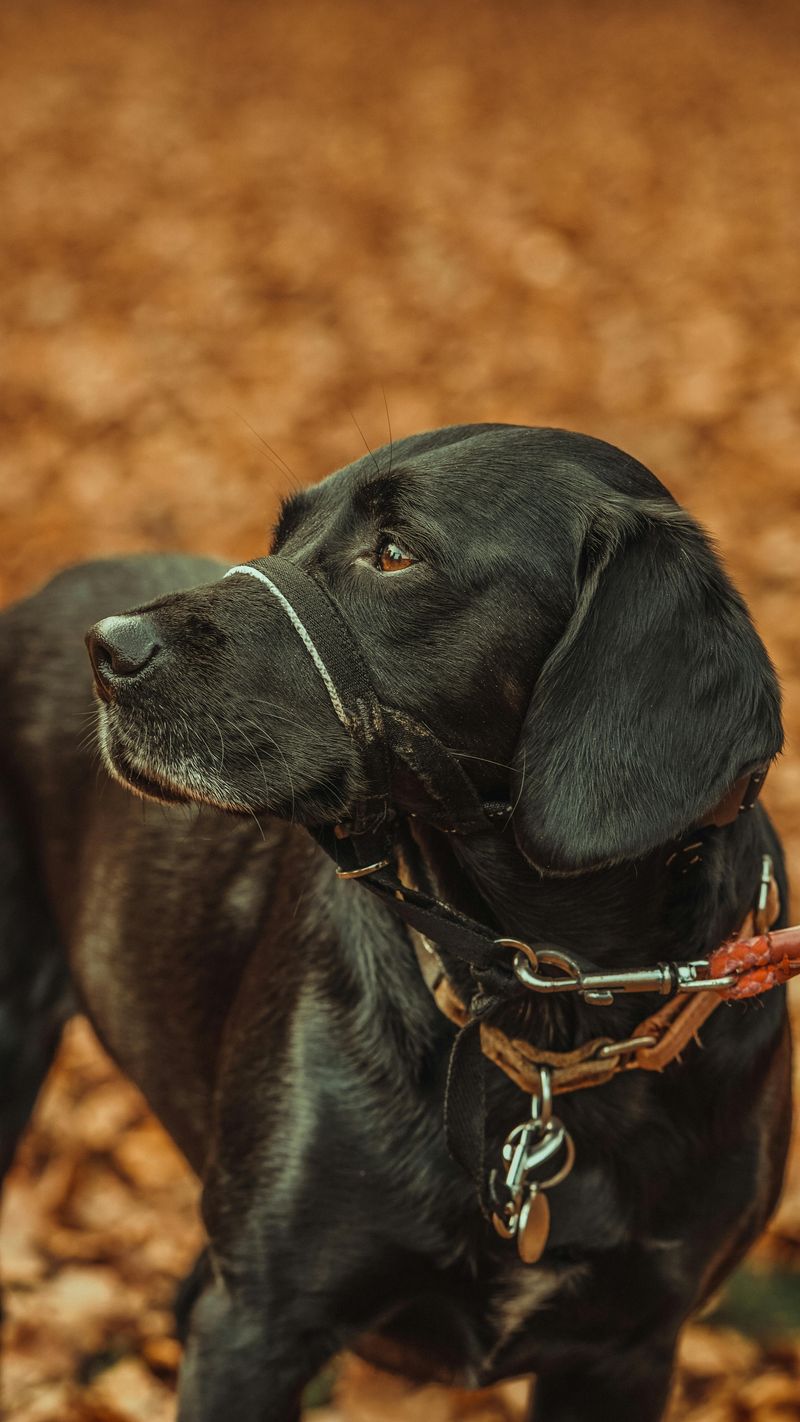
Labs are joyful pullers, especially near water and wildlife. A front clip harness helps channel excitement without neck pressure.
Collars can be fine for seasoned walkers who respond to voice and food rewards.
Choose a low profile design that does not chafe during long hikes. Labs gain and lose weight seasonally, so recheck strap fit regularly.
Reinforce loose leash skills near high distractions like ducks and kids.
Use the harness for training sessions and the collar for quick potty trips. Consistency beats strength when enthusiasm spikes.
With the right setup, your Lab’s zoomy energy becomes a smooth, controlled stride toward adventure.
Golden Retriever
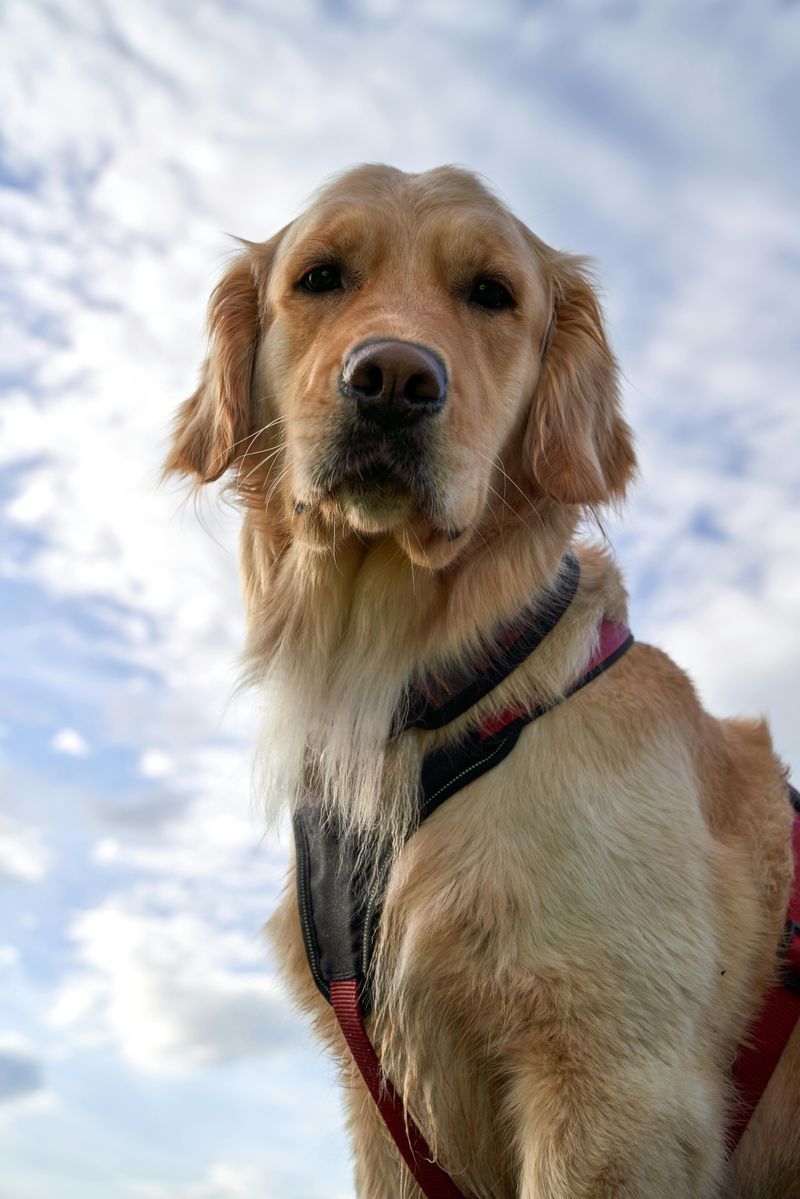
Golden Retrievers are gentle but easily excited on approach to people and dogs. A Y front harness spreads pressure and keeps shoulders free.
Collars are fine for calm walks, but sudden greetings can tighten them uncomfortably.
Pick soft edges to protect feathered fur and avoid matting. A front clip can help you pivot smoothly during busy paths.
Keep brushing under the straps to prevent tangles.
Train check ins and loose leash before crowded outings. Switch to the collar for short backyard breaks or quick car transfers.
With friendly structure and steady practice, your Golden glides beside you without straining.
Border Collie
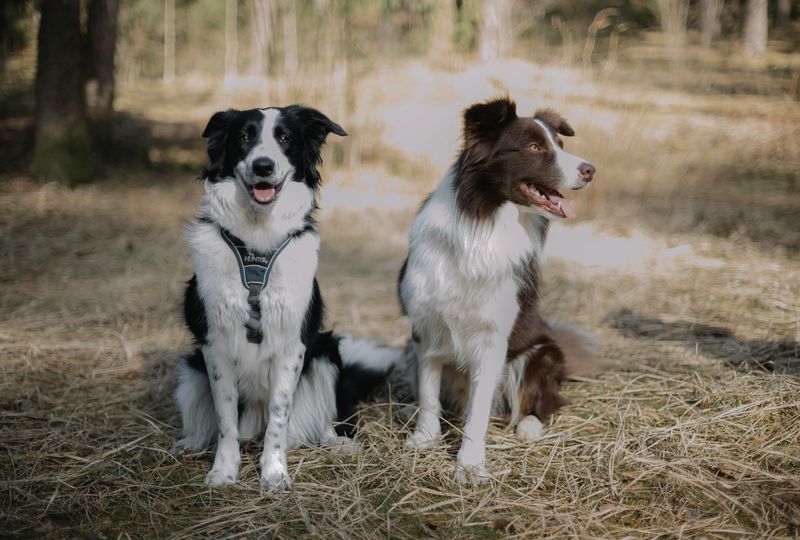
Border Collies are agile thinkers who often pull toward motion. A minimalist sport harness preserves range of motion while protecting the neck during quick stops.
Collars can suit precision heeling once impulse control is solid.
Use a front or dual clip for city training, then transition as responsiveness grows. Keep sessions short and mentally stimulating to reduce pent up energy.
Avoid bulky gear that restricts shoulder extension.
Fit must be precise because these dogs can back out of loose straps. Reinforce disengagement from bikes and joggers.
With thoughtful gear and focused games, your Border Collie channels intensity into beautiful, controlled movement.