
Dog lovers everywhere are rallying behind a health-first approach that puts wellbeing over ribbons and trends. If you have ever worried that certain looks come at a painful cost, you are not alone.
Breeders, vets, and everyday owners are pushing for standards that let dogs breathe, move, and live longer. Here are the breeds people say should lead the change, and how kinder standards could help them thrive.
Pug

Pugs charm instantly, but many struggle with breathing because of shortened muzzles and tightly curled tails linked to spinal issues. You might notice snorting, heat intolerance, and eye injuries caused by shallow sockets.
Health-first standards could lengthen the muzzle slightly, require wider nostrils, and favor more open faces and tails with fewer kinks.
Weight limits and fitness tests would help keep them lean and active, not just cute. Breathing function measured by standardized exercise and recovery could be mandatory.
Eye protection through the reduction of excessive facial folds would reduce ulcers and infections. You deserve a companion who can play without panting in distress, nap without snoring all night, and enjoy a longer, happier life.
English Bulldog
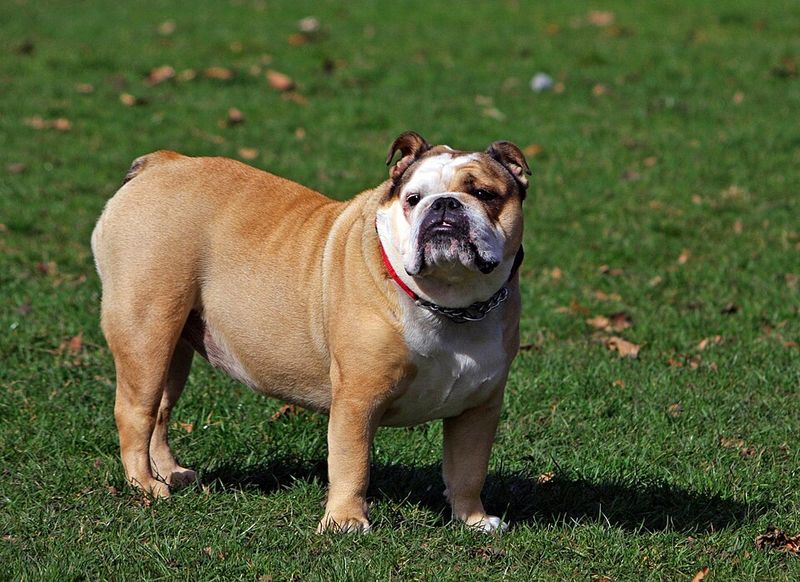
English Bulldogs are iconic, yet many face severe respiratory distress, skin fold infections, and birthing complications. You want that affectionate clownish friend to actually enjoy walks and play.
Health-first standards should prioritize functional breathing by requiring longer muzzles, wider nostrils, and tighter soft palates, plus less extreme body mass.
Reducing excessive skin folds would lower dermatitis risk. Breeders could track temperature tolerance and breathing tests instead of only head size and wrinkles.
Wider hips and more natural head shapes might enable natural whelping more often. Imagine a Bulldog who romps at the park, tolerates summer better, and sees the vet less for preventable issues.
That is a breed you can love without worry.
French Bulldog
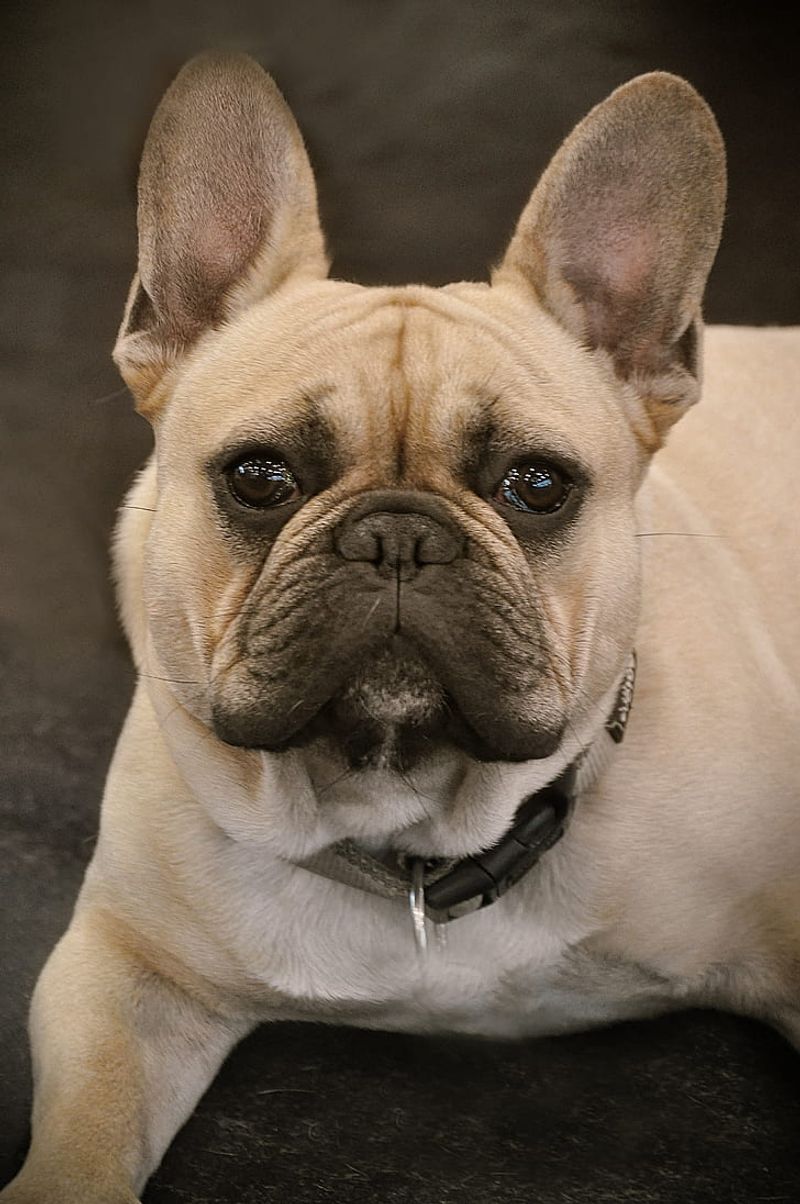
Frenchies win hearts with big ears and quirky personalities, but too many gasp through life. Heat sensitivity, spinal deformities, and chronic ear infections make daily comfort hard.
You should be able to take a calm stroll without fearing a breathing crisis. Health-first standards would promote longer muzzles, wider nostrils, and less extreme compactness to improve airflow.
Selective breeding for tails with fewer vertebral anomalies could reduce back pain. Ear canal health should be part of evaluations, discouraging overly narrow skulls.
Fitness tests and body condition scoring would reward stamina and mobility. Imagine your Frenchie snoozing peacefully, playing fetch, and flying through vet checks.
That is the kind of happy, resilient companion new standards can help create.
Cavalier King Charles Spaniel

Cavaliers are gentle companions, but heart disease and syringomyelia weigh heavily on the breed. You want that sweet gaze to come with a long, comfortable life.
Health-first standards should emphasize heart screening for breeding dogs, including echocardiograms, and strongly penalize exaggerated domey heads associated with neurological issues.
Prioritizing slightly larger skulls and wider foramen magnum dimensions could reduce brain crowding. Longevity awards and transparent health registries would steer choices toward stable lines.
A Cavalier who hikes a mile, plays with kids, and ages gracefully without chronic pain is achievable. By valuing heart health and brain comfort over a specific head look, you help protect everything you love about this affectionate breed.
Shar Pei
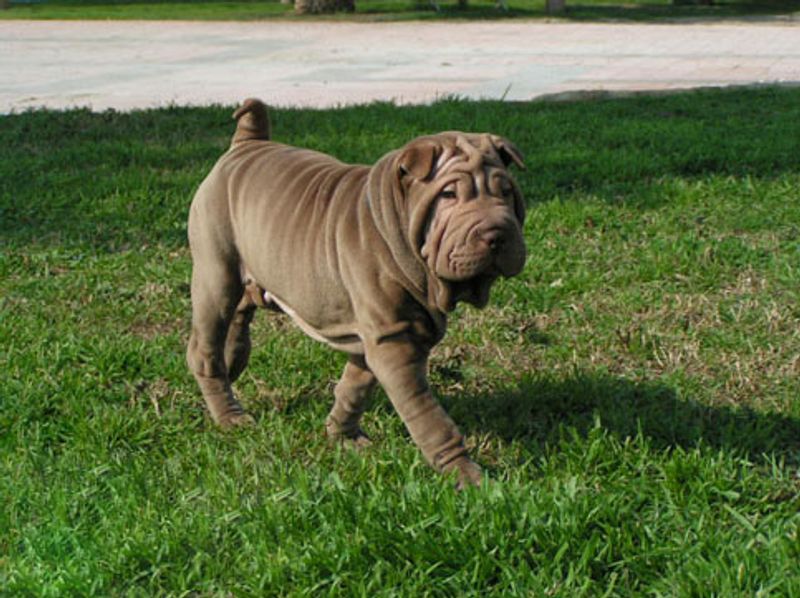
Shar Pei wrinkles look adorable, but deep folds can trap moisture and cause painful skin infections and eye issues. You want a dog who feels as good as they look.
Health-first standards would limit excessive wrinkling, encourage tighter eyelids to reduce entropion, and favor breathable skin.
Breeding away from extreme muzzle padding would improve airflow and overall comfort. Genetic testing for Shar Pei fever and careful temperature screening could protect health.
Picture a smooth-lined Shar Pei who still has character but plays freely and avoids chronic vet visits. By rewarding moderate, functional features, the breed keeps its distinct identity while gaining resilience.
That balance lets owners enjoy a loyal guardian without constant health worries.
Pekingese
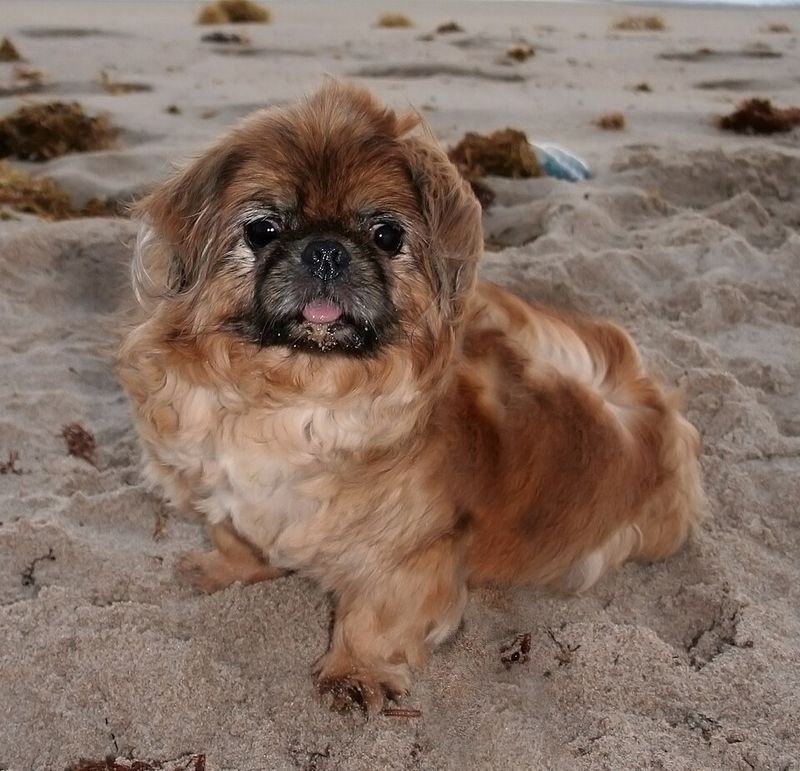
Pekingese elegance can come with breathing problems, corneal ulcers, and heat intolerance due to extremely flat faces and heavy coats. You deserve a companion who can wander the block without overheating.
Health-first standards could require longer muzzles, clearer nostrils, and lighter, less dense coats that still retain the breed’s regal look.
Judging should reward effortless movement and sustained activity, not just coat length and head flatness. Eye health checks and reduced facial skin folds would lower ulcer risk.
A Pekingese that trots proudly, breathes quietly, and enjoys grooming without mat-related discomfort is possible. Prioritizing function ensures that elegance remains effortless, not exhausting, for both you and your dog.
Neapolitan Mastiff
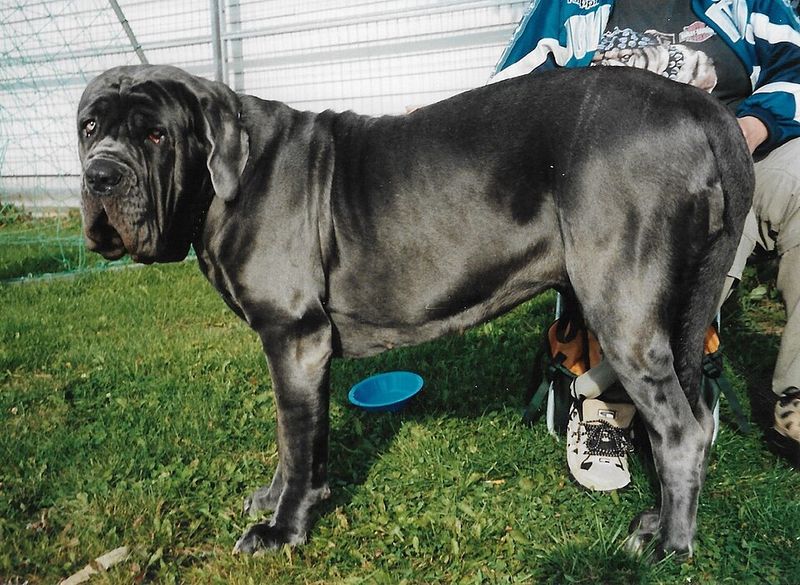
Neapolitan Mastiffs impress with presence, but excessive skin and massive size can cause eye problems, skin infections, and joint strain. You want a guardian who rises comfortably and sees clearly.
Health-first standards should scale back exaggerations: fewer deep folds, tighter eyelids, and a strong but not oversized frame.
Hip and elbow scoring, plus strict weight limits, would prioritize mobility over bulk. Breathing and heat tolerance should factor into evaluations, encouraging better stamina.
Imagine a Neo who patrolls the yard then sprawls contentedly without orthopedic pain. With moderated type and diligent screening, the breed keeps its noble silhouette while gaining years of healthier life.
That is a win for families and the dogs they protect.
Dogue de Bordeaux
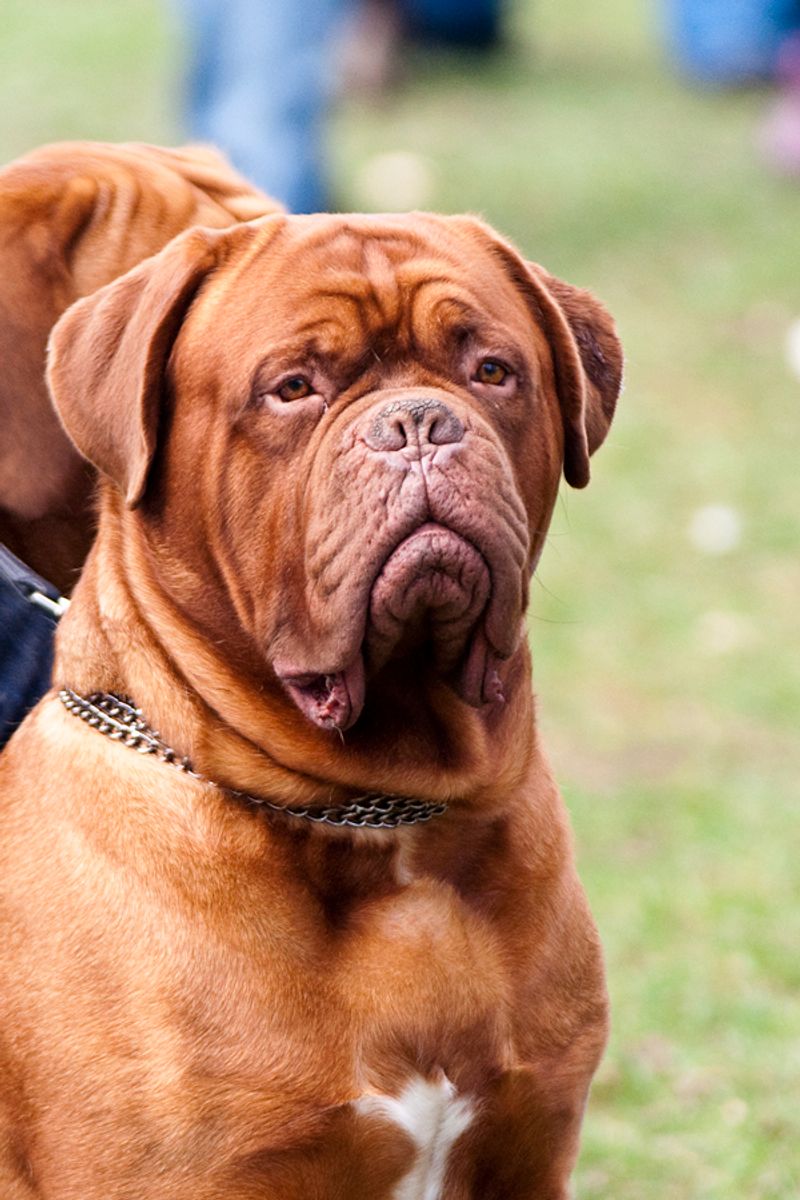
Dogue de Bordeaux dogs are powerful, yet heavy heads and loose skin can threaten breathing, eyes, and joints. You want a confident companion who is as comfortable as they are impressive.
Health-first standards should encourage tighter eyelids, moderate muzzle length, and balanced bodies that support athletic movement.
Mandatory heart, hip, and elbow testing would help reduce cardiomyopathy and orthopedic issues. Judges could reward fluid gait, stamina, and lean muscle over sheer mass.
Picture your Bordeaux trotting beside you, breathing evenly and aging with strength, not strain. Adjusting standards toward function preserves the breed’s dignified presence while adding longevity.
That shift invites proud ownership without constant worry over preventable problems.
Bullmastiff
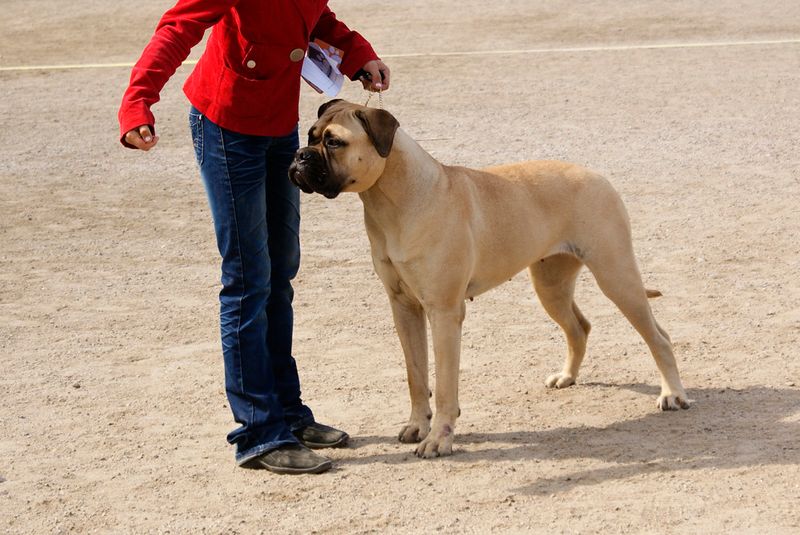
Bullmastiffs can be devoted protectors, but oversized frames and short muzzles often lead to joint disease and breathing challenges. You want confidence without compromise.
Health-first standards should limit excessive bulk, encourage longer muzzles, and require hip, elbow, and cardiac certifications before breeding.
Evaluations that include endurance tests and heat tolerance would push traits toward real-world function. Rewarding athletic silhouettes over extreme mass reduces injuries and vet bills.
Imagine brisk evening walks, easy stairs, and content naps instead of chronic panting. With moderate type and rigorous health screening, Bullmastiffs can keep their calm courage and gain comfortable longevity.
That balance respects the breed’s purpose while centering wellbeing for you and your dog.
Mastiff
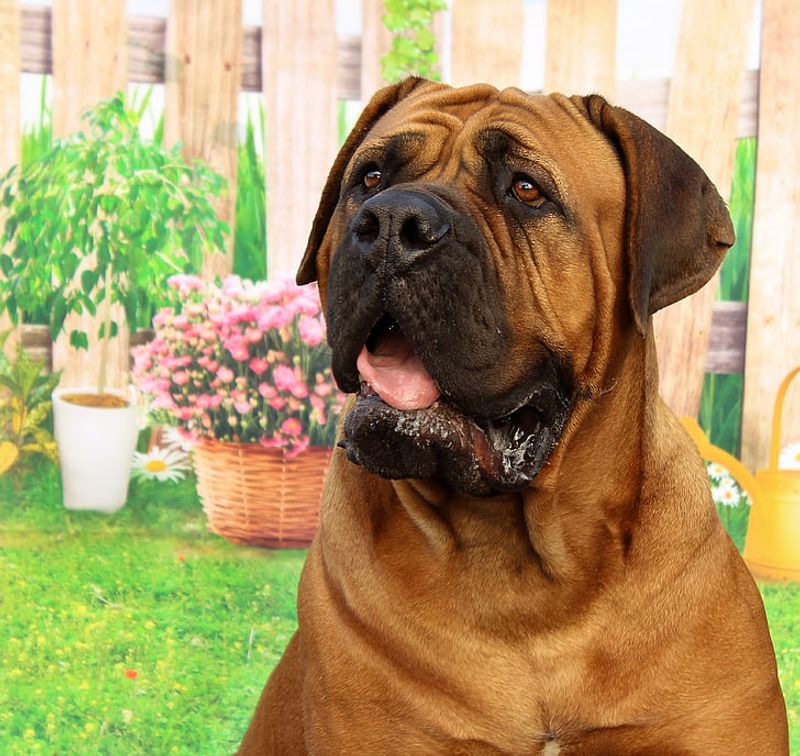
The Mastiff’s grandeur can tip into harmful excess when mass and loose skin overshadow function. You want a gentle giant who moves freely and breathes easily.
Health-first standards should emphasize moderate size, firm eyelids, and sound structure verified by hip, elbow, and heart screening.
Judges could reward steady, ground-covering gait and recovery after short exertion. Breeding away from extreme droop and excessive dewlap would improve skin health and comfort.
Picture a Mastiff taking leisurely hikes, greeting neighbors, and resting peacefully afterward. By celebrating balance and strength, not sheer bulk, the breed protects its legacy while improving day-to-day life for families.
That is what responsible stewardship looks like in practice.
Boxer
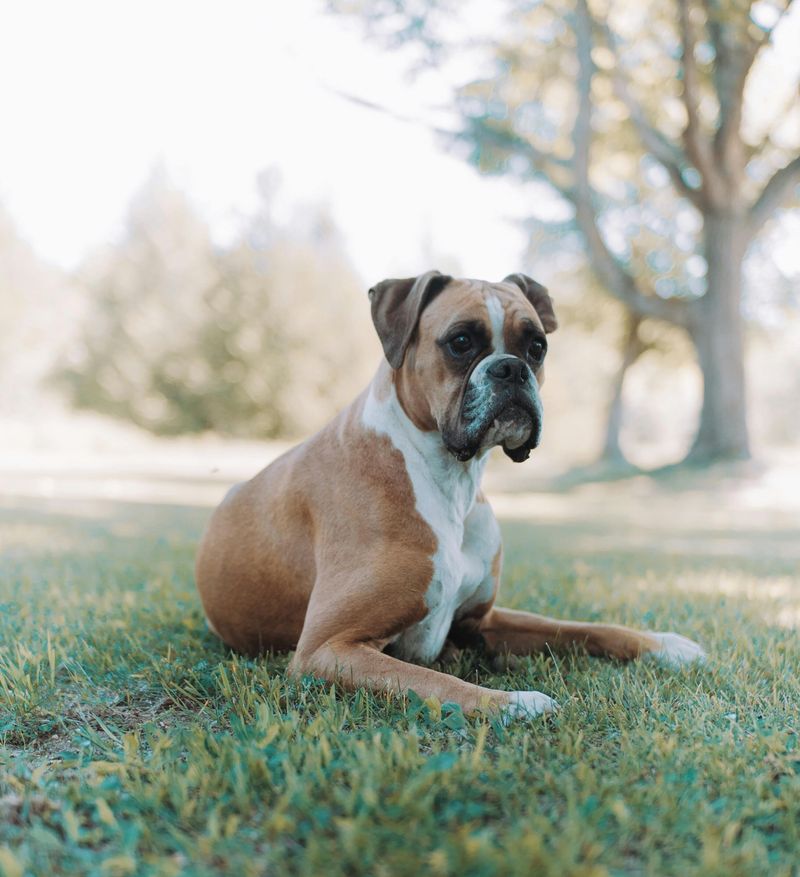
Boxers are joyful athletes, but shortened muzzles, heart conditions, and certain cancers challenge longevity. You want that wiggle butt to keep bouncing for years.
Health-first standards should lengthen muzzles slightly, require heart screening, and emphasize lean, fit bodies over blocky heads.
Endurance and recovery tests during evaluations could prioritize stamina. Genetic diversity programs and transparent health registries would strengthen lines.
With these shifts, your Boxer can run, train, and cuddle without constant respiratory strain. Imagine a life of agility classes, neighborhood jogs, and relaxed evenings without excessive snoring.
A standard that rewards function protects the spark that makes this breed irresistible while guarding their future.
Boston Terrier
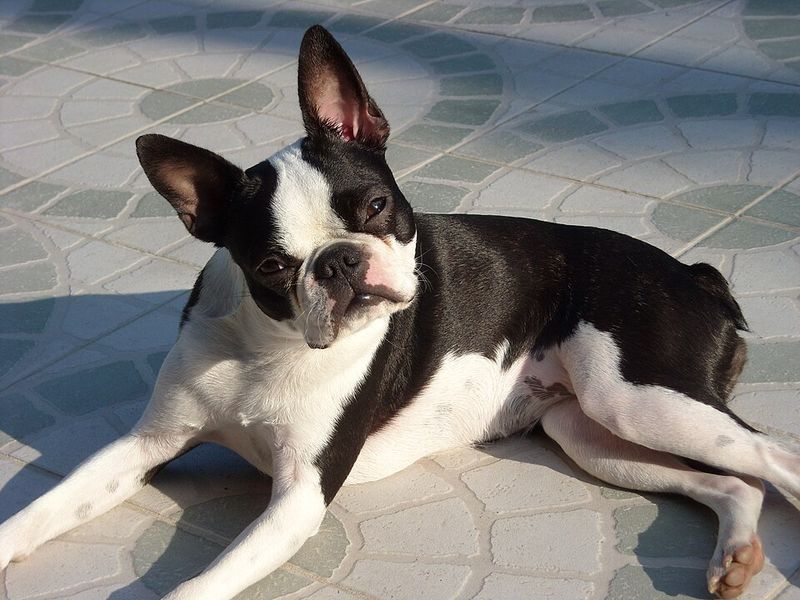
Boston Terriers are charming companions, yet flat faces and large eyes can mean breathing issues and corneal injuries. You want that tuxedoed friend to enjoy active days and comfortable nights.
Health-first standards could adopt slightly longer muzzles, wider nostrils, and tighter eyelids, favoring clear airways and protected eyes.
Emphasizing a light, athletic build would reduce overheating. Breathing exams and short exercise tests could become part of breed evaluations to reward function.
Imagine a Boston who dashes after toys, settles calmly, and visits the vet for routine care instead of chronic problems. By valuing energy and ease over extremes, you help secure a bright, healthy future for this beloved companion.