
Health-test receipts are the new nonnegotiable when picking a puppy. Savvy buyers want proof before falling for a cute face, and good breeders welcome those questions.
From genetic panels to orthopedic clearances, you deserve receipts that protect both your heart and your wallet. Here are ten beloved breeds where verified health testing is now a must-have filter before you say yes.
Cavalier King Charles Spaniel

Cavaliers melt hearts, but their health requires receipts. You want proof of cardiac evaluations by a board-certified cardiologist, not just a stethoscope check.
Ask for annual heart clearances, plus DNA testing for episodic falling and curly coat dry eye.
Syringomyelia and Chiari-like malformation are serious, so look for MRI documentation in breeding dogs when feasible. Eye exams through a recognized registry should be current.
You are buying years of companionship, so prioritize transparent records, not just pedigrees.
Good breeders share test dates, clinic names, and results openly. They also track longevity and heart status of relatives.
If a seller dodges specifics, walk away kindly and quickly, because the right Cavalier comes bundled with verifiable, recent health receipts.
Doberman Pinscher
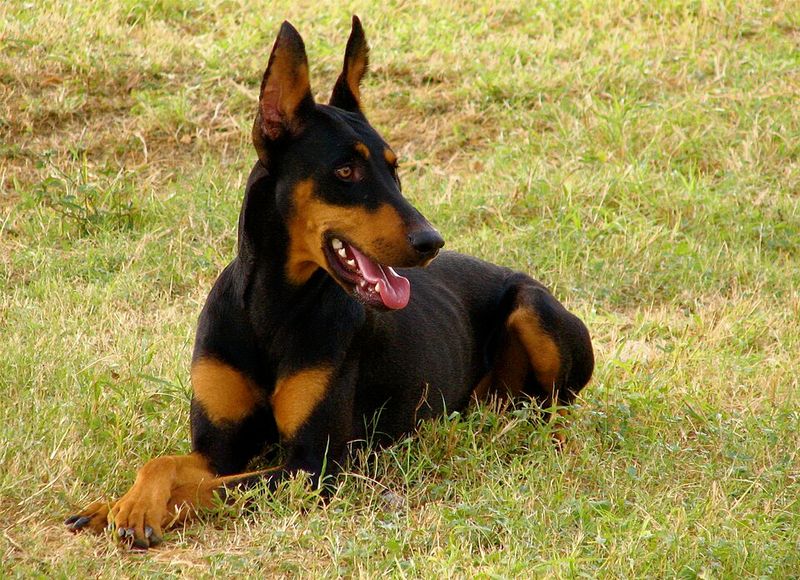
With Dobermans, health receipts start with DCM screening. Ask for recent echocardiograms and Holter monitoring, not just a vet note.
DNA results for DCM variants and von Willebrand disease should be included, with clear explanations of status.
Hips and elbows need orthopedic certification, and thyroid panels are smart. Eye exams add another layer of assurance.
You want a breeder who repeats heart testing regularly because DCM can develop with age, and ongoing monitoring protects future litters.
Responsible programs track longevity, cardiac outcomes, and produce transparent spreadsheets. They welcome your questions and provide scan dates and cardiologist names.
If paperwork is vague or outdated, keep searching until a Doberman comes with timely, thorough, verifiable health receipts.
Boxer
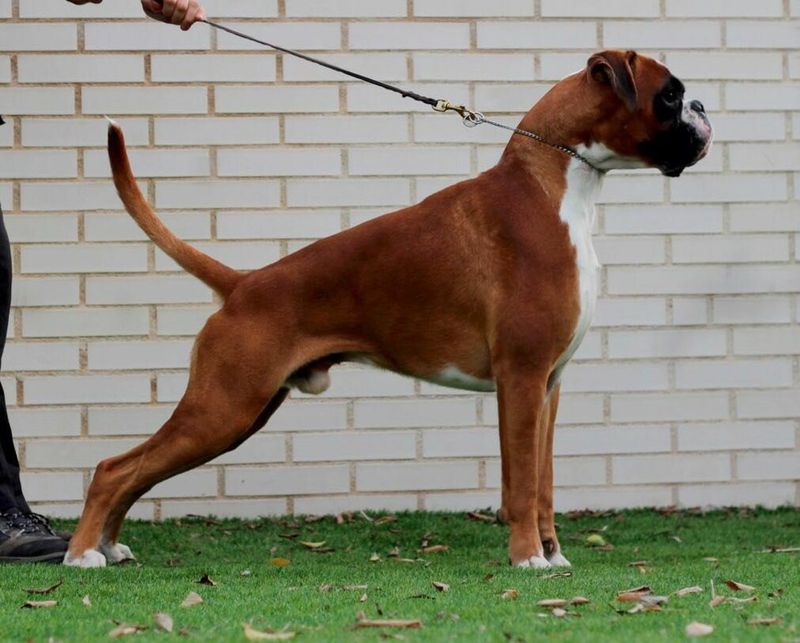
Boxers are goofy charmers, but they need serious cardiac receipts. Request Holter and echocardiogram reports for arrhythmogenic right ventricular cardiomyopathy and other heart issues.
Add hip and elbow certifications, and get thyroid and eye exams documented.
Degenerative myelopathy DNA status should be disclosed, with clear language on risk. Boxers also benefit from updated cardiac screenings as they age.
You deserve time-stamped copies and doctor names, not just promises.
Good breeders publish results, mentor buyers on interpreting them, and stand behind each pup. They do not breed dogs with borderline or unexplained results.
When a Boxer listing comes paired with complete, current health receipts, you are choosing more than a puppy, you are choosing informed peace of mind.
Great Dane
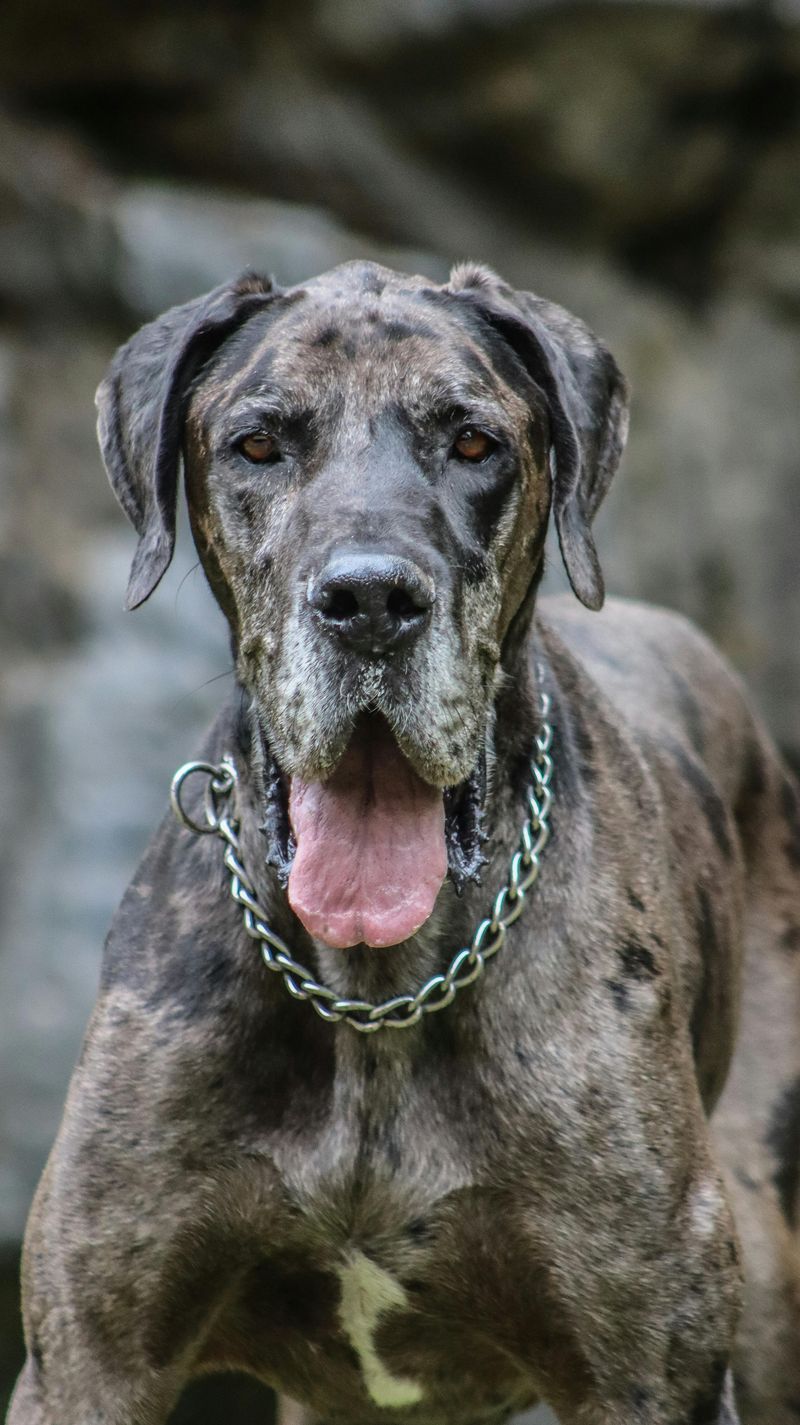
Great Danes are breathtaking, and their health files should be too. Look for hip and elbow certifications, plus cardiac evaluations documented by qualified specialists.
Thyroid testing and eye exams add confidence, while bloat education and contract terms show thoughtful care.
Dilated cardiomyopathy screening matters here as well. Responsible breeders discuss growth management and provide nutrition guidance.
You want receipts that detail test dates, clinic names, and normal ranges for context, not just abbreviations.
Follow-up testing schedules are a green flag. Ask how the breeder tracks relatives for orthopedic and cardiac outcomes.
When a Dane comes with crystal clear health receipts and an open-door policy for questions, you get a giant companion backed by diligent science and genuine accountability.
German Shepherd Dog
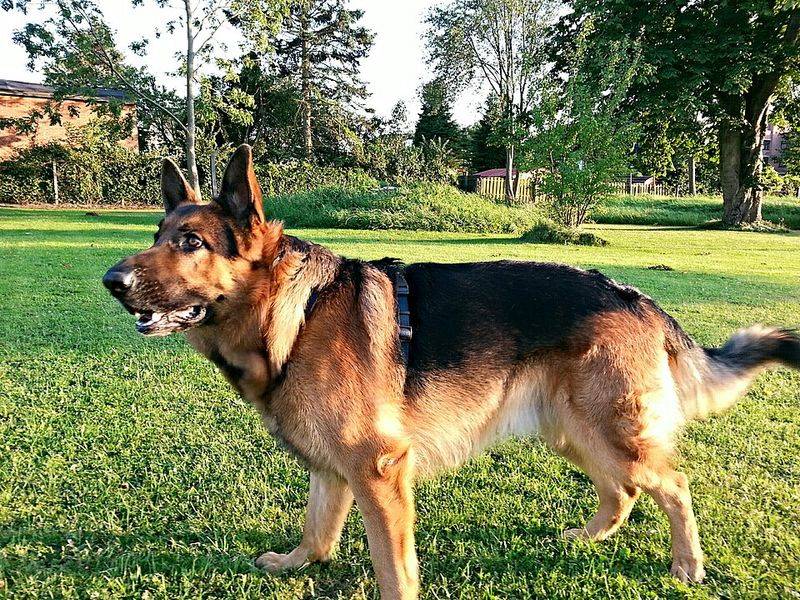
For German Shepherds, start with hips and elbows, verified through recognized registries. Add degenerative myelopathy DNA results with clear interpretation.
Spinal imaging and temperament testing discussions reflect thoughtful selection beyond looks.
Eye and cardiac exams are useful supporting data. You also want proof of stable nerves and sound structure through titles or evaluations.
Health receipts should include hip scores, elbow grades, test dates, and links to public databases when available.
Transparent breeders show multi-generation orthopedic trends. They address allergies, EPI, and bloat awareness honestly.
If someone dismisses testing as unnecessary, keep walking. Your German Shepherd deserves a foundation of verifiable evidence, not vague claims, ensuring a capable partner who holds up in real life.
Golden Retriever

Golden Retrievers should come with the big four: hips, elbows, eyes, and heart. Ask for board-certified cardiology reports, not just auscultation.
Clarify PRA1, PRA2, and ichthyosis DNA results, along with documentation of thyroid panels when available.
Skin and allergy histories matter, so request frank family data. Cancer tracking within lines shows a breeder committed to longevity.
Receipts should be recent, legible, and linked to official databases, ideally with microchip numbers to match the dog.
Reputable breeders discuss breed club codes and return policies. They prioritize health over color trends.
When you hold thorough Golden health receipts, you are not being picky, you are protecting your future memories and giving a beloved companion the best start possible.
Labrador Retriever
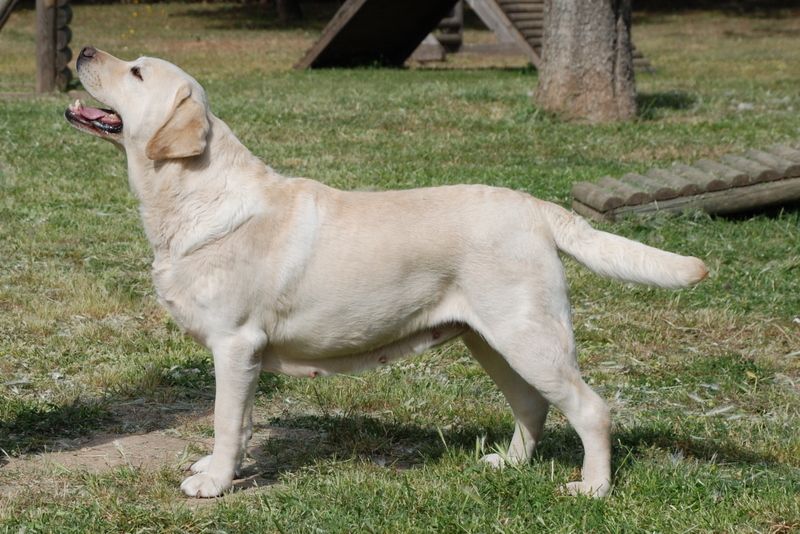
Labradors are versatile partners, and their health paperwork should reflect that. Expect hips and elbows, plus eye exams and cardiac clearances when applicable.
DNA testing for EIC, CNM, and PRA is standard, with clear status labels and dates.
Responsible breeders share results in public databases and explain how they pair dogs to reduce risk. They also discuss body condition and joint care because weight management is preventive medicine.
You deserve receipts that connect each document to a microchip or registration number.
Ask about exercise guidelines for growing pups to protect joints. Contract terms around returns and support signal integrity.
When your Lab comes with crisp, verifiable health receipts, you are buying confidence and setting up a lifetime of adventures together.
Standard Poodle
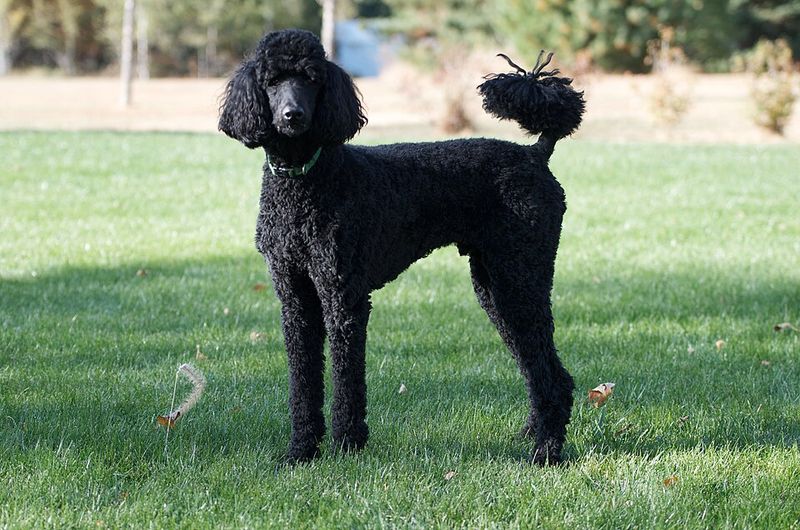
Standard Poodles shine with intelligence and longevity when breeding is careful. Look for hips, elbows, eyes, and cardiac clearances.
DNA panels should cover vWD, PRA, and neonatal encephalopathy, with easy-to-read statuses and breeding implications explained.
Responsible breeders also screen thyroid and discuss sebaceous adenitis monitoring. They store results in searchable databases you can verify.
You want receipts that show not just pass or fail but dates, methods, and certifying bodies.
Grooming and ear care education demonstrates whole-dog thinking. Ask about diversity metrics like COI and how they balance health with type.
When a Standard Poodle comes with thorough, transparent health receipts, you get style plus substance, and a partner prepped for an active, thoughtful life.
Rottweiler
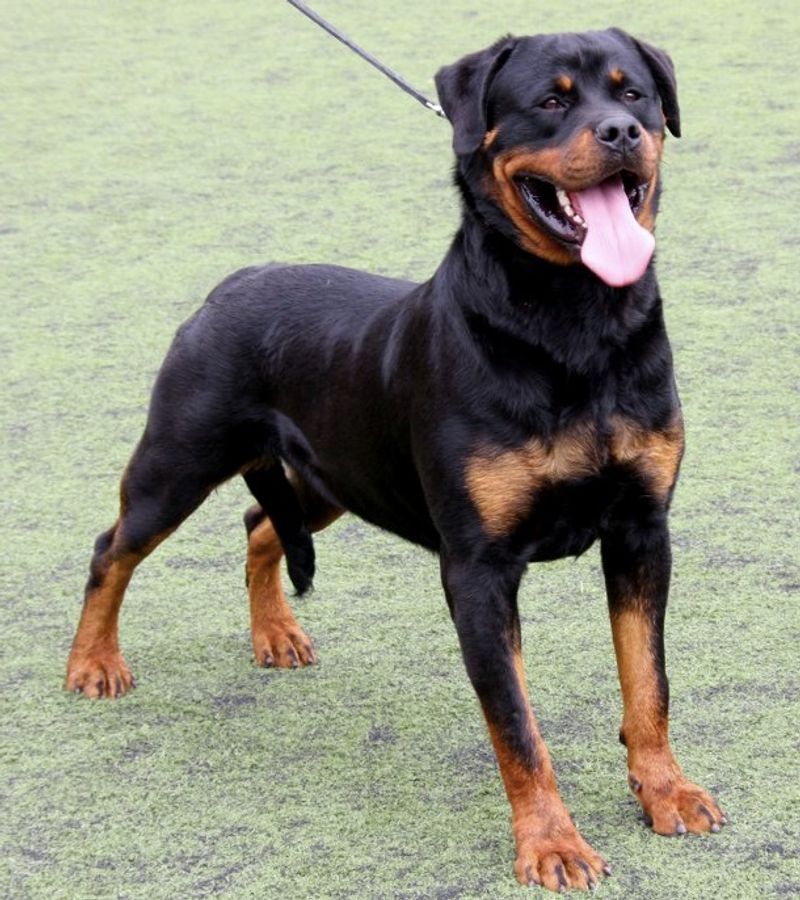
Rottweilers are sturdy workers, so proof of structure and heart health matters. Ask for hip and elbow certifications from recognized bodies.
Cardiac evaluations, thyroid panels, and eye exams add meaningful confidence and should be clearly dated.
Degenerative myelopathy DNA status should be available. Responsible breeders discuss temperament stability and working ability, not just looks.
Your receipts should tie results to the dog via registration or microchip and link to public databases when possible.
Breeders who repeat heart and eye testing as dogs mature show real commitment. They also share family longevity data openly.
If results are missing, outdated, or vague, pause. The right Rottweiler comes with precise, verifiable health receipts that respect your trust and the breed.
Dachshund

Dachshunds are spirited, and back health is front and center. Ask about IVDD risk management, including back-friendly structure and family histories.
Eye exams, patella evaluations, and cardiac checks help round out the picture for this long, low superstar.
DNA testing for PRA and coat color-associated issues should be transparent. Responsible breeders discuss weight control and safe activity to protect spines.
Your receipts should include dates, registries, and clear interpretations, not mystery abbreviations.
Look for breeders tracking orthopedic and neurologic outcomes in relatives. They will gladly explain X-ray or MRI usage and how they choose mates.
When a Dachshund arrives with organized, verifiable health receipts, you gain confidence that those cheerful zoomies can stay comfortable for years.