
You have probably heard someone excuse a dog’s outburst as fear, not aggression, and wondered what that really means. The truth is, fear can absolutely fuel big reactions, especially in powerful breeds that get judged on sight.
Understanding the difference between panic and true hostility changes how you manage, train, and advocate for your dog. Let’s break down the twelve breeds most often dragged into this debate and talk about what’s actually going on.
German Shepherd Dog
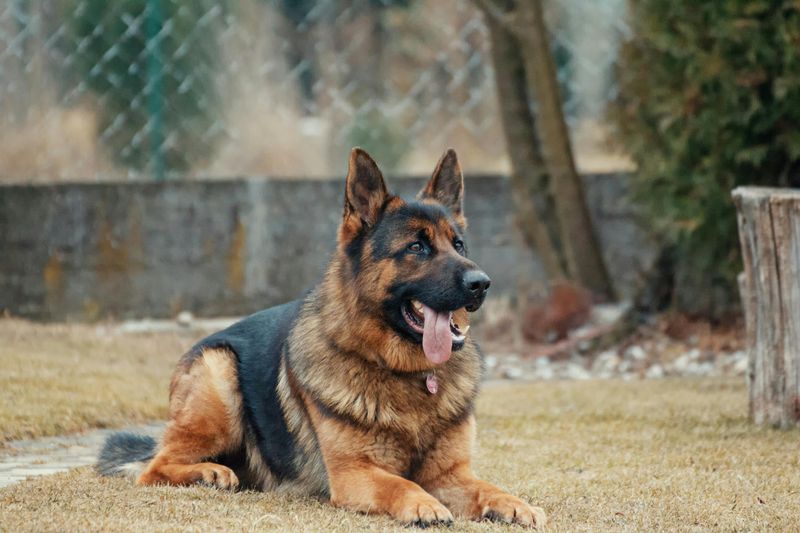
German Shepherds are brilliant, sensitive workers that read your energy fast. When under socialized, their confidence can wobble, and that uncertainty looks like lunging or barking.
Fear often hides behind those big displays, especially if they feel cornered.
You can help by creating predictable routines, controlled exposures, and rewarding curiosity instead of bravado. Teach a strong “look” cue and distance-increase option so the dog learns retreat beats reacting.
Tools like long lines and barriers reduce pressure while practicing calm choices.
Advocacy matters. If strangers rush in with hands, step between and guide interactions.
Clarify boundaries, reinforce neutral behavior, and keep sessions short. With fair leadership, their steadiness blooms and reactivity fades into thoughtful self control.
Belgian Malinois
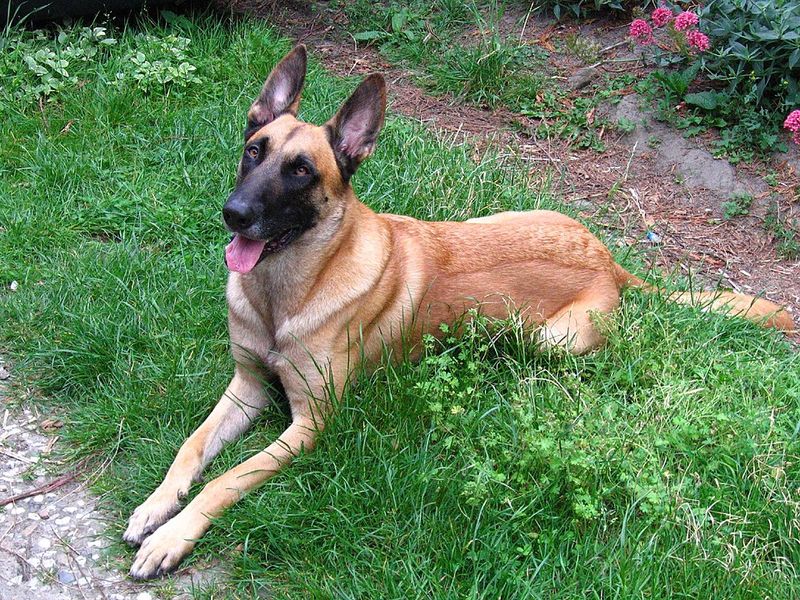
Malinois are high drive athletes, bred to notice everything. That laser focus can flip into frantic defensiveness if they feel trapped or overstimulated.
What looks like aggression is frequently fear paired with motion sensitivity and frustration.
Channel energy first. Scent games, structured tug, and decompression walks empty the tension bucket so learning can happen.
Teach a rock solid station behavior and cooperative care skills that build trust with handling.
Keep thresholds sacred. If the dog is over aroused, create distance, reset, and reward recovery.
Clear patterns, tiny wins, and frequent rests beat marathon sessions. With patient guidance, the Malinois learns that disengaging and checking in are the fastest routes to reinforcement and safety.
Doberman Pinscher
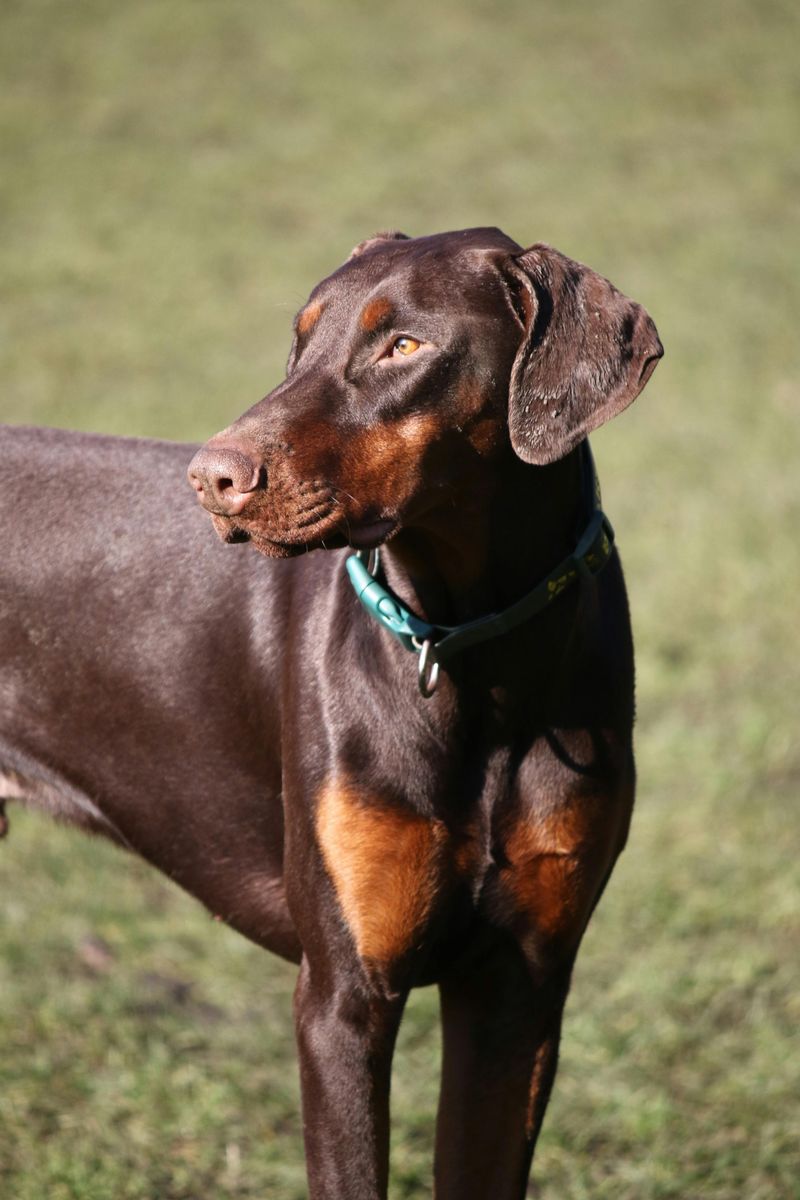
Dobermans read human emotions like a book, which is a gift and a challenge. Anxiety from the handler often bleeds into the dog, and that tension can explode as barking or posturing.
Many “tough” moments are insecure attempts to control space.
Confidence grows with predictable boundaries and consent-based handling. Teach “with me,” hand target, and a calm mat routine.
Pair novel people with distance, food sprinkled on the ground, and exits that always stay open.
Train for neutrality, not forced friendliness. Short field trips, one calm success at a time, beat crowded parks.
When you advocate and slow down, your Doberman stops rehearsing dramatic scenes and starts rehearsing curiosity, making public life feel doable and safe.
Rottweiler
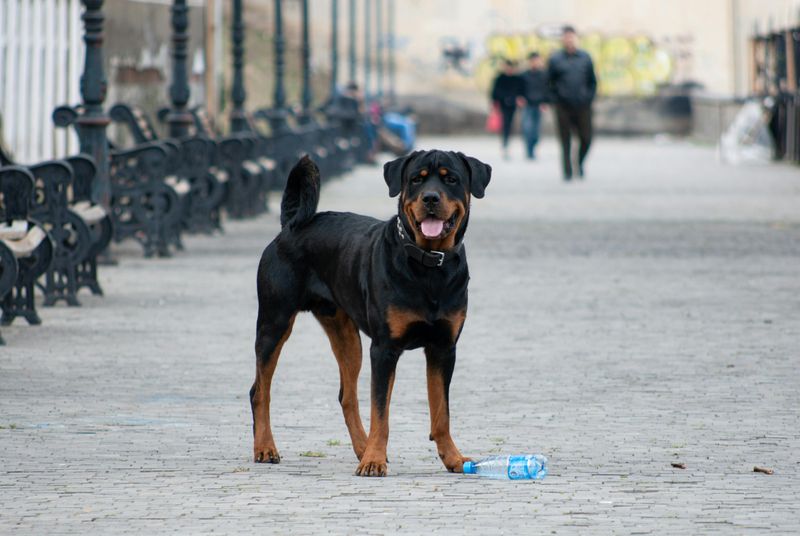
Rottweilers are thoughtful guardians who dislike chaos. Startle them repeatedly or crowd their bubble, and you might see big body language that screams back off.
Often, the root is uncertainty, not meanness, especially in adolescents.
Socialization should be quality over quantity. Quiet exposures, respectful observers, and food delivered low help maintain composure.
Teach a default sit and “check in” so the dog offers calm behavior before deciding what to do next.
Prevent rehearsal. If the environment spikes the dog, pivot out and reward the exit.
Clear house rules and kind, consistent training build reliability. Over time, your Rottie learns to evaluate rather than react, choosing steadiness as the safer, easier path.
Akita
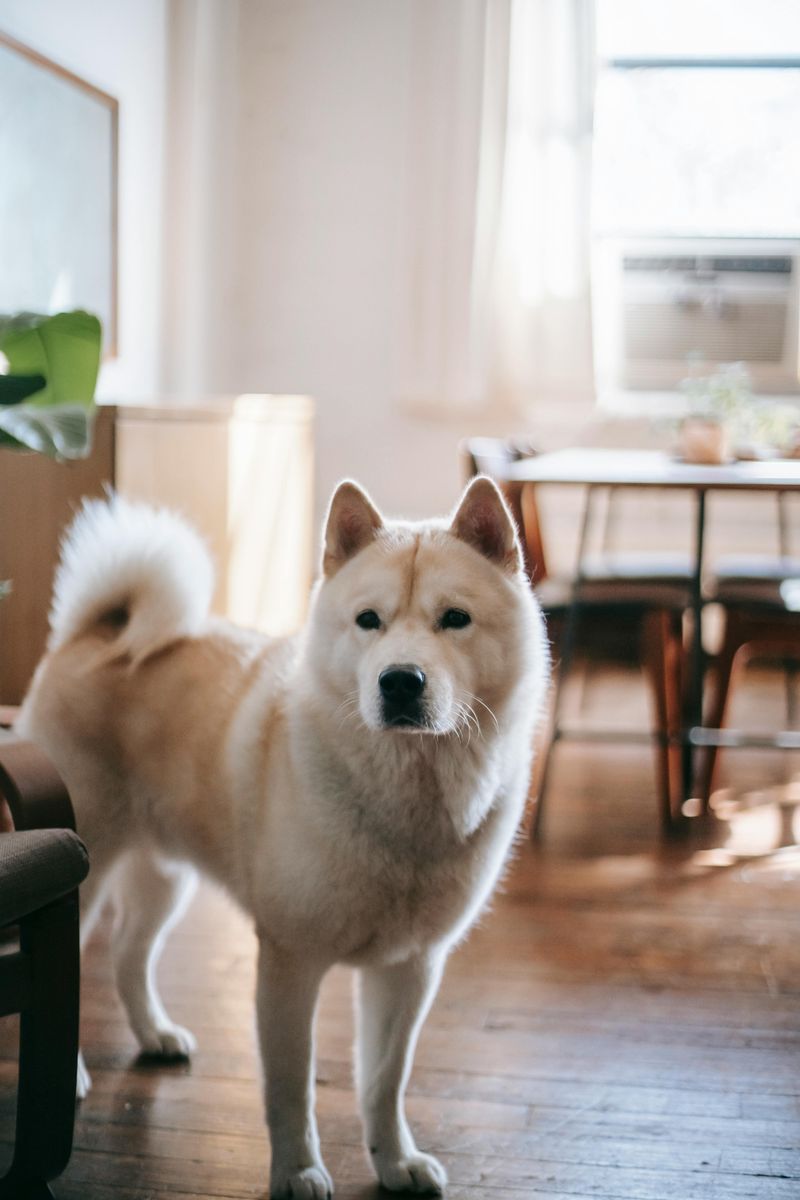
Akitas value personal space and careful introductions. Push fast greetings or stare them down, and fear can surface as stiff posture or a snarl.
It is often a boundary conversation more than true hostility.
Respect the bubble. Lateral approaches, no looming, and parallel walks reduce pressure while building familiarity.
Reinforce head turns and slow breathing with quiet praise and food scattered on the ground to promote sniffing.
Keep sessions short and end on success. Teach cooperative care for grooming and vet visits, using markers and gradual desensitization.
When you let the Akita opt in instead of being cornered, their confidence rises, and those big displays fade into composed, predictable communication.
Chow Chow
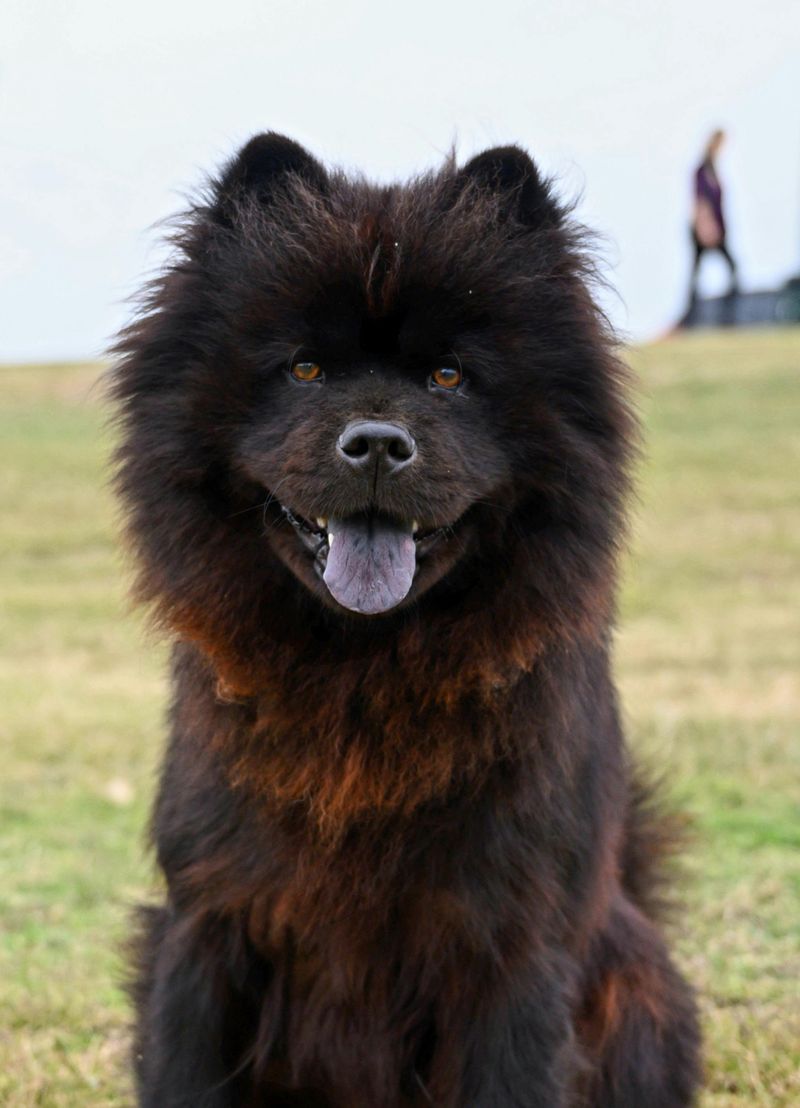
Chows are independent thinkers with low tolerance for pushy handling. Many displays labeled aggression are actually fear about fast hands or intrusive hugs.
Their faces are hard to read, so people miss early stress signals.
Slow everything down. Approach from the side, reward calm eye blinks, and practice chin rest for consent.
Teach a go-to station and predictable grooming rituals broken into tiny steps with frequent breaks.
Advocate in public. Ask strangers to admire from a distance, not pet.
With consistent respect for boundaries, your Chow learns that humans listen, which dissolves defensiveness. The result is a dog that chooses neutrality over noise because it finally feels heard and safe.
Shiba Inu
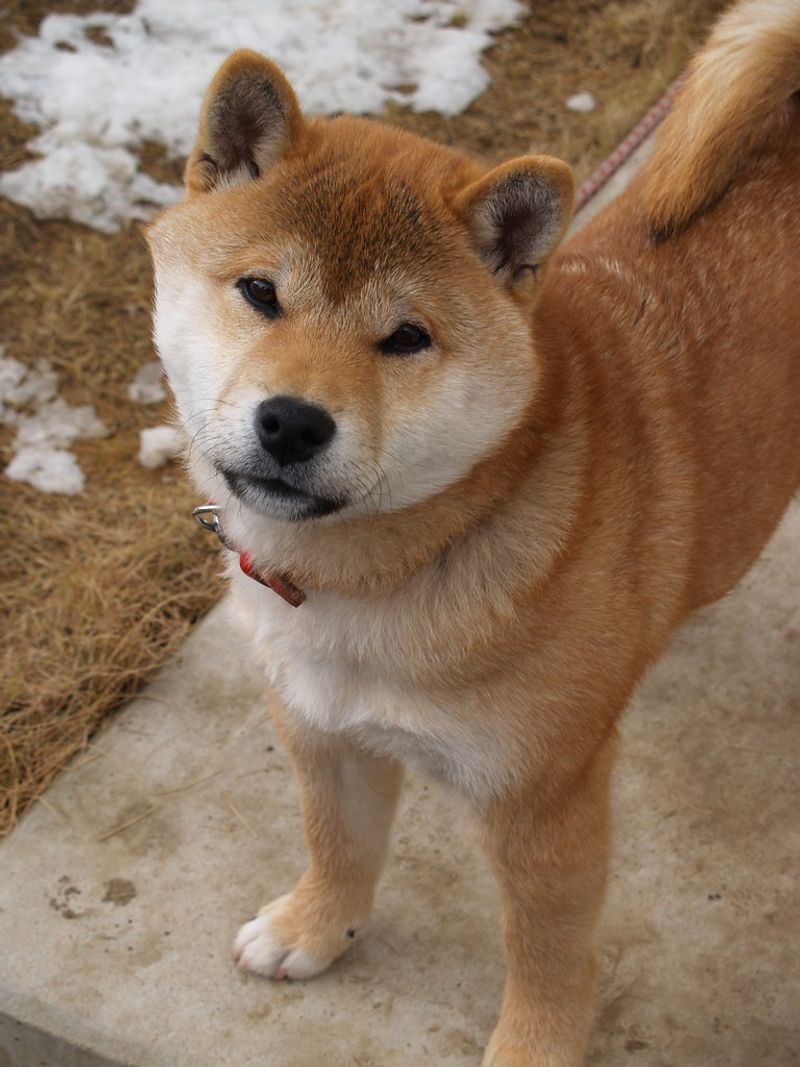
Shibas are sensitive, quick, and famously opinionated. Sudden grabs or busy dog parks can push them into fear responses that look sharp.
Often it is protest about control and space rather than a desire to fight.
Use choice-rich training. Teach hand target, settle on a mat, and harness consent with a predictable routine.
Reinforce sniffing and decompression walks, then sprinkle in micro exposures to people and dogs at distances where the Shiba can breathe.
Skip forced greetings. Protect their bubble, read ear flicks and head turns, and celebrate small recoveries.
As predictability grows, reactivity shrinks. Your Shiba learns that communication works, which turns big feelings into manageable, polite behavior.
Shar Pei
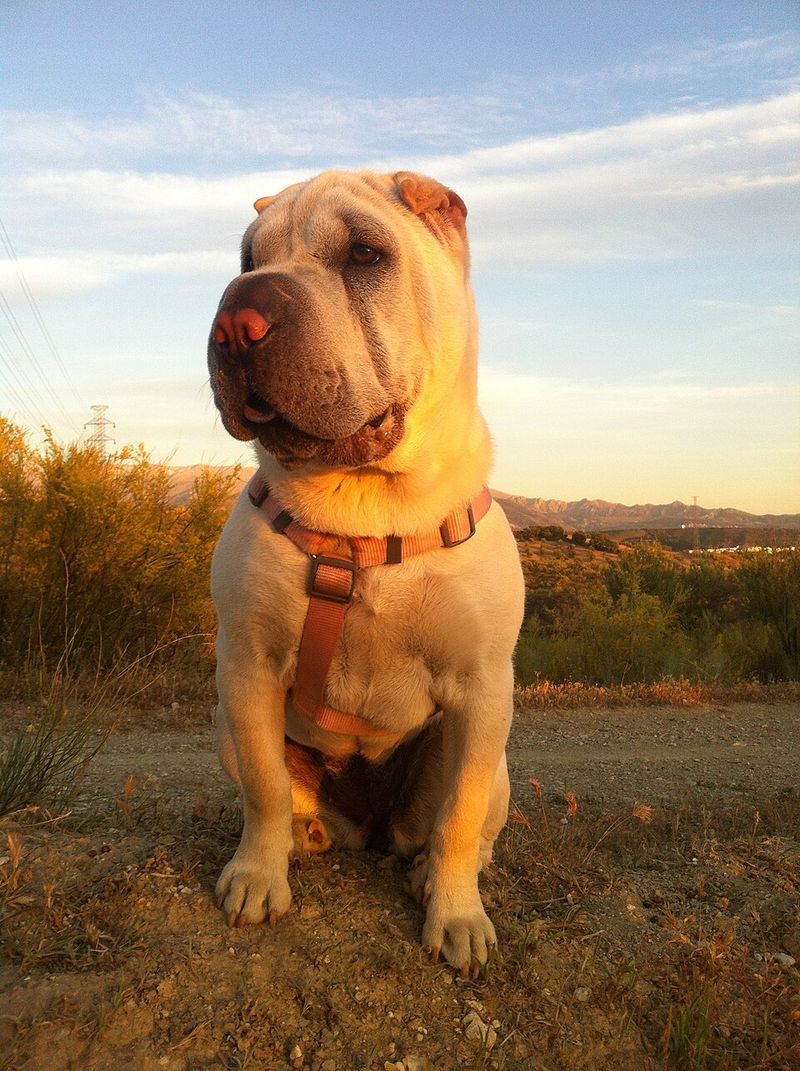
Shar Pei can be reserved and body sensitive, making rough handling a fast trigger. What appears as aggression is frequently a fearful plea for space, especially around face or feet.
Their subtle cues are easy to miss beneath those wrinkles.
Build trust slowly. Cooperative care, nail training with high value food, and predictable routines help.
Teach a station, reward head turns, and step away before thresholds break.
Choose environments carefully. Avoid crowded, grabby settings and offer clear exits.
When fear is acknowledged and choices are honored, Shar Pei become steady and discerning. That shift from defensive displays to composed manners is the payoff for patient, respectful training.
Cane Corso
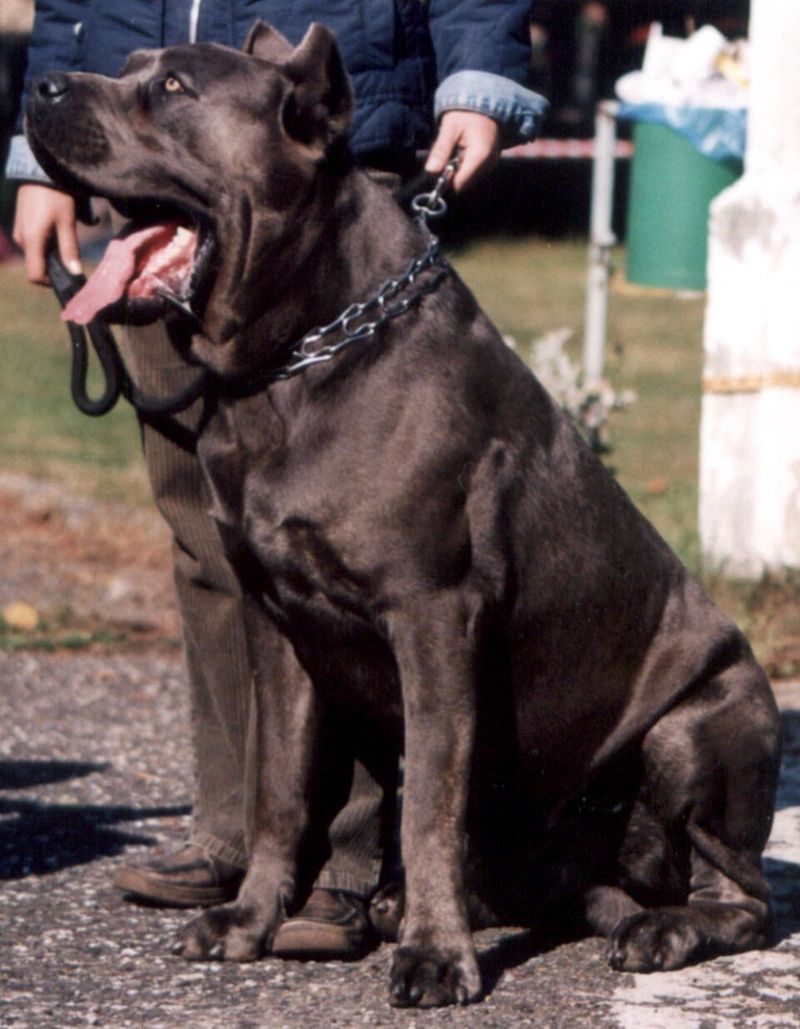
Cane Corsos are imposing guardians with big feelings. Under socialized dogs can mistake novelty for threat, and fear drives those heavy warnings.
It is not about dominance, it is uncertainty without a clear plan.
Start with structure. Daily patterning, threshold training, and rewardable check-ins create predictability.
Use controlled setups with calm decoys, honoring distance and short reps.
Teach impulse control through simple games like “look,” “leave it,” and station work. Pair each success with decompression time to prevent overload.
When the Corso learns exactly what to do instead of guess, fear gives way to thoughtful choices, and that intimidating presence transforms into calm confidence in public life.
Boxer
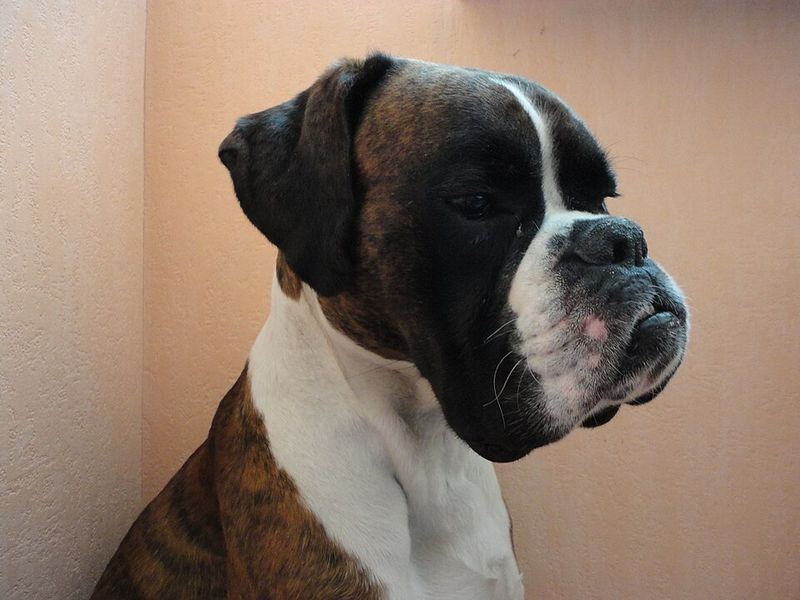
Boxers are clowns with rocket fuel. When arousal spikes without direction, fear or frustration can tip into chaotic barking that looks aggressive.
It is usually a feelings overflow, not a wish to brawl.
Give clear outlets. Sniffaris, tug with rules, and food puzzles drain energy.
Teach quick switches from play to settle using a mat cue and rapid reinforcement for breathing and stillness.
Manage greetings. Advocate for space, reward polite looks away, and leave before the pot boils.
With consistent patterns, Boxers learn to regulate and choose calm. The big heart remains, but now it is paired with skills that keep public moments friendly and predictable.
Rhodesian Ridgeback
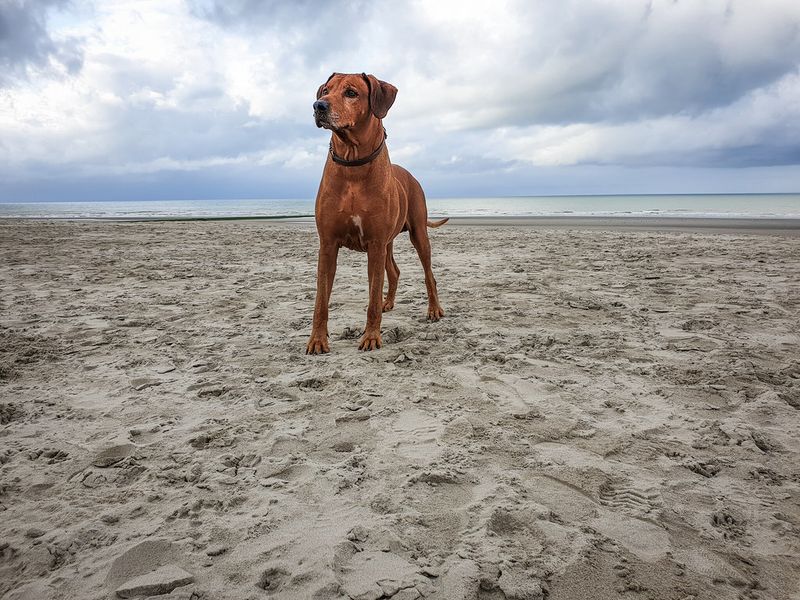
Ridgebacks are observant and independent, bred to assess from a distance. If pressured by strangers or crowded paths, fear can present as stern posturing.
Many incidents trace back to tight spaces, fast approaches, and no escape routes.
Work on calm observation. Reinforce quiet scanning, head turns, and staying under threshold.
Parallel walks beat face to face greetings, and long lines preserve choice.
Build recall and station skills so the dog has a clear job when unsure. Keep sessions brief, stack easy wins, and add novelty slowly.
Over time, the Ridgeback learns that disengagement pays, trading defensive shows for relaxed, confident neutrality around the world.
American Bulldog
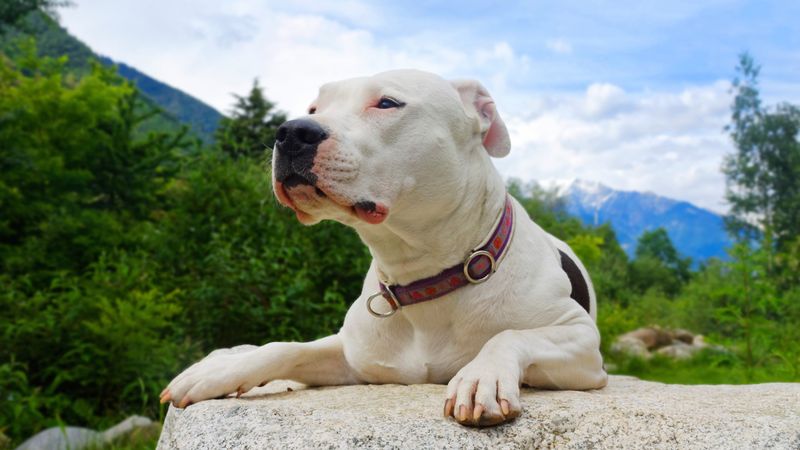
American Bulldogs are powerful and earnest, which makes fear-driven outbursts look intense. Often it is startle or social confusion, not a desire to do harm.
Without guidance, they practice big behavior because it works to create space.
Teach better strategies. Reinforce check-ins, loose leash skills, and a sturdy place command.
Use gradual exposures to people and dogs at respectful distances, rewarding curiosity and recovery breaths.
Mind the environment. Avoid crowded entrances, cornered greetings, and roughhousing with unfamiliar dogs.
With consistent advocacy and clear routines, your Bulldog discovers that calm behavior controls outcomes, turning potential fireworks into steady, reliable manners that fit everyday life.