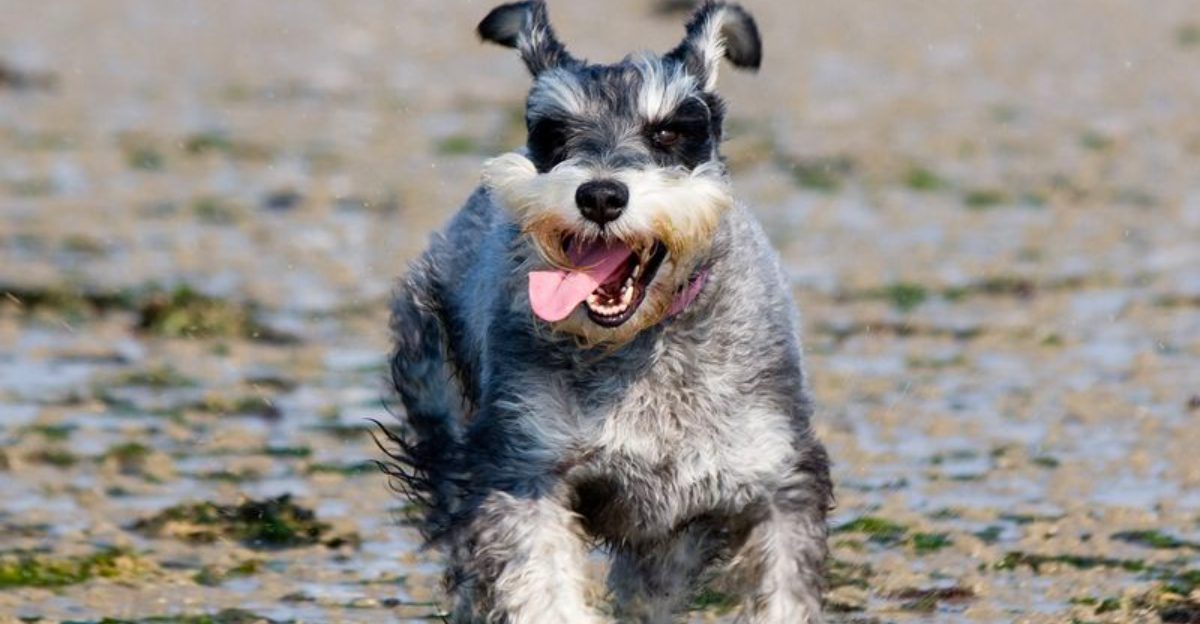
When a dog runs free, trust matters most. Some breeds naturally listen, look back, and return without fuss.
That skill comes from smart breeding, solid training, and a strong bond with their person. Here are breeds that often excel at checking in and staying connected outside.
Border Collie
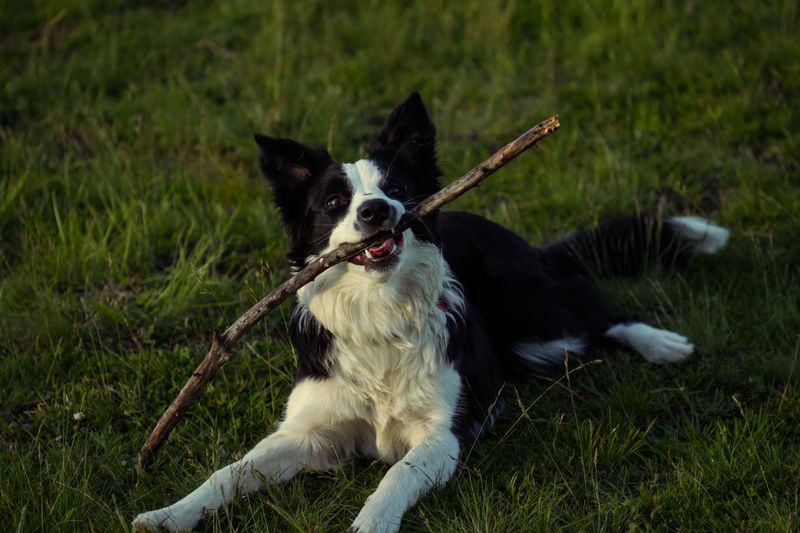
Quick as a blink, a Border Collie reads your body language like a coach studies game film. They crave jobs, puzzles, and clear signals, which keeps them tuned in even when the leash drops.
A whistle, a hand cue, and a happy voice go far.
Channel that focus with herding games, scent hides, or fetch played in short bursts. Practice check-ins on trails, reward instantly, then send them out again.
Mental work tires them more than miles, so plan smart breaks.
Shetland Sheepdog
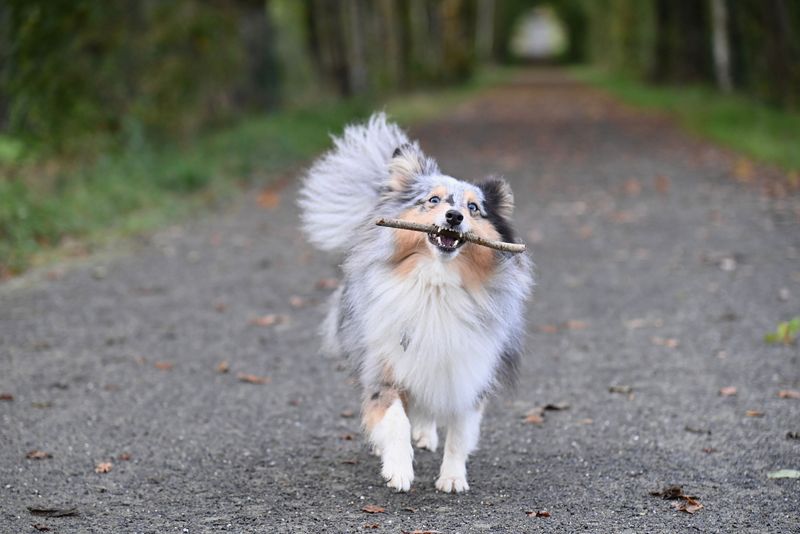
Like a tiny shepherd with a big brain, the Sheltie sticks close and loves a shared routine. Soft voices and clear patterns make them shine, especially during off-leash hikes.
A quick “look” cue paired with treats turns glances into steady check-ins.
Short training games keep their confidence high. Rotate recall drills with spins, paw targets, and nose touches to prevent boredom.
Sensitive by nature, they do best with kindness, upbeat praise, and calm, predictable sessions that build trust.
Standard Poodle
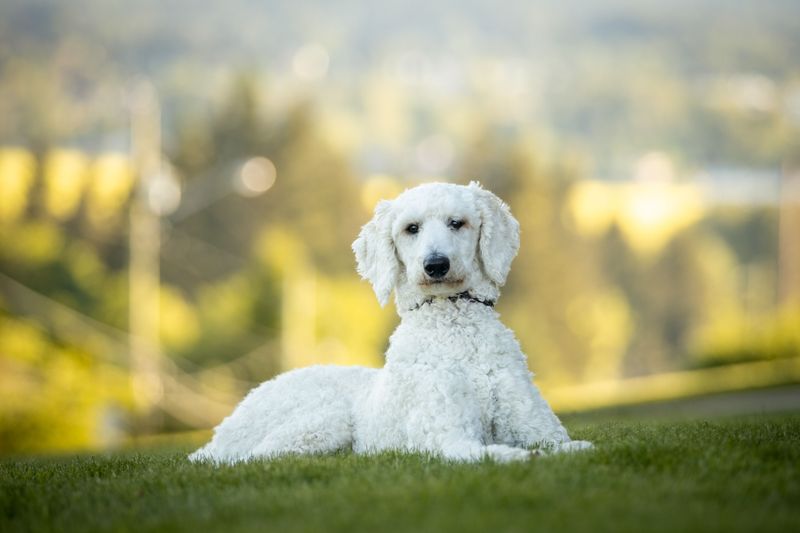
Elegance meets grit with the Standard Poodle, a thinker who loves solving your puzzles. Off leash, they often check back because teamwork feels fun.
Pair recalls with playful chases to a tug toy, then release back to explore.
Water retrieves and scent games keep their minds busy. Rotate rewards, like a ball throw or a quick game of tag, to maintain excitement.
Keep sessions short, end on success, and watch their curiosity fuel dependable listening.
Labrador Retriever
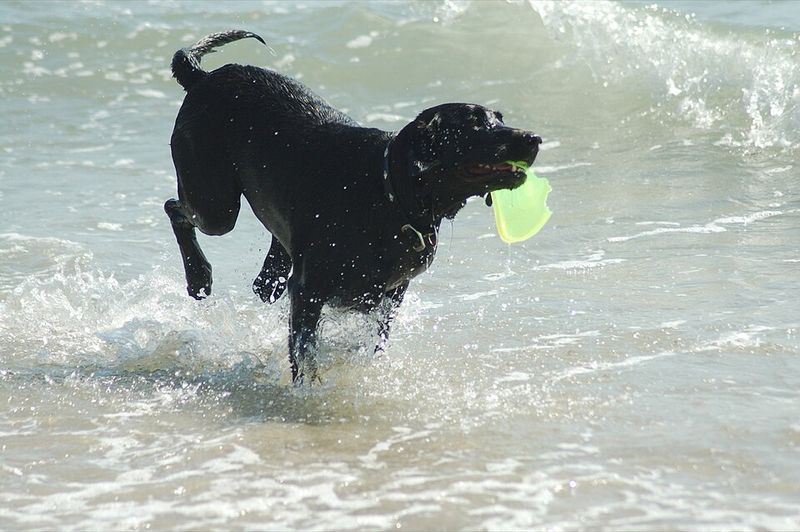
Born to work alongside people, many Labs treat every walk like a friendly mission. A quick glance back often means, “What’s next, boss?” Use that moment to reward with a tossed bumper or a tasty snack, then release them again.
Structure helps. Set checkpoint trees or rocks where your Lab must return before moving on.
Rotate fetch, heel bursts, and sniff breaks to keep arousal balanced. Plenty of exercise plus clear rules turns energy into reliable recall.
Golden Retriever
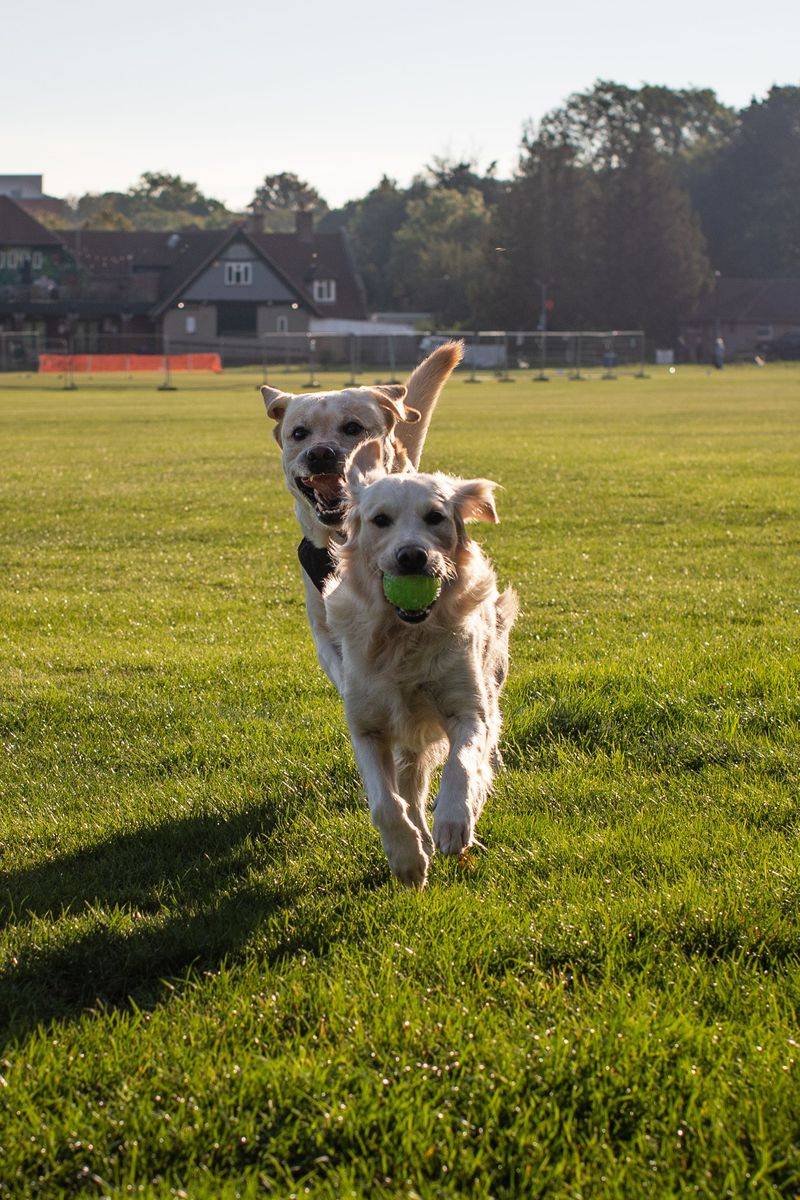
Sunny-hearted and people-focused, many Goldens naturally circle back for approval. Catch those moments with praise and a fun reward, and you build a habit of checking in.
A pocket squeaker or a well-timed “Yes” keeps motivation bright.
Balance is key. Mix calm heel intervals with freedom to sniff, then practice fast recalls to a jackpot treat.
Keep training light and cheerful. When the relationship feels like a game, their consistent returns become second nature.
German Shepherd
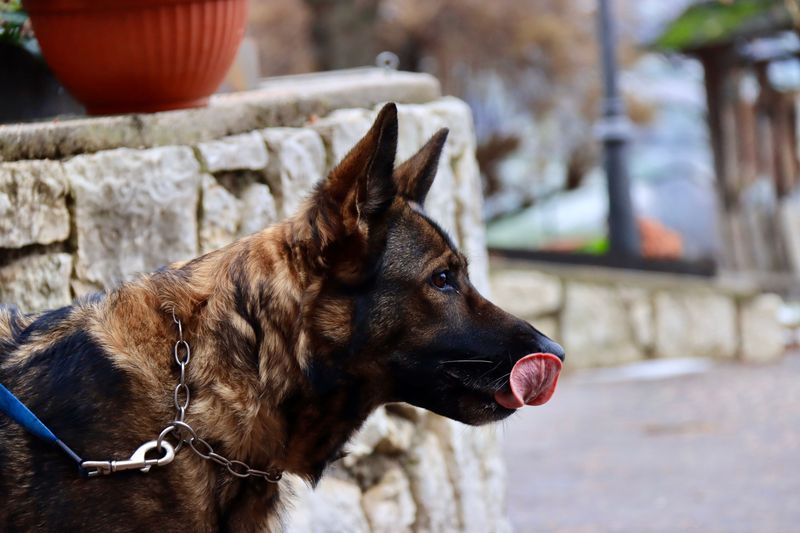
Purpose-driven and observant, the German Shepherd often treats you as the center of the map. That makes off-leash work feel like team patrol.
Reinforce eye contact with marker words, then pay with tug or a quick jog together.
Teach predictable checkpoints, like returning at every fork. Vary terrains to challenge focus: forest, field, then neighborhood park.
Keep criteria clear and fair, and you will see confident, frequent check-ins backed by steady impulse control.
Papillon
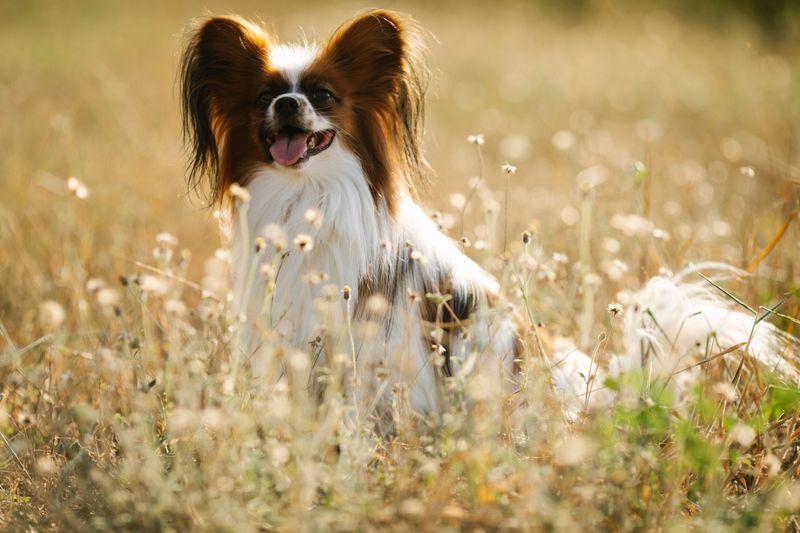
Tiny frame, giant brain. The Papillon loves brisk games and bright feedback, which suits off-leash micro-adventures.
Quick-fire recalls to a treat scatter turn check-ins into a party. Many will ping-pong between you and the path, happily asking what’s next.
Agility-style cues, like targets or short tunnels, harness their spark. Keep sessions upbeat and short.
Watch for distractions like birds, and reward early before attention drifts. Big fun in small doses builds a steady, joyful return.
Australian Shepherd
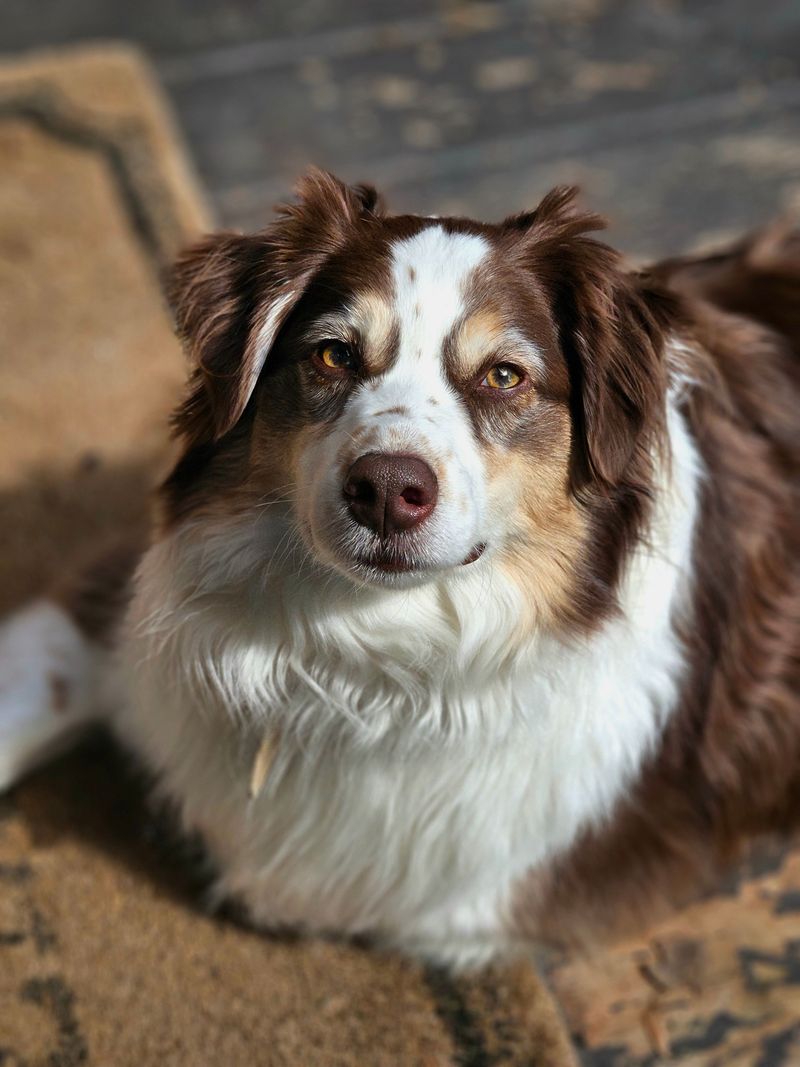
With a mind always clicking, the Aussie loves clear jobs and fast feedback. Off leash, many will orbit their person like a satellite, checking for the next task.
Mark every look-back, send them out again, and you build strong rhythm.
Herding instincts benefit from structured outlets. Try directional fetch, figure-eight recalls, or pasture walks with checkpoints.
Rotate rewards to manage drive. Confidence plus variety keeps their focus glued where it matters most.
Doberman Pinscher
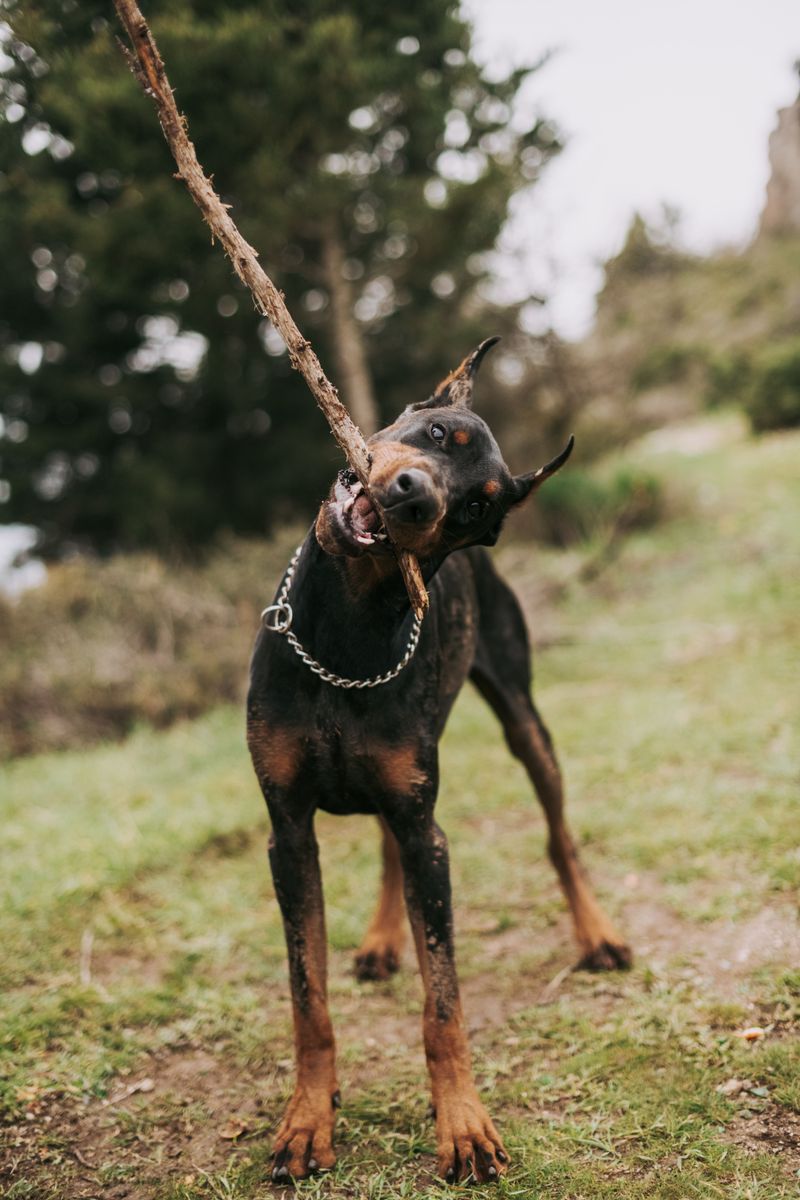
All business and deeply loyal, many Dobermans track their handler like a compass needle. Use firm but friendly rules, and reward rapid returns with a tug or sprint beside you.
Clarity removes guesswork and encourages frequent check-ins.
Short obedience bursts between free runs keep impulse control sharp. Practice around mild distractions before harder ones.
Confidence grows when expectations never change, so keep cues simple. With leadership anchored in trust, reliability follows quickly.
English Springer Spaniel
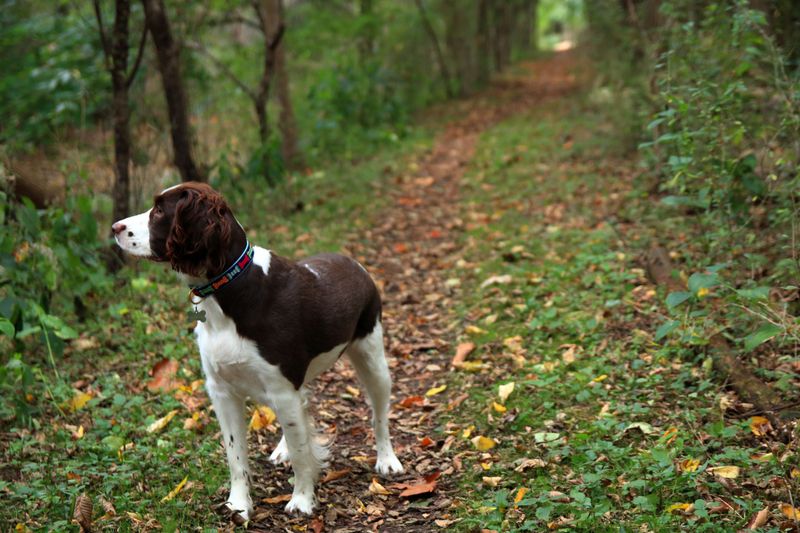
Birdy by nature, the Springer loves to work in partnership. That teamwork instinct can power frequent check-ins.
Whistle sits, quick recalls, and pocket treats create a chain of good choices while they quarter the field.
Let them hunt, then call, reward, and release again. This back-and-forth builds trust and keeps excitement useful.
Keep sessions brisk and varied, and watch for fatigue. A happy spaniel who knows the rules is a dependable field buddy.
Miniature Schnauzer
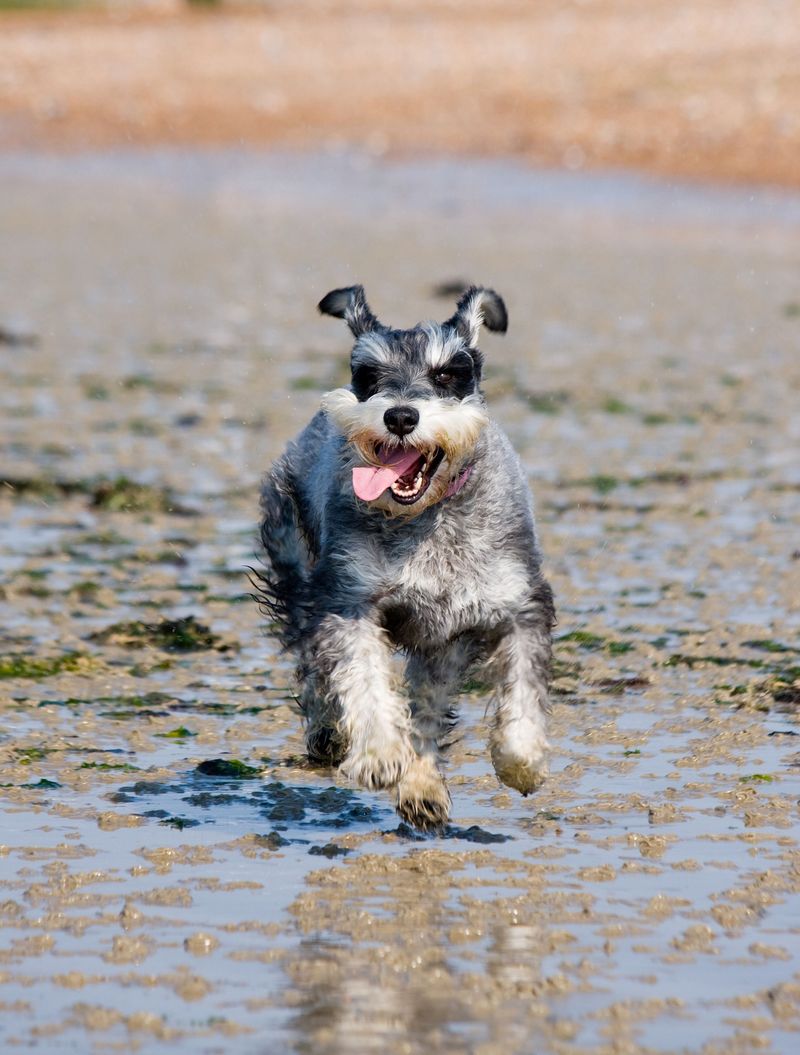
Feisty and clever, the Mini Schnauzer often enjoys checking in for the next assignment. Use brisk, upbeat cues and small jackpots to reward each glance.
A playful trot to your hand target makes returning feel like a win.
Keep distractions manageable at first, then add cyclists, joggers, and squirrels in steps. Mix pattern games, like “left-tree right-bench,” to make you the navigator.
Clear structure plus fun rewards turns independence into reliable teamwork.
Rough Collie
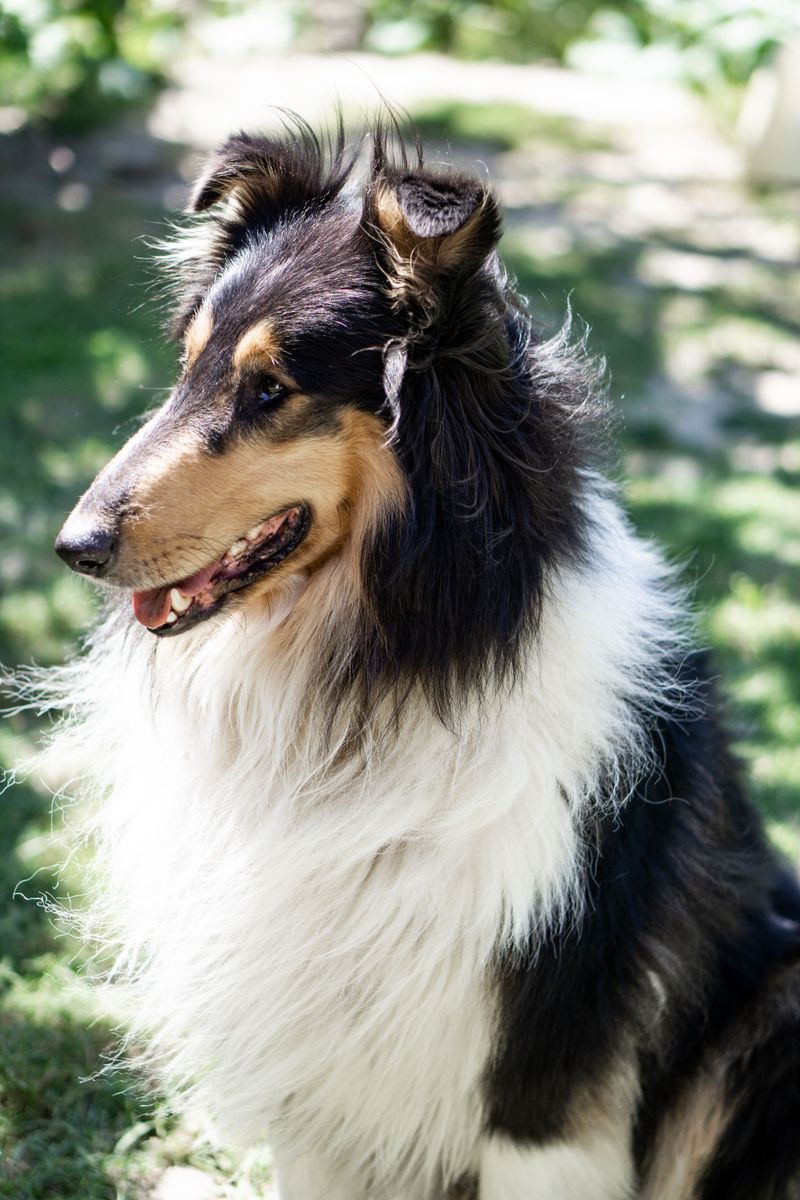
Storybook looks meet steady composure in the Rough Collie. Many are naturally watchful, pausing to confirm that you are pleased.
Praise matters. Pair compliments with a calm pat or a quiet treat to strengthen frequent returns.
Long hair, longer patience. Keep training kind, steady, and clear.
Add scent trails and slow, thinking games to engage their mind. Regular practice in new places cements habits, so check-ins stay strong beyond the backyard.