
Dog owners everywhere are swapping frantic posts about coughs, sneezes, and mystery bugs after daycare. You want the truth, not rumors, and you want to know which breeds keep popping up in these outbreak threads.
Let us walk through the terriers most mentioned, why they might be overrepresented, and what practical steps actually help. Stay calm, stay informed, and protect your pup with smart, simple moves.
Miniature Schnauzer
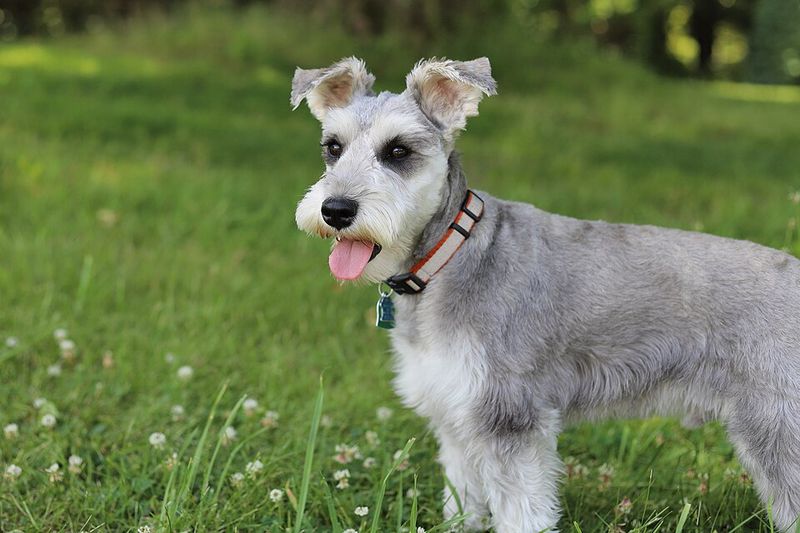
Miniature Schnauzers show up often in daycare illness posts, likely because they are popular and social. Their classic beard and eyebrows trap moisture and debris, so wipe that face after play to reduce irritation.
If your pup coughs after daycare, track frequency, appetite, and breathing to share clear notes with your vet.
Ask facilities about ventilation, staff-to-dog ratios, and vaccination policies, including kennel cough and influenza. Bring a personal water bowl to limit shared-germ exposure.
Rotate lower-intensity days to prevent stress, which can weaken immune defenses.
Grooming matters: regular ear checks and trimmed facial furnishings help. At the first sign of deep cough or lethargy, isolate at home and call your vet.
Most cases are mild, but prompt care keeps pups comfortable and safe.
West Highland White Terrier
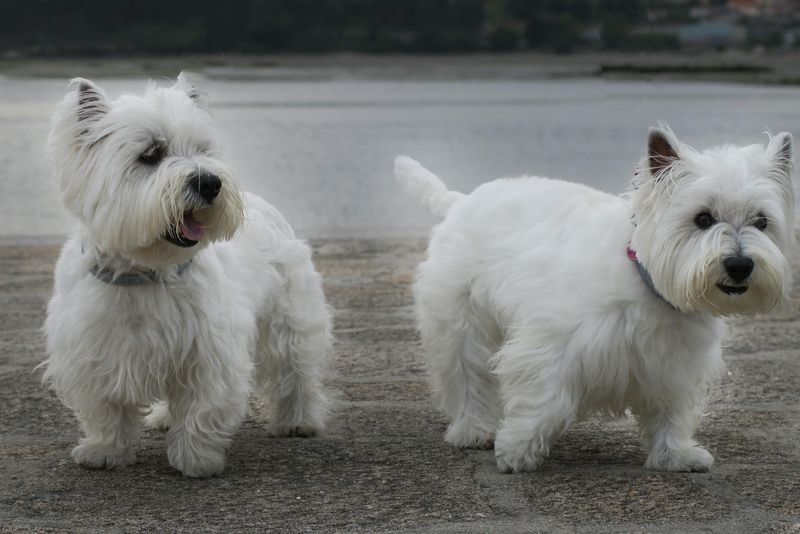
Westies are sturdy little charmers, yet sensitive skin and seasonal allergies can complicate daycare sniffles. After pickup, do a quick once-over: clear eyes, clean nose, steady breathing, and normal energy.
If there is a honking cough, separate from other dogs and note onset and triggers like excitement or leash pulling.
Choose daycares with posted sick-dog policies and transparent cleaning logs. Ask about small-group play and rest breaks to reduce stress.
Hydration counts, so bring labeled water and avoid community bowls when possible.
Because white coats show tear staining, cleaning the muzzle helps monitor discharges. Vet guidance rules if fever, lethargy, or appetite dips appear.
Most Westies bounce back quickly with rest, humidified air, and gentle, vet-approved cough relief.
Cairn Terrier
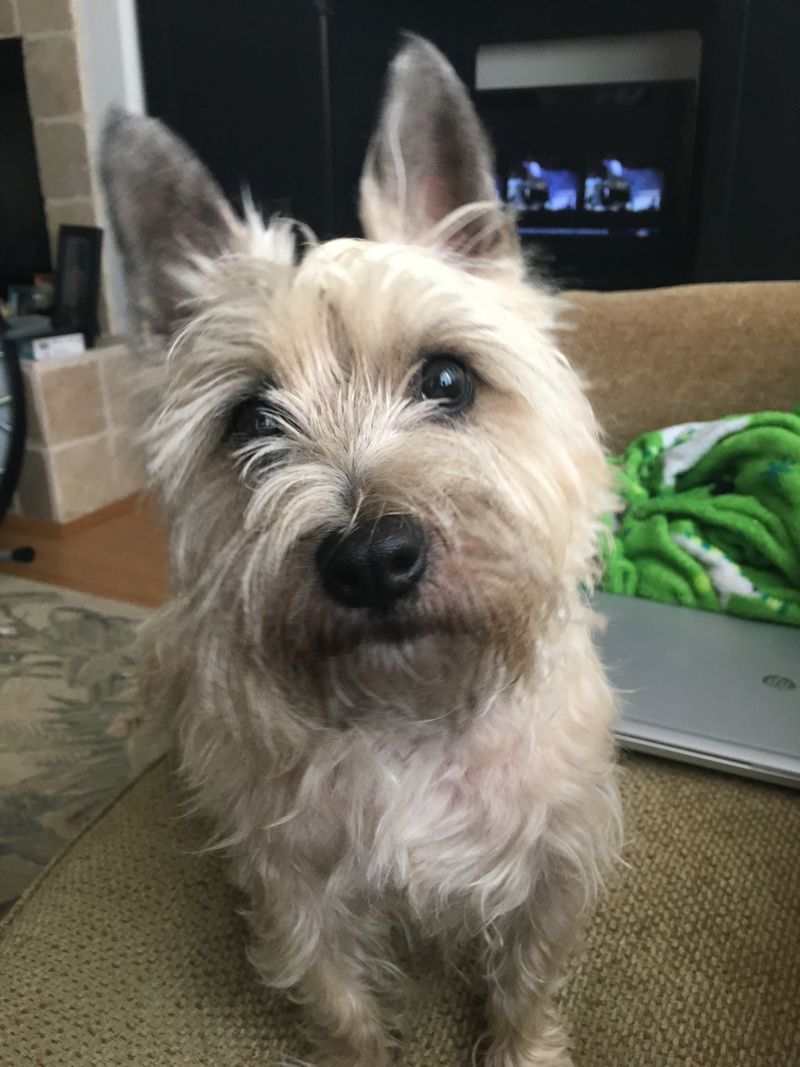
Cairn Terriers thrive on activity, which makes daycare appealing and germ exposure more likely. A scratchy cough following group play is common in outbreaks, but many cases remain mild.
Prioritize facilities that screen arrivals, separate by size and energy, and publish vaccination requirements clearly.
At home, run a humidifier and keep excitement low while recovering. Avoid neck pressure by switching to a harness, since tracheal irritation can amplify coughing.
Track eating, drinking, and bathroom habits for any red flags.
Grooming their wiry coat reduces dust retention around the face. If coughing persists beyond several days or breathing seems labored, call your vet.
Cairns are resilient, and with rest plus sensible hygiene, most bounce back fast.
Norwich Terrier
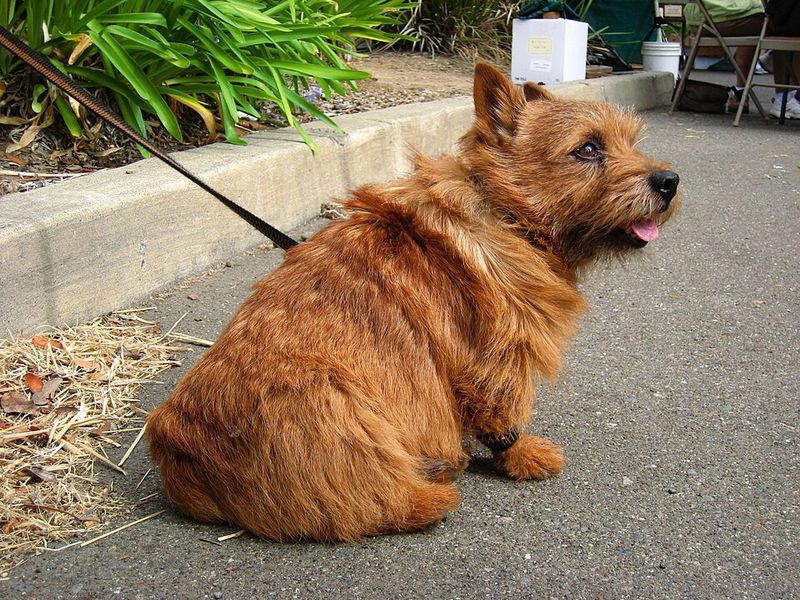
Norwich Terriers are social butterflies, making them frequent daycare attendees and thus frequent mentions in outbreak chatter. Small throats can be sensitive to airborne irritants, so good ventilation matters.
Ask how often the facility exchanges indoor air and whether they use HEPA filtration.
If a cough pops up, reduce vigorous play for a few days. Keep water fresh and nearby, and consider steamy bathroom sessions to soothe airways.
Avoid over-the-counter meds unless your vet approves.
Norwich coats trap debris during floor play, so a quick wipe after pickup helps. Look for colored nasal discharge, fever, or lethargy as signs to call your vet.
With early rest and careful monitoring, these lively pups typically recover well.
Norfolk Terrier
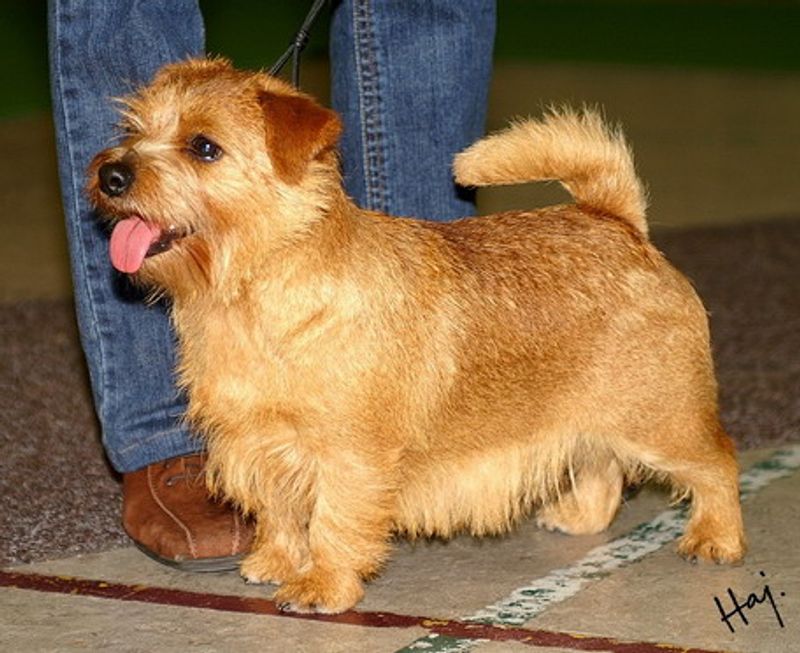
Norfolk Terriers love to mingle, but close play increases droplet sharing. During outbreak cycles, ask daycares about cohorting by size and vaccination status.
A mild, dry cough that worsens with excitement is a common first sign, so keep evenings calm and offer a quiet crate retreat.
Use a harness to avoid throat pressure during walks. Provide lukewarm water and moist food to encourage hydration.
If appetite dips or a wet, productive cough develops, touch base with your vet for guidance.
Regular coat brushing removes allergens and dust from daycare floors. Request progress texts from staff if your dog attends during community spikes.
Most Norfolks shake off these bugs with a few days of rest and supportive care.
Border Terrier
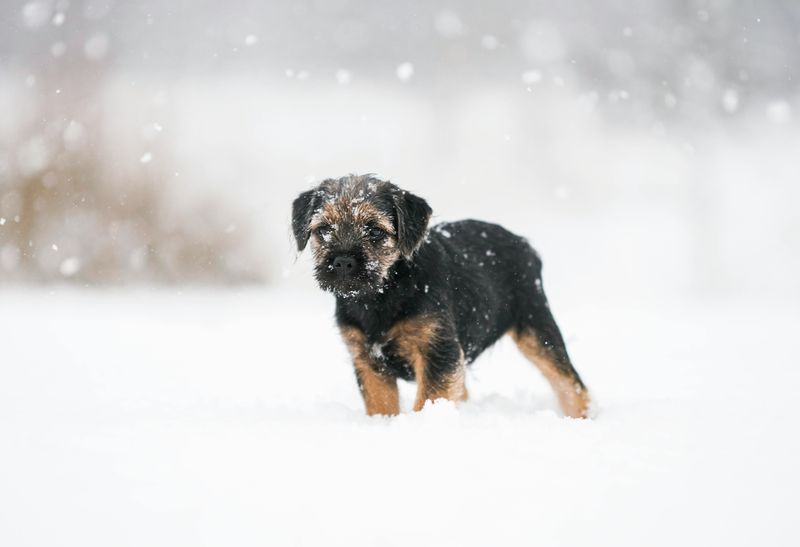
Border Terriers are hardy, but even hardy dogs catch daycare coughs when community prevalence rises. Before booking, ask how they handle symptomatic dogs and whether they alert all clients about exposures.
Short, frequent snuffle checks after pickup help you catch changes early.
Offer rest, humidified air, and calm routines if coughing starts. Skip dog parks until symptoms resolve, usually 1 to 2 weeks with vet guidance.
Keep vaccination records current, including Bordetella and canine influenza where recommended.
Their dense coats can hold dust, so quick grooming reduces irritants near the nose. Watch for wheezing or blue-tinged gums and seek urgent care if present.
Borders typically rebound quickly when stress stays low and hydration stays high.
Manchester Terrier
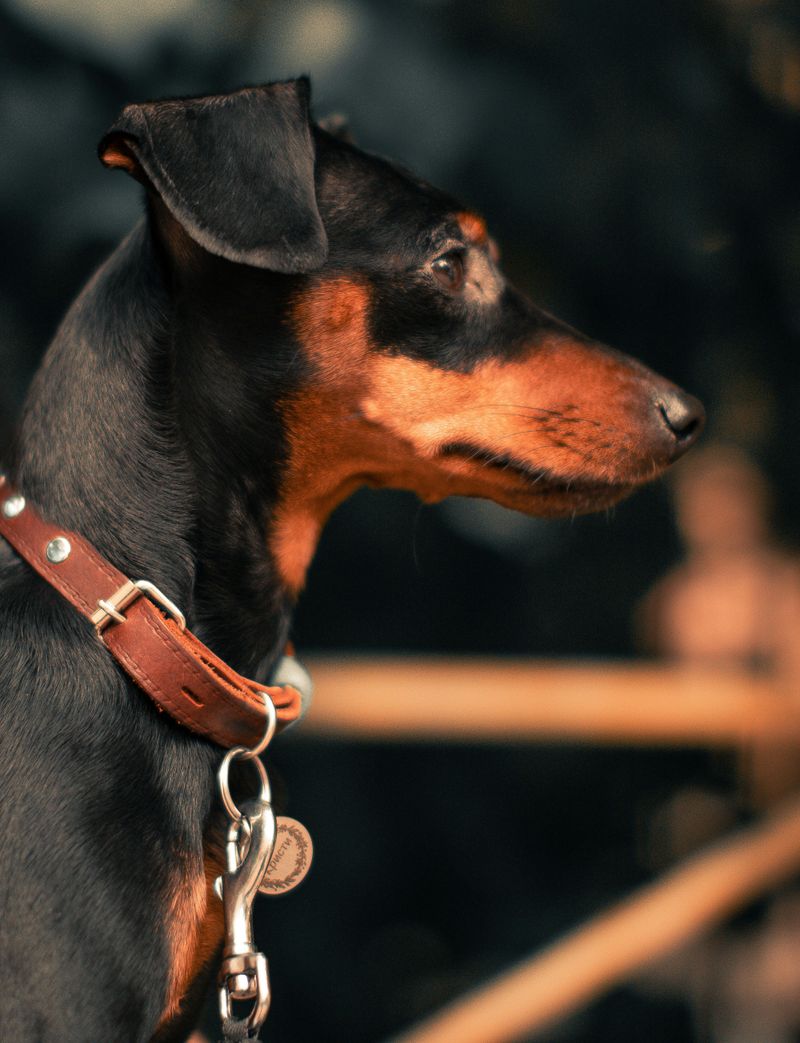
Manchester Terriers are agile and high-energy, so they can overexert when excited, masking early cough signs. After pickup, keep a calm window to listen for any throat clearing or honking.
Ask your daycare about rest rotations and staff training on early symptom recognition.
Good ventilation, small play groups, and individual water bowls reduce spread. Consider spacing visits during local surges and schedule energy outlets at home.
If your dog hacks more at night or after activity, call your vet for tailored advice.
Maintain vaccines as recommended and avoid smoke or strong cleaners that irritate airways. Manchesters usually recover fast with rest, hydration, and a stress-light routine.
Share clear symptom timelines with your vet for the best guidance.
Silky Terrier
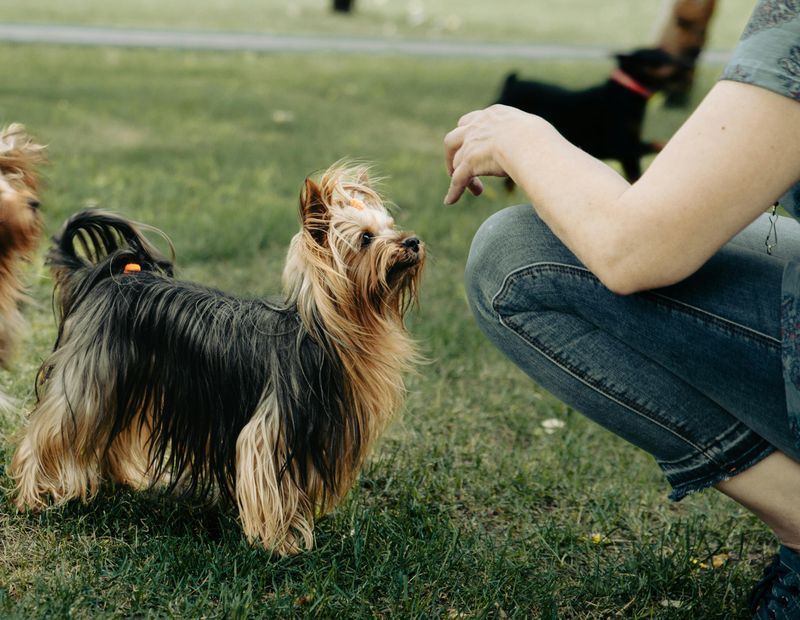
Silky Terriers have fine coats that pick up environmental particles, which can irritate airways after group play. Wipe the face and chest after daycare visits to reduce residue.
If a tickly cough appears, rest days and a humidifier often help.
Ask about airflow rates and whether the facility opens windows or uses mechanical exchange. Personal toys and bowls reduce sharing, but confirm cleaning protocols.
Keep excitement low at home because arousal can intensify coughing fits.
Monitor appetite and note any nasal discharge color changes. If breathing becomes labored, seek veterinary care quickly.
Most Silkys do well with supportive care, short walks on a harness, and patient observation, returning to normal play once fully symptom-free per your vet.
Australian Terrier
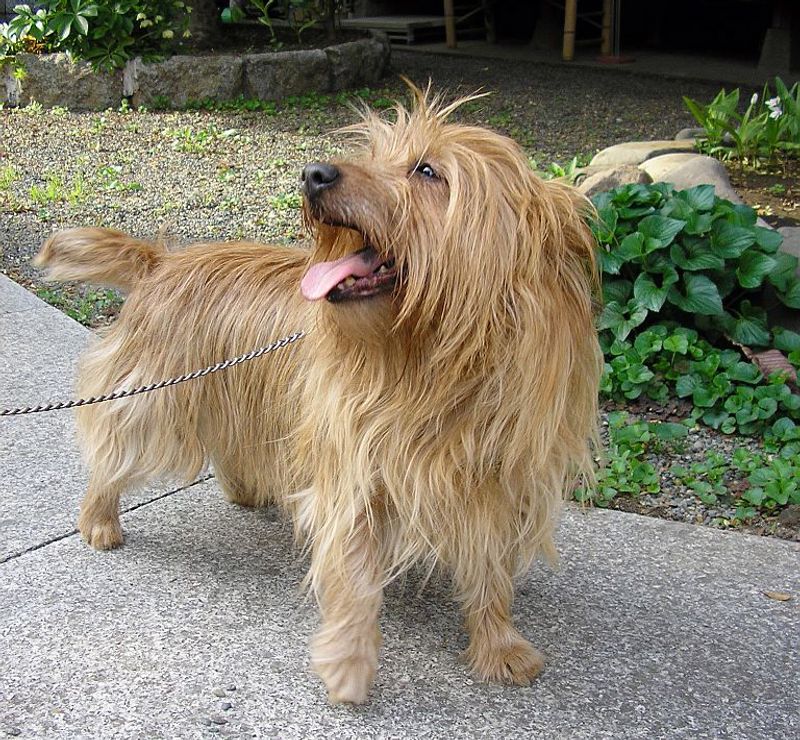
Australian Terriers are confident extroverts, which makes them daycare naturals and frequent outbreak mentions. Choose centers that cap group sizes and rotate rest breaks.
A hoarse or honking cough after pickup is your cue to pause social time and monitor closely.
Switch to a harness to protect the trachea and limit strenuous fetch. Use gentle steam sessions and plenty of water to soothe the throat.
Avoid self-medicating without vet approval, especially with human cough suppressants.
Brush the beard and chest to remove dust and drool. If fever, lethargy, or persistent hacking appears, contact your vet for testing and care.
With sensible downtime and hygiene, Aussie Terriers generally recover quickly and safely return to play.
Skye Terrier
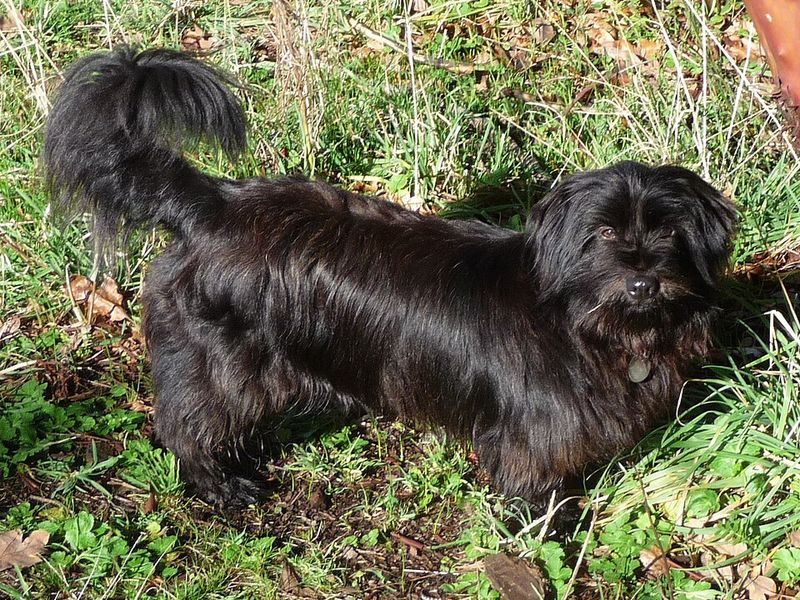
Skye Terriers have dramatic coats that can trap moisture and irritants near the muzzle. After daycare, a gentle comb-out and face wipe help reduce tickles that trigger coughs.
Ask facilities about grooming-friendly practices and dry, clean floors to avoid damp coat issues.
Because long hair can hide symptoms, listen rather than just look. A repetitive, honking cough or sudden fatigue deserves a vet call.
Keep exercise light, use a harness, and provide humidified rest spaces.
Verify vaccination requirements, cohorting, and sick-dog isolation procedures. Bring labeled bowls and a mat to minimize shared surfaces.
With early rest and good hygiene, most Skyes move past daycare bugs smoothly, returning when symptom-free and cleared by your vet.
Dandie Dinmont Terrier
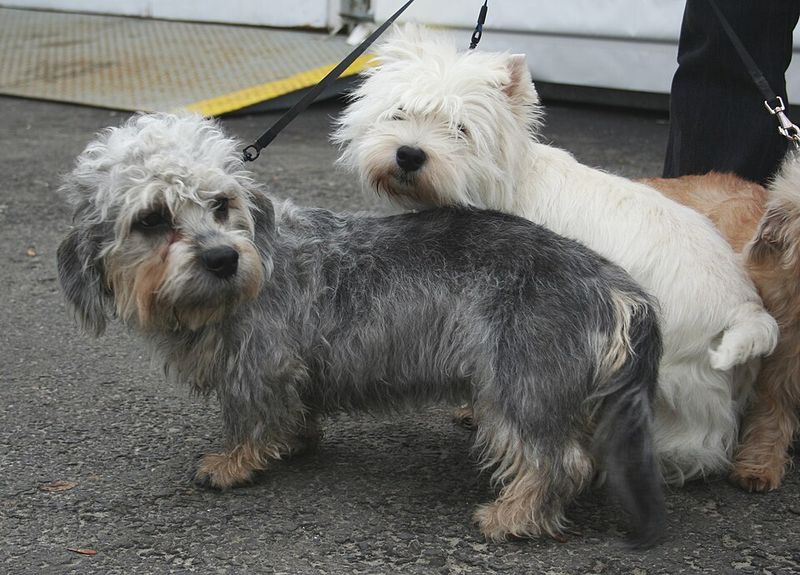
Dandie Dinmont Terriers are rare but memorable, and their calm vibe sometimes hides brewing symptoms. After daycare, watch for soft coughs that worsen with excitement or pressure on the neck.
A harness and quiet evening routine can make a big difference.
Choose centers with transparent illness notifications and air exchange tracking. Ask about canine influenza policies during regional spikes.
Keep water accessible and consider moist meals to ease swallowing when throats are sore.
Groom the muzzle and chest to remove irritants. If there is nasal discharge turning yellow or green, or if energy drops sharply, call your vet.
Most Dandies recover with rest, humidity, and vet-guided care, returning to normal mischief soon.
Sealyham Terrier
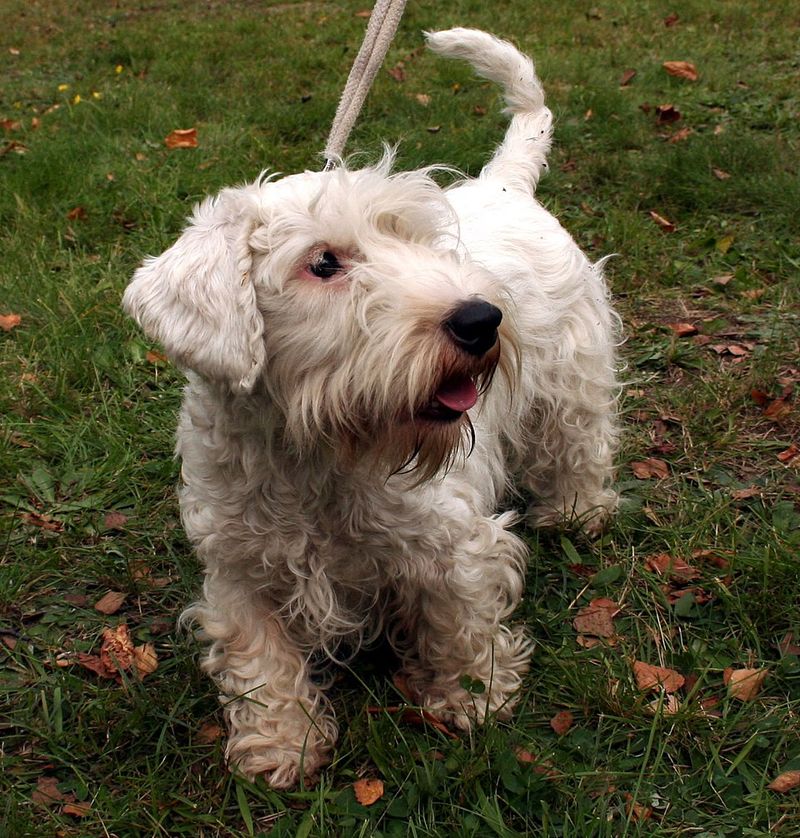
Sealyham Terriers are sturdy yet sensitive around strong scents. Harsh cleaners can irritate airways, so ask your daycare what they use and how they ventilate.
After pickup, provide fresh water and a calm space to decompress and listen for coughs.
Short walks on a harness prevent throat strain if coughing begins. Use a humidifier and avoid smoke or aerosols at home.
Keep vaccination schedules current and consider influenza shots where recommended by your vet.
Wipe the beard and chest to clear residues from floor time. If coughing progresses, appetite dips, or fever appears, seek veterinary advice.
Most Sealyhams respond well to rest and supportive care, bouncing back within a week or two.
Cesky Terrier
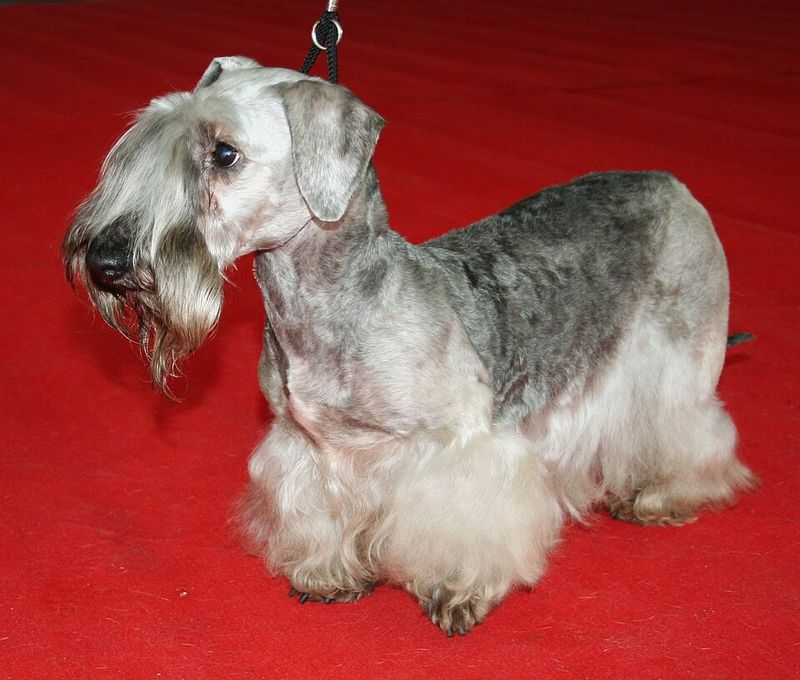
Cesky Terriers are thoughtful, steady companions who handle daycare nicely when protocols are strong. Verify vaccination enforcement, symptom screening at drop-off, and small, consistent play groups.
If a cough appears, reduce stimulation and log onset times, triggers, and energy levels.
Provide humid air and soft, palatable meals if the throat is sore. Keep water bowls clean and separate from community stations.
Avoid neck pressure by using a well-fitted harness during short potty breaks.
Because their coat shows dampness, dry thoroughly after play. If breathing sounds raspy at rest or if lethargy lingers, contact your vet promptly.
With rest and supportive care, Ceskys typically recover smoothly and return to routine after clearance.
Lakeland Terrier
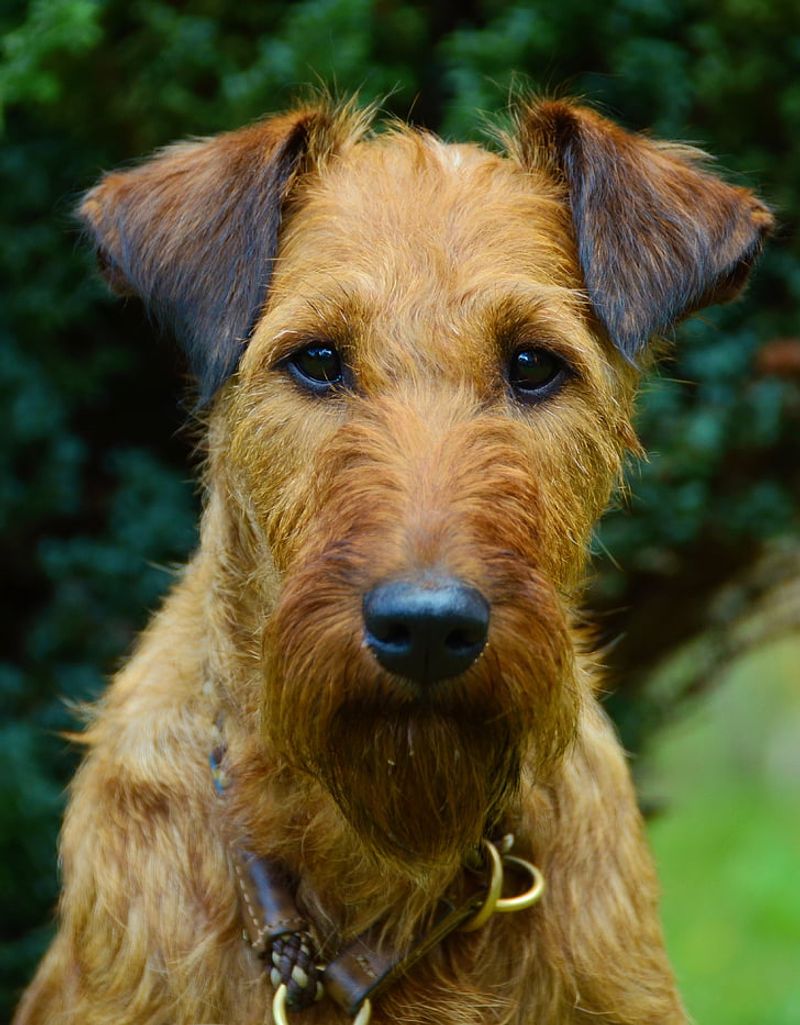
Lakeland Terriers are bold explorers, which can mean face-first play and more germ contact. During outbreak chatter, ask your daycare about air changes per hour and isolation space for symptomatic pups.
A dry, hacking cough that flares with excitement is a common early clue.
At home, prioritize rest, hydration, and a humidifier. Trim facial hair and wipe the muzzle after visits to limit irritants.
Delay parks and playdates until symptom-free per your vet to stop spread.
Keep records of vaccines and any prior respiratory issues. If coughs deepen, appetite wanes, or breathing quickens, call your vet.
Most Lakelands bounce back briskly with supportive care and a temporary social slowdown.
Welsh Terrier
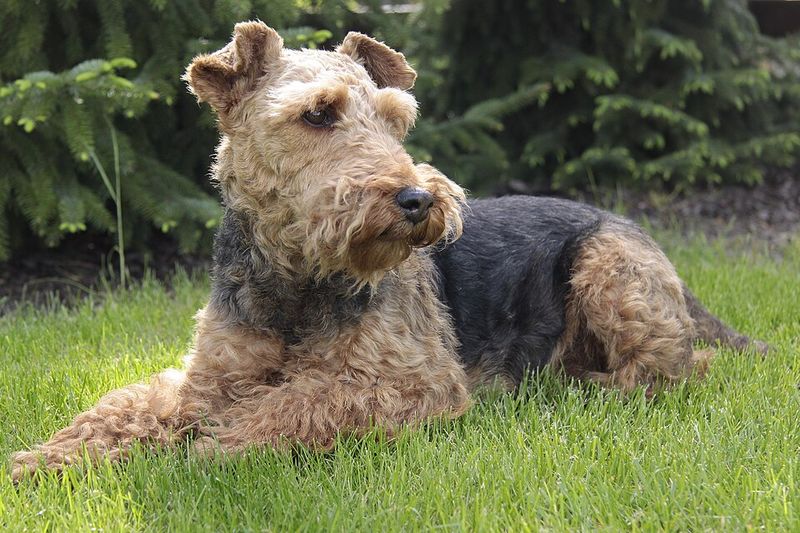
Welsh Terriers have big personalities and love group games, which raises exposure odds during surges. Select daycares that publish cleaning schedules and cohort dogs by size and temperament.
If coughing starts, give quiet time, moist food, and a harness for low-pressure walks.
Use humidified air and avoid strong fragrances. Monitor for fever, reduced appetite, or deep chesty sounds that merit a vet call.
Keep your pup home from social spots until cleared.
Regular brushing removes dust and dander picked up on busy floors. Hydration helps thin secretions for easier recovery.
With a few days of rest and vet-advised care, most Welsh Terriers return to their cheerful routines quickly and safely.
Irish Terrier
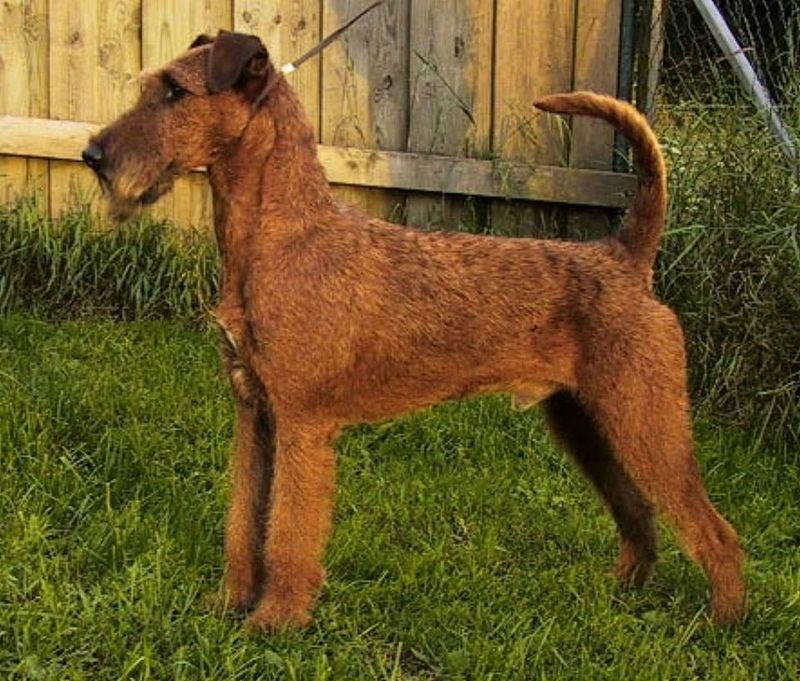
Irish Terriers charge into fun, which boosts contact during tug and chase. When communities report outbreaks, confirm your daycare uses fresh-air exchange and isolates coughers promptly.
If your dog starts hacking after pickup, rest, hydrate, and avoid excitement that triggers fits.
Switch to a harness and try brief steam sessions. Offer palatable meals and keep bowls spotless.
Do not use human medications without veterinary approval, even if coughs seem mild.
Brush the chest and muzzle to remove play-yard debris. Call your vet if breathing is labored, energy crashes, or discharge turns colored.
With attentive care and temporary social breaks, Irish Terriers rebound well and get back to joyful romps.