
Some dogs greet every pup like a long lost friend yet freeze when a stranger reaches out a hand. If that sounds familiar, you are not alone.
Certain breeds were shaped by history to be sociable with their own kind but cautious with humans outside the circle. Let’s explore twelve fascinating breeds and unpack why the contrast shows up, plus how you can help your companion feel safer and more confident around people.
Shiba Inu
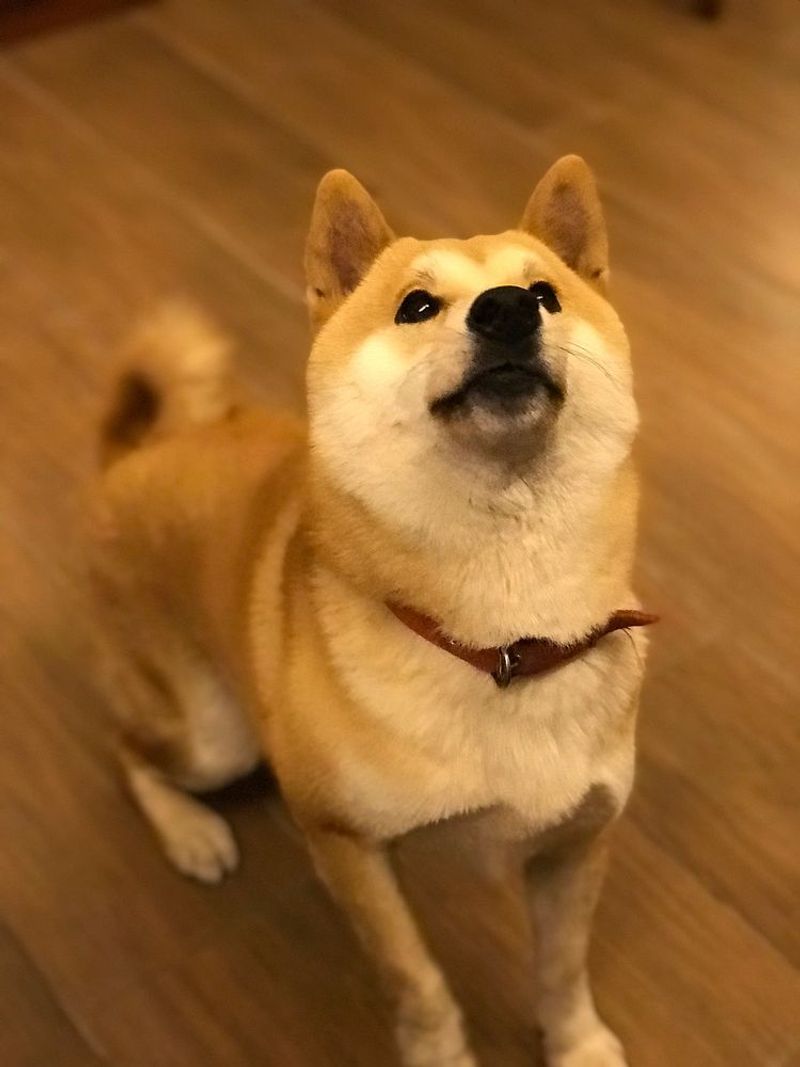
Shibas can be dog-savvy and playful with familiar canines, yet remain skeptical about new people. Bred for independence, they read social cues from dogs more fluently than from chatty humans.
You will often see a Shiba choose distance over greetings, which is not rudeness but self-protection.
Structured exposure helps. Pair brief, predictable encounters with calm, quiet humans and high-value treats, letting your Shiba approach on their timeline.
Skip forced petting and ask visitors to angle their bodies sideways, avoid staring, and toss treats behind the dog to create choice.
Teach a go-to mat, pattern games, and consent signals like hand-targets. Reward check-ins and sniff breaks.
Over weeks, your Shiba will build a people file that whispers safe, not scary.
Akita
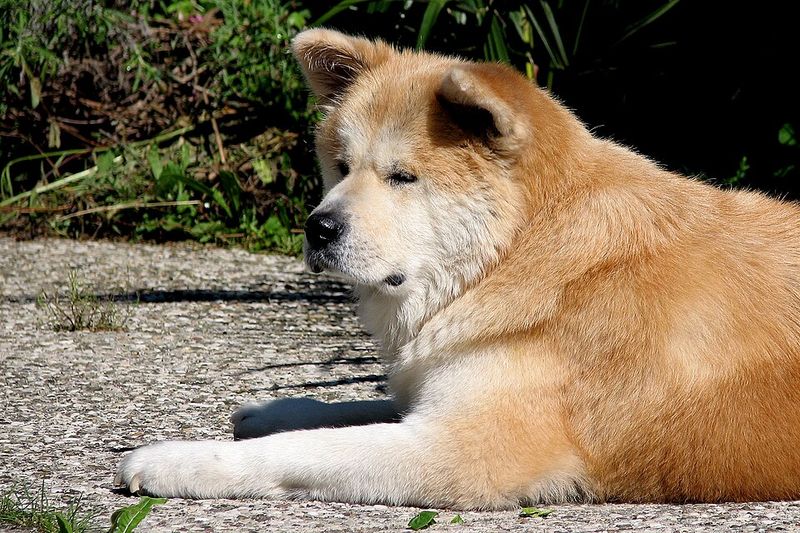
Akitas were crafted as guardians, so their people-filter is naturally tight. They may tolerate or even enjoy stable dog companions while scrutinizing unfamiliar humans.
Expect an aloof greeting style that values composure over enthusiasm.
Success starts with clarity. Use a secure distance, neutral locations, and a rehearsed routine: see human, turn back to you, earn food.
Teach a chin-rest for cooperative handling and a sit behind your leg as a social shield. Invite adults only at first, soft voices, no fast hands.
Short sessions beat marathons. Reinforce relaxed body language and reward opting out.
With consistency, your Akita learns that strangers predict structure and kindness, not pressure, keeping instincts in balance with modern life.
Chow Chow
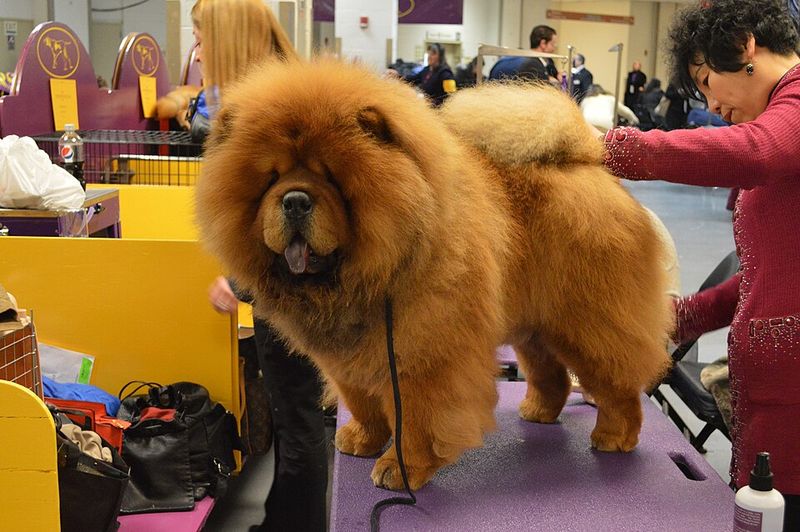
Chows are famously reserved with people and can seem neutral or selective with dogs. Their history as guardians and versatile workers favored discernment.
You might notice quiet stillness around strangers, which is their way of assessing risk before committing.
Make greetings optional. Let the Chow observe, then reward any voluntary orient-to-person with gentle praise and treats.
Teach a station cue near you, and use slow treat-dropping rather than hand-reaching. Brush sessions and harness handling should be paired with consent signals to grow trust.
Keep walks predictable and avoid crowded bottlenecks. Calm, brief exposures layered over weeks can rewrite expectations.
The goal is not cheerleader energy, but steady comfort that people equal space, snacks, and respect.
Shar Pei
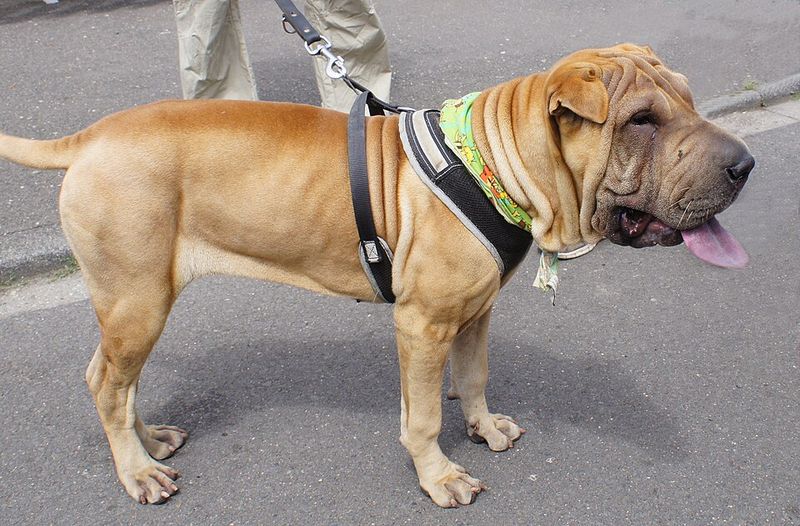
Shar Pei dogs often prefer a close circle and value predictability. They may communicate well with steady dogs yet distrust unfamiliar hands.
That combination looks like friendliness at the dog park and stoicism when a neighbor leans in.
Use pattern games to reduce decision load: look at person, treat on ground, sniff, repeat. Keep leashes loose, approach in arcs, and practice parallel walking with calm volunteers.
Build body-handling tolerance via cooperative care cues, rewarding eye contact and lifted paws by choice.
Advocate in public. A simple not greeting today keeps confidence intact.
When Shar Pei dogs realize you manage access, anxiety drops. Over time, neutrality becomes comfort, and comfort opens the door to occasional polite human hellos.
Basenji
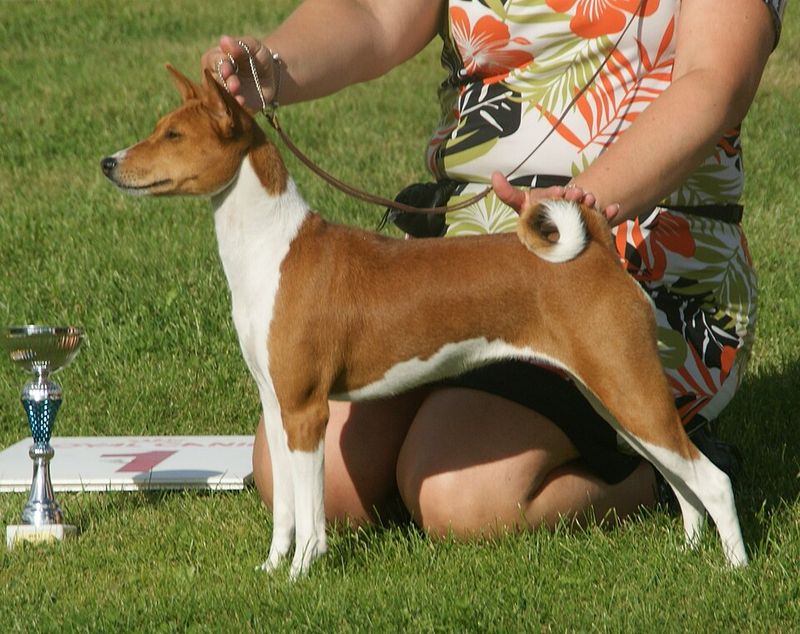
Basenjis are keen observers with a catlike streak. Many enjoy canine company yet sidestep human fuss, especially sudden touch.
Their quiet processing style benefits from slow, scent-rich interactions over loud chatter.
Smell first, then see. Scatter-feed while a person stands sideways at a distance, letting the dog map that scent to safety.
Teach a nose-target as a consent button and reward orient-away choices. Avoid looming over or reaching from above, which often spikes concern.
Short sniff-walks near calm people build positive patterns. Pair novel humans with games, not pressure.
With consistency, your Basenji learns that humans respect space and predict tasty foraging, turning aloofness into confident neutrality on your terms.
Finnish Spitz
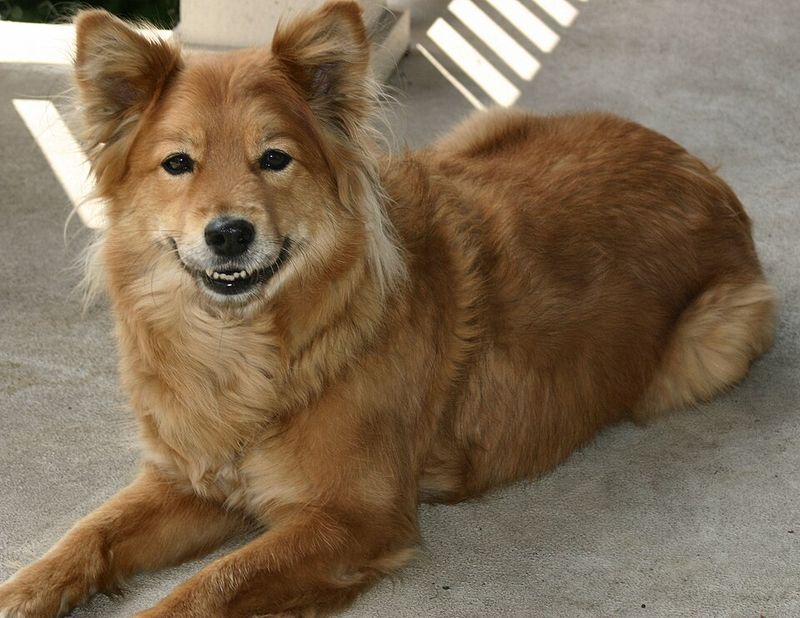
Finnish Spitz were bred as alert barkers, so novel people can trigger careful evaluation. With dogs, they often share spark and play style.
With humans, they prefer space until they gather data.
Channel that vigilance. Practice look-at-that games where seeing a person predicts treats on the ground.
Teach a middle position between your legs for security and a cheerful let’s go to exit pressure. Ask friends to ignore at first, then casually toss treats without reaching.
Celebrate small wins like a soft wag or sniff. Keep sessions short, add variety in locations, and protect rest days.
Over time, neutrality grows, and polite curiosity replaces suspicion, preserving the breed’s bright spirit without overwhelming their senses.
Keeshond
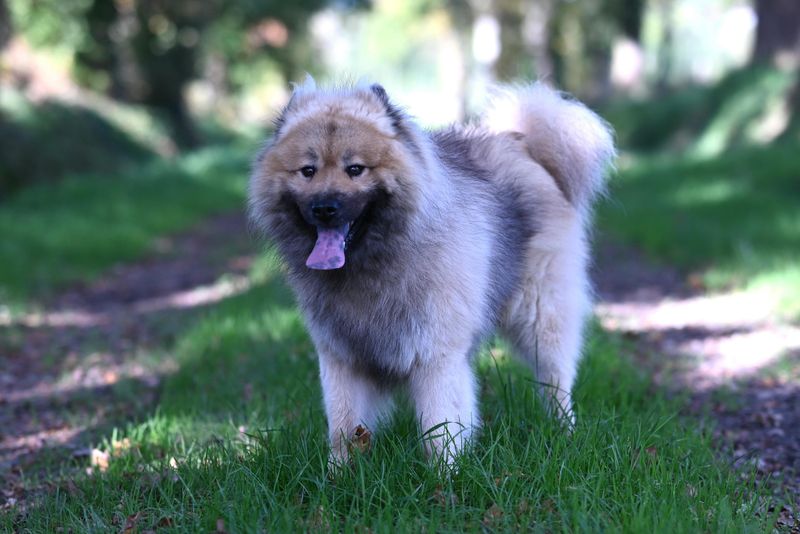
Keeshonden are people-oriented at home but can be choosy with strangers, while often playing nicely with stable dogs. Their expressive faces tell you everything.
When unsure, they might hover close and watch rather than greet.
Build a predictable script. Person appears, you cue watch me, deliver treats, then release to sniff the environment.
Teach a park-and-partner routine on a mat, using calm breath and slow pet protocols. Visitors can sit sideways, speak softly, and offer tossed treats to create approach-by-choice.
Mind arousal. Too much excitement can flip into barking.
Balance outings with decompression sniff walks. With practice, your Keeshond learns that new humans are background scenery linked to rewards and gentle boundaries.
American Eskimo Dog
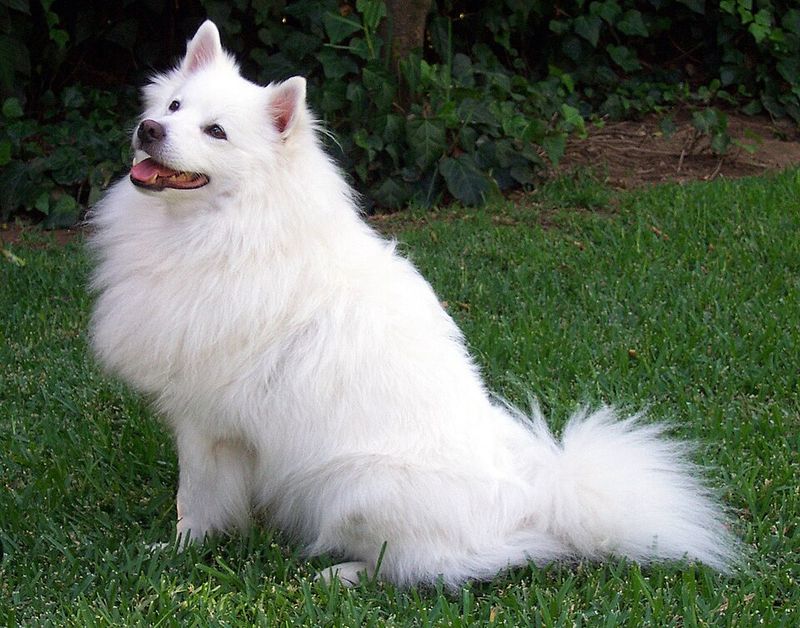
American Eskimo Dogs are sharp, vocal, and devoted, which can translate to skepticism of unfamiliar people. Many play well with compatible dogs, then retreat when humans approach too directly.
Their quick minds thrive on structure.
Create predictability. Practice a greet-and-retreat routine: spot a person, retreat to you for pay, then optionally approach for a sniff.
Teach chin-targets for handling and a settle cue. Ask helpers to avoid bending over and to let the dog close the gap when ready.
Use enrichment like sniffing puzzles before training to lower arousal. Keep sessions short, end on success, and honor no thanks signals.
Over weeks, you will see curiosity bloom as your dog trusts that you control the social volume.
Samoyed
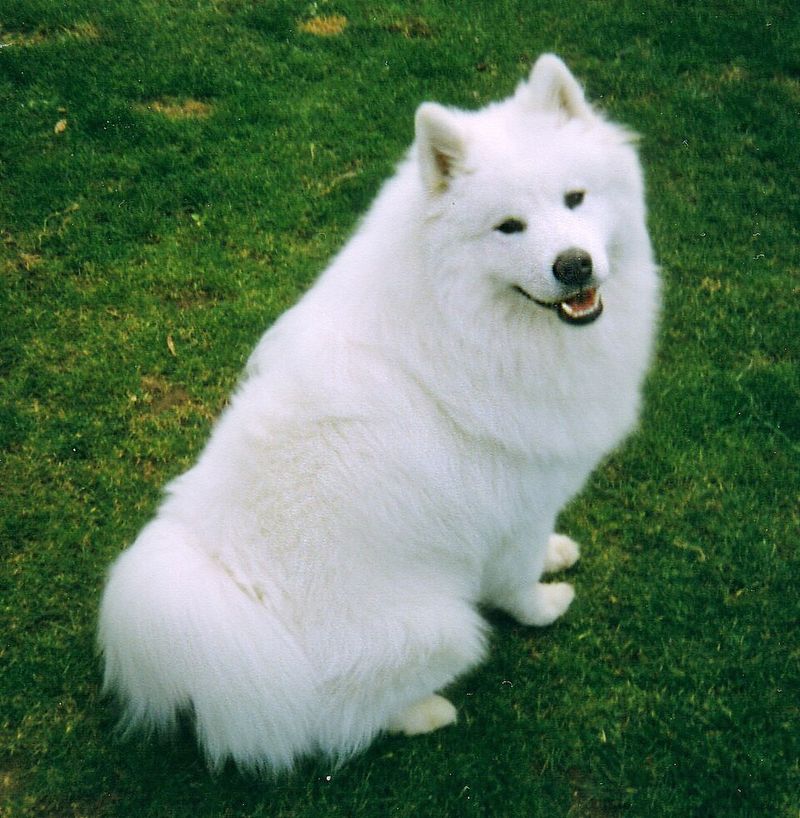
Samoyeds are often social butterflies, yet some grow wary when humans rush their bubble. With dogs, their play can be exuberant and clear.
Human greetings need pacing and choice to keep stress low.
Use calm approaches and sniff breaks. Teach a touch cue, then chain it to meet-and-move routines: touch, treat, step away.
Visitors can toss kibble trails to create gentle approach arcs. Reinforce relaxed faces, soft ears, and curved body movement, and escort away when signals say enough.
Grooming is big for this breed. Make cooperative care a game with predictable markers and breaks.
When trust deepens, Samoyeds show their trademark sparkle around people without feeling cornered or overwhelmed.
Siberian Husky
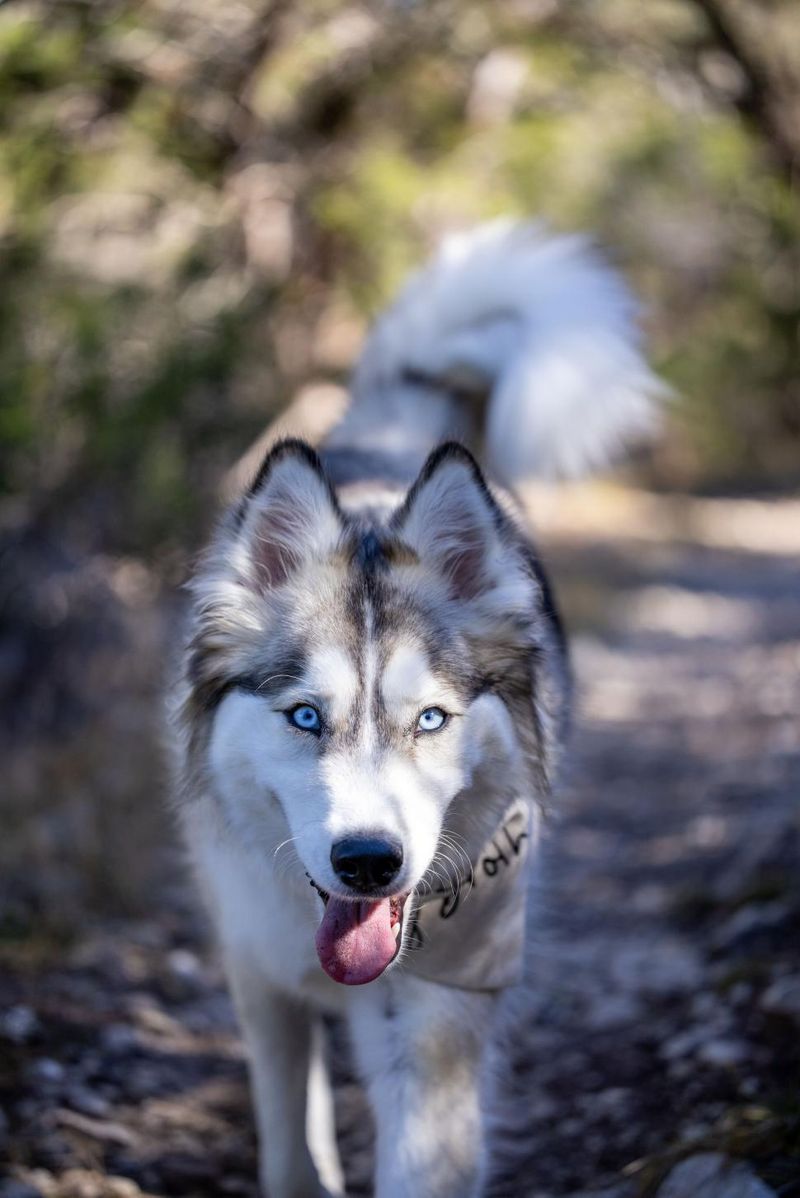
Huskies are team-oriented with dogs and independent with people they do not know. That sled-dog heritage prioritizes canine communication and task focus over human fawning.
Many prefer movement-based interactions to standing still for petting.
Leverage motion. Practice parallel walks with calm volunteers.
Mark and reward glances at people, then move away. Teach a find-it scatter and a dynamic u-turn.
Ask strangers to avoid direct approach and to let the Husky pass in a curve.
Channel energy into sniffy, brisk outings before social practice. Track stress signals like shake-offs and lip licks.
Over time, your Husky learns humans are part of the landscape, not a threat, making neutrality the path to comfort.
Norwegian Elkhound
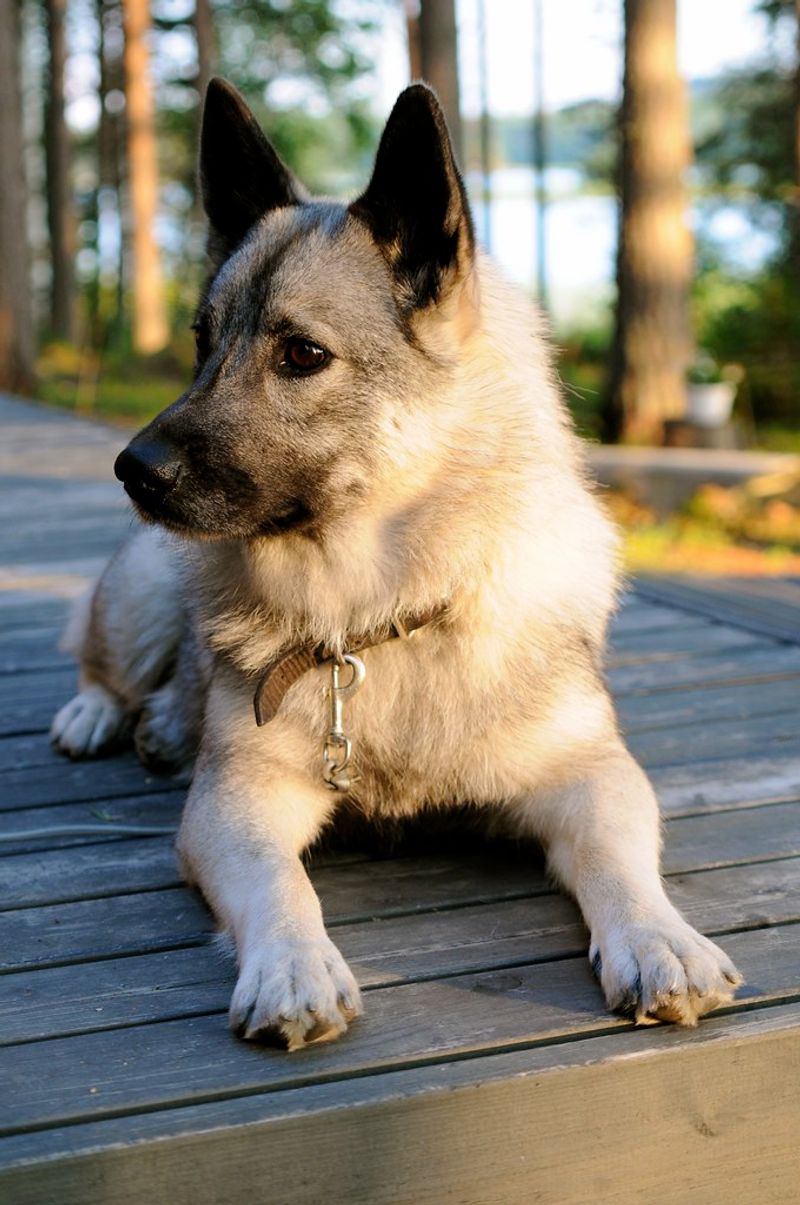
Norwegian Elkhounds are brave hunters with an independent streak. Many navigate dog interactions smoothly but hold strangers at arm’s length.
Expect a thoughtful, watchful approach rather than instant camaraderie.
Structure builds trust. Use predictable exposure at the threshold where your dog can eat and respond.
Teach a check-in cue, hand-target, and an emergency let’s go. Encourage people to be boring statues who casually drop treats, avoiding fast hands and towering posture.
Rotate environments to generalize skills. Keep sessions brief and upbeat, followed by decompression walks.
Over weeks, the Elkhound’s assessment window shrinks, and neutrality becomes normal, preserving the breed’s dignified confidence while expanding their comfort with respectful humans.
Icelandic Sheepdog
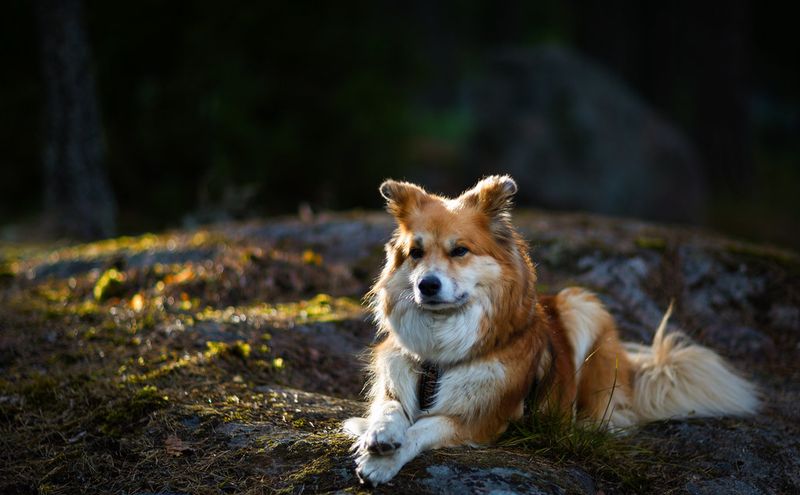
Icelandic Sheepdogs are cheerful herders who can still sound the alarm at novel people. With dogs, they often read play well.
With humans, they prefer choice and time.
Guide their optimism. Start with look-at-that games and treat tosses, add a middle position for drive-by petting alternatives, and teach a settle on mat during visits.
Ask helpers to move slowly, speak softly, and let the dog close distance when comfortable.
Mind over-arousal. Pre-walk sniffing and trick training drain the fizz.
Reinforce calm recovery after barks and reward investigative sniffs. Consistent, bite-sized practice shifts the narrative from who are you to I know this drill, making people easier to handle.