
Suddenly everyone has a story about a dog who only gets mouthy when someone sits on the sofa. Is it boundary guarding, stress, or just mixed signals around the most prized seat in the house.
You are not imagining it, certain breeds do pop up more in these couch-guarding threads. Let us unpack the patterns, the why behind them, and how you can keep both cushions and feelings intact.
American Bulldog
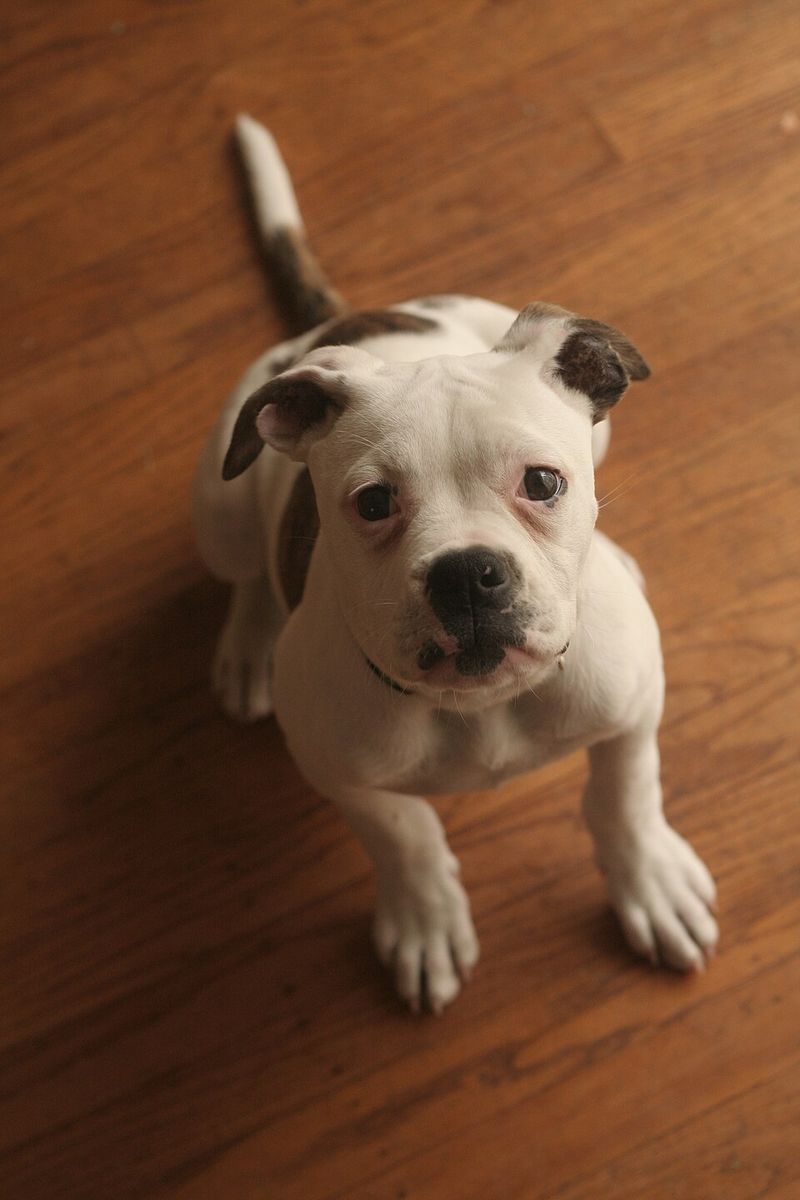
American Bulldogs are sturdy, affectionate, and often deeply attached to home routines. That love can morph into intense couch ownership if boundaries are vague.
You might notice stiffening when someone approaches their favorite cushion.
Because they are sensitive to human energy, mixed signals about furniture rules create confusion. Consistency and clear permission cues help.
Give a comfy alternative spot and reward calm choices.
Teach “off” and “place” with high value treats, and avoid tug-of-war over the seat. Redirect before tension escalates.
Structured play and mental work lower the urge to guard.
Bullmastiff

Bullmastiffs combine mellow vibes with a powerful, protective presence. That calm can flip to couch sentry mode if guests get too close.
You will often see subtle blocking, head placement, or a low grumble.
Prevention starts with predictable rules and early place training. Offer a supportive bed with similar texture to the sofa.
Reinforce relaxed body language around seated people.
Use slow desensitization when practicing approach-to-couch scenarios. Keep sessions short and upbeat.
Bullmastiffs respond well to quiet leadership, not force, so guide with patience and tasty paychecks.
Dogue de Bordeaux
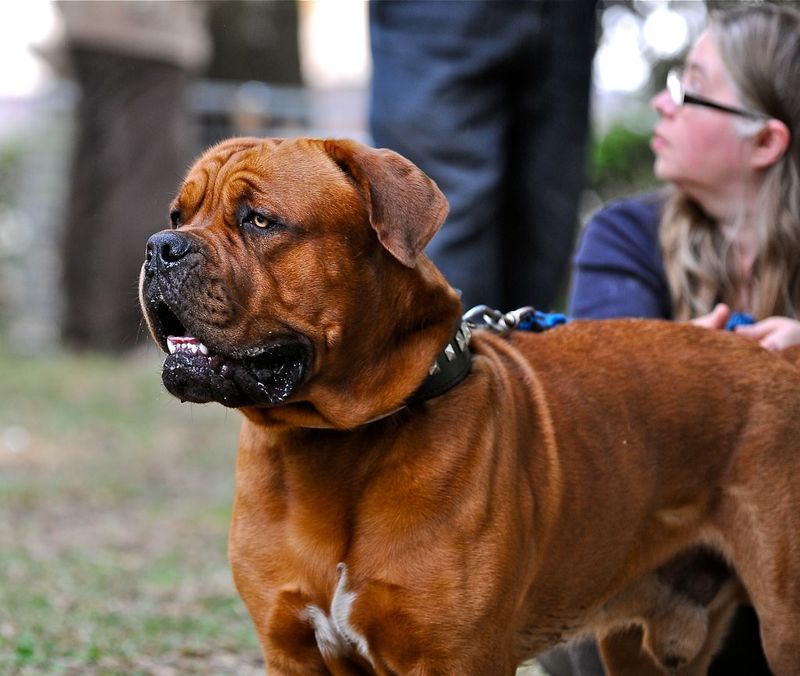
The Dogue de Bordeaux is famous for heart and heft, which can turn a living room into their claimed castle. When the couch is prized, they might block access with a body flop.
Look for slow tail, still eyes, or a lifted lip.
Clarify access rules and teach a reliable “out.” Pair departures from the couch with jackpots. Encourage resting on a plush mat nearby.
Daily decompression walks and chew outlets cut tension. Rehearse calm greetings for visitors who sit down.
Gentle structure, not confrontation, keeps this big softie from turning into a cushion bouncer.
Neapolitan Mastiff

Neapolitan Mastiffs can be soulful guardians who claim space with quiet authority. Furniture becomes prime turf if boundaries blur.
You might see side-eye, leaning, or slow-motion blocking when someone approaches.
Establish default “place” before guests arrive. Teach a cheerful “off” and pay generously for compliance.
Use leashed rehearsals to keep choices clean and low stress.
Provide orthopedic beds that rival the couch. Predictable routines and low-arousal handling work best.
Keep play structured to prevent momentum from spilling into furniture disputes.
Boerboel
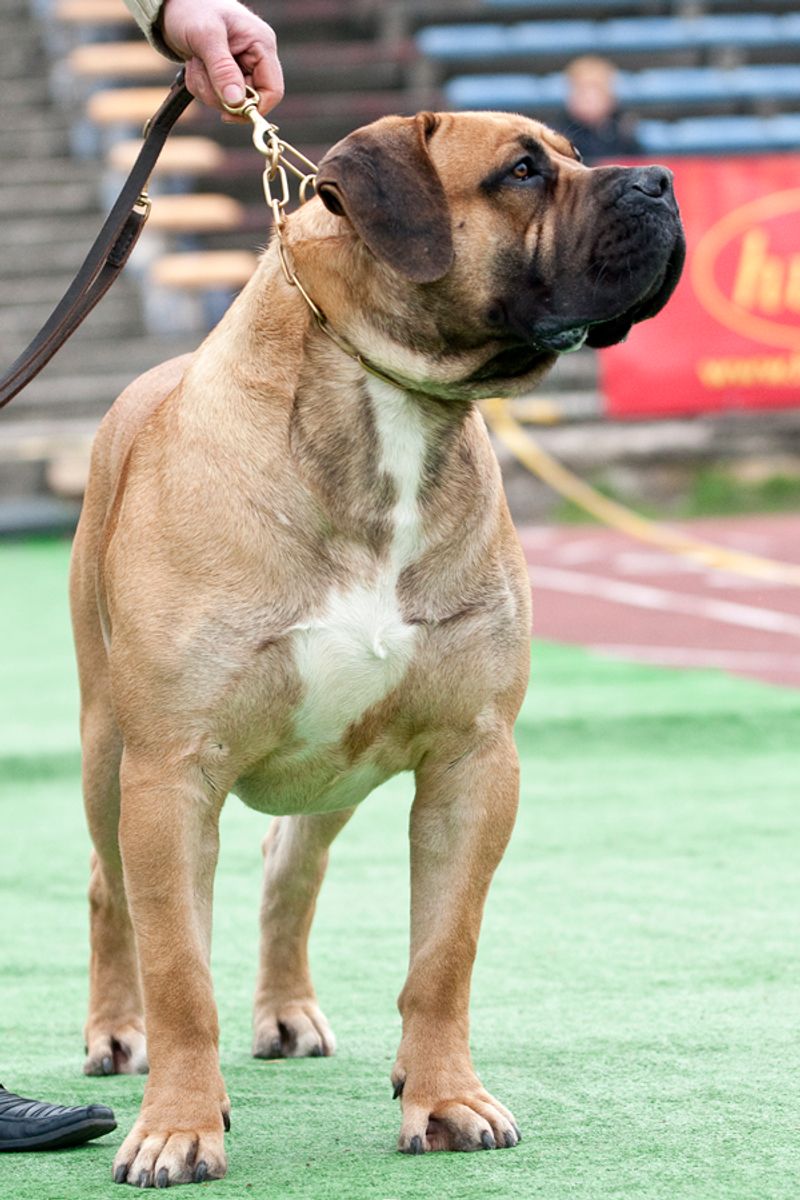
Boerboels are brilliant estate guardians, which sometimes extends to sofa security. If they believe the couch equals lookout post, they may anchor themselves there.
Watch for weight shifts, chin placement, or a hard stare.
Channel that instinct into structured tasks like mat-stays and door manners. Practice trading the couch for a high-value chew on their bed.
Reward voluntary disengagement generously.
Daily brain games and controlled exercise lower reactivity. Keep cues short and upbeat.
Confident, fair leadership turns a potential couch cop into a cooperative companion.
Presa Canario

Presa Canarios are intense, loyal, and purposeful. Without structure, they may control access to shared spaces like couches.
Subtle guarding looks like quiet blocking or a frozen posture while watching hands and feet.
Build a strong “place” and release cue. Rotate resting spots so the sofa is not the default.
Reinforce polite approaches and calm exits.
Short, frequent training reps beat marathon sessions. Keep guests coached on neutral body language.
With clarity and consistency, Presas relax and stop monitoring every seat change.
Tosa Inu

The Tosa Inu carries quiet confidence, which can read as couch entitlement without guidance. They are sensitive to routines and will guard predictable resources.
Expect stillness, positioning, or a gentle block rather than fireworks.
Teach calm yielding with a hand target and “off.” Pay generously for cooperative movement. Offer a thick mat placed slightly behind the couch to reduce FOMO.
Rehearse guest approaches with low stakes, building duration. Keep the environment tidy and predictable to suit their nature.
The result is graceful manners instead of furniture standoffs.
Fila Brasileiro
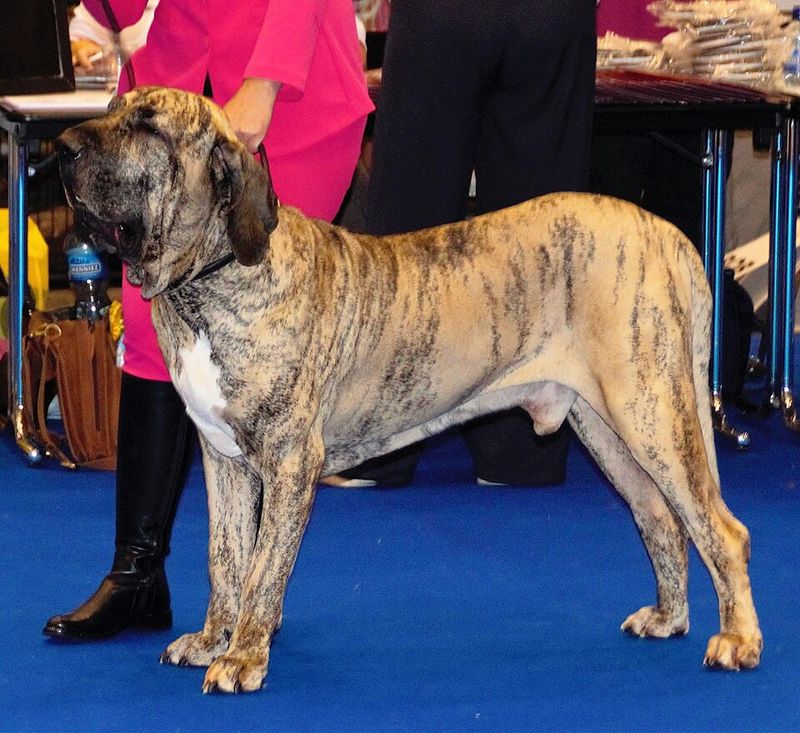
Filas are famously protective and can translate that to sofa sovereignty if rules are soft. You might see controlled blocking or refusal to move when someone sits.
Their sensitivity to strangers can amplify couch guarding with guests.
Prioritize early boundary training and structured greetings. Use a long line to guide without confrontation.
Reward calm relocations to a cozy, elevated bed.
Practice stationing during TV time so the couch loses mystique. Keep energy low and instructions simple.
With respectful guidance, Filas can learn to chill instead of claim.
Dogo Argentino
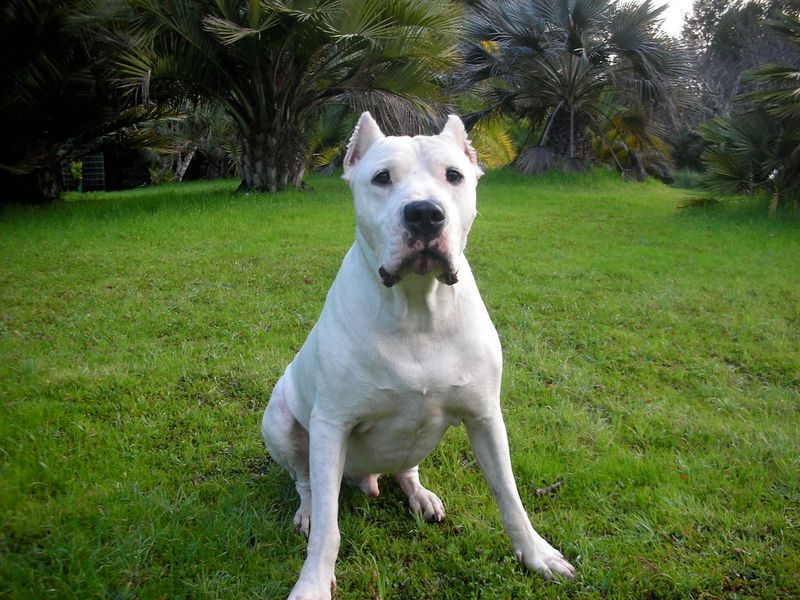
Dogo Argentinos are driven and clever, which can morph into couch ownership if they find it rewarding. Watch for subtle freezes, chin blocks, or nudging people off cushions.
They thrive on jobs and clarity.
Teach fluent “off,” “place,” and impulse control games. Pay heavily for moving away from the sofa on cue.
Provide textured beds that feel like a prize.
Daily scent games and structured fetch drain excess edge. Rehearse calm sits while others take the couch.
The goal is choice, not confrontation, so reward cooperation every time.
Cimarrón Uruguayo
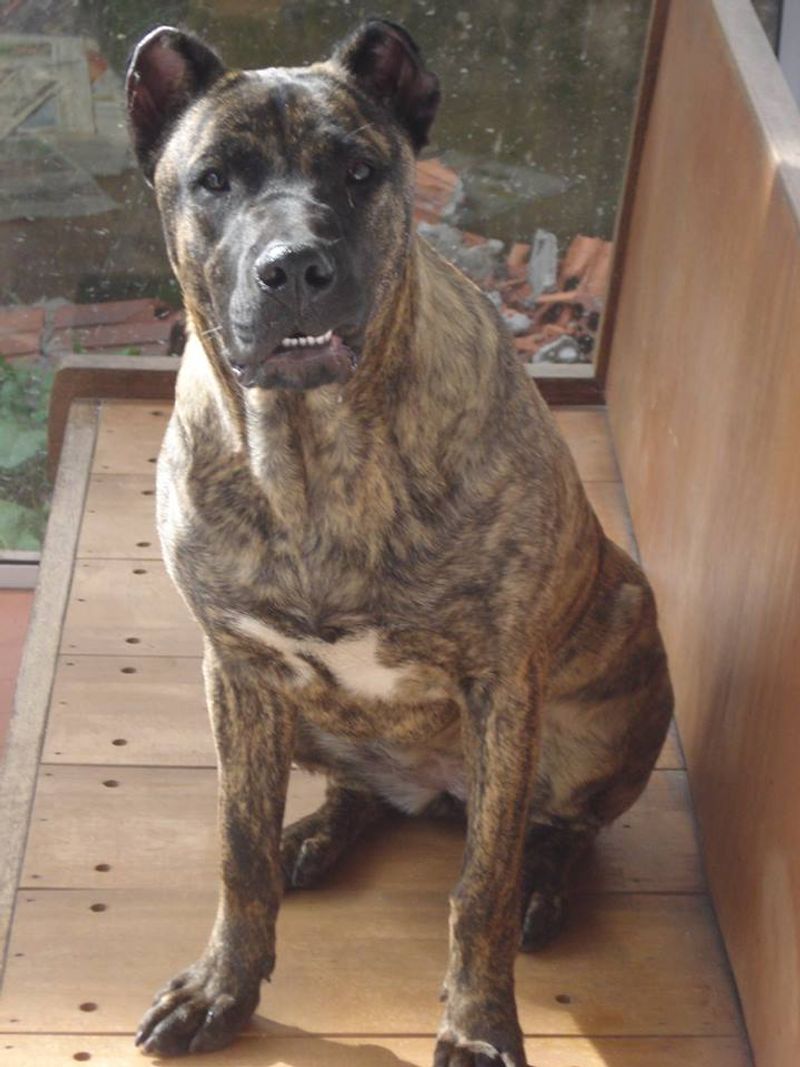
The Cimarrón Uruguayo is adaptable and serious about territory. In homes, that can show up as couch gatekeeping, especially during busy evenings.
Look for quiet positioning, still tail, or a sideways glance when approached.
Rotate resting locations and use scheduled place times. Reinforce calm sharing rituals, like waiting while someone sits.
Reward heavily for moving off on the first cue.
Enrichment like sniffari walks and puzzle feeders keeps minds satisfied. Keep interactions fair and predictable to build trust.
Soon the couch becomes just another piece of furniture, not a throne.
Ca de Bou
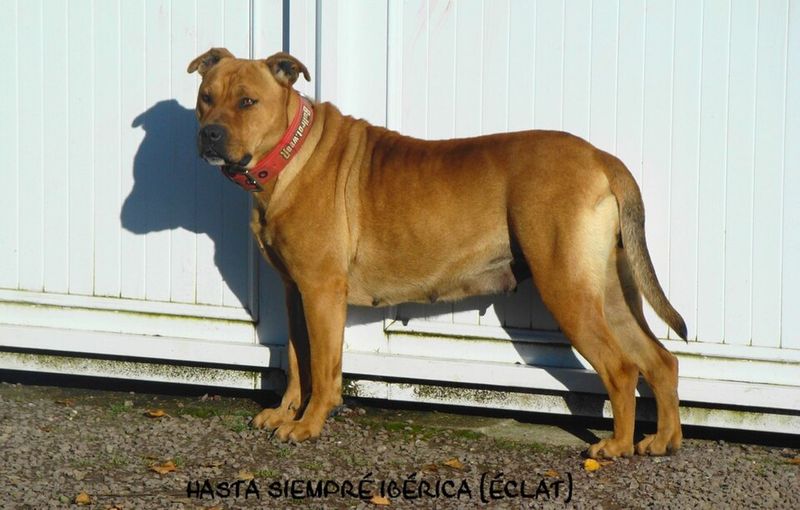
The Ca de Bou, or Majorcan Bulldog, brings tenacity and charm. Without clear boundaries, that grit can become couch control.
Expect subtle blocking, leaning, or a low growl if pushed.
Front-load training with generous reinforcement for leaving furniture. Use patterned routines so the dog predicts success.
Provide a thick, cozy bed in a similar location for compromise.
Short decompression outings help regulate arousal. Coach visitors on neutral body language and slow approaches.
With patience, this breed shifts from guard mode to gracious roommate.
Alano Español

The Alano Español is athletic and levelheaded, yet can stake out couches if structure is missing. They respond to confident, calm handling.
Signs include quiet blocking and stiff posture near seated guests.
Teach yielding with a nose target and a reliable “place.” Reinforce generously for choosing their bed over the sofa. Keep sessions upbeat and brief to maintain momentum.
Regular exercise plus brain games keeps impulse control sharp. Practice controlled approaches to seated people, rewarding soft body language.
Over time, the couch becomes neutral territory rather than a contested prize.
Rottweiler

Rottweilers are affectionate guardians who love being close. If the couch equals proximity and vantage, they might police it.
Watch for strategic positioning, stillness, or side pressure against legs.
Clarity is everything. Install a rock-solid “off” and reinforce voluntary moves.
Give a memory-foam bed with a great view so leaving feels rewarding.
Use calm rehearsals with family sitting down while the dog earns pay for staying on their mat. Keep greetings structured and low arousal.
With routine and fairness, Rotts choose cooperation over couch control.
Cane Corso
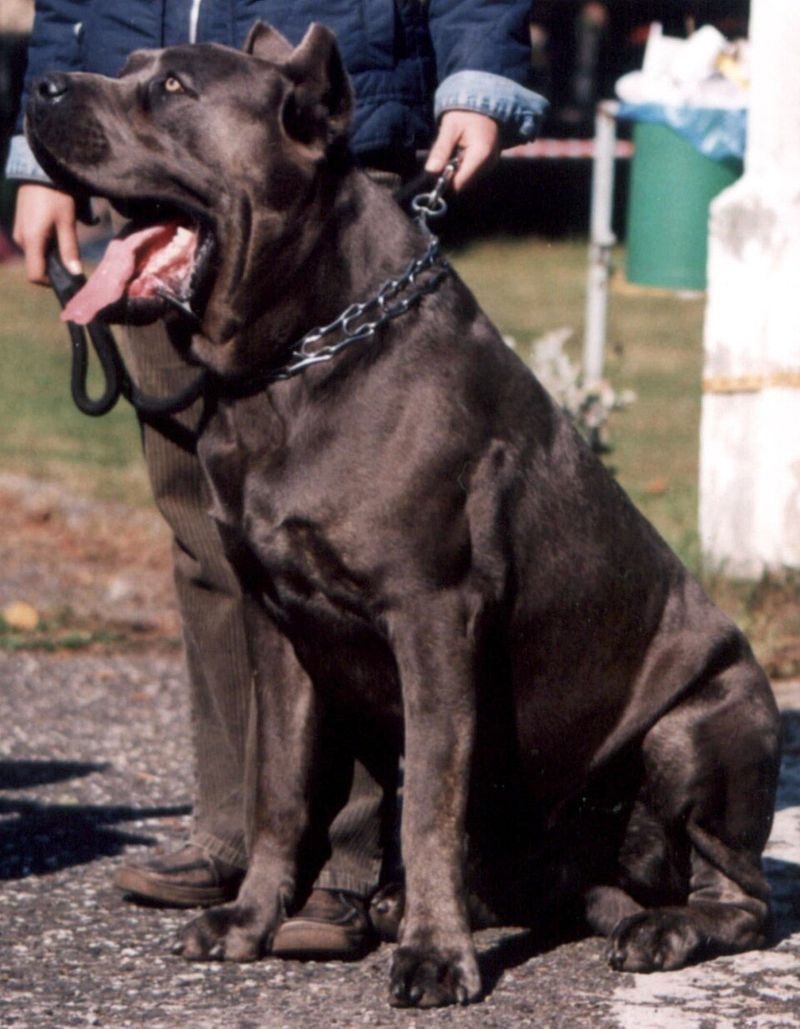
Cane Corsos are sensitive, intelligent, and deeply bonded. That mix can create couch guarding if expectations wobble.
You may see a quiet stare, blocking, or refusal to shift.
Give clear permissions for furniture use and a high-value “place.” Reward calm displacement, not just compliance. Provide chew stations and decompression walks to drain edge.
Plan guest practice with easy wins and generous treats. Keep voice calm, movements slow, and rules consistent.
Soon the couch becomes shared space rather than a guarded asset.