
Your sweet puppy suddenly discovered turbo mode, selective hearing, and a flair for chaos. You are not alone, and you did not mess up.
Adolescence flips the script for even the most angelic dogs, and some breeds are mentioned more than others. Let us unpack what this phase looks like, why it feels overwhelming, and how you can ride it out with confidence.
Labrador Retriever
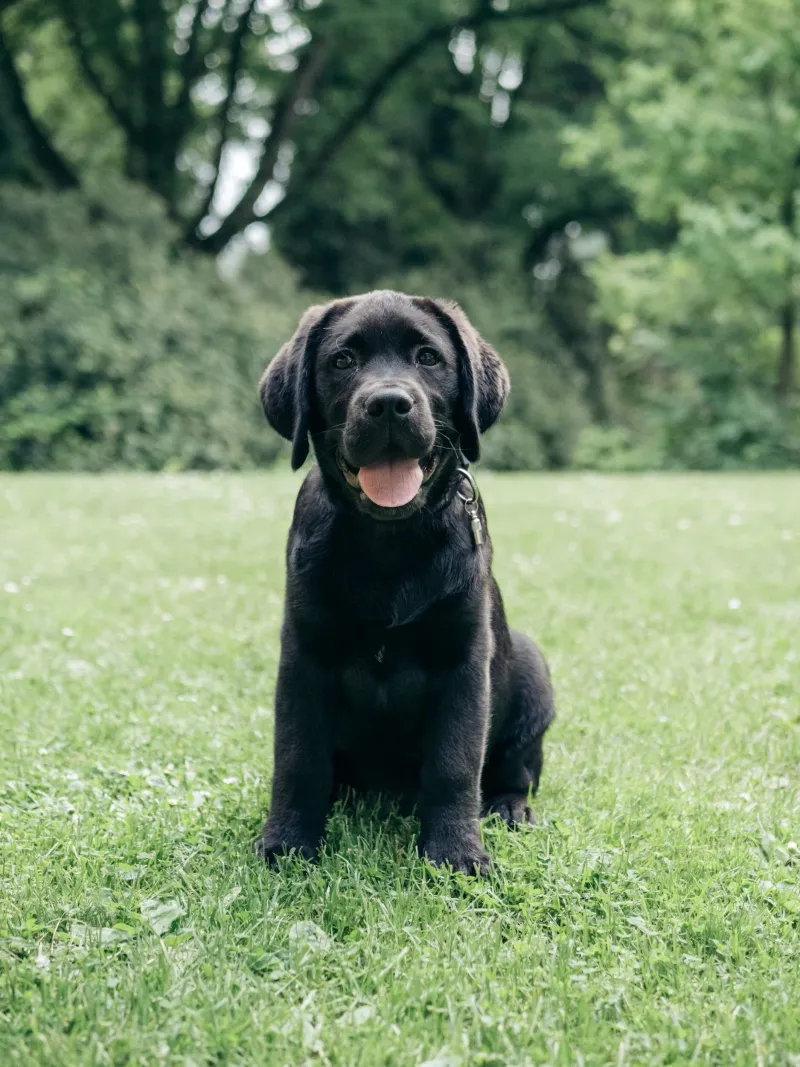
Labrador adolescence often feels like living with a friendly wrecking ball. Energy surges, impulse control dips, and that once perfect recall suddenly evaporates when a squirrel appears.
You might see counter surfing, shoe sampling, and a renewed fascination with mud.
The good news is the sociable Lab brain wants to cooperate, but structure is key. Reinforce cues with higher value rewards and shorter, more frequent training sessions.
Increase decompression walks and sniffy outings to bleed off steam.
Chew management saves sanity, so rotate durable chews and enforce baby gates. Practice calm greetings and station training to prevent jumping.
If frustration bubbles, pivot to easy wins and end on success. This phase passes faster when consistency outpaces chaos.
Golden Retriever
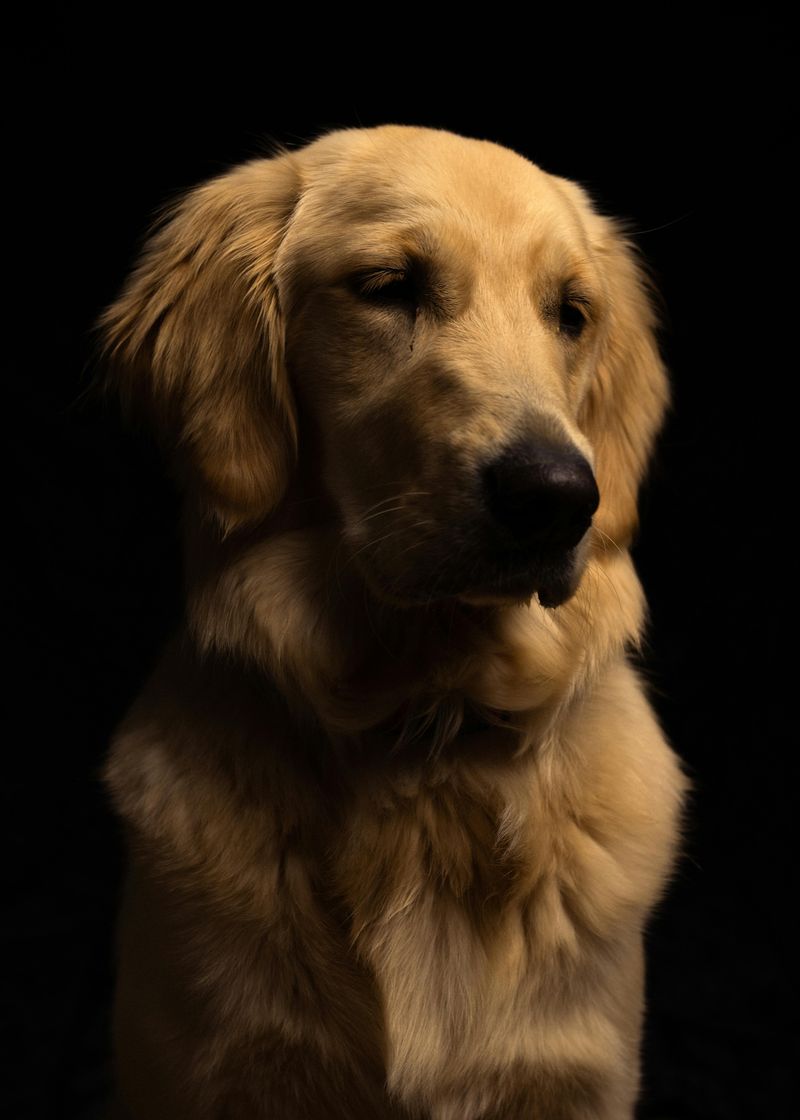
Goldens grow a halo of mischief during adolescence. They love you deeply, yet act like they forgot every cue outside the living room.
Expect jumping reunions, selective hearing, and treasure hunting in laundry baskets.
Channel their social sweetness into polite routines. Reward offered calm, practice default sits at doors, and use long lines for field recalls.
Teach structured fetch to satisfy retrieve instincts without chaos.
Mental enrichment matters as much as exercise. Rotate puzzle feeders, scatter feed in the yard, and use short training games that feel like play.
Keep greetings low key to prevent overarousal. With patience and consistent reinforcement, the cloud of goofy chaos lifts and the classic Golden shines through again.
German Shepherd Dog
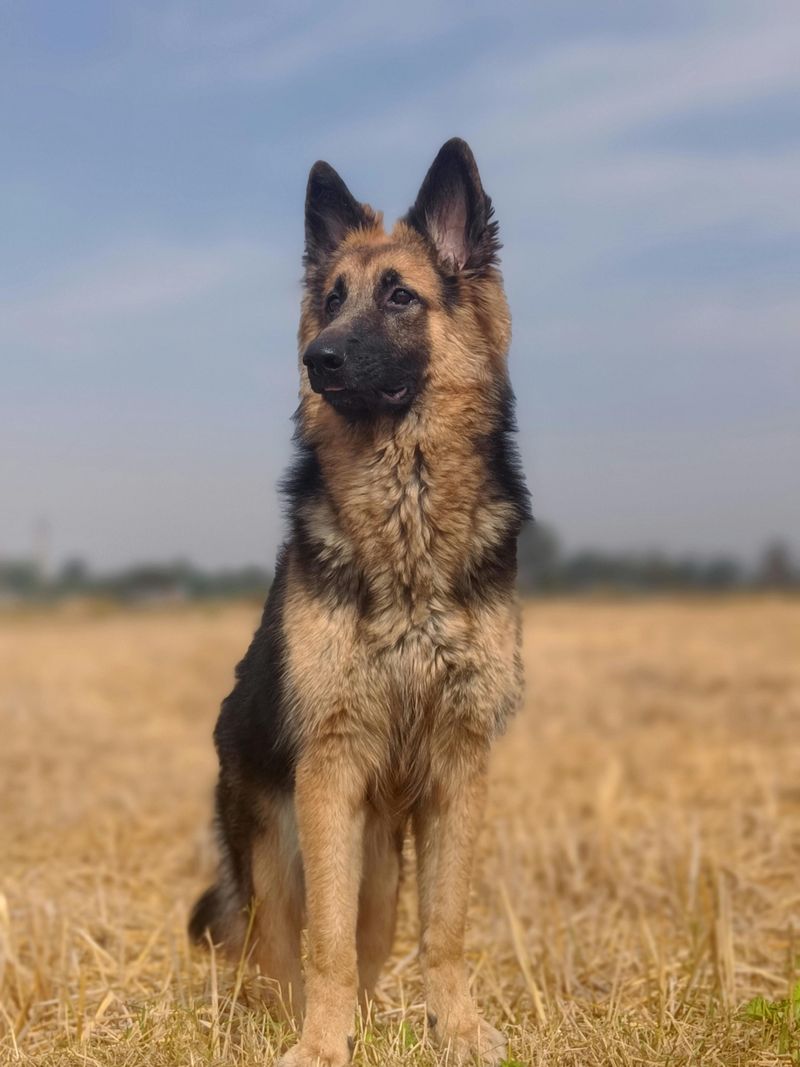
German Shepherd teens can look grown while their brains run on curiosity and caffeine. Confidence spikes and dips, producing guardy barking or spooky moments at new sights.
Leash reactivity may bloom if you rush exposure.
Work engagement first. Reward check-ins, pattern games, and calm neutrality near triggers.
Use structured decompression walks and movement to bleed tension, then layer obedience in low distraction spaces.
Protect joints with smart exercise, not endless pounding. Build impulse control with place training and settle on a mat.
Socialize thoughtfully, avoiding chaotic dog parks. Clear boundaries with fair reinforcement keep their sharp mind productively busy.
With consistency, that erratic teenager becomes the thoughtful, biddable partner you imagined.
Australian Shepherd
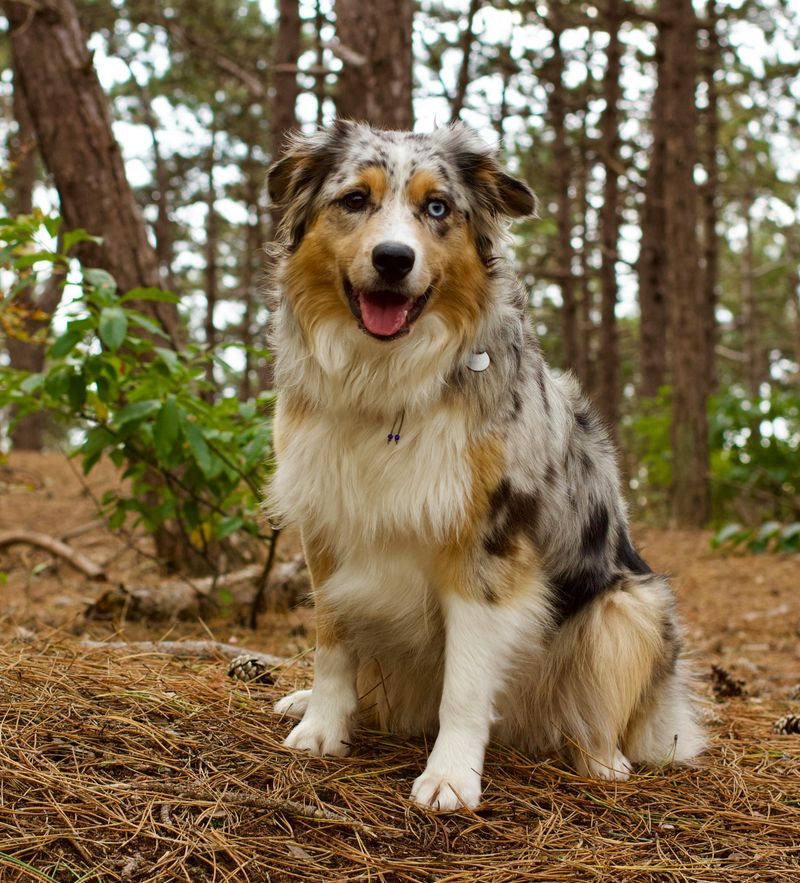
Aussie teens are brains on springs. They get nippy, barky, and invent jobs like herding kids or rearranging socks.
Without outlets, they outsource their intelligence into mischief and door dashing.
Daily work is non negotiable. Use trick training, shaping games, and agility foundations to channel intensity.
Short herding-style games like controlled fetch with impulse control reps satisfy instincts safely.
Prevent shadow chasing by interrupting early and giving stationary tasks. Station to a mat while life happens, reward calm with quiet chew time.
Rotate hikes, scentwork, and problem solving puzzles. Clear routines and frequent micro training reps keep their brain satisfied, helping that whirlwind transform into a reliable, hilarious sidekick.
Border Collie
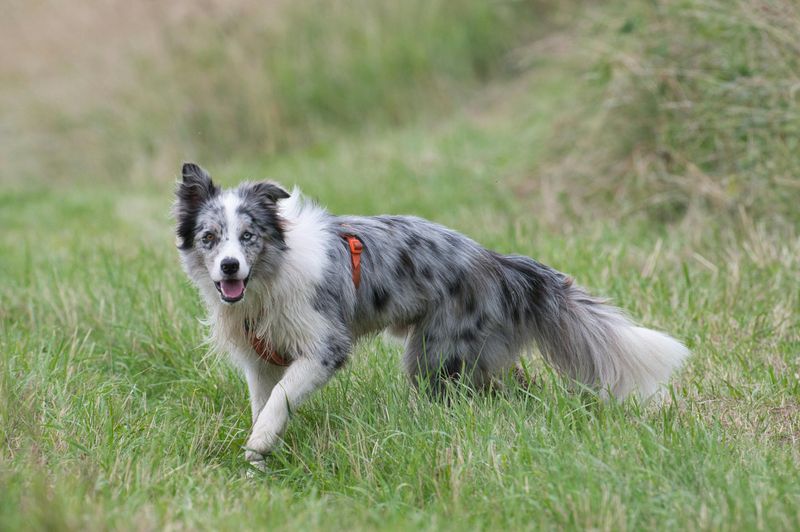
Border Collie adolescence exposes every crack in your routine. Motion sensitivity spikes, turning joggers and bikes into irresistible magnets.
Obsessive behaviors, like staring or stalking, can escalate without guidance.
Work impulse control in layered steps. Reinforce orientation to you, then build leave its for movement.
Satisfy the work ethic with precision games, shaping, and scentwork, not nonstop fetch.
Use long lines and pattern games to prevent rehearsal of chasing. Practice settle on a mat after focused training to teach off switches.
Keep sessions short but thoughtful, celebrating tiny wins. With thoughtful outlets and boundaries, that electric intensity refines into a brilliant, responsive partner rather than a self employed chaos manager.
Belgian Malinois
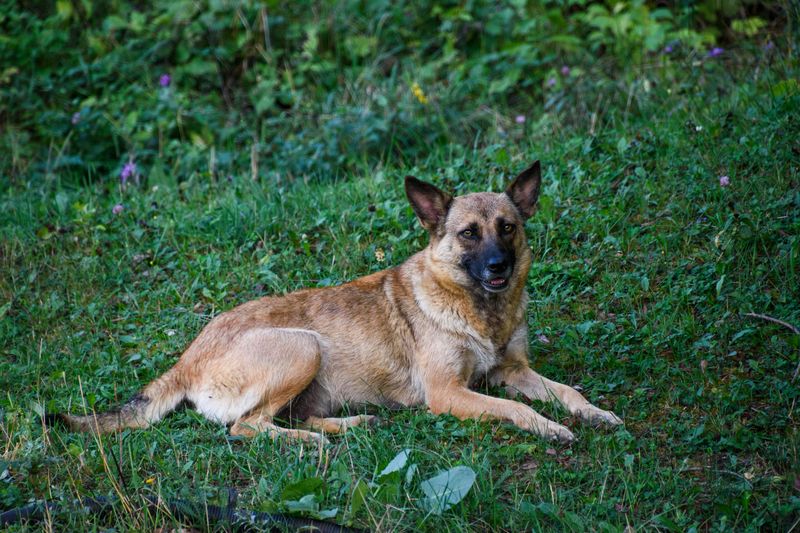
Malinois adolescence is overdrive with opinions. They tug the world, vault furniture, and self reward through motion.
Without structure, they rehearse intensity that is thrilling and exhausting.
Daily training is not optional. Build grips on cue, outlets like tug and spring pole, and rock solid out behaviors.
Use place training and tethered settle to grow an off switch.
Focus on fulfillment before obedience polish. Scentwork, bite sports foundations, and precise marker training give that engine meaningful work.
Protect arousal thresholds with decompression walks and predictable routines. Managed well, the teenage Mal becomes laser focused and astonishingly capable, rather than a parkour enthusiast redecorating your life.
Doberman Pinscher
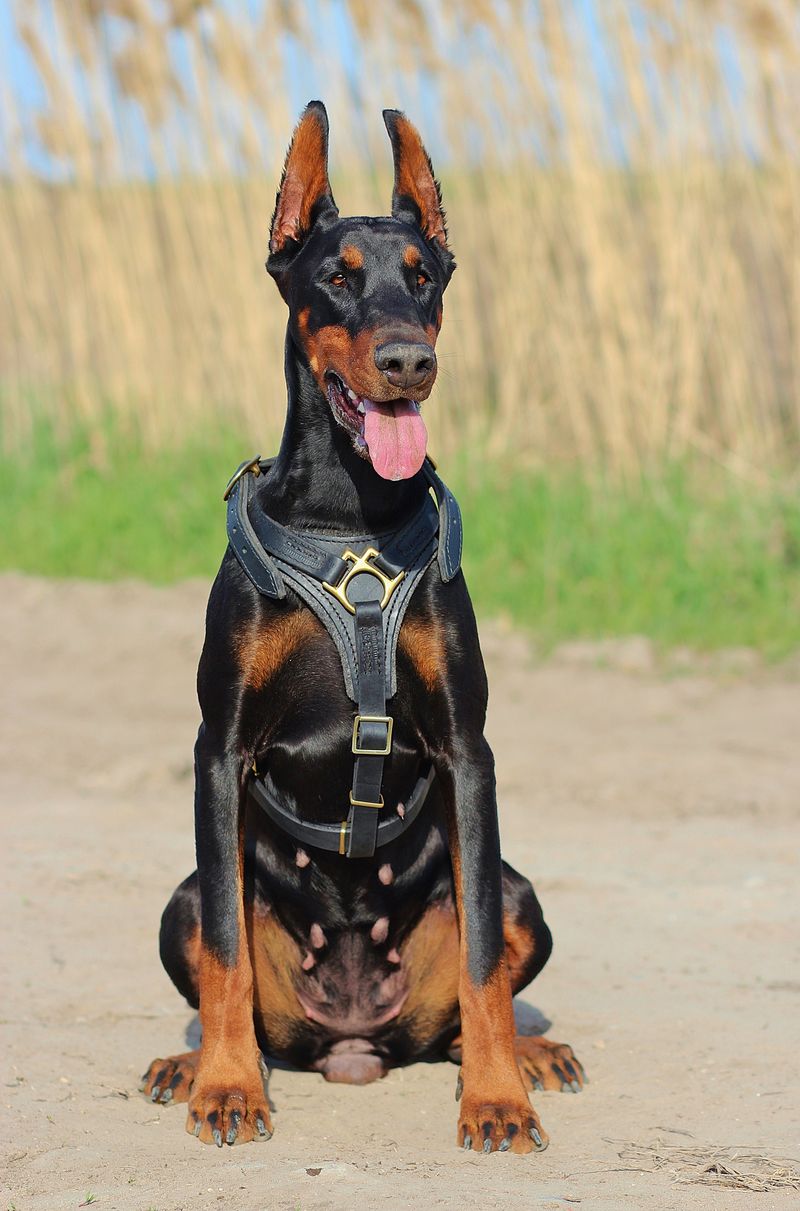
Doberman teens swing between velcro sweetness and dramatic opinions. They may test boundaries with selective obedience or door rushing.
Sensitivity can morph into reactivity if frustrations stack.
Lead with clarity and fairness. Reward choices you want, prevent rehearsals you do not, and keep criteria realistic.
Use pattern games for neutrality and practice calm door routines daily.
Confidence blooms with structured challenges like formal heeling games, platform work, and handling exercises. Prioritize rest and decompression to avoid overarousal.
Keep social introductions curated rather than chaotic. With consistent leadership and empathy, that spicy teenager matures into a devoted, poised companion who reads your cues like music.
Rottweiler
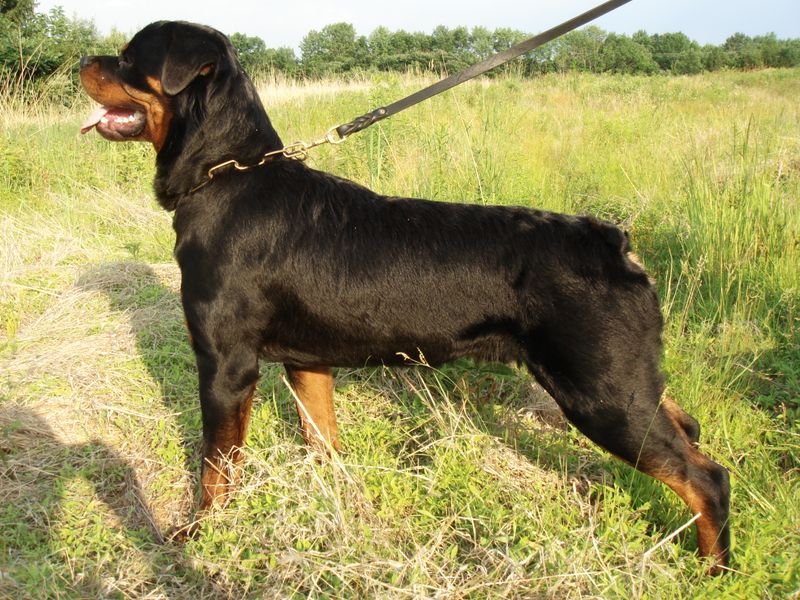
Rottweiler adolescence brings power before polish. Strength increases faster than impulse control, so jumping and mouthing can feel like a wrecking ball.
Guarding tendencies may surface if routines are unclear.
Prioritize manners and neutrality. Reward settled behavior, teach rock solid stationing, and use management to prevent crowd bowling.
Keep greetings structured and short.
Confidence comes from predictable leadership and clear jobs. Add carting foundations, precision heeling, and low arousal scentwork.
Socialize intentionally with calm exposures instead of rowdy environments. When you pair fair boundaries with fulfilling work, that formidable teenager becomes a steady, affectionate guardian of heart and home.
Siberian Husky
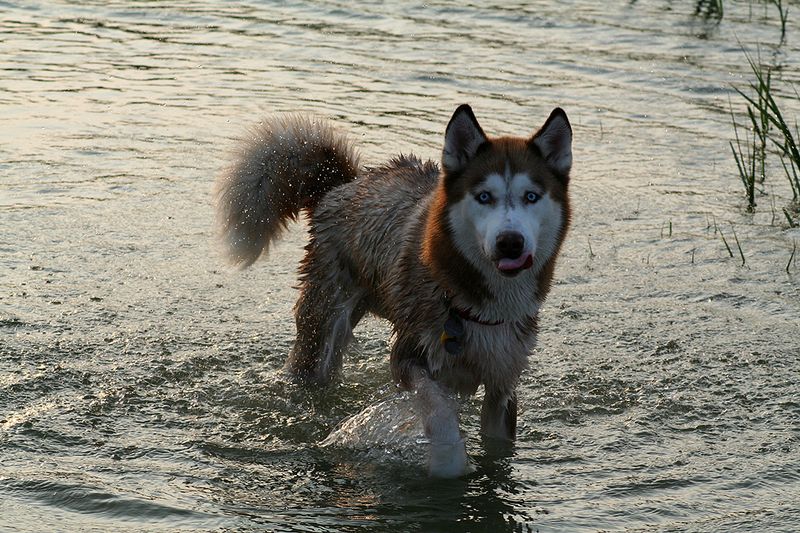
Husky teens turn escape artistry into a lifestyle. Recall feels optional, and digging becomes a full time job.
Vocal opinions abound when boredom strikes.
Lean into breed traits safely. Use long lines, secure fencing, and canicross or urban mushing for ethical outlets.
Treat recalls like a game with jackpots and chase breaks, never punishment.
Enrichment reduces mischief. Frozen food toys, scavenger hunts, and structured social walks help.
Keep training upbeat and brief, using movement as reinforcement. With patience and creative management, the dramatic snow gremlin transitions into a hilarious, adventurous companion who still sings but actually returns when called.
Boxer
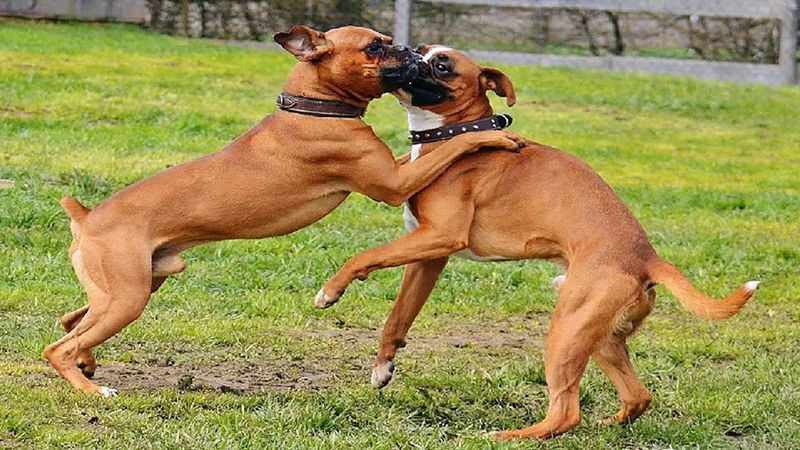
Boxer adolescence feels like living with a clown who discovered caffeine. Exuberance explodes into jumping, mouthing, and zoomie collisions.
Sensitive souls, they wilt under harsh corrections.
Teach impulse control with fun. Play tug with rules, intersperse downs and sits, and reinforce releases generously.
Use flirt poles responsibly for short, structured bursts.
Mind and body workouts should alternate with naps. Practice settle on a mat after play to build off switches.
Socialization should favor calm, confident dogs over chaos parties. Keep sessions short, silly, and rewarding.
That joyful energy, properly channeled, becomes delightful athleticism and a ridiculously affectionate companion.
Standard Poodle
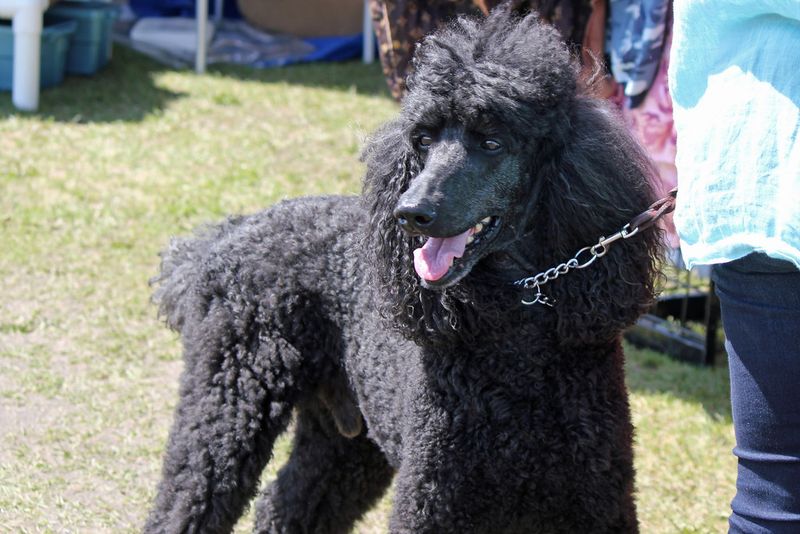
Standard Poodles are witty teenagers. They test patterns, anticipate cues, and turn boredom into creative redecorating.
Grooming routines can feel like wrestling a cloud if cooperation is not trained.
Feed that brain. Use shaping games, pattern heeling, and scentwork to satisfy curiosity.
Teach husbandry skills like chin rest, paw target, and stand stay with high value reinforcement.
Prevent over arousal by breaking sessions into crisp, successful sets. Rotate enrichment, from puzzle toys to trick chains.
Maintain social poise through calm exposures. With thoughtful structure and sparkle, the adolescent Poodle matures into a refined, hilarious partner who remembers every cue and still invents five more.
Vizsla
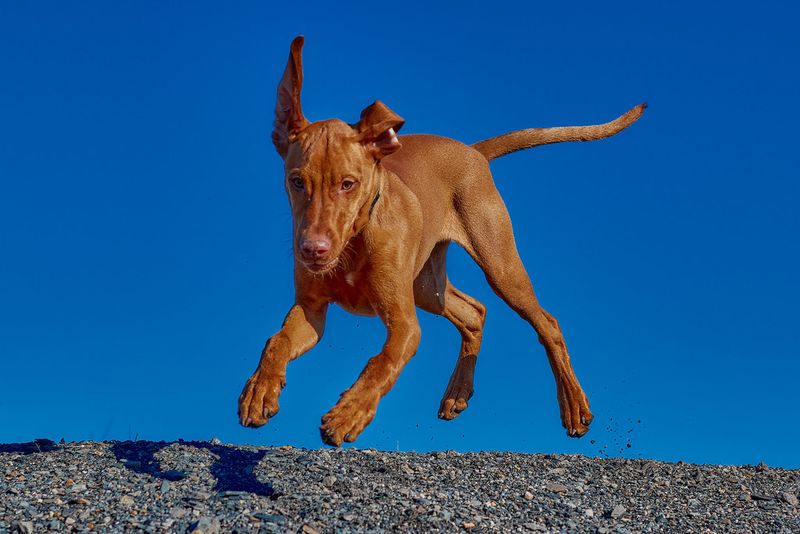
Vizsla teens combine sensitivity with springs. Separation frustration, clingy behaviors, and explosive zoomies are common.
Harsh training backfires, eroding confidence.
Build security through predictability. Use gradual alone time, scatter feeding, and cozy settle spots.
Reinforce recalls with chase games and jackpots, and practice off switches after runs.
Mental work matters as much as mileage. Nosework, field retrieves on cue, and trick chains channel energy into wins.
Keep socialization warm and measured rather than chaotic. With empathy and consistent routines, that velcro teenager becomes a sweet, athletic teammate who checks in first and flies second.
Weimaraner
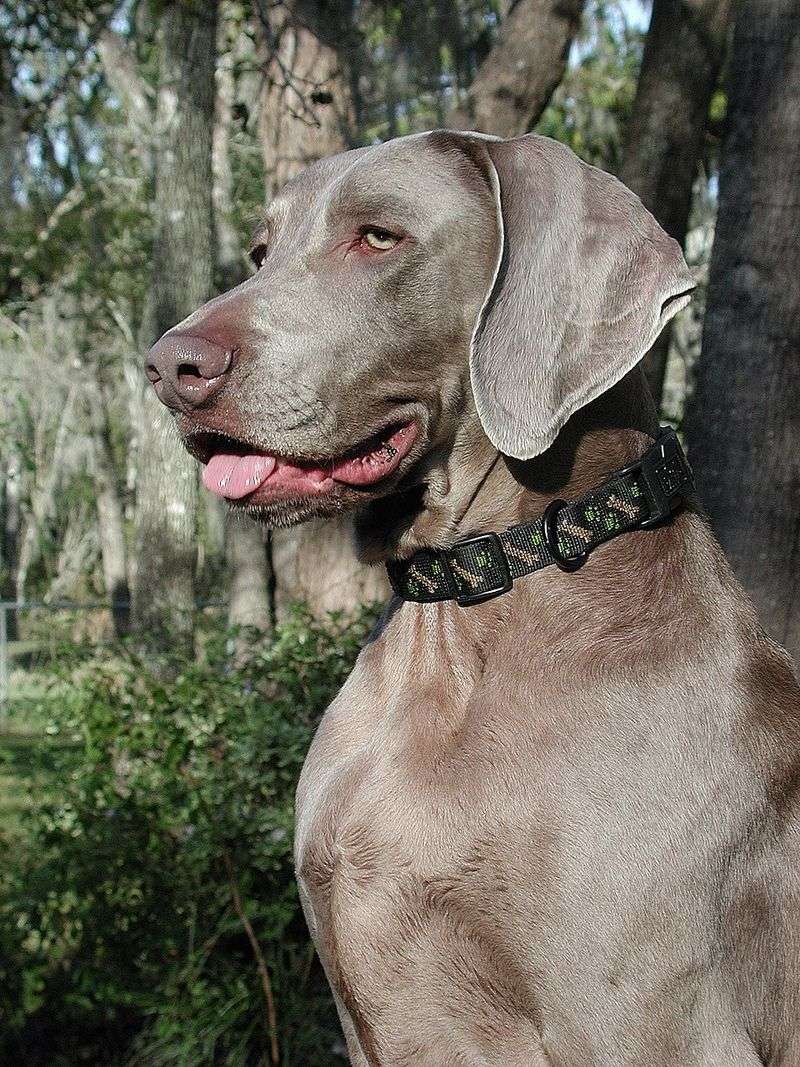
Weimaraner adolescence adds horsepower to curiosity. Counter surfing, door darting, and vocal protests may bloom.
Without jobs, they invent home security patrols and unauthorized hunting trips.
Channel instincts smartly. Practice field style recalls with long lines and jackpots.
Use structured retrieves, tracking games, and place training to grow impulse control.
Management prevents rehearsal. Baby gates, tethers, and food storage discipline save relationships.
Keep training brisk and engaging, rotating challenges frequently. With patience and meaningful outlets, that restless teenager evolves into a devoted, athletic partner who thrives on teamwork rather than solo adventures.