
If your dog turns nail clipping into a full on standoff, you are not alone. Some breeds seem genetically wired to notice the tiniest snip and sound the alarm.
The good news is there are calm, step by step ways to make trims safer, shorter, and less dramatic. Let’s look at the breeds owners say react the hardest, plus what actually helps you both breathe again.
Italian Greyhound
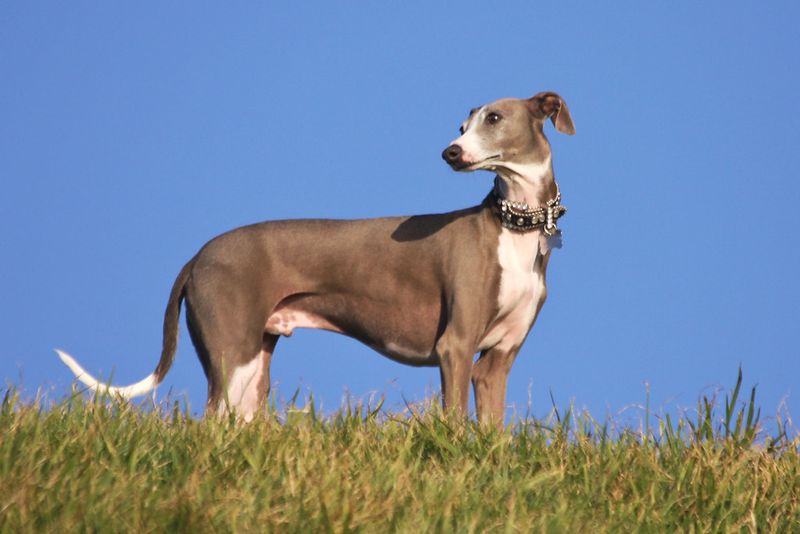
Italian Greyhounds feel everything. Their dainty paws are sensitive, and quicks can be long, which raises your anxiety and theirs.
Sudden restraint makes them freeze, tremble, or wriggle like an eel. Keep sessions ultrashort, sometimes just one nail, then celebrate.
Use high value treats, warm blankets, and a lick mat for distraction.
Desensitize gently: touch a paw, treat, release. Practice fake trims with a capped clipper so the sound is not scary.
Try a quiet grinder on the lowest speed, introduced beside a bowl of peanut butter. Trim after exercise when muscles are loose.
If you nick the quick, styptic powder stops bleeding. Slow progress beats one traumatic session every time.
Whippet
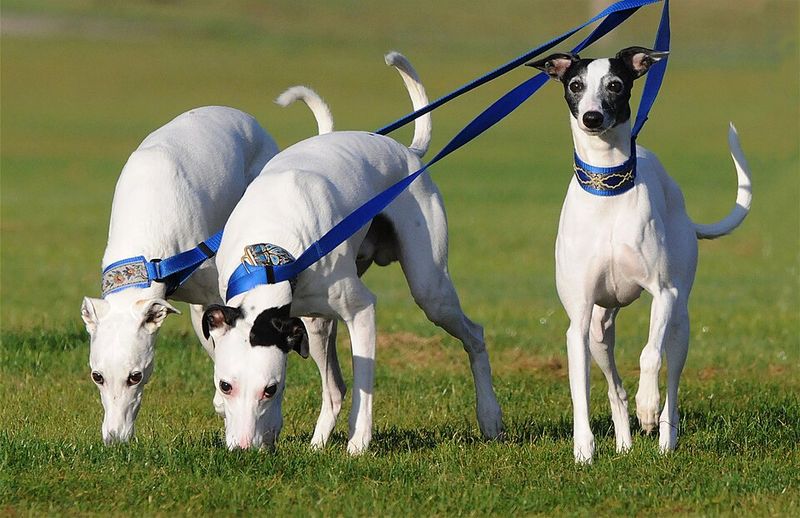
Whippets are sensitive, athletic, and quick to startle. Nail trims can feel like an ambush if you rush.
Make the environment soothing: soft music, non slip mat, and a calm voice. Begin with handling drills after a walk when energy is lower.
Touch a toe, treat, release, and repeat for a week before clipping.
Use a headlamp to see the quick clearly. If their nails are dark, try a grinder, taking micro passes to avoid heat.
Support the leg under the elbow to reduce flinching. Reward each nail like a tiny victory.
If panic escalates, break the session. Consistency turns dread into routine, and you will both relax with predictable, tiny steps.
Chihuahua
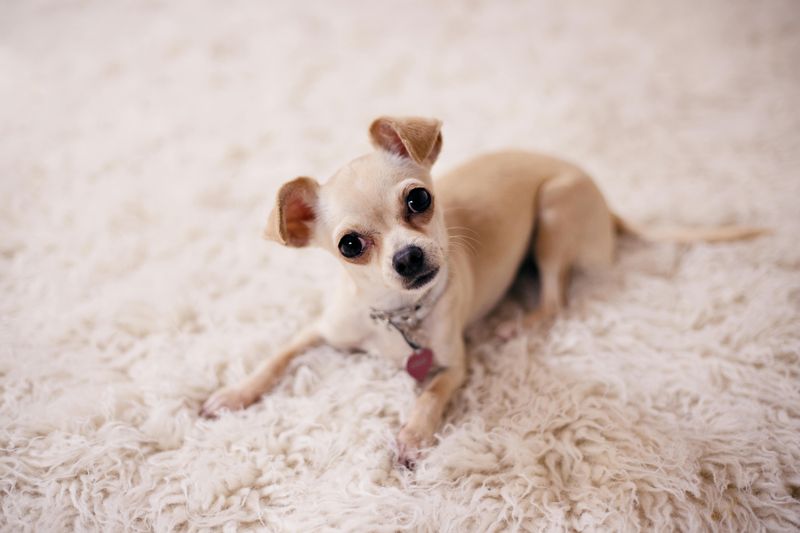
Chihuahuas have big feelings in small bodies, and nail trims often trigger drama. A towel wrap can help prevent flailing while keeping things gentle.
Warm the paws first so nails are less brittle. Pair every touch with micro treats you can deliver quickly.
Keep equipment quiet and movements slow.
Clip a tiny sliver, then stop. If the quick is long, weekly micro trims will help it recede.
Use a perch or your forearm as a stable platform. Speak softly, pause when breathing speeds up, and resume when calm returns.
End on success, not completion. Over time, you will turn your little firecracker into a cooperative buddy who expects snacks, not scary surprises.
Dachshund
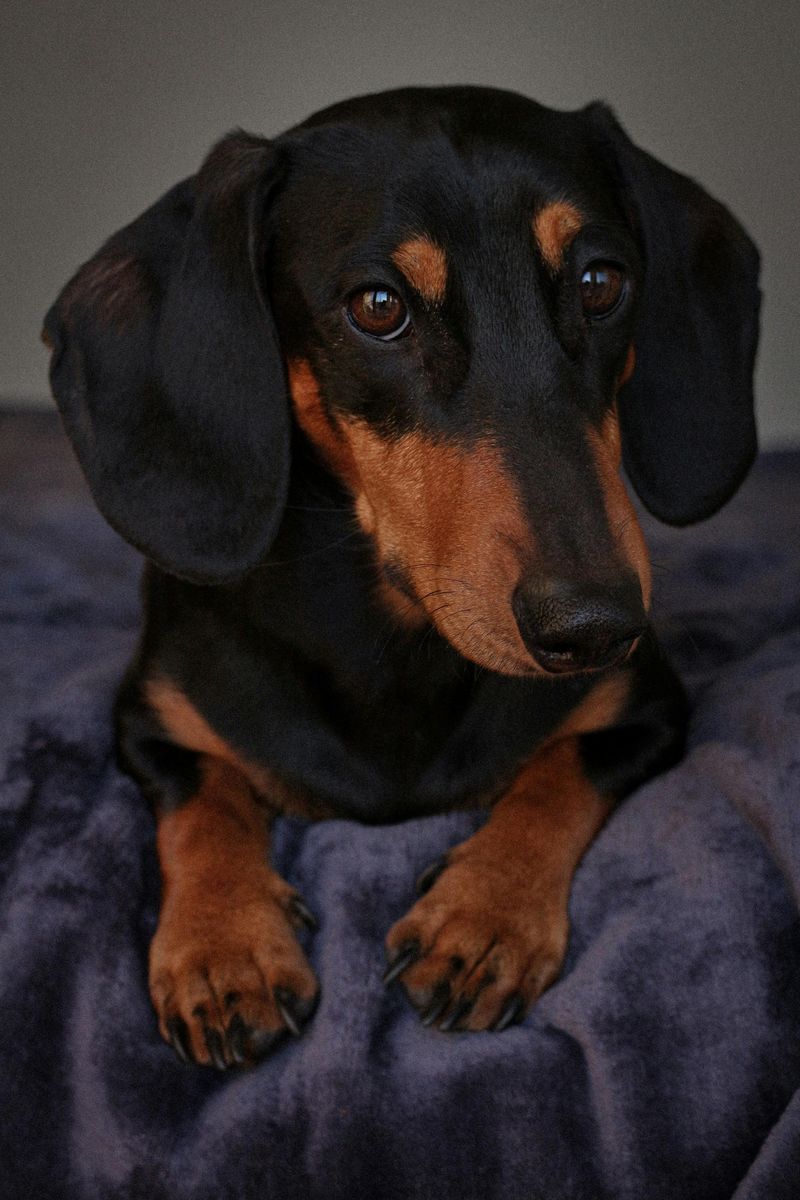
Dachshunds can be squirmy and vocal, especially if they think restraint means vet time. Protect their back by keeping them low and supported.
Use a non slip surface and steady, gentle handling. Start with desensitization: touch a toe, treat, release.
Practice the clipper sound away from paws so it loses meaning.
Because many have dark nails, grind in tiny bursts and check frequently. If they fuss, take a break, reset, and try a different nail.
Build a routine day and time so it feels predictable. Reward heavily after the first nail to set a positive tone.
Patient repetition shrinks the quick and the drama, giving your long dog short nails without battles.
Cocker Spaniel
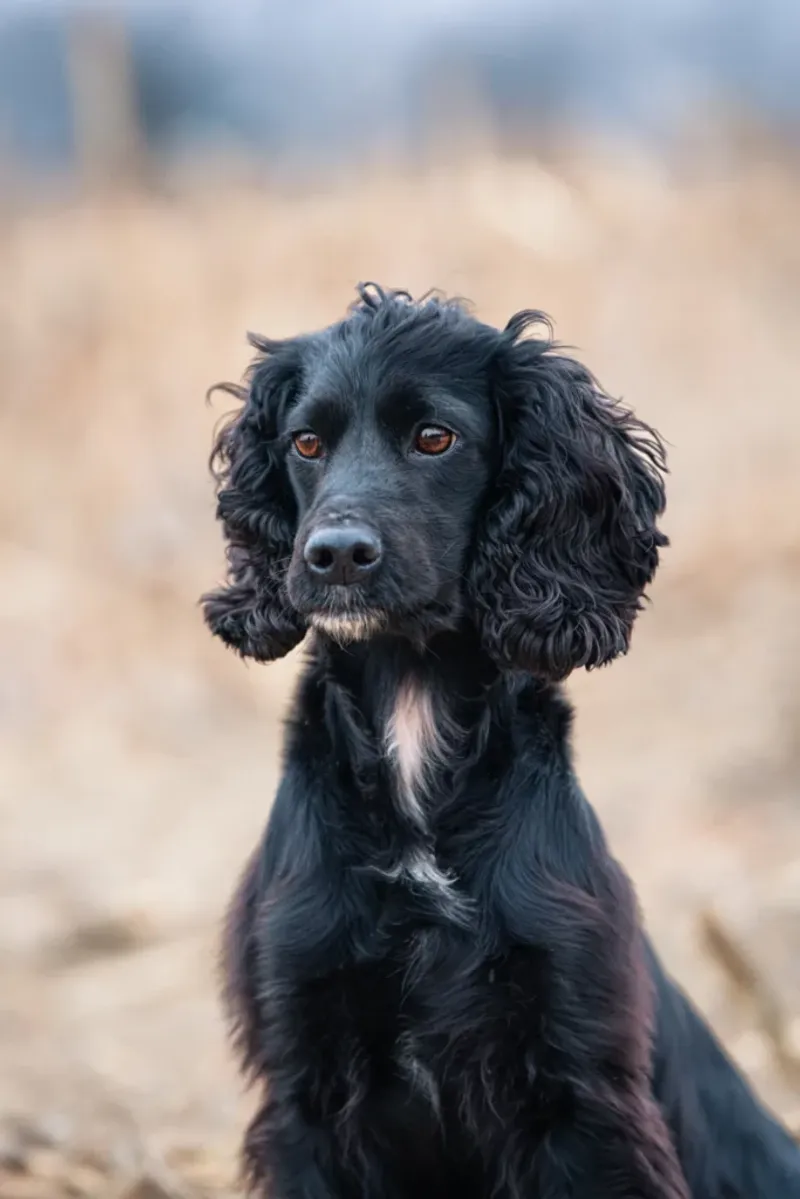
Cocker Spaniels bring feelings and feathering. Their furry feet hide long nails, so trims can surprise them.
Brush and clear fur around the toes first to see better. Use a headlamp for precision, and secure long ears so they do not brush tools.
Start with a quick walk to take the edge off.
Introduce the grinder with food pairing. Touch grinder to a nail for one second, treat, stop.
Repeat across sessions, increasing time slowly. If they pull away, reset and lower criteria.
Keep styptic powder nearby for confidence. Finish with a paw balm and praise.
Consistent micro trims reduce quick length and help your spaniel associate grooming with snacks, not stress.
Shih Tzu
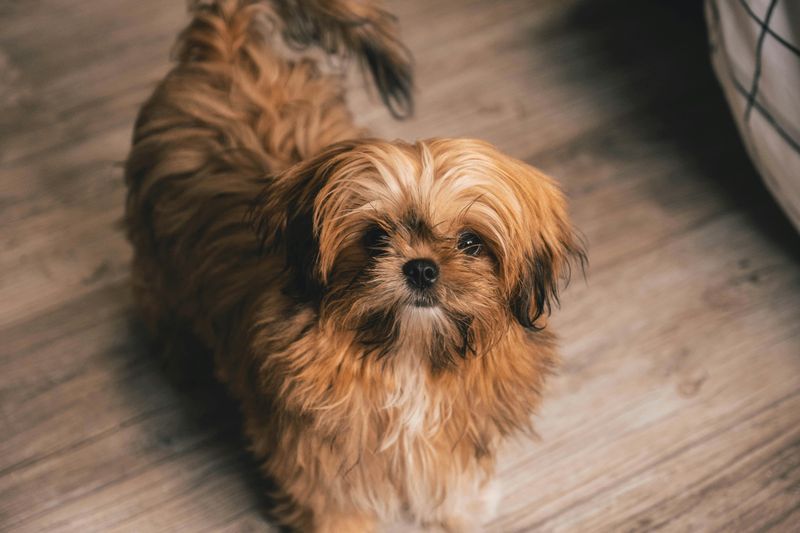
Shih Tzus often dislike restrictive holds, and their coat can hide where the nail begins. Comb foot fur away and use blunt tip scissors to tidy the view.
Keep sessions short and sweet, ideally after a bath when nails are slightly softer. Pair every touch with tiny treats and calm praise.
If the buzz of a grinder spooks them, start with it turned off while feeding. Progress to brief touches before any grinding.
Clip only the curved tip if unsure, then round with a file. Teach a chin rest behavior for cooperative care.
End with a cuddle, not a struggle. With practice, trims become a spa moment instead of a showdown.
Maltese
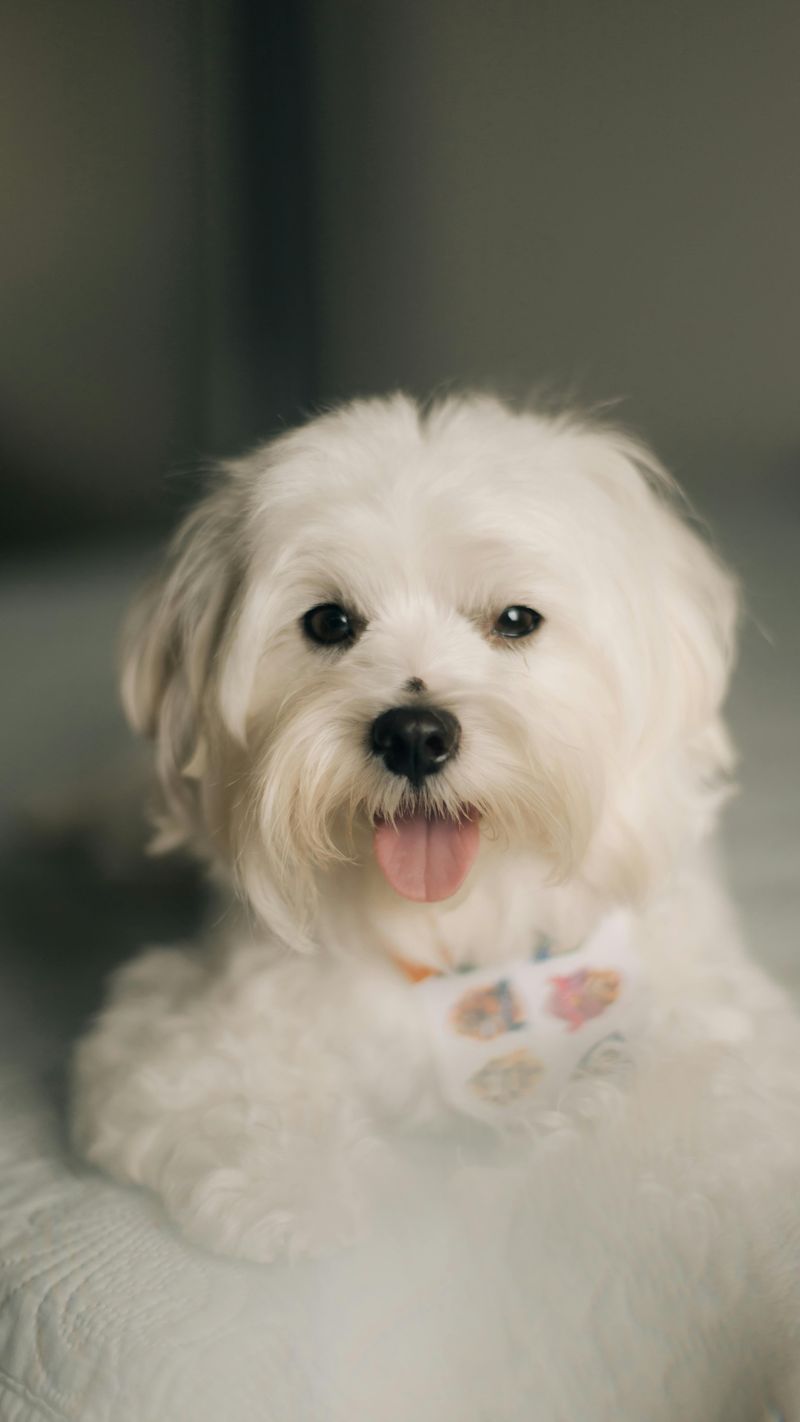
Maltese nails can blend into bright fur, making visibility tough. Use a small flashlight or headlamp to spot the quick.
Keep fur trimmed around toes and pads. These sweet lap dogs respond well to gentle routines and frequent, tiny sessions.
Touch, treat, release wins every time. Avoid rushing, which creates resistance.
Grind lightly to round edges so nails do not click on floors. If your Maltese fights the hold, try cooperative care: teach a “paw” cue and reward stillness.
Put the clipper away at the first sign of stress, then restart with easier steps. Consistency trains calm.
Soon, you will both handle paw care like a practiced team with soft, quiet footsteps.
Pomeranian
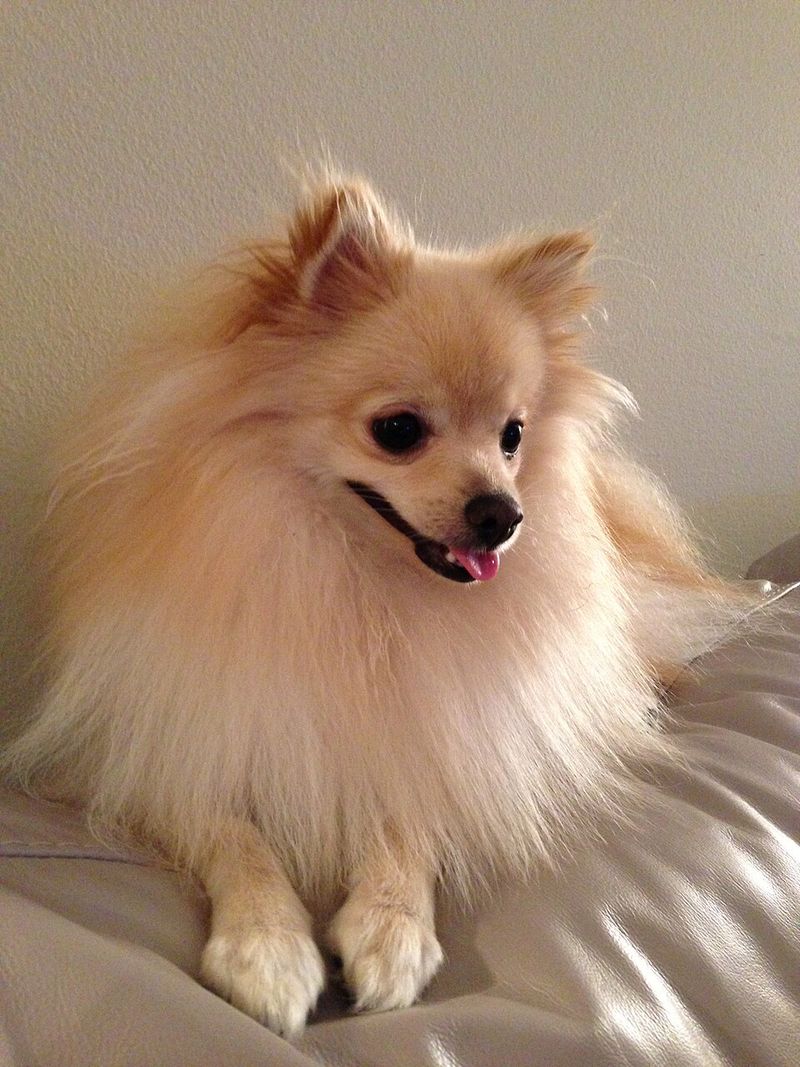
Pomeranians are alert and opinionated, and their fluffy feet hide the nail line. Comb and trim paw fur so you can see what you are doing.
Use a quiet grinder to shape slowly, as small claws heat fast. Introduce tools beside a treat party before touching paws.
Keep sessions brisk and upbeat.
Teach touch, treat, release, then increase duration. If your Pom pops up, reset rather than restrain harder.
A silicone lick mat can keep the mouth busy while you work. Finish each nail with praise and a mini break.
Regular micro sessions prevent overgrowth and reduce panic, making your cloud pup float around on tidy, tap free toes.
Papillon
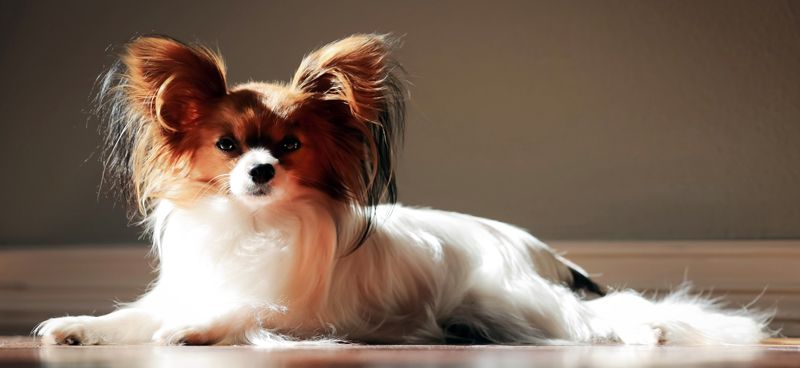
Papillons can be dainty yet dramatic about restraint. Their nails may grow fast, and quicks stay long if trims are rare.
Schedule weekly micro trims to encourage recession. Begin with a file before graduating to a grinder or clipper.
Keep your tone light and playful so tension does not travel down the leash.
Teach a chin rest or nose target to create stillness. Reward every few seconds, not just at the end.
If your Papillon snatches the paw, do a handful of easier reps like toe touches. End while they are succeeding.
Over time, those fluttery ears will signal calm curiosity, not panic, when the tools appear.
Miniature Schnauzer
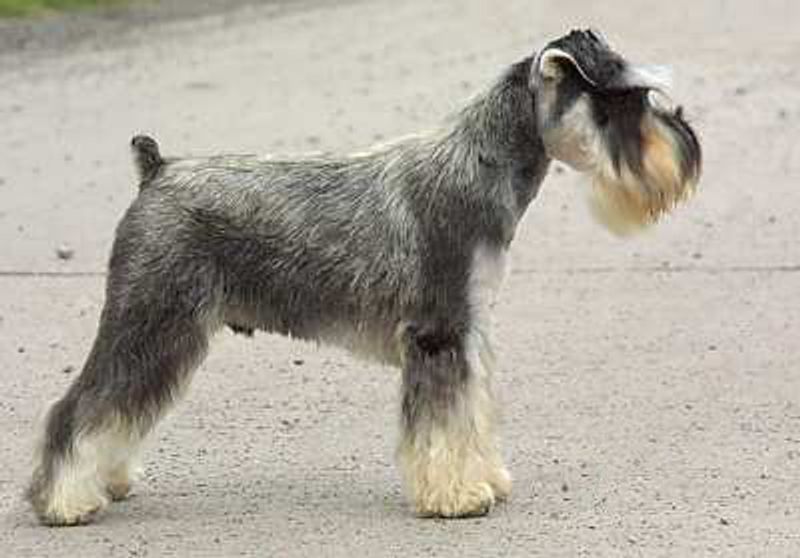
Miniature Schnauzers can be vocal negotiators, and their dark nails challenge visibility. Good lighting is your best friend.
Use a sharp clipper and take off tiny slivers. Listen for the change in pressure that signals you are close to the quick.
If uncertainty creeps in, switch to a grinder for safer control.
Practice table manners separate from trimming. Reward calm stands, then add brief paw lifts.
Pair the sound of tools with treats until the buzz predicts snacks. Keep sessions short, and rotate paws so none become too sore.
With repetition, your whiskered buddy will tolerate tidy nails as part of the regular groom, not a separate stress event.
French Bulldog
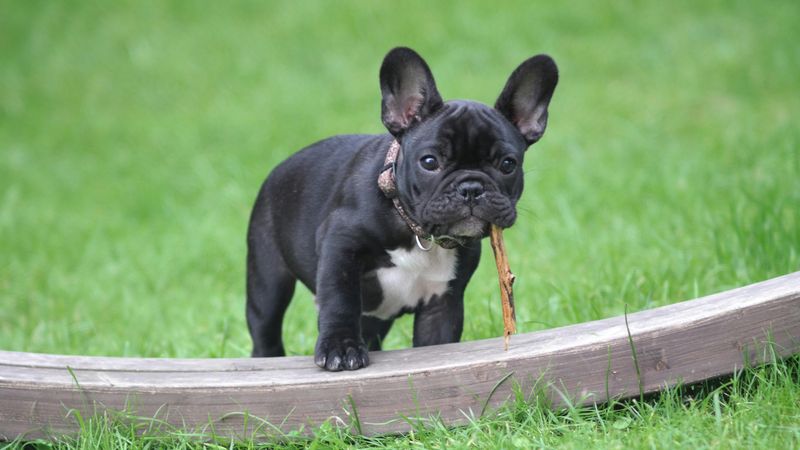
French Bulldogs may act stubborn, but discomfort often drives resistance. Keep their shoulders supported and avoid awkward angles.
Use a low vibration grinder and frequent breaks to prevent heat. Work after playtime when energy dips.
High value treats and a lick mat redirect focus. Praise generously for any stillness.
Check for cracked nails or allergies that make paws tender. Clip tiny amounts, then smooth with a grinder to prevent snags.
If breathing sounds labored, pause and reposition to keep the airway open. Short, frequent sessions beat marathon trims.
With patience, your Frenchie will learn that nail care predicts snacks and snoozes, not a wrestling match.
Cavalier King Charles Spaniel
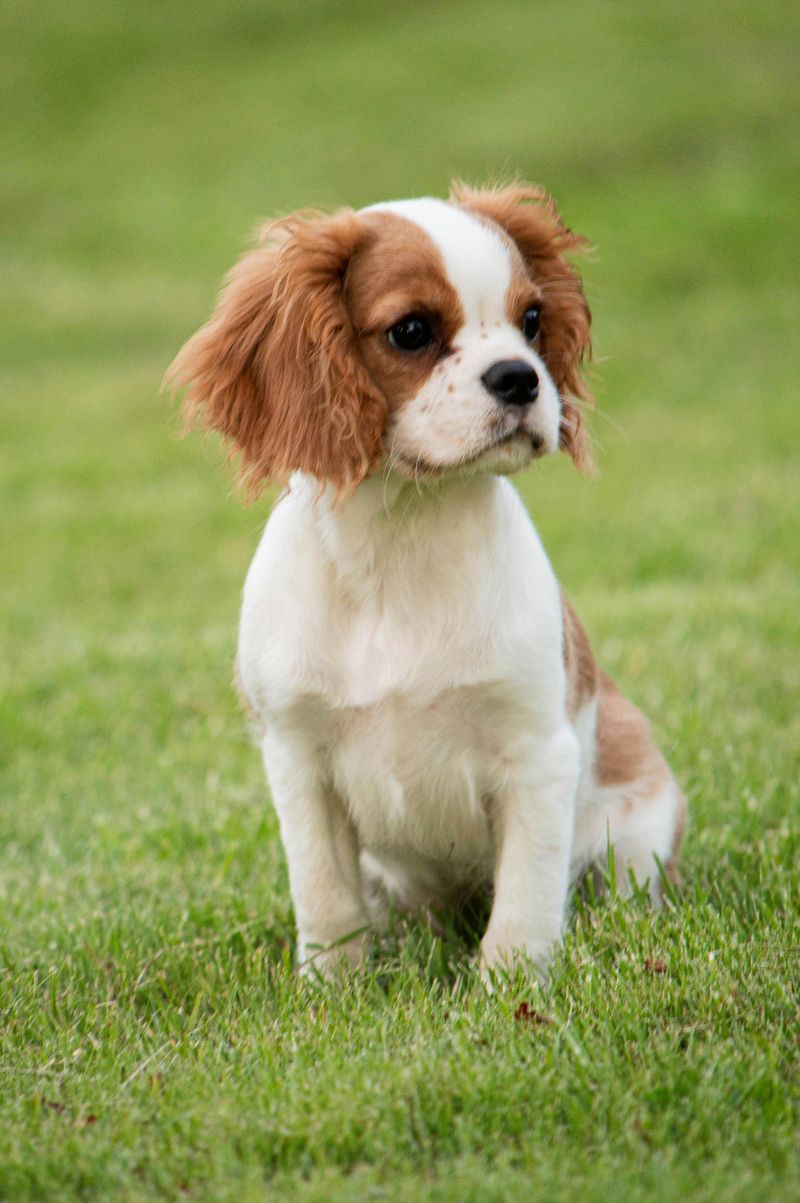
Cavaliers are soft natured but can melt down when surprised. Their feathering hides nails, so prep with a comb and tiny trim around toes.
Use a headlamp to visualize the quick, then take tiny passes with a grinder. Build a predictable routine with calm music and a cozy mat that signals good things.
Teach a chin rest for cooperative care. Reward frequently, especially after the first nail.
Pause the moment tension rises, then resume when breathing slows. Keep styptic powder handy so your confidence stays high.
End with a sniffy walk to reset emotions. With consistency, your Cavalier will drift through trims with gentle eyes and tidy, tap free paws.