
If your dog freezes on walks and refuses to poop, you are not alone. Many small companion breeds struggle with routine anxiety that turns bathroom breaks into mini standoffs.
The good news is that with the right cues, calm structure, and a little humor, you can move past the awkward sidewalk stalemate. Let’s look at 12 breeds often mentioned in those posts and how to help them relax and finally go.
Japanese Chin
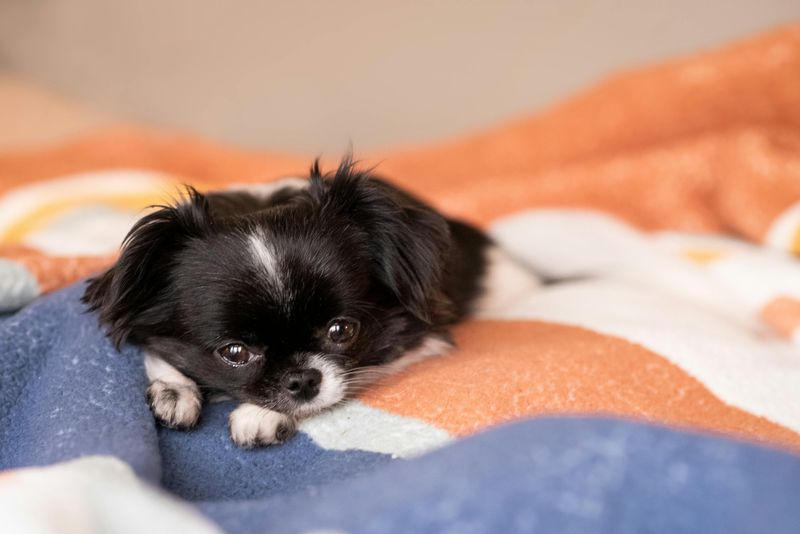
Japanese Chin are sensitive creatures that notice every tiny change in routine. When a schedule shifts or a new sound appears, they can stall and clamp up, especially around bathroom time.
You can help by building a predictable pre-walk routine, like gentle brushing, a small sip of water, and a consistent exit cue. Keep the leash loose and your voice soft.
Pick one quiet route and stick with it for a week. Stop at the same grassy patch, stand still, and breathe, giving a calm go potty cue.
Reward immediately after success with a small treat and head home steadily. Over time, the repetition builds confidence, and the spiral slowly unravels.
Pekingese
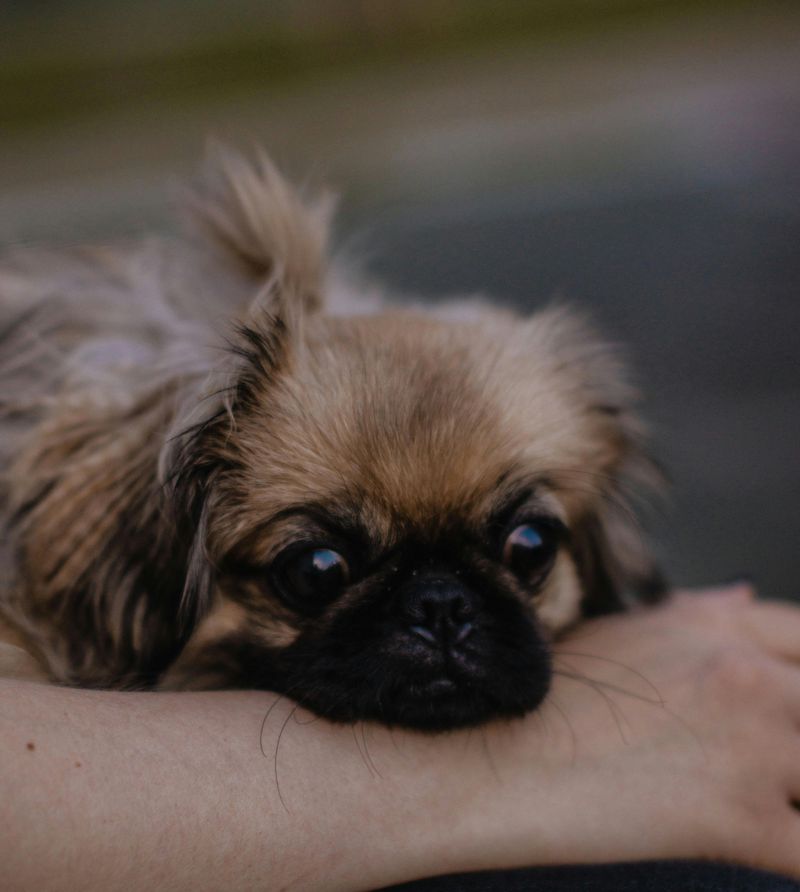
Pekingese can be stubborn yet sensitive, which makes bathroom routines feel like a negotiation. When pressured, they dig in and hold it.
Create a stable pre-walk plan: same time, same collar, same doorway cue. Step outside and pause rather than marching straight away.
Let them sniff, but avoid long, busy streets during training phases.
Stand at an established spot for two minutes, then walk a small loop and return. Give a simple potty phrase and relax your shoulders.
Keep treats hidden until success, then reward and exit calmly. If nothing happens in five minutes, go back inside for ten and try again.
This pattern teaches predictability without turning the act into a high-stakes event.
Tibetan Spaniel
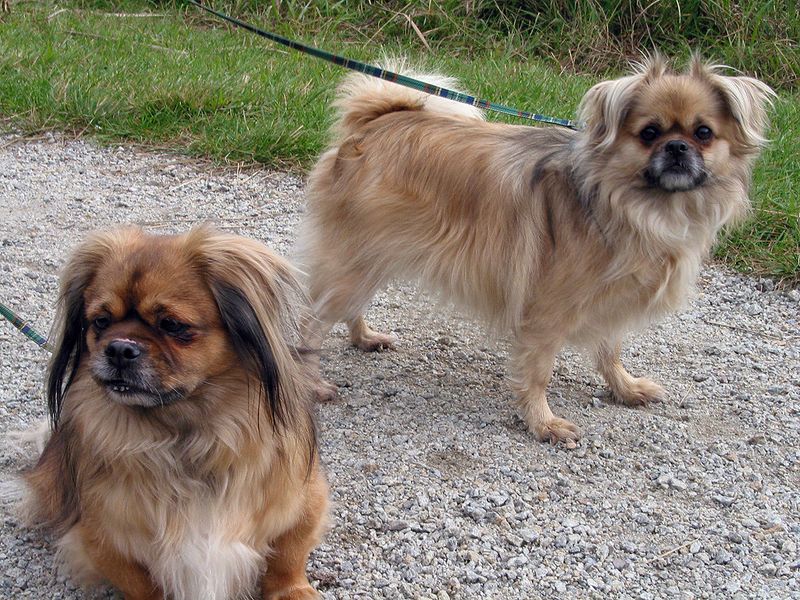
Tibetan Spaniels are watchful and can be choosy about where to go. The moment traffic spikes or a jogger whizzes by, the potty plan evaporates.
Start by scouting a calm, low foot traffic spot. Visit it consistently at the same time daily, preferably early, when the environment is quiet.
Keep sessions short and composed, not rushed.
Use a matter-of-fact potty cue, then go neutral. No pleading, no hovering.
Reward right after success and take a brief decompression walk. If they freeze, pivot with a tiny scent trail of treats leading to grass, then fade that crutch over days.
The rhythm becomes predictable, and their vigilant brain stops treating every noise like an alert.
Lhasa Apso
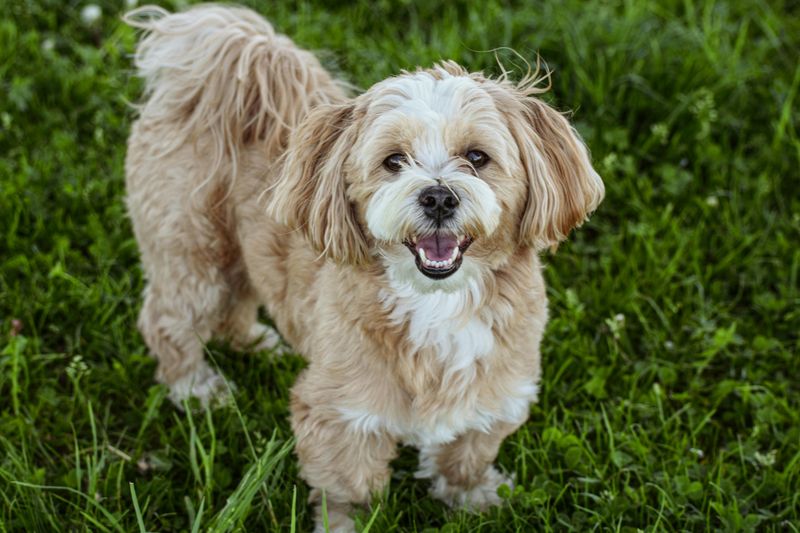
Lhasa Apsos value control and routine. If the environment feels chaotic, they postpone.
Choose one predictable surface like a specific patch of grass or mulch. Arrive, stand still, and breathe for thirty seconds.
Offer a low-key potty cue and avoid eye contact that feels pressuring. The leash should form a gentle J shape, not a tight line.
After three minutes, take a slow mini loop and return. Celebrate success with a quiet good and a small treat, then head home without lingering.
If they do not go, reset indoors and try again in ten minutes. This patient cadence reduces the spiral of tension and keeps you both on track.
Shih Tzu
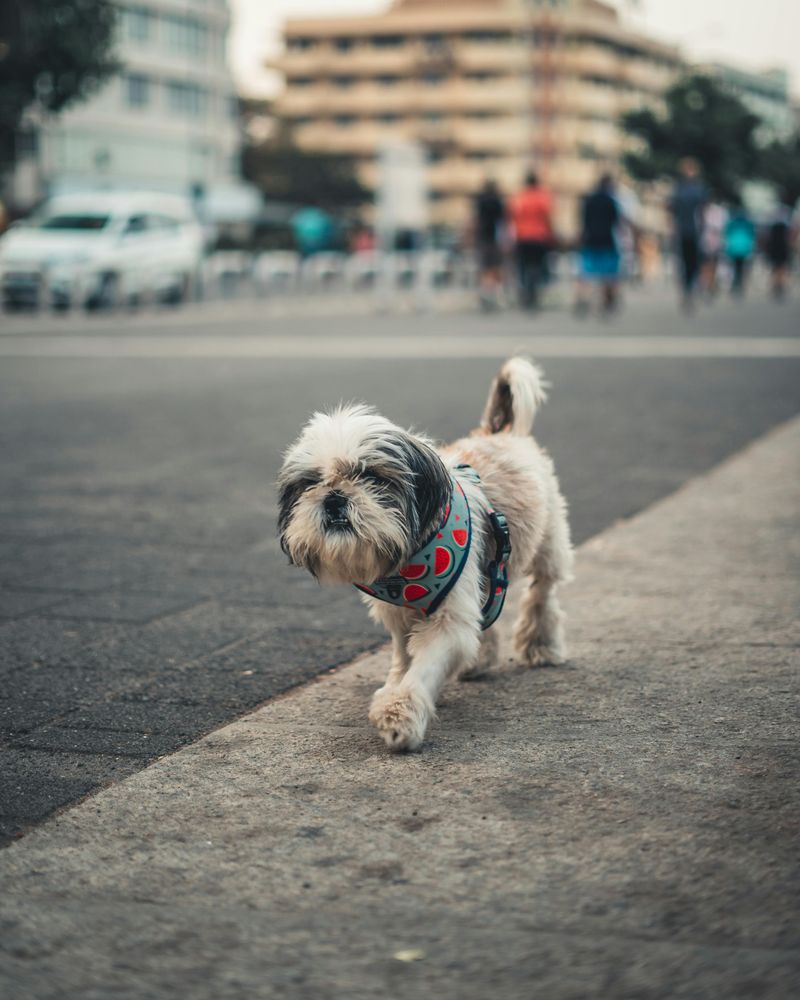
Shih Tzus often soak up your mood. If you are tense, they start second-guessing the whole mission.
Build a pre-walk ritual: clip leash, pause at the door, exhale, and say your cue. Step out and stop at the same square of grass.
Keep talking minimal, body language soft, and hands still.
Mark success with a quick treat and calm praise. Do not throw a party or stay out too long afterward, or they will delay to extend the fun.
If distractions are unavoidable, use a lightweight long line in a quiet corner for a little distance. Routine plus low energy signals teaches the Shih Tzu that bathroom breaks are simple, reliable moments.
Havanese
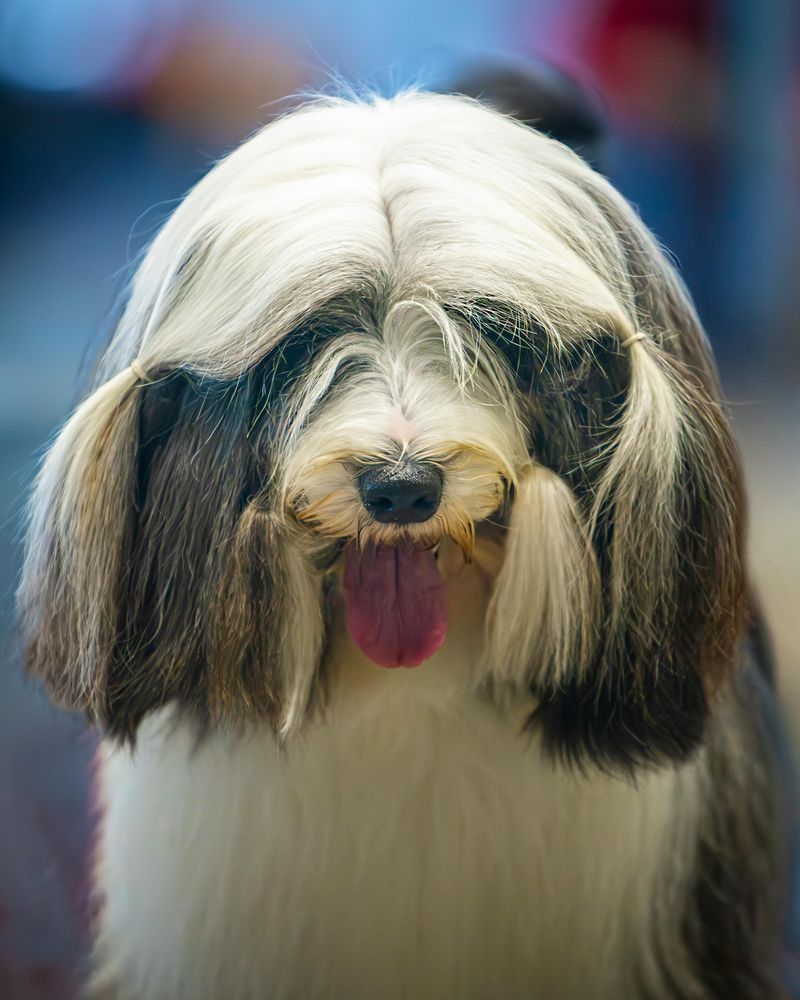
Havanese thrive on connection and can read your face like a book. Over reassurance can accidentally add pressure.
Try a predictable sequence: water sip, harness on, pause at the door, then a short walk directly to the potty zone. Keep your voice neutral and your reward quick.
Use small, high value treats hidden away until the moment they finish. If they hesitate, take two slow steps, stop, and wait again.
Repeat twice, then reset indoors for a few minutes. The stop and reset pattern prevents marathon standstills and keeps expectations clear.
Over days, confidence grows, and the once stubborn poop pause becomes just another easy checkpoint in your routine together.
Bolognese
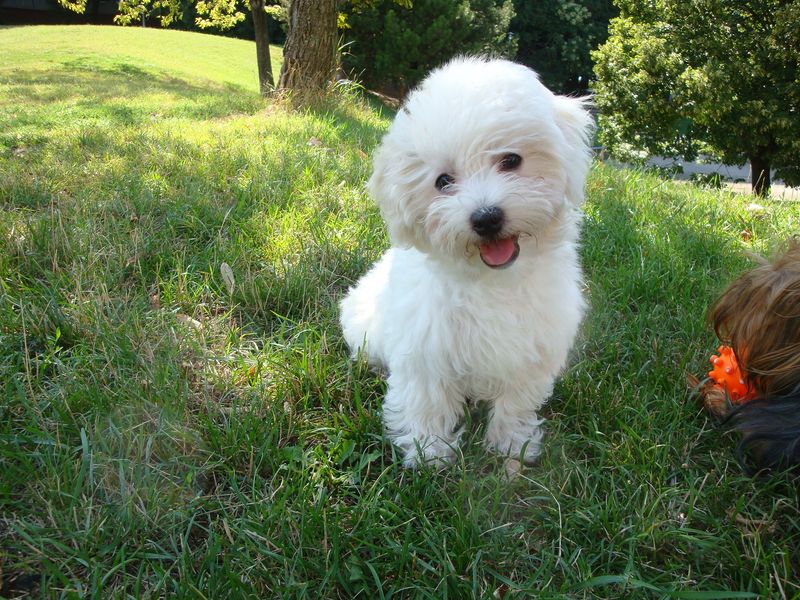
Bolognese dogs can get stuck in analysis mode outside. New smells and sounds make them pause and hold it.
Introduce a cue inside first by rewarding after indoor pad use, then transfer the cue outdoors at the same time of day. Visit one courtyard or lawn repeatedly to anchor the habit.
Keep greetings with neighbors for later.
Stand still for a minute, offer the cue once, then look away. If nothing happens, take a short square loop and return.
Reward success with quiet praise and a quick treat, then go home. Consistency and minimal chatter cut through the hesitation, and your Bolognese learns that the routine has a simple beginning, middle, and end.
Coton de Tulear
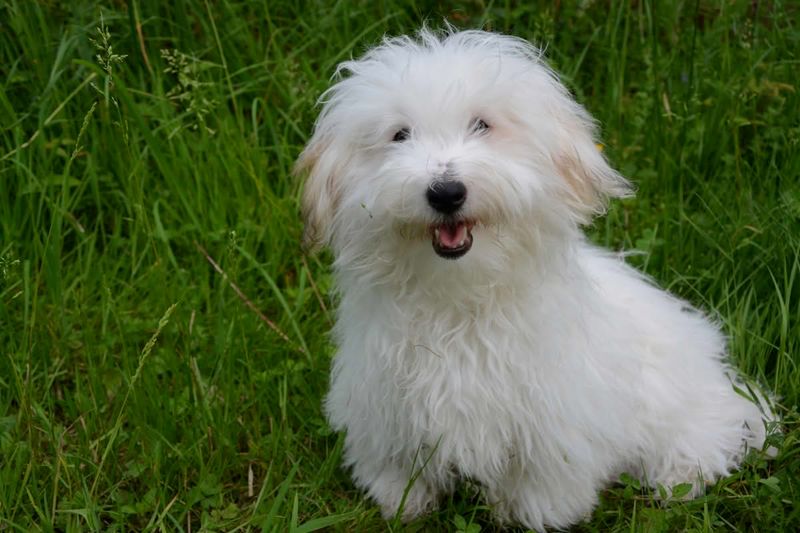
Cotons are playful and people focused, which can derail potty timing. If every walk becomes a game, they hold it to prolong the outing.
Create a Potty First rule. Walk straight to the designated spot, stop talking, and let the environment settle.
Offer the cue, count to sixty, and keep your body neutral.
After success, add a short play break as the reward. This flips the script, so pooping unlocks the fun instead of replacing it.
If they stall, return home briefly and try again. Over a week, the cause and effect becomes obvious, and their happy energy works for you rather than against you.
You will both feel lighter and less stuck.
Bichon Frise
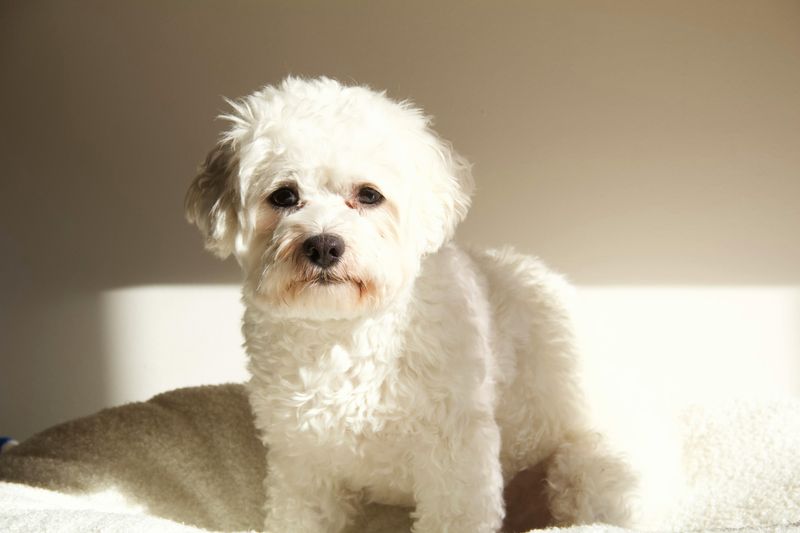
Bichons are bright and quickly pattern match your behavior. If you chatter or hover, they think something big is happening and freeze.
Keep the stakes low with a simple sequence: leash on, pause, step out, head to grass, cue once, and wait. No bargaining.
Reward instantly after success, then take a brief stroll as a bonus.
If they do not go within three minutes, reset inside for ten minutes. Rotate two or three nearby spots to reduce over-association with a single patch.
Track successful times in a notes app to spot their natural rhythm. Within days, predictability returns and the will not poop spiral loses its power.
Brussels Griffon
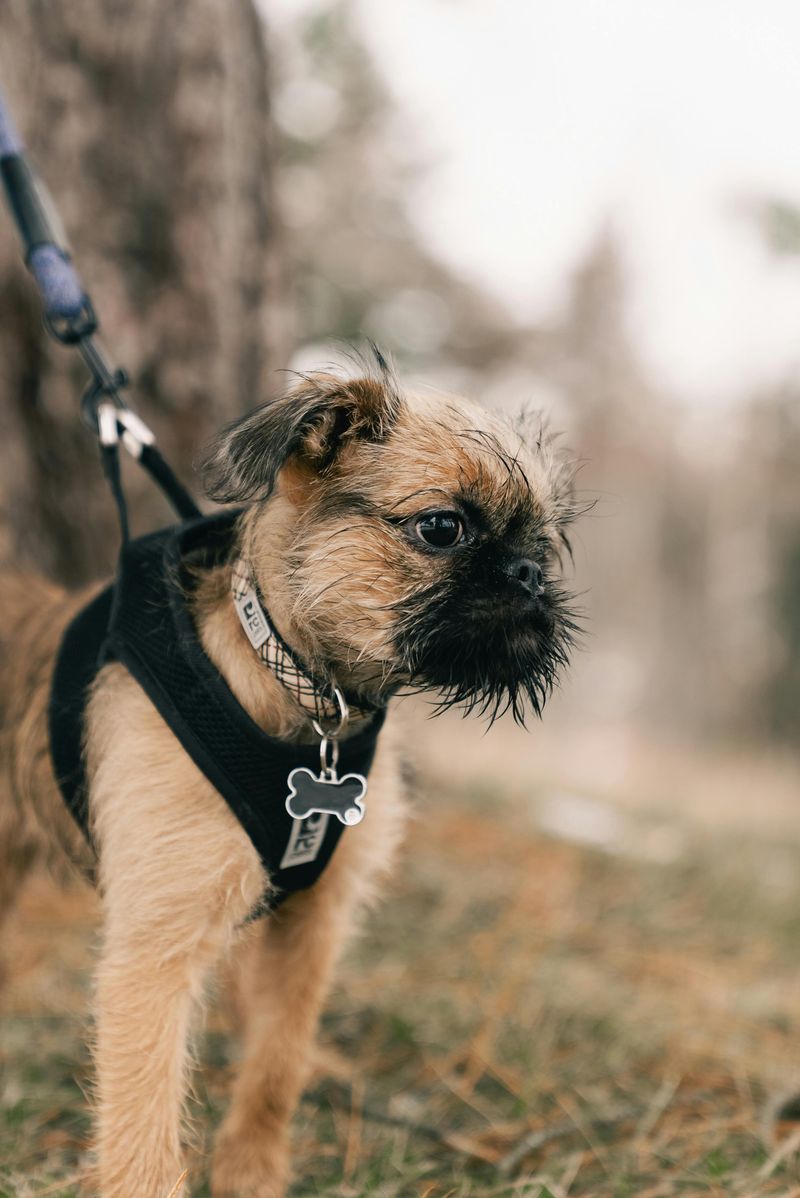
Brussels Griffons are sensitive to pressure and eye contact. A direct stare can accidentally cue performance anxiety.
Angle your body sideways, soften your gaze, and let the leash relax. Choose a predictable, low traffic corner and return there at the same time daily.
Keep cues short and consistent, then go quiet for a bit.
If they start scanning, step between them and the distraction to create a visual shield. Wait, breathe, and try again.
Pay with a tiny treat the instant they finish, then leave the area to prevent over-sniffing spirals. With repetition, your Griffon learns that potty time is simple business, not a public performance with an audience.
Papillon
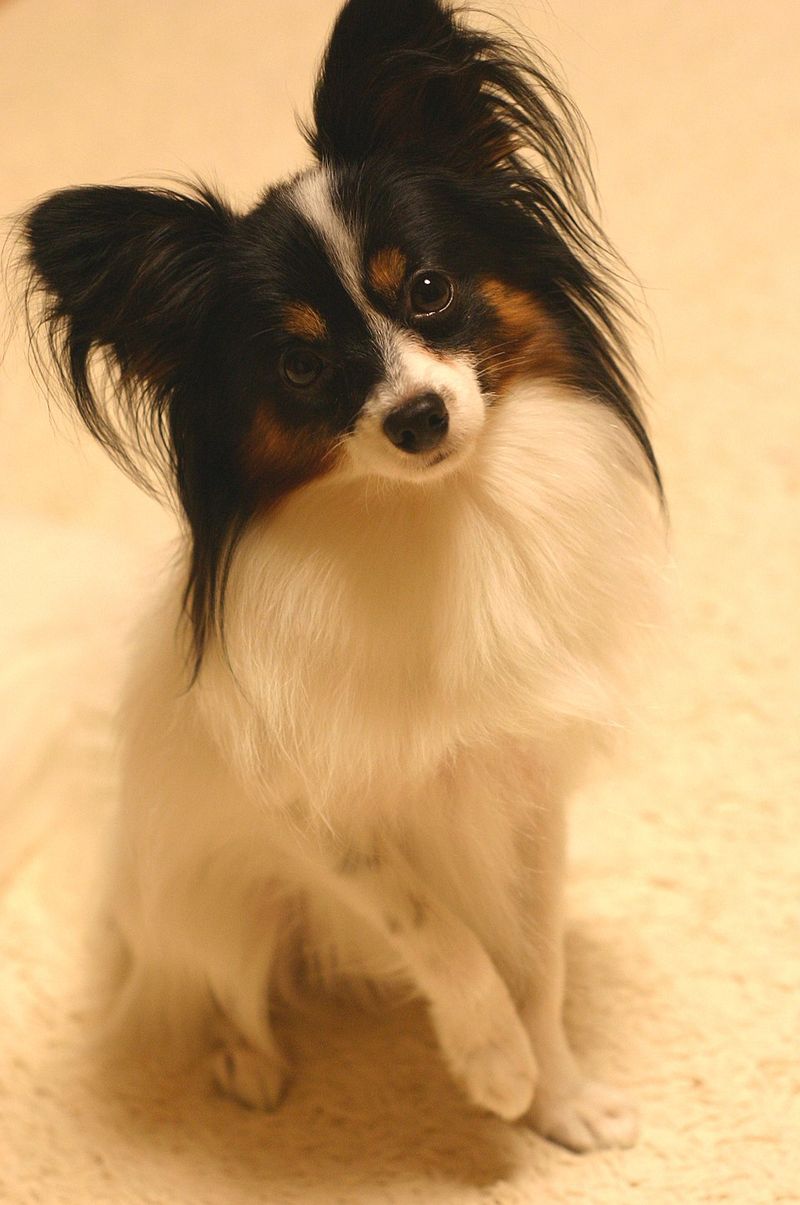
Papillons are alert and curious, so they often postpone in favor of scanning birds and bikes. Limit the options by starting near a low excitement edge of the park.
Stand still, cue once, and let the breeze settle. If they linger, take five slow steps, circle back, and try again.
Keep your energy steady and boring.
Use a tiny jackpot treat the first few successes, then taper to praise. After they go, offer a short sniffari as the reward, not before.
Track time of day and last meal to tighten the schedule. With consistency, your Papillon will treat bathroom time as a quick checkpoint instead of a debate with the world.
Cavalier King Charles Spaniel
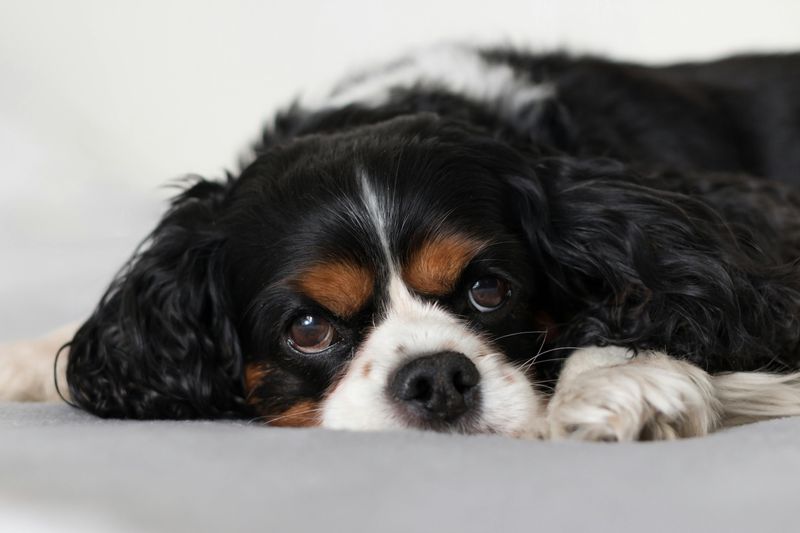
Cavaliers crave connection and can mirror your stress. If you worry, they worry, and everything stalls.
Set a gentle routine: same time, same spot, same calm cue. Walk directly to the green, stand still, and breathe for a full minute.
Keep praise soft and rewards tiny to avoid overexciting them.
If they hesitate, try a short figure eight and return to the exact spot. Mark success then leave calmly to prevent endless sniffing.
A lightweight long line can add freedom while keeping structure. Over several days, the repetition becomes soothing, and your Cavalier begins to release on cue without second guessing.
You both gain a calmer start to every walk.