
Ever feel like your dog discovered the repeat button and will not let it go Here are the breeds owners say get stuck in vocal loops, from chirpy squeaks to soulful serenades. You will learn why they do it, how to help, and when to embrace the chatter as part of their charm.
Keep scrolling if your home sometimes sounds like a tiny opera house.
Miniature Pinscher
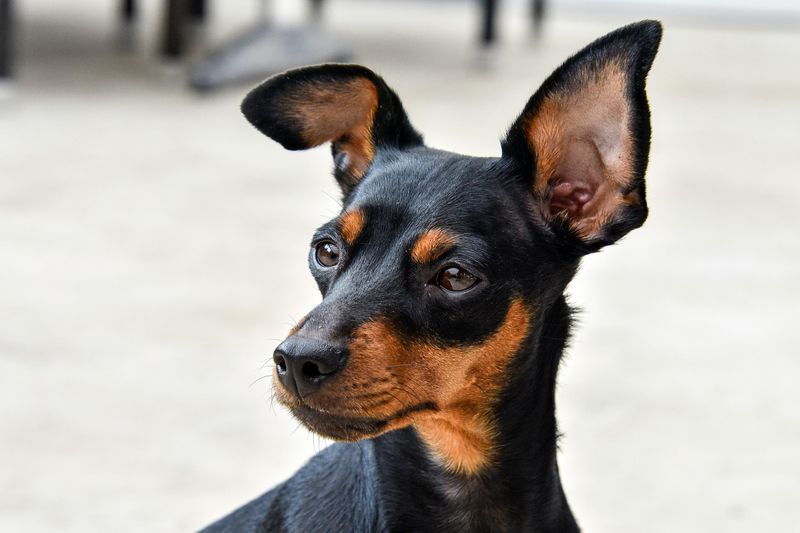
Miniature Pinschers have big feelings packed into a small frame, and they let you know it. Whining often sprouts from boredom, excess energy, or a desire to direct you like a tiny foreman.
You will hear rising pitch when they anticipate walks, treats, or your attention drifting to your phone.
Give structure through short training bursts, puzzle feeders, and flirt pole play to drain that fizz. Reward quiet moments so silence predicts good things, not only noise.
A comfy crate or covered bed can become their chill zone when you teach calm as a skill.
If the loop keeps spinning, check for pain, especially joints and nails, and ensure potty breaks are frequent. These clever pups need jobs.
Keep their brain busy, and the soundtrack softens.
Pomeranian
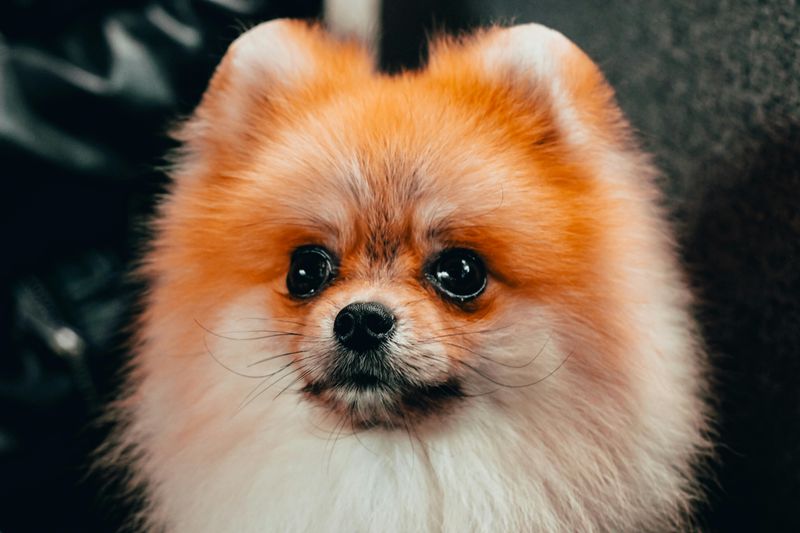
Pomeranians are feathery extroverts who narrate life like it is their personal vlog. Whining often pairs with pacing and the classic Pom prance, especially when you move toward the door.
They adore routines and will remind you when you are late, loudly.
Daily enrichment matters more than size suggests. Try scent games in snuffle mats, tiny retrieve sessions, and short neighborhood adventures.
Teach a quiet cue by marking moments of calm and delivering treats right where they settle.
Avoid accidental rewards, like picking them up the second they squeak. Wait for a beat of silence, then give attention.
If anxiety shows up during storms or alone time, practice gradual departures and consider white noise to mask triggers.
Japanese Spitz
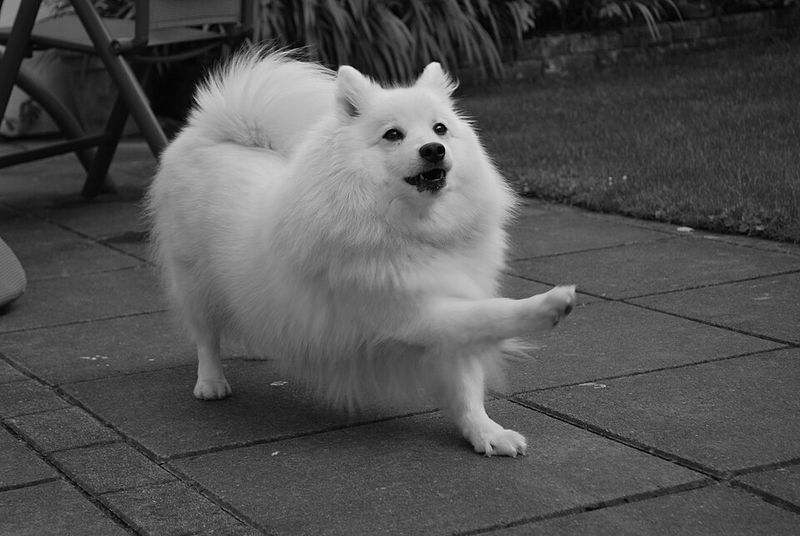
The Japanese Spitz is cheerful, sensitive, and quick to comment on every change in the room. Whining can be their soft pre alarm before barking, a way to flag uncertainty or excitement.
You will notice it around visitors, doorbells, and shifting routines.
Confidence building helps. Offer easy wins with trick training, place work on a mat, and short social exposures at comfortable distances.
Reinforce quiet observation by feeding treats while they watch calmly.
Exercise should balance brisk walks with brainy tasks like hide and seek with toys. Keep grooming gentle and positive to avoid noise from stress.
If the loop escalates, rule out itchy skin or dental discomfort, then fine tune training with consistent, compassionate timing.
American Eskimo Dog
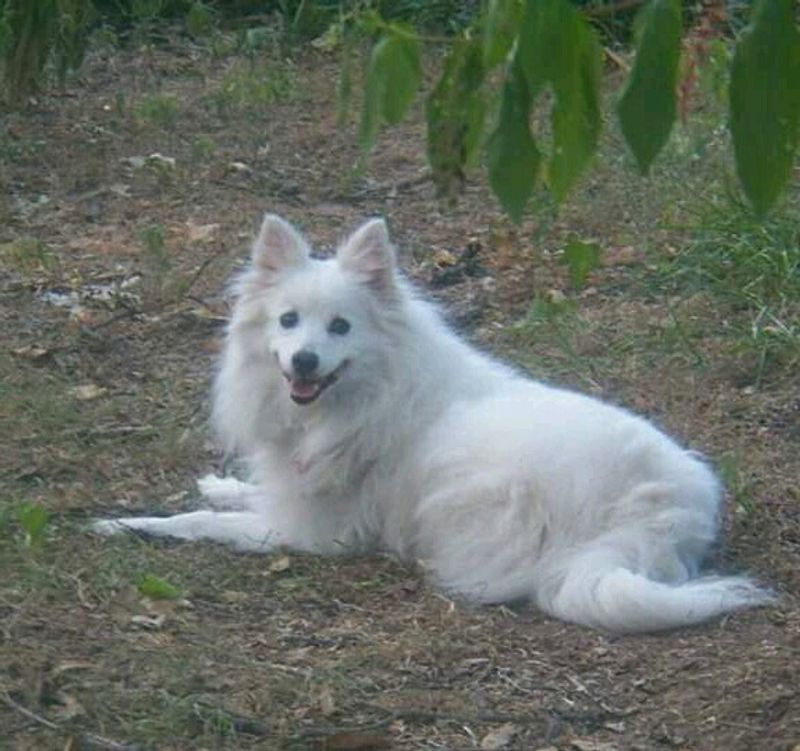
American Eskimo Dogs are animated communicators with minds that sprint. Whining often announces anticipation, frustration, or intel about squirrels.
Without outlets, they compose full soundtracks, and you become their audience.
Channel energy into structured games like fetch with impulse control, and teach settle on a mat after play. Use food puzzles and scatter feeding to meet foraging instincts.
Catch quiet moments and pay generously, so calm earns more than noise.
Social butterflies by nature, they dislike long lonely stretches. Rotate chew projects and provide a view block if window watching fuels loops.
If separation whining persists, work on short departures and returns, gradually stretching time, and consult a trainer for personalized pacing.
Keeshond
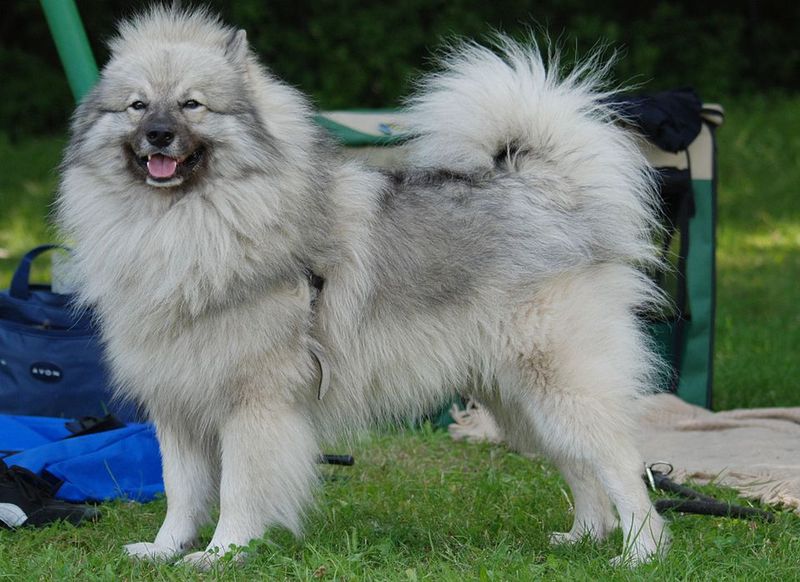
Keeshonden wear their hearts on their fluff. Whining often surfaces as social glue, a hey are we together check in sound.
They thrive near you and can loop when doors close, conversations start, or your keys jingle.
Promote independence with settle stations in different rooms, pairing quiet with long lasting chews. Practice out of sight stays for seconds, then minutes, returning before tension climbs.
Reinforce greeting guests only after calm.
Daily mental exercise prevents boredom hums. Try scent trails in the yard, trick chains, and supervised dog friend meetups.
If the loop hints at separation distress, go slow with desensitization and skip big goodbyes. Support joints with comfy beds, since discomfort can nudge the volume dial.
Beagle

Beagles are scent detectives with musical opinions. While bays get headlines, the warm up whine is their investigative soundtrack.
It bubbles up when a smell trail is blocked, when dinner delays, or when the family splits into different rooms.
Nose work is the cure and the reward. Hide treats, set simple tracking lines, and give permission to explore.
Teach a wait cue, then release to sniff so patience pays off.
Crate training should feel like a den with soft bedding and chews. Avoid scolding, which can escalate noise.
If you share walls, choose muffling rugs and offer pre walk decompression sniffaris. A well tired nose equals a quieter mouth, and neighbors will thank you.
Basset Hound
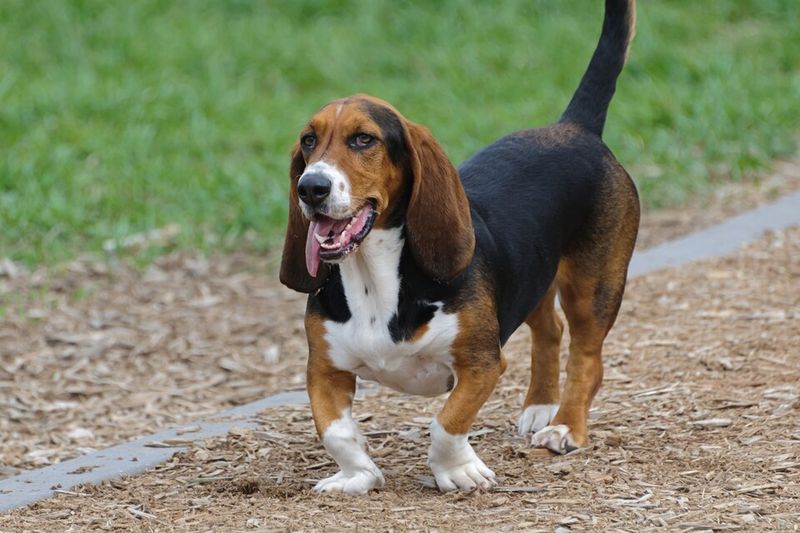
Basset Hounds carry a melancholy face and a surprisingly persistent whine. Much of it is social commentary about comfort, hunger, or missing you by six inches.
Their noses run the agenda, so blocked access to smells often triggers vocal loops.
Keep routines predictable, with slow sniff walks and food puzzles that work with their long ears. Reinforce quiet by delivering treats to their bed when they settle.
Use low platforms to protect backs and joints, reducing discomfort induced complaints.
They are sensitive souls, so harsh corrections backfire. Gentle guidance, patience, and a comfy mattress go far.
If whining spikes at night, evaluate pain, bathroom schedules, and room temperature, then make small adjustments before bedtime.
Cocker Spaniel

Cocker Spaniels can be tender hearted and talkative, with a whine that often signals emotional overflow. Grooming sessions, doorbell drama, and family reunions can all kickstart loops.
Sensitive ears and skin make comfort a big deal.
Normalize handling with cooperative care training, pairing ear checks and brushing with treats. Short, upbeat training builds confidence, while sniffy walks decompress busy brains.
Teach place on a mat near the action so they can participate calmly.
Reinforce quiet before attention, and use soft music during downtime. Watch for ear infections, a common pain trigger that magnifies noise.
If alone time sets off worry, practice tiny departures, reward stillness, and stretch the time gradually without pushing panic.
Sheltie
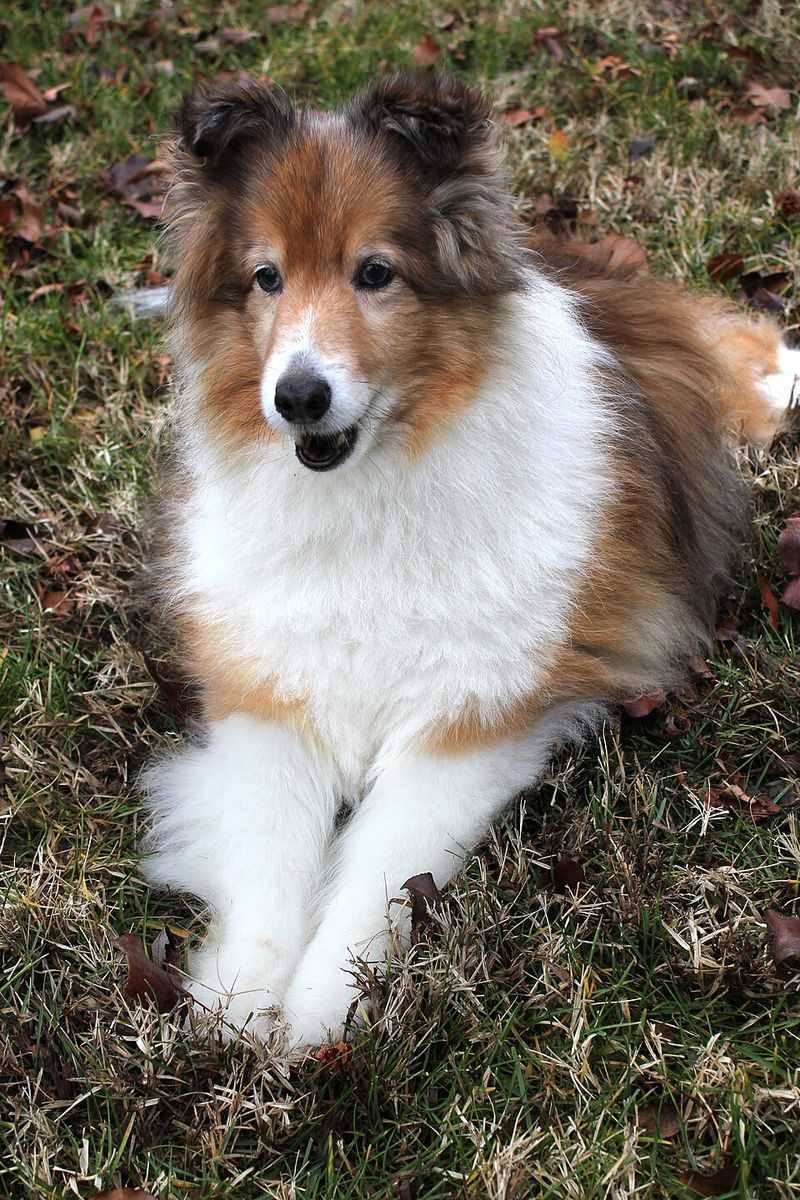
Shelties are sharp herders who narrate movement like sports commentators. Whining appears when they anticipate action, try to gather people, or feel underworked.
It is often a prelude to excited barking and heel nipping in playful herding attempts.
Give structured jobs. Teach target to a mat, heel games, and trick chains to burn mental fuel.
Agility basics or rally style moves at home help satisfy work cravings.
Manage the environment by blocking constant window duty and rewarding quiet observation. Use calm greetings and scatter feeding to interrupt motion fixation.
Check for noise sensitivity, and consider sound desensitization playlists. A fulfilled Sheltie is still talkative, but the commentary gets charming, not overwhelming.
Finnish Spitz
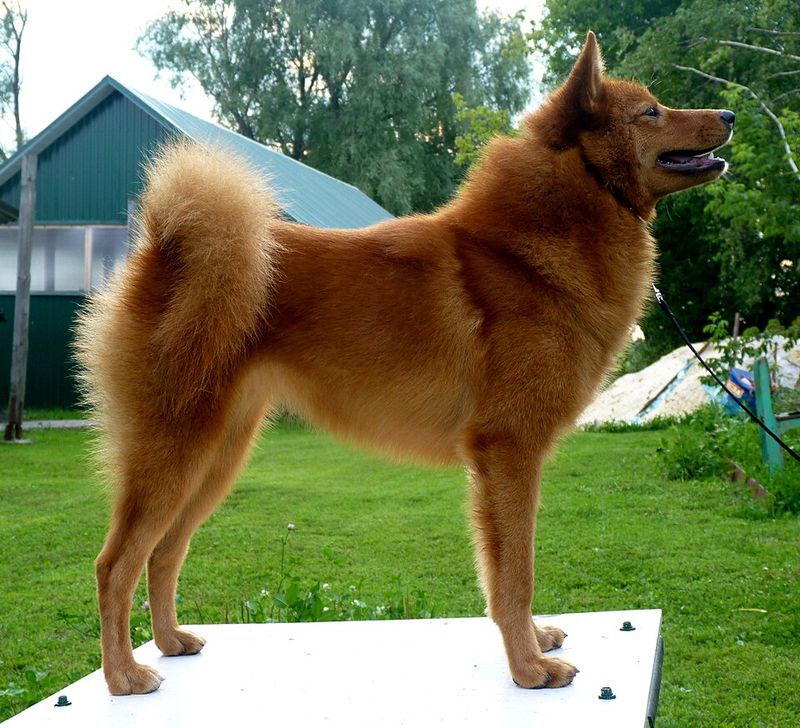
Finnish Spitz are natural callers, historically alerting hunters with melodic voice. Whining is the delicate thread before they spool into barks, especially when birds flit or squirrels rustle.
Expect loops when excitement rises without an outlet.
Lean into nose and sight games. Teach a watch me cue, then reward for holding focus while distractions pass.
Schedule fast paced play, then cue settle on a mat to flip the arousal switch.
Neighborhood life can overfeed triggers, so use hedges, window film, or strategic routes. Reinforce quiet early and often, paying calm before noise.
If anxiety lingers, explore vet ruled health checks and tailored training plans to keep their beautiful voice under voluntary control.