
Dog daycare chats are buzzing again, and you are probably wondering if your pup is at risk. Owners are comparing notes about coughs, weird fatigue, and stubborn infections that do not respond like usual.
While solid data is still catching up, certain breeds pop up more often in daycare exposure threads. Here is what people keep mentioning, plus practical context to help you stay calm and prepared.
French Bulldog
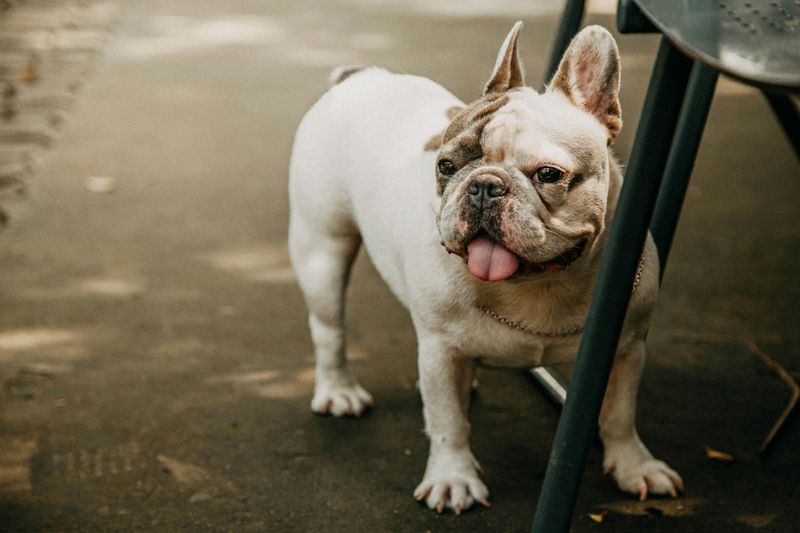
French Bulldogs show up constantly in daycare exposure threads, often with mentions of snorting, coughing, and lingering congestion. Their compact airways can make any respiratory bug feel tougher, which fuels anxiety when chatter spikes.
You want reassurance, but early vet contact and rest usually make the biggest difference.
Owners report sudden fatigue after busy daycare days, with dry hacking that sometimes morphs into a wet cough. Hydration, humidifiers, and controlled activity are frequently praised by community members.
If symptoms persist beyond a few days, testing for common pathogens and secondary infections is smart.
People also discuss vaccination updates, including Bordetella and influenza timing. Ask your daycare about air exchange, sick policies, and outdoor rotations.
You are not overreacting by asking detailed questions.
Pug
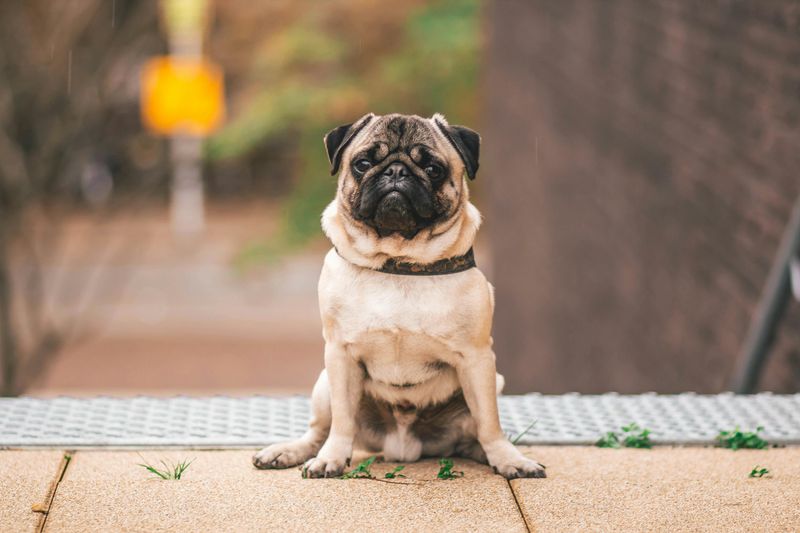
Pugs are often cited when daycare cough conversations flare, largely because of their brachycephalic anatomy. You might notice noisy breathing turn rougher after group play, especially in dry air.
Owners say a quick pause from daycare and vigilant monitoring can prevent small issues from escalating.
Common reports include raspy coughs, reverse sneezing, and sticky nasal discharge. A humidifier by the crate can help, along with vet-guided cough suppressants when appropriate.
Keep walks calm until breathing normalizes, and avoid hot or dusty environments.
People compare notes about boosters, masking symptoms with excitement, and tracking appetite. If lethargy or fever appears, schedule a check fast.
Clear communication with daycare about recent illness among attendees can save you guesswork.
Boston Terrier
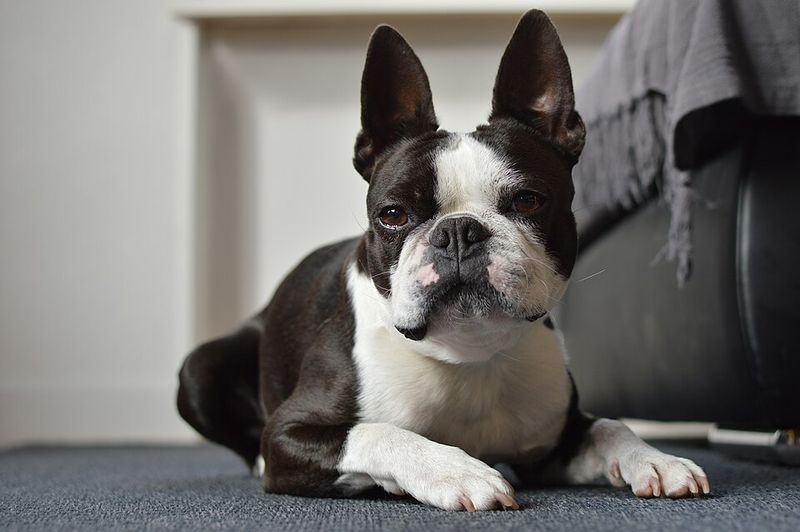
Boston Terriers come up frequently in daycare illness threads with talk of stubborn coughs and snorting. The compact face can magnify irritation from airborne particles and shared play spaces.
You will see owners recommending shorter stays, trial days, and careful observation the evening after pickup.
Typical chatter mentions dry hacking after nap time, occasional green discharge, and throat clearing. A vet visit rules out pneumonia or flu when symptoms linger.
People swear by rest, hydration, and skipping intense fetch for several days.
Community tips include checking HVAC filtration, outdoor breaks, and cohort grouping in daycare. You can ask for a slower reintroduction schedule after illness.
Keep notes on symptom timelines, medications, and how quickly breathing calms during sleep.
Cavalier King Charles Spaniel

Cavalier owners often report soft, persistent coughs after busy daycare days, especially during seasonal spikes. Because Cavaliers can have underlying cardiac considerations, you should not ignore prolonged coughing.
Many threads suggest early vet evaluation if breathing sounds effortful or nighttime coughs increase.
People describe mild fever, reduced appetite, and lethargy that respond to rest and hydration. When symptoms drag, vets may test for bacterial complications or canine flu.
Gentle enrichment at home replaces daycare until energy rebounds.
Community conversation highlights spacing vaccines thoughtfully and confirming sick-dog isolation policies. Ask how frequently toys and bowls are sanitized and whether indoor ventilation meets standards.
You will feel better when you know their cleaning schedule and air exchanges per hour.
Pomeranian
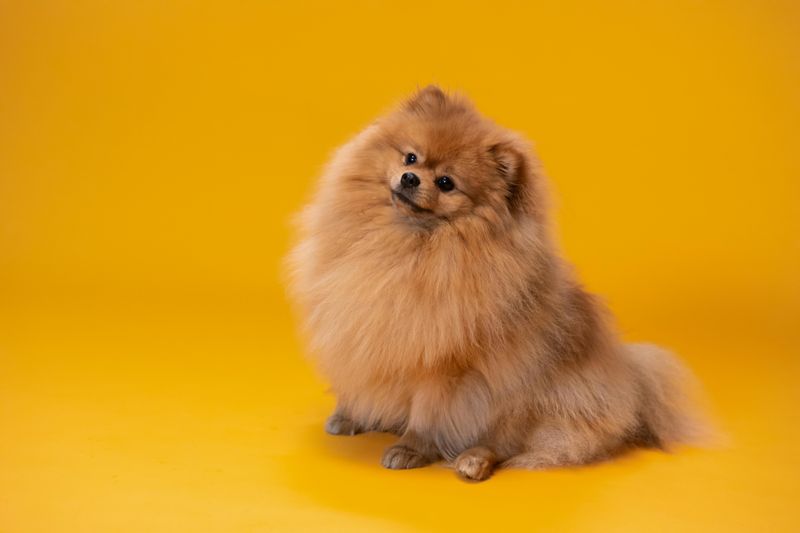
Pomeranians appear in daycare illness posts with mentions of hoarse yips turning into coughs. Their small size and big energy can mask early fatigue after exposure.
You will see owners advocate for shorter play blocks and quick rest at home with water nearby.
Common notes include occasional retching, nasal crusting, and a weird honk that scares new owners. A vet exam helps separate routine kennel cough from other issues.
Steam from a bathroom shower and calm cuddles are recurring tips.
Daycare questions worth asking: How are tiny dogs grouped, and is the environment drafty. Are surfaces disinfected between groups, and are water bowls rotated.
Keep a log of onset, appetite, and any wheeze to guide follow-ups.
Yorkshire Terrier
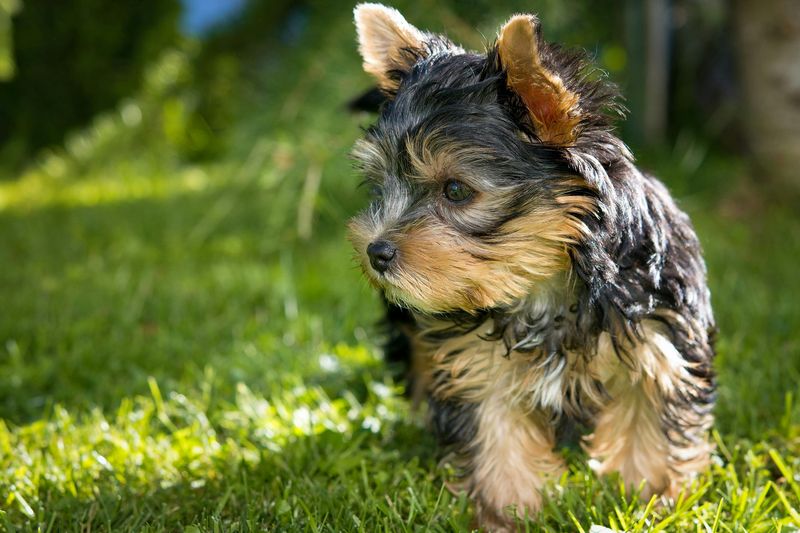
Yorkies show up frequently in exposure threads, with owners describing delicate throats and stubborn tickle coughs. You may notice a dry hack right after excitement or pickup.
Rest and small, frequent sips of water are commonly recommended by seasoned owners.
Reports mention intermittent sneezing, reverse snorts, and mild eye goop. If coughing disturbs sleep or lasts beyond a week, most people schedule a vet visit.
Nebulizing with sterile saline under guidance can be helpful for some cases.
Questions to raise with daycare: ventilation checks, small-dog grouping, and staff illness policies. Ask for immediate notification if coughing dogs attend.
You will feel empowered when you align daycare routines with your Yorkie’s sensitivities and track recovery signs carefully.
Maltese
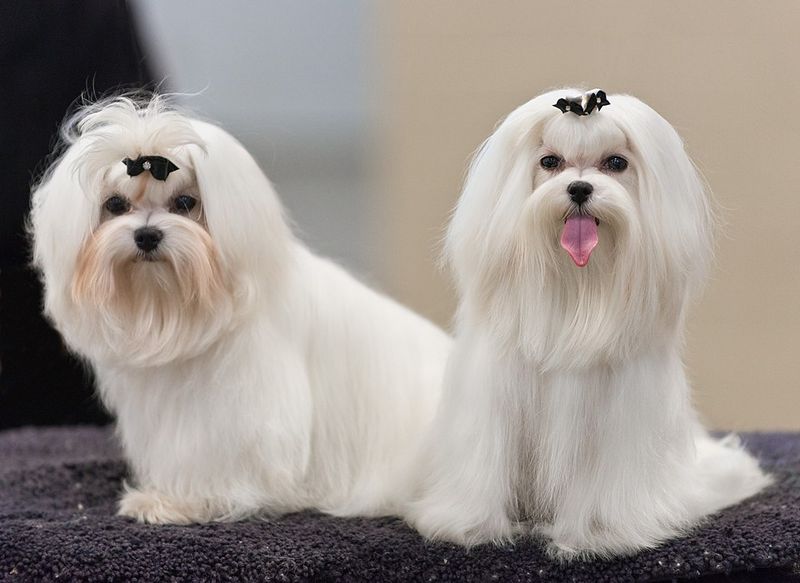
Maltese owners often discuss gentle but persistent coughs after social days, plus watery eyes. Because coats are long and faces low to the ground, dust exposure can add irritation.
You will see people recommending grooming away face hair and wiping paws after daycare.
Threads describe short bursts of coughing followed by normal play, then crashing tired. If eating dips or cough worsens, vet evaluation is advised.
Many report improvement with rest, humidifiers, and avoiding heavy perfumes or cleaners at home.
Ask daycare about cleaning agents and scent intensity, which can aggravate sensitive airways. Confirm separate zones for small seniors.
Keep a simple symptom diary so your vet can assess trends and decide if antibiotics or antivirals are necessary.
Shih Tzu
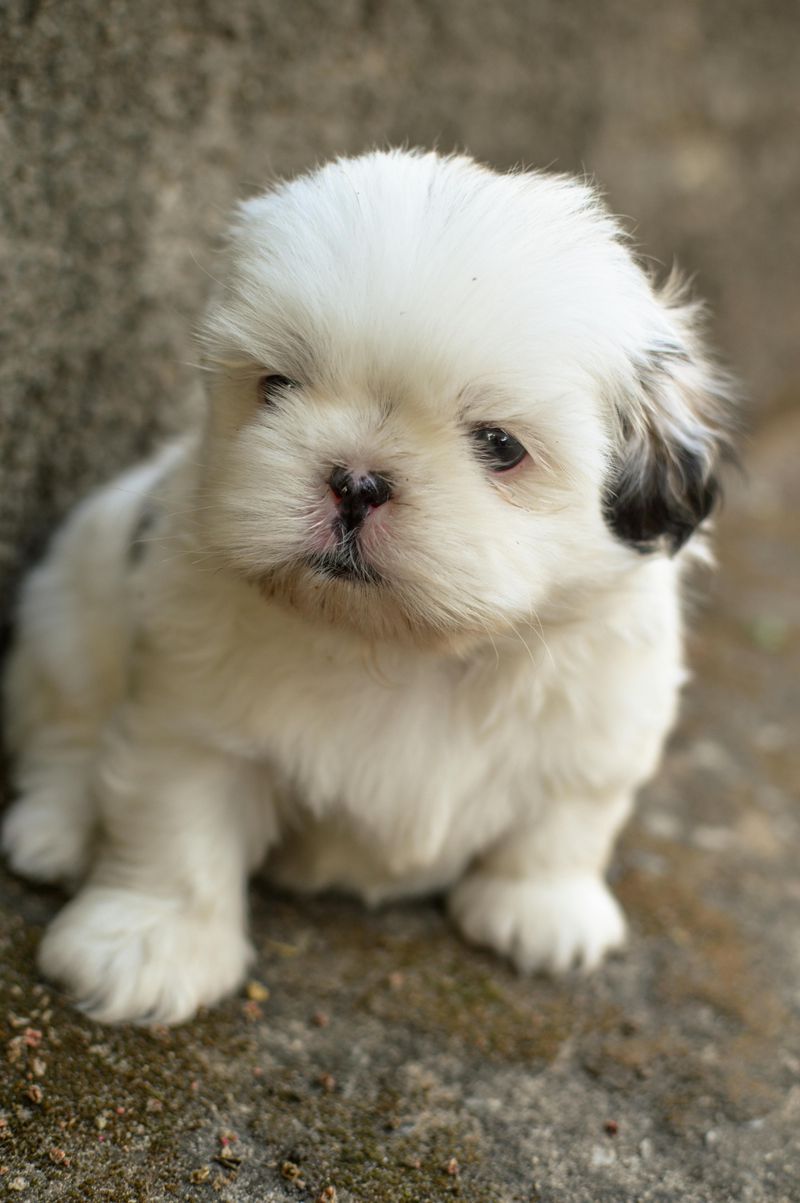
Shih Tzus are named frequently when daycare cough posts resurface, with raspy throat sounds and reverse sneezing. Flat faces can intensify inflammation from routine bugs.
You will benefit from spacing daycare visits during active community outbreaks and monitoring closely after pickup.
Owners report occasional mucus plugs, gagging, and tired evenings. Many swear by saline nose drops and short steamy bathroom sessions.
If cough disrupts sleep or appetite drops, reach out to your vet promptly.
Questions to ask: Do they cluster brachycephalic dogs separately. How quickly do they isolate a coughing dog.
Pair your Shih Tzu with calmer groups, and keep emergency contacts set in the daycare profile so staff can act fast.
Lhasa Apso
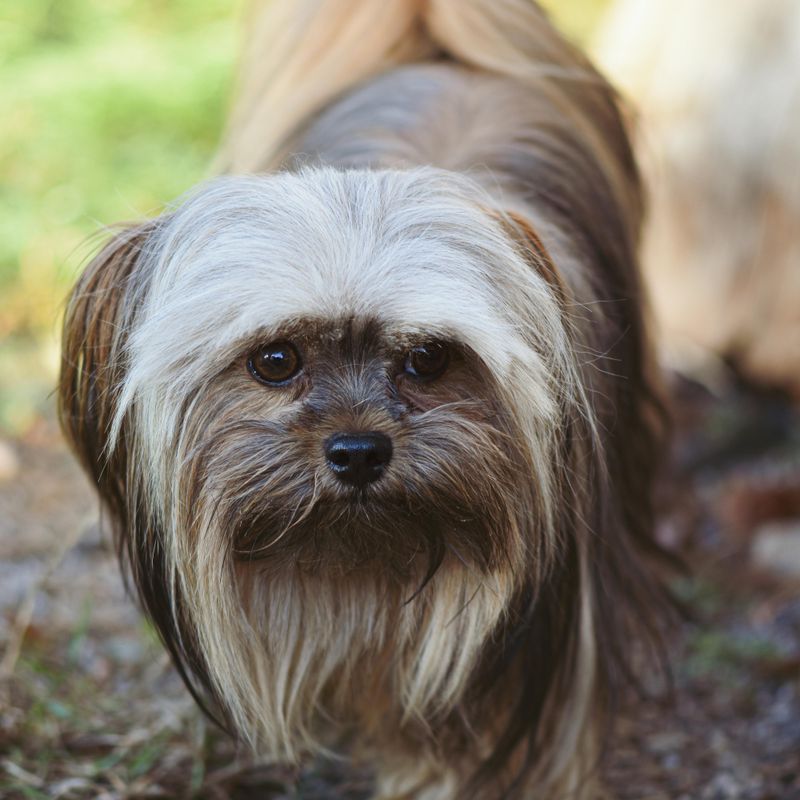
Lhasa Apsos get mentioned for low, throaty coughs that come and go after daycare exposure. Their sturdy build hides fatigue, so you might miss early signs.
Owners in threads recommend a quiet week at home, gentle sniff walks, and easy hydration.
People report mild fever, occasional snorts, and thicker nasal discharge if untreated. Vet checks help rule out complications and guide targeted meds.
Home care often includes humidifiers, rest, and avoiding heavy play with larger dogs during recovery.
Ask daycares about rotation schedules and time outdoors, which can reduce indoor aerosol load. Confirm staff are trained to notice subtle coughing.
You will feel prepared when you plan a reintroduction timeline based on your dog’s energy and breathing comfort.
Japanese Chin

Japanese Chin owners often flag delicate breathing and dramatic reverse sneezes post daycare. The breed’s petite frame and short muzzle can amplify small irritations.
You can reduce risk by choosing quieter playgroups and limiting indoor time during local spikes.
Threads mention brief cough flurries, watery eyes, and intermittent lethargy that resolves with rest. When anything lingers or deepens, a vet swab panel is common next step.
People appreciate quick updates from daycare if any classmates go home coughing.
Request details on ventilation rates, air purifiers, and staff training. Bring your own labeled water bowl to encourage familiar drinking.
You will feel more confident balancing social enrichment with respiratory caution when communication stays clear and proactive.
Pekingese
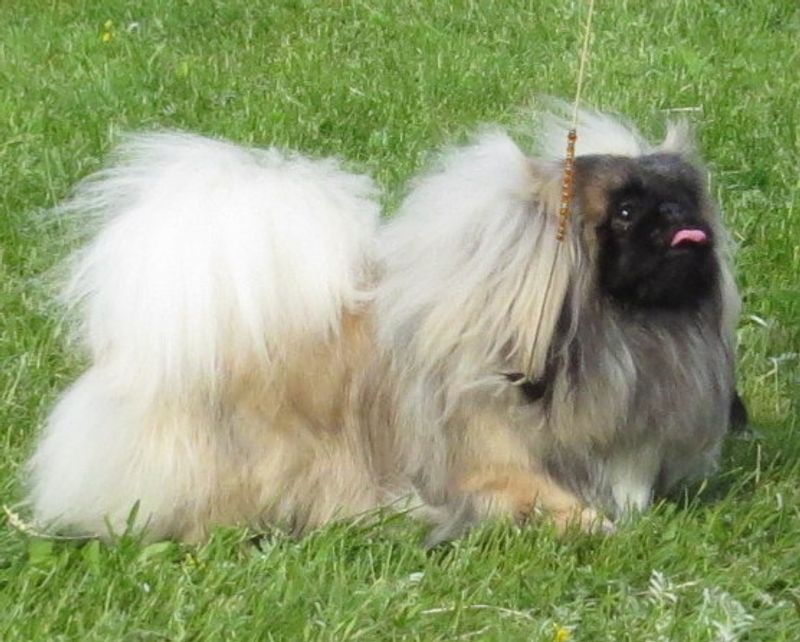
Pekingese show up in daycare illness chatter with talk of grumbly breathing and post-play coughs. Their brachycephalic build means swelling can feel more intense.
You will often see recommendations for shorter stays, quiet naps, and immediate vet checks if breathing seems labored.
Owners describe gurgly throat sounds, occasional gagging after water, and a tired evening slump. Many say humidifiers and cool mist help.
If the cough persists or fever appears, testing and targeted treatment calm nerves and guide recovery.
Ask daycares about cohort size, airflow, and isolation rooms. Clarify pickup calls when symptoms begin.
You can gradually reintroduce daycare with careful observation, focusing on calm play partners and clean, well ventilated rooms to reduce flare ups.
Chihuahua
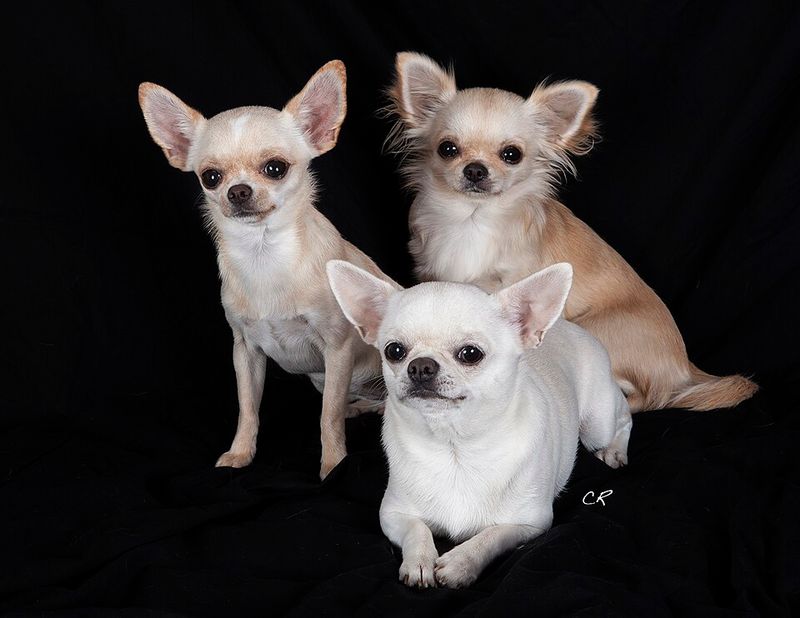
Chihuahuas surface often in daycare threads describing sudden honks, tiny sneezes, and energy dips. Their size makes dehydration more noticeable, so keep water accessible after pickup.
You can also schedule shorter sessions while communities discuss mystery illness waves.
Reports include occasional retching, throat clearing, and clinginess at home. Most owners rest their dogs for several days, then reassess.
If cough deepens, a vet visit with chest auscultation and swabs is prudent.
Daycare conversations emphasize ventilation, small-dog grouping, and fast isolation. Ask about recent illness notifications and cleaning frequency.
You will feel empowered making clear plans with staff and tracking symptoms, appetite, and temperature so small issues do not sneak past your attention.