
Your dog explodes into laps around the living room just as you finally sit down. Sound familiar?
Those night zoomies are not random chaos, and they are definitely not your dog being “naughty.” Once you understand the real reasons behind evening wildness, you can turn the mayhem into calm, happy routines that actually stick.
Too little daytime enrichment
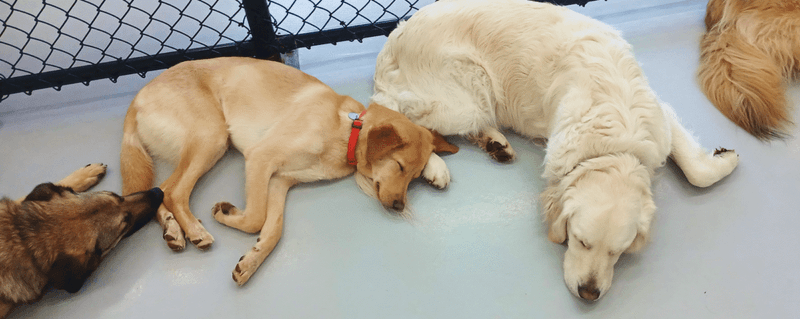
When daytime is a snooze fest, energy builds like a pressure cooker. Your dog needs mental workouts as much as physical ones, or that unused brainpower erupts as night zoomies.
Short sniffy walks, puzzle feeders, and scatter feeding keep the pot from boiling over.
Think variety, not intensity. Rotate toys and simple training games so novelty stays high and frustration stays low.
You are aiming for meaningful engagement, not exhaustion.
Plan two to three enrichment bursts through the day. Five to ten minutes each can make a huge difference by evening.
When needs are met upstream, the nighttime dam does not break downstream.
Too much late stimulation
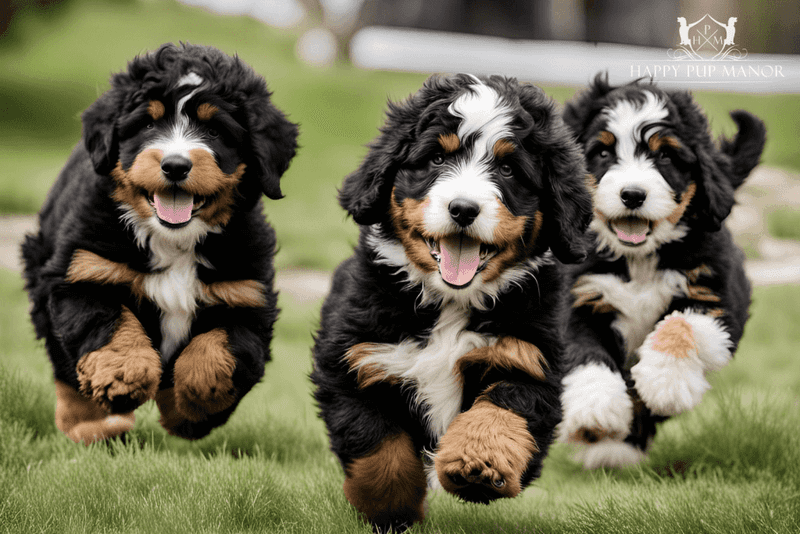
Riling a dog up close to bedtime can backfire. Late fetch marathons, rough play, or rowdy visitors spike arousal that takes a long time to settle.
The result is spirals of sprinting and barking that look like misbehavior but are really overflow.
Shift high-intensity games earlier. In the last hour, switch to lick mats, gentle scent work, or slow decompression walks.
Calm in equals calm out.
Watch for signs you have overshot: dilated pupils, zooming with wide arcs, and ignoring cues. If you see those, abort mission and give a chew in a quiet spot.
You are not “killing fun” – you are protecting sleep.
Overtired (not “under-exercised”)
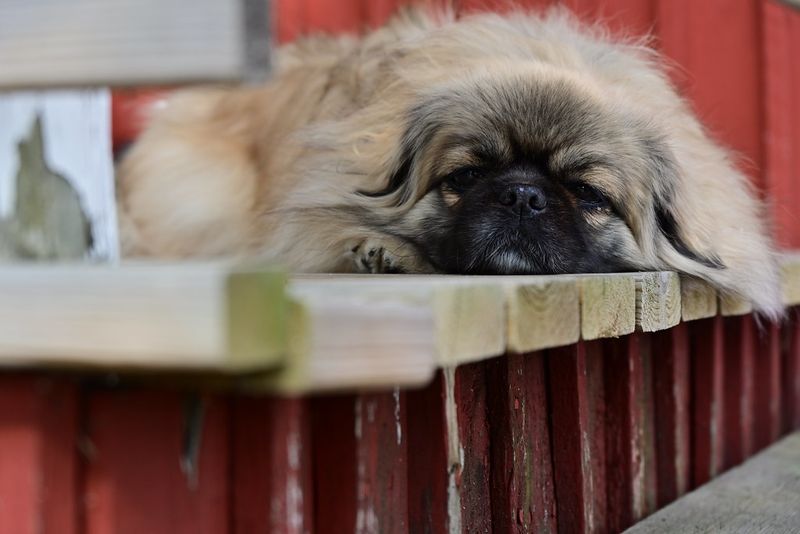
Overtired dogs look wired, not sleepy. Like toddlers, they get faster, louder, and sillier the more their tank runs dry.
Evening zoomies can be a last-ditch adrenaline push keeping them upright.
Check for overtired tells: sloppy movement, zooms that tip into nipping, and ignoring simple cues. If you notice these, you probably need rest, not another walk.
Cap intense exercise earlier and build in naps. Use a chew or stuffed Kong to help the nervous system downshift.
Balanced days are not about “more miles” – they are about thoughtful rhythms that prevent burnout and bedtime meltdowns.
No predictable bedtime routine

Dogs relax when patterns are trustworthy. If bedtime timing and steps change nightly, the nervous system stays on alert.
Zoomies fill the uncertainty gap because the body has not received a clear off switch.
Create a repeatable flow: dim lights, quick potty, short sniff, then chew in bed. Pair it with a simple phrase like “settle time.” Consistency is the magic.
Keep the environment predictable too. Same sleeping spot, white noise if helpful, and minimal last-minute chaos.
After a week of repeating the routine, you will see the anticipatory calm kick in before zoomies can start.
Evening feeding timing
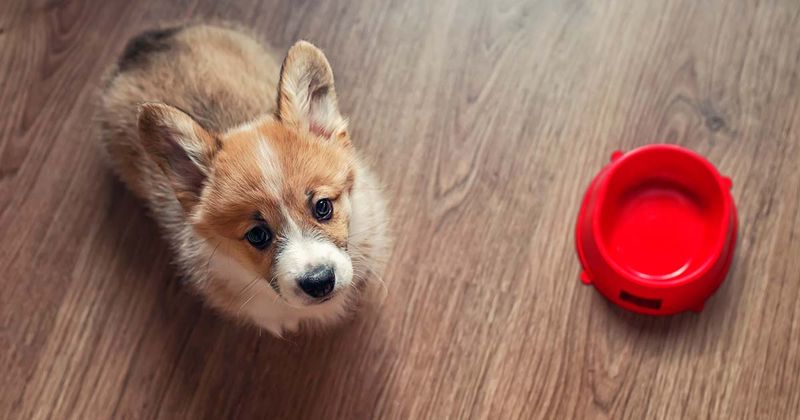
Meals act like anchors in a dog’s internal clock. When dinner is too late or too big, energy can spike or digestion can get uncomfortable, both feeding zoomies.
Some dogs also get the post-meal “zoom and poop” routine if timing is off.
Test an earlier meal or split dinner into two smaller portions. Use a slow feeder to lengthen the activity without overfilling the belly.
Gentle is better than rushed.
Track patterns for a week. You might notice zoomies fade when the gut feels settled during the bedtime window.
Small tweaks in timing often beat big changes in exercise.
Lack of decompression time
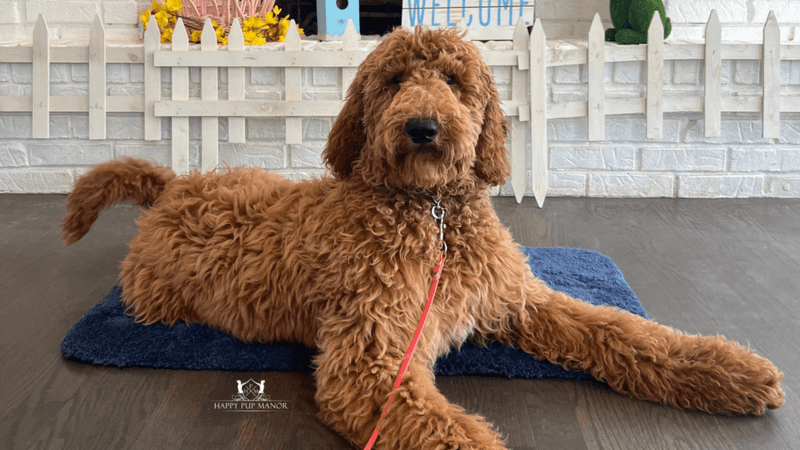
Decompression is not just a trend – it is nervous system hygiene. A slow, sniffy walk on a long line lets stress hormones taper naturally.
Skip the ball, embrace the nose, and watch the evening smooth out.
Choose quiet routes with space and soft footing. Give your dog freedom to meander and investigate.
Ten to twenty minutes can change the whole night.
Back home, keep lights low and voices soft. Offer a chew or lick mat to continue the downshift.
You are creating a gentle slide into sleep instead of a cliff dive at bedtime.
Inconsistent naps
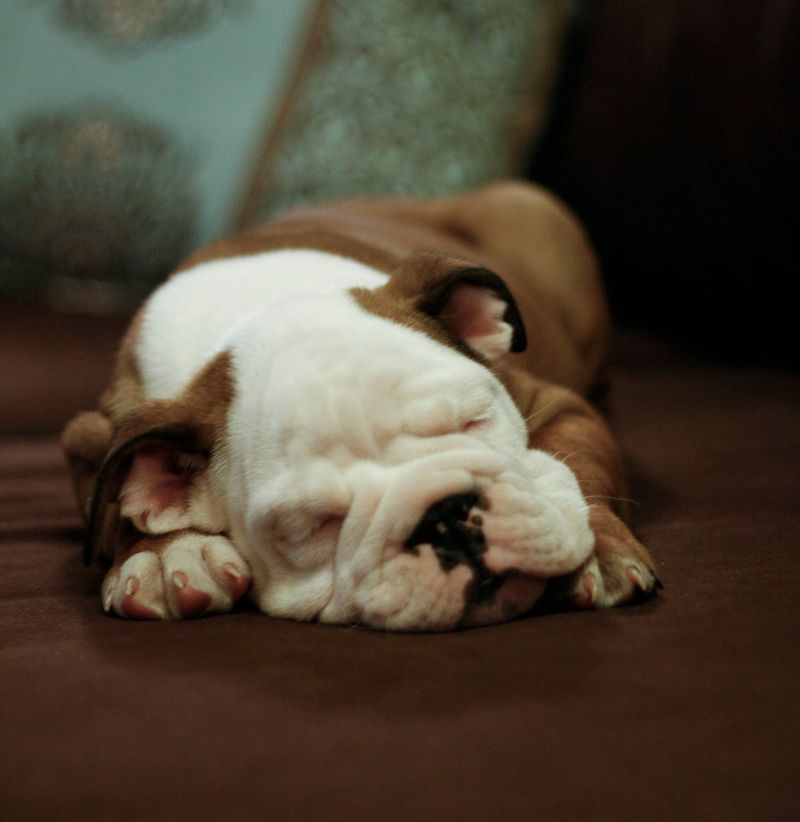
Sleep debt shows up as evening chaos. If naps are random or constantly interrupted, the brain reaches bedtime frayed and impulsive.
Zoomies become the pressure release your dog did not get midday.
Block two or three protected nap windows. Use a comfy crate or pen with a cover, white noise, and a chew to encourage rest.
This is not punishment – it is a gift.
Align naps with your schedule so they are easy to keep. After several days of consistent rest, evening behavior usually softens.
Better daytime sleep makes nighttime smoother for everyone.
Reinforced craziness with chasing/laughing
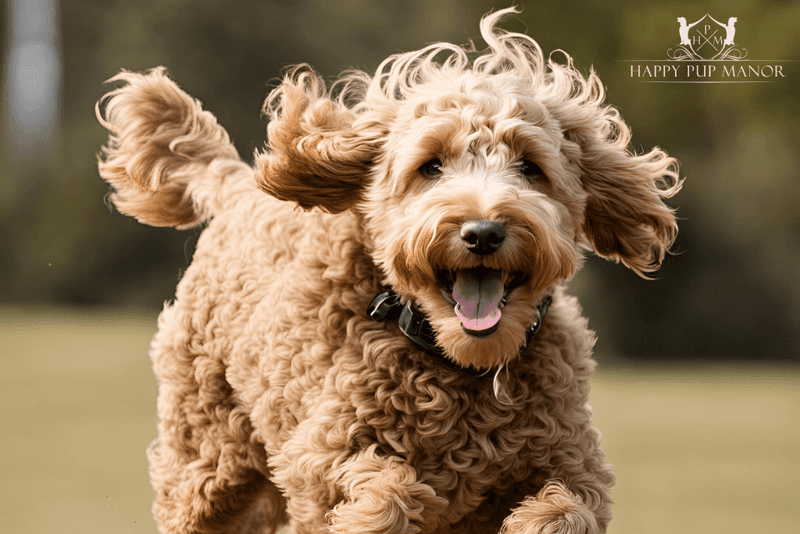
Games you do not mean to play still count. When you chase or laugh during zoomies, you reward the behavior with attention and excitement.
Your dog learns the fastest way to start a party is to go wild.
Flip the script. Freeze, avoid eye contact, and calmly guide to a quiet space with a chew.
Reward calm choices, not chaos.
Set up structured play elsewhere so fun still happens. Tug with rules, fetch with cues, and clear start-stop words.
Consistency teaches that calm turns on the good stuff and manic behavior ends the game.
Stress release after a busy day
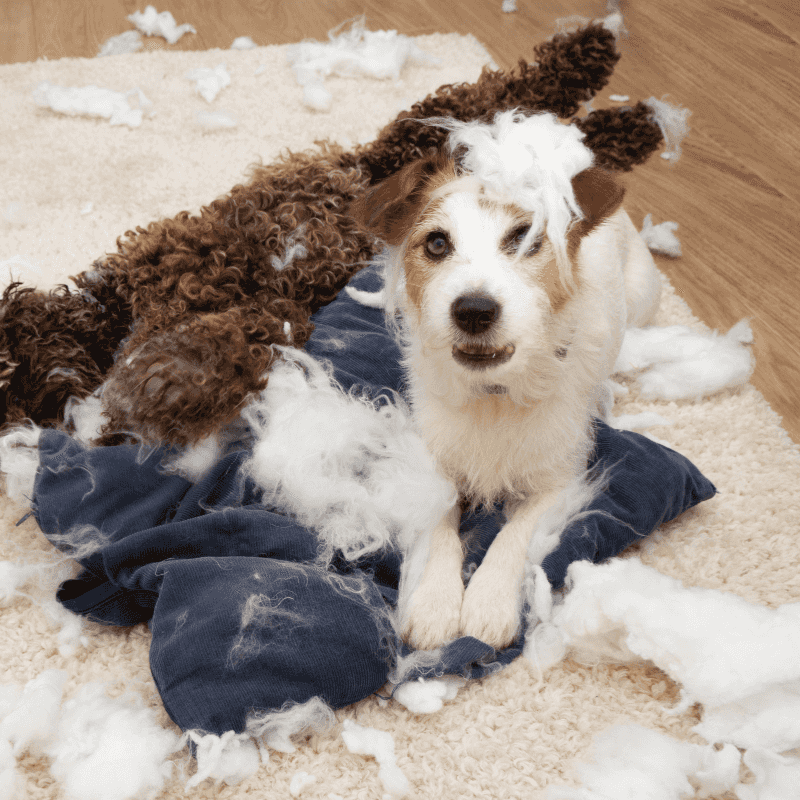
Sometimes zoomies are the nervous system’s shake-off after big days. Daycare, visitors, or city commutes load the stress bucket even when experiences were “good.” The body dumps leftover tension through sprinting, spinning, and sillies.
Offer a predictable cool-down: sniffy potty break, dim lights, then a licking activity. Licking and chewing promote calm through rhythmic motion.
Think spa, not stadium.
Advocate for breaks during busy days too. Short quiet intervals reduce the evening rebound.
When the bucket never overflows, zoomies fade into quick, harmless blips instead of full-blown episodes.
Teenage/adolescent phase spikes
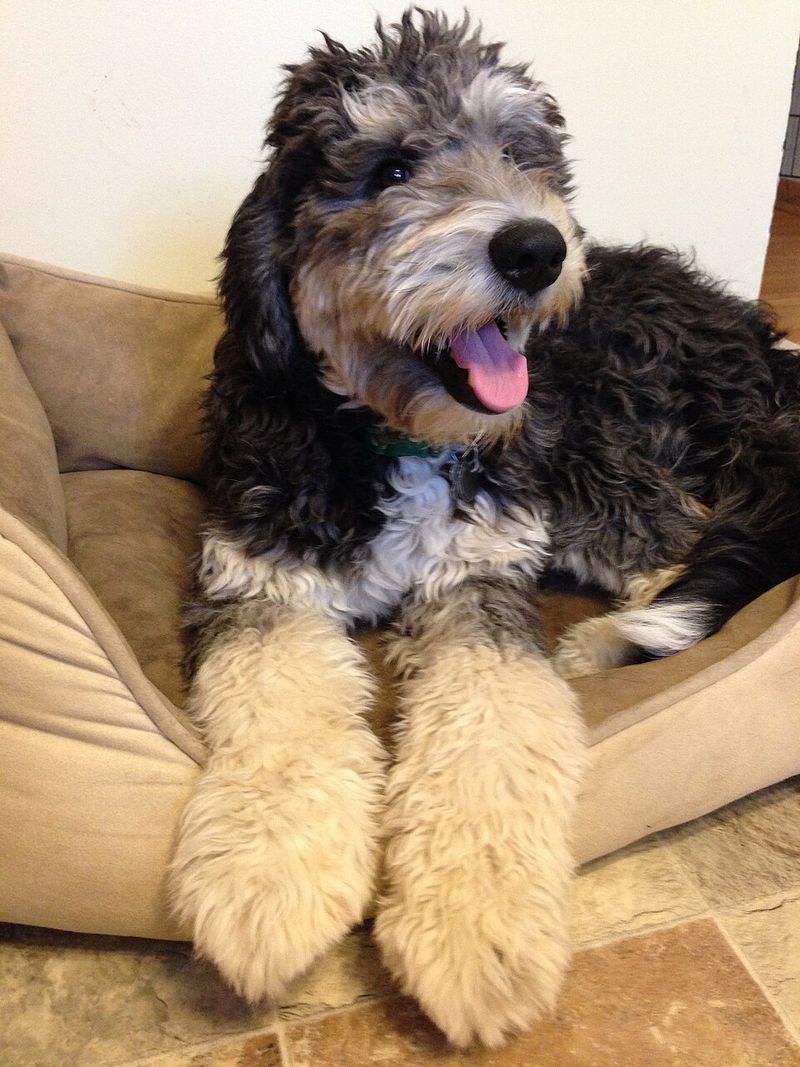
Adolescence turns dials to eleven. Hormones, brain rewiring, and confidence bursts can make evenings extra spicy.
Zoomies peak, cues slip, and patience gets tested.
Keep structure kind and simple. Short training reps, generous reinforcement for calm, and management tools like baby gates protect good habits.
You are not failing – the phase is loud.
Meet needs without overloading: balanced exercise, daily sniff time, and real naps. If things feel stuck, loop in a positive trainer or vet to rule out medical contributors.
With consistency, the storm passes and your dog’s evening rhythm settles again.