The dog that fits your wild, busy twenties might not fit your life ten years from now. Work, family, health, and energy all change, and so do your dog’s needs.
Some breeds sparkle with nonstop action, while others prefer a quiet routine. Knowing the difference can save you stress, money, and heartache later.
Border Collie
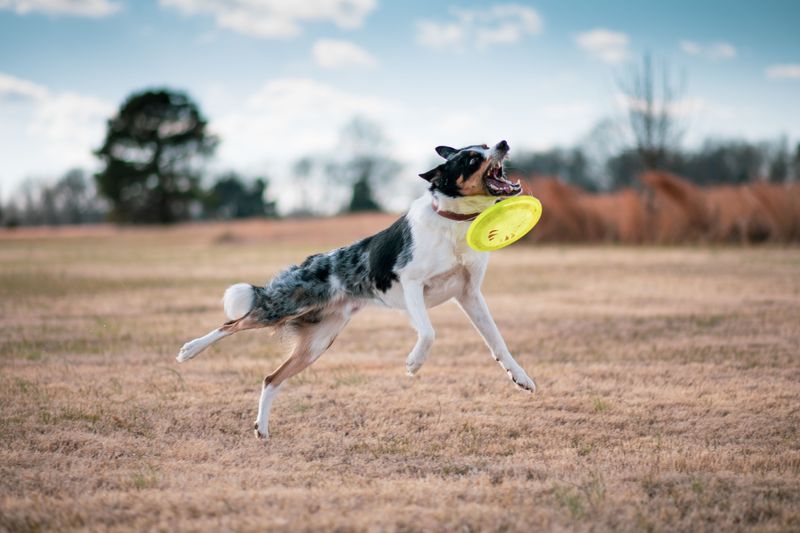
Speed plus brains can feel magical at 25. A Border Collie thrives on puzzles, sprinting, and jobs that keep its mind buzzing.
Years later, meetings and naps replace frisbee marathons, and that sharp mind invents mischief without outlets. Daily training, agility classes, and farm-style chores help in your twenties.
If life slows, swap to scent games, short herding drills, and food puzzles. Otherwise, anxiety, nipping, and nonstop pacing may appear.
Siberian Husky
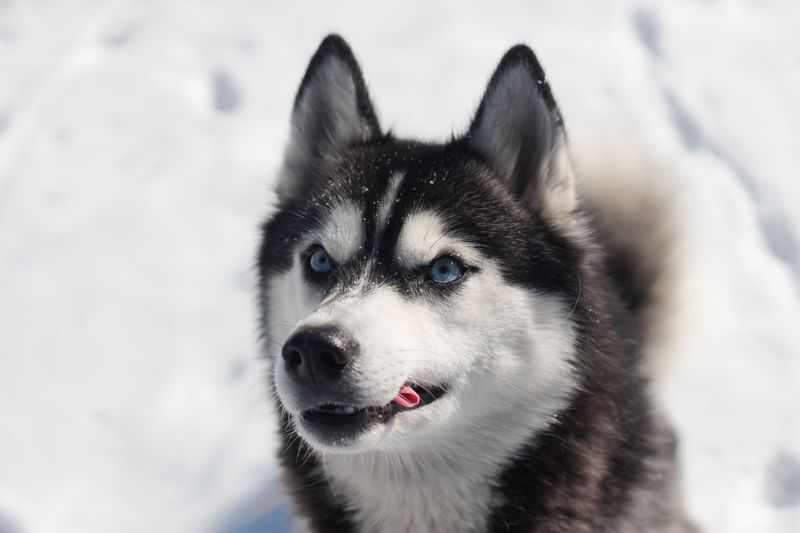
Snow-dog spirit turns sidewalks into adventures. Siberian Huskies pull hard, sing loudly, and laugh at fences that are not six feet tall.
With free weekends, long runs and skijoring dreams feel doable. Later, a smaller yard and early alarms clash with escape skills and endless stamina.
Commit to secure dig-proof fencing, backpack hikes, and daily mental work now. If time shrinks, switch to bikejoring clubs, flirt pole sessions, and treadmills to keep peace at home.
Jack Russell Terrier
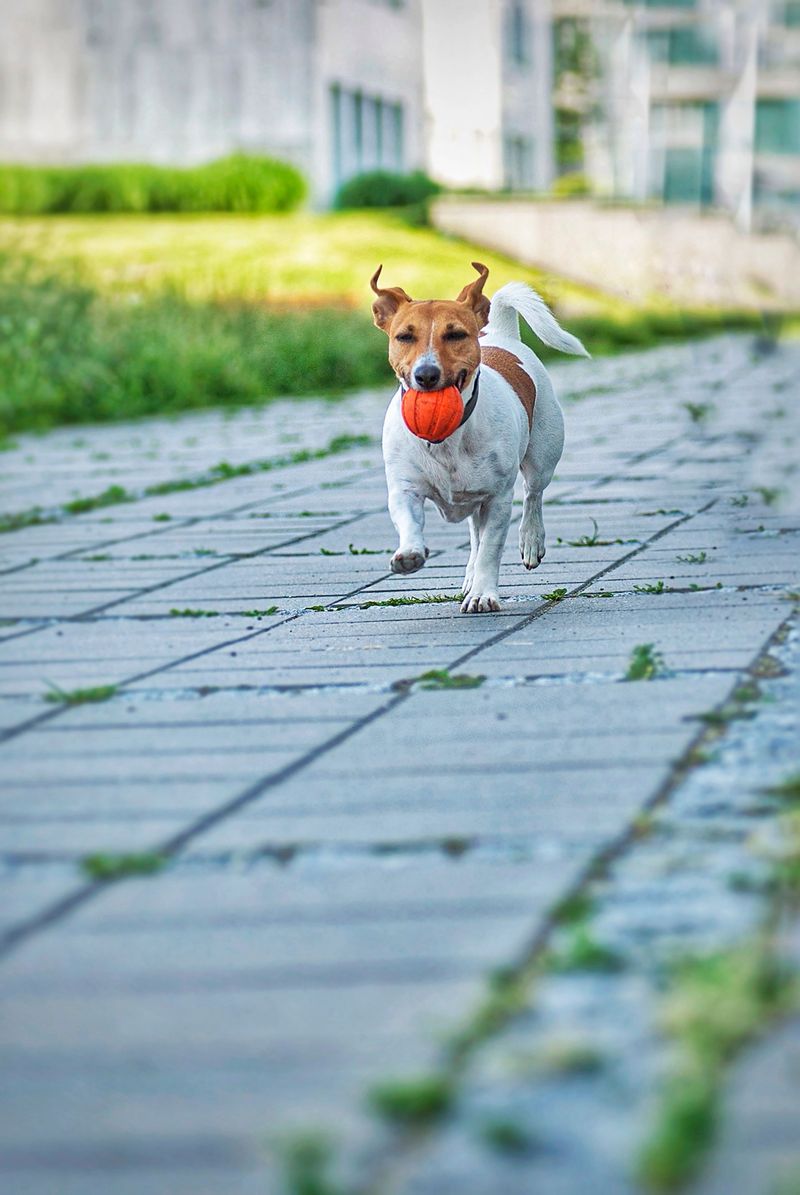
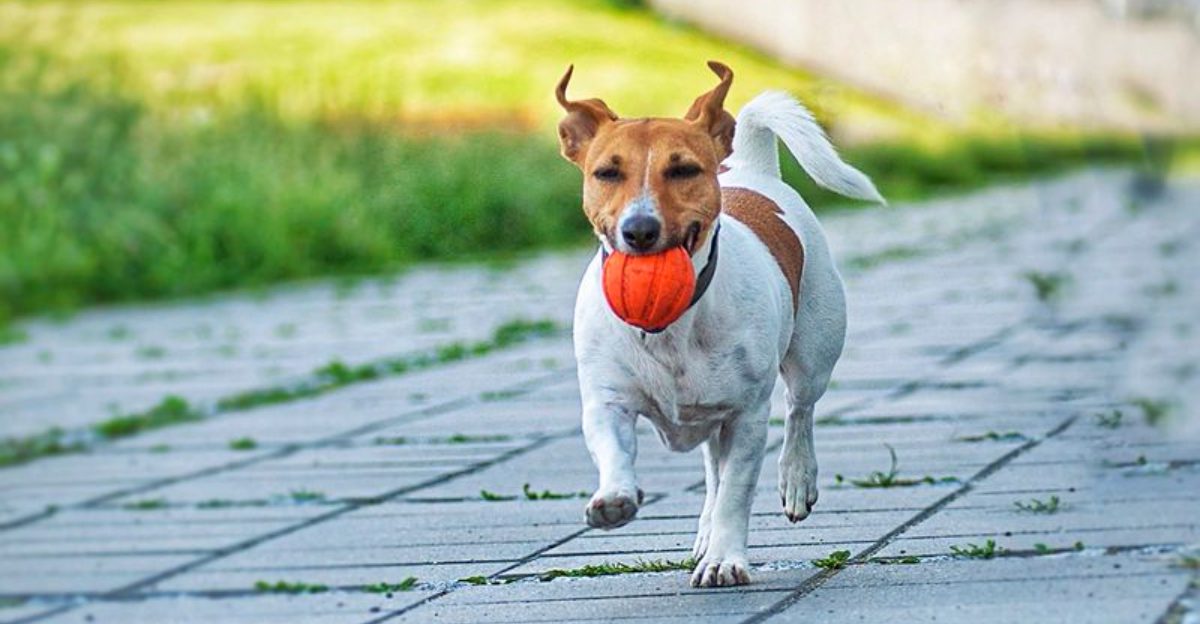
Pocket rocket is not an exaggeration. The Jack Russell explodes with curiosity, sass, and chase instincts that light up busy young lives.
As years stack up, that same spark targets couch cushions and squirrels you never noticed. Early success comes from daily fetch with rules, trick training, and supervised dig zones.
When schedules tighten, rotate chew projects, use snuffle mats, and teach calm on a mat. Without structure, barking, door dashes, and frustrated nips can rise.
German Shorthaired Pointer
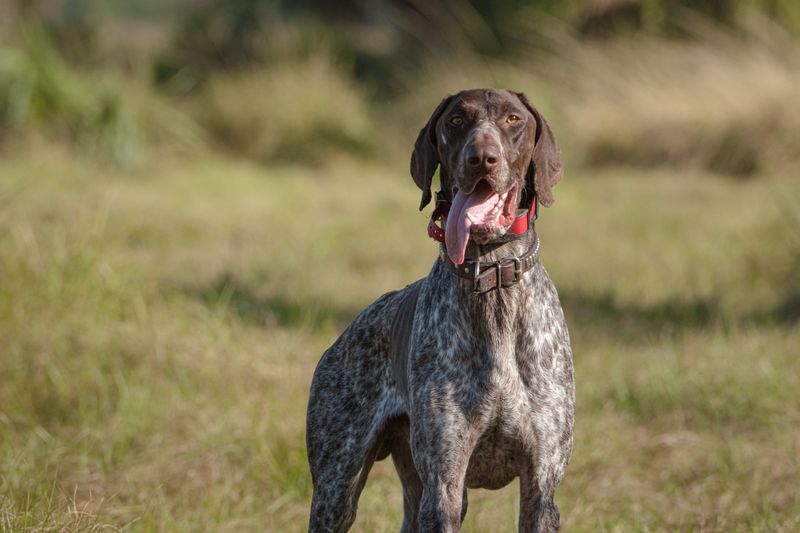
Trail runner by design, the GSP seems built for sunrise miles. That glossy athlete loves birds, water, and an all-day mission.
Fast-forward, and school pickups or a desk job cut workouts short. In your twenties, join field clubs, practice recall, and throw bumpers till sundown.
Later, pivot to nosework trials, treadmill intervals, and long-line hikes. Skip the mileage and you may see counter surfing, whining, and fence pacing from a bored, brilliant hunter.
Cavalier King Charles Spaniel
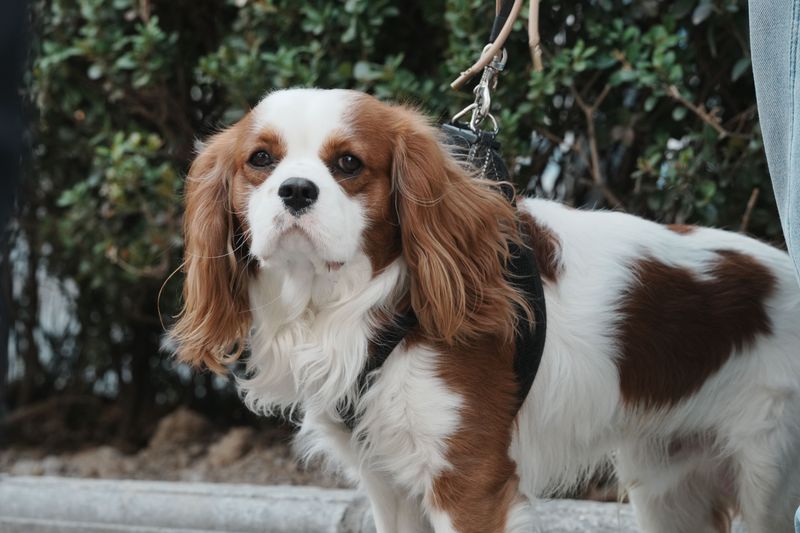
Silky ears and soft eyes win hearts fast. Cavaliers curl beside you on the couch and follow your footsteps like a shadow.
Early adulthood fits that clingy sweetness. Later, commuting or parenting can mean long lonely hours, which may trigger anxious barking and pacing.
Plan for company, gentle walks, and regular vet checks for hearts and backs. If time gets tight, hire sitters, arrange playdates with calm dogs, and teach relaxed independence using short, rewarded departures.
Basset Hound
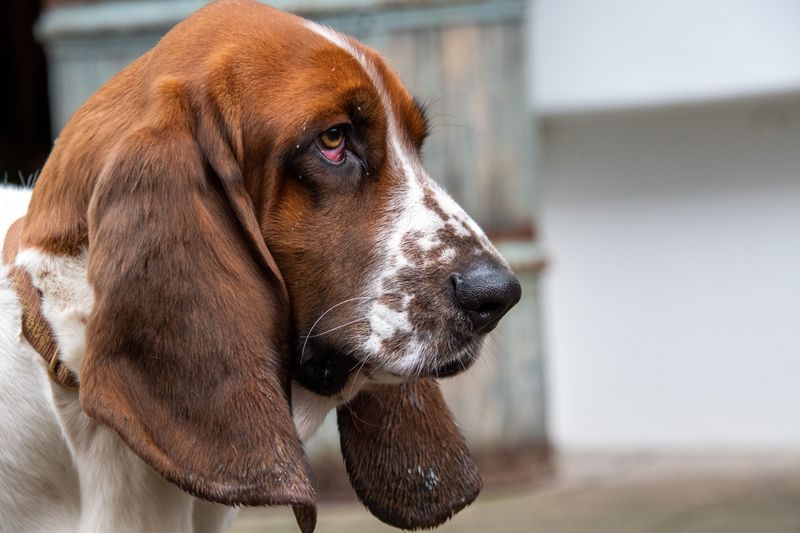
Those ears trip over their own stories. A Basset Hound sniffs first, thinks later, and prefers life at a comfy, comic pace.
Lazy Saturdays suit this vibe in your twenties. Down the road, stairs, weight gain, and back strain complicate care.
Build habits now with portion control, ramps, and slow, steady walks. When schedules change, keep enrichment low impact with scent trails in hallways, scatter feeding, and short park loops.
Without management, stubbornness grows alongside health bills.
Great Dane
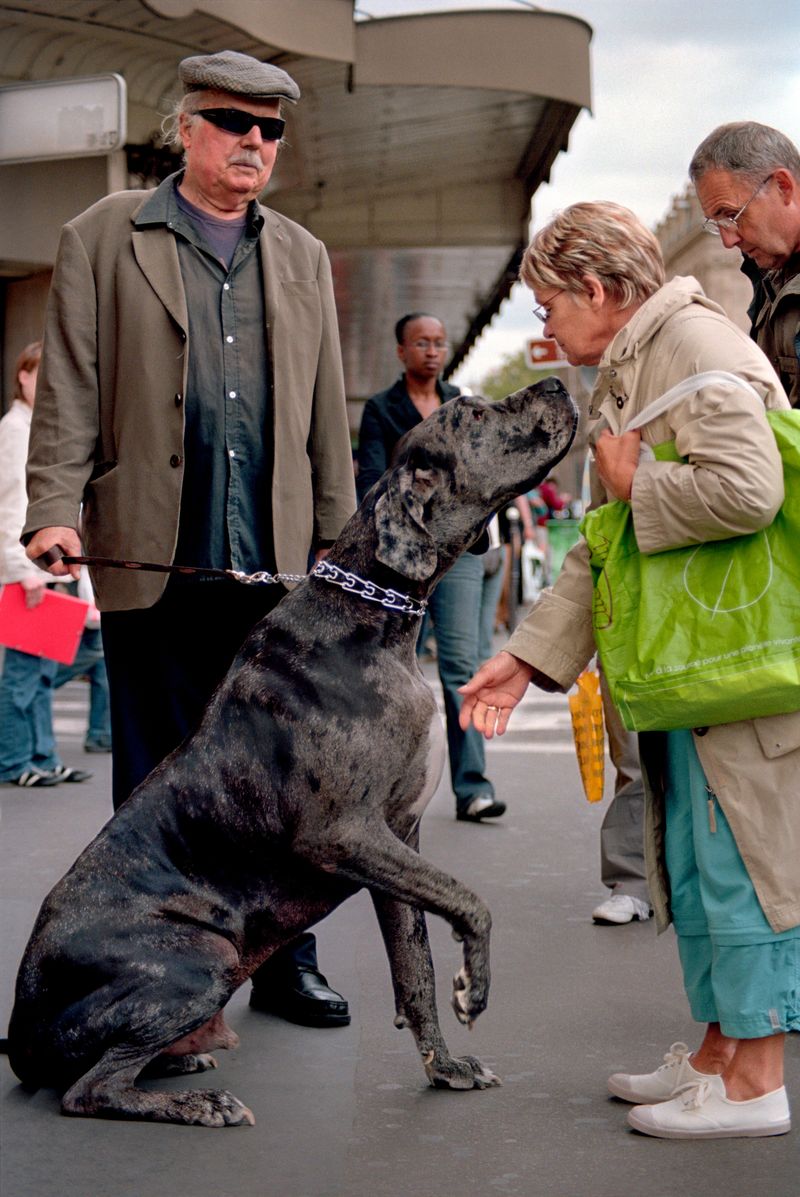
A gentle giant turns heads on every block. Great Danes stretch across sofas and soak up affection like sunshine.
Apartment life feels huge when you are young and strong enough to handle big vet visits and bigger food bills. Later, their short lifespan and joint issues hit harder.
Prepare with savings, floor rugs, and training for calm greetings. If your capacity changes, prioritize hydrotherapy, orthopedic beds, and shorter, softer walks to keep comfort first.
Miniature Schnauzer
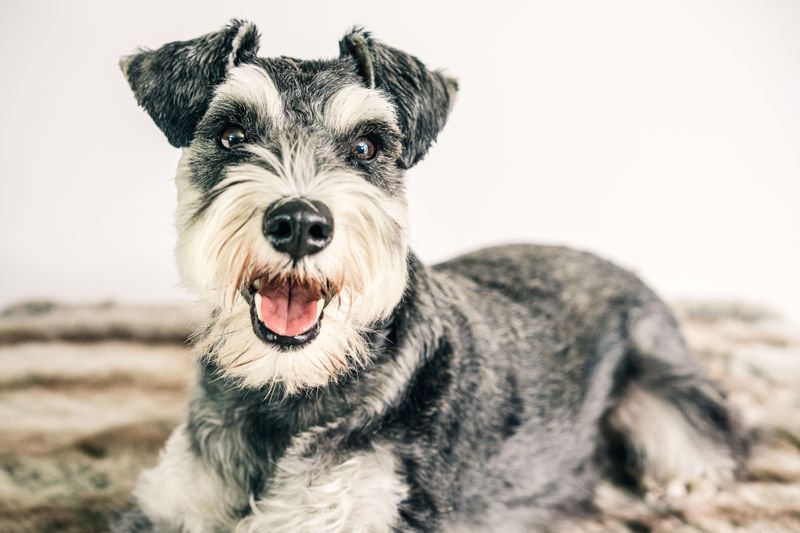
Beard with attitude, party of one. Mini Schnauzers bring watchdog spark, quirky humor, and tidy, low-shed coats.
In busy twenties, grooming appointments and training games feel fun. Years later, frequent barking and diabetes risks need steady routines.
Start hand-targeting for guest greetings, teach quiet on cue, and build brushing habits early. If life speeds up, set calendar reminders, use puzzle feeders at breakfast, and ask neighbors for midday walks to curb boredom.
Labrador Retriever
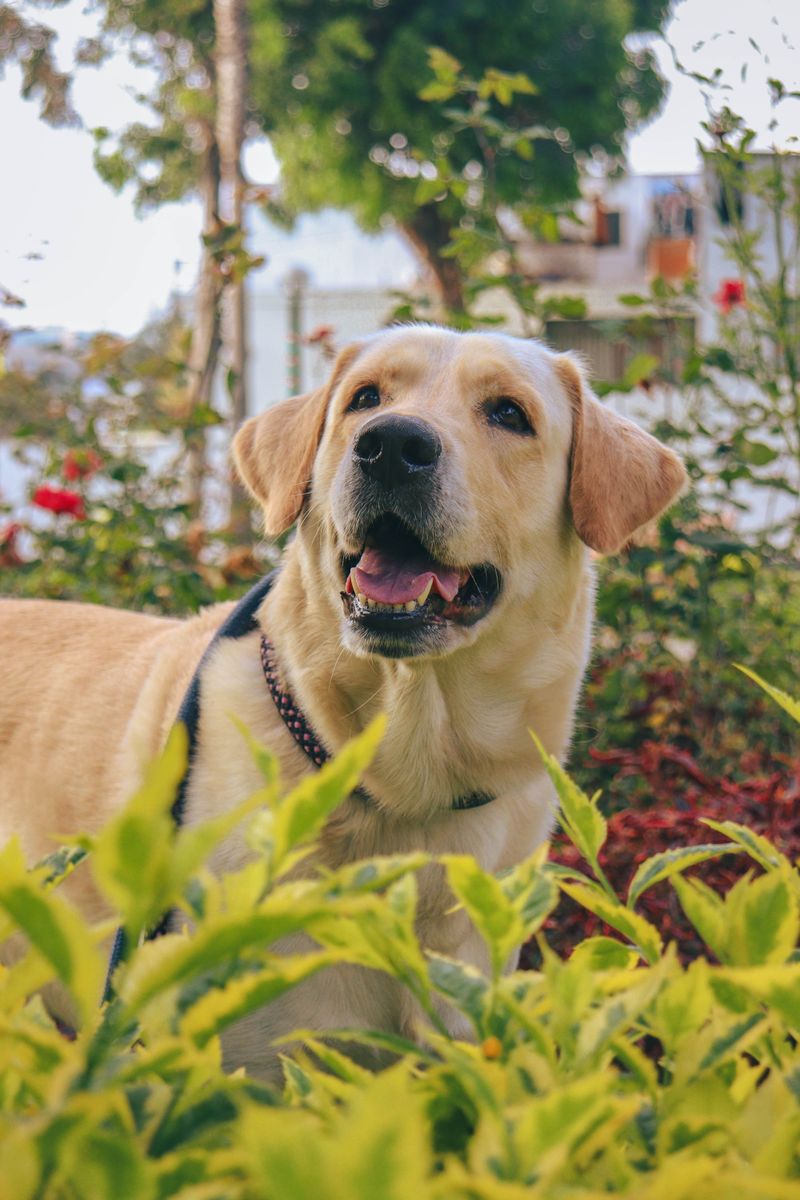
Campus legend says a Lab can fetch your heart and your sneakers in the same afternoon. Energy, appetite, and friendliness come standard.
That bounce pairs well with hikes and roommates. As careers grow, under-exercised Labs raid counters and collect pounds.
Build habits soon with structured retrieves, swimming, and rock-solid leave-it. Later, keep joints happy with low-impact workouts, measured meals, and brain games like hide-and-seek.
Without consistency, you may face chewing, jumping, and vet talks about weight.
Whippet
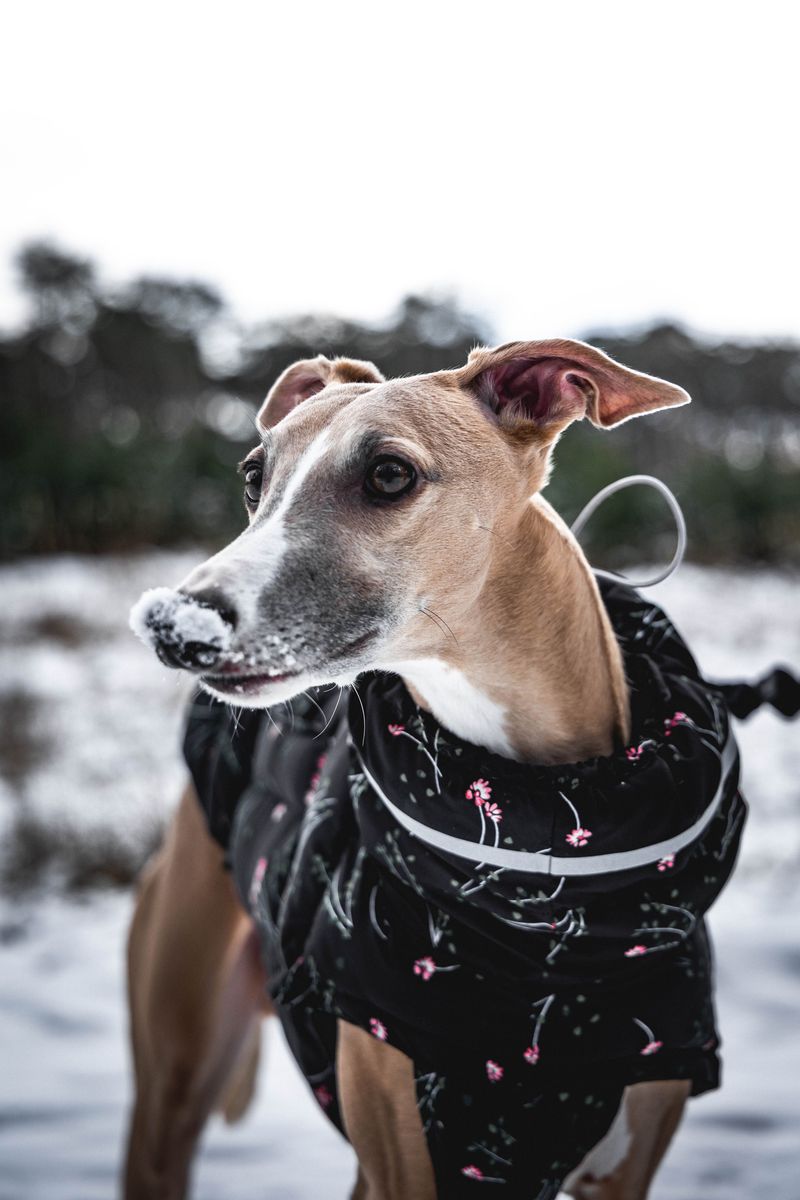
Like a living arrow, the Whippet sprints then melts into blankets. Calm indoors, quick outdoors, and sweet with respectful kids.
Early on, flexible hours fit zoomies and deep naps. Later, thin skin and chilliness need jackets, soft beds, and shorter winter walks.
Keep fun with sprint days at fenced fields, gentle recall games, and flirt poles. If life tightens, rotate enrichment with licky mats, scatter treats, and brief training bursts that spare joints and time.
Shih Tzu

Royal hair, clown heart, tiny footprint. A Shih Tzu loves laps, hallway parades, and silly greetings with proud little steps.
Young schedules can handle grooming, training for patience, and social trips in a carrier. Later, chronic eye and breathing care ask for steady routines and funds.
Build brushing rituals, use harnesses, and keep walks cool and unhurried. When life gets hectic, book standing groomer appointments, pre-measure meals, and set a quiet crate for restful breaks.
Australian Cattle Dog
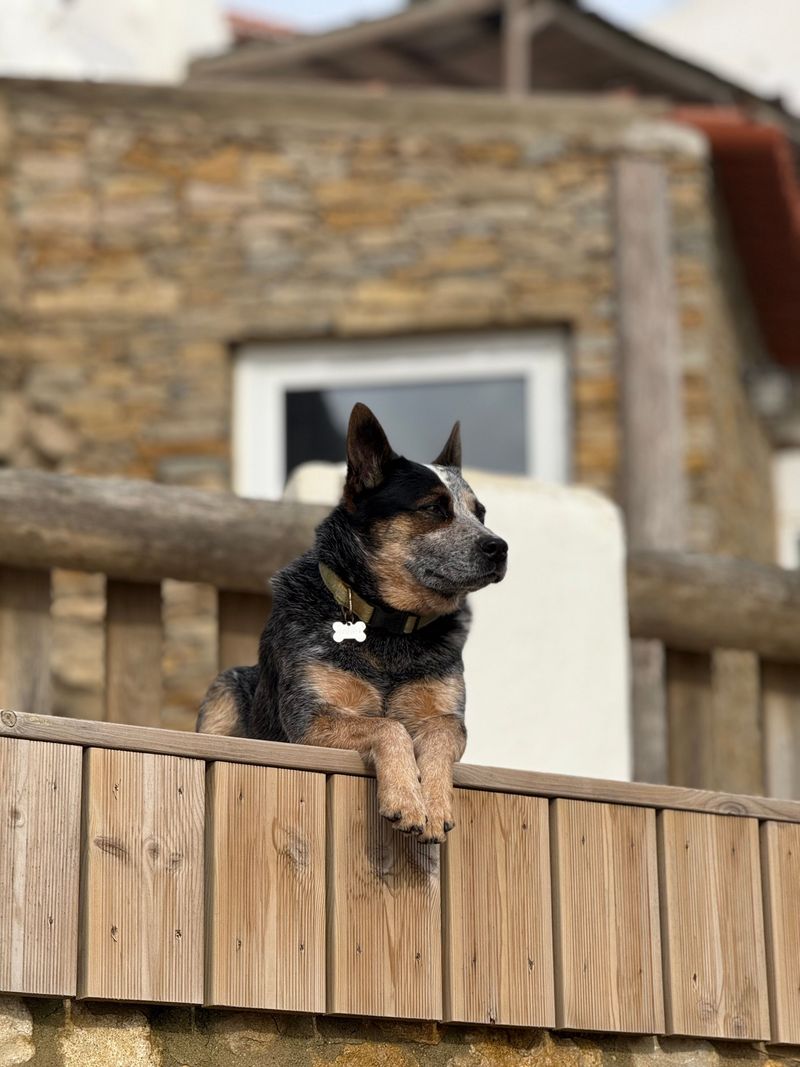
Work ethic cranked to eleven defines the Heeler. Australian Cattle Dogs read your moves and push for bigger challenges.
In young adulthood, that drive fuels mountain miles and advanced obedience. Family years can limit outlets, which invites herding kids, heel nips, and backyard redecorating.
Get ahead with stock lessons, scentwork clubs, and daily tug with rules. If responsibilities grow, schedule treadmill trots, urban herding games, and target training to park that intensity safely.