
Every few months the debate flares up again: are puppy socialization classes helping or quietly backfiring? You have probably heard stories of chaotic rooms, overaroused pups, and lessons that teach bad habits instead of confidence.
Yet with the right approach, these classes can be game changing for your dog’s future. Let’s break down the breeds most mentioned in the discourse and how to do socialization smarter, not louder.
Border Collie
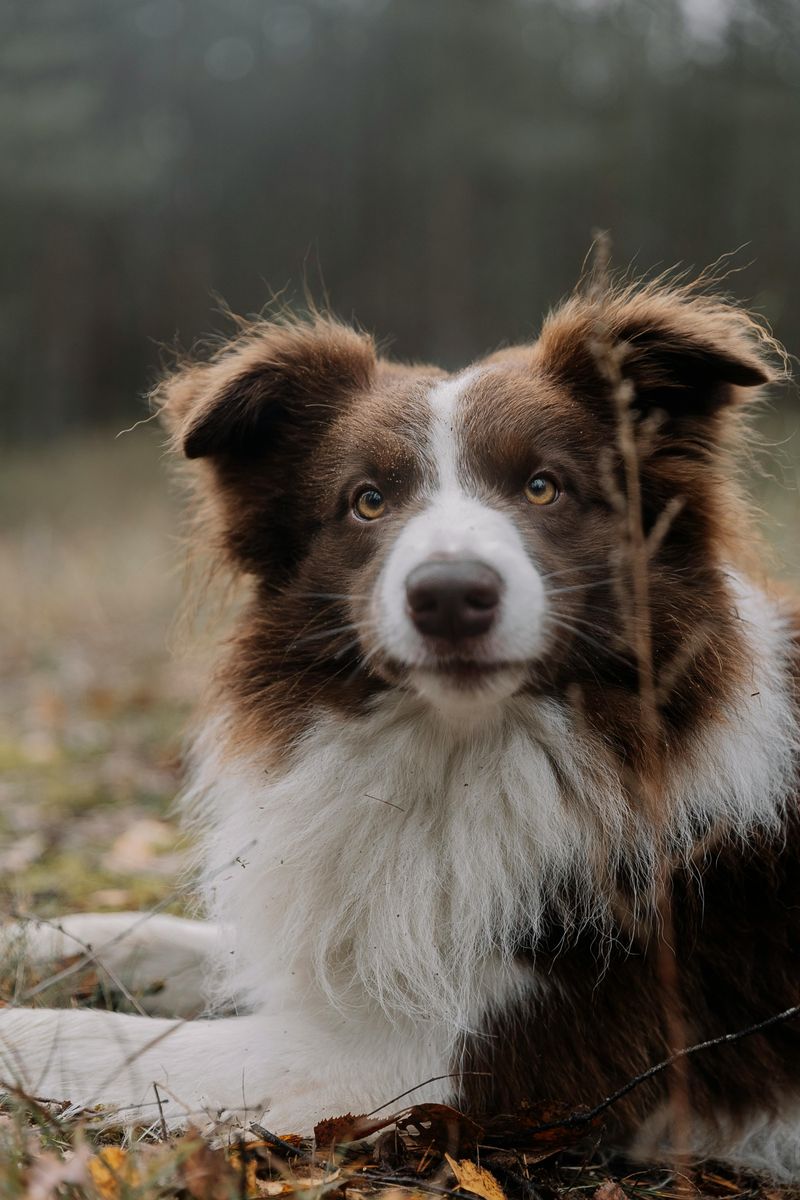
Border Collies are bright and absorb patterns quickly, so chaotic puppy classes can accidentally reward fixation. You want thoughtful setups instead: short exposures to novel dogs, with calm reinforcement for looking away.
Use sniff breaks and mats to teach off switches.
In class, advocate for space, and rotate structured stations like handling practice, noise desensitization, and neutral dog watching. Reward stillness and soft eyes.
Herding puppies thrive when criteria are clear and consistent.
Skip free-for-alls. Instead, pair novelty with predictable outcomes, like treat scatter after a sound or calm greeting.
Keep arousal under threshold and end sessions early on success. You are building a thinker who can disengage, not just a fast responder.
Australian Shepherd
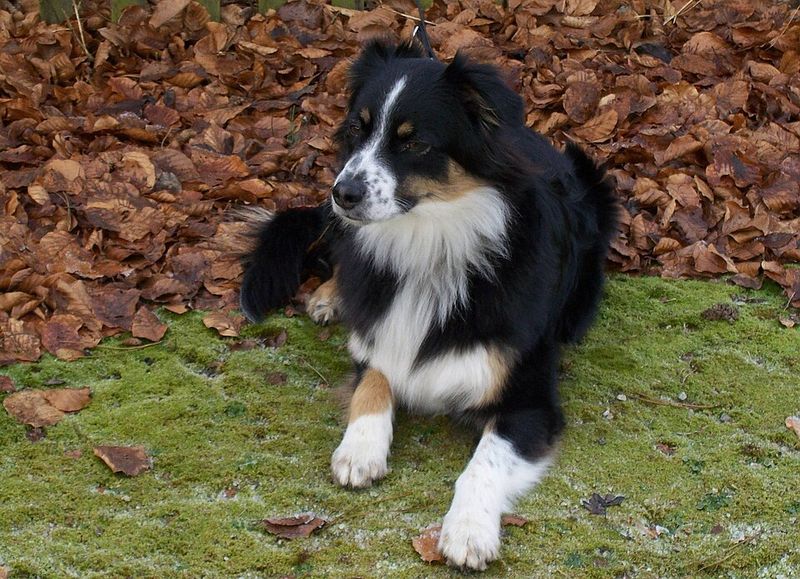
Aussies read the room and escalate fast if other pups spiral. Socialization should emphasize impulse control more than rough play.
Use parallel walking, nose work stations, and low-pressure greetings where turning away earns reinforcement.
Teach an automatic check-in when novel stimuli appear, like doors opening or wheels rolling by. Reward curiosity, not lunging.
Empower the puppy to opt out by returning to a mat.
Rotate skills: cooperative grooming, handling paws, and gentle restraint paired with food. Introduce friendly strangers who ignore the puppy until offered a sit.
Keep sessions brief, sprinkle decompression walks after class, and track arousal with a scale. You are installing a thoughtful off switch in a velcro genius.
Shetland Sheepdog
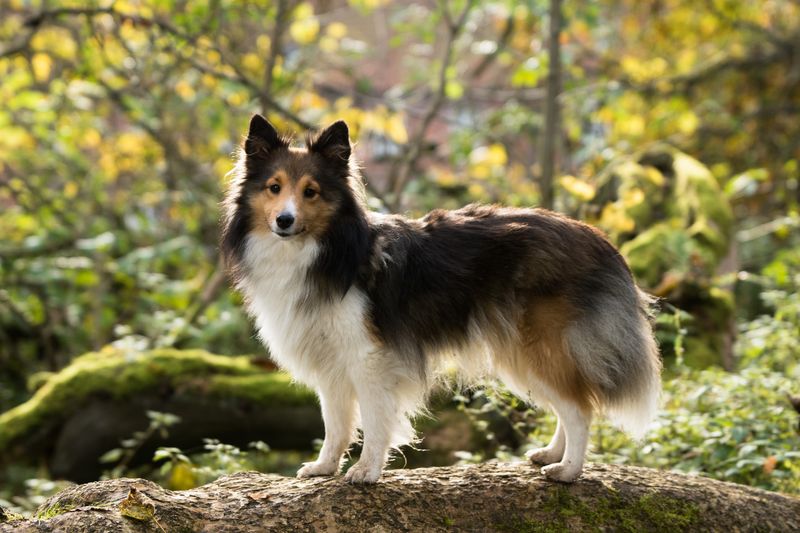
Shelties are sensitive observers who benefit from predictability. Many classes are too loud and bouncy, pushing them into avoidance.
Aim for distance, soft voices, and structured novelty like controlled umbrella opens paired with food.
Practice look-at-that with other pups far away. Reinforce recovery after brief startles.
Use mats and hideouts so the puppy can retreat and still earn rewards.
Handling needs to be cooperative. Pair brush strokes with licks on a mat.
Invite rather than insist. Encourage polite curiosity toward strangers while preserving choice.
Keep the ratio of calm to play high, maybe three calm stations to one short game. Your Sheltie will bloom when safety and routine come first.
Miniature American Shepherd
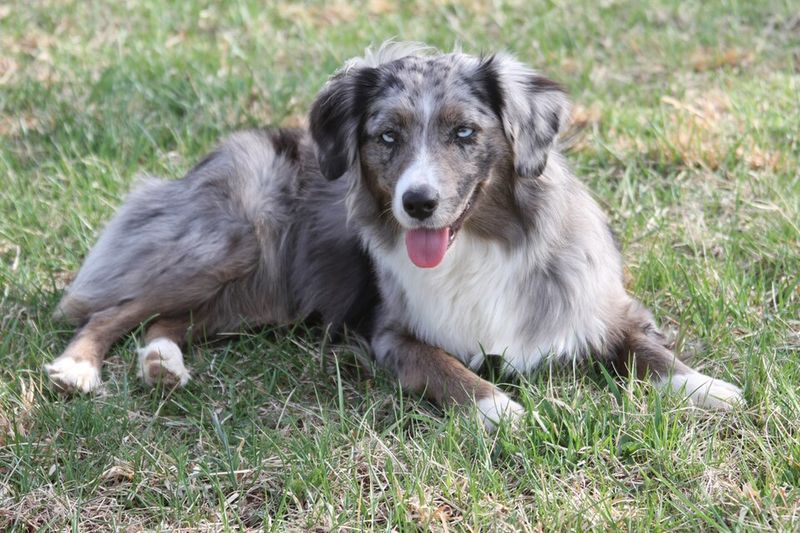
Mini American Shepherds need structure over spectacle. Think pattern games, nose work, and movement with rules like hand targets.
Keep greetings short and mutually optional, with space buffered by barriers or cones.
Introduce city textures at low intensity: metal grates, wheelchairs, strollers at a distance. Reinforce exploration and easy disengagement.
Avoid chaotic puppy piles that teach body slamming.
In class, alternate skill blocks with decompression walks outside. Practice calm tether time near activity to normalize watching without joining.
Teach a rock-solid recall using playful chases with predictable endings. If arousal spikes, shrink the world, breathe, and reward stillness.
Your goal is a resilient little teammate who can think clearly around novelty.
Cocker Spaniel
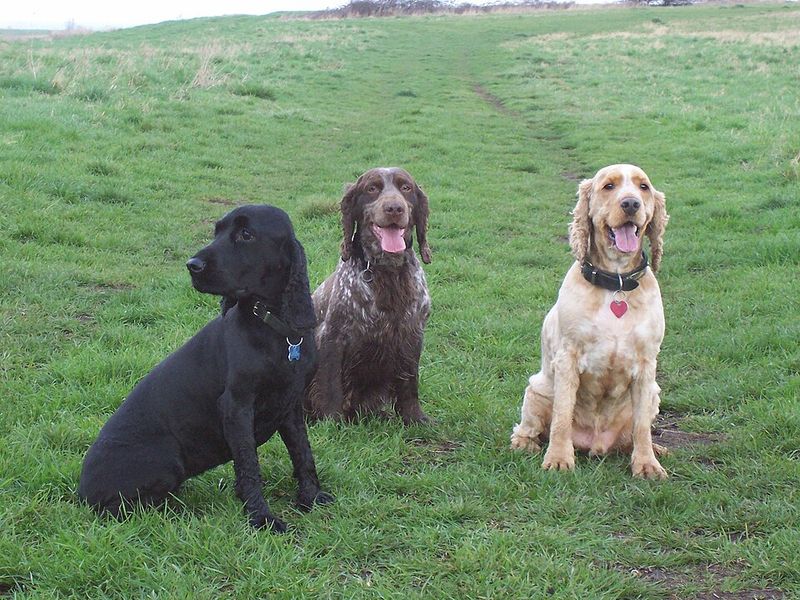
Cockers are sweet but can be sensitive about grooming and handling, so socialization must include cooperative care. Pair brushing, ear checks, and gentle restraint with lick mats.
Keep interactions sunny and short.
In class, set up calm dog-dog moments with sniffing walks and side-by-side sits. Reward soft eye contact and relaxed bodies.
Avoid frenzied play that stokes resource guarding or arousal.
Expose to elevators, vet tables, and clippers as background noise first. Build predictable routines and release cues.
Invite friendly humans who crouch, turn sideways, and let the puppy approach. Practice trading items for treats often.
The aim is cheerful confidence, not chaos. Small wins stacked weekly make a steady companion.
English Springer Spaniel
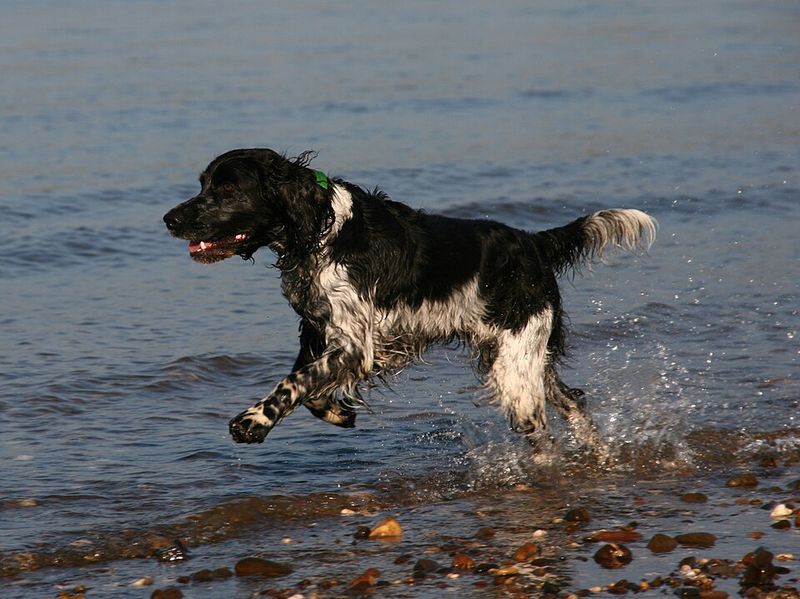
Springers brim with zest and curiosity, which can tip into scatterbrain in busy classes. Channel that energy into field-style games with rules: recalls past distractions, hunting for treats in grass, and settle on a mat after excitement.
Pair controlled play with check-ins. Teach nose-to-hand targets whenever another dog appears.
Sprinkle calm reinforcement for loose leashes between short sprints.
Socialization should include birds, rustling brush, and sudden movement at safe distances. Reward staying thoughtful when arousal spikes.
Practice polite greetings with time limits and exit cues. Keep the vibe bright and organized, not rowdy.
Structure shows your Springer how to toggle between drive and downtime.
Welsh Springer Spaniel
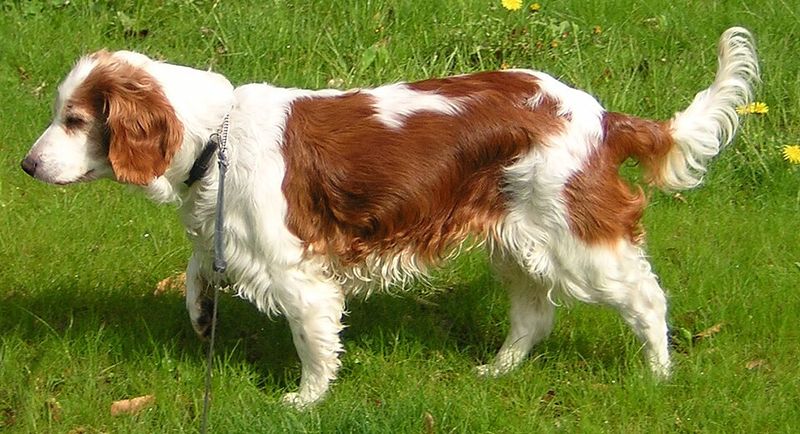
Welsh Springers are affectionate yet can be reserved with strangers. Socialization works best when choice and distance lead.
Use parallel walks and quiet meet-and-greets where sitting earns a sniff opportunity.
Rotate calm exposure to novel sounds and surfaces, reinforcing recovery after mild startles. Keep play gentle and short.
If the puppy looks conflicted, step back and feed for watching calmly.
Build grooming comfort early: ears, feet, and towel dries. Introduce visitors who ignore the puppy until curiosity blooms.
Practice ready to leave cues so exits feel normal, not abrupt. Classes should prize neutrality and decompression as much as play.
You are growing steady confidence without pushing past comfort.
Golden Retriever
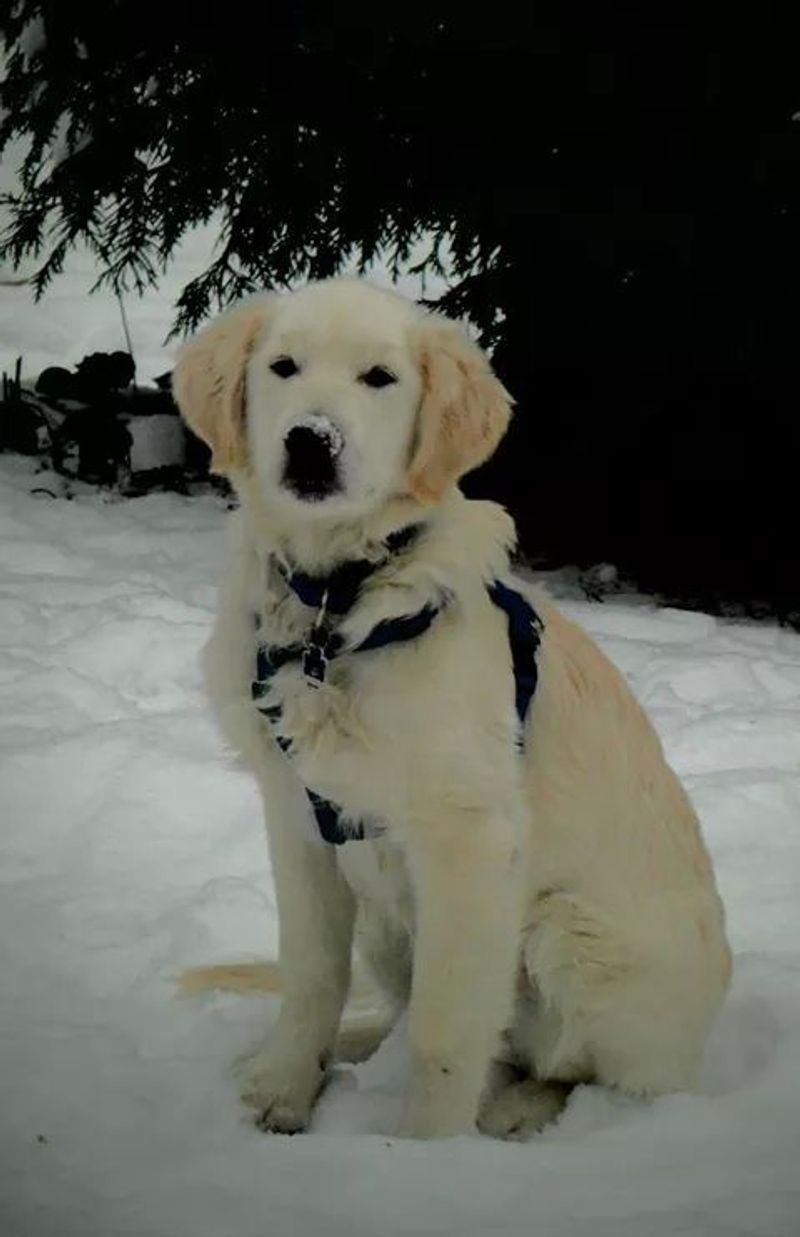
Goldens are social butterflies, but excessive hype can teach overarousal and jumping. Design classes with calm entry rituals, sits for attention, and gentle play windows followed by mat settles.
Reinforce four paws on the floor often.
Include handling consent, teeth checks, and sharing games to reduce future pushiness. Reward choosing you over the party.
Use soft voice and food to mark polite greetings.
Expose to kids’ noise at a distance, strollers, and umbrellas. Build patience near doors and food bowls.
Teach impulse control with easy leave-its and wait cues. A cheerful structure preserves that classic Golden sweetness while preventing bad habits.
Fun still happens, just with training wheels on.
Labrador Retriever
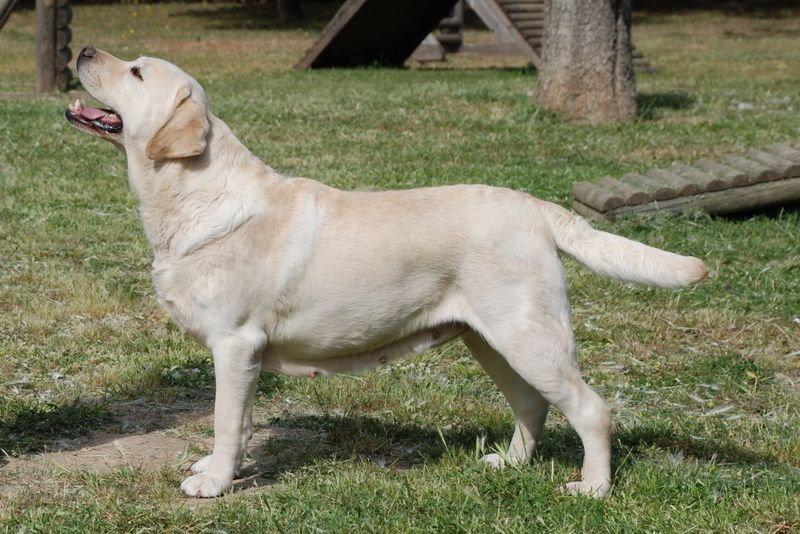
Labs love life loudly, which charms and challenges. Socialization should rehearse manners under excitement: sits for petting, loose leash around toys, and recall away from other pups.
Alternate short play with calm resets on a mat.
Practice polite food and toy exchanges to prevent grabby habits. Add controlled novelty like wheelchairs and crutches, reinforcing curiosity and softness.
Keep sessions short to avoid sugar-rush chaos.
Teach automatic check-ins before greeting. Use treat scatters to lower arousal and sniff.
A thoughtful Lab learns that self-control opens doors to fun. You are shaping a friendly powerhouse who can think even when the world sparkles.
Standard Poodle
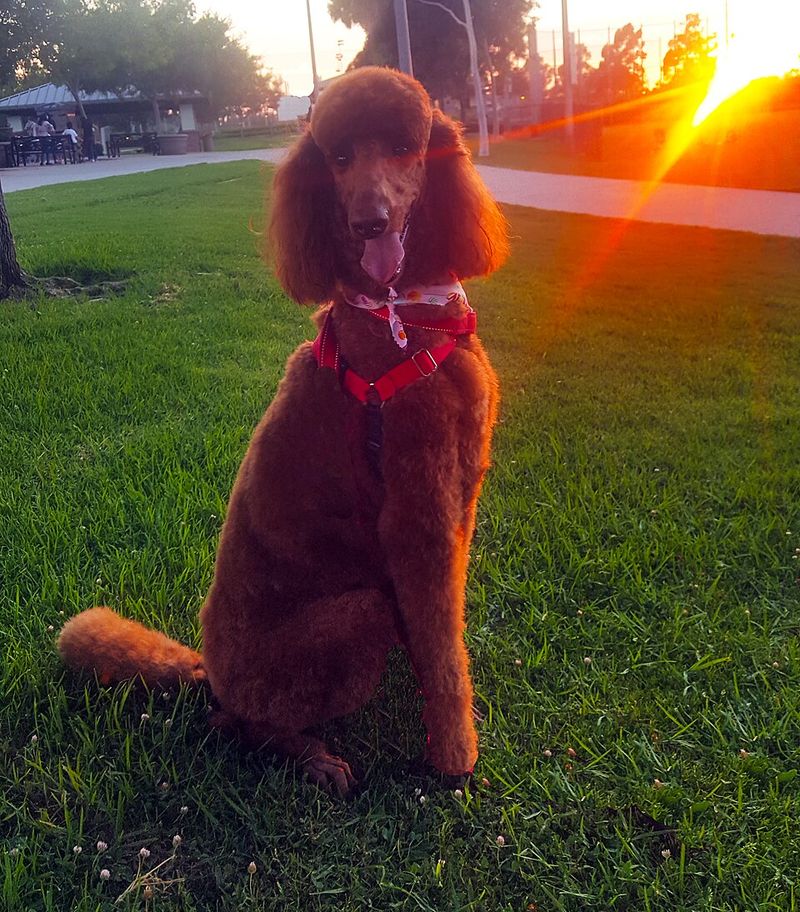
Standard Poodles are sharp and sensitive. They need variety without chaos, plus early grooming comfort.
Build a consent routine: paws touch, brush stroke, treat, release. Keep sessions predictable and brief.
In class, prefer station-based learning over free play. Reward quiet observation of dogs working.
Use pattern games and scent work to satisfy their brains.
Introduce city life stepwise: elevators, polished floors, busy lobbies at a distance. Reinforce soft approaches to strangers and calm body handling.
A confident Poodle is curious yet poised, not jumpy. Celebrate neutral watching as much as tricks.
Precision now prevents fidgety fuss later.
Boxer
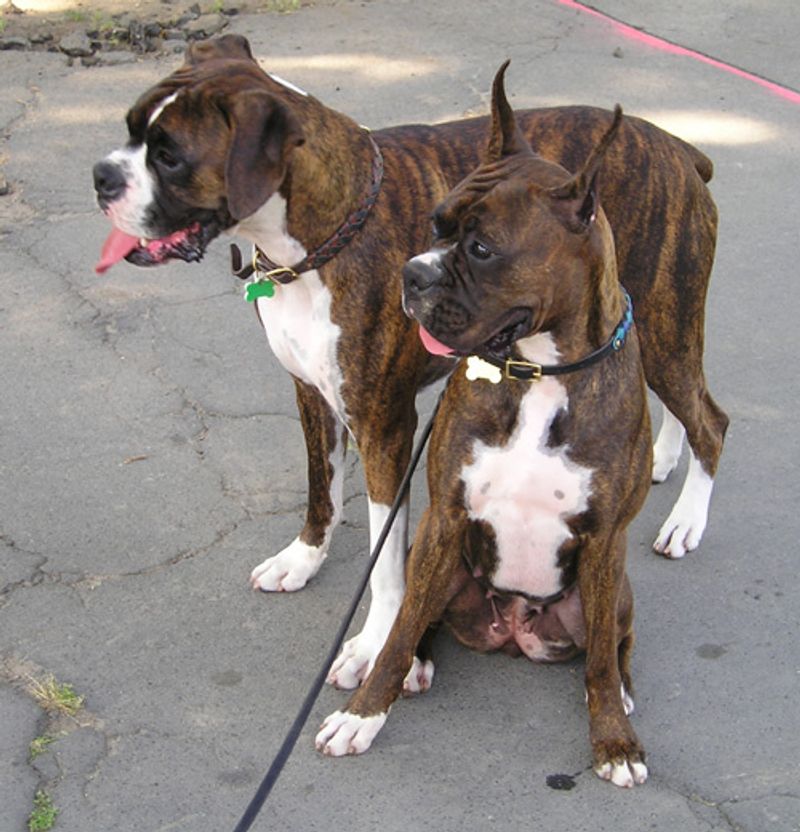
Boxers bring joyful bounce that can bulldoze sensitive pups if unmanaged. Socialization should include start-stop games: cue a pause, reward, then resume play.
Use barriers and timeouts before energy spikes.
Teach relaxed leash walking past dogs, rewarding head turns and loose bodies. Practice calm greetings with sits and quick exits.
Keep arousal down with sniff breaks and treat scatters.
Introduce novel people wearing hats, sunglasses, and backpacks. Pair surprises with food, not wrestling.
Build patience at doorways and car unloads. When structure guides the goofball, Boxers stay friendly without steamrolling.
The goal is athletic grace over wild ricochet.
Beagle
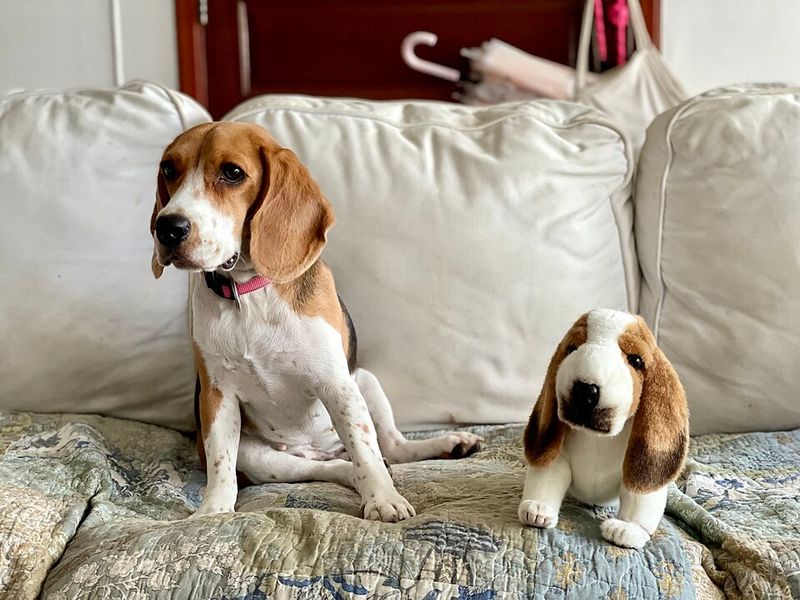
Beagles learn best through noses. Typical puppy rumbles may bore or overstimulate them.
Build classes around scent games, calm parallel walks, and recalls away from good smells with massive reinforcement.
Normalize environmental noises and traffic at safe distances. Reward checking back after sniffing.
Use long lines to allow exploration without reckless dashes.
Handling should be slow and food paired, especially ears and paws. Practice polite greetings by asking for a sit before attention.
End sessions when attention wanes, not when chaos erupts. A sniff-first curriculum yields a Beagle who listens because listening pays better than the breeze.
Jack Russell Terrier
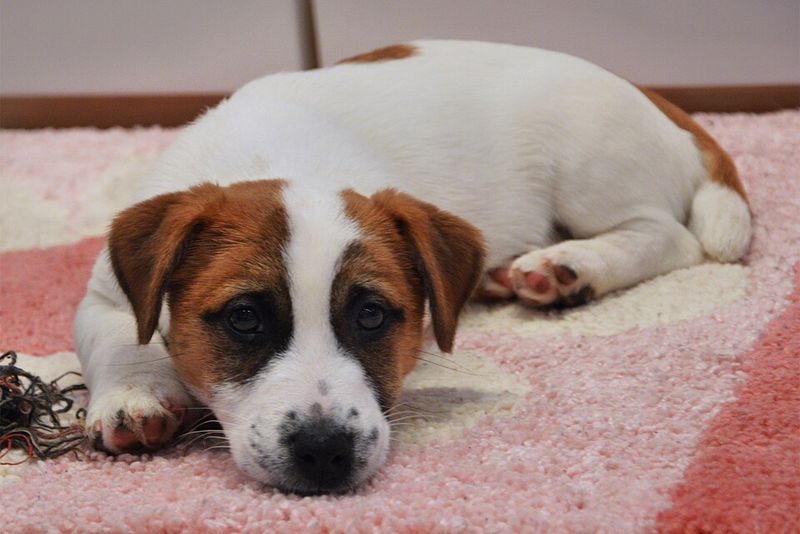
JRTs arrive wired for motion and problem solving. Chaotic classes can supercharge nipping and vaulting.
Use place training, tug with rules, and short, victorious reps. Reinforce stillness as the gateway to games.
Set up novelty obstacles and reward thoughtful navigation. Keep greetings brief and opt-in.
If arousal spikes, reset with scatter feeding and a settle cue.
Teach reliable disengagement from movement like kids running. Pair motion with turns to you.
Encourage cooperative handling by trading touch for treats. With structure, your firecracker learns to channel spark into skill, not mayhem.
Staffordshire Bull Terrier
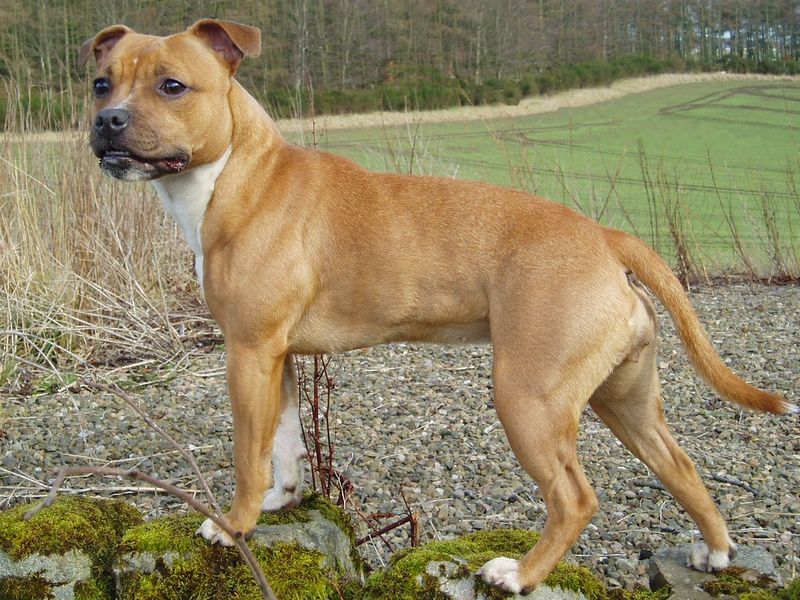
Staffies are affectionate, muscular comedians who thrive on connection. Socialization should prioritize neutral dog skills and polite greetings.
Use parallel walks, reward check-ins, and avoid rowdy pileups that can teach body slams.
Build rock-solid handling consent and toy trades to prevent frustration. Reward calm near triggers, and teach easy u-turns.
Keep sessions short, sweet, and frequent.
Introduce visitors in stages: ignore first, then engage when the puppy offers a sit. Pair novel sounds and surfaces with food.
Celebrate softness and loose bodies. With thoughtful structure, your Staffy grows into a cuddly ambassador rather than a contact-sport enthusiast.