Some dogs cost much more than the number on the price tag. Grooming, training, vet visits, food, and daily exercise can add up fast.
Before bringing home a puppy, it helps to know which breeds may need extra time, money, and care. A little planning now can save stress later and help your dog live a happier life.
French Bulldog
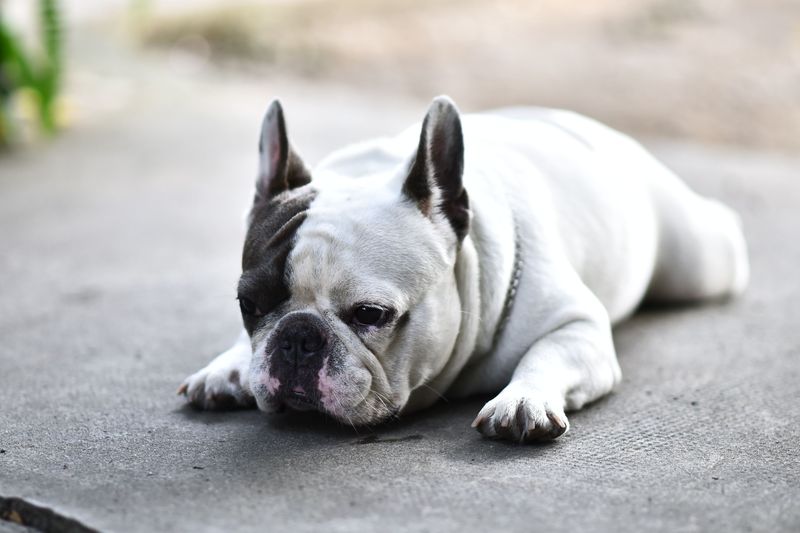
A French Bulldog may look like a couch buddy, but its care can surprise new owners. That cute flat face can make breathing hard, especially in heat or during rough play.
Keep walks short in warm weather, clean skin folds often, and watch for snoring that seems worse than usual. Vet care for breathing, spine, or allergy problems can be costly.
A safe home, steady weight, and gentle exercise help this little clown stay comfortable.
English Bulldog
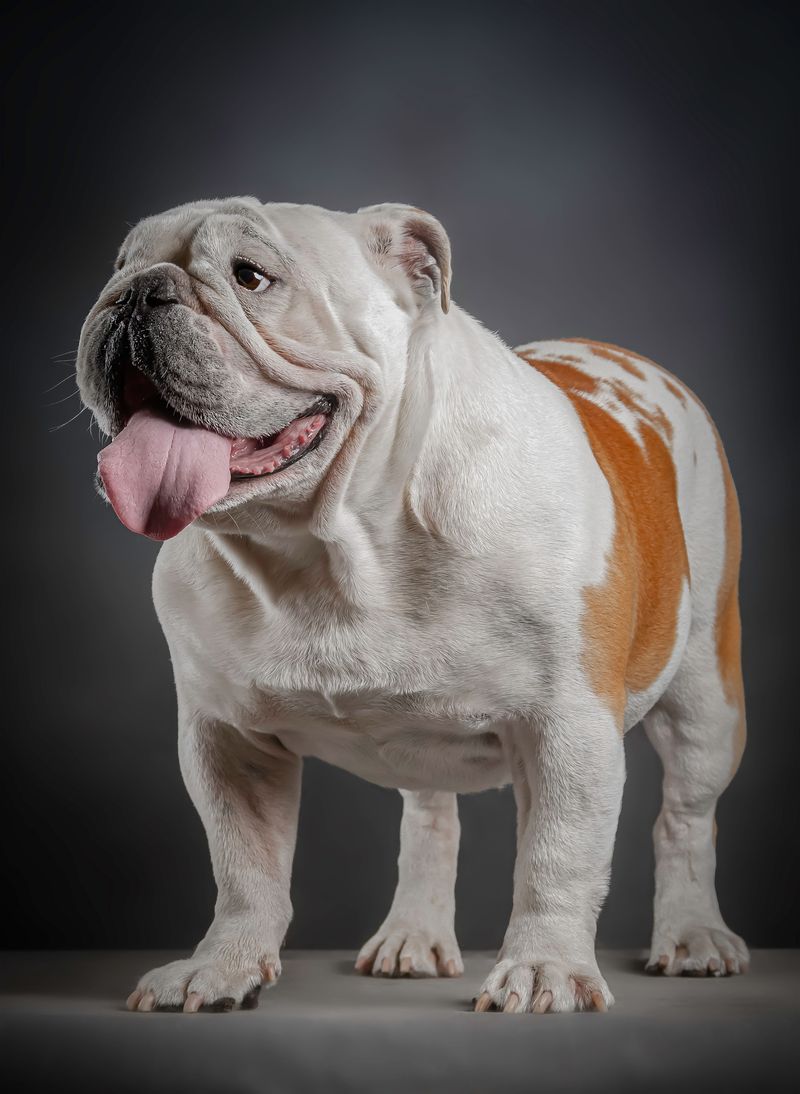
Wrinkles, wiggles, and a stubborn little grin make the English Bulldog hard to resist. Behind that charm, though, is a dog that often needs careful daily upkeep.
Face folds must be wiped and dried, because trapped moisture can cause sore skin. Many Bulldogs also need help staying cool and keeping a healthy weight.
Choose soft exercise, avoid hot afternoons, and budget for possible vet visits linked to breathing, joints, allergies, or eye trouble.
Afghan Hound
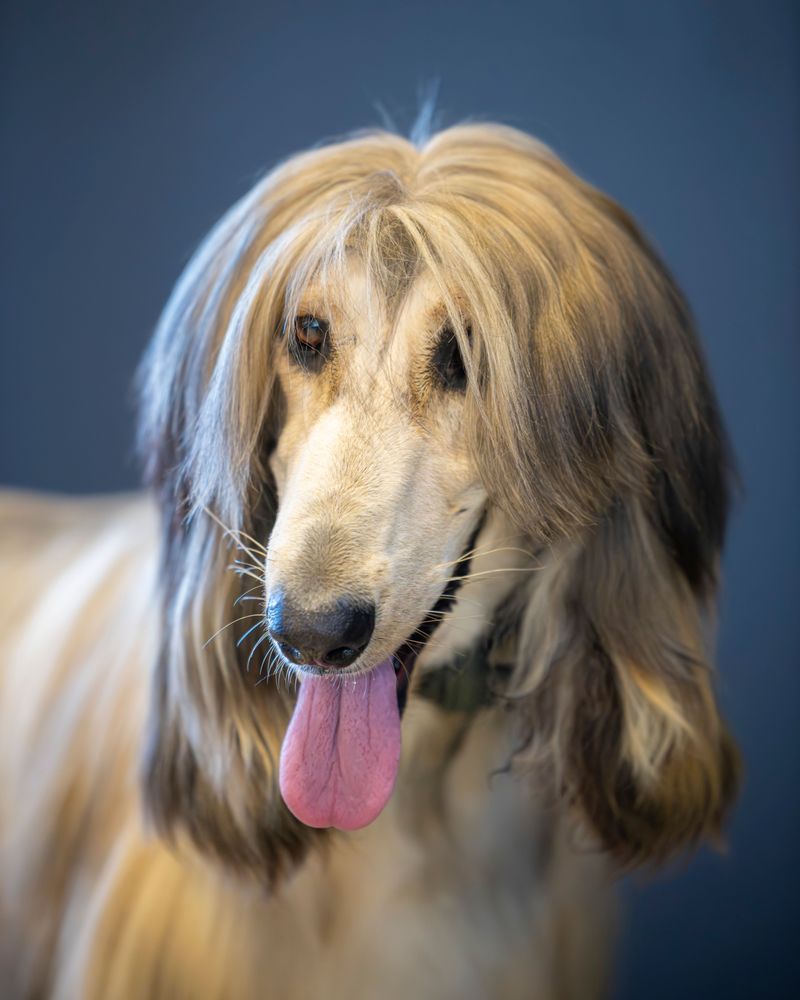
Few dogs enter a room like an Afghan Hound, all floating hair and royal attitude. That silky coat is beautiful, but it does not stay that way by luck.
Plan for long brushing sessions several times a week, plus careful baths to prevent tangles. Many owners use a professional groomer, which adds to the budget.
Afghans can be independent thinkers too, so patient training matters. Secure fences are also smart, since their chase instinct is powerful.
Old English Sheepdog
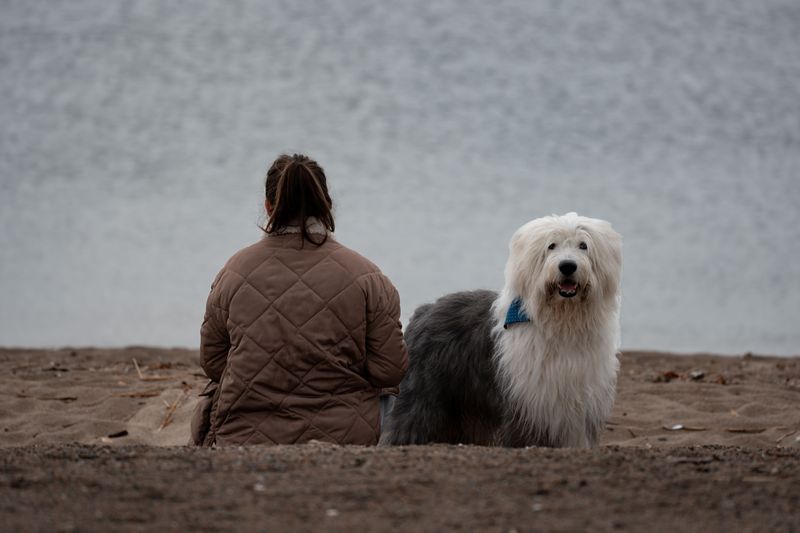
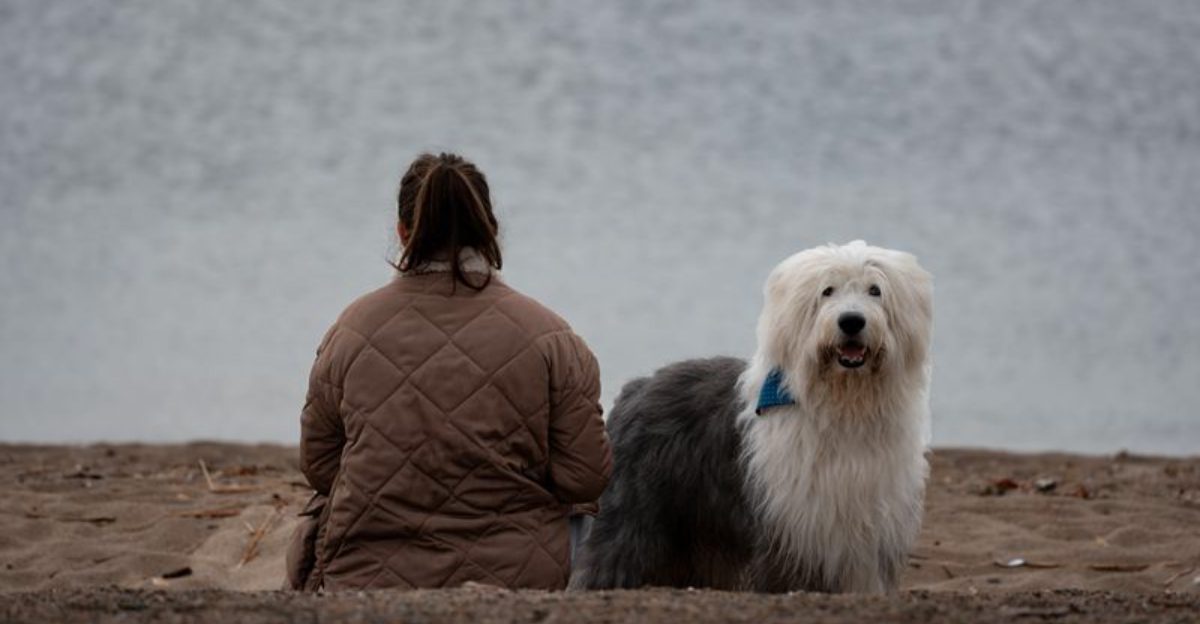
A shaggy Old English Sheepdog can look like a happy mop racing across the yard. Under all that fluff is a coat that collects leaves, dirt, and mats quickly.
Brushing needs to reach the skin, not just the top layer, or knots can become painful. Regular trimming around the eyes and paws helps with comfort.
This breed also needs play, training, and space to move. Grooming bills and cleanup time are part of the package.
Standard Poodle
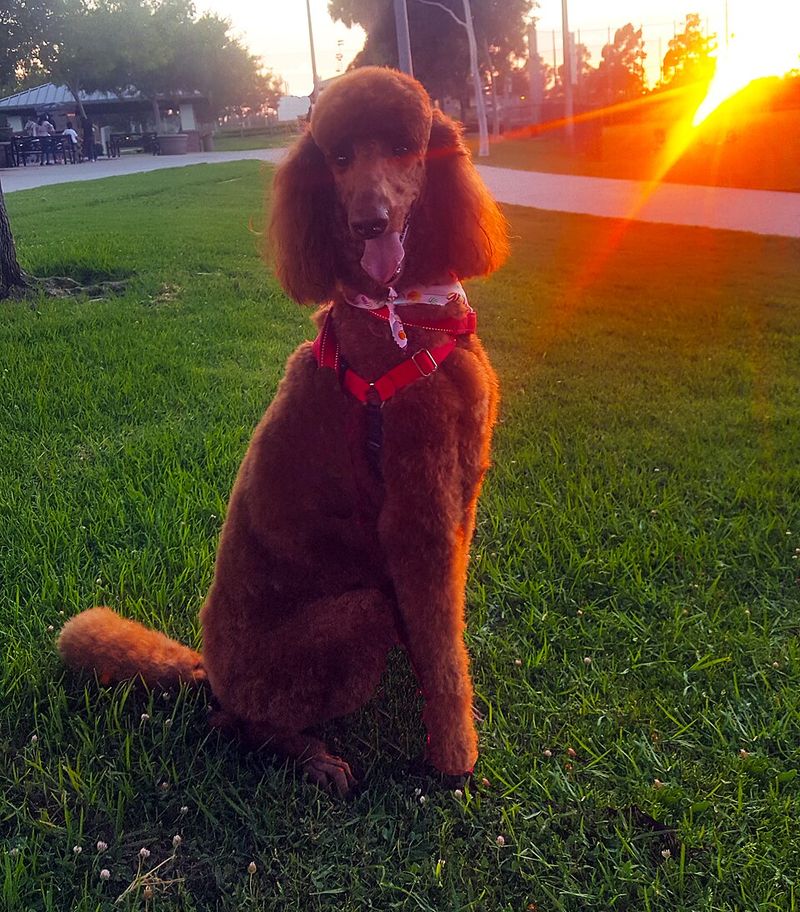
Do not let the fancy haircut fool you. The Standard Poodle is a brainy athlete wrapped in curls, and those curls demand real work.
Because the coat keeps growing, regular clipping is needed about every few weeks. Daily or frequent brushing helps stop tight mats from forming.
Poodles also get bored fast, so training games, walks, and puzzle toys are useful. Plan for grooming costs, ear care, and enough activity to keep that clever mind busy.
German Shepherd
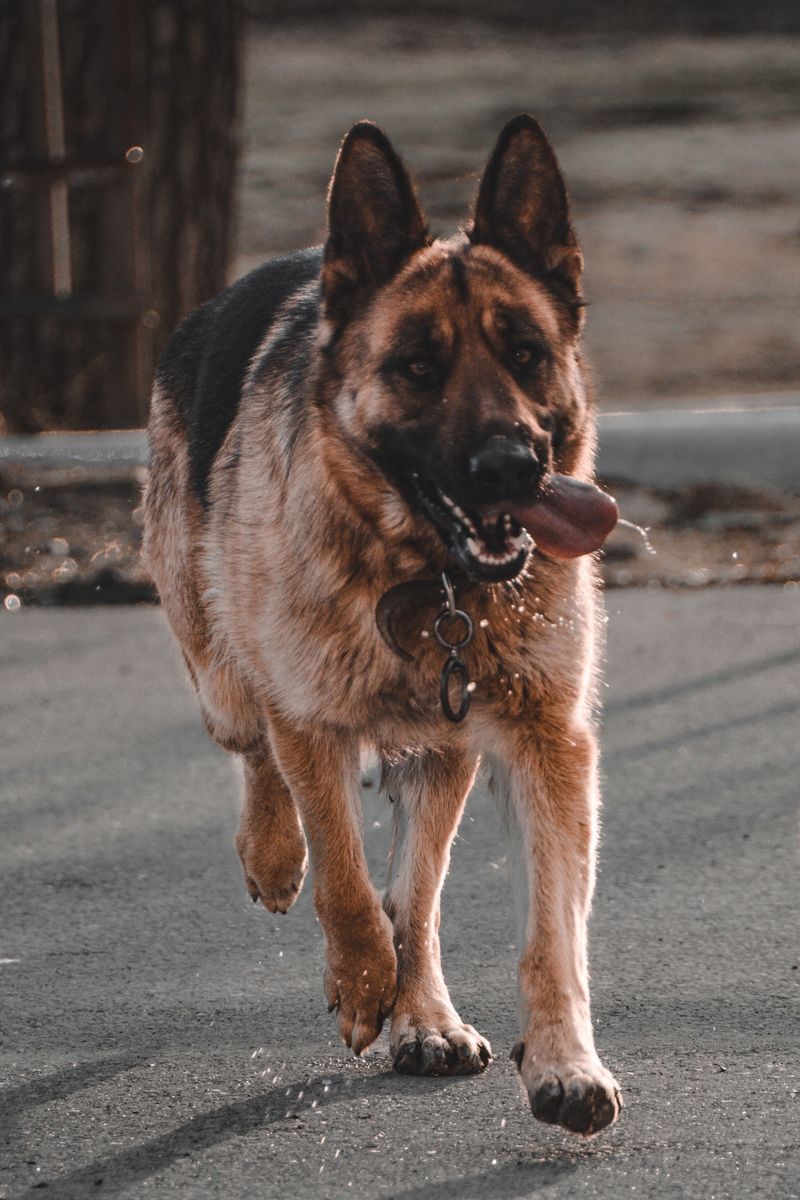
A German Shepherd often acts like it has a job to do, even in a family home. Without guidance, that drive can turn into barking, chewing, or bossy behavior.
Daily exercise, training practice, and mental challenges are not extras for this breed. The thick coat sheds heavily, especially during seasonal changes, so brushing is a regular chore.
Hip and joint checks may also be needed. A committed owner gets a loyal partner, but the work is steady.
Great Dane
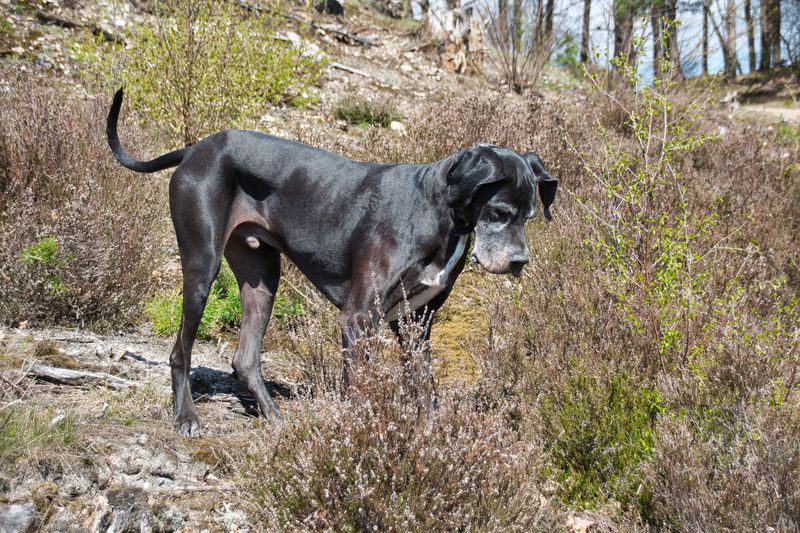
A Great Dane puppy may start small enough to carry, then suddenly seem horse-sized. Big bodies bring big costs, from food bowls to beds, crates, and medicine doses.
They need careful feeding while growing, because fast growth can stress bones and joints. Many Danes are prone to bloat, a dangerous stomach problem, so meal routines matter.
Short, steady walks are better than wild jumping. Loving one means planning for space, vet bills, and a shorter average lifespan.
Samoyed
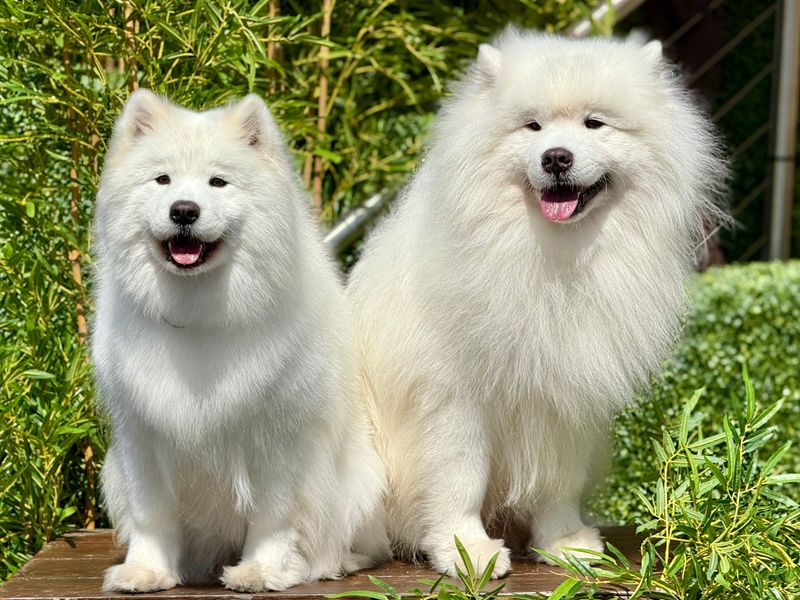
That famous Samoyed smile can brighten a room, but the white cloud of fur often follows it everywhere. This breed was built for cold work, not quiet boredom.
The thick double coat sheds a lot and needs deep brushing to prevent packed undercoat. During shedding season, fur may seem endless.
Samoyeds also enjoy activity and company, so lonely hours can lead to noise or digging. Keep grooming tools ready, offer daily exercise, and teach polite manners early.
Cocker Spaniel
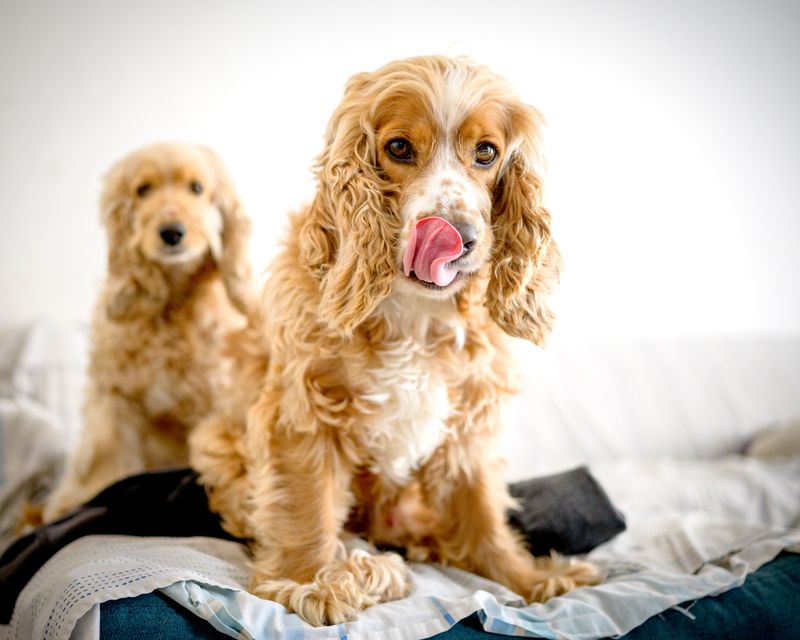
Those soft eyes and long ears give the Cocker Spaniel a sweet, storybook look. The same ears can trap moisture, dirt, and wax if they are ignored.
Regular ear checks, gentle cleaning, and vet advice help prevent painful infections. Their feathered coat also needs brushing and trimming, especially around the feet and belly.
Cockers enjoy being close to people, so they may not enjoy long lonely days. Grooming, training, and ear care should be routine.
Saint Bernard
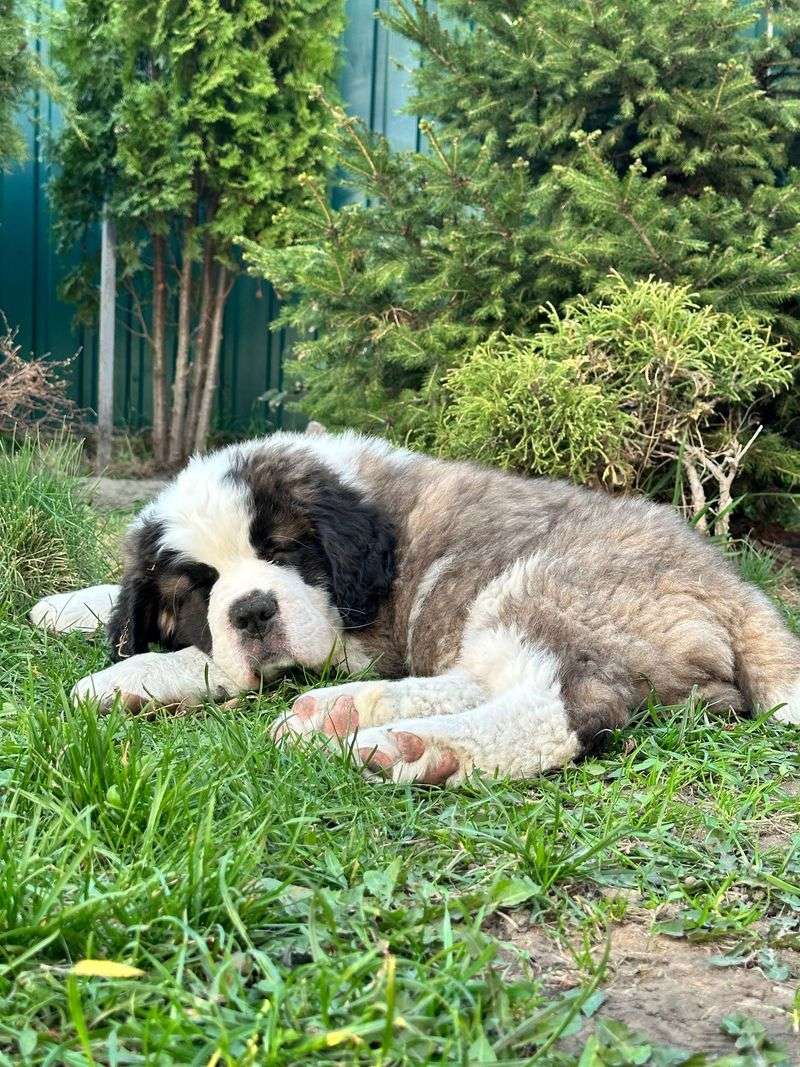
A Saint Bernard can feel like a living teddy bear, complete with giant paws and a drooly welcome. The size is lovable, but it changes everyday life.
Food costs are high, and so are expenses for sturdy gear, large beds, and bigger vet care. Drool towels may become part of your decor.
Their coat needs brushing, and joints need protection from extra weight. Calm training is important early, before a playful puppy becomes stronger than the person holding the leash.
Siberian Husky
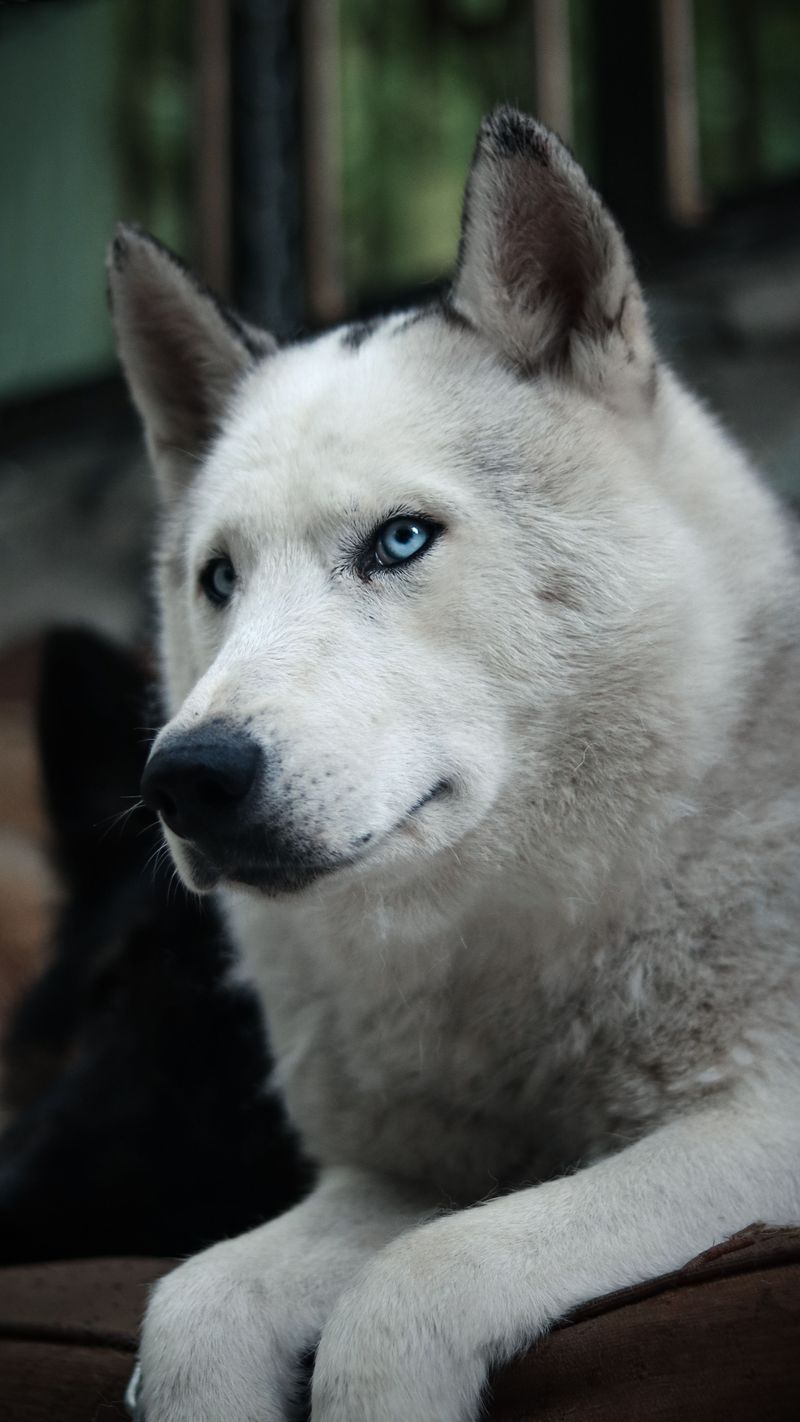
A Siberian Husky may sing, sprint, and stare at you like it knows a secret. This playful spirit is fun, but it needs a serious outlet.
Huskies were bred to pull sleds over long distances, so a quick potty walk will not be enough. Secure fencing matters because many are skilled escape artists.
Their double coat sheds heavily and needs brushing, not shaving. Training should be patient and consistent.
Tired Huskies are usually much easier housemates.