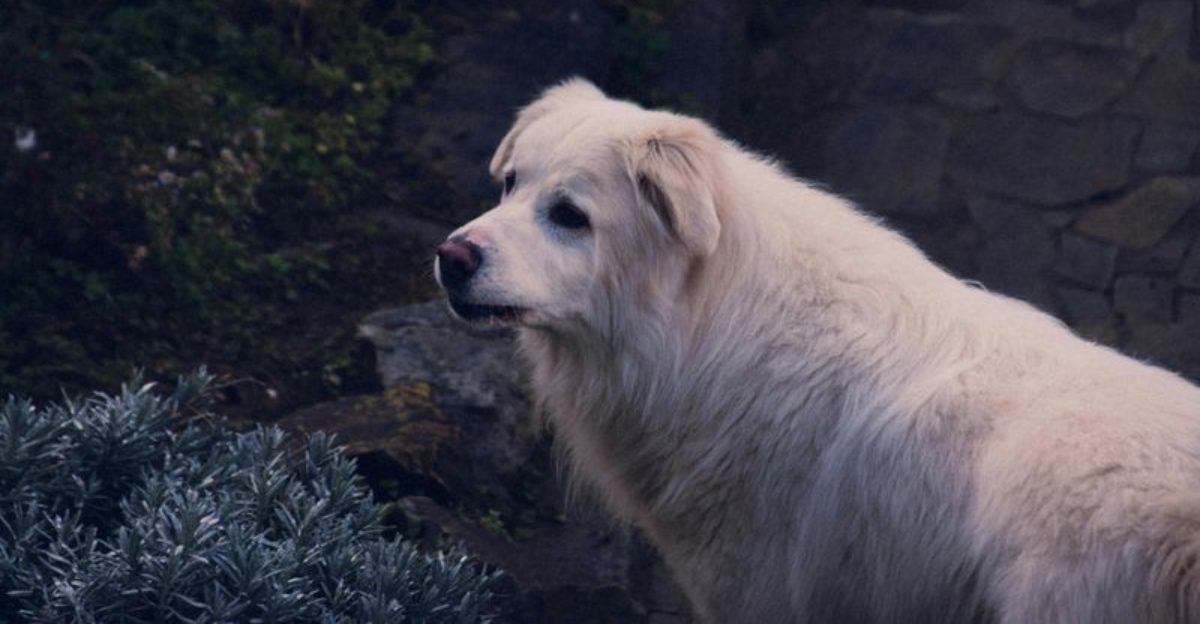
Understanding the nuances between guarding instincts and territorial stress is vital for owners of guardian breeds. These powerful dogs have been bred for protection, but distinguishing between healthy protection and stress-induced behavior is key for responsible ownership. Here are ten guardian breeds, each with its unique approach to watching over their domain.
Anatolian Shepherd Dog
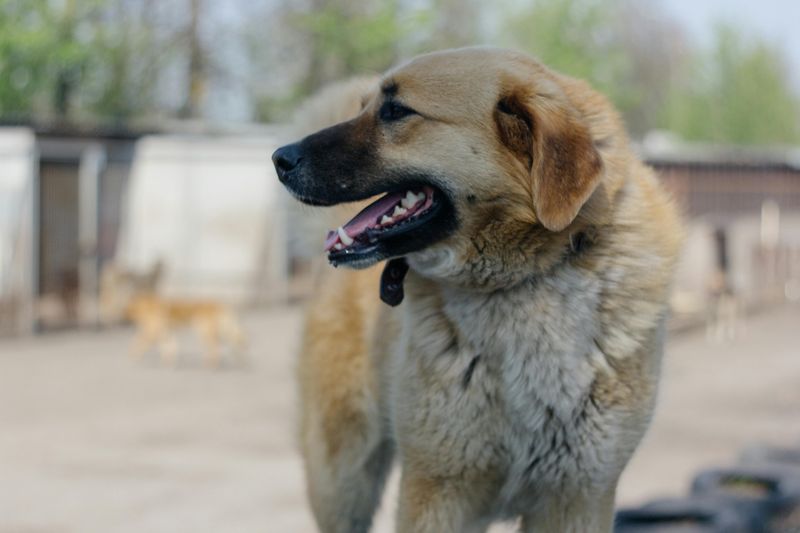
The Anatolian Shepherd Dog is known for its unwavering vigilance. Originating from Turkey, this breed has been a loyal protector of livestock for centuries.
With its keen sense of awareness, the Anatolian distinguishes between friend and foe effortlessly. While guarding is its forte, it can sometimes exhibit territorial stress when not properly socialized.
Owners should ensure these dogs have ample space and mental stimulation. Fun fact: They can reach speeds of up to 30 mph, making them formidable guardians in open terrains.
Central Asian Shepherd Dog
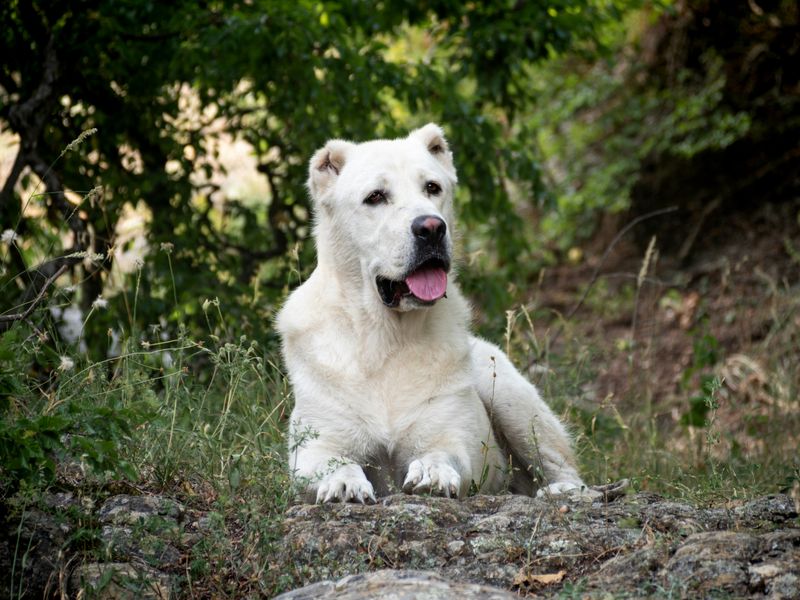
Majestic and imposing, the Central Asian Shepherd Dog is a guardian by nature. Hailing from the vast steppes, they have protected sheep from predators for millennia.
This breed combines independence with strong protective instincts, making socialization crucial for preventing territorial stress. Despite their fierce appearance, they often show a gentle disposition towards family members.
Their thick coat protects them from harsh climates, a testament to their heritage in rugged environments. Did you know? They are one of the oldest known breeds, with roots stretching back over 4,000 years.
Caucasian Shepherd Dog
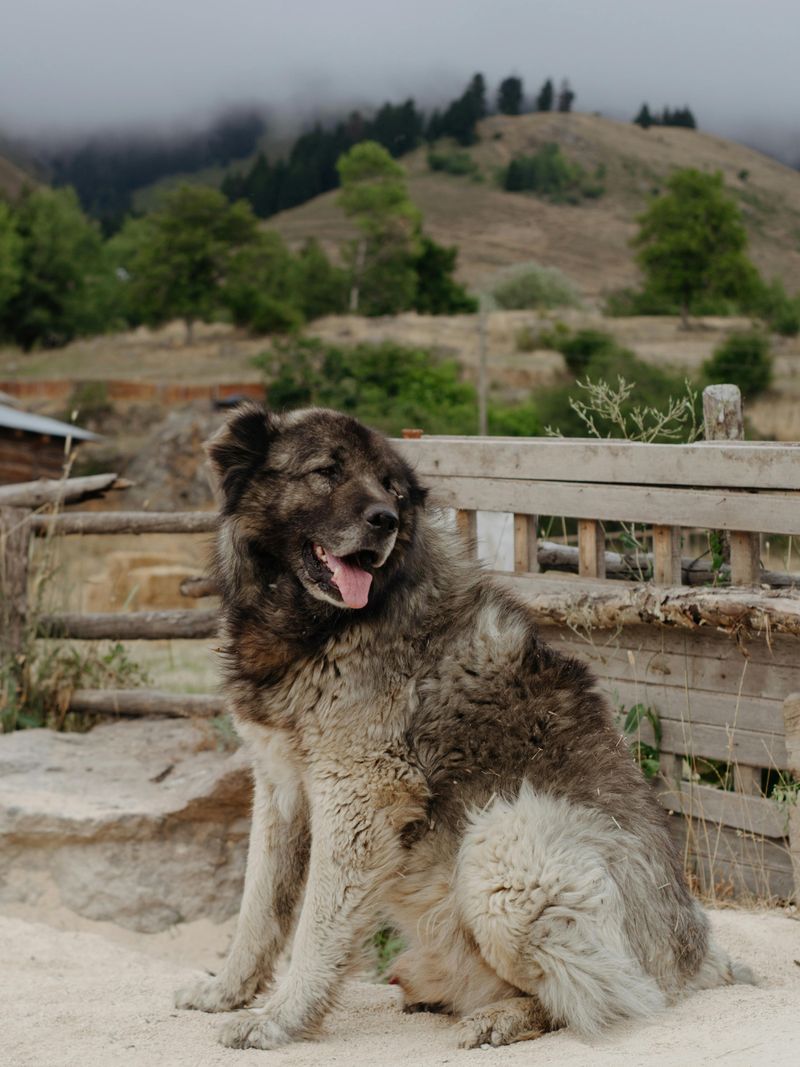
Robust and fearless, the Caucasian Shepherd Dog commands respect. Bred in the mountainous regions, they excel at safeguarding livestock.
Their sheer size and strength act as a deterrent, but this can lead to territorial stress if not managed. Early training and socialization are important in channeling their instincts positively.
Despite their formidable exterior, they can form strong bonds with their owners. Fun fact: In Russia, they’re often used as prison guard dogs due to their imposing presence and loyalty.
Tibetan Mastiff
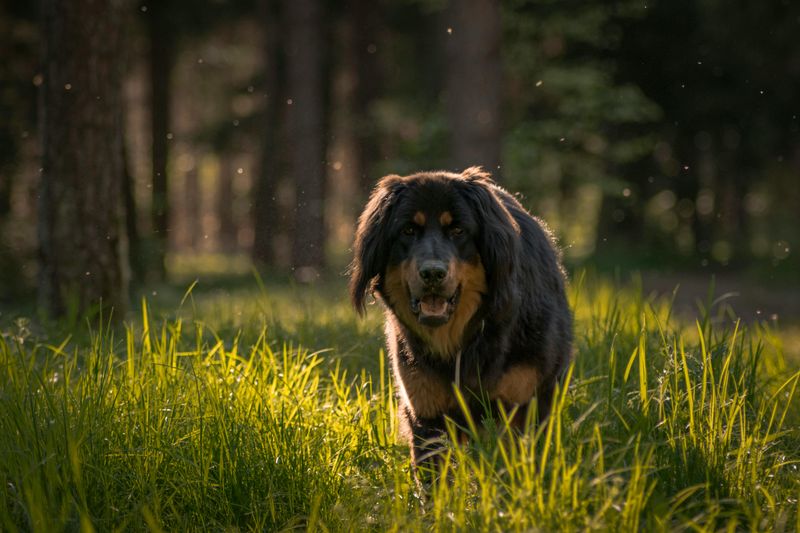
The Tibetan Mastiff, with its lion-like mane, exudes an aura of regality. Bred to protect monasteries in the Himalayas, they are naturally wary of strangers.
While their guarding instincts are profound, they might develop territorial stress if confined. Providing them with mental challenges can ease this tension.
Their aloof nature makes them excellent guardians without constant demands for attention. Did you know? These dogs can weigh over 150 pounds, and their bark is often compared to a lion’s roar.
Kuvasz
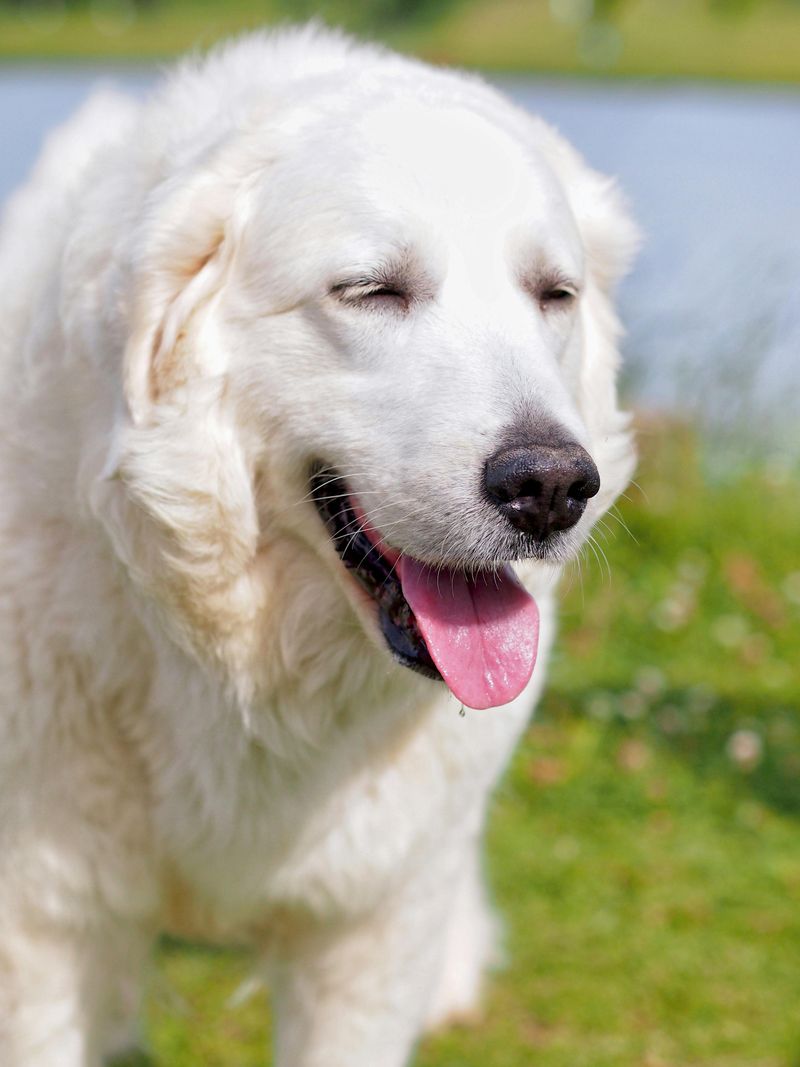
Elegance meets strength in the Kuvasz. Originating from Hungary, this breed has long been a noble protector of both livestock and royalty.
Their innate guarding abilities are coupled with a gentle demeanor towards their family. However, they require proper socialization to prevent territorial stress.
With a keen intellect and independent nature, they’re not just protectors but also thinkers. Fun fact: They were considered the royal guard dogs of Hungarian kings due to their loyalty and protective instincts.
Great Pyrenees
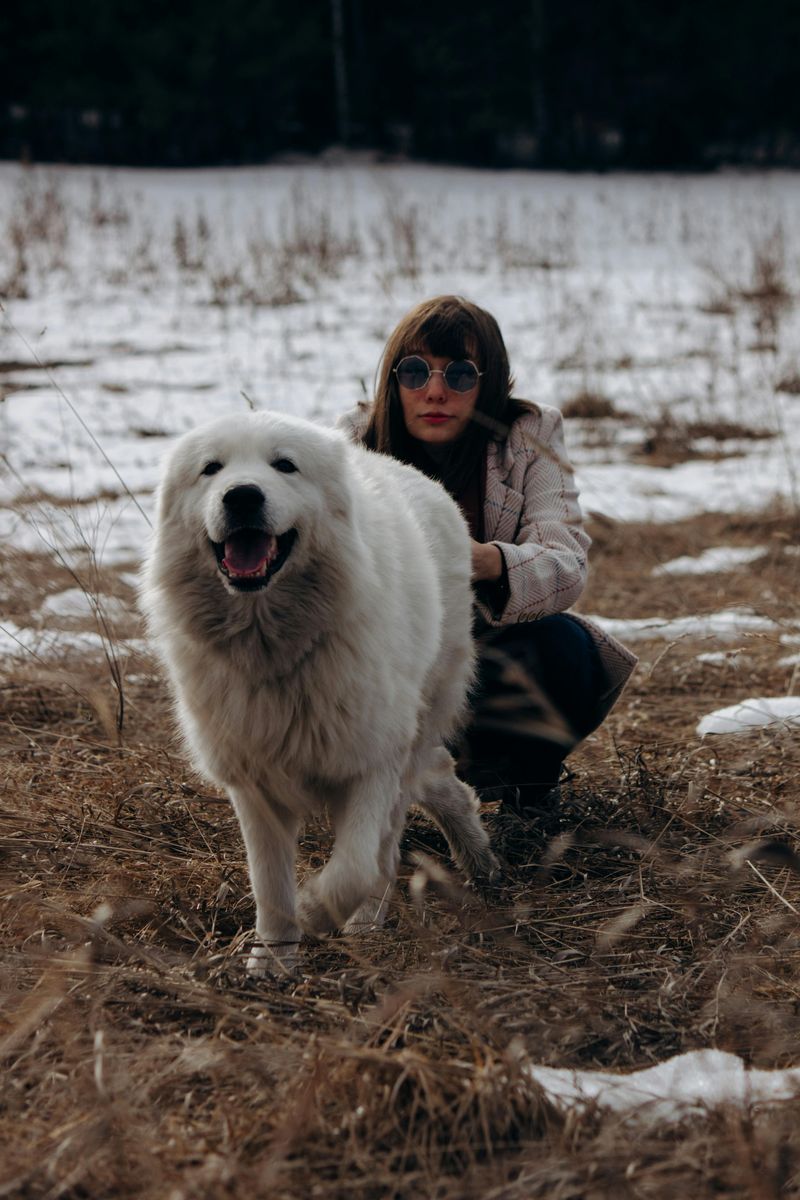
With its majestic presence, the Great Pyrenees is a gentle giant. Bred to guard sheep, they are known for their calm and patient demeanor.
Their protective instincts are instinctual, yet they can experience territorial stress if not provided with clear boundaries. Training and social stability are key.
Despite their size, they’re incredibly gentle with family members. Did you know? Their double dewclaws on each hind leg are a unique feature that aids in climbing steep terrains.
Komondor
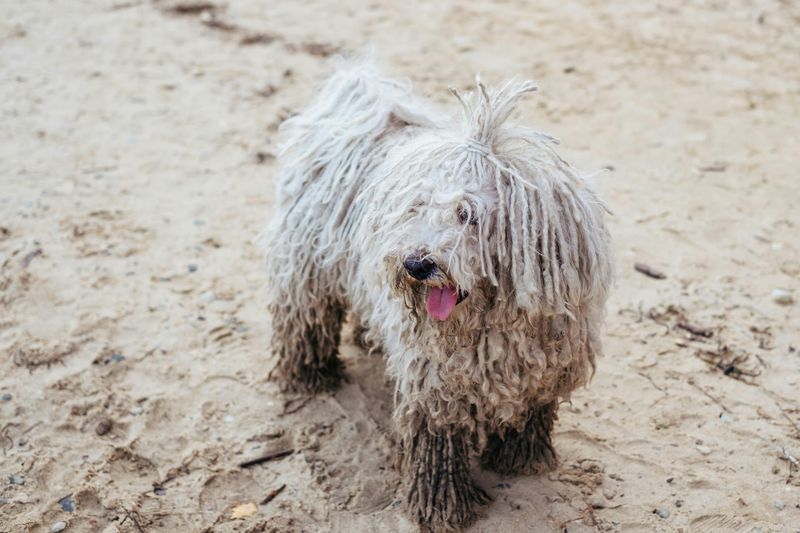
The Komondor, with its unique corded coat, is an iconic guardian. Originally from Hungary, this breed’s appearance is as protective as its nature.
Their independence and intelligence make them excellent at assessing threats. However, their territorial instincts require management to prevent stress.
They adore their family but remain aloof with strangers. Fun fact: Their coat, resembling dreadlocks, provides camouflage among the sheep they guard, making them almost indistinguishable at a glance.
Akbash
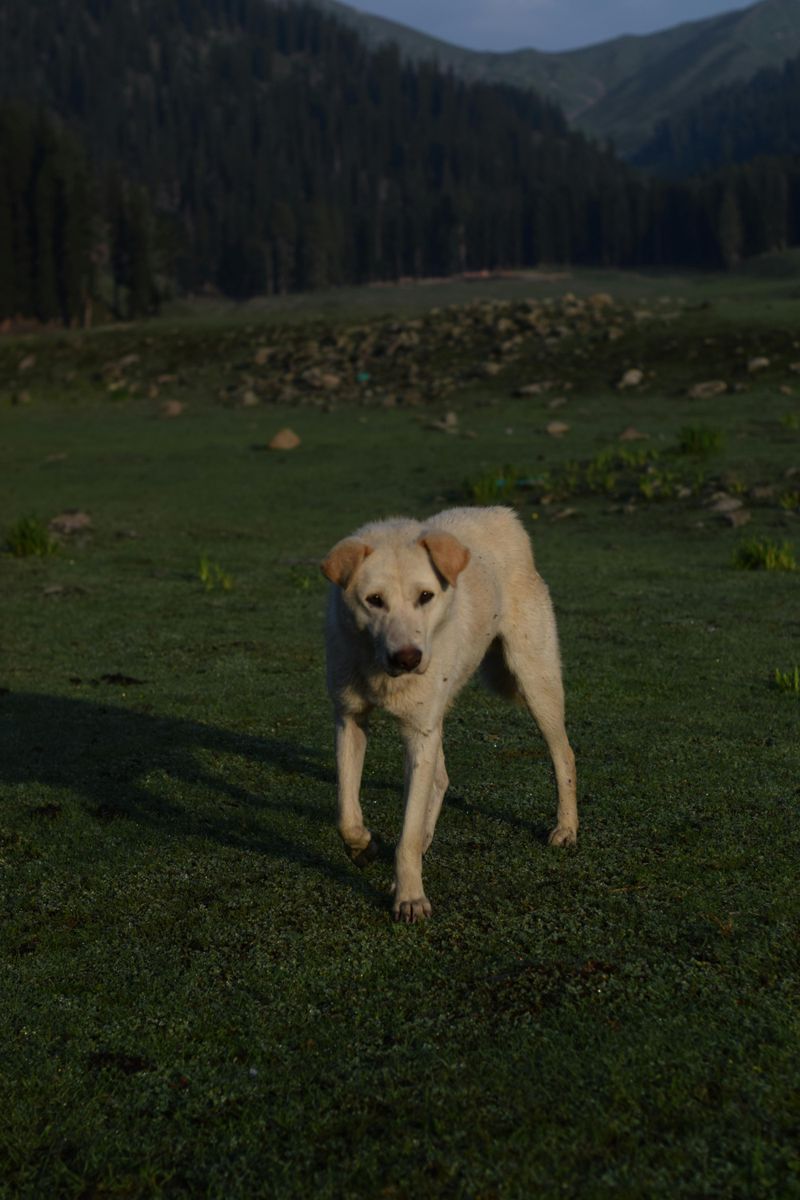
The Akbash, with its graceful stature and keen senses, is a Turkish treasure. Known for guarding livestock, they possess an innate protective instinct.
Their loyalty is unmatched, though they can become stressed without proper exercise and mental stimulation. Owners should ensure they have space to roam.
Despite their protective role, they exhibit a calm and gentle nature with family. Fun fact: The name “Akbash” means “white head” in Turkish, reflecting their distinctive appearance.
Kangal
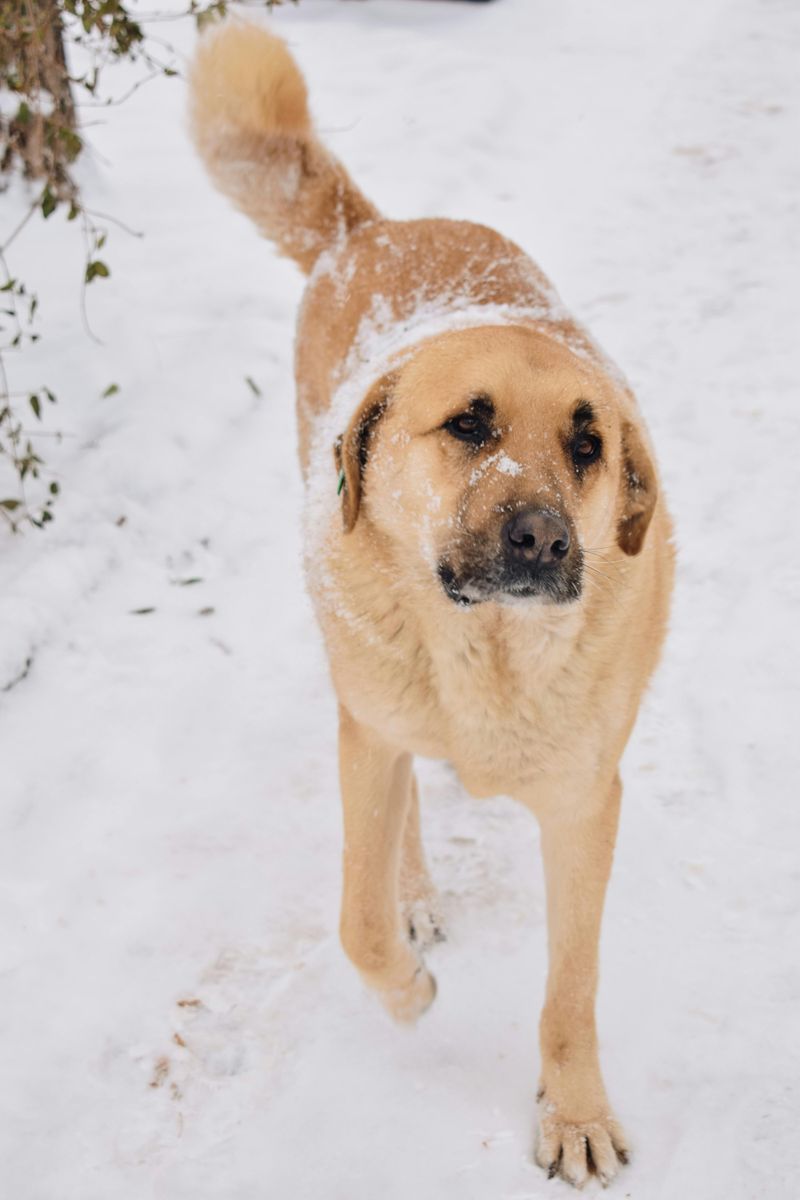
Renowned for its protective prowess, the Kangal is a national symbol of Turkey. Its strength and loyalty make it a formidable guardian.
Their protective instincts can lead to territorial stress if not properly socialized. Owners must provide clear leadership and training.
They are gentle with children and trusted companions. Did you know? The Kangal has one of the strongest bites among dog breeds, a testament to its role in deterring predators.
Maremma Sheepdog
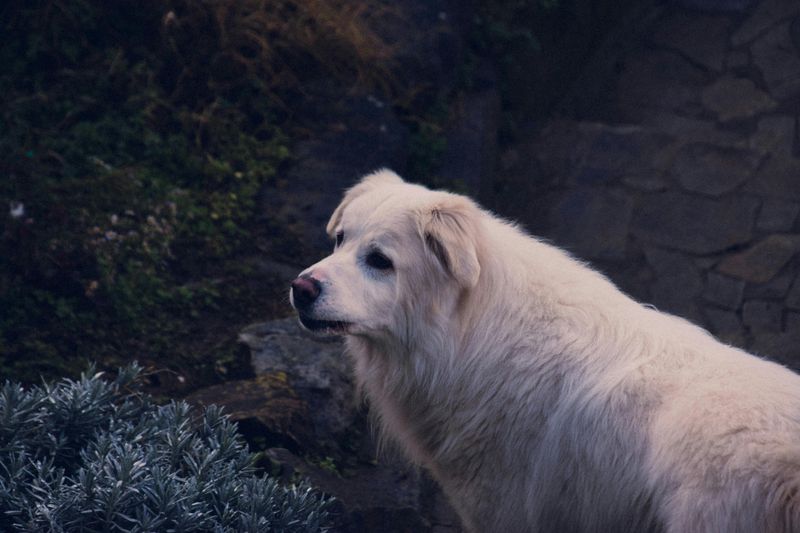
Originating from Italy, the Maremma Sheepdog is a shepherd’s trusted ally. Its loyalty to the flock is matched by its gentle approach to protection.
While naturally protective, they require socialization to prevent territorial stress. Owners must balance their need for independence with guidance.
Affectionate yet vigilant, they are adored by shepherds. Fun fact: They have been used to protect penguin colonies in Australia, showcasing their adaptability and guarding instincts.