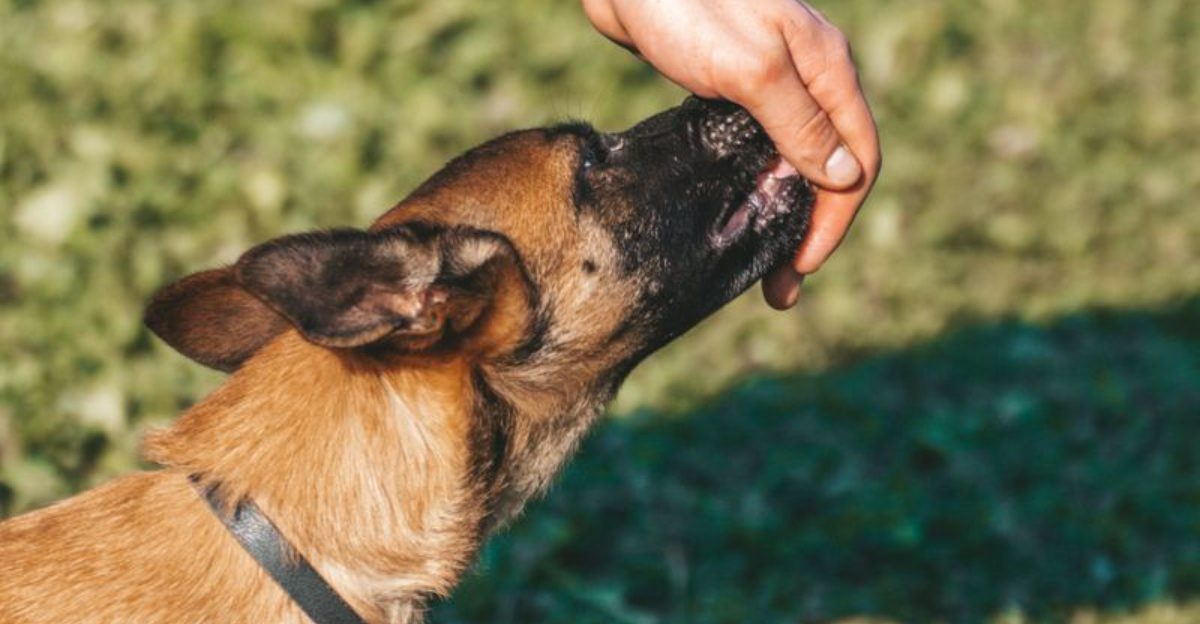
Some dogs need time before their true selves shine. At first, they might seem shy, stubborn, or too serious.
Once they trust their people, you will see playful quirks, loyal habits, and calm confidence. Knowing this helps families stay patient and build strong bonds.
Akita
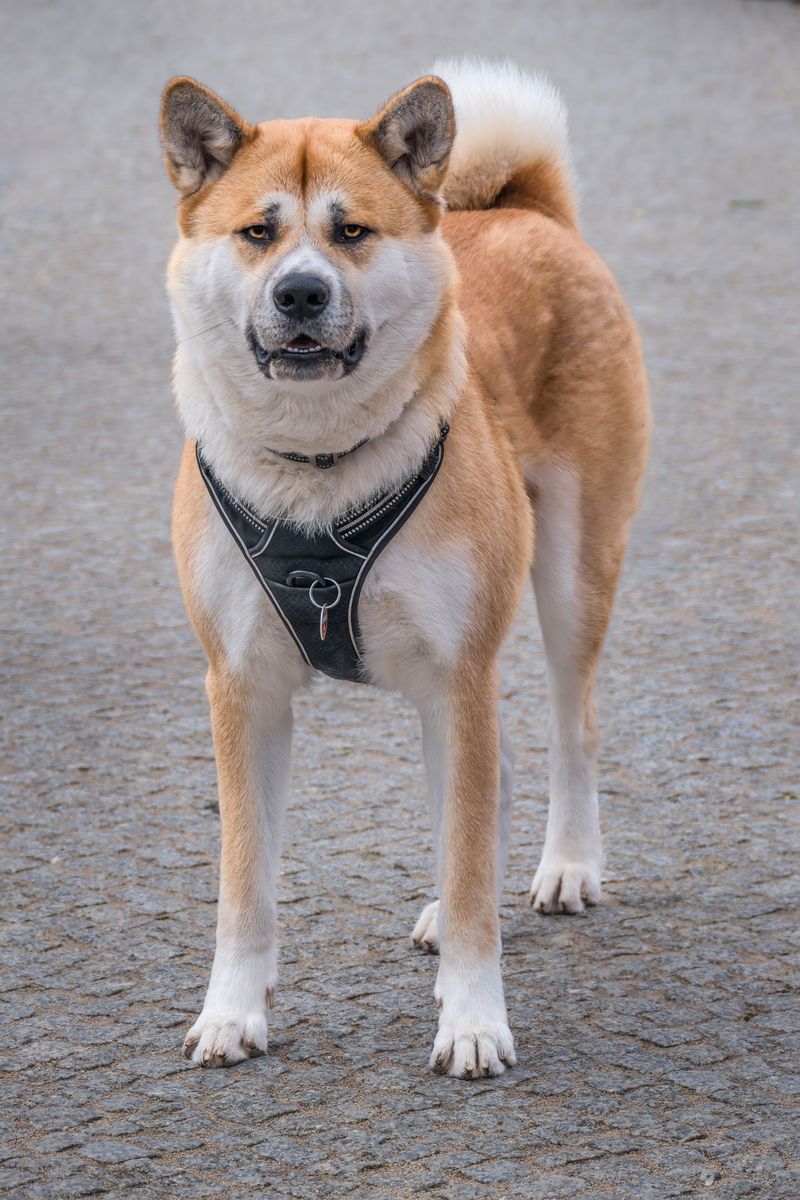
Quiet stares at the door become a warm head leaning on your knee once an Akita feels secure. Early days can seem aloof, yet trust flips the switch.
Loyalty runs deep, and routines help a lot.
Short training sessions, clear rules, and gentle praise bring out a steady, protective partner. A fenced yard and respectful handling keep them confident.
Fun fact: the famous Akita Hachiko waited years for his owner at a train station.
Shiba Inu
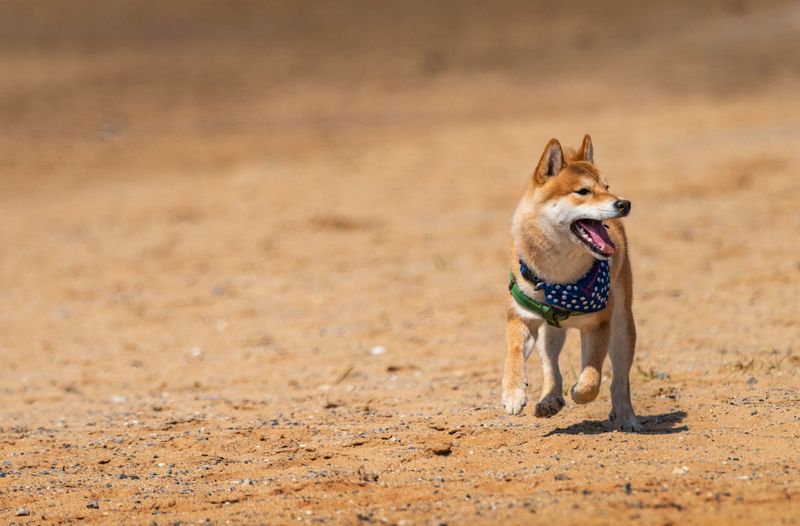
Sass meets sweetness once a Shiba decides you are worth it. Day one may feature side-eye and careful distance.
After trust builds, expect goofy zoomies, quiet cuddles, and smart problem-solving.
Use clicker games and puzzle feeders to channel that sharp mind. Keep walks interesting with sniff breaks to lower stubborn moments.
They appreciate space, but also family rituals. History note: Shibas are one of Japan’s oldest native breeds, bred for agility in rugged terrain.
Great Pyrenees
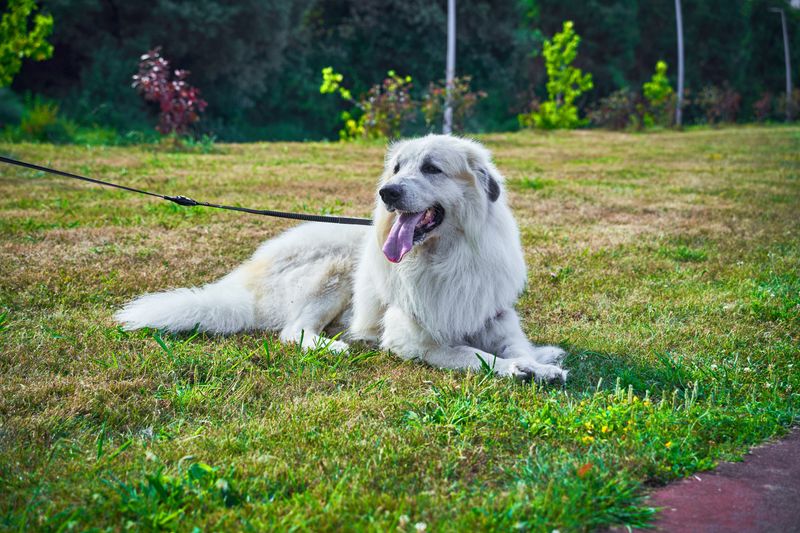
At first, a Pyrenees may seem like a sleepy cloud. Give it time, and you will find a thoughtful guardian who quietly patrols the yard at night and naps near the kids by day.
Consistent routines and calm praise work better than high-energy drills. Teach a solid recall and a quiet cue.
Their flock-guardian roots show in their patience and independence. Provide secure fencing and steady social time to keep their confidence balanced.
Chow Chow
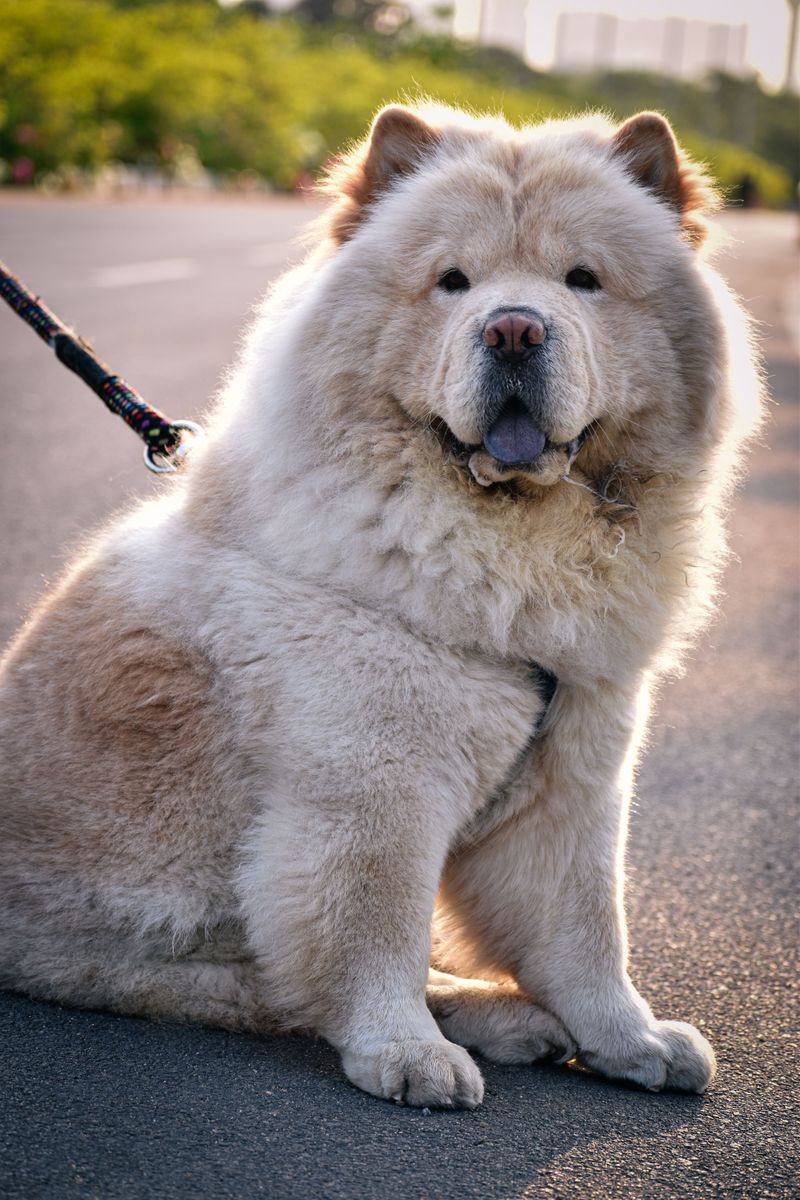
Like a reserved neighbor who becomes a loyal friend, a Chow opens up slowly. Early days can feel formal.
Once bonded, you may see gentle humor, careful watchfulness, and quiet shadowing from room to room.
Respectful handling and steady grooming sessions build trust fast. Keep training short and fair, not pushy.
Social exposure in low-stress places helps them read the world. Fun bit: the Chow’s blue-black tongue is a famous breed hallmark.
Basenji
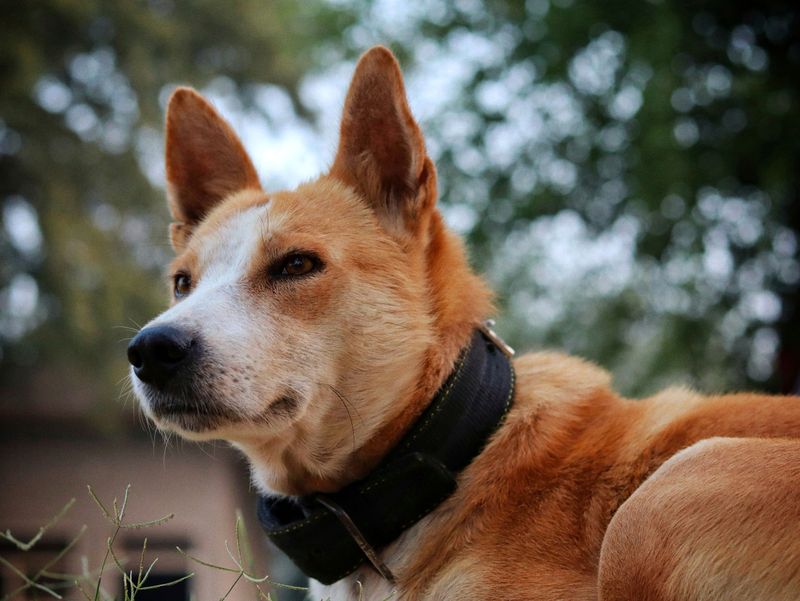
A silent comedian lives inside many Basenjis. Once they trust the routine, you will catch playful bowing, clever toy theft, and bright eyes that say try me.
The first week might feel cautious and detached.
Short scent games and chase-style fetch bring out joy. Teach impulse control with sit-and-look before doors open.
They rarely bark, but they yodel when excited. Origin note: Basenjis come from Central Africa and were prized for quick, cat-like agility.
Whippet
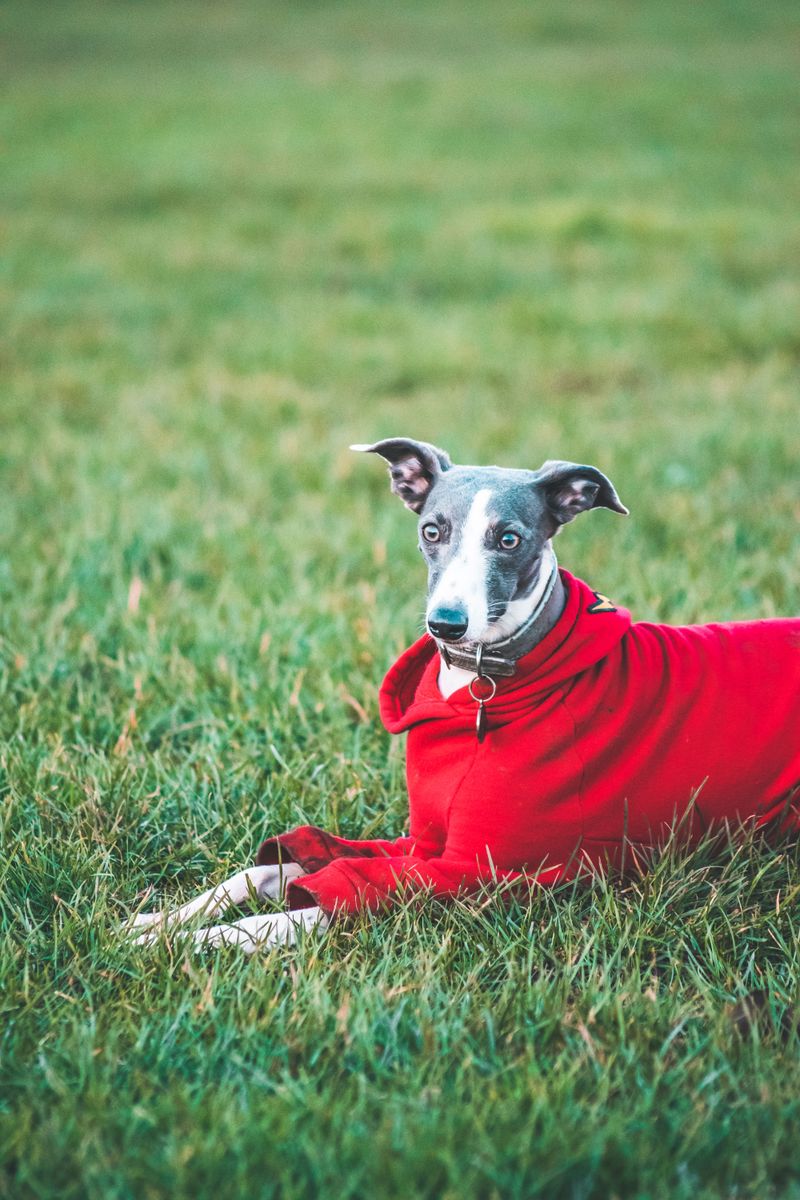
Speed on the field, softness at home. After settling in, a Whippet turns into a gentle couch buddy who sprints in short bursts, then snoozes like a pro.
The first days may look nervous or unsure.
Warm beds, calm voices, and playdates with friendly dogs help them bloom. Use lure games and recall practice in safe spaces.
Low body fat means they chill easily, so add a sweater for brisk walks.
Greyhound
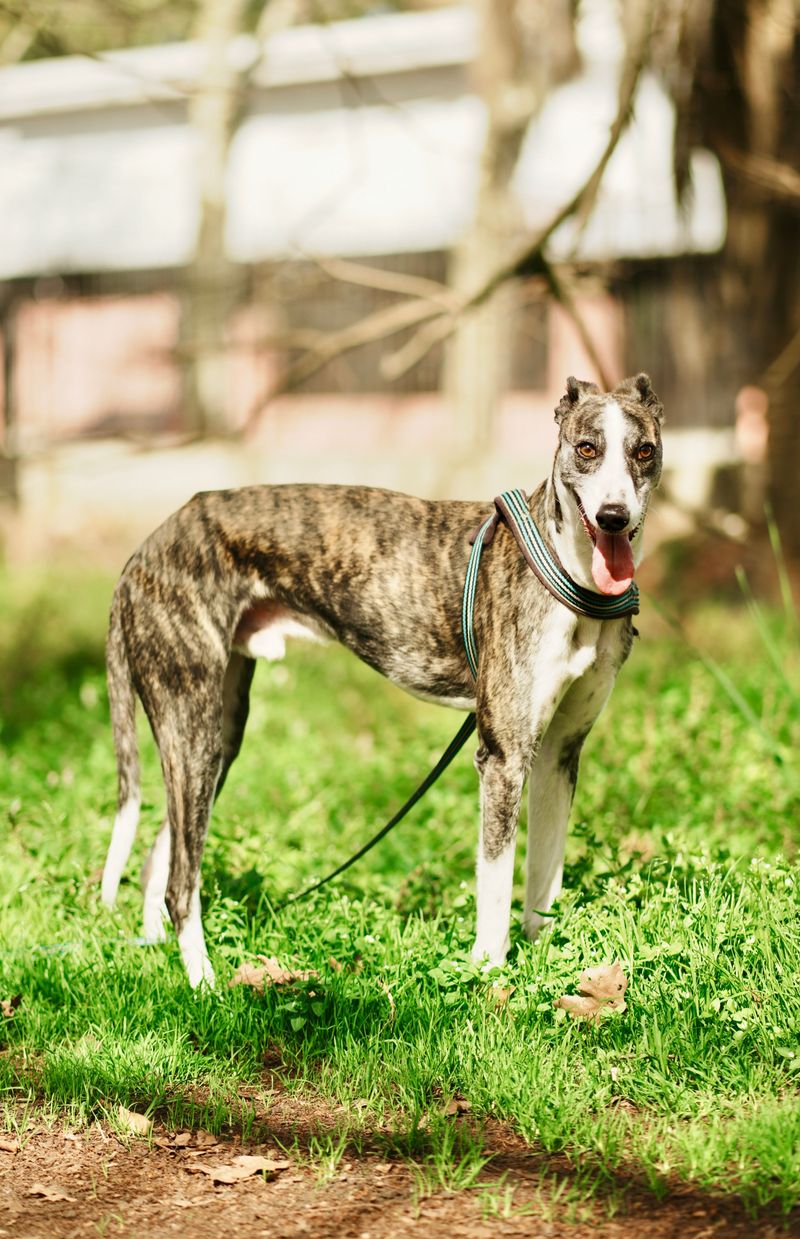
Many Greyhounds arrive calm but mysterious. Give a few weeks, and the goofball appears, complete with roaches-on-the-sofa naps and sudden happy dances.
They love routine and soft places to land.
Start with short walks, simple cues, and patient leash work. Their thin skin needs padded gear.
Most enjoy fellow Greyhound friends for confidence. Fun fact: despite their speed, they are sprinters, not marathoners, which is why so many become excellent apartment loungers.
Belgian Malinois
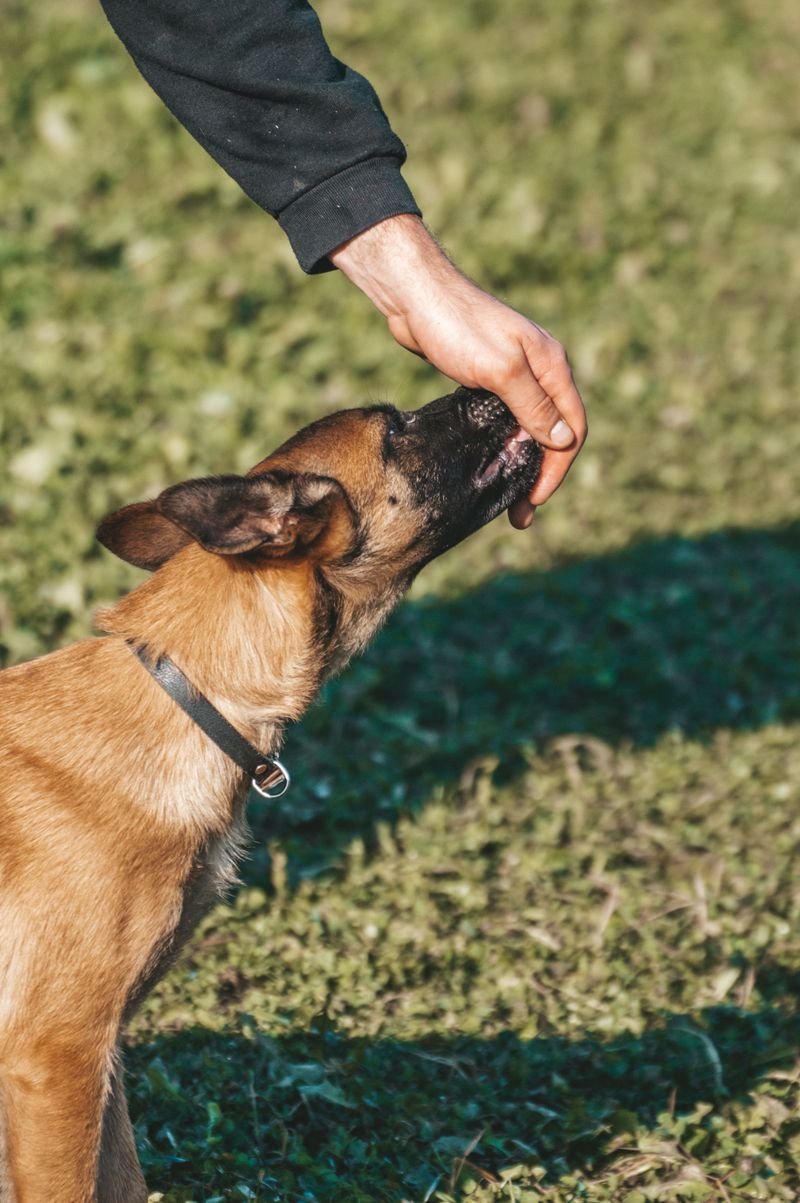
Firecracker energy turns into brilliant teamwork once a Malinois bonds with you. At first, that drive can feel intense.
With structure, the dog becomes a dedicated partner who checks in often and thrives on tasks.
Daily training, clear outlets like tug and scent work, and careful rest prevent overload. Teach off-switch cues and crate comfort.
Many excel in sports like agility and tracking. History note: bred in Belgium for herding and versatile service roles.
Anatolian Shepherd Dog
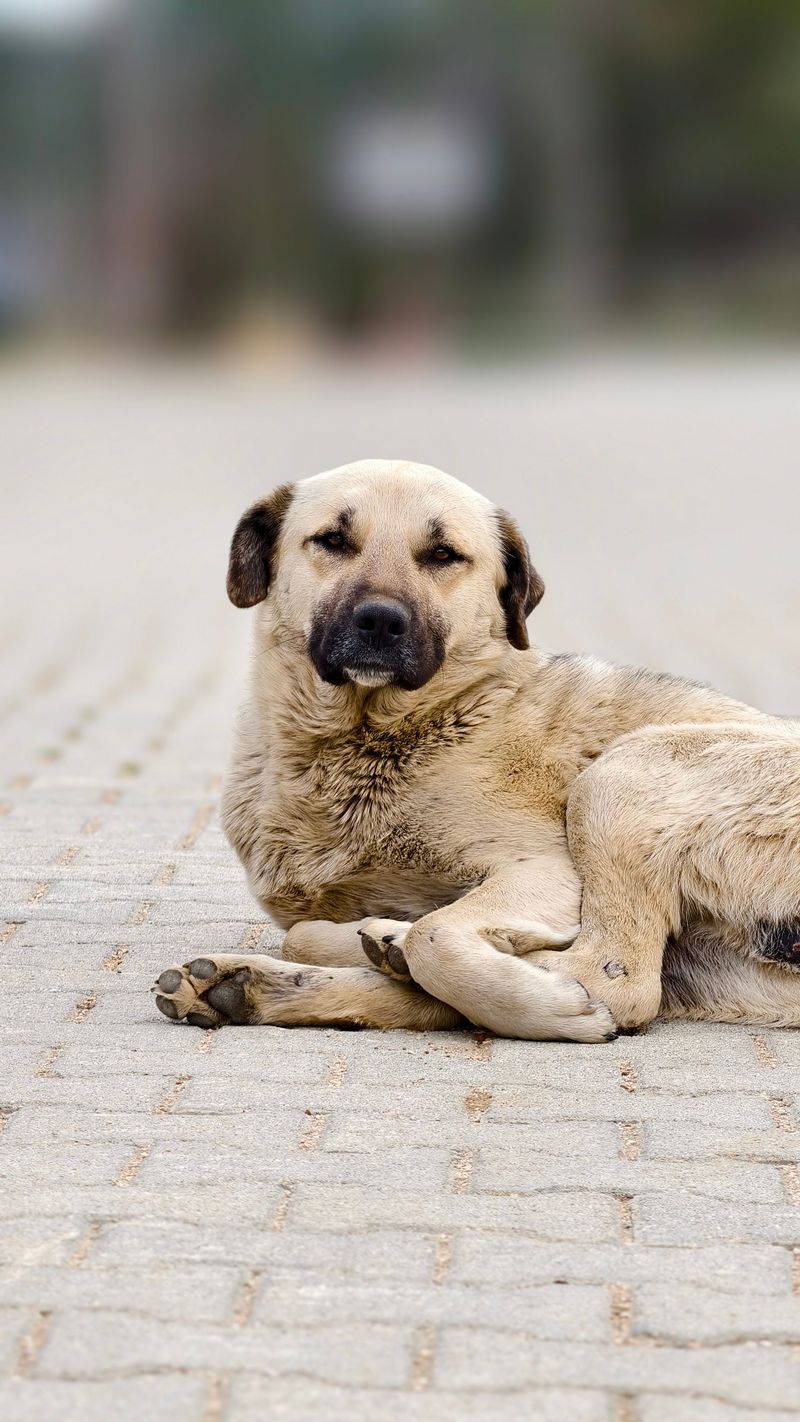
Patience reveals a calm strategist. Early on, an Anatolian may patrol quietly and keep distance.
With trust, the dog chooses shady spots near family, checks gates, and moves livestock with minimal fuss.
Firm boundaries, strong recall, and early social visits build reliability. They prefer clear jobs, even simple ones like yard watch.
Provide secure fencing and thoughtful introductions to visitors. Origin detail: developed in Turkey to guard flocks against predators in wide, open country.
Rough Collie
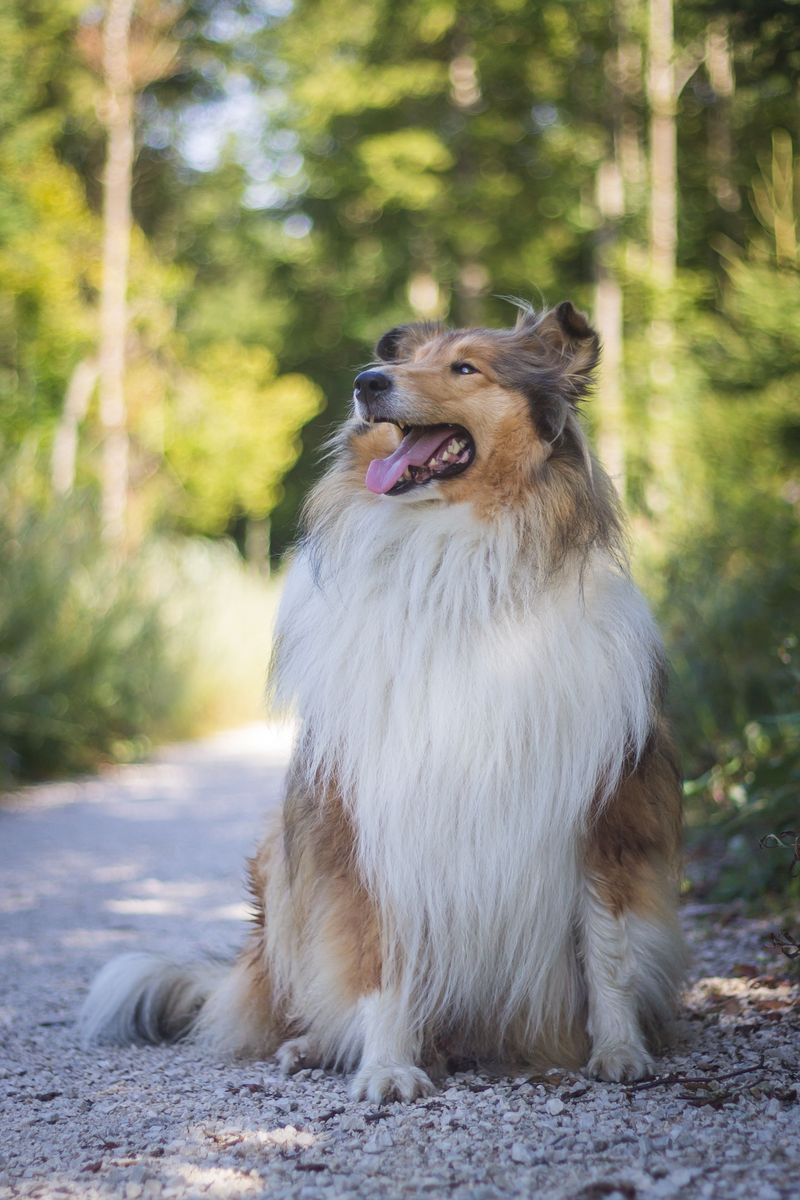
Storybook looks meet a thoughtful heart. Once comfortable, a Rough Collie often anticipates your moves, nudging you to the door at walk time and hovering near kids during games.
The first days may feel cautious.
Kind words, brush sessions, and light obedience make their confidence bloom. Teach herding-safe games to prevent heel-nipping.
Many learn hand signals fast. Trivia: made famous by Lassie, Collies were bred for guiding and guarding sheep across rolling hills.