
Every dog learns in a different way, just like people. When you match training to a dog’s natural strengths, the results can be amazing.
You get better focus, stronger skills, and a happier teammate. Here are training styles that bring out the best in some truly remarkable breeds.
Belgian Malinois
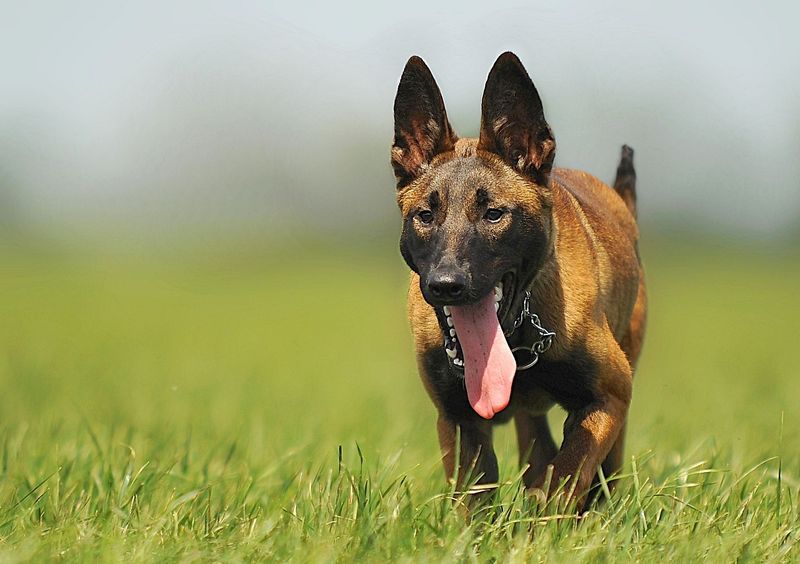
Built like an athlete with a brain to match, the Belgian Malinois shines when given a mission. Short, goal-based lessons keep attention tight.
Pay with high-value tug or ball play, delivered the moment a correct behavior appears.
Offer structure without harshness. Blend obedience with scent games, safe urban parkour, and calm place training to build an off switch.
Rotate challenges to prevent boredom. With purpose and clear markers, their drive becomes laser-focused teamwork instead of chaos.
Border Collie
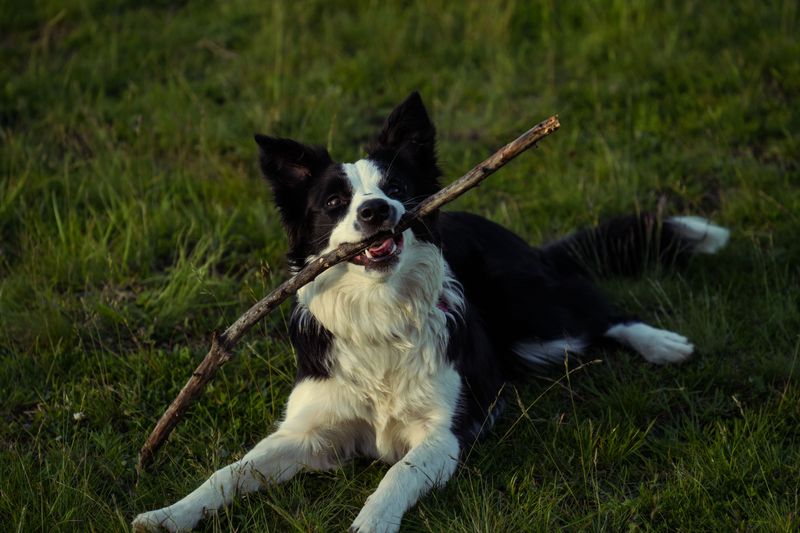
Eyes that read your body like a book make the Border Collie a pattern expert. Teach with precise cues, smooth motion, and clicker timing.
Shape behaviors in small steps and let the dog solve puzzles to satisfy that sharp mind.
Channel the stalk-and-control instinct with herding games, treibball, or directed fetch. Sprinkle in impulse-control drills between fast tasks.
Mental marathons matter more than sprints, so quality brain work beats endless running.
German Shepherd
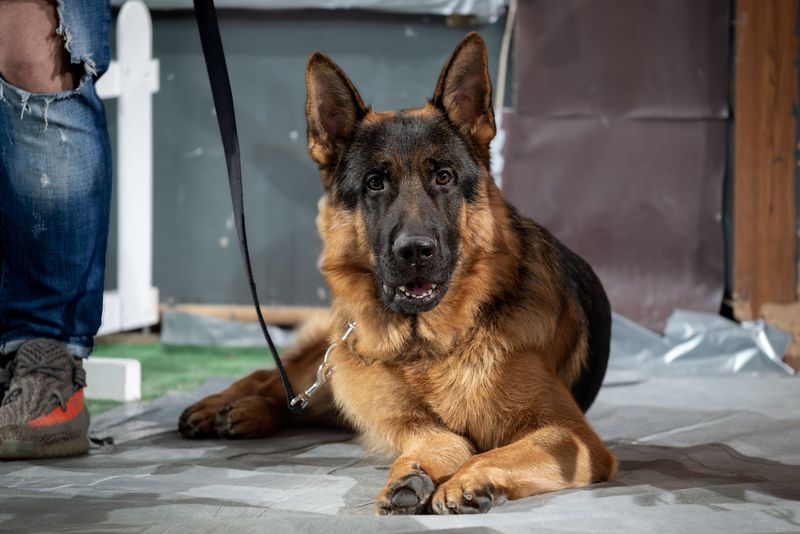
Steady leadership and clarity help German Shepherds relax and excel. Use fair rules, consistent markers, and calm hands.
Start with foundation obedience, then add utility tasks like item retrieval or boundary work to feed their desire to protect and serve.
Balance power with patience. Reward quiet focus, not just big moves.
Mix tracking, nosework, and controlled play to build confidence. When expectations stay simple and consistent, this breed delivers loyal, thoughtful performance.
Standard Poodle
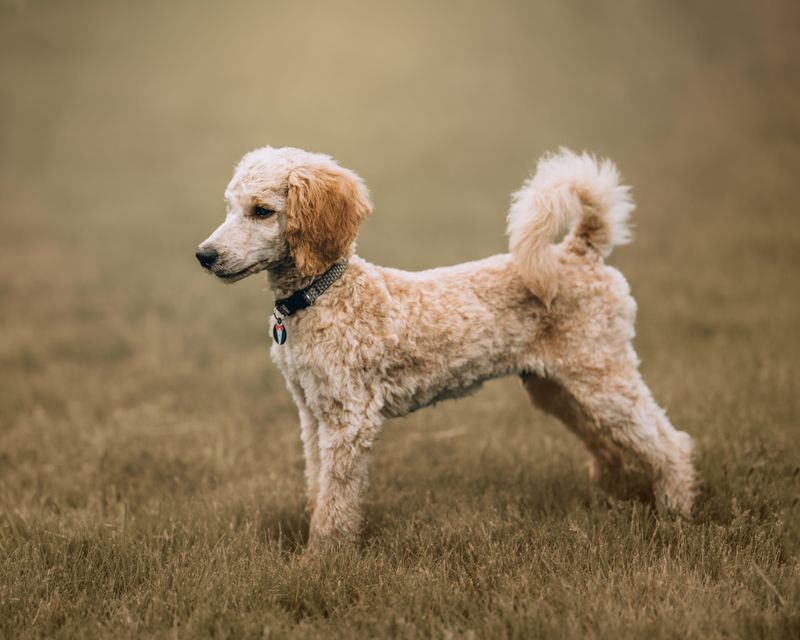
Behind the curls lives a comedian who loves to learn. Standard Poodles respond brilliantly to trick training, shaping, and creative games.
Keep sessions upbeat with quick wins, varied props, and frequent jackpots for clever ideas.
Rotate tasks to keep novelty high: platform work, ring toss, nose targeting, and cooperative care. Gentle guidance fits their sensitive side, while puzzles satisfy their curiosity.
When training feels like play, they sparkle with style and surprising athleticism.
Australian Shepherd
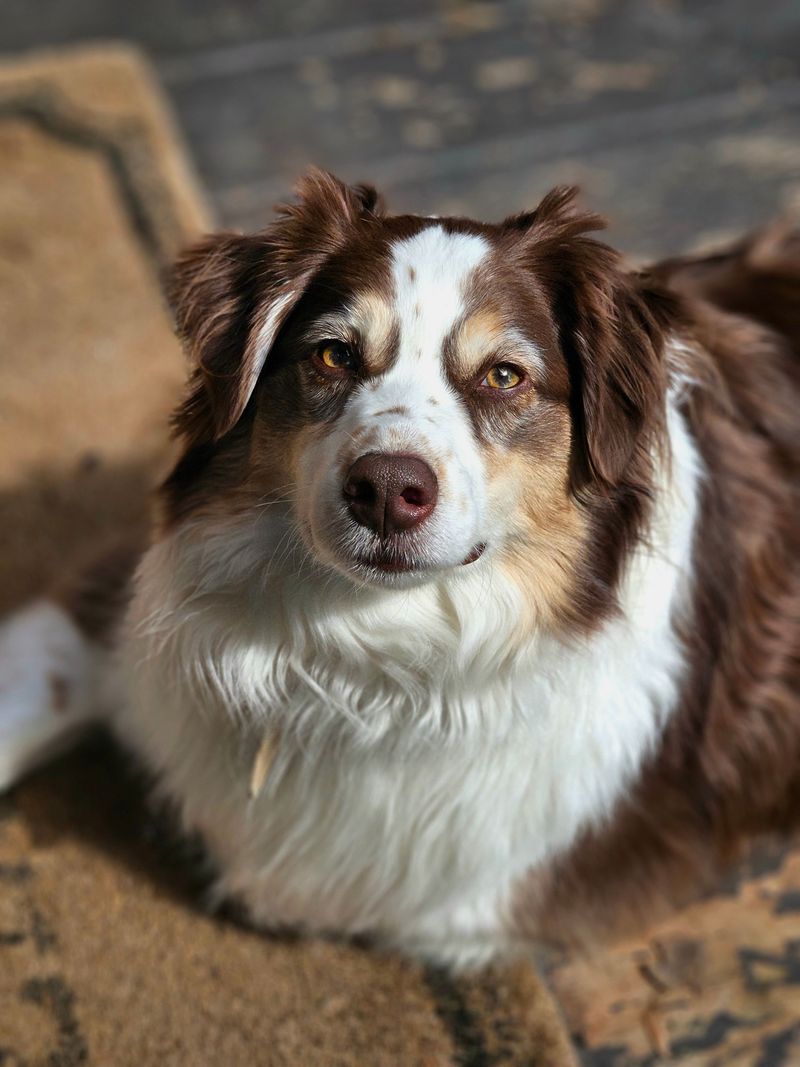
Born to manage movement, the Australian Shepherd thrives on directed energy. Guide with clear paths, fast feedback, and jobs that ask for both speed and control.
Agility, rally, and chore-like tasks around the home keep their brain busy.
Alternate action with stillness. After fast drills, cue a long settle or mat stay to build balance.
Use toys, herding balls, and scent hides to prevent restlessness. Purpose plus structure turns whirlwinds into wise workers.
Doberman Pinscher
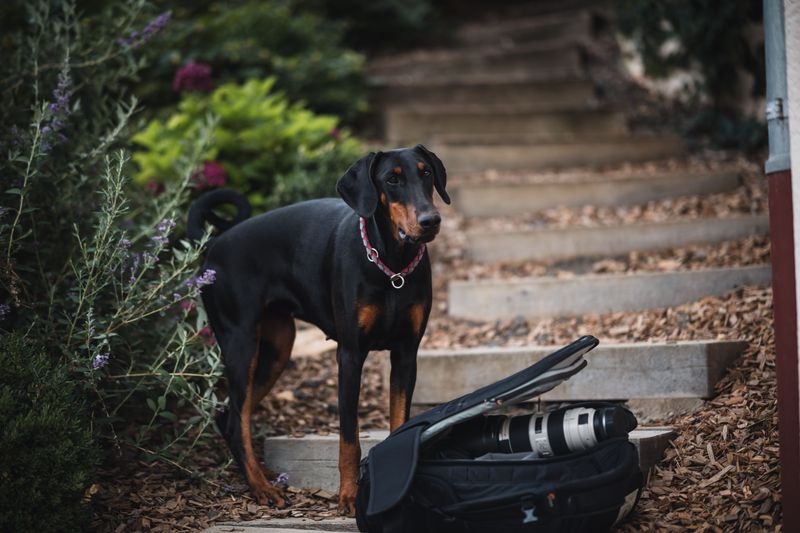
Confidence grows when instruction is respectful and clear. Dobermans do best with firm, kind boundaries and rewards that match their intensity.
Teach neutral greetings, elegant heeling, and solid recalls with food first, then proof with real-life distractions.
Short sessions prevent frustration. Add scent games and object holding to engage the mind.
Keep your own body language calm and assured. When guidance feels fair and consistent, the Doberman responds with polished manners and heart.
Cane Corso
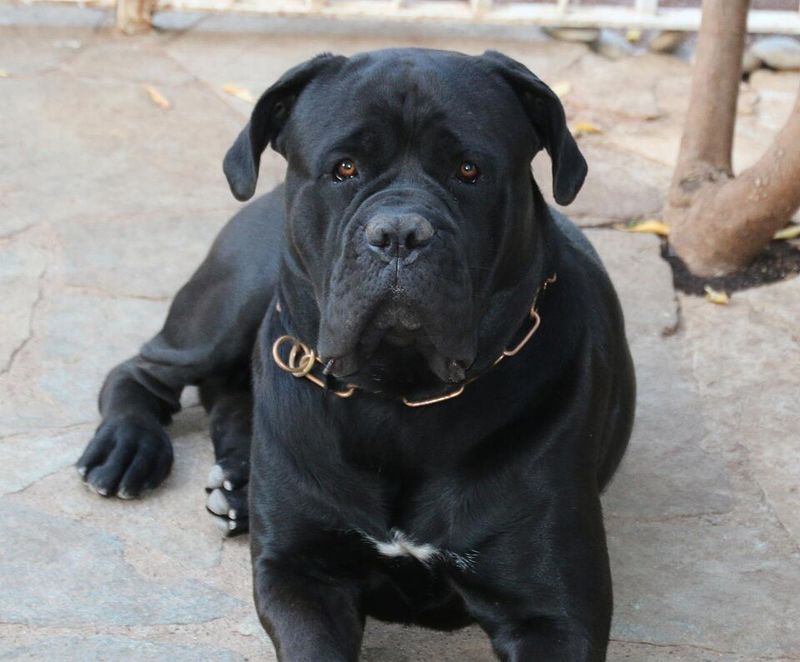
Big presence, bigger feelings. The Cane Corso benefits from early socialization and calm, predictable routines.
Focus on neutrality to people and environments, using place training and loose-leash skills to lower arousal.
Reward steady breathing and soft eyes as much as sits and downs. Keep lessons brief and confident, never rough.
Add scent work and cart-style pulling for purposeful exercise. With patient structure, their protective nature settles into thoughtful self-control.
Giant Schnauzer
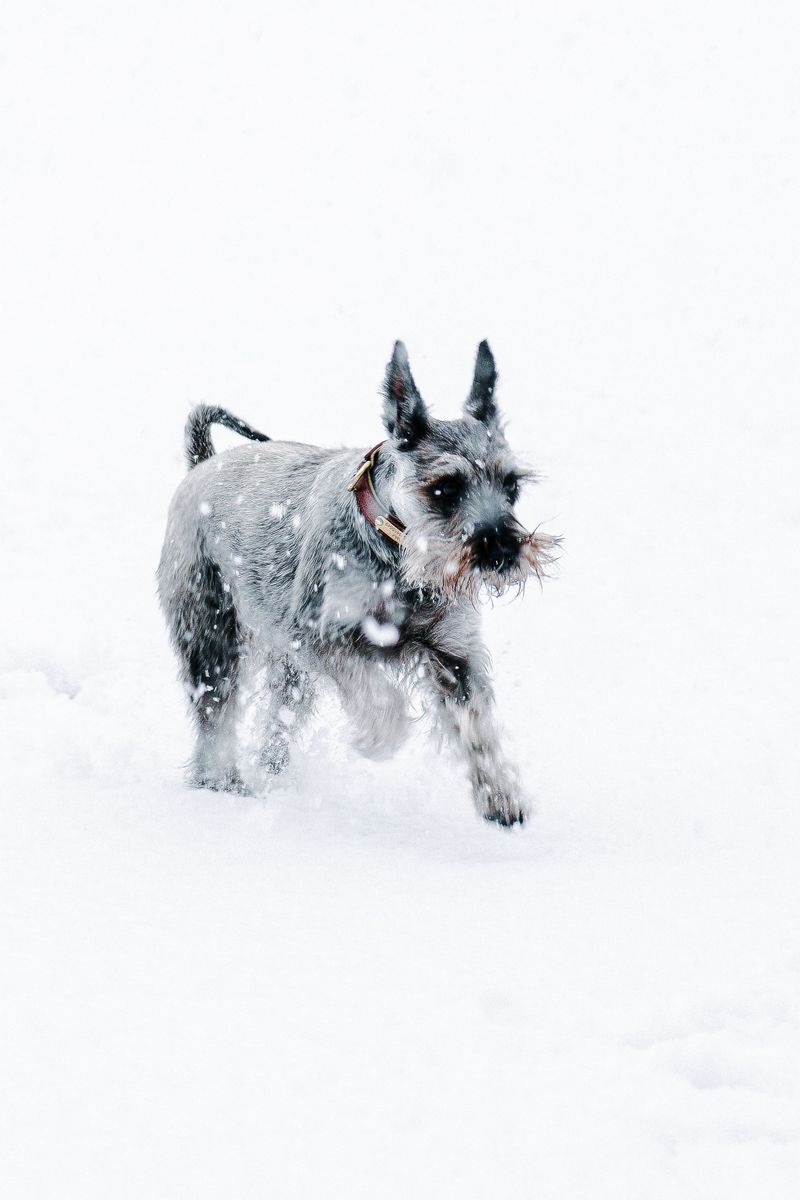
Like a clever foreman, the Giant Schnauzer enjoys serious tasks. Tracking, utility obedience, and cart work satisfy that managerial spark.
Keep instructions crisp and switch between power moves and brain games to avoid stubborn moments.
Use consistent markers and meaningful rewards, then let the dog think through problems. Teach impulse control through start-stop drills with toys and food.
When effort earns progress, this breed works hard and listens well.
Vizsla
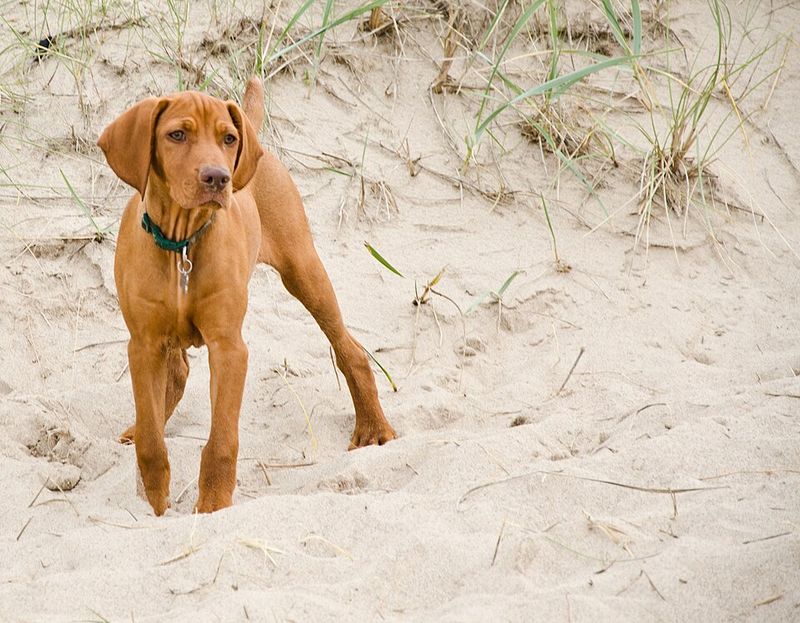
Affection fuels learning for the warm-hearted Vizsla. Gentle guidance, lots of praise, and play-based rewards build trust.
Work on recalls, loose-leash walking, and soft-mouthed retrieves using a whistle and tasty treats.
Keep contact frequent and sessions light. Mix running games, bird-scent exposure, and quiet cuddle breaks to protect their sensitive nature.
When connection stays strong, the Vizsla offers eager focus across fields and at home.
Australian Cattle Dog
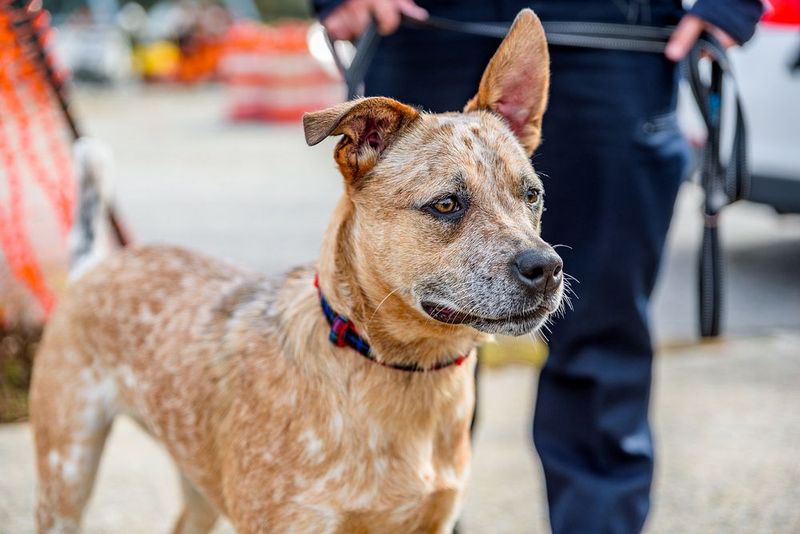
Built for grit, the Australian Cattle Dog loves practical challenges. Teach with clear jobs, such as directional fetch, gate manners, and moving to a target.
Reward with tug, discs, or purposeful chores that burn energy.
Prevent over-arousal by pairing action with calm downs and precise recalls. Break big tasks into bites, then chain them together.
When training feels like real work, this breed turns intensity into reliable skill.