
Scrolling past endless photos of dogs in vests, you might wonder which ones are truly working and which are just dressed for clicks. The confusion is real, and it hurts people who rely on legitimate service dogs every day.
Knowing the breeds most often trained for serious tasks can help you spot responsible teams and avoid misinformation. Let’s break it down clearly so you can tell hype from honest working partners.
Labrador Retriever
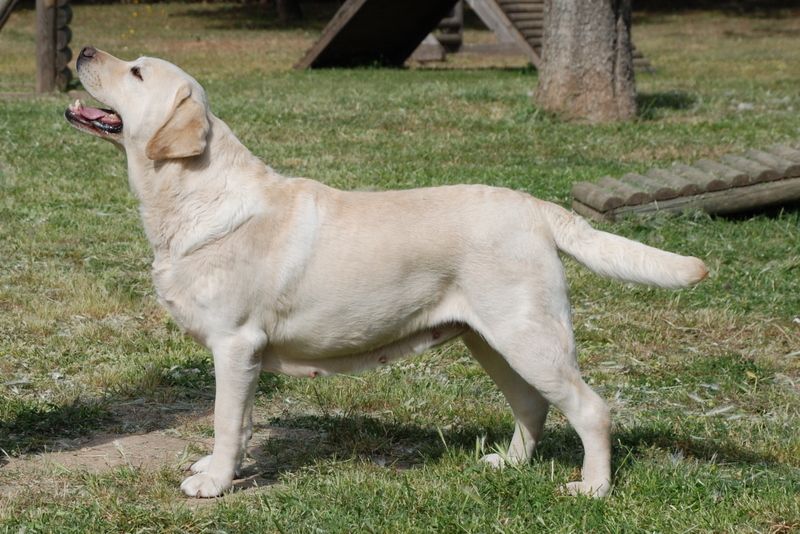
Labradors are everywhere in service dog vests for good reason. They combine steady temperament, trainability, and a people pleasing attitude that thrives on teamwork.
You will see them guiding the blind, retrieving dropped items, and pressing medical alert buttons without fuss.
Their size is perfect for mobility support while still riding comfortably in cars and navigating tight spaces. Labradors are usually unfazed by crowds, shopping carts, or loud traffic.
When wearing a vest, they should appear relaxed, focused, and responsive to discreet cues.
If you spot disruptive behavior, it is not the breed’s fault. True service Labs are task trained and quiet.
Respect the team, give space, and avoid distracting the dog with talk, treats, or touching.
Golden Retriever
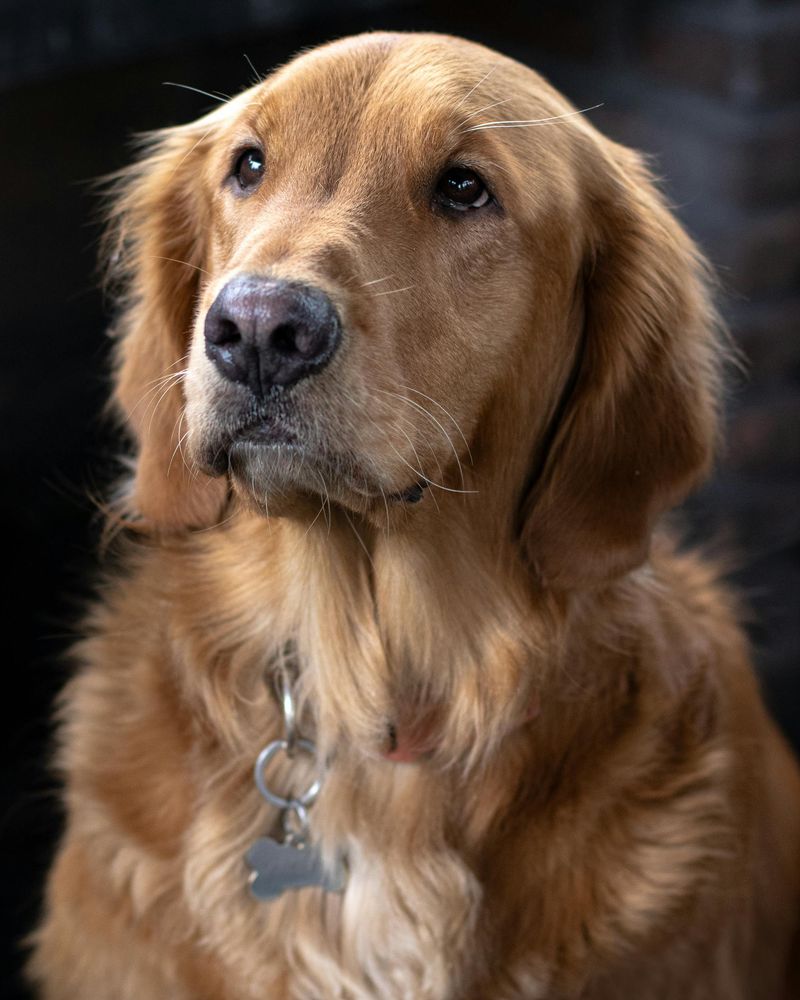
Goldens are gentle communicators whose empathy shines in service roles. You will often see them assisting with mobility, psychiatric tasks, and medical alerts.
Their soft mouths and careful movement make them ideal for picking up medication bottles and delicate items without damage.
They are social by nature but trained to ignore attention while working. A Golden in vest should maintain loose leash, neutral posture, and eyes on their handler.
Excessive wagging toward strangers may look cute, but real teams prioritize focus and comfort.
Grooming matters, too, since longer coats can mat under gear if not maintained. A clean vest and tidy coat reflect responsible care.
If you are unsure, observe behavior, not just color or cuteness.
Standard Poodle
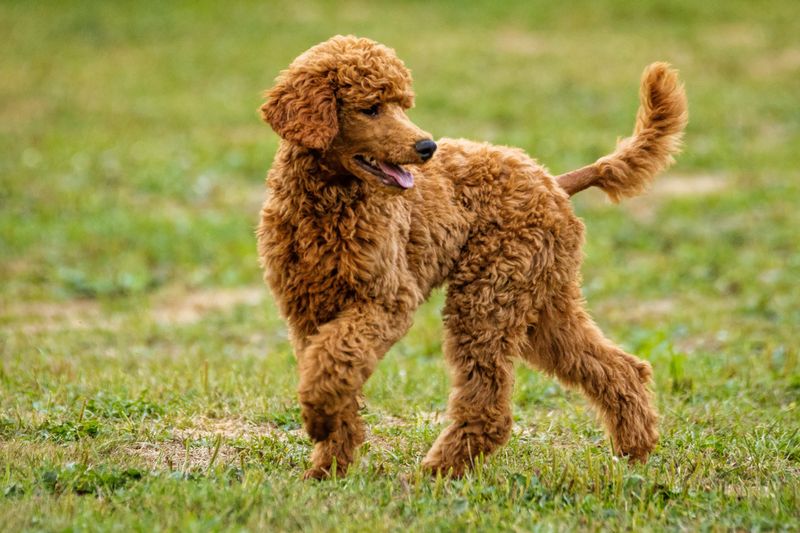
Standard Poodles surprise people who think of them as only show dogs. In reality, they are brilliant problem solvers with non shedding coats that help many allergy sensitive handlers.
Their height and athleticism support balance work, counterbalance, and retrieving keys or phones gracefully.
Poodles excel in public because they move quietly and adapt quickly to tight or busy spaces. You may notice precise heelwork and a soft, attentive eye on the handler.
They should ignore food on floors, stroller wheels, and sudden noises.
A well fitted vest avoids rubbing curls and allows shoulder movement. Real teams prioritize comfort and safety over fashion.
If you see glitter harnesses but sloppy obedience, that is a red flag, not standard practice.
Collie
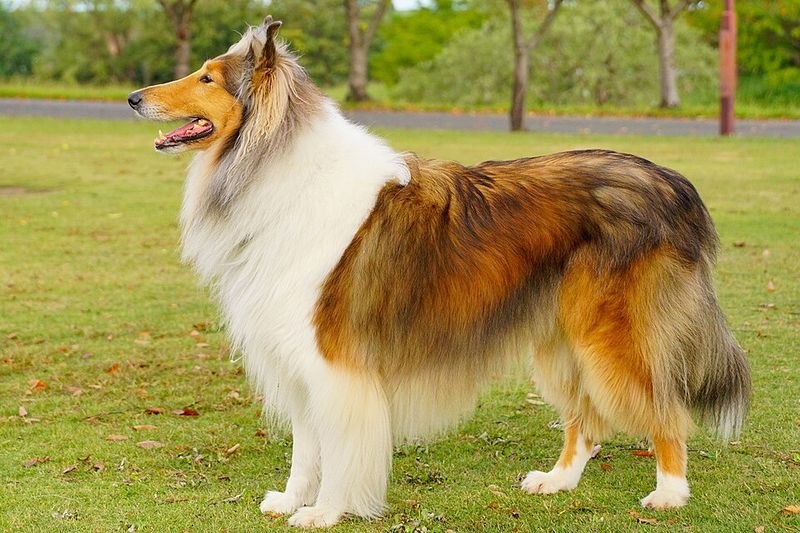
Collies bring keen awareness and gentle responsiveness to service work. Their herding heritage makes them attentive to movement and changes in a handler’s gait or posture.
Many provide medical alerts, guide tasks, or light mobility support with a soft, cooperative attitude.
Coat management is crucial under a vest, so you may see a tidy ruff and brushed breeches. Despite their beauty, a working Collie should not solicit petting.
Look for purposeful walking, quick directional changes, and a quiet check in glance to the handler.
Some teams use shorter sessions in hot weather to protect double coats. Real service gear fits snugly but never restricts shoulders.
Respect boundaries and let them work without calling or whistling.
German Shepherd Dog
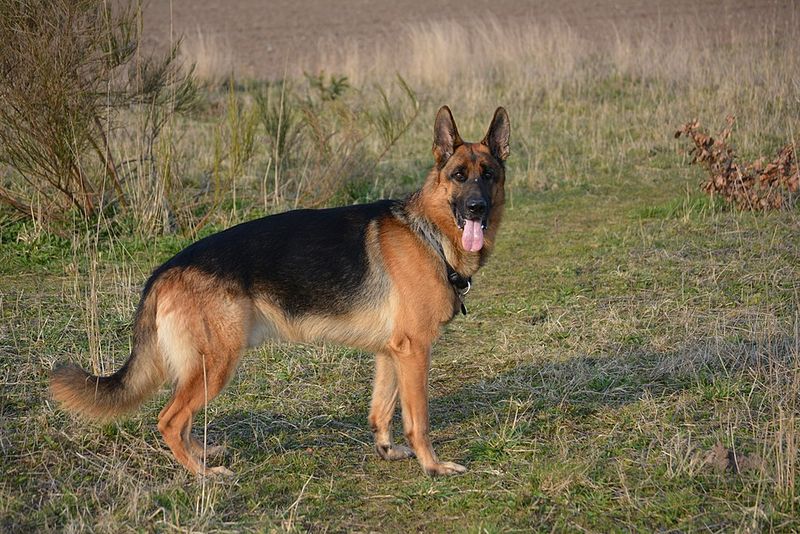
German Shepherd Dogs are iconic working partners known for intelligence, stamina, and composure. In service roles, they guide, brace, and perform complex retrievals with crisp obedience.
You should see neutral confidence, not bravado or reactivity, even amid clattering trains and echoing halls.
A proper vest allows shoulder freedom and includes clear patches stating tasks are not to be interfered with. Handlers often use quiet hand signals and minimal voice.
True teams keep pace and avoid scanning for strangers or dogs.
Misrepresentation hurts this breed’s image, since viral clips can sensationalize intensity. Real service Shepherds are steady, not dramatic.
Give space, avoid eye contact that challenges them, and let the pair navigate safely.
Boxer
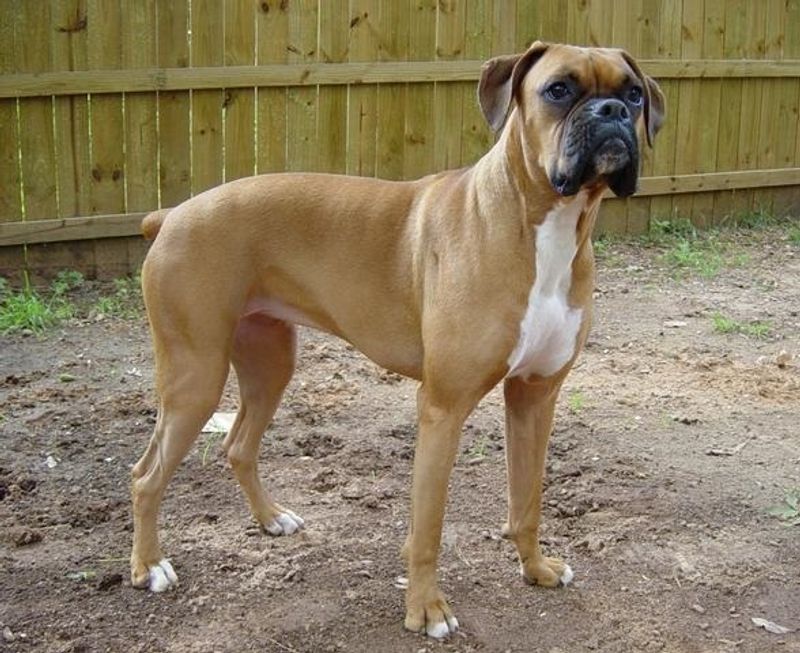
Boxers have expressive faces and big hearts that translate well to medical alert and psychiatric support. Their short coats make vest fitting simple, and their playful energy channels into precise, task focused work.
Expect a balanced gait, relaxed mouth, and quick response to subtle cues.
Because they are eye catching, bystanders often want to chat. A working Boxer should remain neutral, settling quietly under tables and ignoring dropped food.
You might see them nudge a handler before a faint or panic episode.
Consistency matters more than flash. Real service teams prioritize predictability and calm recoveries after tasks.
If you notice lunging or vocalizing at distractions, that signals training gaps, not typical service standards.
Doberman Pinscher
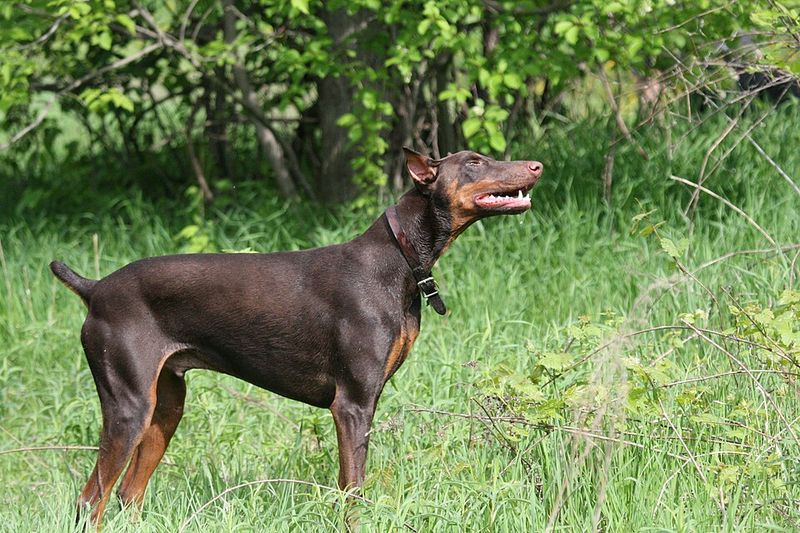
Dobermans are attentive, athletic partners who excel at mobility assistance and medical alerts. Their smooth coats and lean frames make gear fit straightforward, preventing chafing.
A working Doberman should show soft eyes, quiet mouth, and steady heel without scanning for conflict.
People sometimes stereotype this breed, but genuine service teams demonstrate calm reliability. Look for confident neutrality around dogs, scooters, and loudspeakers.
The vest is not about intimidation, it is about communicating access needs and boundaries.
Handlers often reinforce with low key praise to maintain focus. If curiosity pulls you in, resist the urge to engage.
The best help you can give is space, patience, and letting tasks proceed uninterrupted.
Great Dane
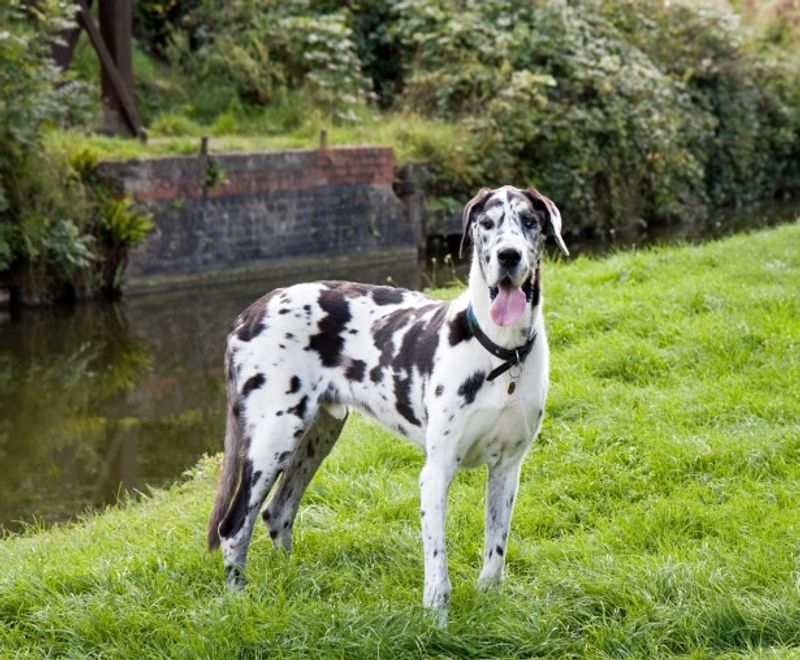
Great Danes bring height and calm presence to mobility and balance tasks. Their size demands specialized gear fitted by professionals to protect joints and shoulders.
When working, a Dane should move slowly, align with the handler’s pace, and avoid pulling or sudden turns.
Public access with a giant breed attracts attention. Responsible teams minimize disruption by practicing tight turns, tidy sits, and settling under tables despite long legs.
The vest and harness distribute weight safely rather than acting like a leash.
You can help by giving wide berth in aisles and elevators. True service Danes are gentle, polite, and quietly effective.
Size is impressive, but the hallmark is control and comfort for both partners.
Bernese Mountain Dog
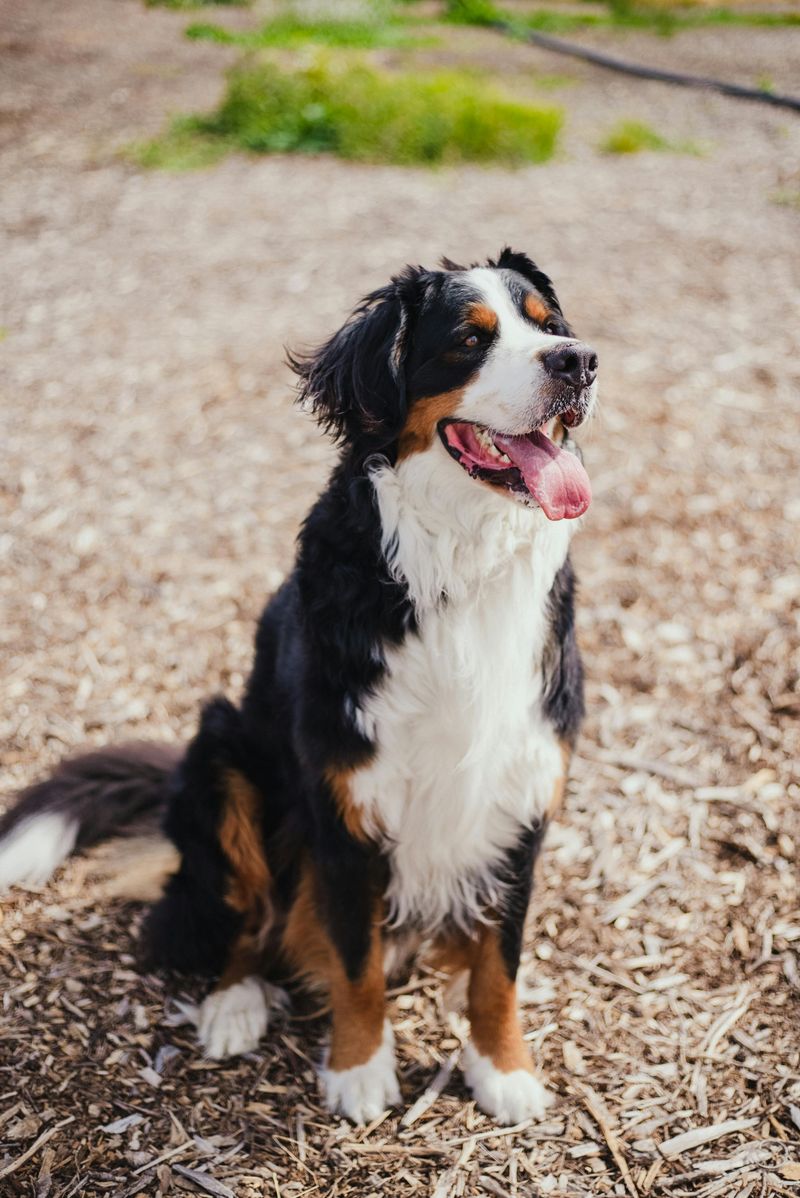
Bernese Mountain Dogs combine strength and a sweet temperament that suits mobility and psychiatric tasks. Their thick coat requires careful grooming so vests sit flat without rubbing.
Expect a gentle trot, soft eye contact, and a willingness to brace or retrieve on cue.
Heat management matters for this breed. Responsible teams choose breathable gear, frequent water breaks, and shade on hot days.
In stores or clinics, a Bernese should curl calmly at the handler’s feet, not block aisles.
Do not confuse friendliness with availability. While off duty they might be social, in vest they are focused professionals.
Offer space, avoid conversation with the dog, and respect the handler’s privacy.
Cocker Spaniel
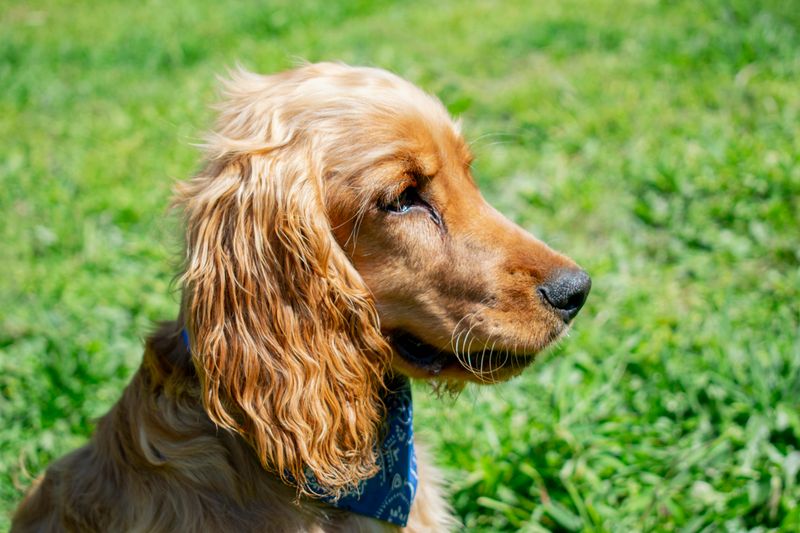
Cocker Spaniels are smaller, but big on heart and nose work. Many excel at scent based medical alerts for diabetes, seizures, or POTS, where agility and quick response shine.
Their compact size suits apartments and tight seating while remaining comfortably under chairs in restaurants.
A working Cocker should be tidy, with trimmed ears to prevent snagging on gear. Look for quiet focus, gentle nudges, and immediate return to heel.
They are not emotional support animals by default, they are task trained.
Because they are cute, distractions are common. Please ask the handler before speaking or reaching toward the dog.
Respect keeps teams safe and preserves access for those who truly need it.