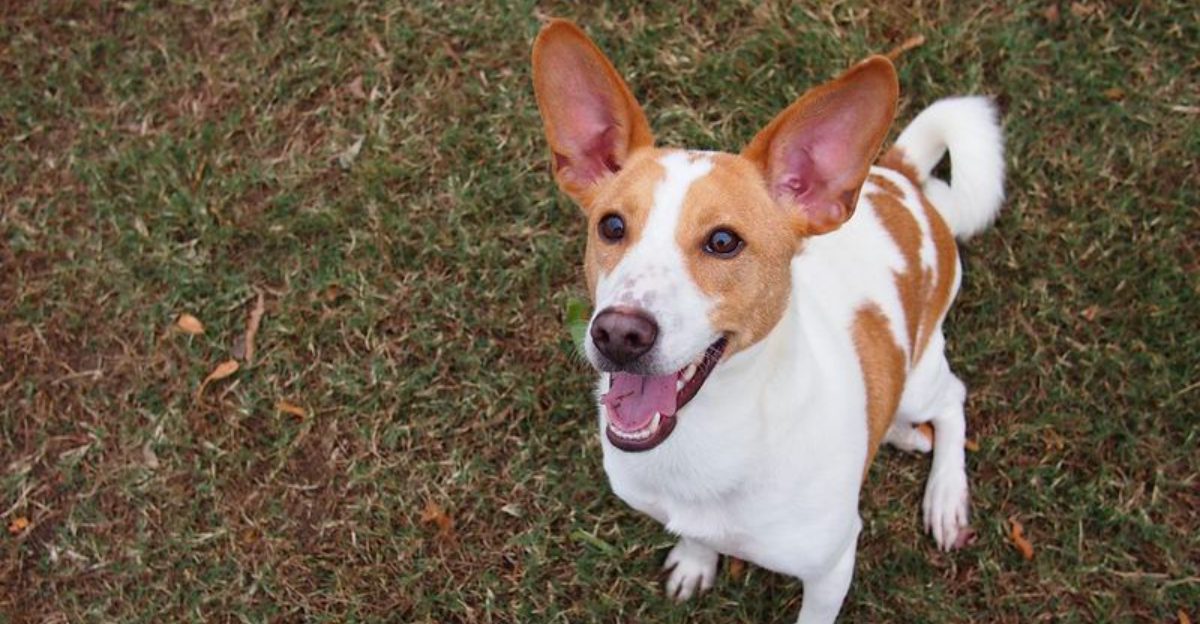
Some dogs learn quickly, but they do not always rush to follow orders. They may pause, think, and choose a plan that makes more sense to them.
That can look stubborn, but often it is a sign of sharp problem-solving. Knowing this helps owners train with patience, respect, and better results.
Siberian Husky
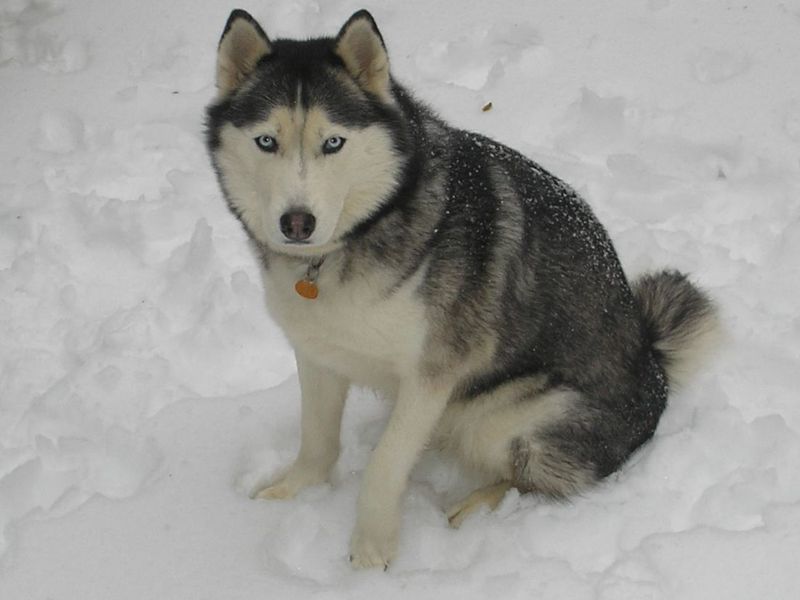
A Husky may hear you, think it over, and still choose the snowbank instead. Bred to pull sleds across huge frozen lands, Siberian Huskies learned to make quick choices when people could not guide every step.
Training works best with short sessions, clear rewards, and plenty of exercise first. If bored, they may invent games you never approved.
Give puzzles, safe running time, and firm boundaries, then praise smart choices right away.
Shiba Inu
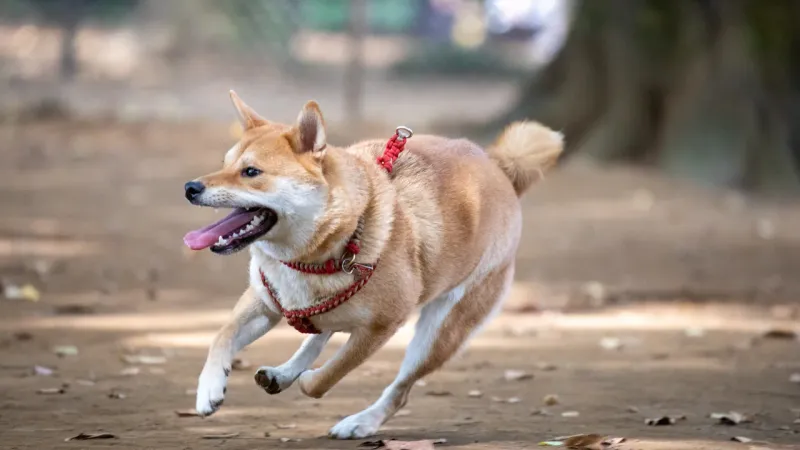
Small dog, big opinions, that is the Shiba Inu in one neat package. This Japanese breed often studies a request before deciding whether it benefits everyone, especially itself.
Harsh training can make a Shiba shut down or push back. Calm confidence, tasty rewards, and early social practice help much more.
Keep lessons upbeat and brief, like a friendly bargain. When a Shiba trusts you, cooperation feels less like obedience and more like teamwork.
Beagle
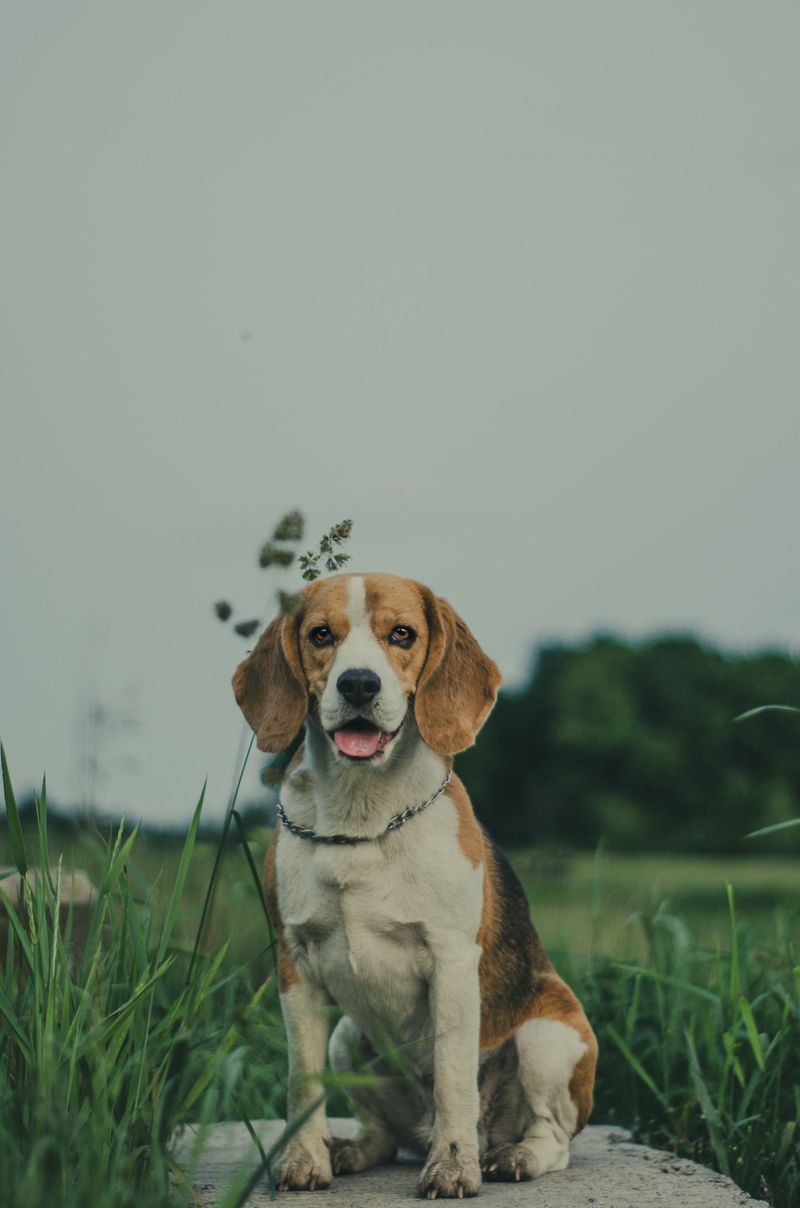
Once a Beagle catches a scent, the whole world seems to shrink down to one invisible trail. That nose was shaped by generations of hunting, so following smells can feel more important than your call.
Do not mistake distraction for lack of brains. Beagles are clever scent detectives.
Practice recall with high-value treats, fenced spaces, and cheerful repetition. Scent games at home can also turn their natural talent into something fun, safe, and easier to guide.
Dachshund
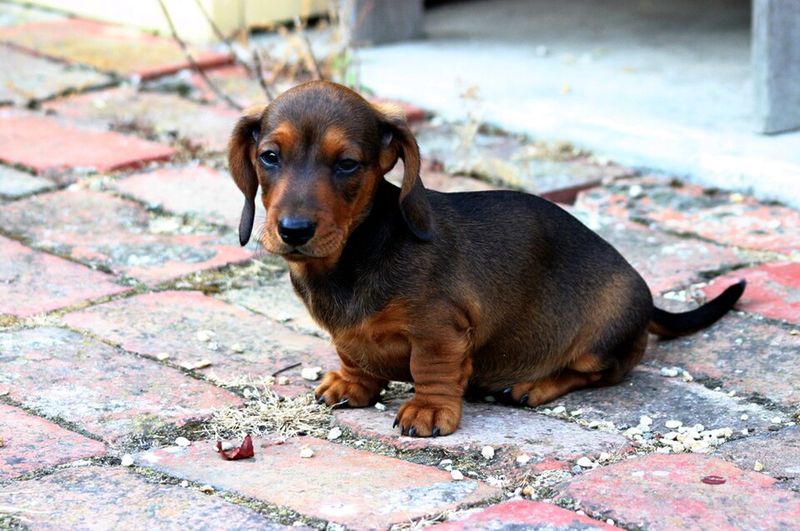
That long little body carries the courage of a much larger dog. Dachshunds were bred to go underground after badgers, where they had to decide what to do without a person standing beside them.
Because of that history, they can be bold, noisy, and very sure of themselves. Use rewards, not force, and protect their backs with ramps and careful lifting.
Puzzle toys and nose work help busy minds feel useful instead of bossy.
Akita
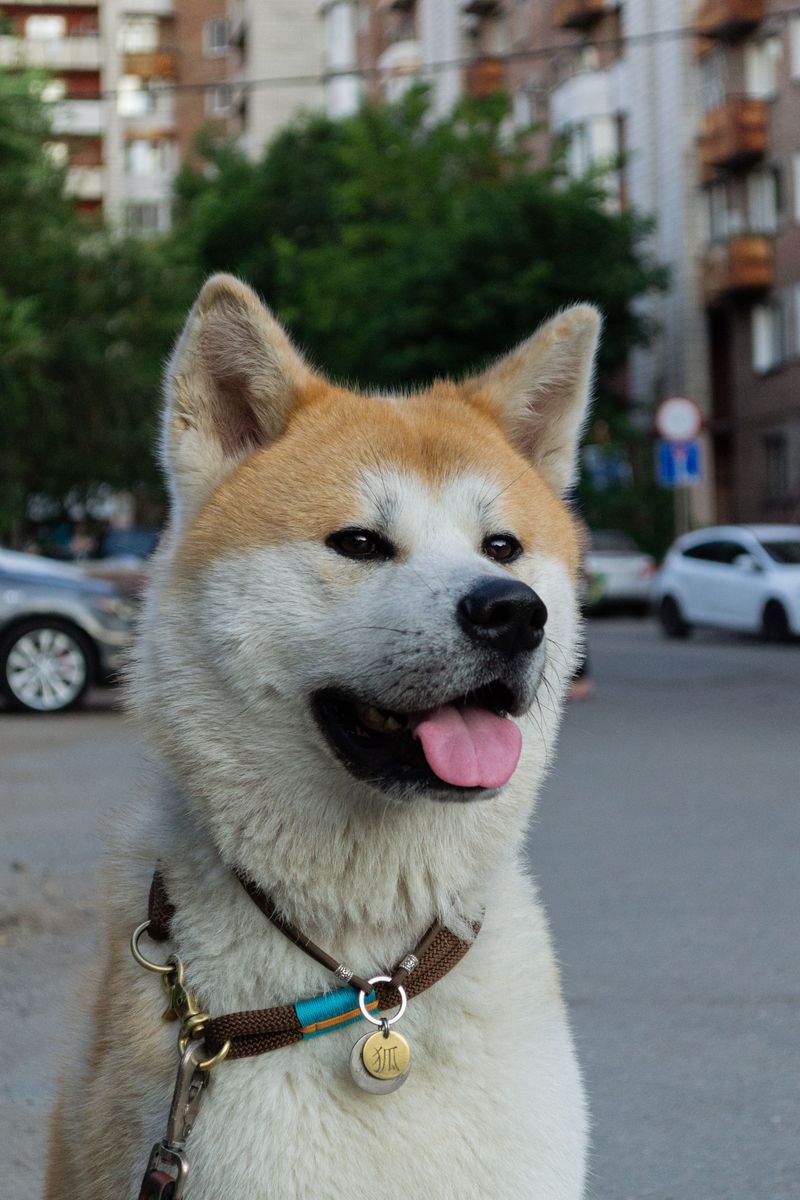
An Akita often watches quietly before making a move, like a guard who has already read the room. This powerful Japanese breed is known for loyalty, courage, and a serious mind.
Fast commands are not always its style. Respect matters.
Start socialization early, keep rules steady, and reward calm behavior around new people or animals. Akitas need owners who lead with fairness, not anger.
With trust, their independence becomes steady judgment, not constant challenge.
Jack Russell Terrier
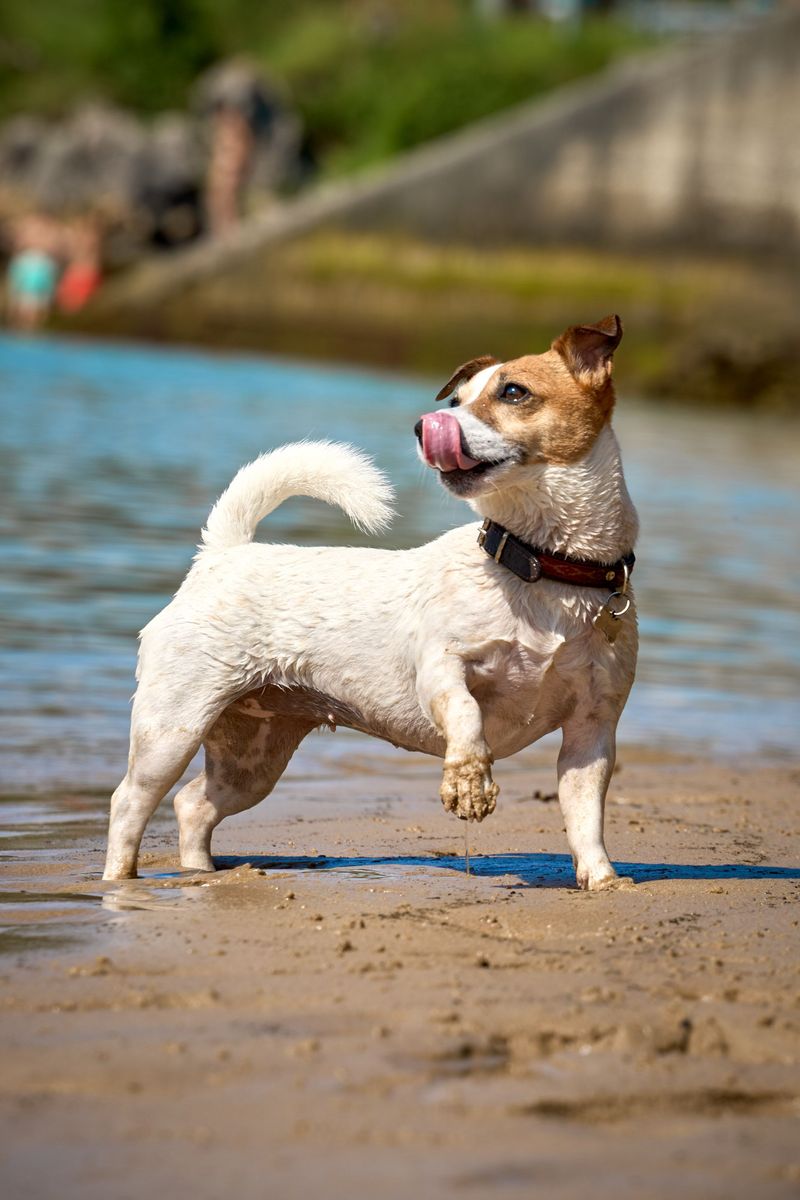
Blink once, and a Jack Russell may already be halfway into a new adventure. Created for fox hunting, this terrier packs huge energy, quick thinking, and fearless curiosity into a compact body.
Simple walks may not be enough. Try agility, trick training, digging boxes, or puzzle feeders to keep that busy brain working.
Clear rules are needed because clever dogs learn loopholes fast. Laugh at the mischief, but guide it before it becomes a daily habit.
Basenji
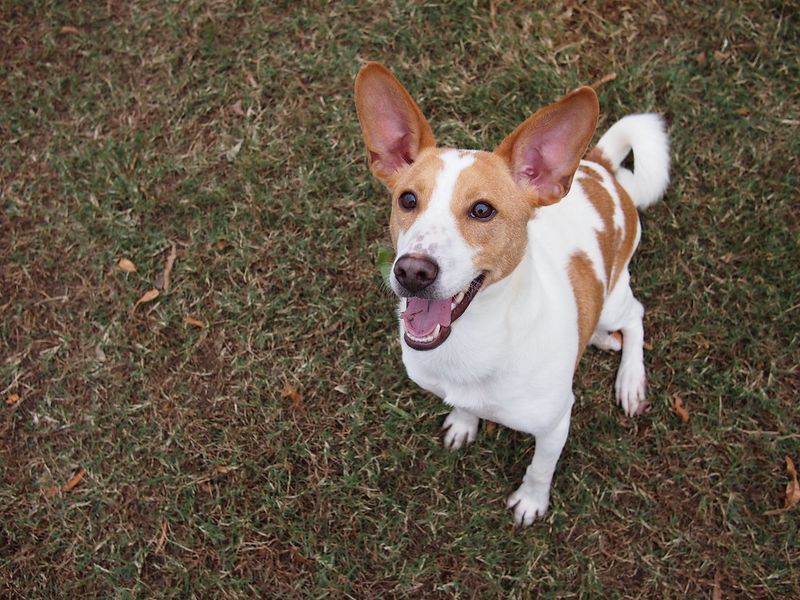
The Basenji has been called barkless, but quiet does not mean simple. Famous for yodel-like sounds and catlike habits, this ancient breed often prefers to investigate first and obey later.
Food puzzles, gentle handling, and secure fences are your friends. Basenjis can climb, squeeze, and plan escapes when bored.
Keep training playful, since drilling the same command may lose their interest. Offer choices when possible, and celebrate when their clever mind chooses your idea.
Scottish Terrier
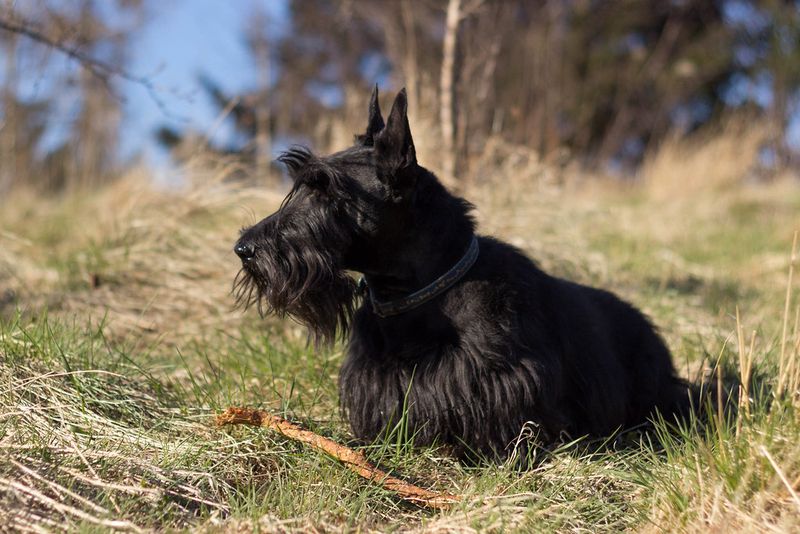
A Scottie can look like a tiny mayor inspecting the neighborhood. Under that wiry coat is a determined terrier mind, built for hunting vermin and making decisions in tight spaces.
They may not enjoy endless repetition, so make training feel purposeful. Short lessons, praise, and a bit of humor go a long way.
Scotties also like routines, so set house rules early. When given fair guidance, their strong will turns into charming confidence and steady focus.
Alaskan Malamute
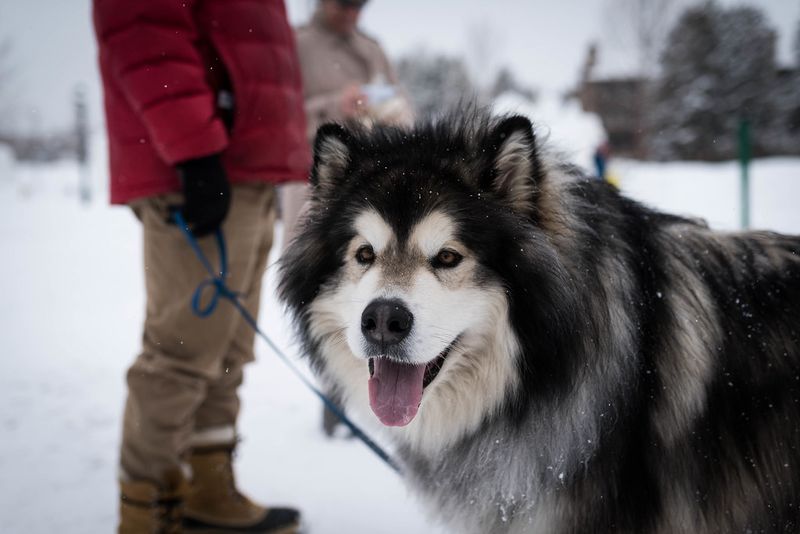
Built like a furry snow tractor, the Alaskan Malamute was made for strength, teamwork, and long trips. Unlike dogs bred for instant direction changes, Malamutes often weigh the situation and move with their own plan.
They need steady training and real outlets for power. Hiking, pulling sports, and heavy-duty enrichment can help.
Keep food secure, because many are expert snack hunters. Patient leadership works better than shouting.
A bored Malamute can redecorate a yard with impressive speed.
Airedale Terrier
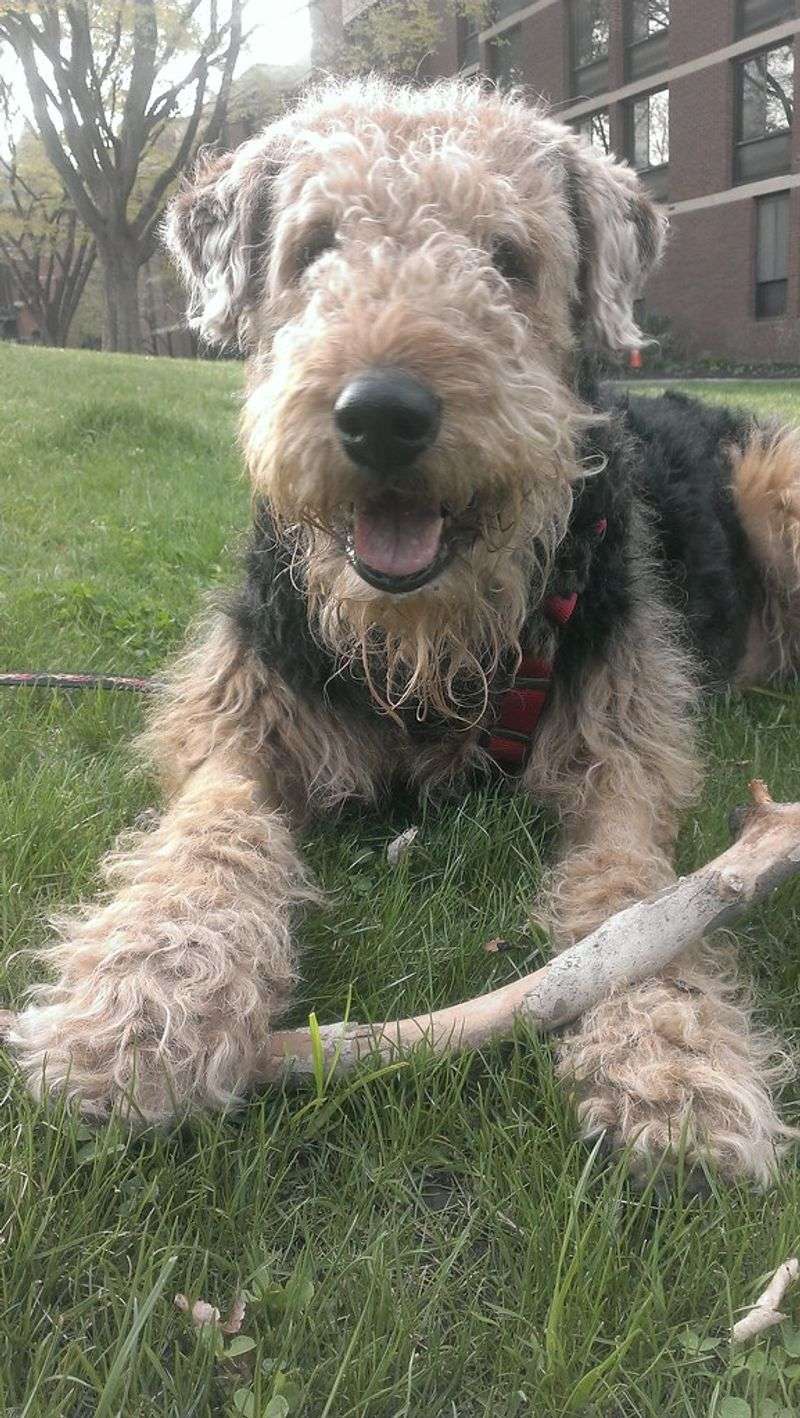
The Airedale is often nicknamed the king of terriers, and it tends to believe the title. Big, bright, and bold, this breed has worked as a hunter, messenger, police dog, and family watchdog.
Variety keeps an Airedale interested. Mix obedience with games, scent work, and problem-solving tasks.
If training feels dull, they may add their own comedy routine. Stay consistent, but keep your sense of fun.
Their independent spark can become impressive skill with the right outlet.
Great Pyrenees
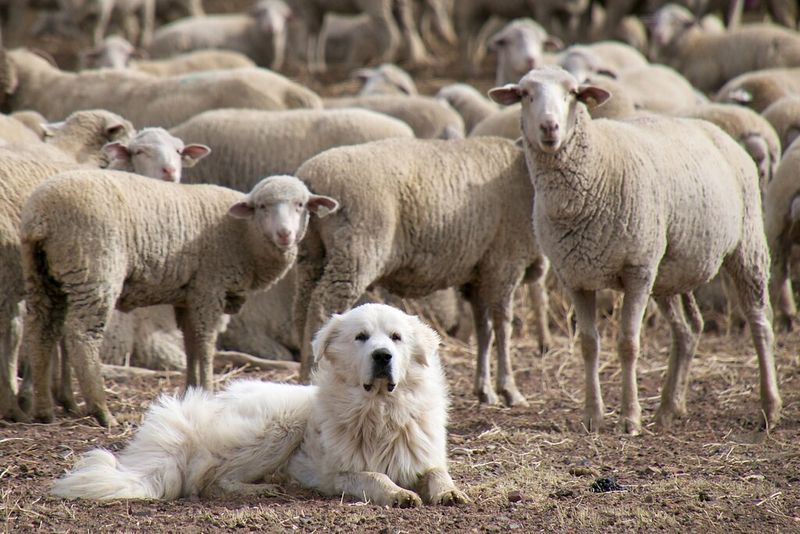
At night, a Great Pyrenees may sit outside like a quiet white guardian, listening to everything. Bred to protect sheep in mountain pastures, this dog had to judge danger without waiting for commands.
That guardian brain can make quick obedience less important than careful watching. Early socialization, leash practice, and calm rewards help them understand modern life.
Do not expect nonstop tricks. Give them a job, space to think, and kind guidance that respects their watchful instincts.