
Dog owners are clashing over a bold claim: stop blaming trauma for every behavioral issue. Some say genetics and breed tendencies matter more than people want to admit, while others argue compassion and context should always lead.
You deserve clarity, not slogans, when safety and trust are on the line. Let us unpack how this debate hits home for 12 often misunderstood breeds, so you can make smart, fair choices.
German Shepherd Dog
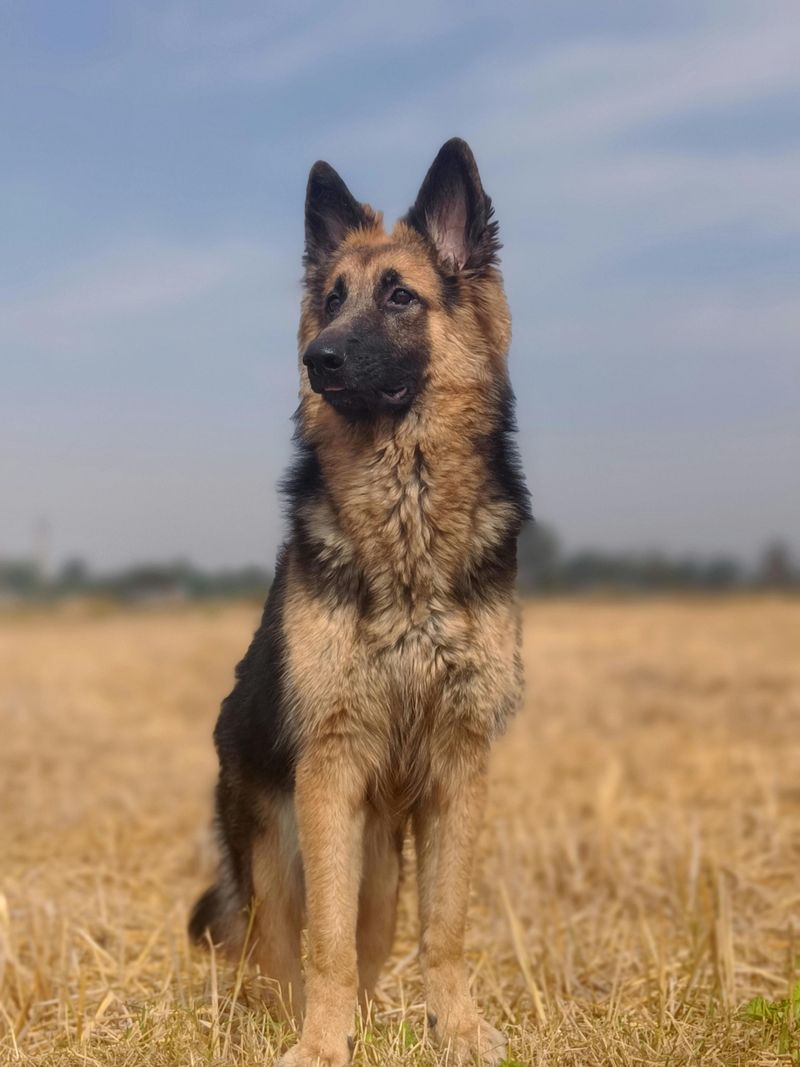
German Shepherds sit at the bullseye of this debate because they are brilliant, sensitive, and bred for serious work. You will hear claims that trauma always explains reactivity, yet many behaviors reflect strong herding and protection instincts.
Training matters, but so do thresholds, arousal management, and outlet for mental energy.
If you expect a placid couch buddy without daily structure, frustration may surface fast. A fair plan blends genetics awareness, positive reinforcement, and controlled challenges.
When you meet a Shepherd where it is wired to thrive, confidence replaces anxiety.
Blame does not teach. Understanding drives better choices, like clear routines and bite sized obedience drills.
Balance empathy with realistic expectations, and this breed becomes an incredible partner.
Belgian Malinois
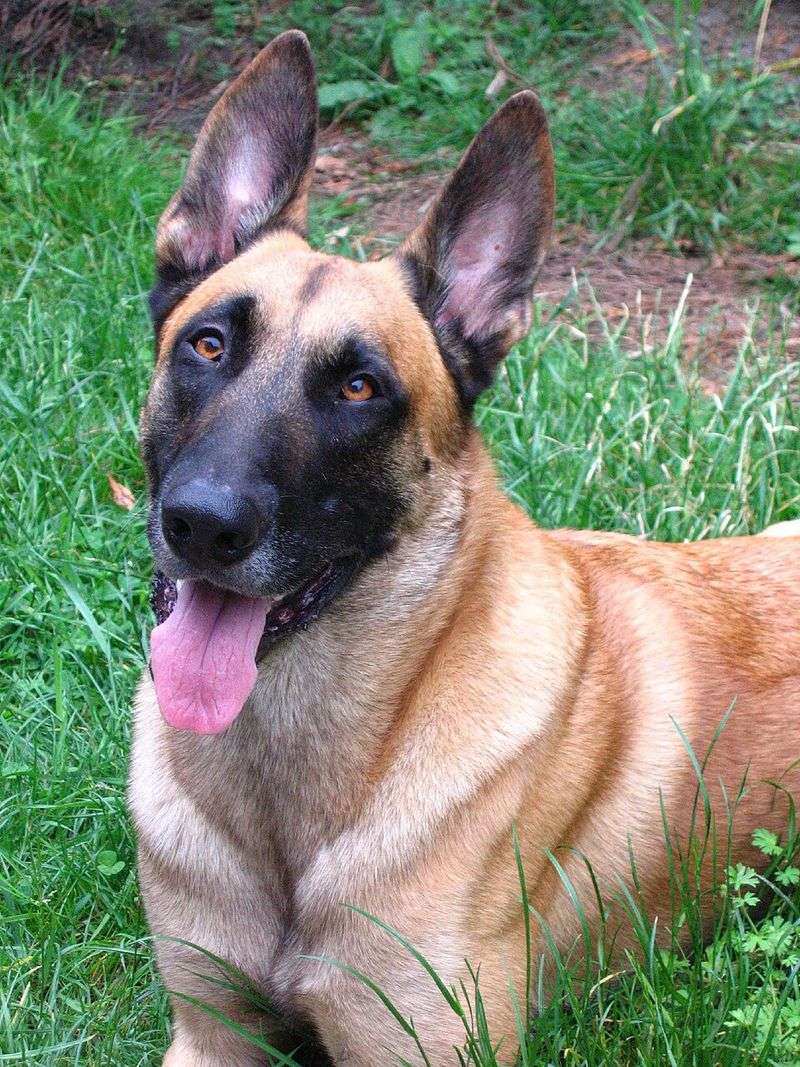
Belgian Malinois explode with drive, which can look like anxiety if needs go unmet. People sometimes label every lunge as trauma, but the breed’s wiring craves tasks, precision, and near daily outlets.
You will want structured play, scent games, and bite sized obedience to channel that fire.
Without a job, a Malinois invents one, and you may not enjoy the result. Trauma can shape behavior, yet drive explains so much here.
If you plan honestly for workload, arousal recovery, and calm on cue, results soar.
Choose games that end before over arousal spikes. Reward thoughtful stillness as much as speed.
With fair boundaries and enrichment, the Malinois becomes a focused, joyous teammate rather than a chaos machine.
Doberman Pinscher
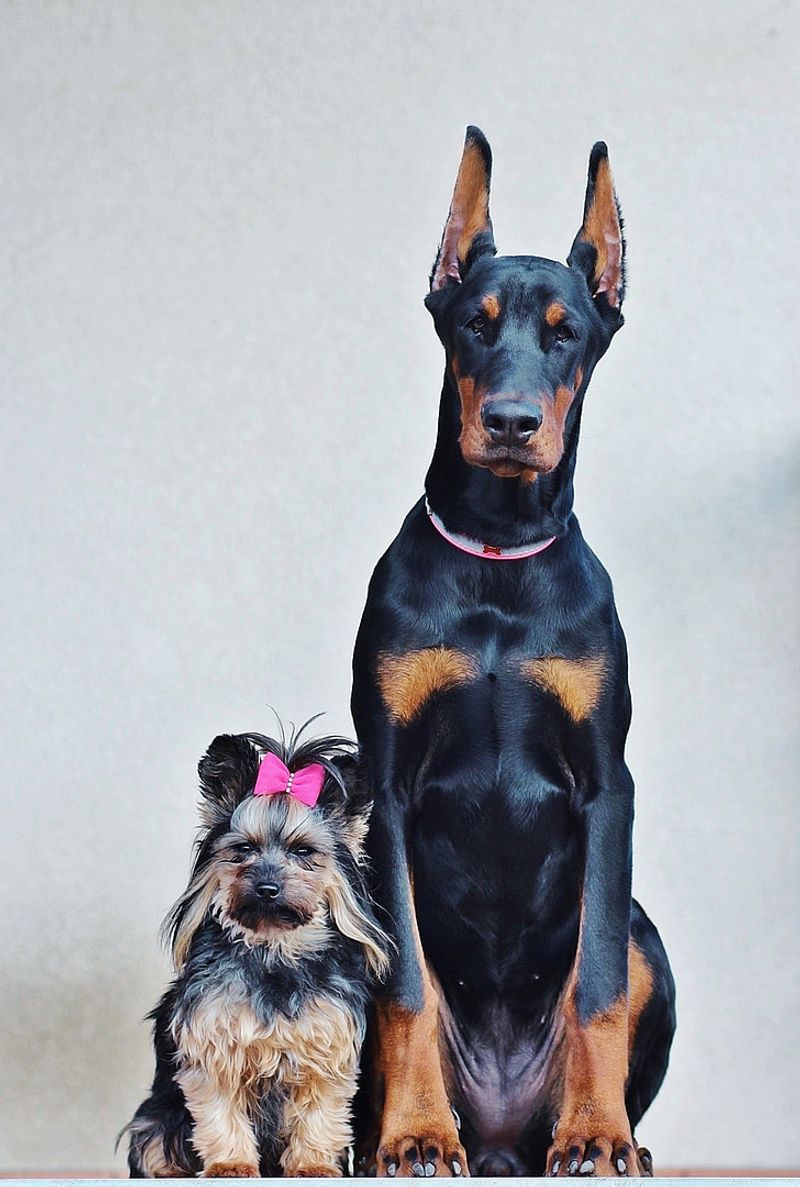
Dobermans are affectionate shadows, tuned to their person’s mood. When fear or sharp reactions appear, some shout trauma, others shout genetics.
Truth sits between: centuries of guardian breeding plus individual history. You can shape confidence with predictable routines, body handling practice, and calm exposure.
Dobermans read tension fast, so your steady breathing and clear cues matter. Reinforce neutral observation, then gradually raise distractions.
Punitive shortcuts invite fallout, especially with sensitive dogs.
Health also plays a part, so rule out pain before judging character. Give bite sized training and decompression walks.
When needs and temperament align, the Doberman’s devotion shines, proving that labels never replace thoughtful training and compassionate structure.
Rottweiler
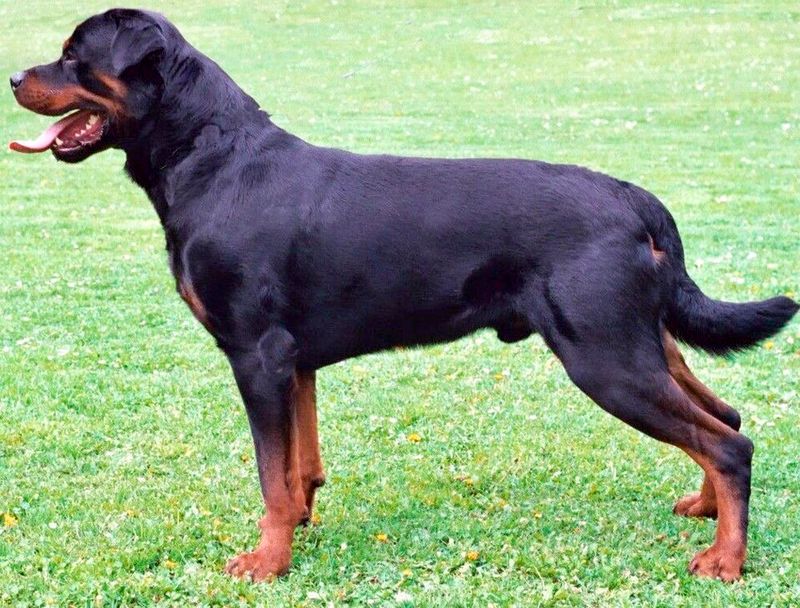
Rottweilers carry a reputation that magnifies every misstep. Some people blame trauma for guardy behavior, but selection for confident deterrence lives in the breed.
You can honor that heritage while teaching impulse control and neutrality. Start with foundation obedience, calm greetings, and thoughtful leash skills.
Because big dogs draw big reactions, prevent rehearsals of pushy behavior. Reward disengagement from strangers and dogs.
Practice polite stationing on a mat during visitors.
Fair leadership is not force. It is clarity, consistency, and reinforcing choices you want repeated.
With practice, your Rottie learns to assess, not escalate. Genetics set tendencies, yet your daily structure writes the story, one predictable, reinforced decision at a time.
Cane Corso
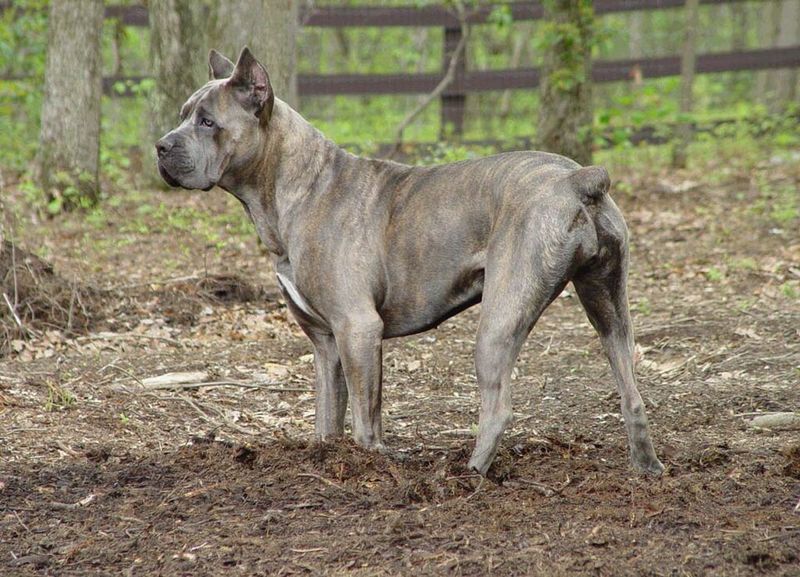
Cane Corsos are imposing guardians with a thoughtful side. The internet sometimes blames trauma whenever they act wary, but breed purpose includes territorial skepticism.
You will need early socialization, solid recall, and reinforced down stays. Teach them that you handle decisions, so they can relax.
Short, clear sessions beat marathon drills. Reward quiet observation and soft eyes.
Introduce controlled visitors with consistent patterns and exit strategies.
Medical comfort matters, from well fitted equipment to joint friendly exercise. Avoid chaotic dog parks.
Choose structured walks, field trips, and enrichment that tires mind and body. When fairness meets foresight, the Corso’s calm confidence surfaces, proving you can respect genetics without excusing rough behavior.
Akita
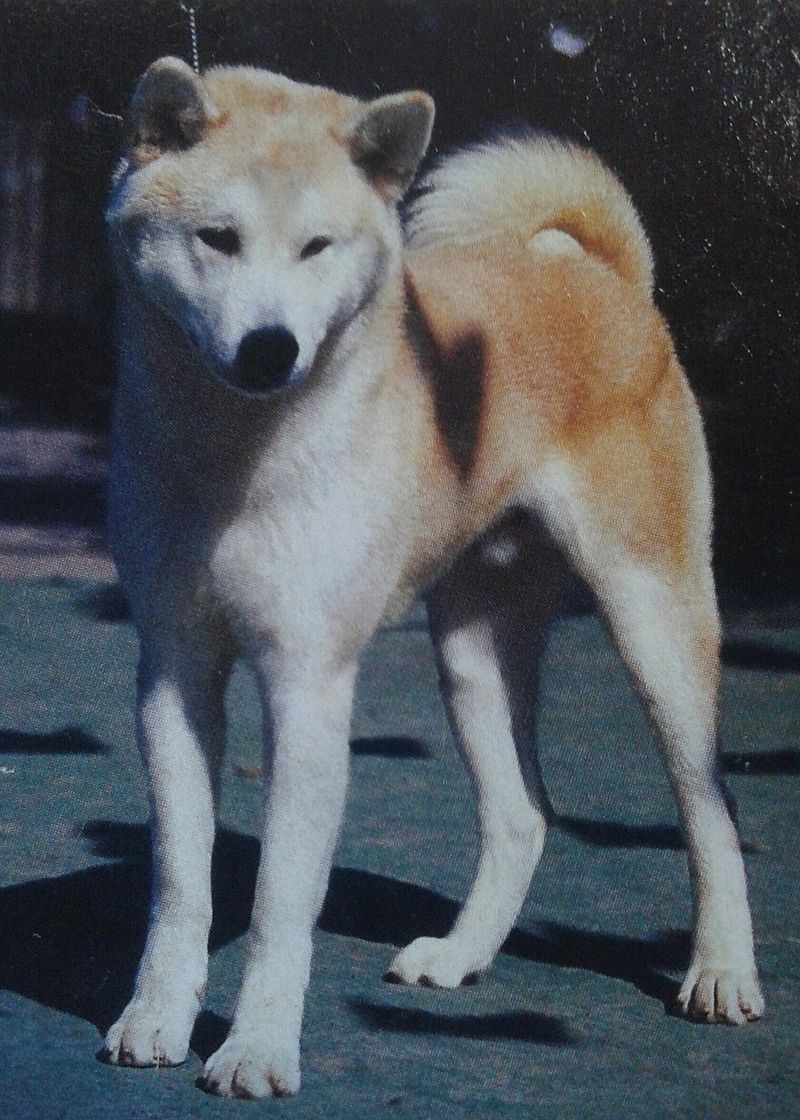
Akitas are independent and selective, which some interpret as aloofness caused by trauma. Often it is simply who they are.
You can cultivate cooperation by paying generously for engagement and providing calm structure. Keep sessions short, predictable, and respectful of space.
Dog to dog selectivity is common. Manage introductions, practice parallel walks, and reward controlled neutrality.
Avoid pushing social encounters for your comfort rather than theirs.
Grooming and handling should be trained with consent cues and bite sized steps. Secure fencing and reliable recall alternatives help everyone breathe easier.
When you celebrate their thoughtful nature instead of forcing extroversion, Akitas meet you in the middle, steady and sincere.
Chow Chow
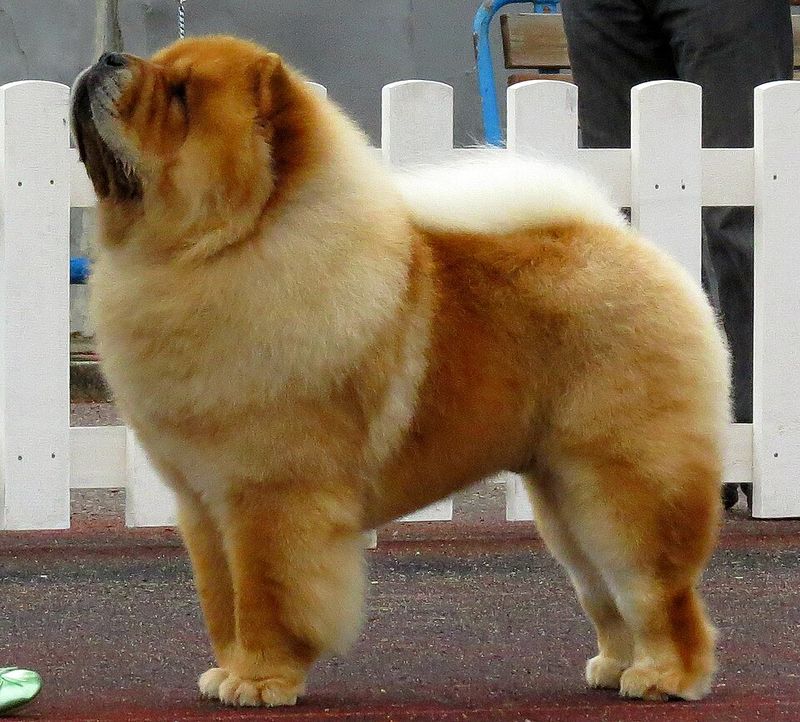
Chow Chows bring a catlike vibe to a dog world that expects constant friendliness. People may label distance or stiffness as trauma, but breed history favors reserve.
You can teach cooperative care with patient counterconditioning, pairing touch with choice and high value rewards.
Chows benefit from routines that respect boundaries. Ask for simple behaviors before greetings, then reward calm opt ins.
Skip loud chaotic scenes that flood their senses.
Grooming can be a big project, so break it into micro sessions with clear exit cues. Advocate for your dog in public.
When you honor their preferences and train with empathy, the Chow’s quiet loyalty appears, comfortable and confident beside you.
Shar Pei
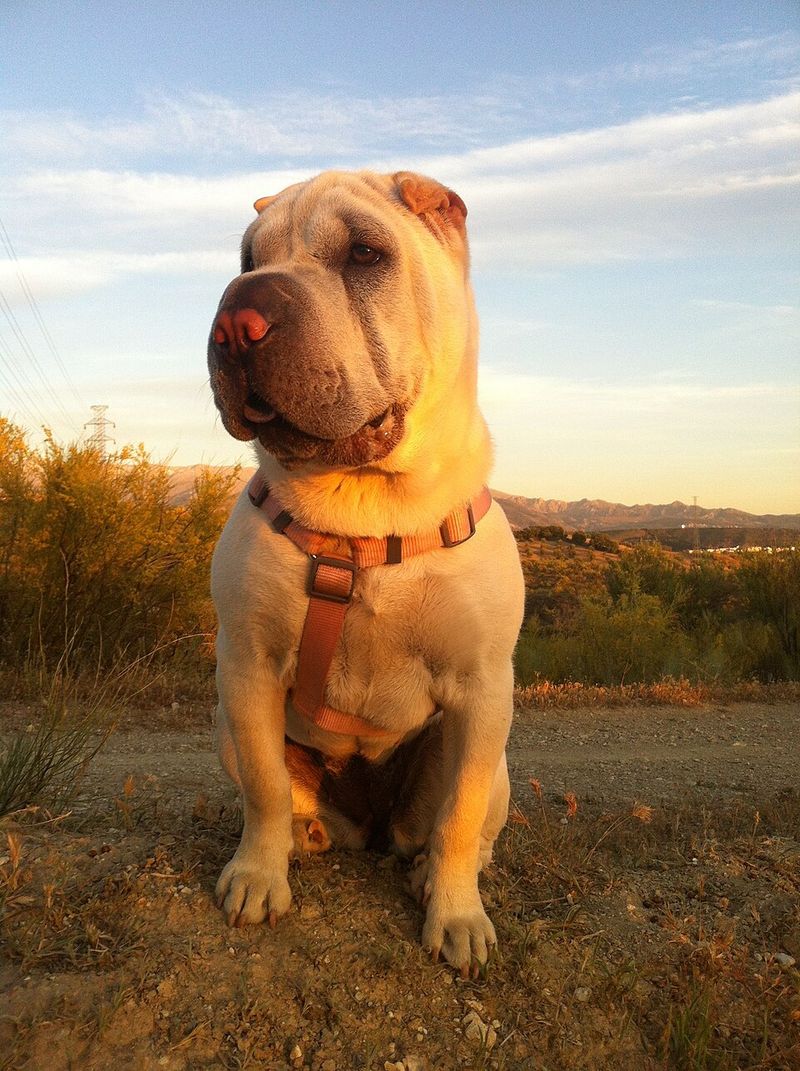
Shar Pei dogs often show reserve and strong opinions, which people misread as a trauma story. History selected for guardianship and grit.
You can reduce friction by reinforcing calm choices and teaching solid leash manners. Keep greetings limited and predictable.
Skin care and ear health can influence mood, so address veterinary needs early. Pain changes behavior, and this breed’s anatomy can hide issues.
Partner with professionals who understand them.
Use structured sniff walks, puzzle feeders, and short training bursts. Reward neutrality around triggers before asking for closeness.
When you protect comfort and provide clear guidance, a Shar Pei relaxes into steadier habits, proving that empathy plus boundaries beats blame every time.
Shiba Inu
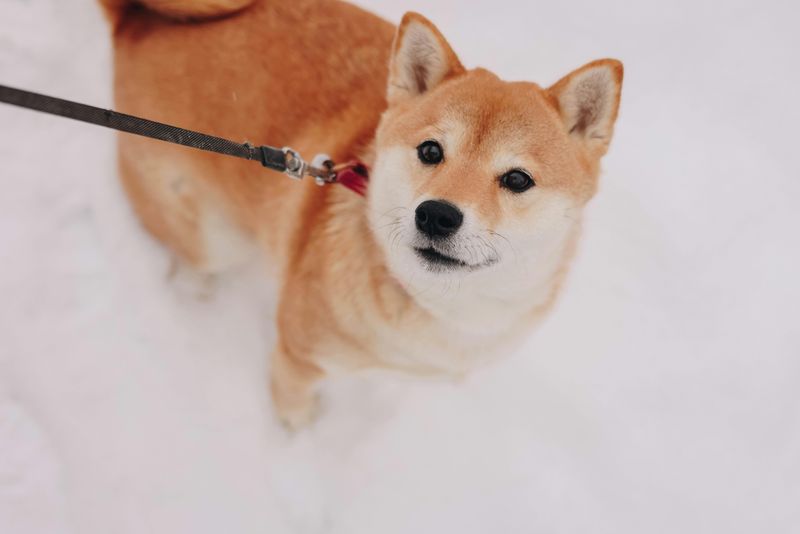
Shiba Inus are clever, self directed, and famously expressive. When they resist handling or bolt on recall, some folks shout trauma.
More often, the breed simply values autonomy. You can earn buy in with choice based training, generous reinforcement, and secure environments.
Shibas thrive on games that let them problem solve. Reinforce check ins, then layer distractions slowly.
Harnesses and long lines keep freedom safe.
Grooming and nail care need desensitization with tiny steps. If you avoid battles and celebrate small wins, cooperation grows.
Respect their spark without indulging chaos, and a Shiba becomes a witty, loyal companion who chooses you again and again.
Rhodesian Ridgeback
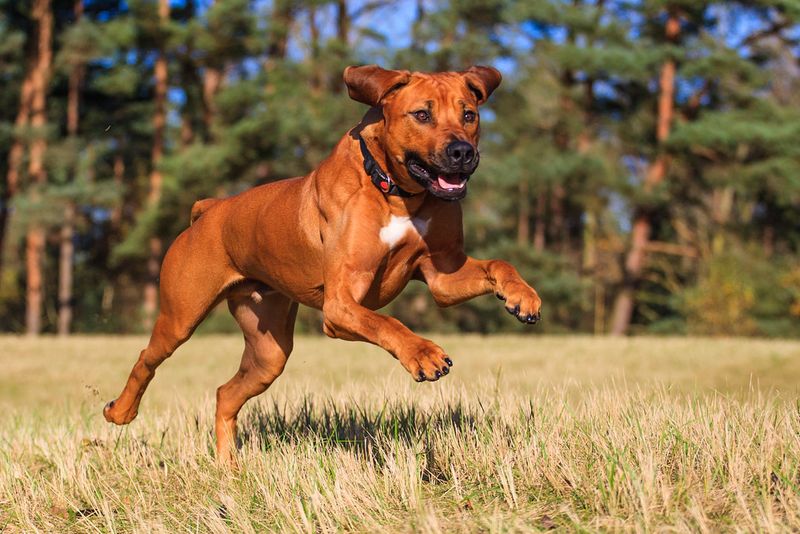
Rhodesian Ridgebacks were bred to cover ground and assess threats with level heads. When under stimulated, they may appear stubborn or edgy, which some blame on trauma alone.
Give them distance decompression, long line hikes, and scent work to satisfy instincts.
Teach solid recalls and off switches, rewarding quiet observation. Avoid forced socialization with pushy dogs.
Structured freedom beats cramped chaos every time.
Health screening and comfortable gear support consistency. You will see better choices when exercise, enrichment, and training align.
Ridgebacks often blossom into calm athletes at home, reminding us that meeting innate needs cures many so called mysteries.
Bullmastiff
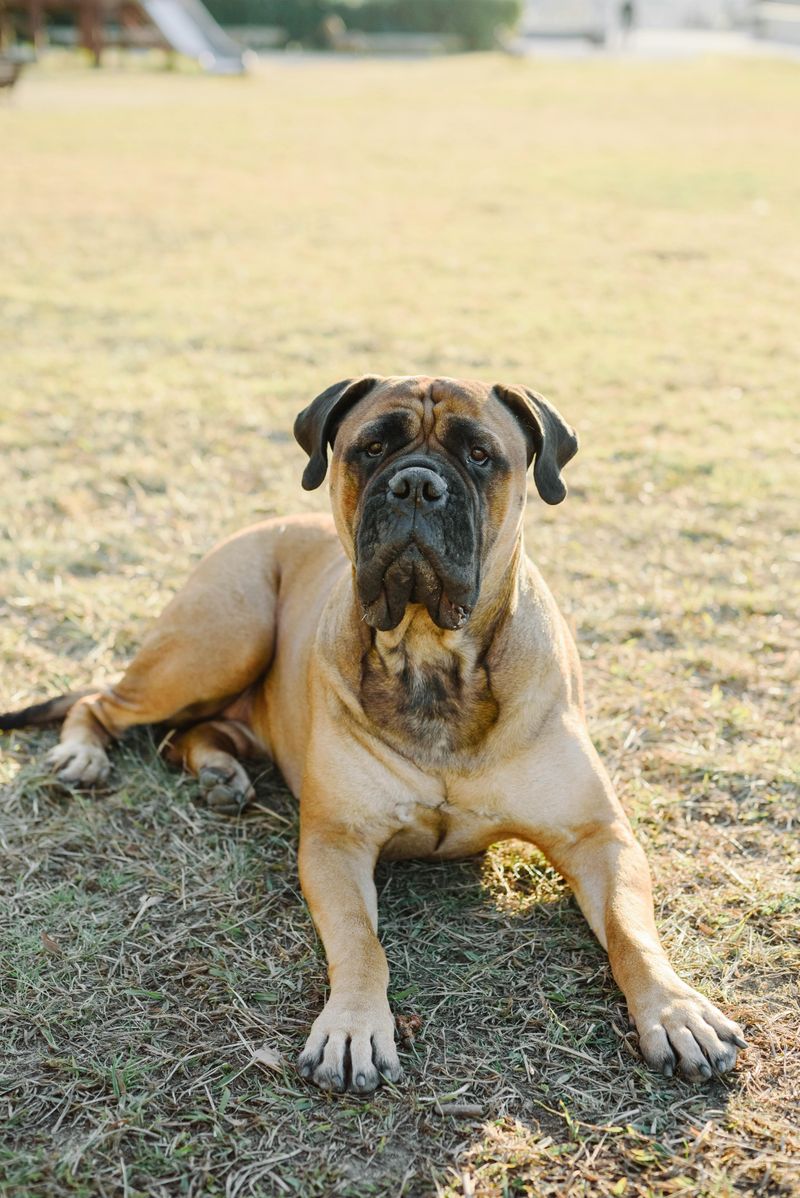
Bullmastiffs read rooms slowly and carry serious presence. People may blame trauma when they hesitate or guard space, yet guardian genetics explain measured responses.
You can build reliability with calm routines, cooperative care, and practiced place training. Reward steady stillness as much as movement.
Short walks, sniff sessions, and joint friendly play protect their bodies. Clear visitor protocols reduce confusion.
Avoid chaotic dog parks where mass and momentum can escalate.
Teach consent based handling for vet visits and grooming. When you plan ahead and reinforce thoughtful choices, confidence replaces tension.
The result is a gentle giant who trusts your lead, proving that understanding beats oversimplified blame.
American Bulldog
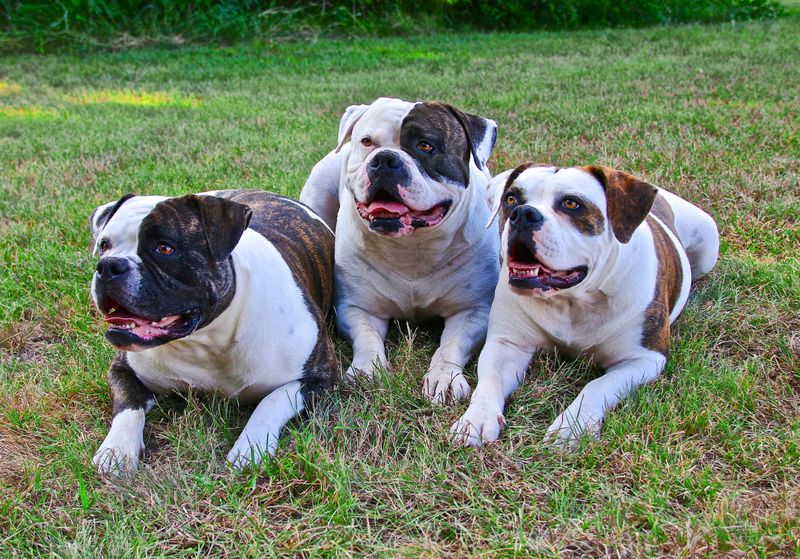
American Bulldogs bring bold energy and bulldozer enthusiasm. When arousal spills into rough play or leash frustration, trauma often gets blamed.
Genetics and handling both matter. You can install boundaries with impulse games, clear markers, and frequent reinforcement for disengagement.
Teach polite greetings and settle on a mat. Redirect power into tug with rules, scent work, and structured fetch.
Keep sessions short to prevent over arousal.
Pain or skin issues can fuel irritability, so maintain vet care. Celebrate small wins and reward recovery after excitement.
With empathy and honest workload planning, this breed channels muscle and heart into cooperative, delightful companionship.