
Lately, dog owners are pushing back on the habit of calling every quirk anxiety, and the debate is heating up. Some behaviors are breed traits, others are training gaps, and a few are true stress signals.
Sorting those out matters, especially with small companion breeds that wear their feelings on their sleeves. Let’s walk through the breeds sparking the most arguments so you can read your pup with more confidence.
French Bulldog
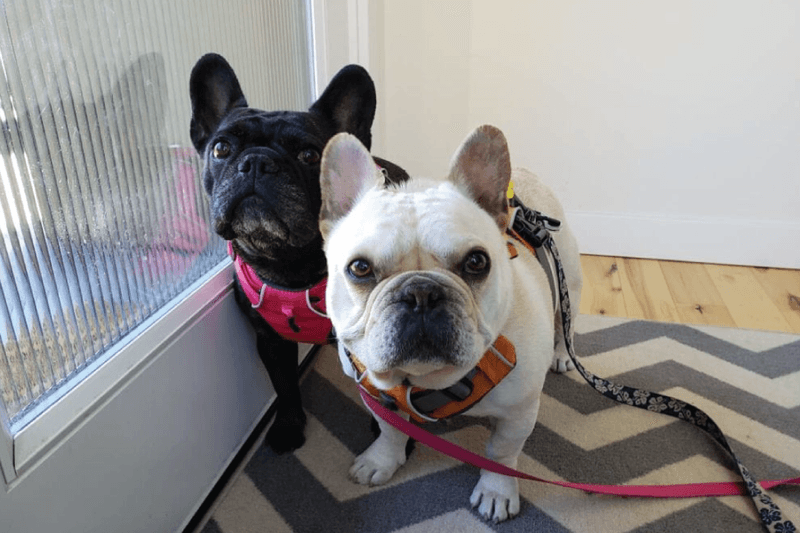
Frenchies get labeled anxious anytime they huff, pace, or shadow you, but much of that is clingy companion behavior mixed with breathing quirks. Snorts, reverse sneezes, and heat sensitivity look dramatic, which fuels misreads.
You might see restlessness when routines change, yet that can be boredom or discomfort rather than worry.
Clear structure helps them relax. Short enrichment bursts beat marathon workouts given their airway limits.
Watch for real stress flags like lip licking paired with whale eye, refusal of treats, or escape attempts.
Calm greetings, predictable nap zones, and cool rooms cut overarousal. If separation is tough, start with micro departures and rewarding quiet.
Call true anxiety when daily function drops, not just when the dog is opinionated.
Cavalier King Charles Spaniel
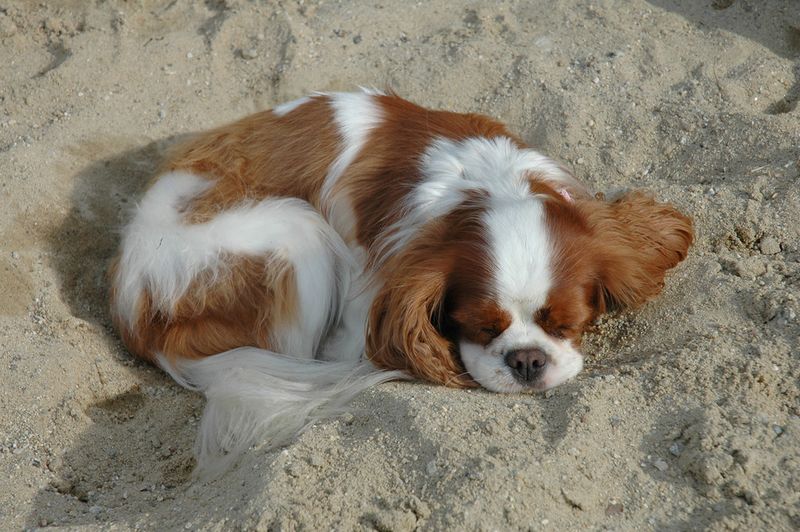
Cavaliers often follow you room to room, and people shout anxiety when it may be purposeful attachment. This breed was designed to be close, so proximity seeking is baseline.
True red flags show when the dog panics at closed doors, vocalizes nonstop, or refuses food after you leave.
Ease pressure with staged alone-time training, food puzzles, and comfy stations near but not on you. Gentle exercise and cardiac-smart pacing matter given their health risks.
Watch the difference between soft checking in and frantic scanning. If they settle after a few minutes alone, that is coping, not crisis.
Use calm departures, scent-swapped bedding, and chew options. Seek help if cling turns into destructive escape or trembling shutdown.
Shih Tzu
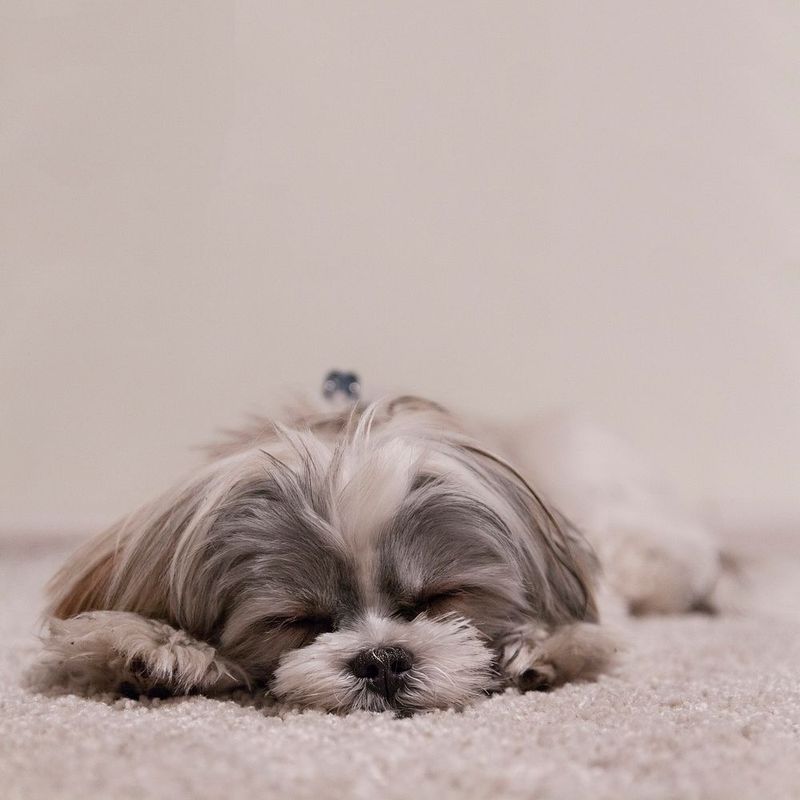
Shih Tzus are masters of dramatic looks, so people assume worry when it is often strategic softness. Many are content lap loungers who protest changes with a sigh, not a spiral.
The breed can be noise sensitive, but brief startle recovery is not classic anxiety.
Teach predictable routines and reinforce calm on mats away from doorways. Low-impact sniffy walks and grooming desensitization make a big difference.
Notice whether pacing includes panting, drooling, and refusal to settle. That cluster hints real stress.
Otherwise, you may just have a dog requesting service. Reward quiet check-ins, not barking demands.
If alone-time unravels into messes or self-injury, call your vet and a trainer. Many settle once expectations stay steady and kind.
Maltese
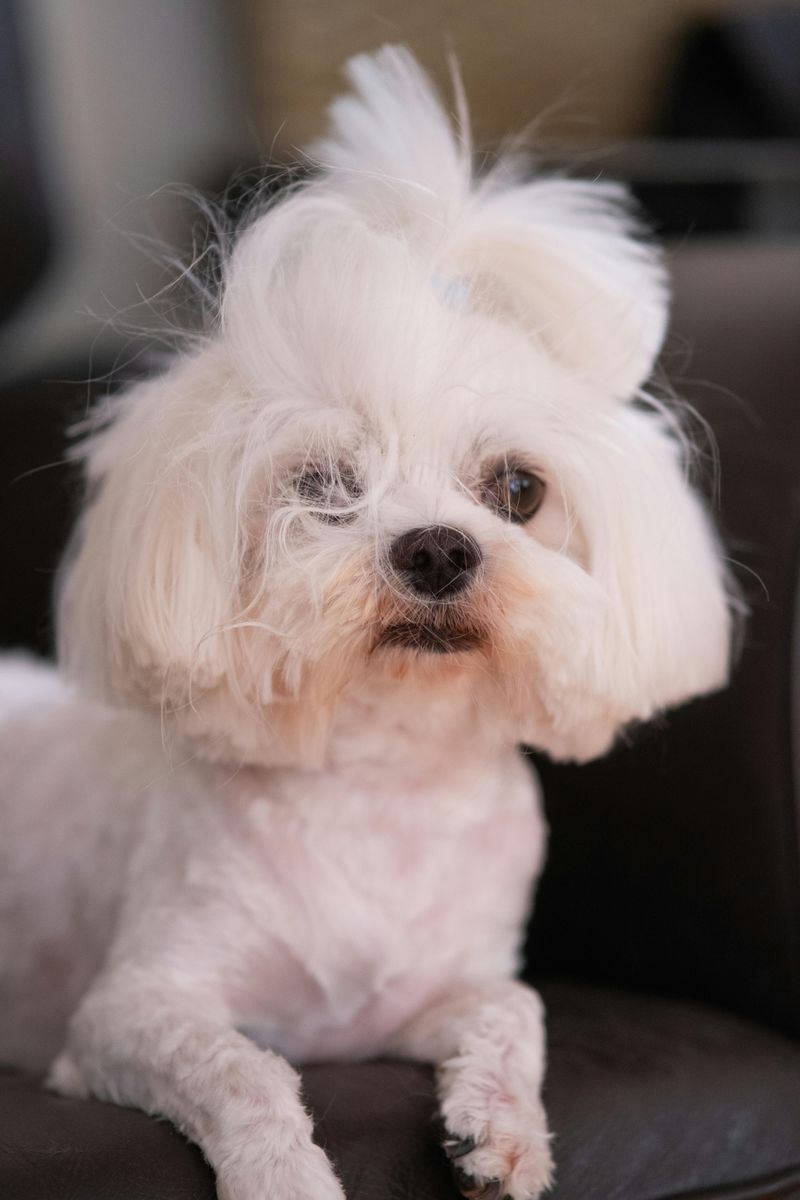
Maltese dogs often get tagged as anxious because they seem delicate and expressive. Yet a lot of their vocalizing is communication shaped by attention history.
If barking brings you back, the pattern sticks, not necessarily fear.
Build independence with scatter feeding, short gated separations, and structured returns. Teach them that quiet earns you, not constant yips.
Daily mental workouts like scent games help them exhale.
Check for genuine distress: dilated pupils, trembling paired with hiding, and inability to eat. That combo means slow desensitization and maybe medical support.
Grooming can be a hot spot, so introduce tools with treats and breaks. Confidence blossoms when you celebrate tiny tries.
Soft does not equal fragile, and steady routines win.
Pug
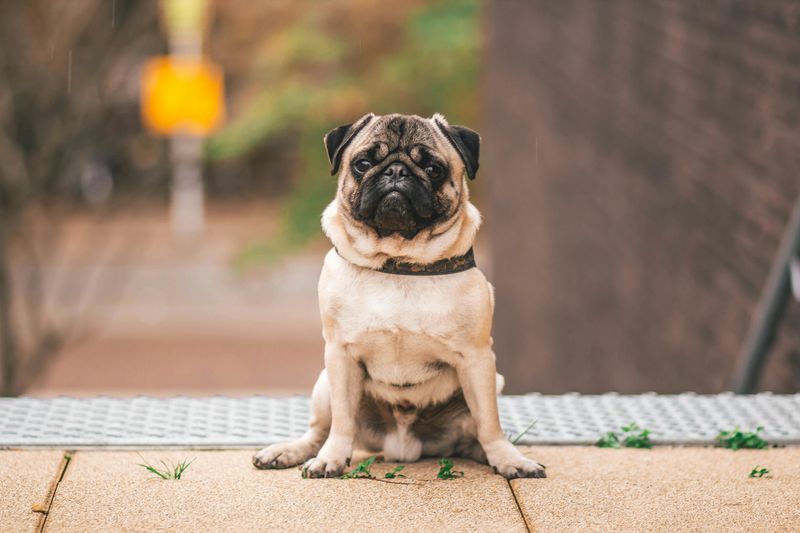
Pugs wheeze, snort, and bug-eye at everything, so alarmist reads are common. Many are social hams who vocalize because it works.
If your pug prances and recovers fast after a startle, that is arousal, not deep fear.
Respect breathing limits and heat risks. Use short training sprints, then rest in cool spaces.
Reinforce four-on-the-floor greetings so excitement does not tip into chaos.
Look for true worry markers like refusal of favorite snacks, pacing without settling, and repetitive self-licking. That is when to slow down and split steps smaller.
Scatter kibble before departures to predict good things. Snuffle mats, chew rotation, and calm music help.
Avoid labeling spunk as anxiety when it is simply pug theater.
Chihuahua
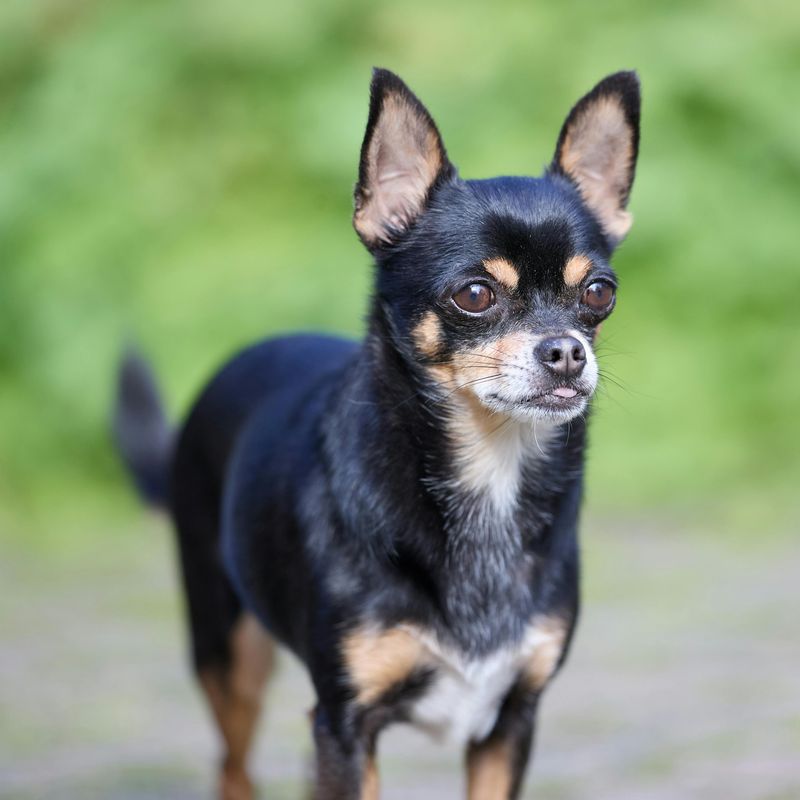
Chihuahuas get called nervous by default, yet many are bold commentators in tiny bodies. Shake shivers can be temperature, not terror.
Watch context: firm stance with a wag is not panic, while tucked tail and lip licking might be.
Give bite-sized social exposure. Let them opt in rather than be scooped into chaos.
Reward looking and learning from a safe distance, then retreat.
Guarding laps is common. Teach stationing on a nearby mat so they can relax without policing.
True anxiety shows when sound triggers cascade into shutdown or escape attempts. If eating stops or sleep gets wrecked, slow the world way down.
Confidence grows when you listen to their yes and no with equal respect.
Boston Terrier
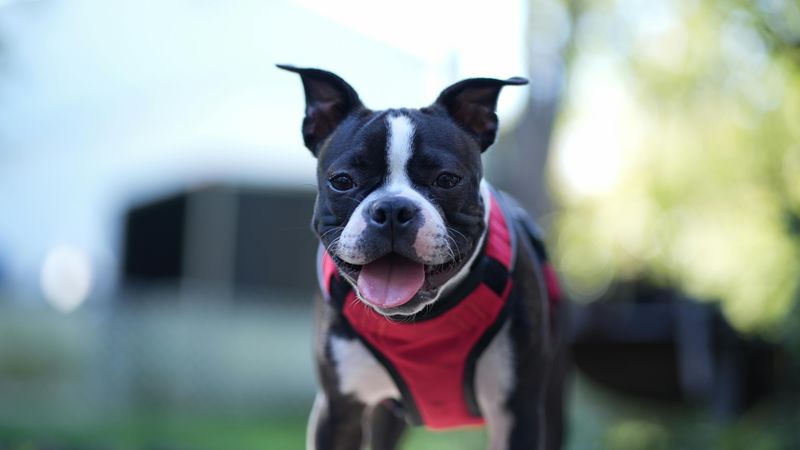
Boston Terriers bring high sparkle, which people sometimes misread as anxious pinging. Many are eager problem solvers who need jobs.
Without outlets, they spin and mouth, then get mislabeled.
Channel brains into short training games and sniff paths. Teach off switches using settle-on-mat with calm rewards.
Protect them from heat and eye hazards during play.
Differentiate arousal from anxiety by recovery time. If they can lie down after a minute or take food readily, you likely have excitement.
Persistent panting, drool strings, and frantic checks for exits suggest true stress. Use predictable walk routes and gradual novelty.
When structure is kind and consistent, their sparkle lands as charm, not chaos.
Havanese
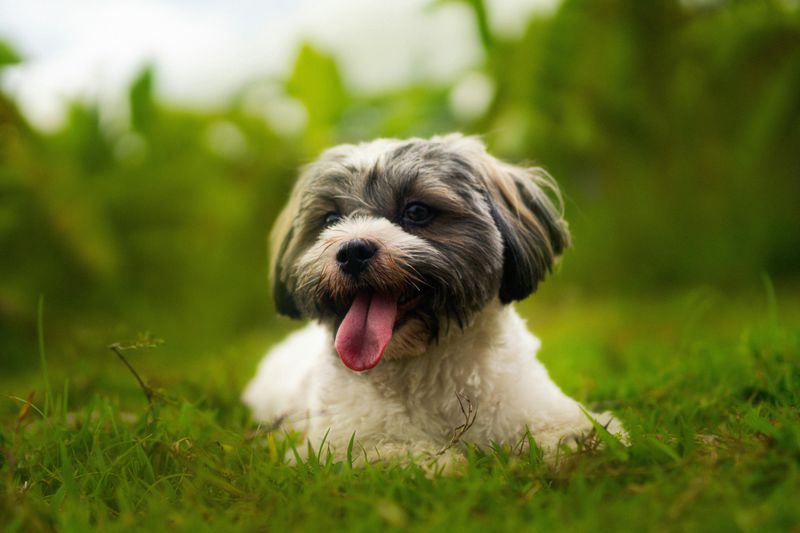
Havanese thrive on togetherness and quick learning, so patterns form fast. Door dashes or greeting spins are often rehearsed excitement rather than fear.
People call it anxiety when the dog simply predicts fun.
Build calmer rituals: pause at thresholds, sniff games before guests, and paid sits for attention. Provide texture-rich chews to release energy without chaos.
Check stress via appetite, settle ability, and startle recovery. If the dog can nap after stimulus and take treats, things are okay.
True concern is pacing that never resolves, paired with vocal distress. Gradual alone-time practice and cozy dens help.
Celebrate small wins and keep cues consistent. You will see confidence bloom as habits turn thoughtful instead of frantic.
Yorkshire Terrier
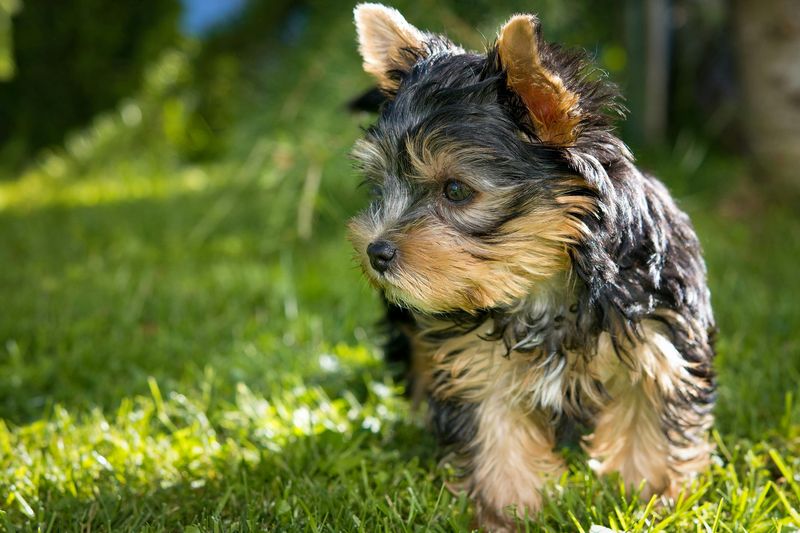
Yorkies love to narrate life, so chatter gets mislabeled as anxiety. Many are terriers first: alert, quick, and enthusiastic about patrol duty.
Teach when to clock out, not just hush.
Use quiet games and scatter feeding after alerts to reset. Provide dig boxes and tug sessions to meet needs.
Grooming and handling can spark drama, so pair tools with treats and breaks.
True fear shows in pinned ears, tucked tail, and avoiding even favorite people. If the dog refuses food after a trigger, slow way down.
Alone-time problems respond to gradual steps and predictable returns. Do not blame the breed for patterns we accidentally reinforce.
With clear jobs and recovery, their spark becomes confidence.
Pomeranian
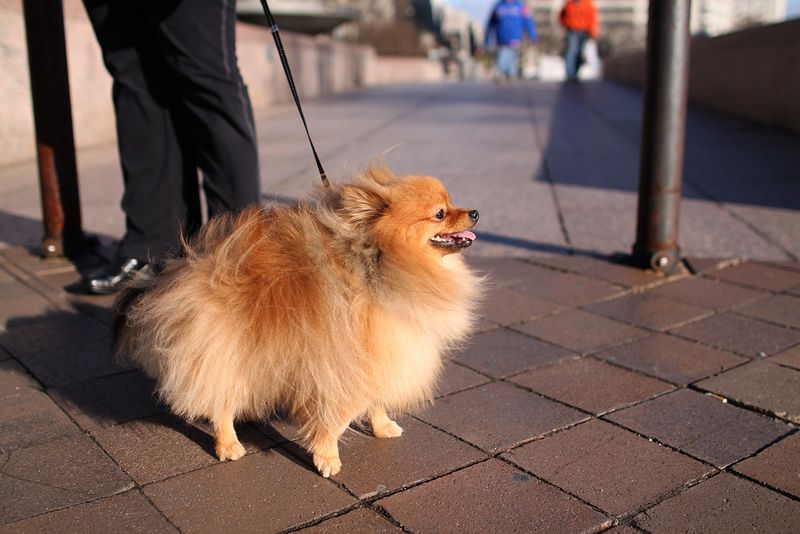
Pomeranians often look like quaking cotton balls, but much of that is energy bursting through a tiny frame. Vocal fireworks can be rehearsed, not fear-driven.
If they bounce back fast and take food, it is probably arousal.
Give them brain work: trick training, nosework, and controlled fetch. Teach a settle cue and reward quiet heavily.
Manage windows if patrol duty spikes them.
Gauge anxiety by inability to relax even after cool-down, self-chewing, or hiding. Use distance from triggers, slow exposure, and tasty mats to lower the temperature.
Keep grooming gentle and predictable. You will notice confidence rise when they learn that calm earns big paydays and that you will guide, not just shush.
Cocker Spaniel
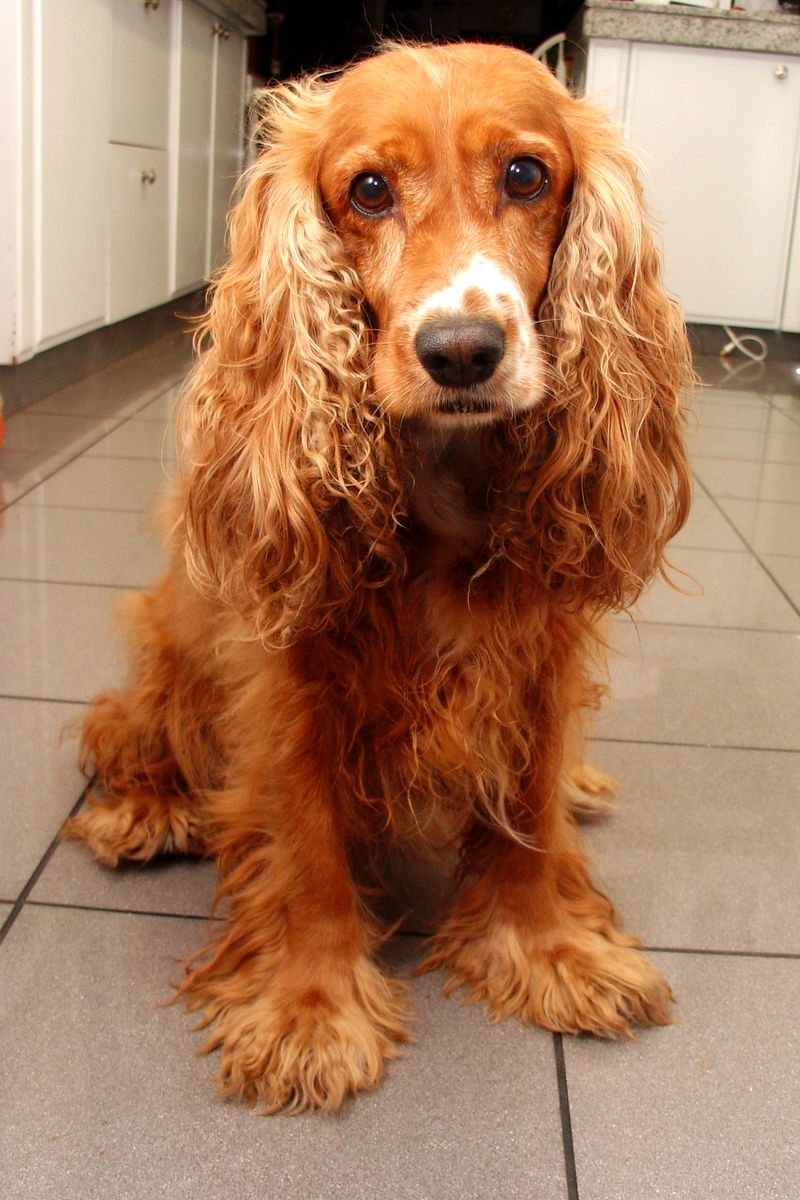
Cockers can be sensitive souls, so people default to anxiety labels when grooming or noise worries appear. Yet the breed also craves purpose.
Unused energy and unclear rules create restlessness that looks like nerves.
Offer sniff-heavy walks, retrieve games, and simple search tasks. Pair handling with high-value food and slow steps.
Ear care needs extra sweetness and consistency.
Spot true anxiety by stacked signals: panting, pinned ears, avoidance, and appetite dips. If stress lingers hours after a trigger, that is not just excitement.
Use predictable routines, safe spaces, and gradual exposure. With fair expectations, most Cockers relax beautifully and show off their gentle glow.
Papillon
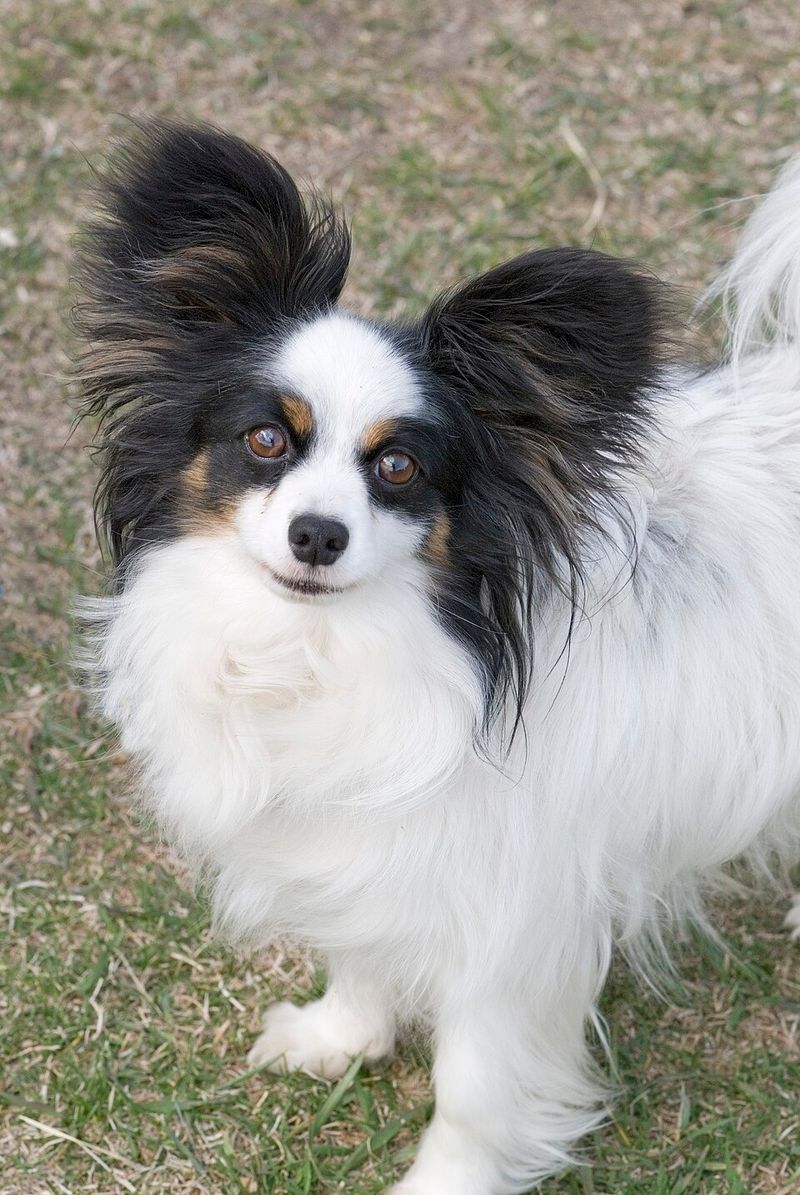
Papillons are whip-smart and springy, which owners sometimes interpret as frazzle. In reality, they love puzzles and quick repetitions.
Without channels, they buzz and get mislabeled anxious.
Teach agility-lite, perch pivots, and scent games. Sprinkle settle breaks between reps so arousal does not snowball.
Reward stillness as much as speed.
Check for anxiety by watching recovery time and food interest. If the dog cannot take treats or keeps scanning for exits, you are past fun.
Lower criteria, add distance, and end on success. They bloom with clarity and fair difficulty, turning zip into zen.
Dachshund
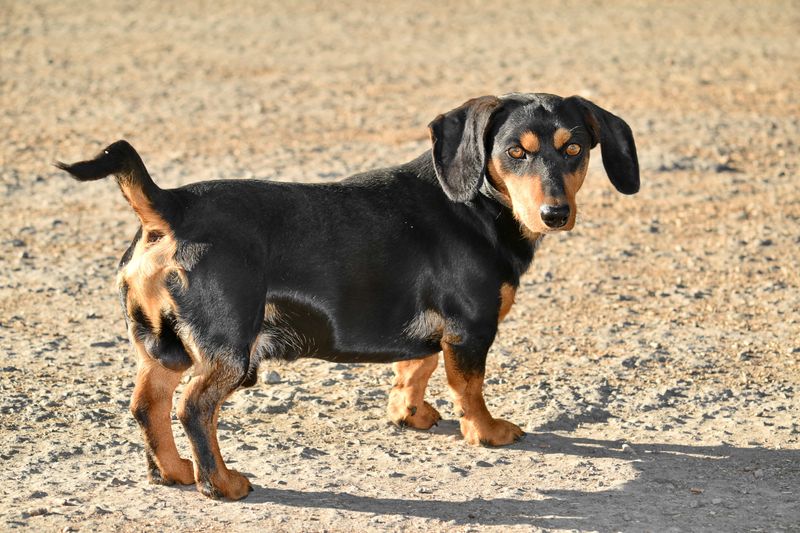
Dachshunds are hunters at heart, so vigilance and digging are not anxiety by default. They vocalize to report, and stubborn pauses can be decision making, not dread.
Back comfort and careful handling matter, which can look like sensitivity.
Give legal digging spots, nosework, and short varied walks. Teach calm door routines and reinforce quiet after alerts.
Use ramps and core-strength games to support spines.
True anxiety shows as relentless pacing, destructive escape, or refusal to eat. If alone-time triggers panic, work micro-absences and predictable returns.
Lower jump heights and keep training upbeat. When needs are met, their brave little hearts settle into steady companionship.
Toy Poodle
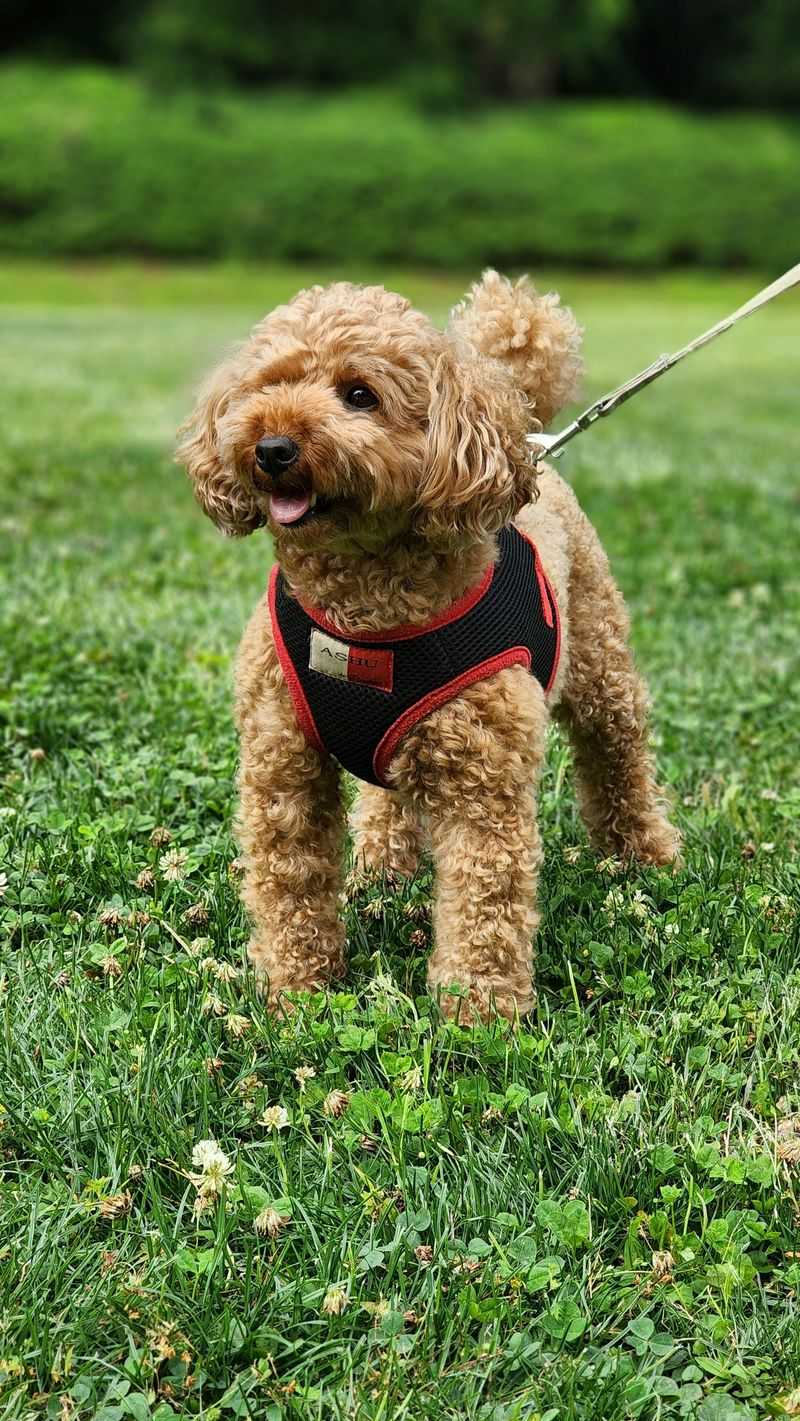
Toy Poodles read humans like novels, which means they mirror tension fast. People see that attunement and cry anxiety when it is often empathy plus brains.
Without jobs, they invent rituals that look worried.
Rotate trick training, shaping games, and scent work. Mark calm pauses as generously as flashy moves.
Keep exercise moderate and consistent to avoid edge-of-seat fidgeting.
Real anxiety shows when focus vanishes, appetite drops, and the dog avoids even safe spaces. Split challenges into tiny slices, and offer decompression walks.
Predictability builds assurance. With steady guidance, their sharp minds relax into delightful partnership rather than hypervigilance.
Bichon Frise
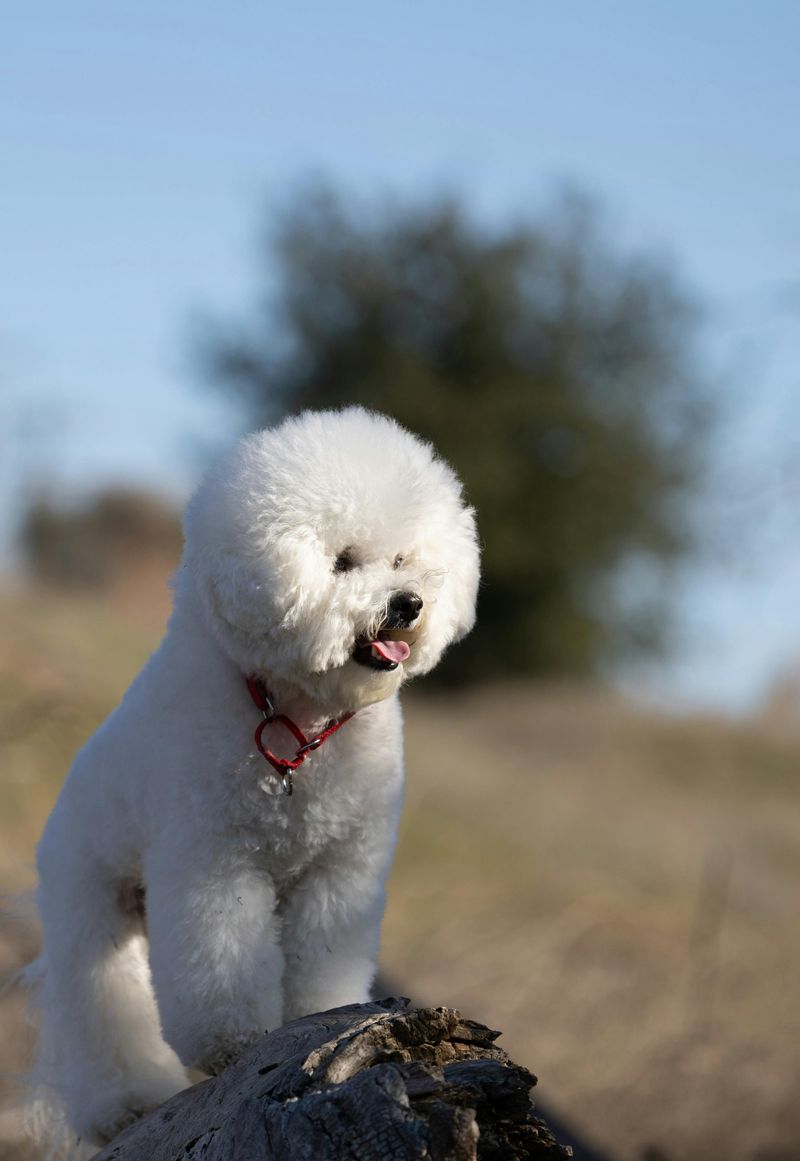
Bichons are social butterflies who sparkle brightest with company. When left alone abruptly, they can protest loudly, which gets labeled chronic anxiety.
Often it is a training gap around departures.
Build independence with short, boring exits and food-stuffed toys reserved for alone-time. Keep greetings low key to avoid emotional whiplash.
Regular grooming needs kind desensitization to prevent salon meltdowns.
Distinguish annoyance from panic by recovery speed and eating. If they settle within minutes and chew, you are okay.
If pacing, drooling, and door scratching persist, call it what it is and get support. With fair structure and enrichment, their sunny nature shines without the storm clouds.