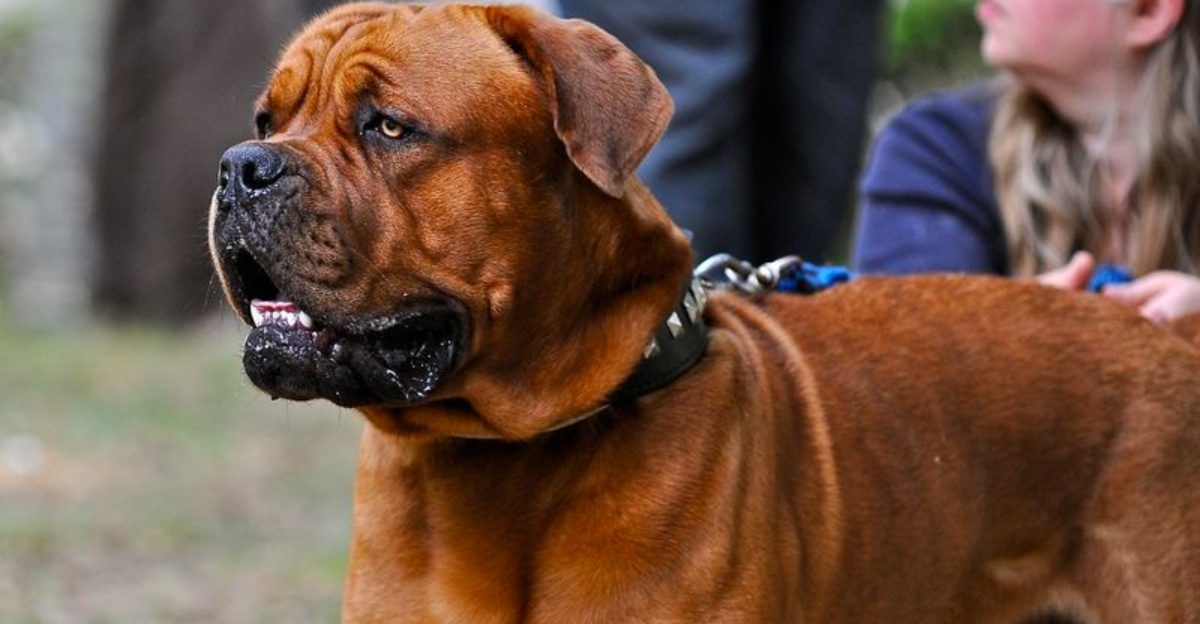
Some dogs look serious, strong, and a little scary at first glance. But once they get home, many of them turn into loving pets that want cuddles, attention, and a spot near their people.
Knowing this helps families choose dogs with both confidence and kindness. It is also a good reminder that looks do not always tell the full story.
Rottweiler
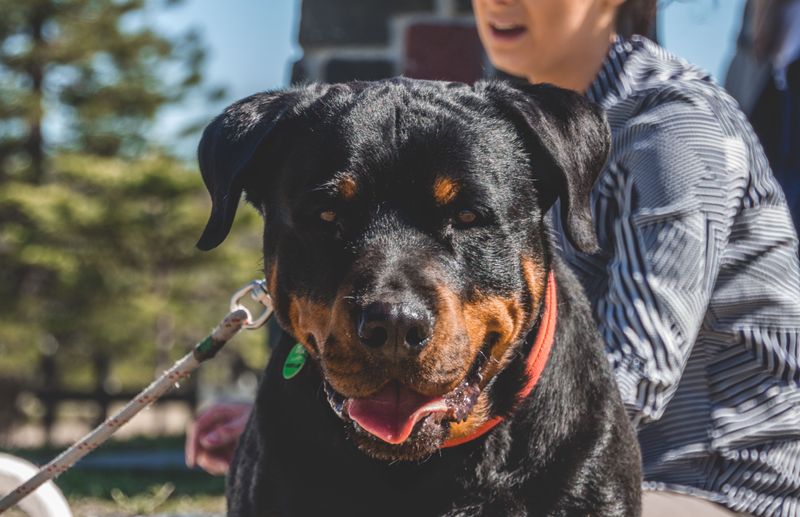
One look at a Rottweiler can make strangers step back, but many owners know a different story. At home, this sturdy dog often leans close, follows family members, and waits for belly rubs after dinner.
Clear rules and early social time help that sweet side shine. Give daily walks, calm training, and a cozy spot nearby indoors.
When treated with respect, a Rottweiler usually becomes a watchful friend who also loves silly affection every day.
Staffordshire Bull Terrier
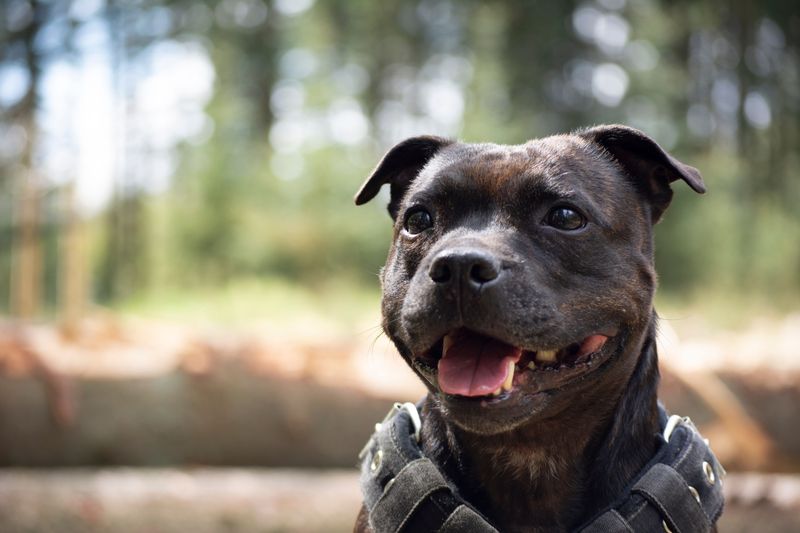
Built like a tiny athlete, the Staffordshire Bull Terrier often surprises people with clownish charm. Many curl into a lap they barely fit, then stare up as if they are sure they are still puppies.
Good games and short training sessions keep their busy minds happy. Use toys, praise, and fair boundaries every day.
Around people they trust at home, Staffies often swap their tough image for goofy smiles, wiggles, and eager snuggles before bedtime.
Bullmastiff
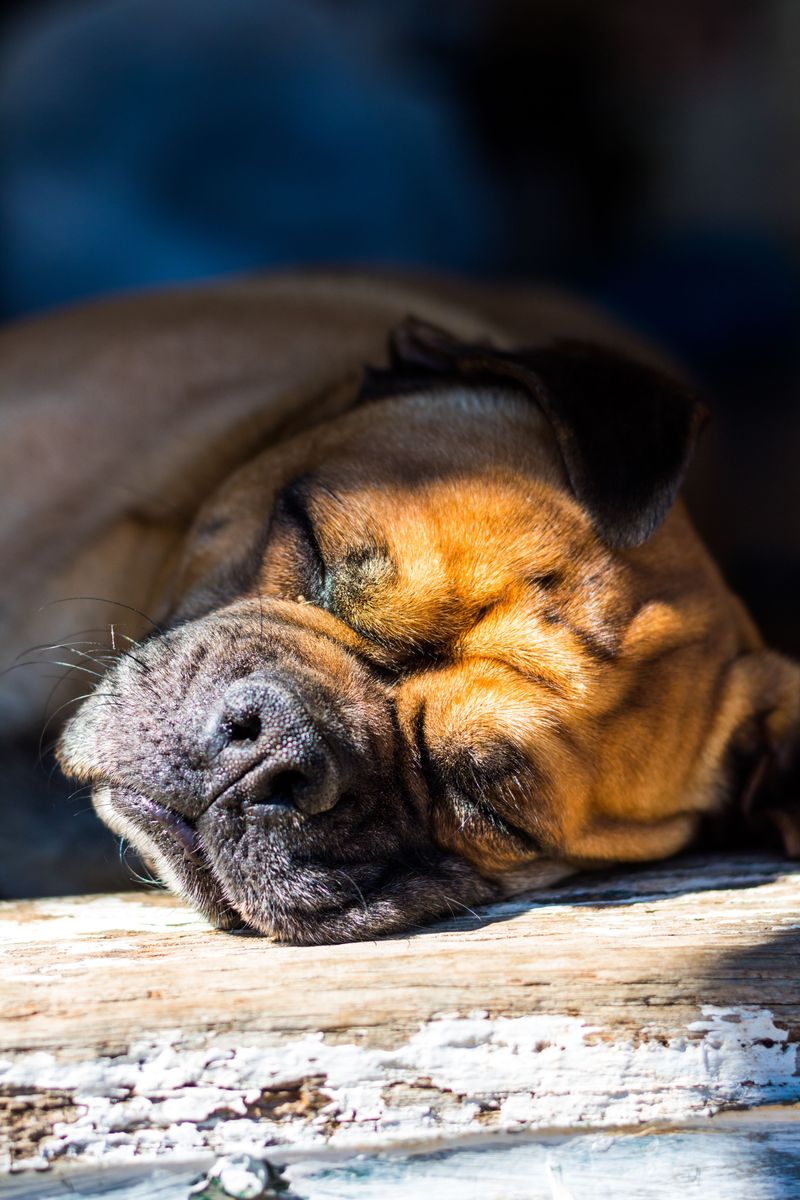
A Bullmastiff may look like a bodyguard from an old movie, yet many are calm house shadows. They lumber from room to room, checking on everyone, then settle with a heavy sigh right beside the couch.
Because their size is serious, polite manners matter from day one. Teach greeting skills, leash walking, and quiet rest times.
Under that massive frame, Bullmastiffs often carry a mellow heart that prefers family closeness over showing off at all.
Boxer
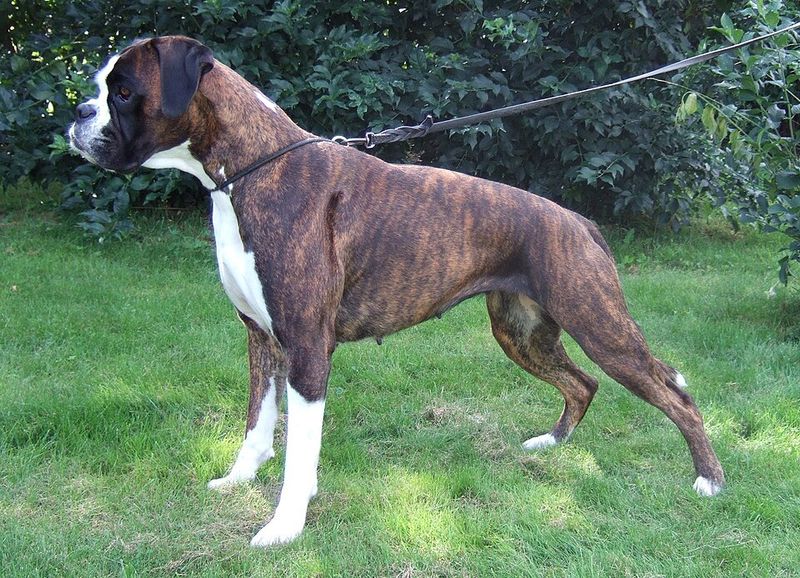
Few dogs sell the tough look and the goofball act as well as the Boxer. Behind that square jaw, many Boxers bounce through the house, make funny faces, and beg for play with their whole bodies.
Energy is their story, so exercise helps the softer side stay easy to live with. Try walks, fetch, and jobs like learning names of toys.
A Boxer who feels included turns into a snuggle bug after the fun ends.
Great Dane
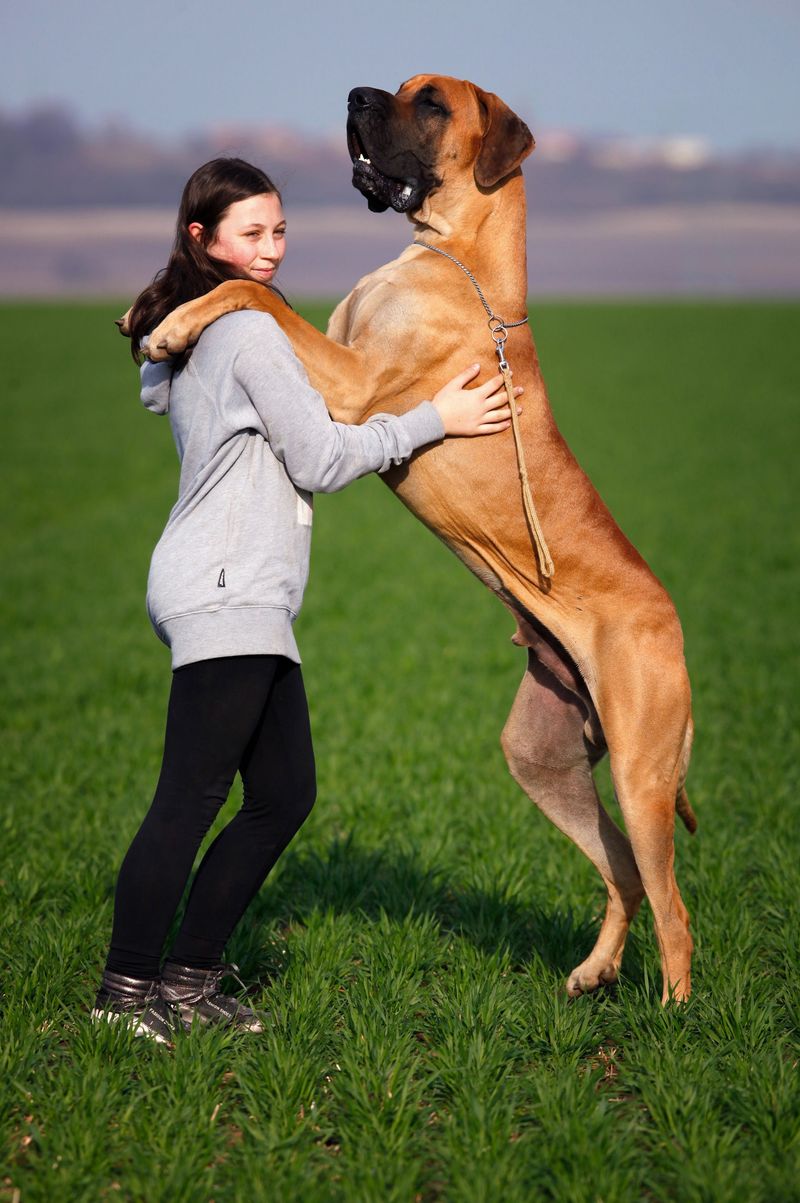
Standing beside a Great Dane can feel like meeting a small horse, yet many act like oversized babies indoors. They rest their heads on a shoulder, move carefully around furniture, and look hurt if left out for long.
Their feelings can be tender, so gentle training works better than harsh correction. Provide space, soft bedding, and slow social lessons.
With patient guidance, a Great Dane becomes a graceful roommate who wants closeness more than drama.
American Staffordshire Terrier
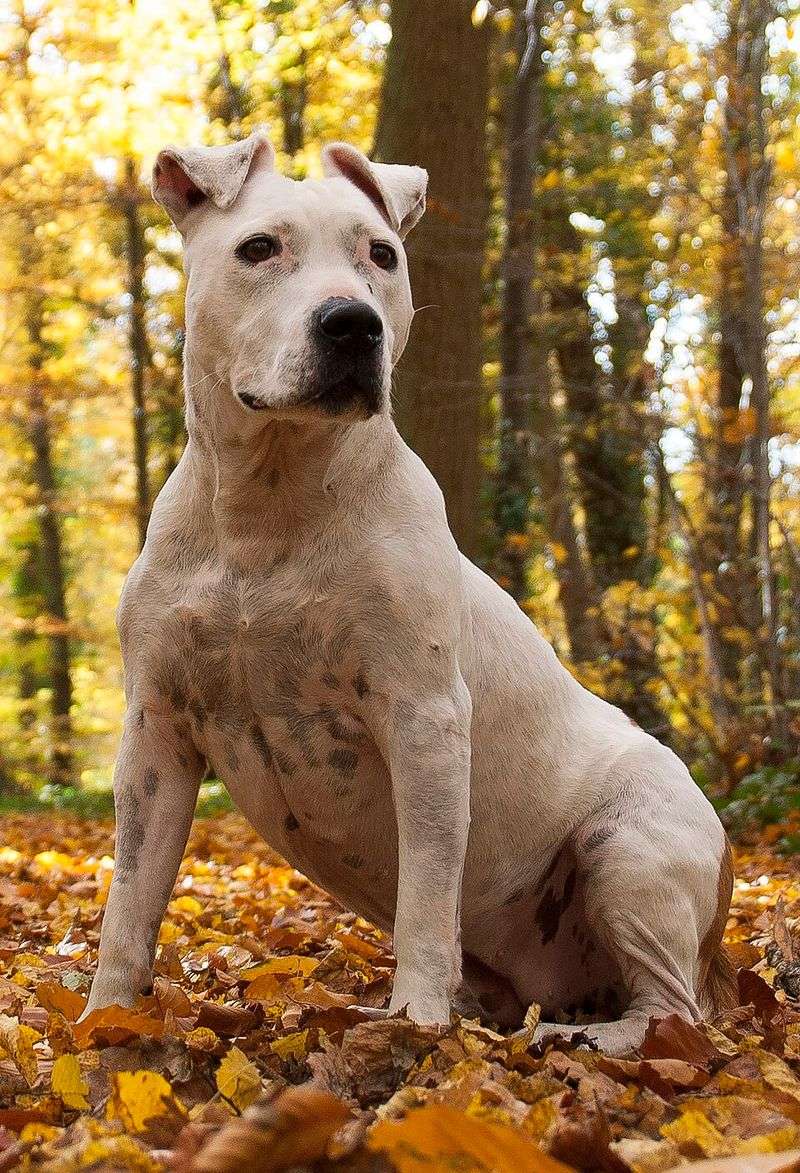
Ask an AmStaff for love, and you may get a full-body wiggle before you finish the sentence. Although the breed looks powerful, many individuals are people-focused and happiest when they can stick close to their humans.
Confidence grows when training stays fun and consistent. Use reward-based lessons, social outings, and games that use the brain.
A well-raised American Staffordshire Terrier often shows loyalty, comic timing, and a wish to be part of everyday family routines.
Doberman Pinscher
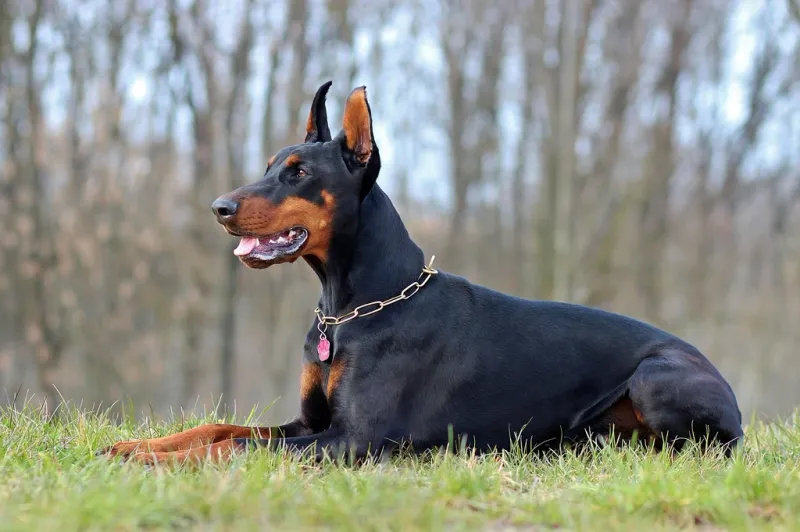
A Doberman Pinscher can look polished, serious, and ready for duty, which is part of the breed’s charm. Then home life begins, and many turn into followers who watch every move and prefer sleeping where they can hear their people breathe.
Because they notice so much, they do best with calm leadership and tasks. Daily exercise, obedience practice, and time with the family keep them steady.
Beneath the sleek outline, many Dobermans are sensitive souls.
Mastiff
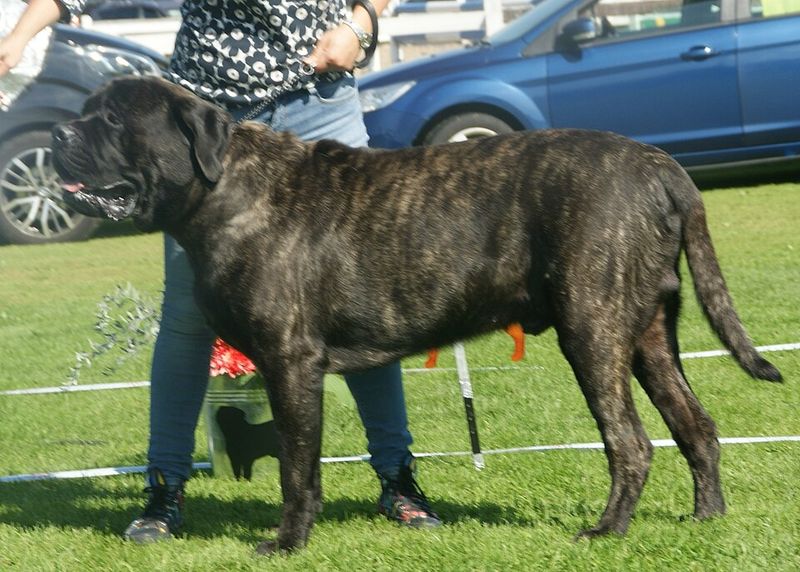
When a Mastiff pads into the room, the floor may seem to notice first. For all that size, many Mastiffs are homebodies who would rather nap near their people than act tough for strangers passing outside.
Slow maturity means patience pays off during training. Keep lessons short, reward calm behavior, and protect joints with sensible exercise.
In many homes, the mighty Mastiff becomes the dog who offers comfort just by leaning against a worried leg.
Bull Terrier
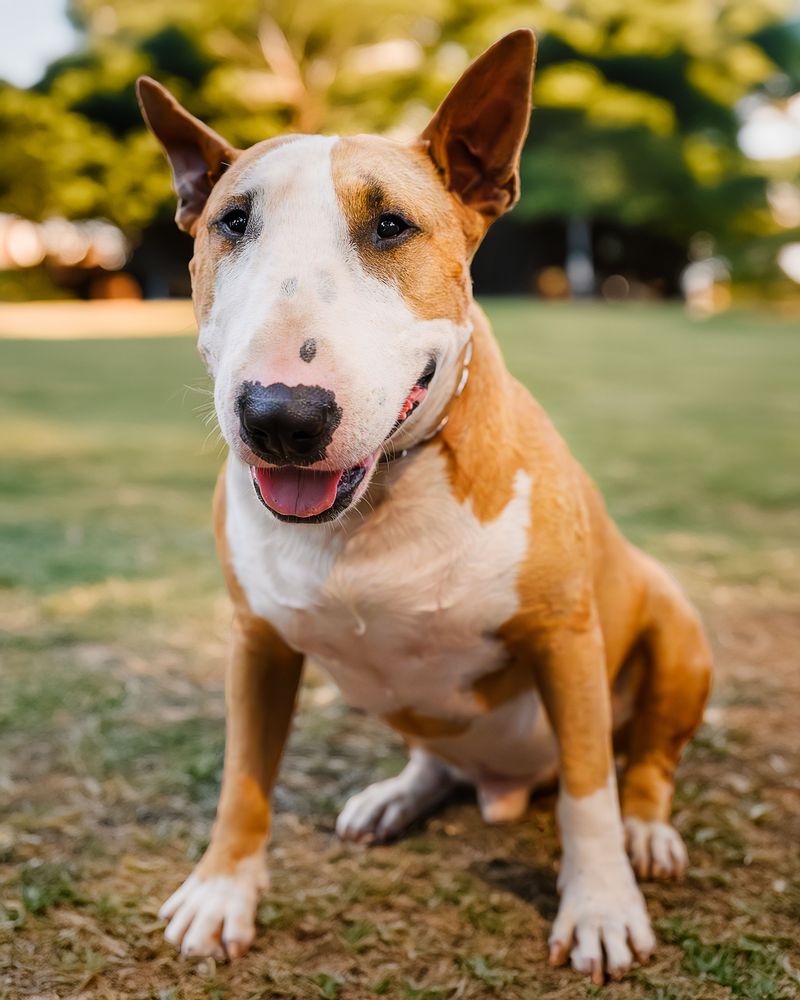
A Bull Terrier often looks like a cartoon muscle dog, especially with that egg-shaped head and bold stance. Then it starts clowning around, tossing toys, making noises, and acting like the class joker no one expected.
Their playful streak needs direction, not scolding all day. Rotate games, teach impulse control, and give chews for moments.
Many Bull Terriers build huge bonds with their households and show affection in silly unforgettable ways that melt tough impressions.
Dogue de Bordeaux
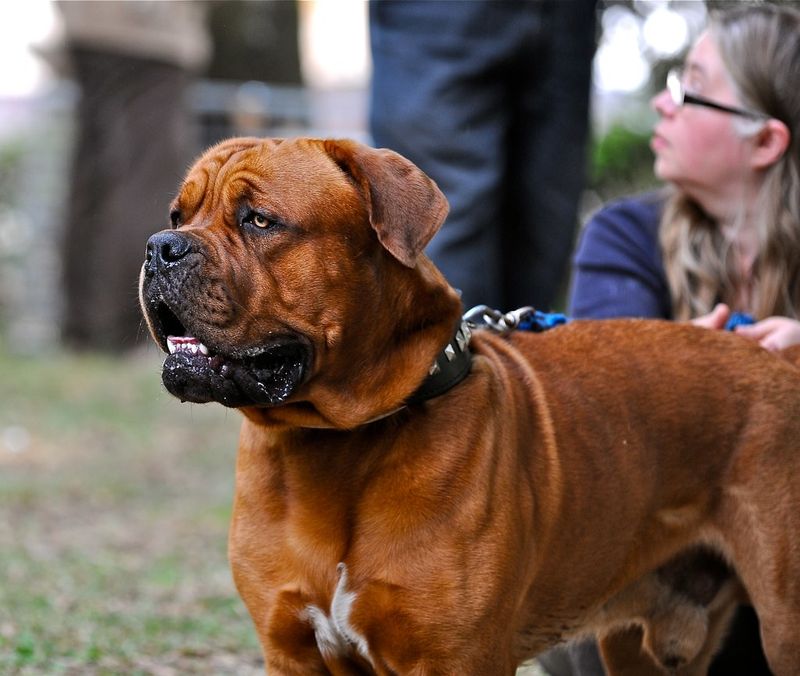
The Dogue de Bordeaux wears a serious face, complete with wrinkles that can make it look grumpy. Yet owners laugh at how often this dog wants closeness, soft beds, and a chance to rest one heavy paw on a foot.
Early manners help because strength arrives fast. Practice calm greetings, friendly exposure, and short walks that build trust.
At home, a well-guided Dogue de Bordeaux is often a droopy presence with more sweetness than swagger.
Cane Corso
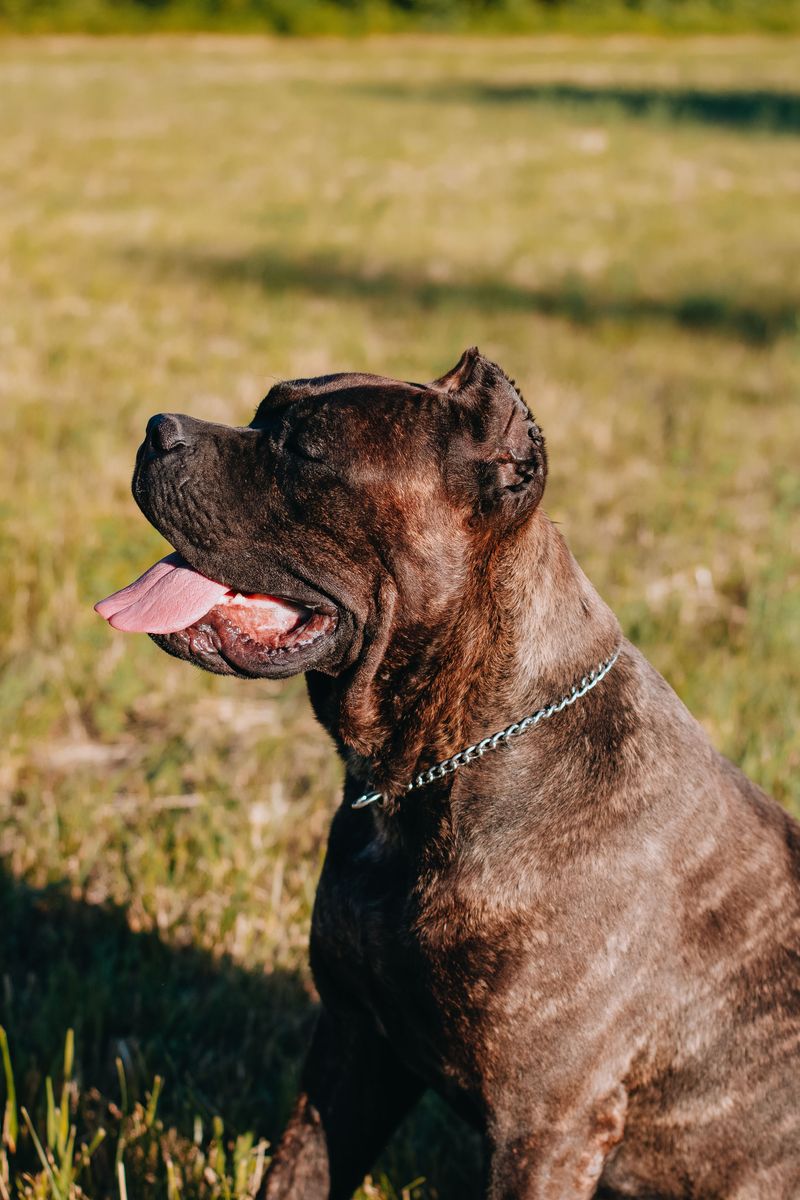
A Cane Corso can stop traffic with one glance, and that look is real. Still, many are home-loving dogs that enjoy routine, stay close to their people, and relax best when they know the family is safe.
Structure is the secret to bringing out their warm side. Start social training early, keep commands clear, and provide exercise without chaos.
When trust grows, a Cane Corso often shows deep devotion, quiet patience, and surprising tenderness indoors.