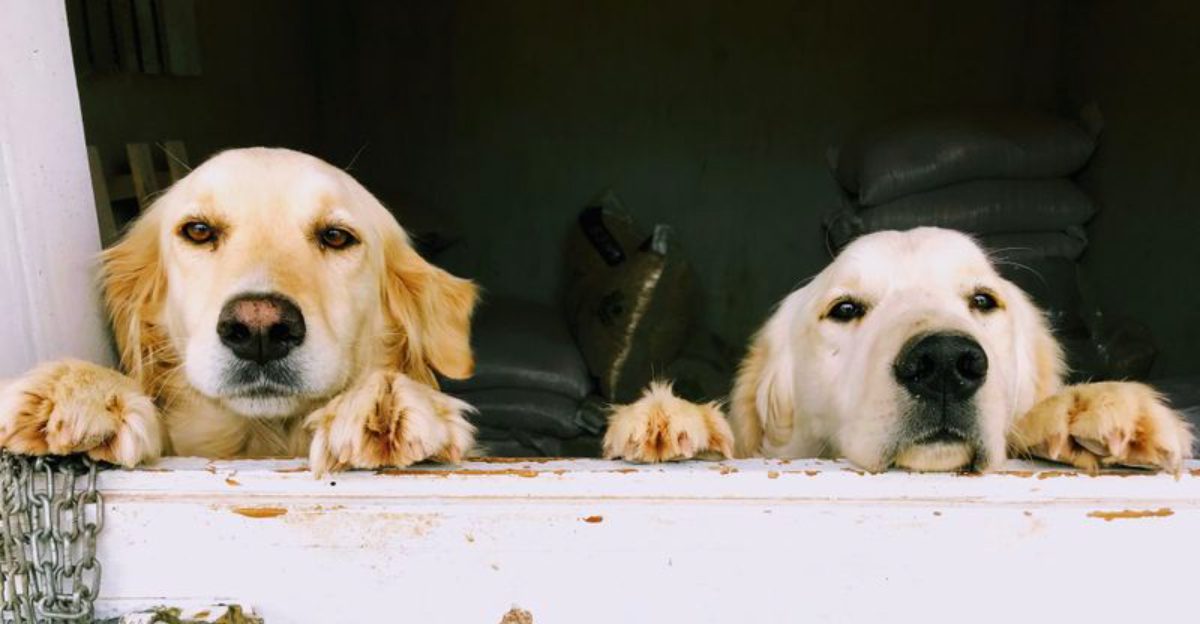
Choosing a dog is not just about looks or size. How a breed reacts to strangers can shape daily life, from front-door hellos to park meetups.
Some pups roll out the welcome mat, while others prefer slow introductions. Understanding these differences helps you pick a dog that fits your home, your guests, and your neighborhood.
Golden Retriever
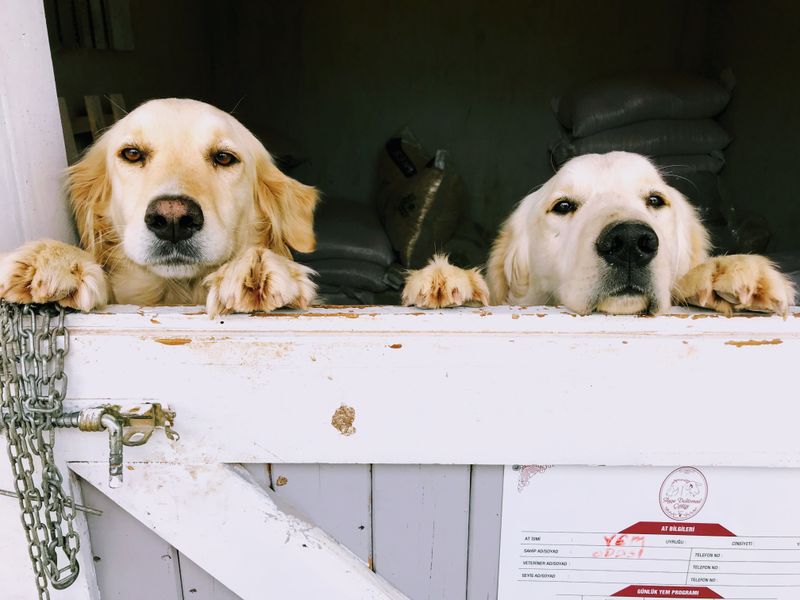
With sunshine energy in a fur coat, many Goldens treat strangers like new teammates. Expect eager tail wags and a wide smile.
That charm can turn bouncy, so leash greetings and a sit-for-pets routine keep things polite.
Early socialization is gold. Invite calm guests, reward four paws on the floor, and practice place training near the door.
Their warmth shines brightest when they learn boundaries, like waiting before greeting and ignoring doorbells until released.
Labrador Retriever
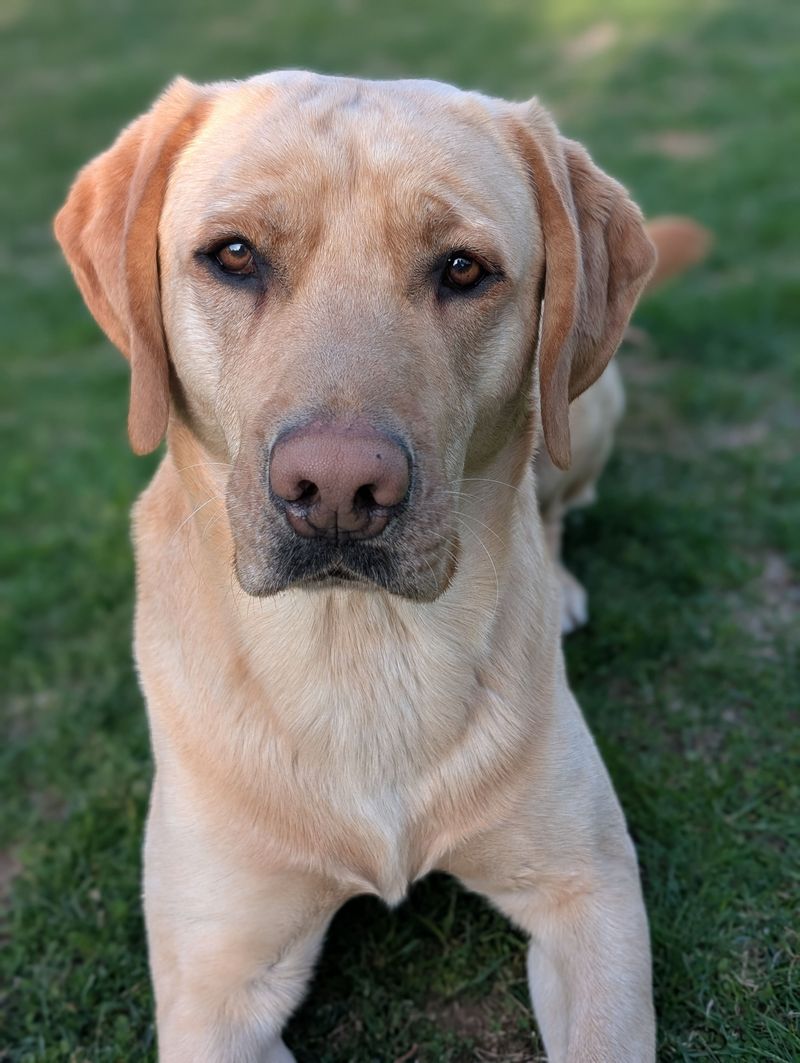
Labs often treat strangers like old buddies at a cookout. Wiggles, grins, and a hopeful nose nudge are common.
That enthusiasm can become jumpy if not guided, especially with kids or guests balancing packages.
Teach a rock-solid sit and a hand target for greetings. Short practice sessions at the sidewalk help Labs master patience.
For visitors, use a mat near the door, reward calm, and release for hello only when paws stay planted.
Boxer
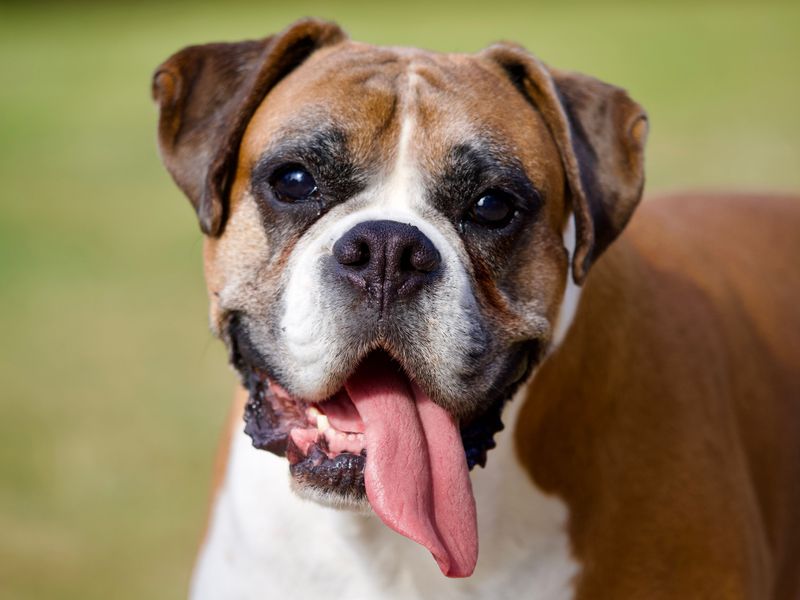
Goofy charm in a superhero body, Boxers can look tough but greet with clownish joy. Expect play-bows, snorts, and wiggles.
Some may be cautious at first, then quickly loosen up with a friendly vibe.
Channel that zest. Teach controlled play and a brief sit before people approach.
Keep intros upbeat, not rushed. If excitement escalates, step back, breathe, and try again.
A well-exercised Boxer thinks clearer, so burn energy before meet-and-greets.
Newfoundland
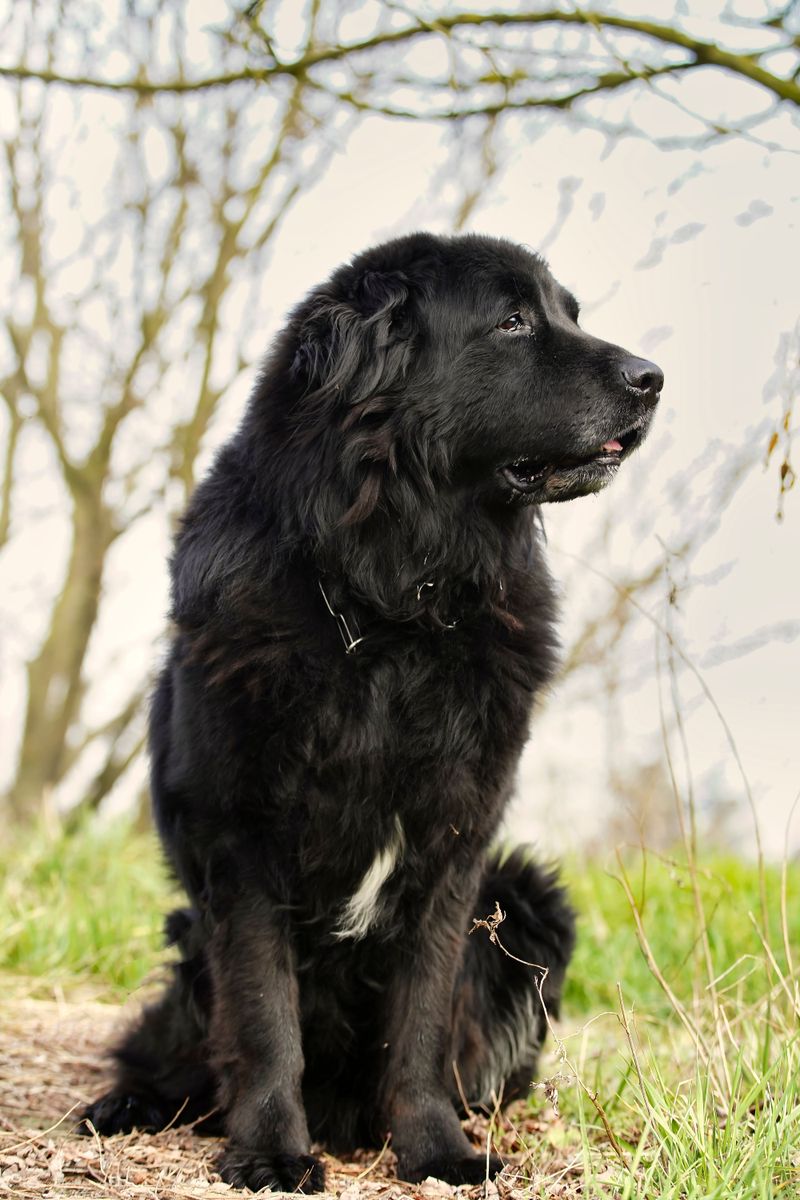
With a heart as big as its paws, the Newfoundland often welcomes guests like a patient host. Calm glances and slow tail swishes say hello.
Many prefer a quiet sniff over noisy fuss.
Teach a relaxed place command so visitors can enter safely. Keep a towel ready for drool and give space near tight doorways.
Because they move like gentle tanks, remind kids and seniors to wait for the dog to settle before petting.
Beagle
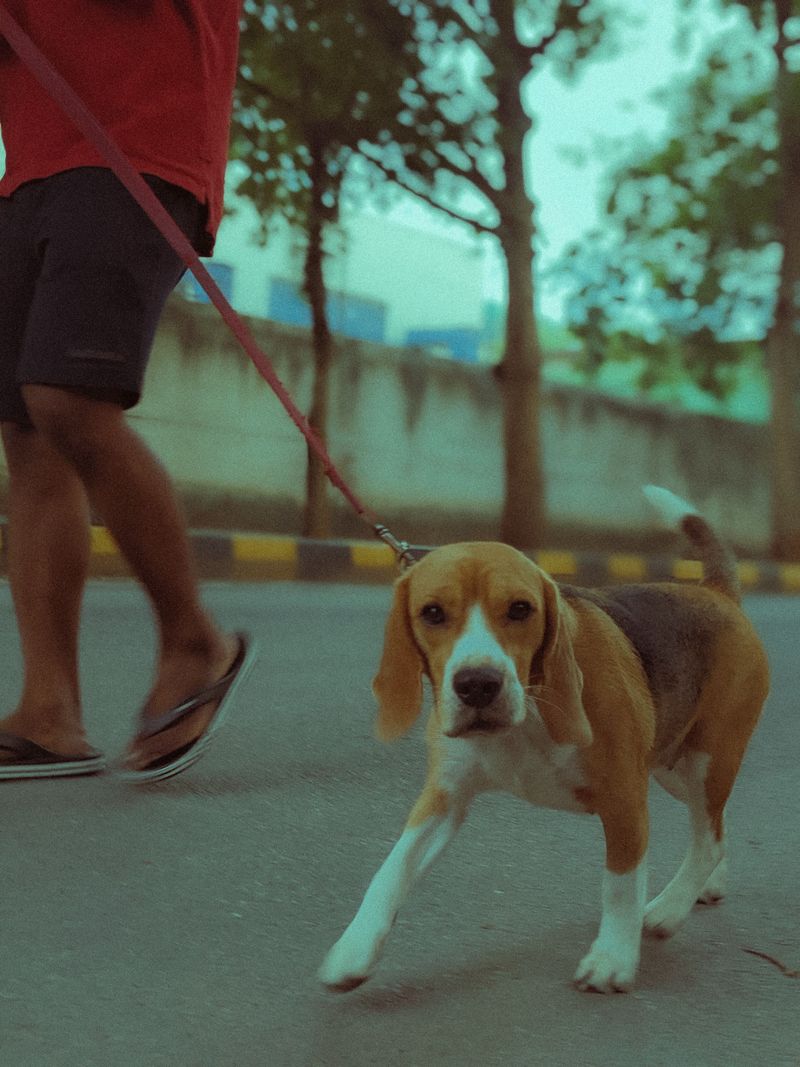
Noses lead the way with Beagles. Strangers get a careful sniff audit before friendship begins.
Many will sing the news with a cheerful bay, especially when a doorbell rings.
Use scent to your advantage. Let guests offer a closed hand for a quick sniff, then reward calm.
Short, structured walks with new people help reduce pulling. A toy or treat pouch near the door keeps focus on you, not the mystery smell outside.
German Shepherd
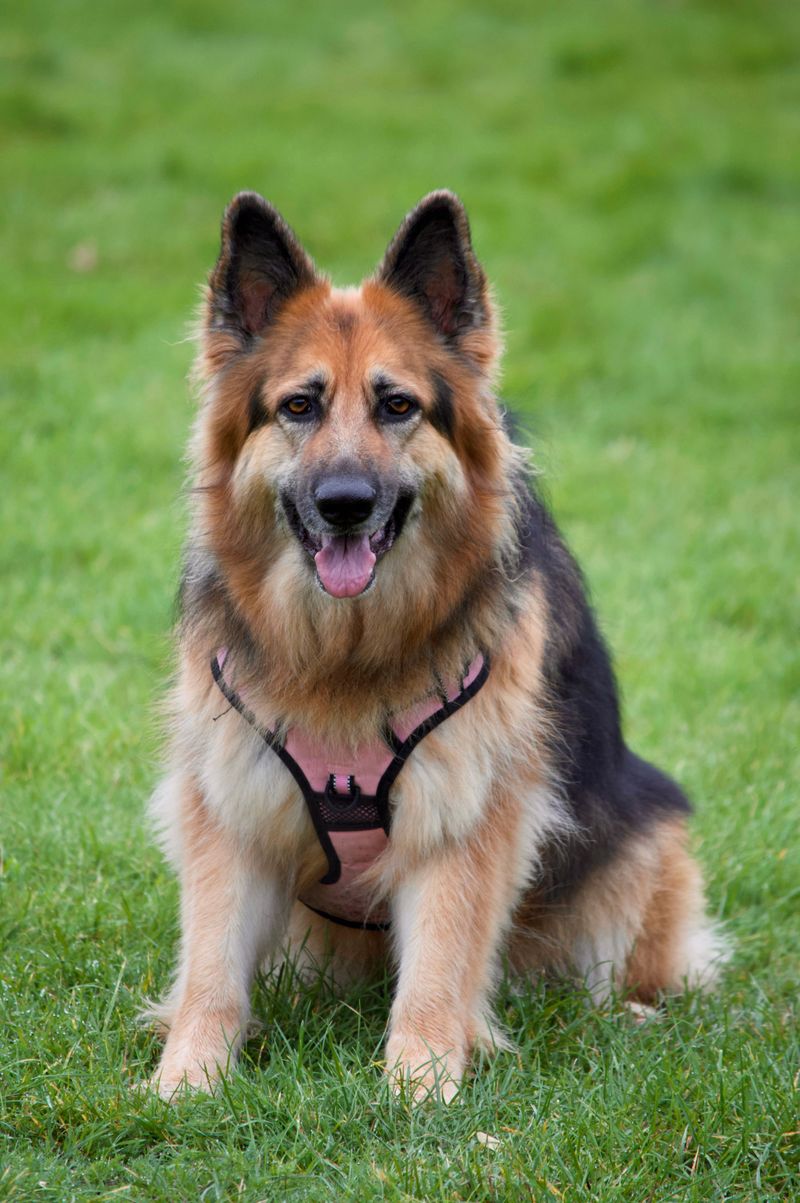
Reserved at first, many German Shepherds size up strangers like careful detectives. They look to their handler for cues.
Once introduced with structure, they usually relax and show polite manners.
Clear routines work best. Ask for a sit or down before anyone approaches, and release after calm behavior.
Socialize steadily, not all at once, focusing on quality experiences. Professional obedience classes build confidence and help prevent over-guarding in busy spaces.
Akita
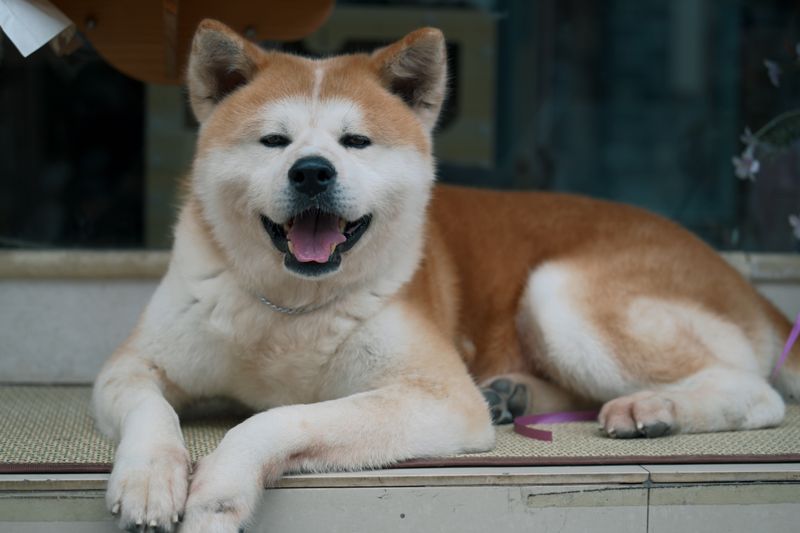
Dignity first. Many Akitas are aloof with strangers and save affection for their inner circle.
Pushy greetings can sour the moment, so slow, hands-off introductions work best.
Set firm house rules. Use gates or a tether when guests arrive, then invite the dog to approach on its timeline.
Reward quiet observation, not excited rushing. Early, careful socialization pairs well with consistent leadership, making public outings smoother and reducing unwanted guarding instincts.
Great Pyrenees
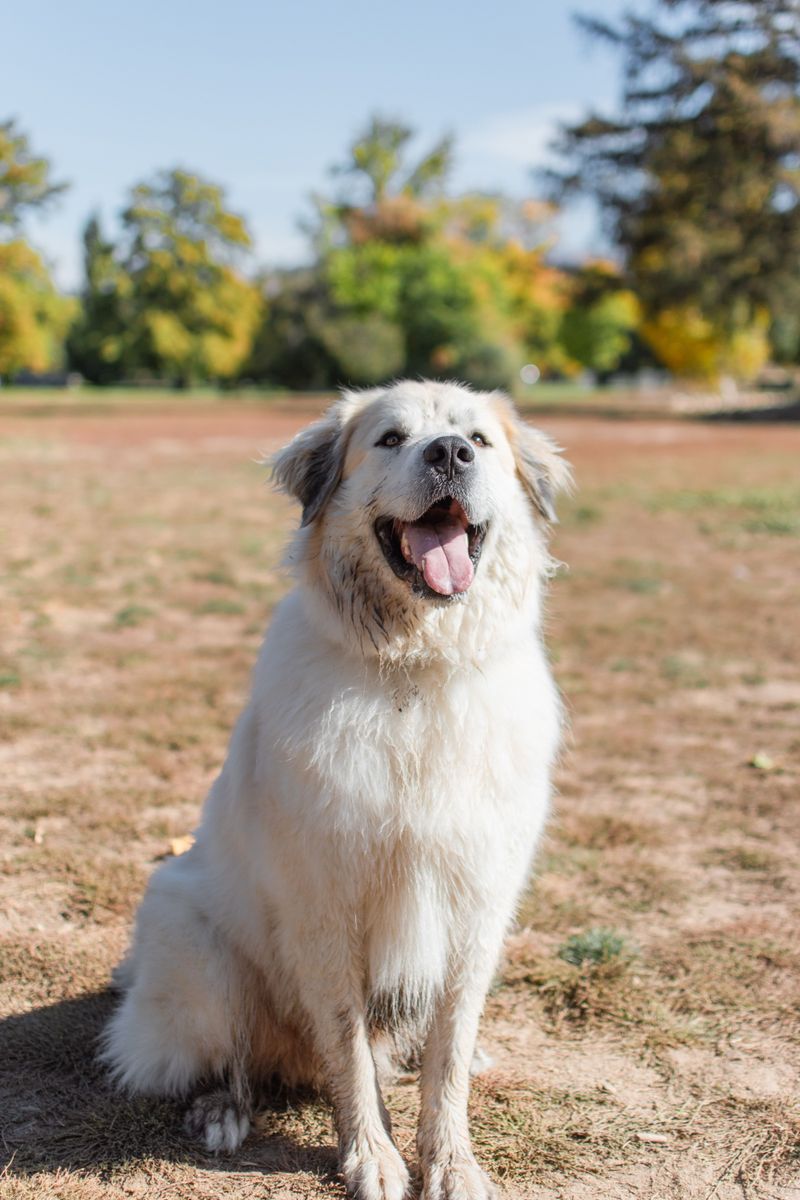
Bred to watch flocks at night, Great Pyrenees take guarding seriously. With strangers, they stay composed but vigilant, often placing themselves between family and visitor.
Barking can be a polite warning, not aggression.
Plan slow introductions outdoors where space reduces tension. Leash guidance and a steady voice help.
Reward quiet settling after the first few minutes. Daily patrol walks satisfy their guardian mindset, making guest interactions calmer and more predictable.
Chow Chow
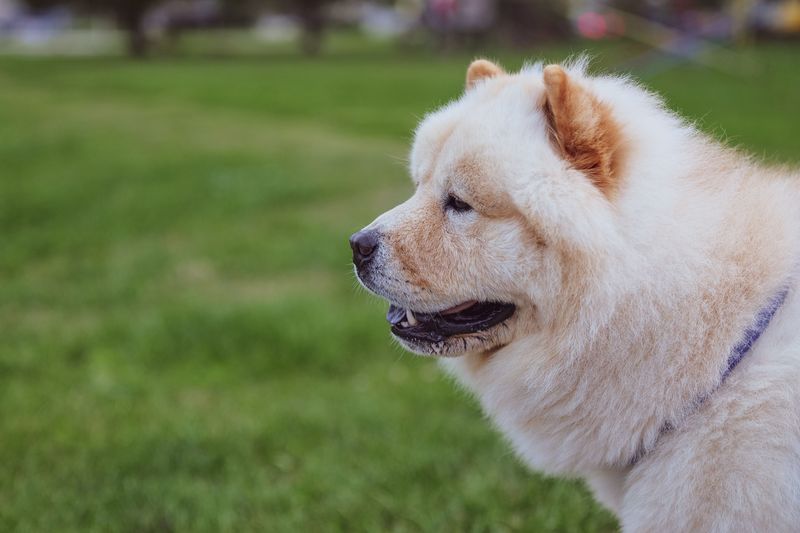
Catlike manners define many Chows. They often prefer to observe rather than mingle, and surprise touching can offend.
A quiet hello suits them better than cheerful fuss.
Coach visitors to ask before petting and to avoid looming over the dog. Reward calm looks and gentle head turns.
Early socialization with respectful people helps, but honor their personal bubble. Grooming practice builds trust, which later carries into smoother public meetups.
Doberman Pinscher
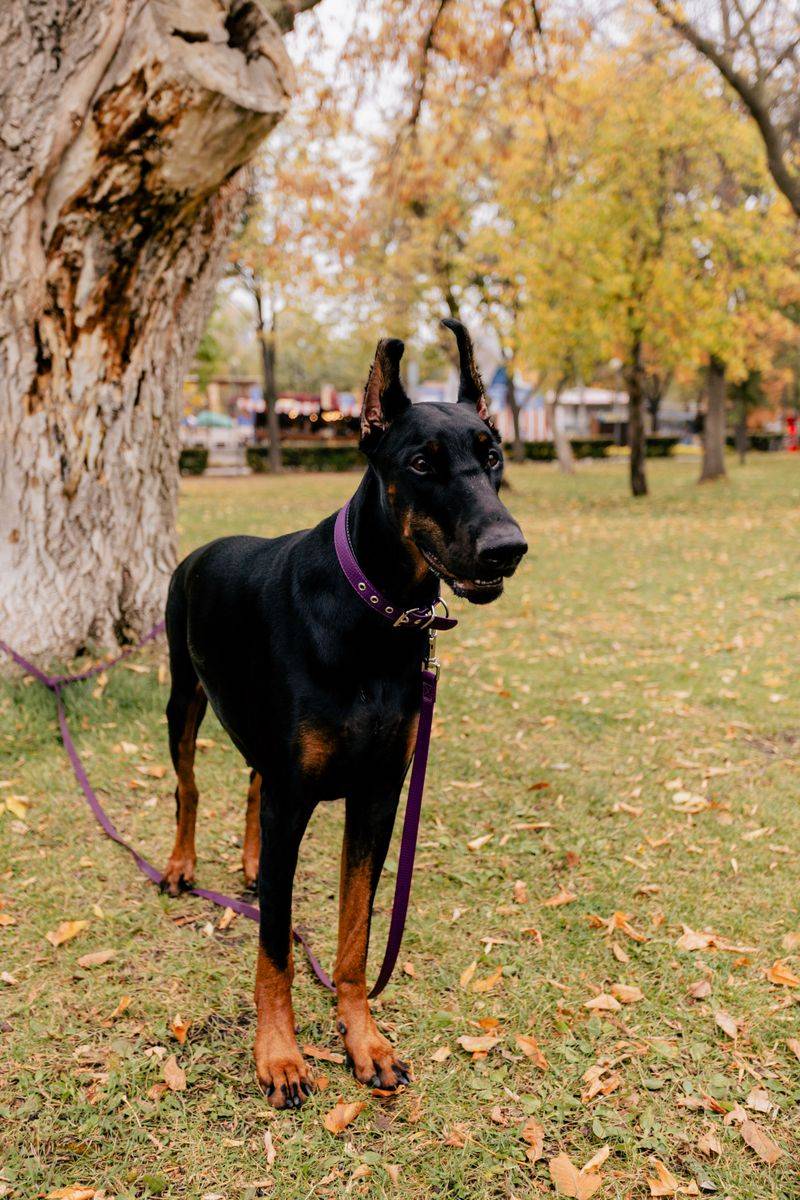
Elegance meets awareness in the Doberman. Many are watchful with new people, then warm quickly once the handler welcomes the guest.
Clear direction keeps their sharp mind busy and their body relaxed.
Teach a solid heel and a down-stay for doorway moments. Pair greetings with brief obedience routines to set tone and earn rewards.
Regular field trips to calm public spaces help Dobermans learn that strangers often mean nothing more than background scenery.
Belgian Malinois
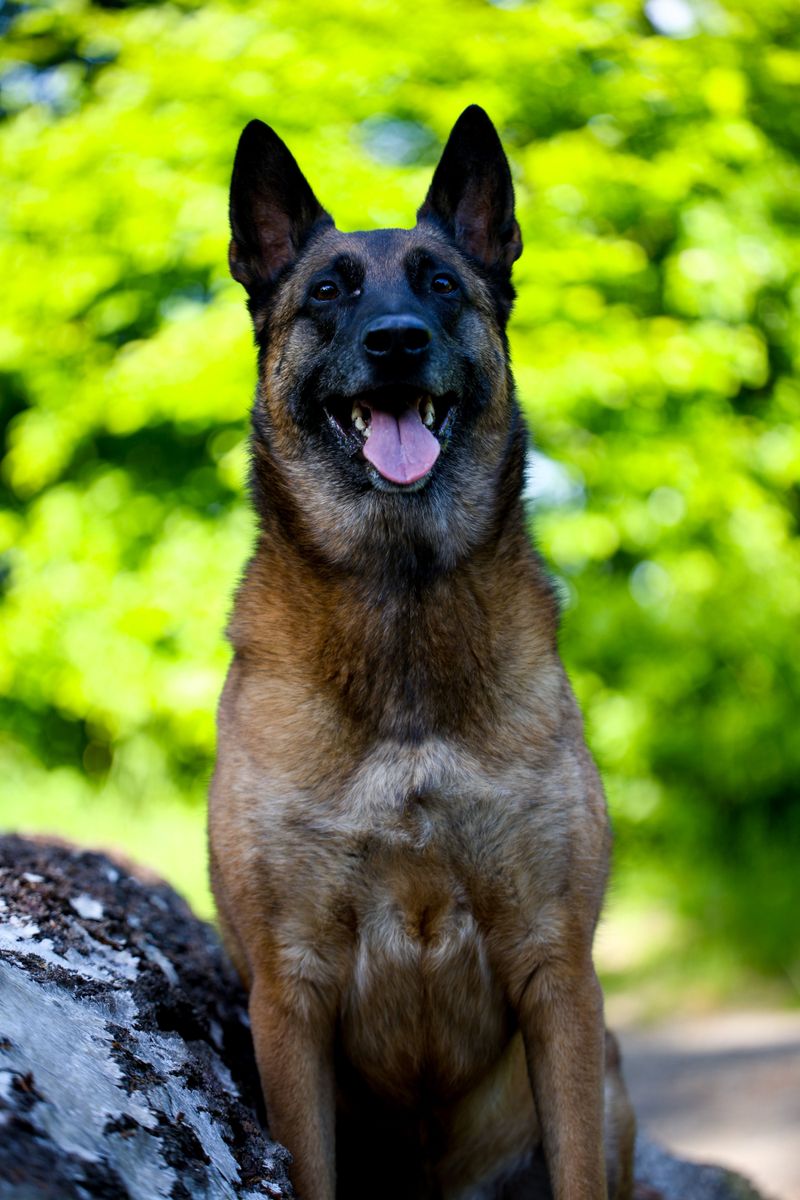
Built for work, the Malinois often sees strangers as low priority compared to tasks. Without guidance, that intensity can look edgy.
Confidence grows when they know exactly what job to do around visitors.
Structure is everything. Use place boards, long-line drills, and clear rewards for staying engaged with you.
Heavy daily exercise and training sharpen impulse control. Controlled exposure to calm people prevents overreaction and teaches that neutrality is a win.
Cavalier King Charles Spaniel
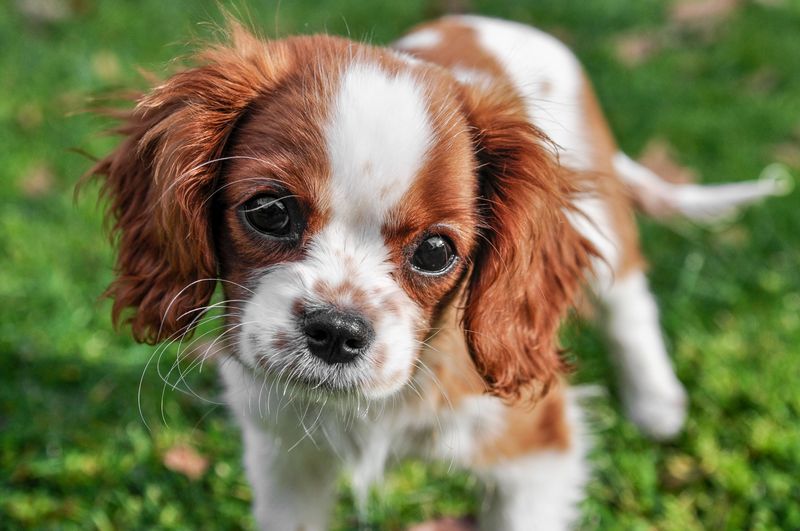
Social by nature, Cavaliers often beam at newcomers like long-lost friends. Soft eyes and a feathered tail invite cuddles.
That sweetness can lead to clingy behavior, so teach calm manners early.
Practice short sits before petting and break up attention with brief sniff breaks. A comfy bed near the door helps them settle while guests arrive.
Regular walks and meetups keep their people skills bright without turning every outing into a cuddle marathon.