
Some dogs are amazing, but they are not easy for every home. A breed that is smart, strong, or full of energy can become a big problem with the wrong owner.
Knowing what these dogs truly need can help families avoid stress, damage, and unsafe behavior. Here are some beautiful breeds that need the right match to shine.
Belgian Malinois
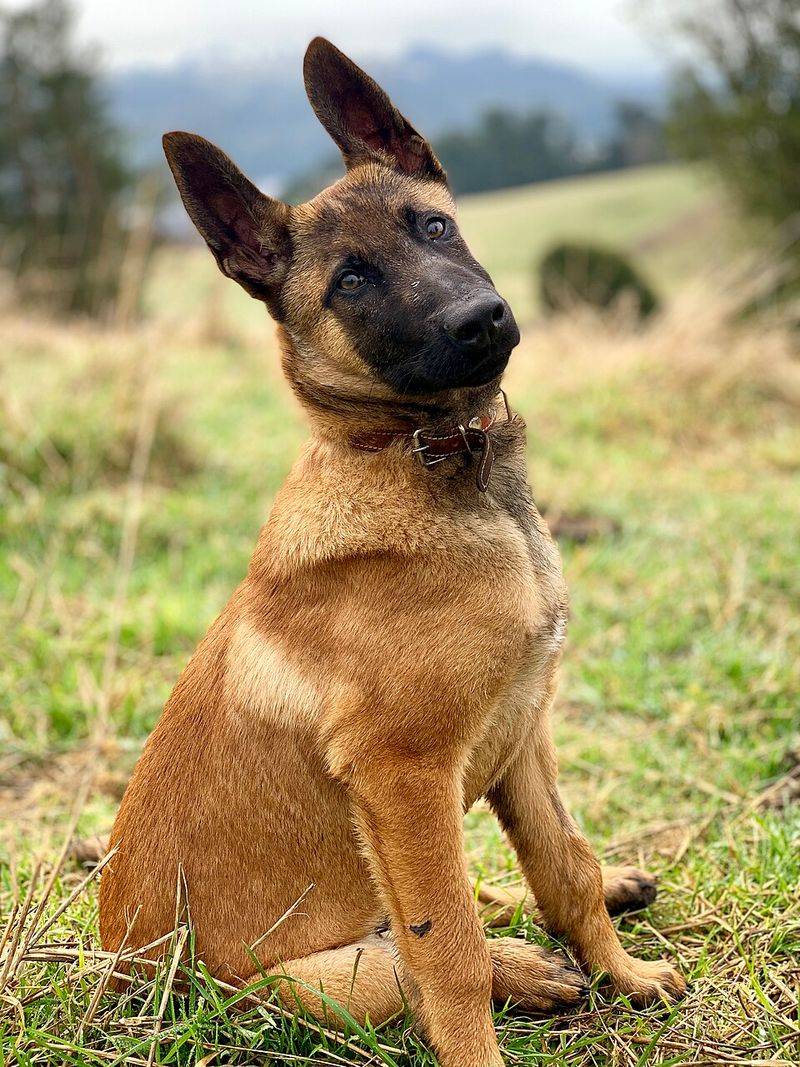
Few dogs look sharper or move faster than the Belgian Malinois, and that talent can overwhelm an unready home. Bred for police and protection work, this dog needs hard exercise, training, and a real job every day.
Without structure, boredom turns into chewing, barking, pacing, and wild energy indoors. Calm, confident owners who enjoy challenge usually do best.
A lazy routine or nervous handling often brings out stress and poor decisions from this brilliant breed.
Border Collie
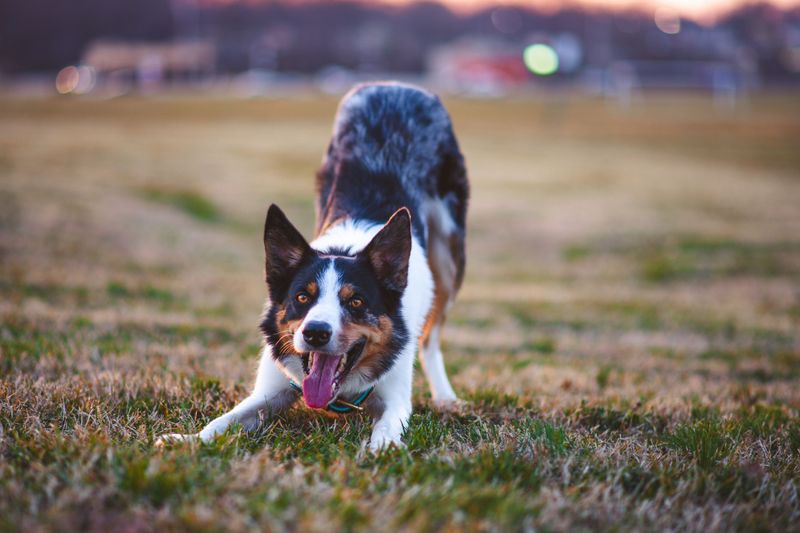
Lightning quick and always thinking, the Border Collie notices everything, including your bad habits. Originally built for herding sheep, it craves puzzles, movement, and clear direction far beyond a simple walk around the block.
Left underworked, many turn into shadow chasers, ankle nippers, escape artists, or nonstop barkers. Smart owners use games, training drills, and sports to keep the mind busy.
Families wanting a couch buddy may feel shocked by the effort this worker demands.
Australian Cattle Dog
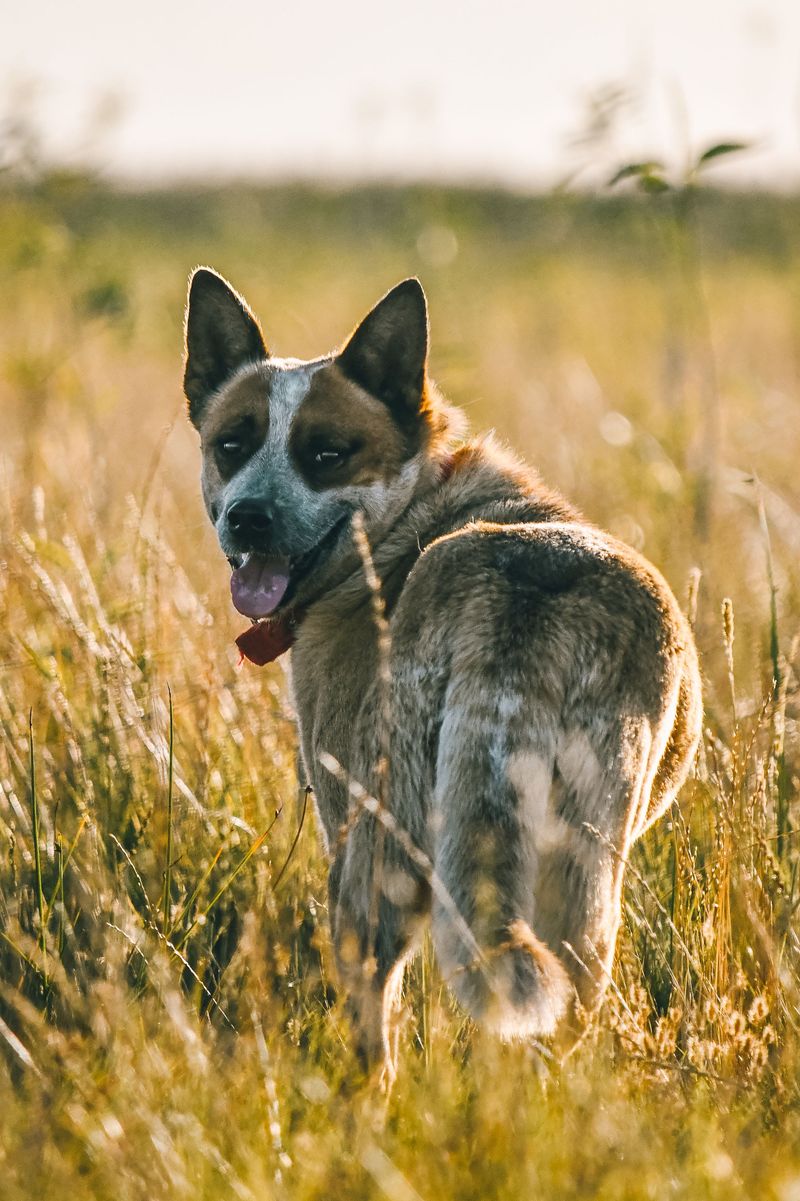
Tough as old boots, the Australian Cattle Dog was made to push stubborn livestock across rough land. That gritty spirit is impressive, but in the wrong home it can show up as bossiness, nipping, and endless patrol laps through the house.
Experienced owners give firm rules, active games, and training that rewards self-control. Sedentary families often mistake its intensity for meanness.
What this breed needs is purpose, consistency, and someone who respects its hard-driving streak.
Siberian Husky
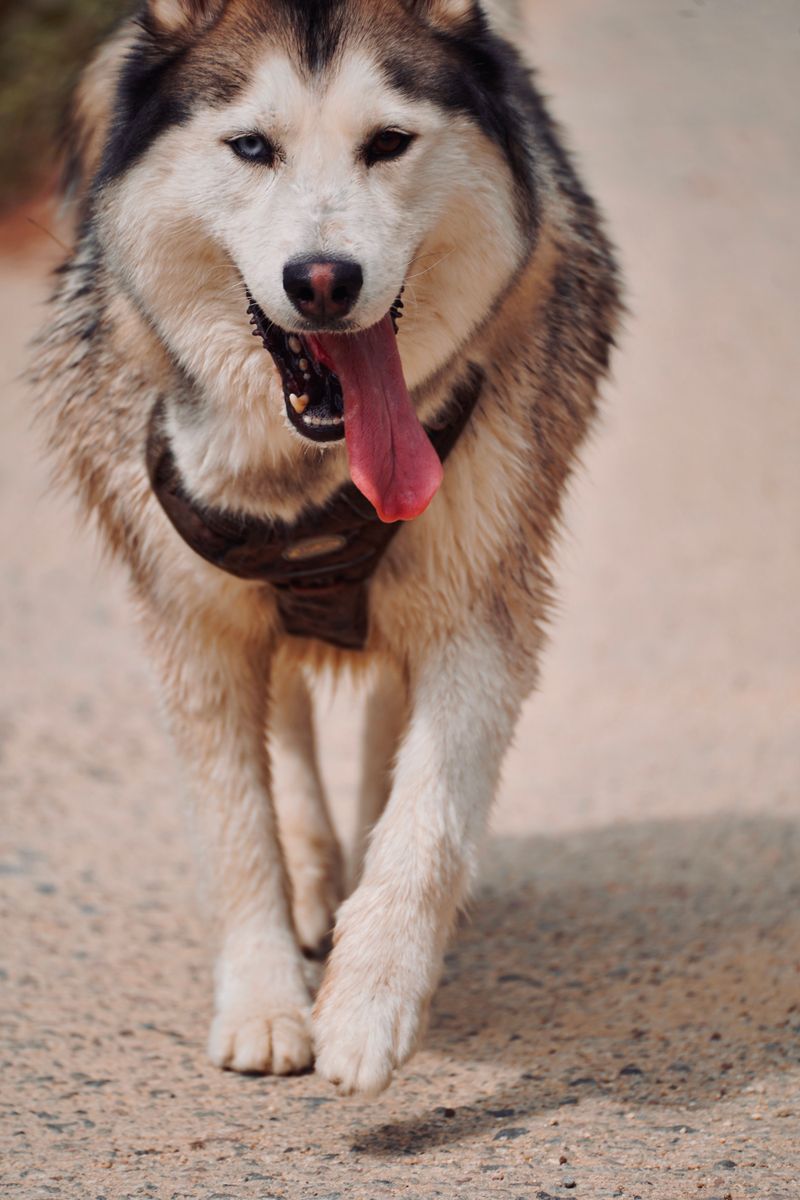
Blue eyes and a wolfish look make the Siberian Husky easy to fall for fast. Beneath that beauty lives a comic, stubborn athlete that loves running, testing fences, and singing loud opinions when life feels too boring.
Owners who skip exercise or trust weak boundaries often end up chasing escapes and repairing shredded cushions. Training takes patience because obedience is not this breed’s favorite hobby.
Best matches enjoy adventure, yards, and humor when mischief arrives.
German Shorthaired Pointer
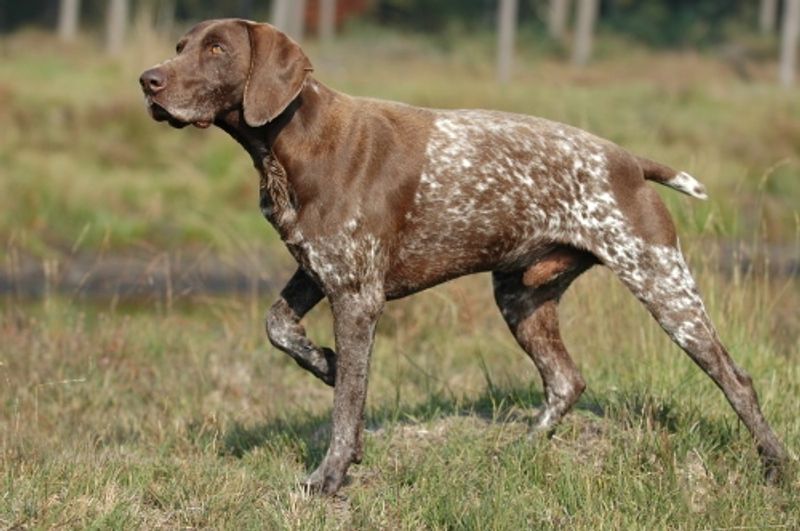
Born with a nose for action, the German Shorthaired Pointer rarely treats a day like a quiet day. Hunters prized this breed for stamina and versatility, so casual owners can get buried under jumping, whining, and restless circling.
A brisk walk seldom cuts it. Long runs, scent games, and steady training help channel all that drive.
People who want a dog to relax alone for hours may discover a pointer can redecorate rooms with teeth.
Cane Corso
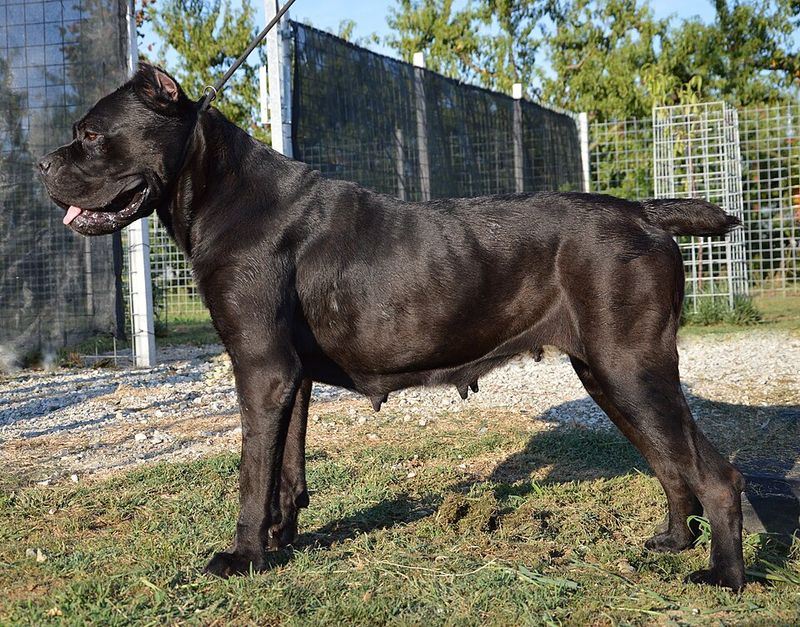
Power walks into the room when a Cane Corso appears, and that strength demands mature handling. Loyal and deeply watchful, this guardian can become a serious problem if early socialization, boundaries, and obedience lessons are treated like optional extras.
Fearful owners may send mixed signals, while careless ones can encourage pushy behavior without noticing. Good matches stay calm, consistent, and responsible around strangers and other animals.
With wrong leadership, a protector may start making rules.
Jack Russell Terrier
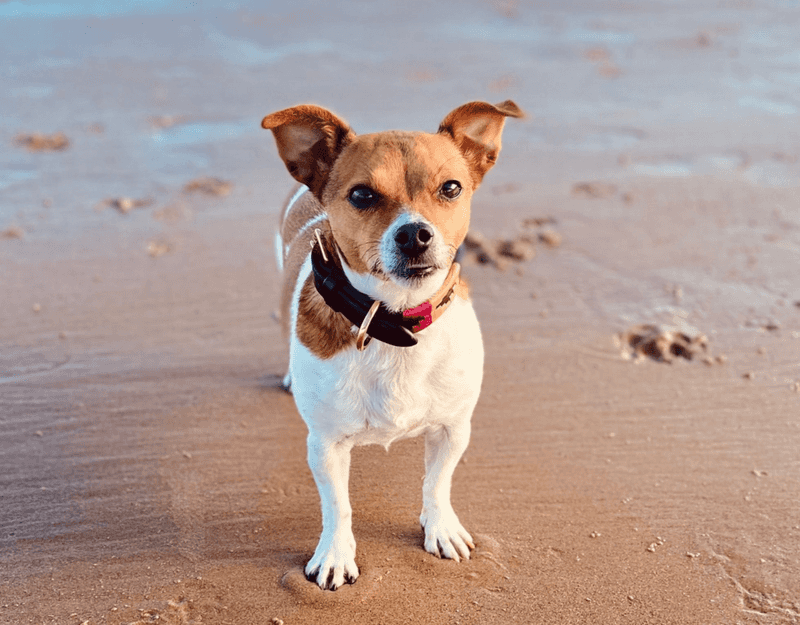
Small body, giant engine, that is the Jack Russell Terrier in one quick picture. Bred to hunt foxes, it often charges through life with bold curiosity, sharp smarts, and a talent for finding trouble behind couches, under fences, and inside trash cans.
People fooled by the cute size may offer too little exercise and too few rules. Then come barking fits, digging sprees, and dramatic standoffs.
Owners who love training, play, and chaos usually win.
Weimaraner
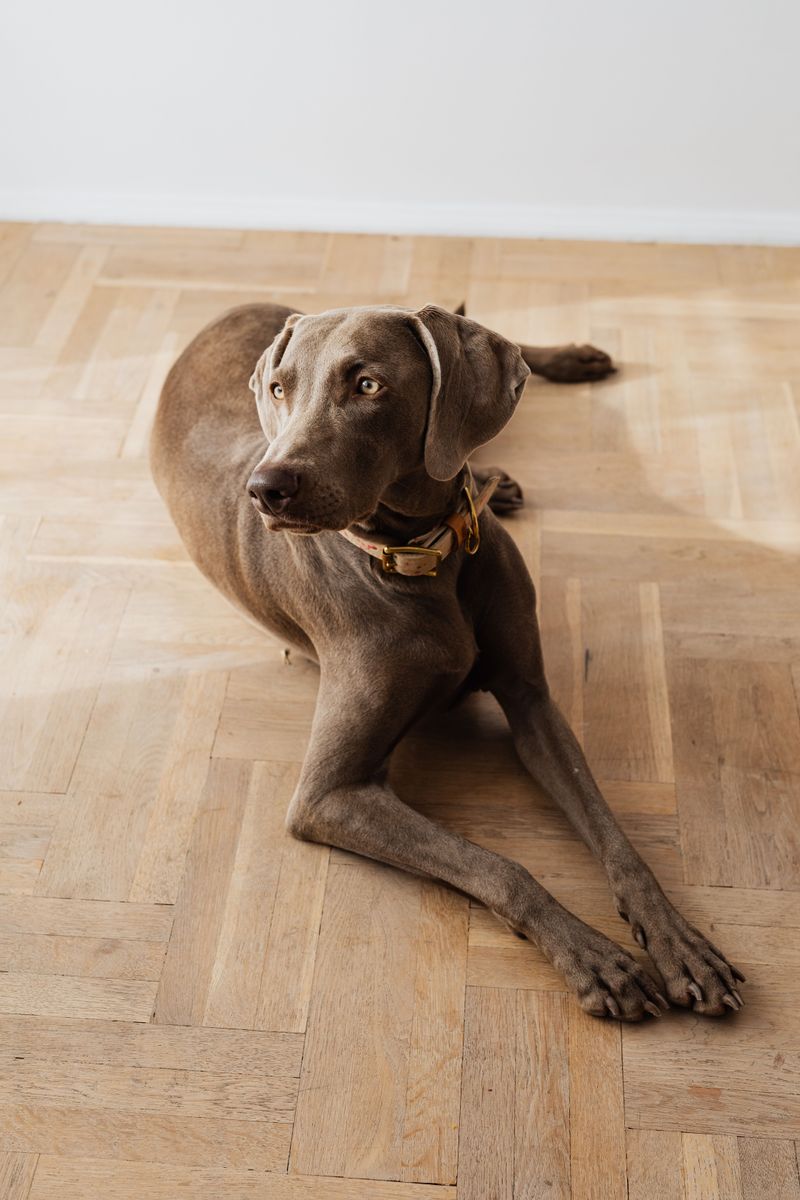
Silvery and elegant, the Weimaraner can look like a polished show dog, yet it acts more like a needy athlete. Nicknamed the Gray Ghost, it bonds hard with people and often struggles when left alone too much.
That mix can bring separation issues, frantic energy, and furniture damage in homes with long quiet days. Daily exercise is only part of the answer.
Patient training, company, and mental work help this sensitive breed stay calm indoors.
Giant Schnauzer
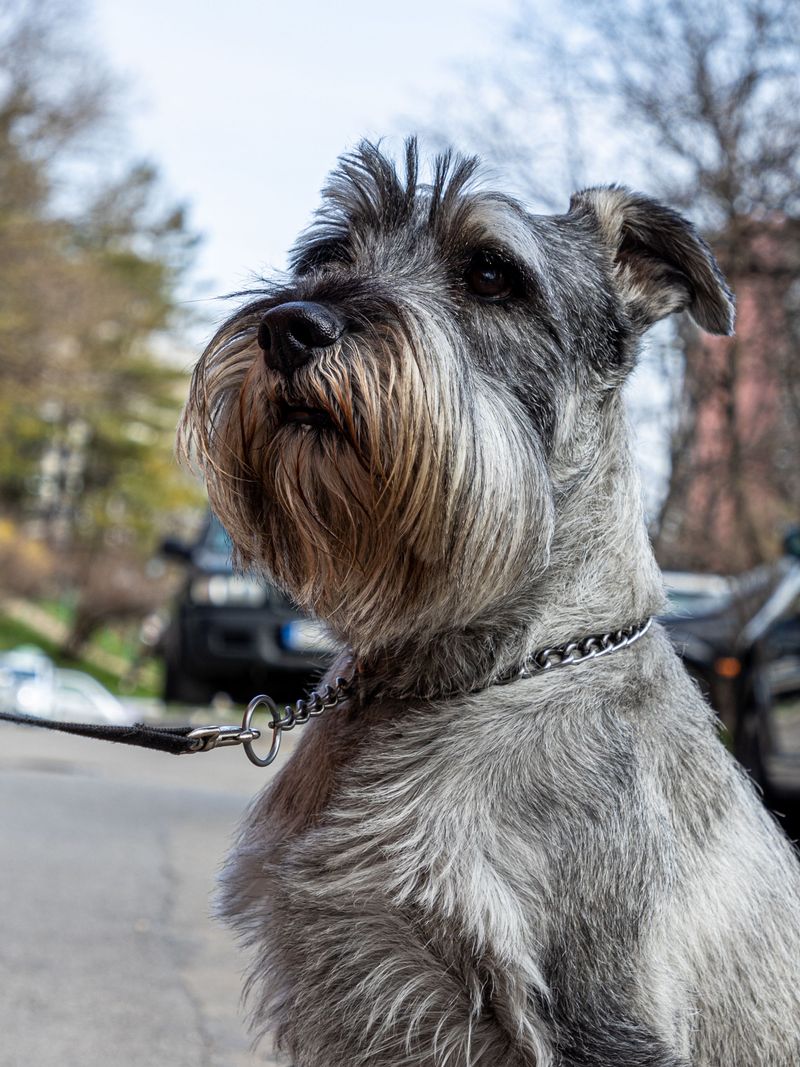
Under that bold beard is a watchdog with serious drive, and the Giant Schnauzer rarely plays small. Developed for hard work, it combines brains, strength, and suspicion of strangers, which can become exhausting in a loose, inconsistent household.
Owners need time for grooming, training, exercise, and steady social practice from puppyhood onward. Skipping those basics can fuel rough manners and overprotective choices.
People who enjoy leadership and involvement often get the best from this breed.
Akita
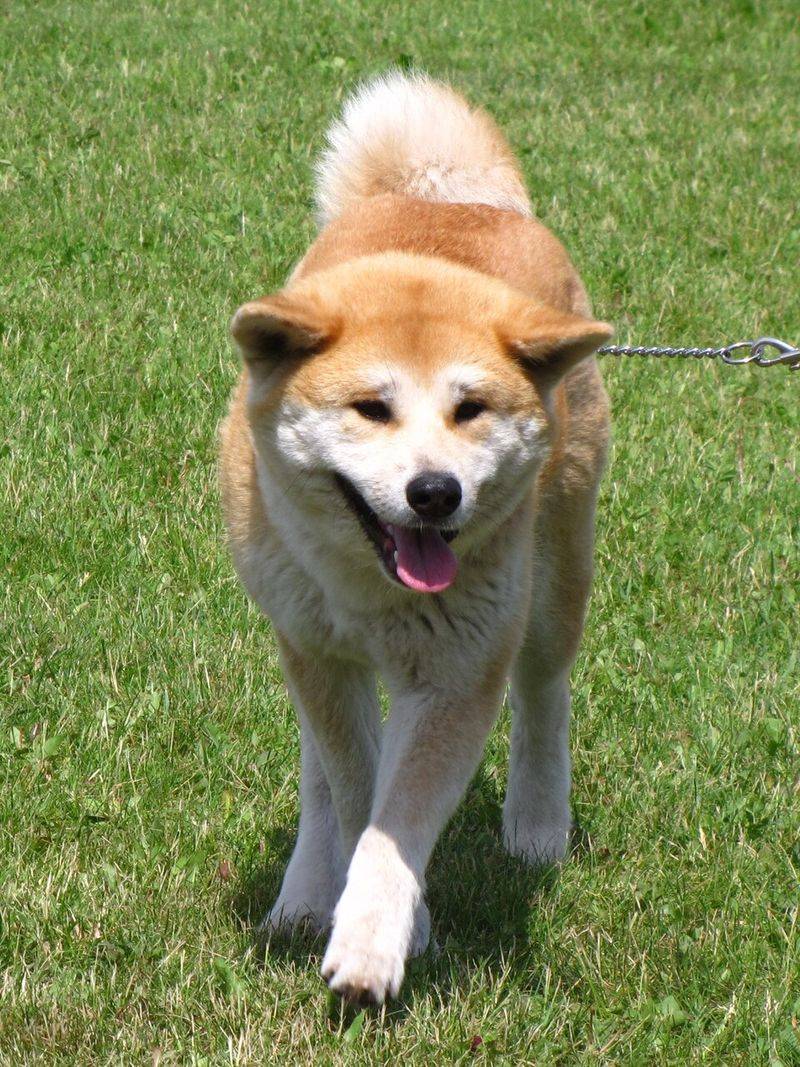
Quiet pride gives the Akita a powerful presence, and fans love its deep loyalty to family. Still, this breed often prefers its own judgment, guards resources carefully, and may not welcome unfamiliar dogs without skilled guidance and early social learning.
An owner who avoids training or ignores warning signs can face tense moments fast. Respectful handling, firm boundaries, and careful introductions matter here.
In the home, the Akita is steady but a poor match strains.