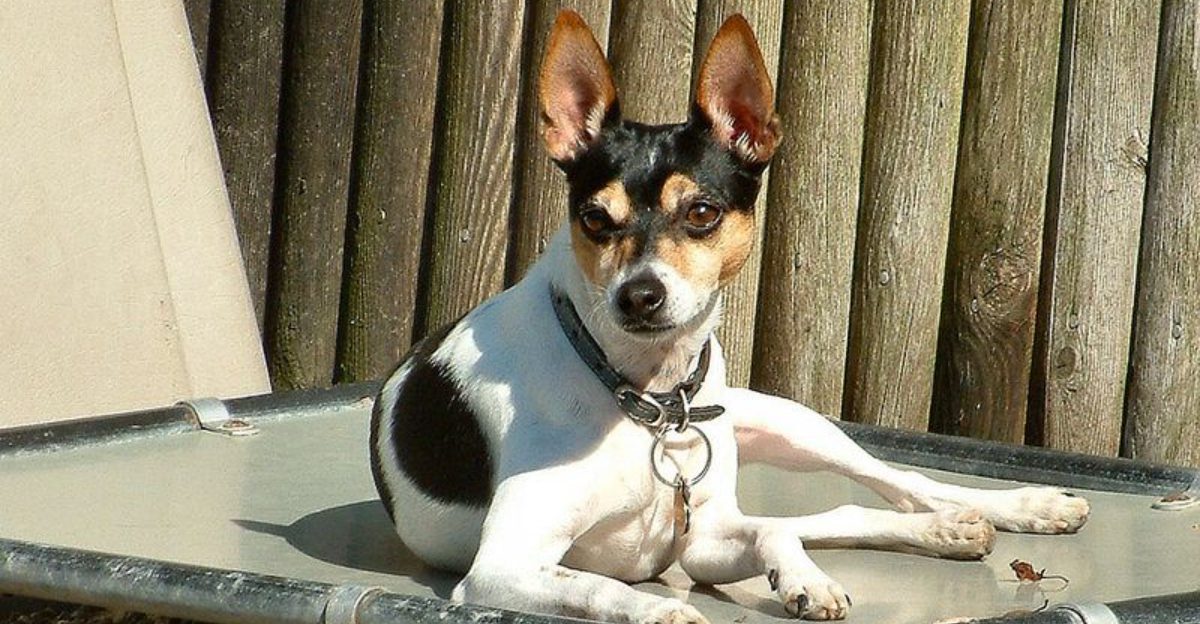
Xylitol is back in the headlines, and for good reason. This sugar substitute hides in gum, toothpaste, and low calorie snacks that curious pups love to sample.
Some breeds are legendary for counter surfing and lightning fast snatches, making xylitol exposure more likely. Let’s spotlight the dogs vets say are most prone to raiding sugar free goodies, and how you can outsmart their noses.
Beagle

Beagles are scent driven detectives, born to follow trails straight to your purse, pantry, or gym bag. Their persistence means wrappers and dropped gum rarely stand a chance.
When xylitol is involved, that curiosity can turn dangerous fast, so you need airtight storage and quick cleanups.
Practice leave it daily and reward heavily for ignoring food on the ground. Use closed trash cans and place handbags on hooks or shelves, not the floor.
Keep a fridge list with your vet’s emergency number and the Pet Poison Helpline, because minutes matter with xylitol.
Consider puzzle feeders to satisfy their need to work for food. Tired noses make safer choices.
Supervise guests who might set sweet treats within sniff range.
Basset Hound

Basset Hounds have low bodies and high drive for scent, giving them stealth access to coffee tables and low shelves. Slow walkers but determined foragers, they will patiently work a zipper to reach snacks.
Xylitol in mints or baked goods poses a real risk, so relocate temptations.
Use latchable containers and keep bags off couches where a Basset’s nose naturally lands. Teach drop it with high value swaps to interrupt scavenging.
If ingestion is suspected, do not wait for symptoms like vomiting or lethargy, call your vet immediately.
Daily sniffari walks and nosework games reduce indoor scavenging. Provide long lasting chews to channel that urge to search.
Make visitors aware that low tables are Basset buffets without planning.
Dachshund
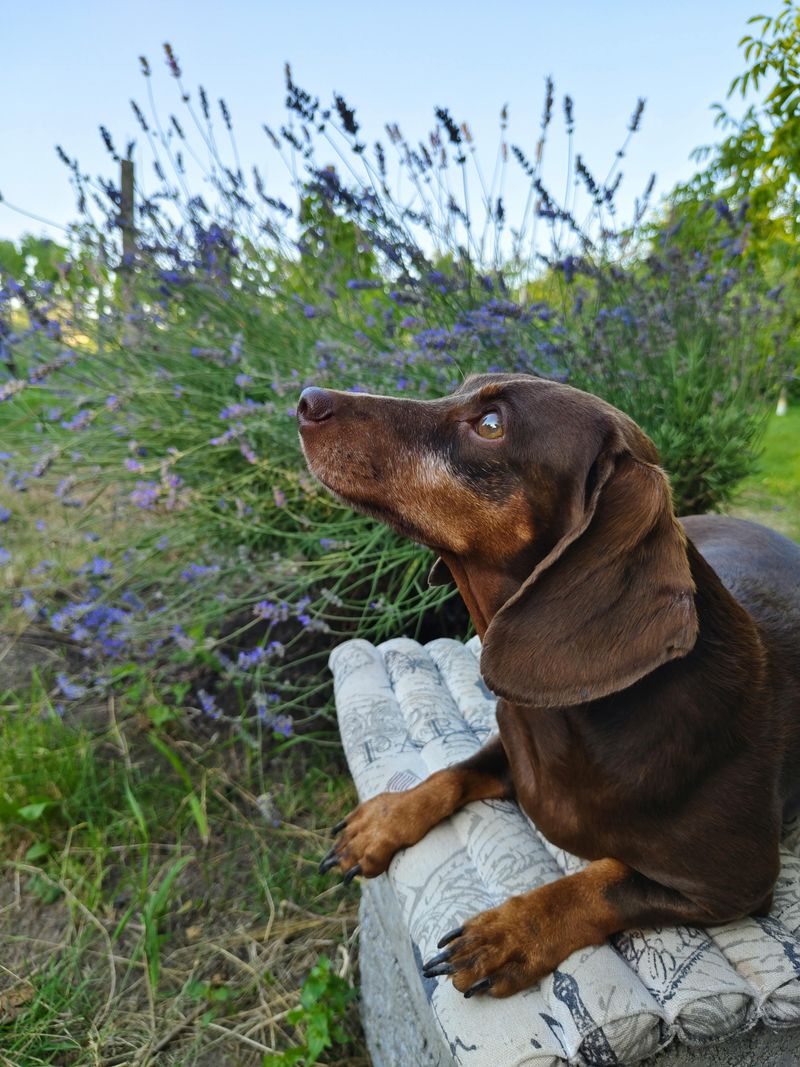
Dachshunds are fearless climbers despite short legs, known to scale chairs and jump between furniture for snacks. Their boldness plus a keen nose spells trouble with purses, backpacks, and candy dishes.
Xylitol exposure can escalate quickly, so prevention must be proactive.
Block access to counters with closed doors and crate or gated management during parties. Train a solid place cue so your Doxie relaxes away from food prep.
Keep toothpaste and mouthwash in cabinets with child locks since bathroom raids happen too.
Provide safe chew toys and scent games to satisfy hunting instincts. Use treat scatters outdoors, not indoors, to discourage kitchen scavenging.
If your Dachshund gets something suspicious, video call your vet and move fast.
Miniature Schnauzer
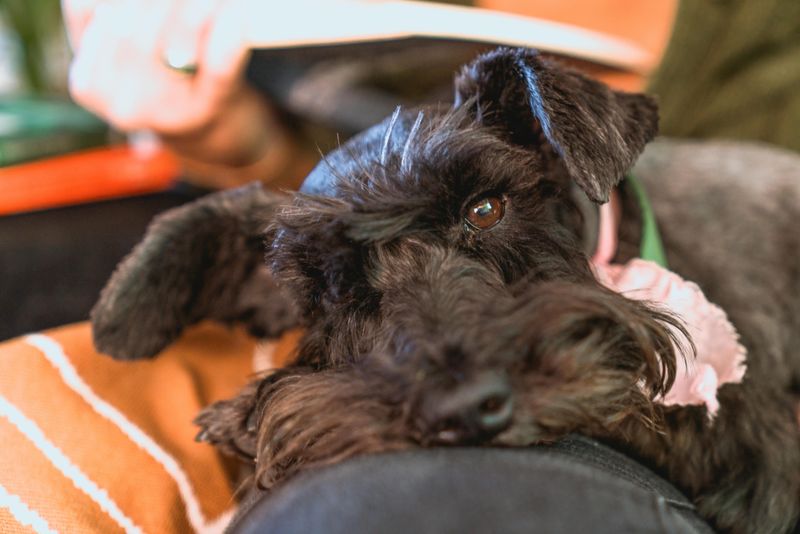
Miniature Schnauzers are alert, clever, and opportunistic. Their quick paws and faster brains open zippers, flip latches, and surf counters when you blink.
Because they can be predisposed to metabolic quirks, xylitol hits especially hard, making strict management non negotiable.
Use magnetic or childproof closures on cabinets and keep gum, mints, and protein bars in sealed bins. Work impulse control with leave it in multiple rooms, not just the kitchen.
Reinforce resting on a mat while meals are prepared.
Offer structured enrichment like snuffle mats, scatter feeding in the yard, and short training sprints to burn mental energy. Alert family to avoid pockets full of gum at couch level.
Act immediately if ingestion is possible, even without symptoms.
Cocker Spaniel
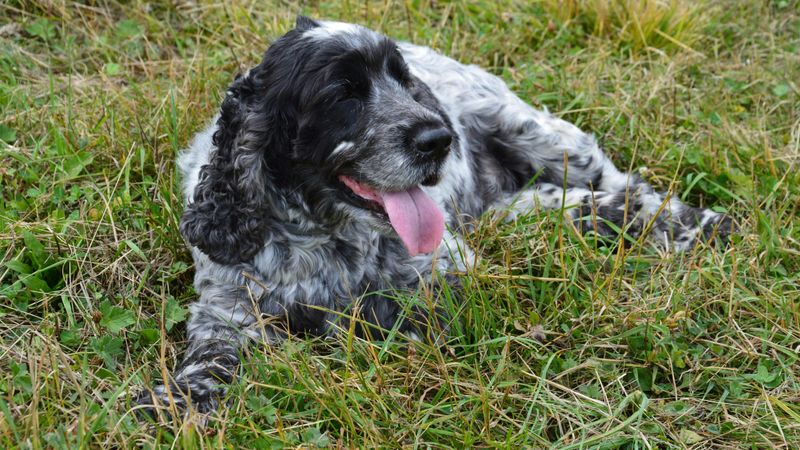
Cocker Spaniels love being close to you and your snacks. That proximity plus soft pleading eyes can lead to subtle swipes from coffee tables and car cup holders.
Sugar-free gum, mints, or baked goods with xylitol are frequent risks during road trips and family gatherings.
Use covered travel organizers and do not leave bags on seats. Train a strong off cue and reward heavily when your Cocker chooses to disengage from food.
Keep pet-safe wipes handy to clean spills immediately.
Daily exercise curbs restlessness that fuels scavenging. Rotate puzzle toys to keep their minds engaged when guests arrive.
If a wrapper goes missing, assume the worst and contact your vet for dosage guidance and next steps.
English Springer Spaniel
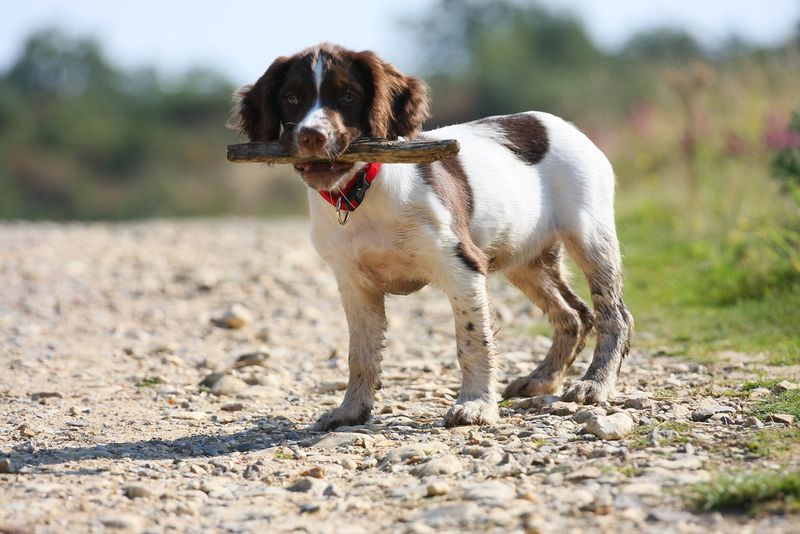
English Springer Spaniels are athletic, enthusiastic, and endlessly food motivated. They spring onto counters and love rummaging through sports bags after a hike.
Sugar-free energy chews or electrolyte powders can contain xylitol, turning post adventure snacks into hazards.
Hang gear immediately and keep snack pouches in high cabinets. Practice drop it with play rewards, not just treats, to maintain responsiveness.
Teach an emergency leave it cue for trail finds and parking lot surprises.
Enrichment like hide-and-seek with toys taps that energy constructively. Use sealed bins in mudrooms to prevent opportunistic theft.
If your Springer seems wobbly or unusually sleepy after a raid, call a veterinarian right away.
Brittany
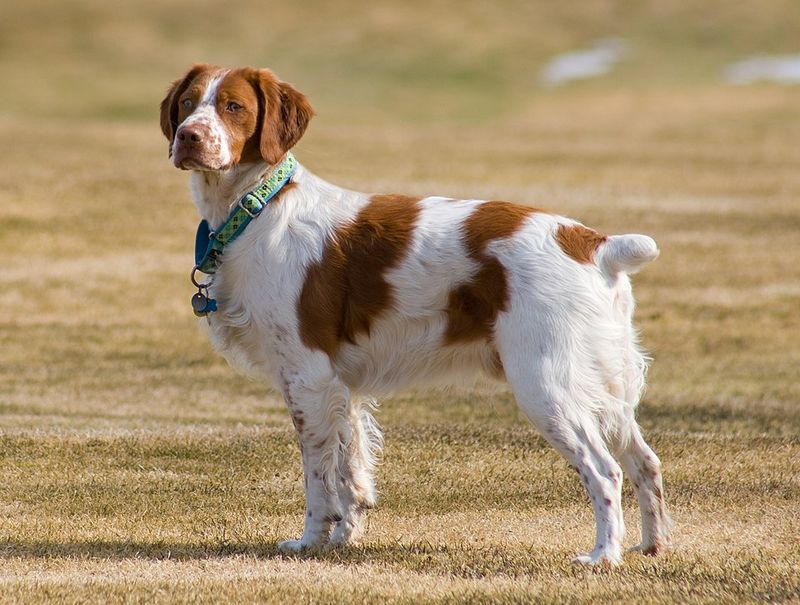
Brittanys are agile, birdy, and lightning quick at spotting opportunities. Their athletic hops put countertops and picnic tables within reach.
Xylitol shows up in protein bars and baked goods, which these eager athletes find irresistible after training sessions.
Plan ahead with sealed containers and never set snacks on low folding tables. Teach a go to crate cue when unpacking groceries or coolers.
Reinforce default check ins so you can redirect before a grab happens.
Channel drive into scent games and field style retrieves. Rotate chew options to reduce kitchen magnetism.
If a Brittany steals an unknown sweet, secure the dog, save the packaging, and call your vet or poison hotline with the product details.
Australian Terrier
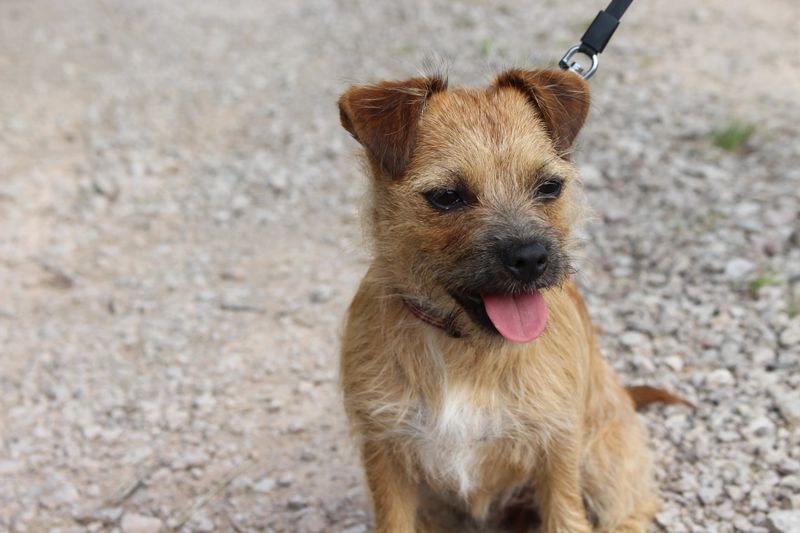
Australian Terriers are small but mighty problem solvers. Their terrier tenacity focuses on any crinkly wrapper or zipper pouch, especially during travel.
Xylitol packed gum tins in backpacks are a known risk, and these dogs work tirelessly until they get them open.
Use hard sided containers and store bags high, not on benches or floors. Practice trades for toys to interrupt theft without confrontation.
A strong leave it, reinforced daily, becomes your seatbelt in busy environments.
Provide dig boxes and shreddable toy substitutes to meet terrier needs safely. Keep hotel rooms tidy with a designated gear shelf.
If ingestion is suspected, note the brand and approximate quantity to give your vet accurate information fast.
Rat Terrier
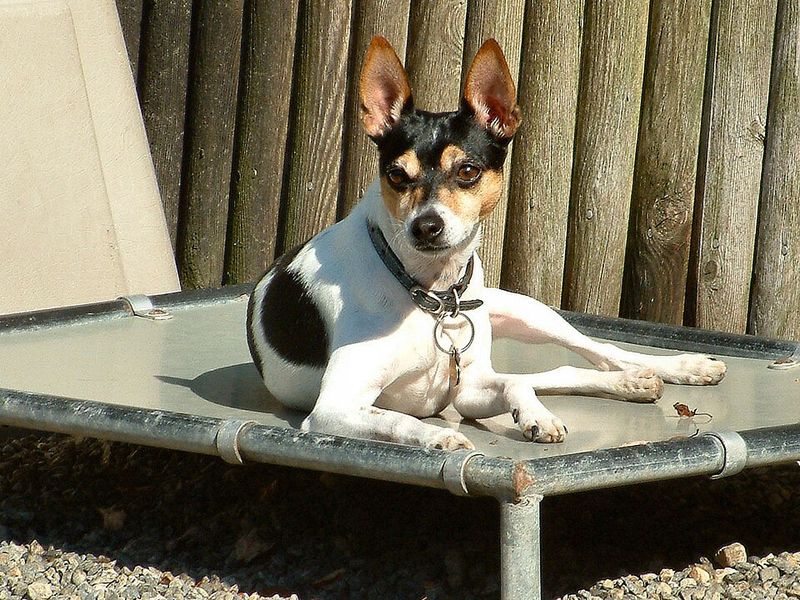
Rat Terriers combine speed, curiosity, and vertical leaps that surprise everyone. They patrol counters, desks, and even window ledges if a smell is interesting enough.
Sugar-free mints, peanut butter alternatives, or dental products with xylitol are common targets.
Secure bathrooms and keep toothpaste out of sight. Train stationing on a bed while you cook, paying generously for calm.
Use covered trash cans and anchor them to prevent tipping raids.
Short, energetic training bursts plus puzzle toys satisfy their sharp minds. Offer tug and fetch as rewards for leaving found food alone.
If your Rat Terrier chews a suspicious packet, contact a vet immediately and monitor for weakness, vomiting, or unusual behavior.
Jack Russell Terrier
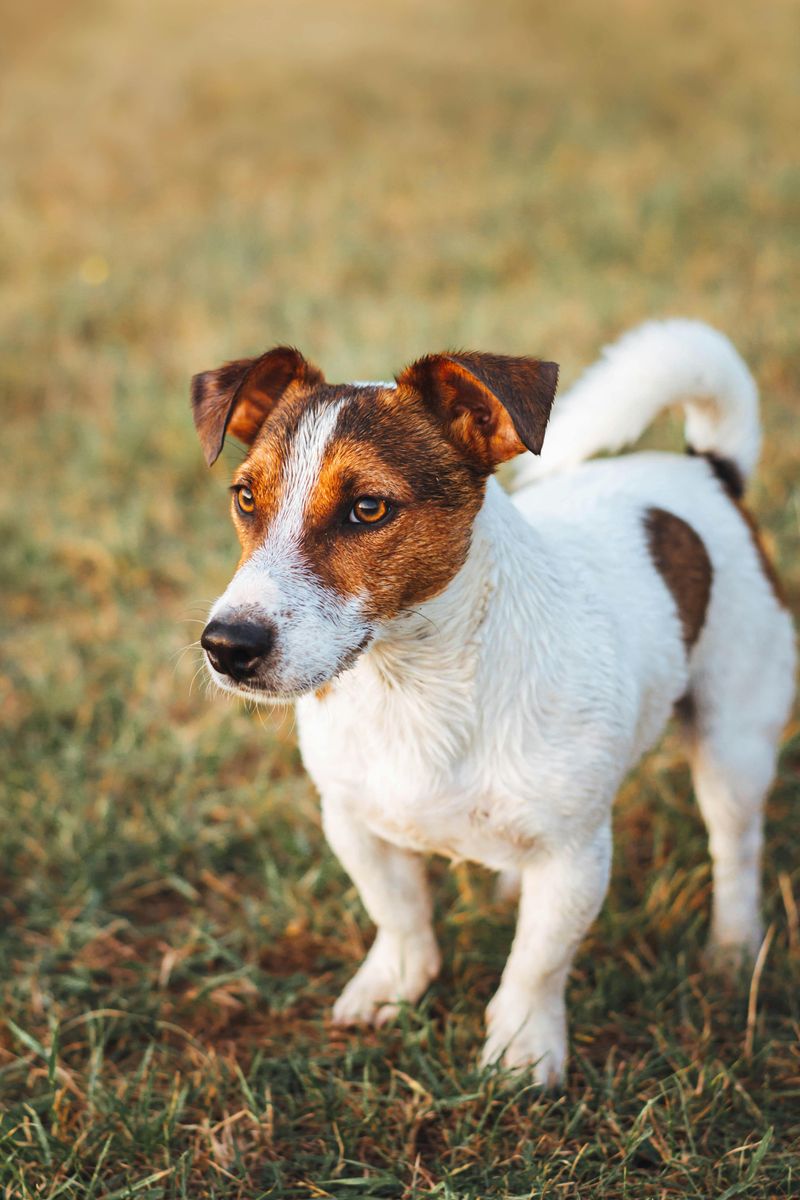
Jack Russell Terriers are rocket fueled problem solvers who treat obstacles like puzzles. They will climb, dig, and leap to reach snacks, especially crinkly wrappers and energy chews.
With xylitol, even a small amount can trigger an emergency, so zero access is the rule.
Install baby gates, keep doors closed, and use airtight bins for all sweets. Reinforce impulse control with games like It’s Your Choice.
Give frequent outlets for energy: flirt pole sessions, nosework, and structured fetch.
Teach a rock solid recall to interrupt outdoor scavenging. Keep emergency contacts on your phone and fridge for rapid response.
If your JRT raids a bag, bring the label to your vet to guide decontamination and monitoring decisions.