
You have probably heard the hot take that your dog is perfect and it is you who needs training. That line makes people defensive, especially when certain breeds keep getting dragged into the conversation.
But what if the truth sits somewhere between instinct and guidance, between genetics and daily habits. Let’s break down the 12 breeds everyone always names and talk honestly about what they need from you to truly thrive.
Border Collie
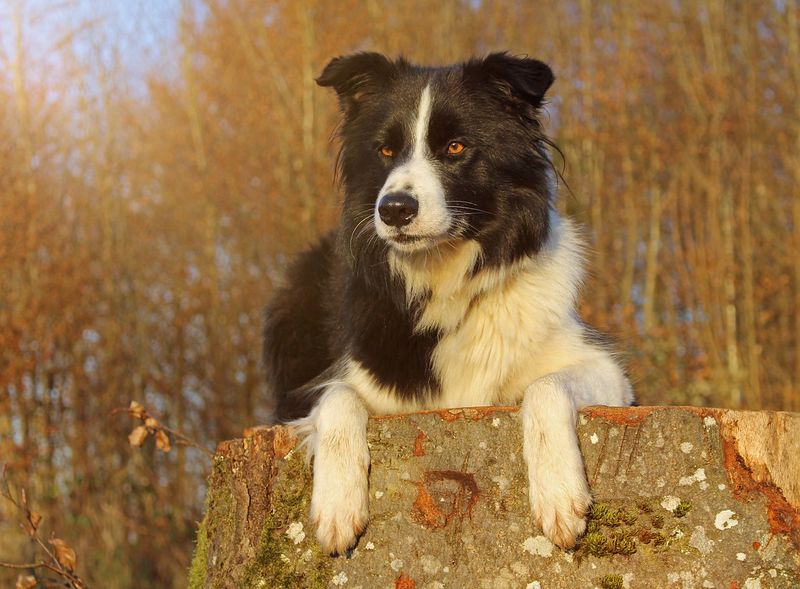
Border Collies are legendary for work ethic and laser focus, which can either be a dream or a daily struggle. Without structure, that incredible brain invents jobs like herding kids and chasing shadows.
You provide the job description and a routine that channels drive into brain games, herding sports, or agility.
Think in terms of clear cues, short training bursts, and consistent boundaries. You cannot out run this dog, but you can out think with scentwork, trick chains, and impulse control games.
Meet the mind first, exercise second.
When needs are met, calm settles in. If you skip it, frustration explodes.
Your follow through turns intensity into brilliance, making life smoother for both of you.
German Shepherd Dog
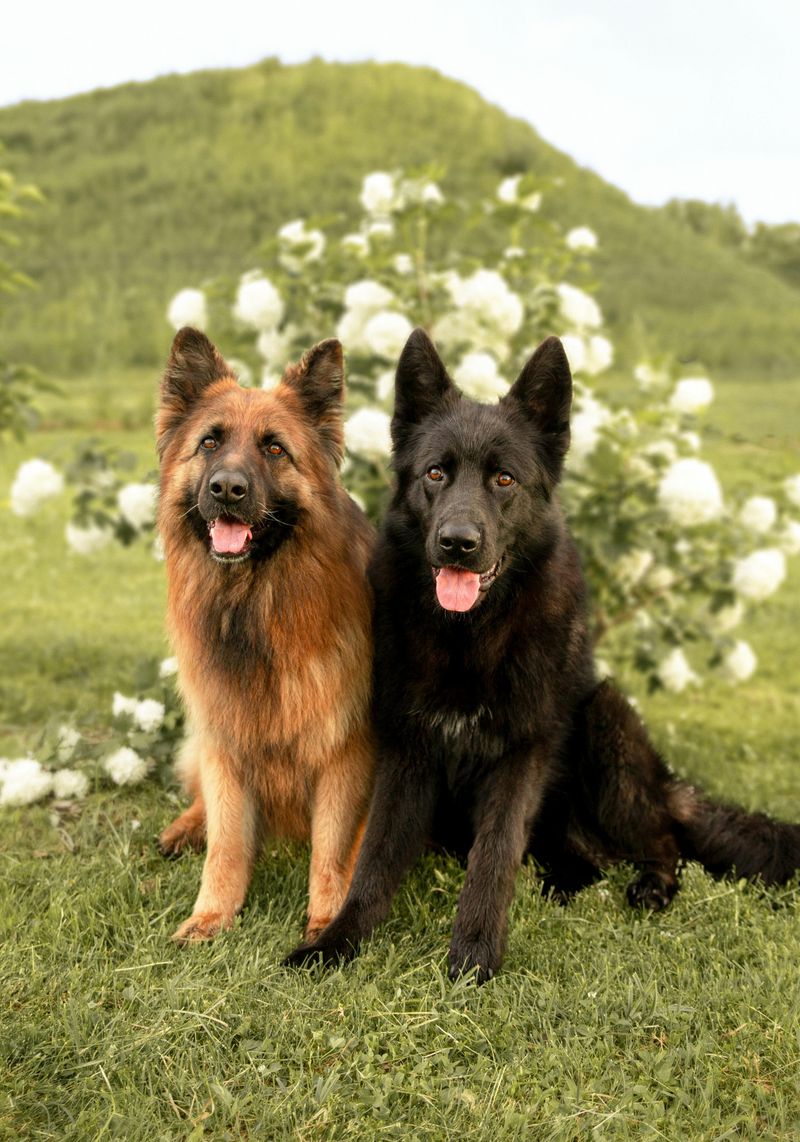
German Shepherds are versatile guardians with big feelings and bigger loyalty. Structure helps them relax, because clarity answers the constant question, what is my job.
Daily obedience, place training, and predictable handling prevent reactivity and anxious patrolling.
Socialization matters, but not as a free for all. Teach neutrality around people and dogs, build engagement with tug or food, and reward calm choices.
Your consistency turns courage into steadiness rather than suspicion.
Mind, nose, and movement keep them balanced. Add tracking, obedience games, and decompression walks where sniffing is encouraged.
With leadership that is fair and firm, you get a thoughtful partner instead of a self appointed security manager.
Belgian Malinois
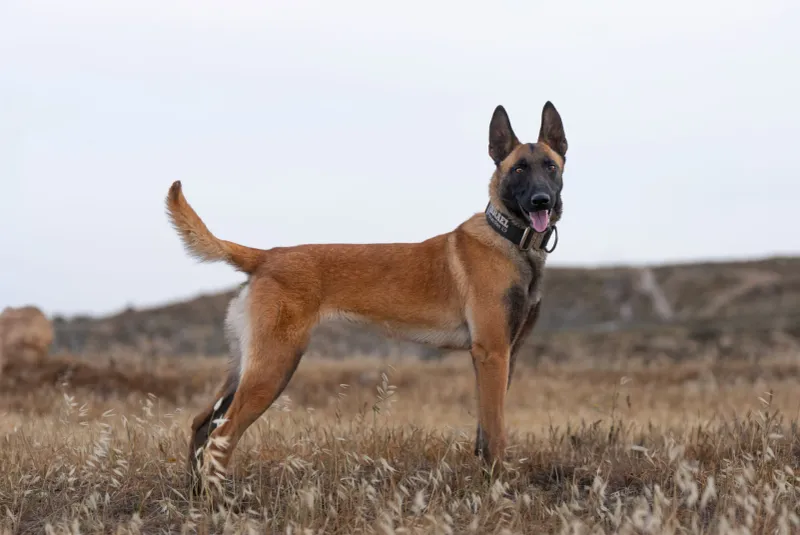
The Malinois is intensity wrapped in fur, bred for precision and endless gas. Without a plan, that engine revs into chaos, nipping at heels and scaling furniture.
You supply structure, decompression, and intentional outlets like bite sports, obedience, or scentwork.
Short, focused sessions keep arousal in check. Reward clarity and clean mechanics, then crate or settle to prevent spiraling.
Teach off switches as seriously as drive building, because recovery is a learned skill.
Exposure should be purposeful, not overwhelming. Confidence grows when you lead with calm predictability.
Give the dog a reason to listen and a place to rest, and the Mal becomes a surgical instrument instead of a blender without a lid.
Australian Shepherd
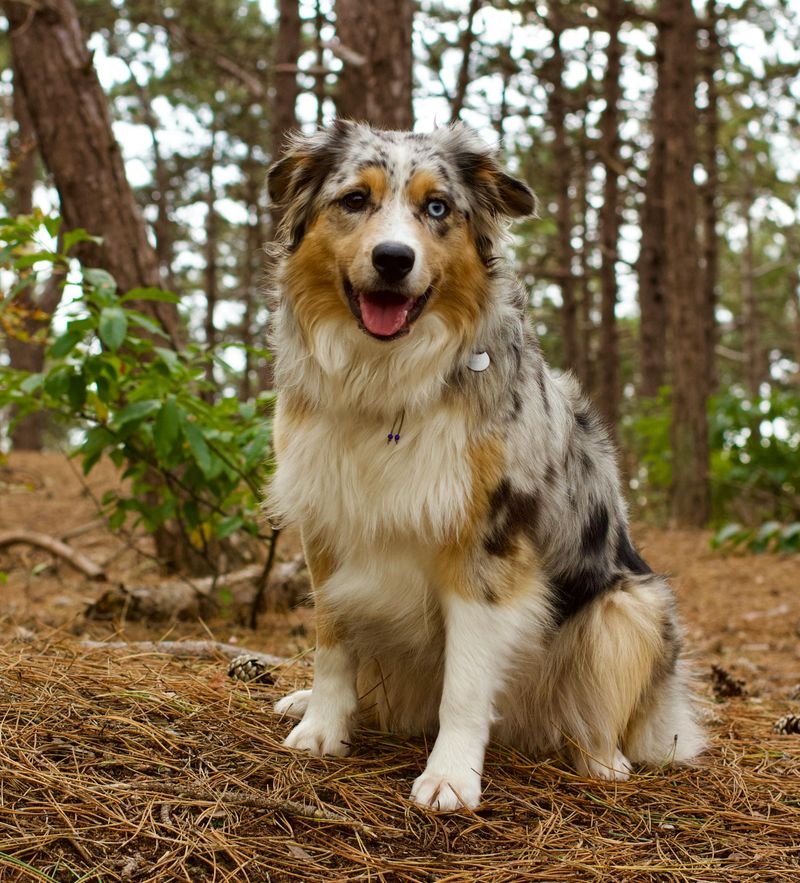
Australian Shepherds read rooms faster than most people. That sensitivity means they mirror your energy, good or bad.
Clear routines, decompression walks, and thoughtful introductions help prevent herding toddlers and managing the household.
Train practical life skills like recall, settle on a mat, and polite greetings. Use puzzles, trick training, and agility to satisfy the problem solver inside.
Keep sessions upbeat and brief to reinforce eagerness without spinning them up.
Socialization should focus on neutrality and choice. Let them observe before engaging, then reward calm curiosity.
When you communicate consistently, the Aussie becomes a tuned teammate rather than a micromanager with fur.
Labrador Retriever
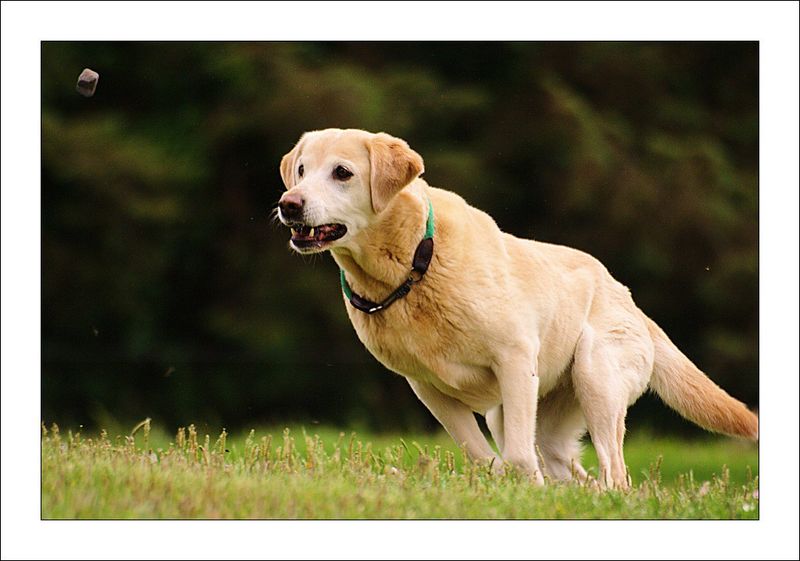
Labradors love life, people, and snacks. That enthusiasm needs direction, or it bulldozes greetings and counter surfs with Olympic skill.
Train default sits for attention, reinforce four paws on the floor, and keep the environment managed early.
Channel energy with fetch rules, structured swimming, and scent games that highlight their nose. Food motivation is your superpower, so pay generously for calm choices and recalls away from distractions.
Keep sessions fun, and you build reliability without dampening joy.
Adolescence brings selective hearing. Stick with consistent cues and thoughtful proofing around birds, water, and picnics.
When you guide the party, the Lab becomes the happiest polite guest everywhere you go.
Golden Retriever
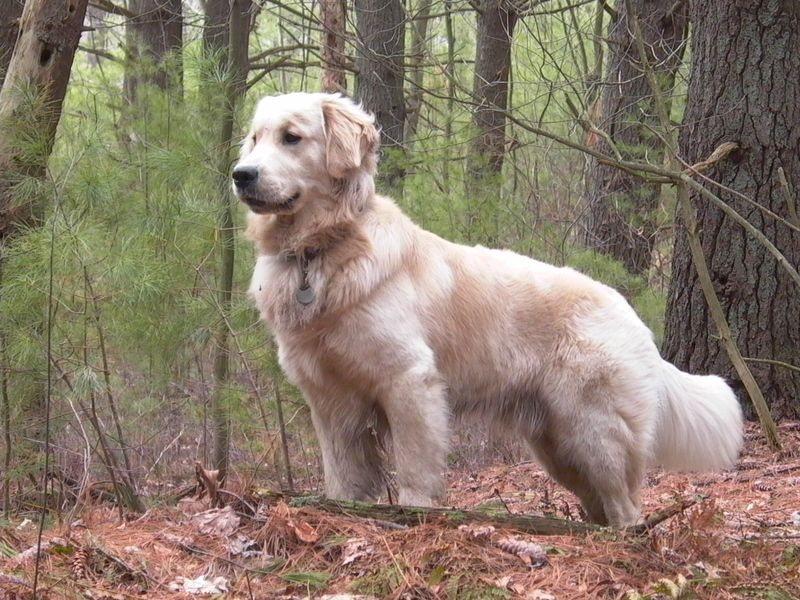
Golden Retrievers are sensitive optimists who want to get it right. They can shut down under harsh corrections, so keep feedback clear, kind, and consistent.
Teach calm greetings, loose leash walking, and settle skills to balance their social butterfly energy.
Use games with food and play to build attention through mild distractions. Retrieve work, scent puzzles, and cooperative care training keep the relationship strong.
Reward softness and patience, not only excitement, so they learn that quiet wins too.
Teenage Goldens test boundaries with mischief. Childproof the house, rotate chews, and reinforce recall generously.
With steady guidance, you get a golden heart that listens as well as it loves.
Doberman Pinscher
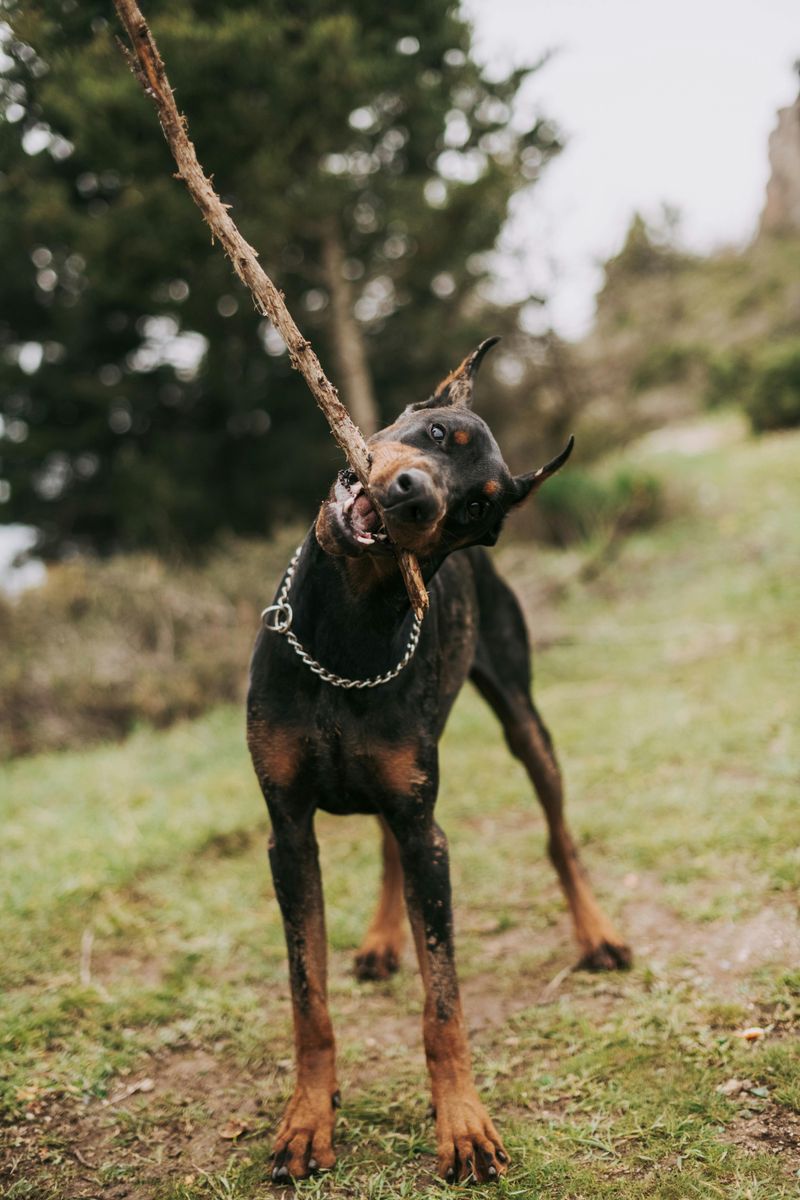
Dobermans are velcro guardians who track your mood like weather. They thrive on clarity, proximity, and purpose.
Teach place, door manners, and loose leash skills to reduce hypervigilance and prevent pushy behavior.
Confidence grows with fair boundaries and predictable routines. Use engagement games, obedience drills, and controlled social exposure to build neutrality.
Reward thoughtful pauses, not just speed, so impulse control becomes the default.
These dogs can be sensitive to sharp handling. Coach with calm leadership and high value reinforcement.
When you set rules and keep them, the Doberman relaxes into elegance rather than living on red alert.
Rottweiler
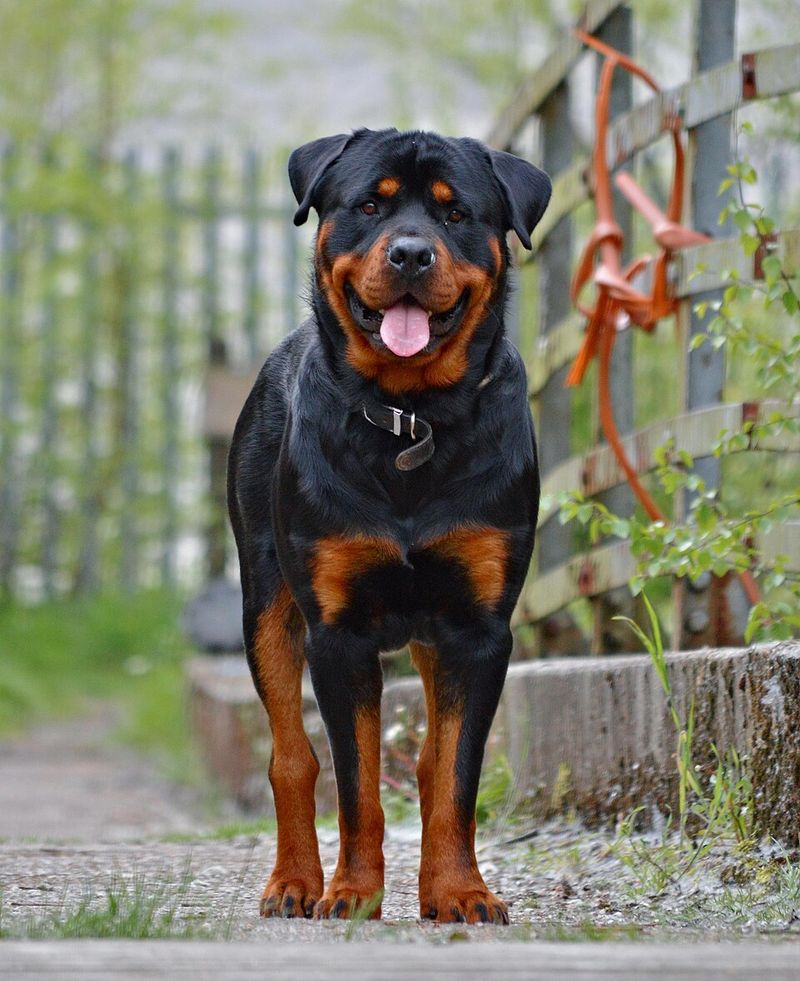
Rottweilers combine strength with thoughtful, sometimes aloof temperaments. They need patient leadership, not bravado.
Early boundary setting, leash skills, and calm exposure to city life prevent pushiness and over guarding.
Train communication: start with engagement, then add duration and distractions. Reward neutrality near strangers and dogs, marking quiet observation.
Build confidence with purposeful tasks like carrying a backpack or practicing controlled retrieves.
Routines matter. Clear house rules, place training, and decompression walks help them settle.
When you guide with consistency and respect, the Rottie becomes a steady partner instead of a bouncer on patrol.
Boxer
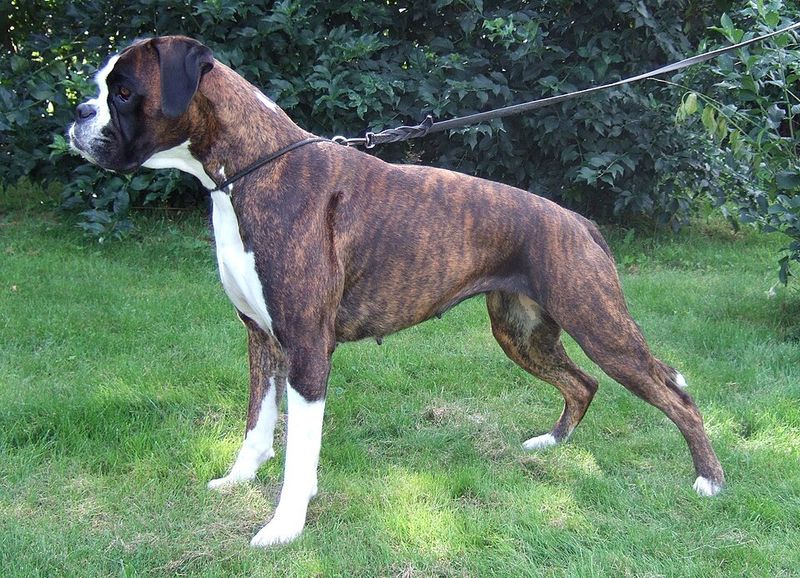
Boxers are clowns with springs, and that zest can topple guests if not shaped. Teach impulse control through sit to say please, door manners, and a strong place command.
Short, fun sessions keep focus without losing their sparkle.
Exercise is non negotiable. Incorporate flirt pole rules, structured fetch, and sniffy walks to burn energy thoughtfully.
Reinforce calm between bursts so they learn to flip from zoomies to zen.
They are people oriented and sensitive. Use upbeat coaching, not nagging, and reward eye contact generously.
With guidance, your Boxer channels goofiness into obedience, landing laughs instead of paw prints on clean clothes.
Siberian Husky
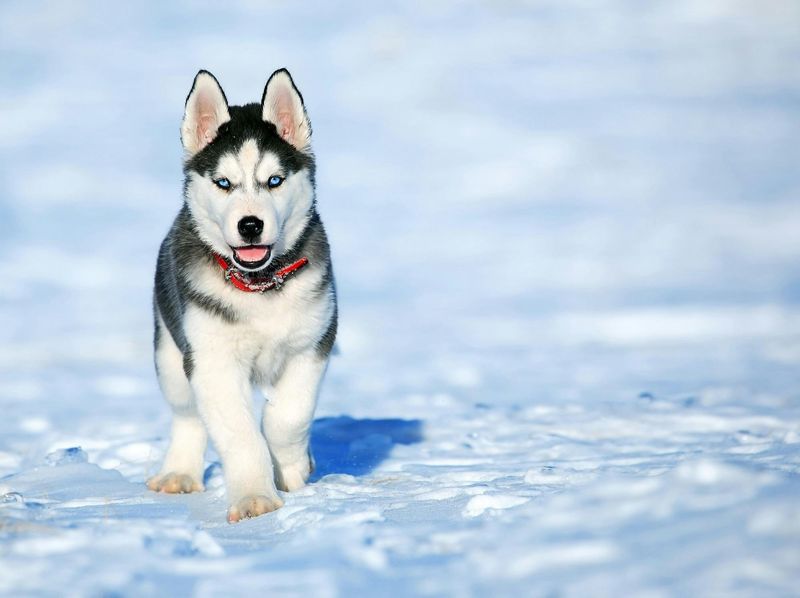
Huskies are independent athletes bred to pull hard and think for themselves. Expect selective hearing, especially outdoors.
Your job is management plus motivation: long lines, high value rewards, and games that make coming back worth it.
Teach harness cues for pulling and separate cues for walking politely. Enrichment should tap endurance and curiosity, like canicross, skijoring basics, or scent adventures.
Indoors, settle training prevents restless redecorating.
They vocalize and test fences. Secure containment, practice calm routines, and train recall as a practiced habit, not a wish.
When you respect the breed’s nature and build communication, you get freedom with safety, not daily jailbreaks.
Miniature Schnauzer
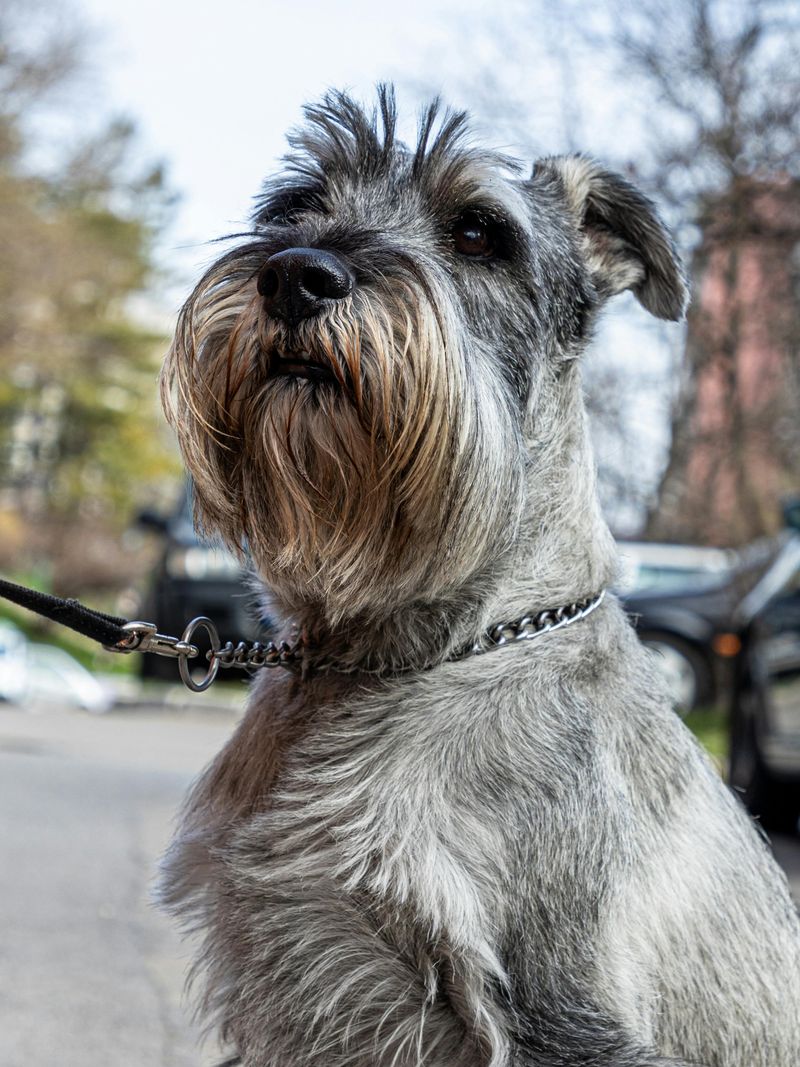
Miniature Schnauzers are spirited watchdogs with big opinions. Barking happens when they think management is their job.
Clarify roles with quiet cues, place training, and consistent rewards for choosing silence.
They are clever and food motivated, so make training brisk and playful. Teach leash manners, polite greetings, and a rock solid recall indoors first.
Rotate puzzle feeders and nose games to satisfy curiosity without stirring reactivity.
Grooming sessions double as cooperative care practice. Reward handling, paw lifts, and stillness so vet visits are easier.
With routine and boundaries, that bold personality shines as charm, not constant commentary.
Cocker Spaniel
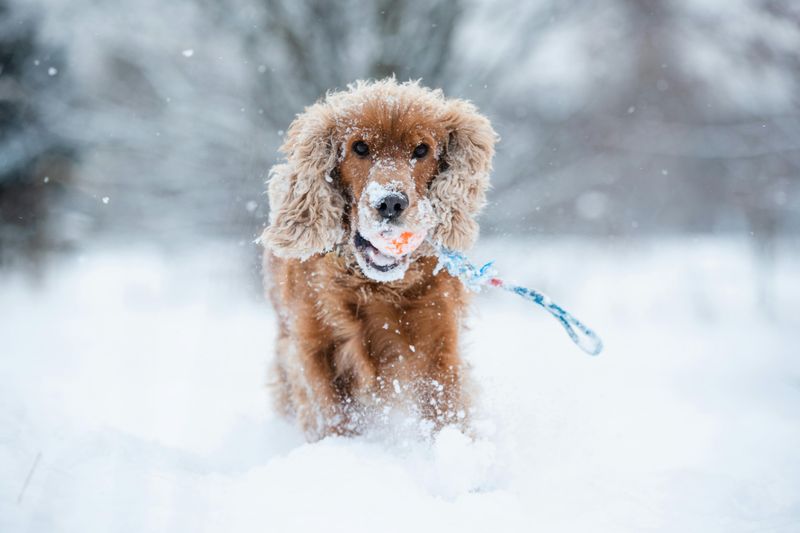
Cockers are sensitive, joyful companions with a nose that never clocks out. Gentle, consistent training beats pressure every time.
Teach cooperative care, soft mouth games, and calm greetings to prevent jumpy enthusiasm.
Sniffing is currency. Use scentwork, retrieve games, and foraging mats to focus energy productively.
Keep sessions light and frequent, ending on wins to build confidence.
Grooming is part of life, so practice brushing, ear handling, and nail care with rewards. Manage environments to avoid resource guarding by teaching trades and stationing.
With patient guidance, your Cocker becomes an affectionate partner who listens and relaxes alongside you.