
A dog that outweighs your preschooler three times over sounds like a recipe for spilled juice and bumped heads. Yet some of the largest breeds are known for a calm, patient streak that surprises first-time parents.
Size still matters, and no dog should ever be left alone with a small child, but the right big breed can be a steady, easygoing housemate. Here are ten large dogs whose history and typical temperament make them worth a closer look for growing families.
Newfoundland
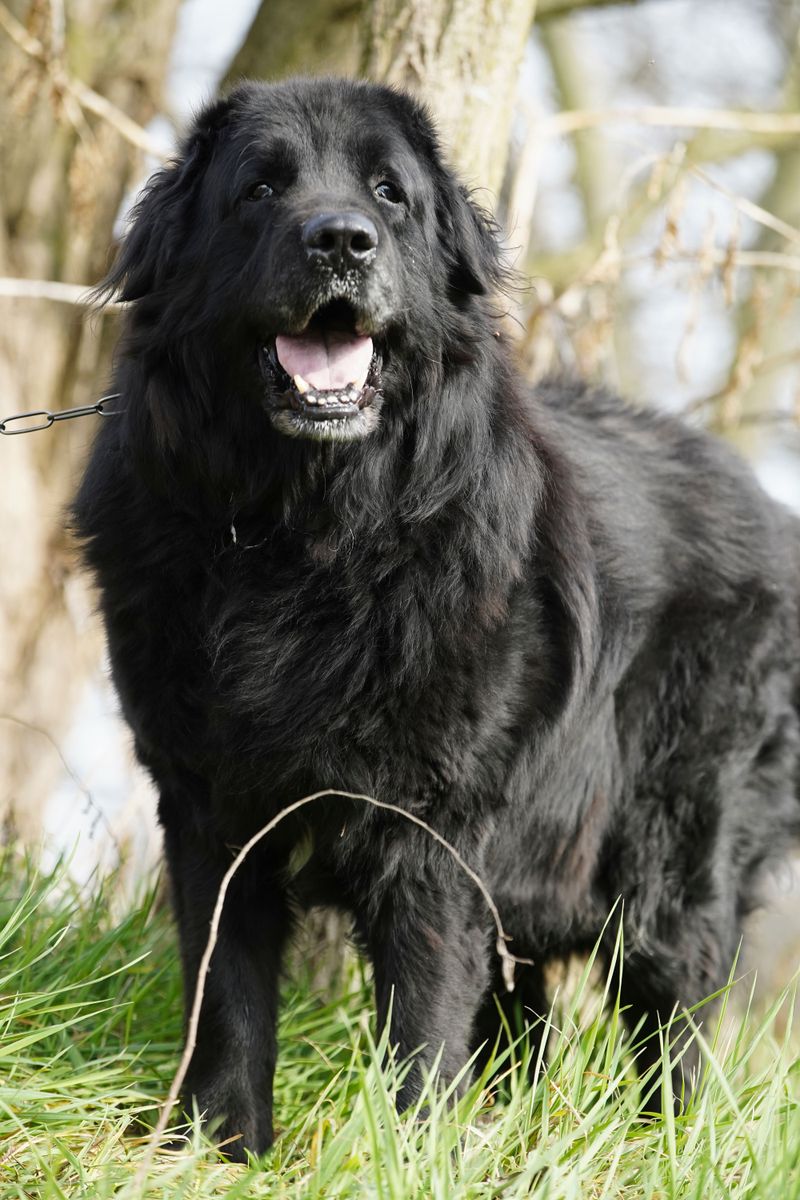
Picture a dog built to haul fishing nets and pull swimmers from cold Atlantic water. That job, done for generations on the coast of Newfoundland, rewarded patience and a cooperative attitude rather than a quick temper.
The AKC describes the breed as sweet and patient, and it is often called a nanny dog for its tolerant, unhurried manner around children. Most adults weigh between 100 and 150 pounds, so that tolerance comes packaged in a very large body.
Parents should know about two practical realities. Newfies drool a lot, and their thick double coat sheds heavily, so a toddler crawling on the floor will collect fur.
Their slow, deliberate movement is a plus, though, since they tend to be less bouncy than many big dogs.
Bernese Mountain Dog
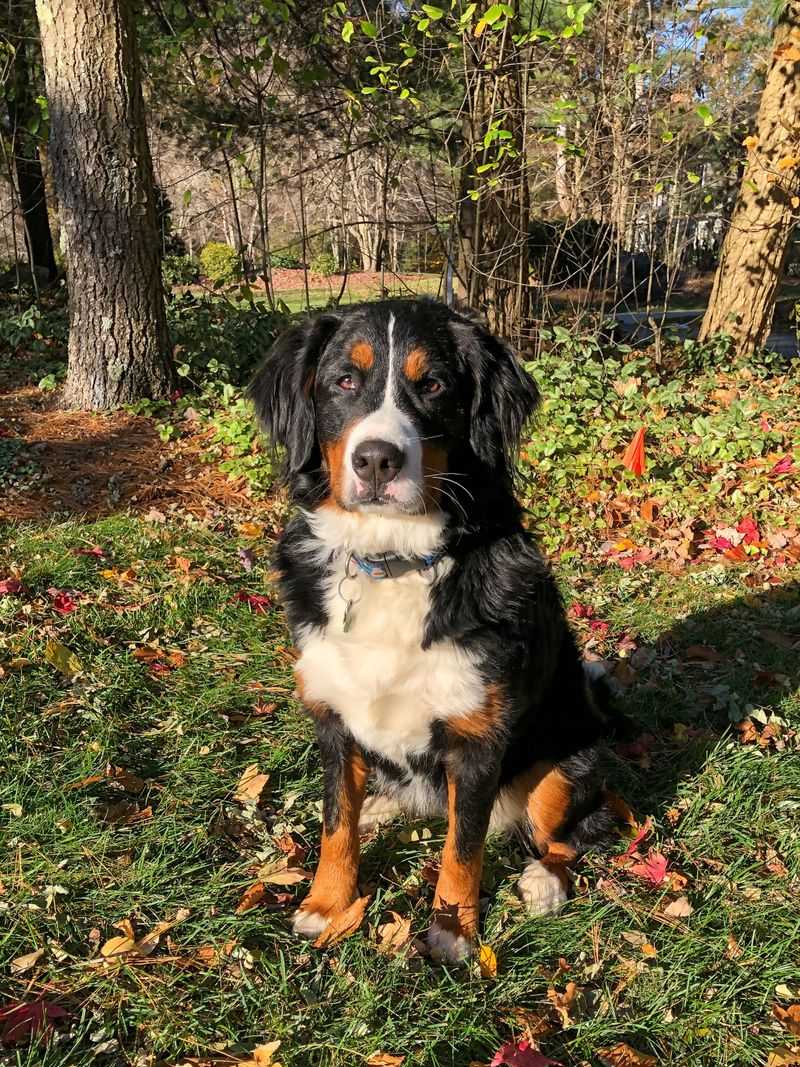
Farm life in the Swiss Alps once meant pulling carts of milk and cheese to market, and the Bernese Mountain Dog did that work alongside whole families. A dog that spent its days among farmers and their kids needed a good-natured, steady personality.
Today Berners are commonly described as affectionate and placid, with a soft spot for their own people. Many enjoy simply being near the family rather than demanding constant activity.
The tradeoff is a shorter average lifespan, often around seven to ten years, and a predisposition to certain cancers and joint issues. Families who choose a Berner should go in with eyes open and a reputable breeder who health-screens parents.
Great Dane
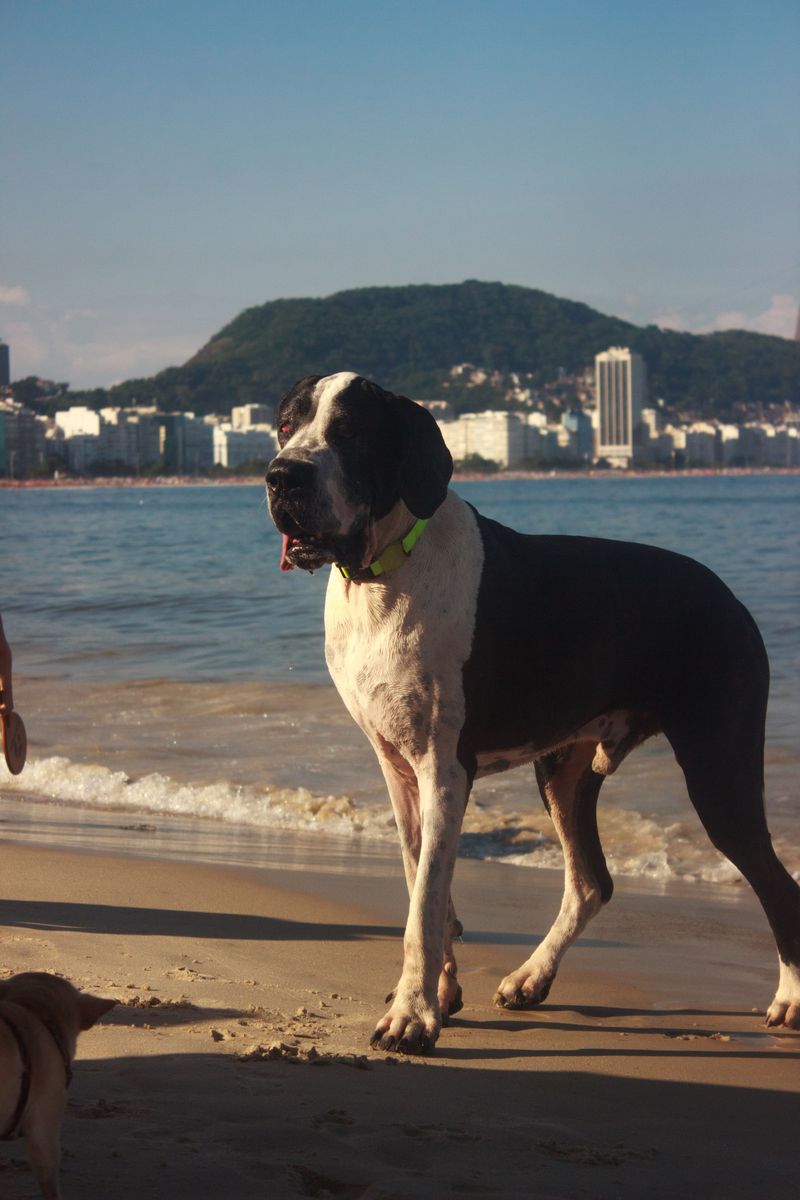
Few sights are funnier than a 140-pound dog trying to curl up like a lapdog. Great Danes have a reputation as the gentle giants of the dog world, and the AKC lists them as friendly, patient, and dependable.
Their original job was hunting wild boar in Germany, but centuries of breeding have softened that edge considerably. Many modern Danes are surprisingly low-key indoors and happy to lounge for hours.
The real hazard with little kids is sheer size. A Dane wagging its tail can sweep a toddler off balance, and puppies grow so fast that they are clumsy for months.
Early manners training, like not leaning on people, pays off quickly in a house with small children.
Saint Bernard
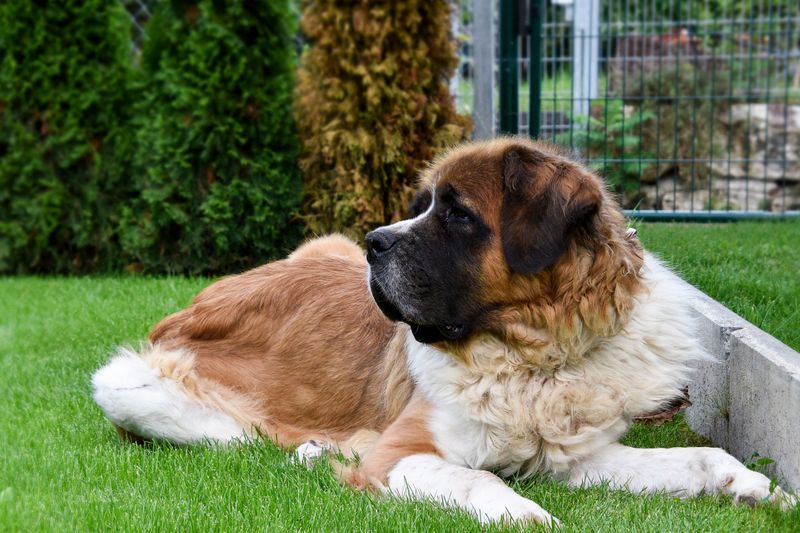
Monks at the Great St. Bernard Pass in the Alps kept these dogs for travelers lost in snow, a working past that called for calm judgment and a friendly attitude toward strangers.
Modern Saints are generally easygoing and are often noted for being watchful but kind with children. They are not high-energy dogs, which suits families who want a big, mellow presence more than a jogging partner.
Size again shapes everything. Males can top 160 pounds, so leash manners must start early, long before the dog is strong enough to tow a parent down the street.
Heat is another issue, since that heavy coat makes summer outdoor play tough.
Leonberger
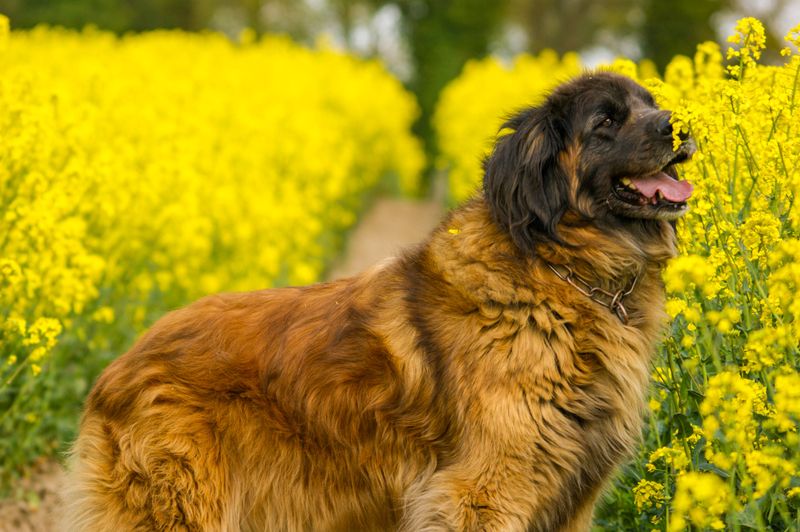
Plenty of families have never heard of the Leonberger, and that is a shame. Developed in the German town of Leonberg in the 1800s, this lion-maned breed was bred as a companion and working dog, with temperament treated as a priority.
Breed clubs emphasize a stable, self-assured character, and Leos are often described as calm and adaptable around family activity. They tend to handle household noise without much fuss.
Fair warning: they shed a remarkable amount and love water and mud equally. A Leonberger is a commitment to a vacuum, a towel by the door, and a car big enough for a dog that may weigh 120 pounds or more.
Irish Wolfhound
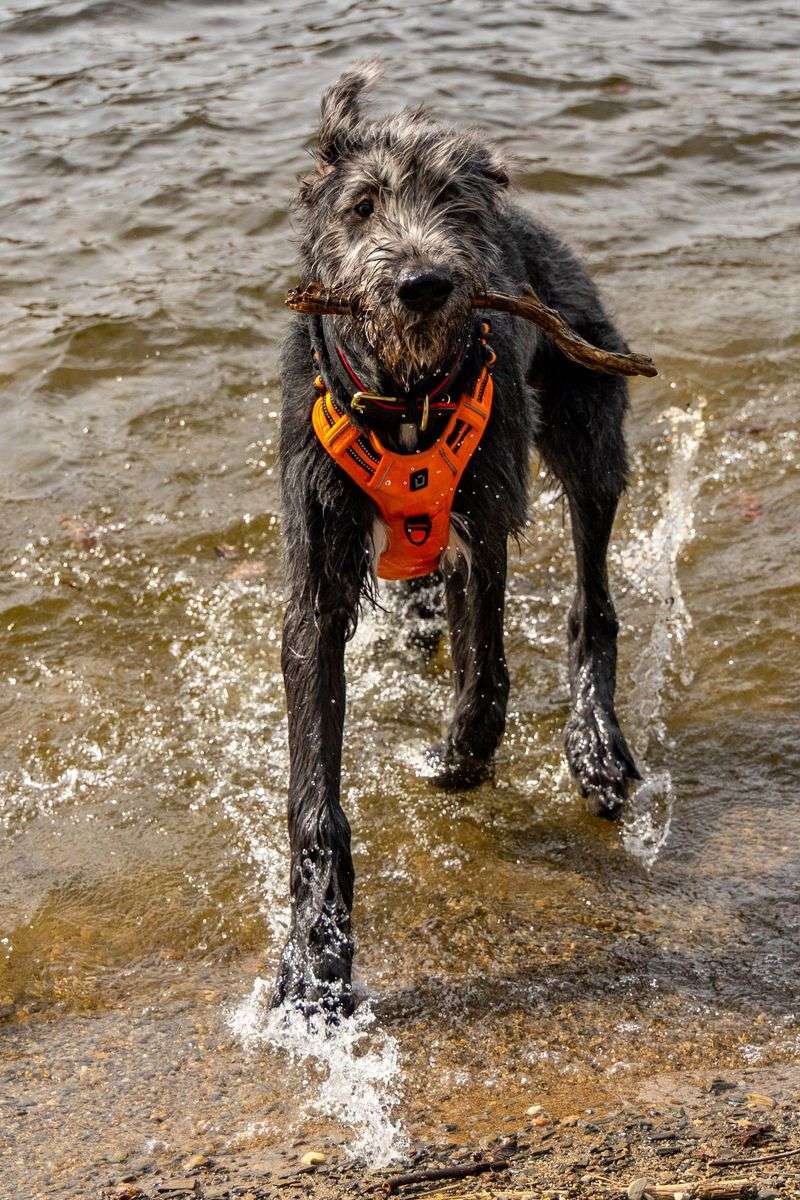
Here is a contrast worth savoring. The tallest AKC breed, once used to hunt wolves in Ireland, is now widely described as soft-hearted, calm, and dignified at home.
Wolfhounds usually are not barkers or guard dogs, and many simply greet visitors with mild curiosity. Indoors, adults are often quiet and content to stretch out on a couch, if you let them.
Because they are sighthounds, a strong chase instinct can kick in when something small runs, so a fenced yard matters. Their lifespan is short, often six to eight years, which is a tough but honest consideration for families with young children.
Great Pyrenees
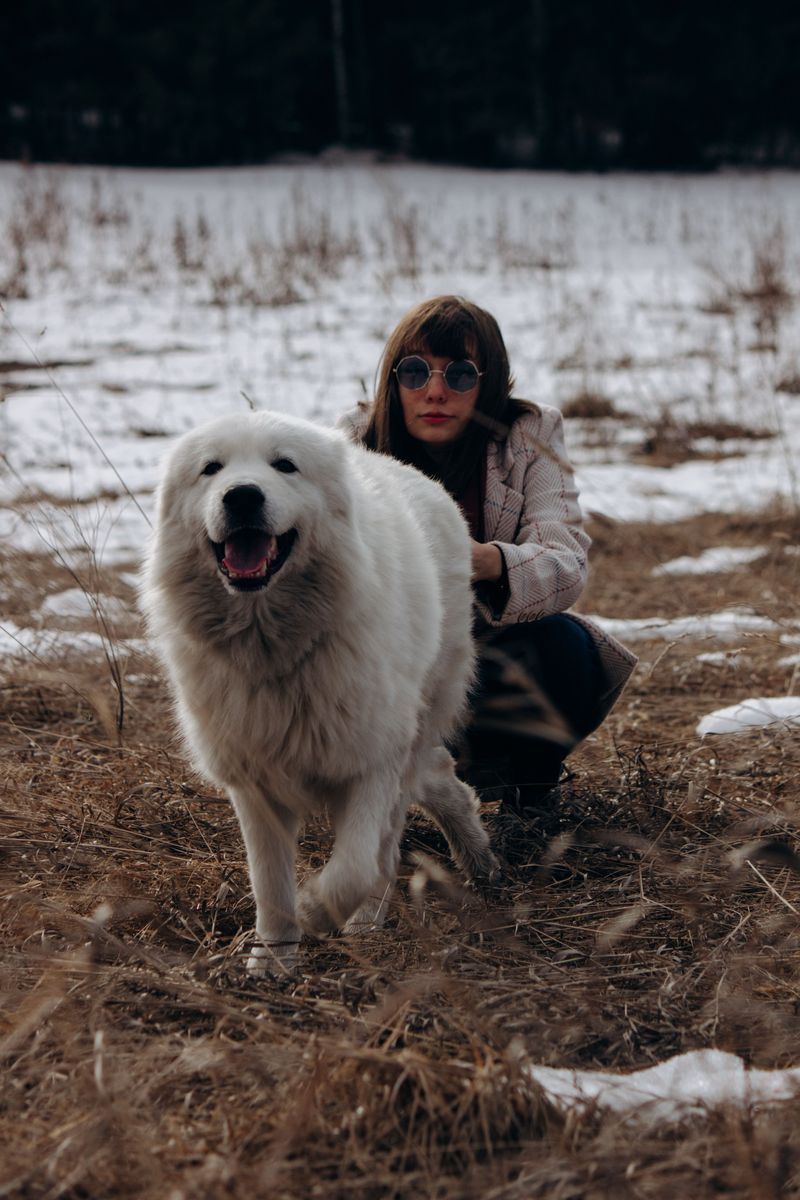
Guarding sheep on mountain slopes between France and Spain shaped a dog that watches over the vulnerable without hovering. Many Pyrenees bring that same steady, protective calm to a household with little ones.
The breed is generally patient and quiet indoors, often content to lie near the action and observe.
Independence is the catch. Bred to make decisions alone at night, a Pyr may ignore commands and bark at sounds after dark.
Recall training is often unreliable, so secure fencing is a must.
Bullmastiff
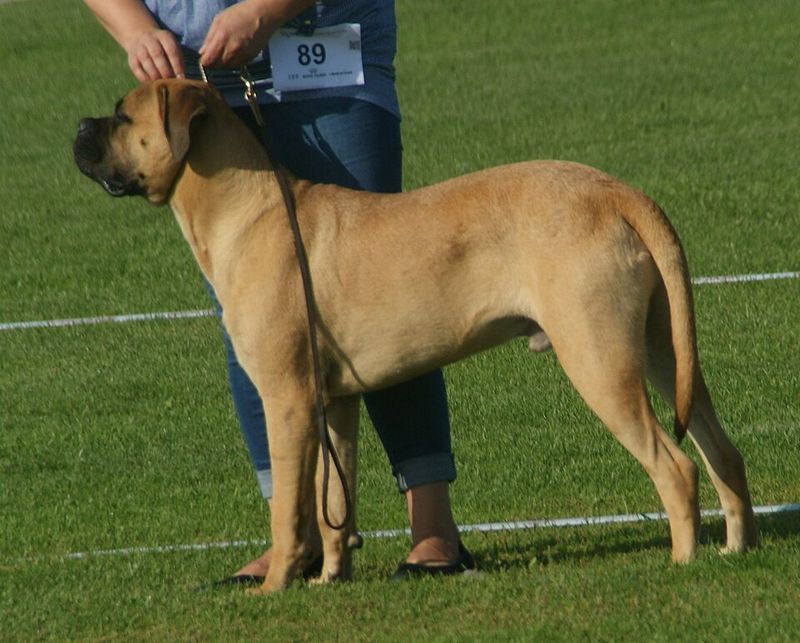
Gamekeepers in 19th-century England wanted a dog that could quietly stop poachers without mauling them. The result was the Bullmastiff, a breed selected for restraint as much as strength.
At home, many are mellow couch lovers who bond closely with their families, and the AKC notes they are affectionate with family members. Low exercise needs make them easier to manage than you might guess.
They can be wary of strangers, so early socialization with visiting kids and adults helps. Their stubborn side responds best to short, reward-based sessions rather than repetitive drills.
Old English Sheepdog
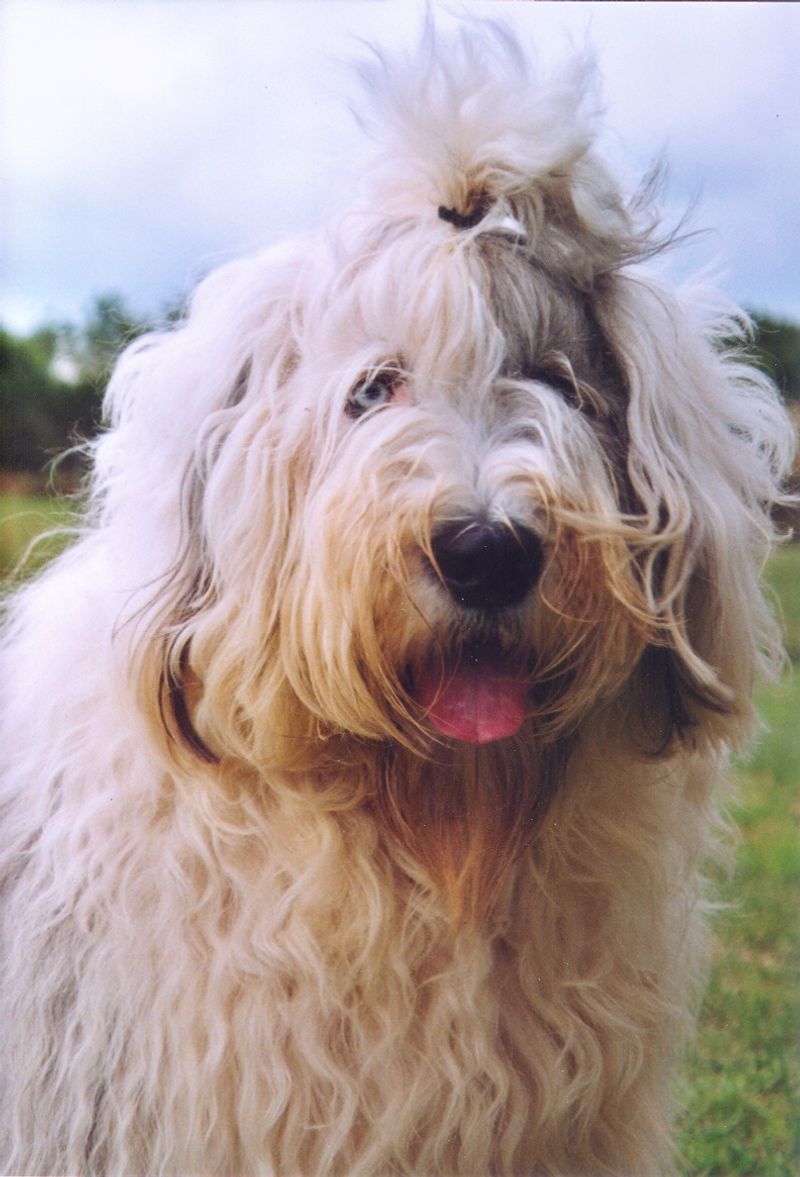
Ever seen a dog try to gently round up a group of running kids? Old English Sheepdogs come from a herding background in England, and some still show that urge to keep the flock together.
The breed is often described as playful, clownish, and adaptable, which suits busy households. They tend to enjoy games and attention more than solitary time.
That gorgeous shaggy coat requires serious brushing several times a week, or it mats quickly. Parents also should gently discourage any herding nudges toward toddlers so play stays safe.
Collie
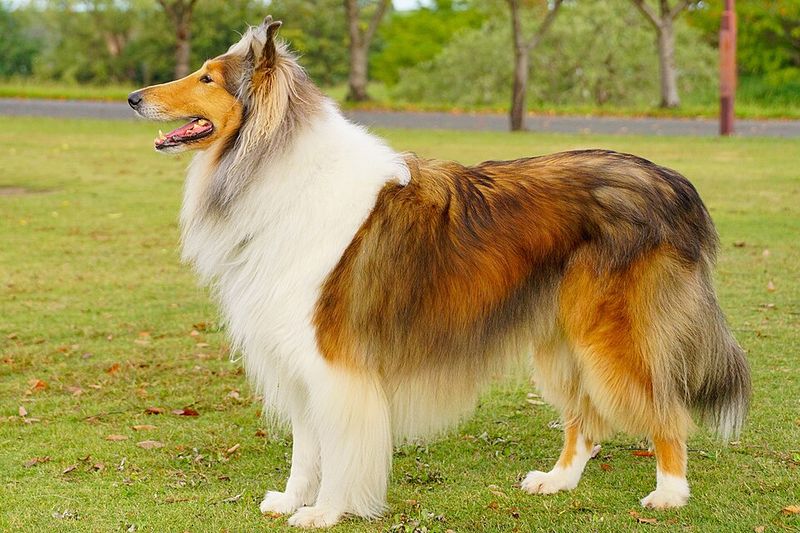
Thanks to Lassie, the Collie became a symbol of the devoted family dog. Television exaggerated plenty, but the breed really is commonly described as sensitive, responsive, and devoted to its family.
Collies are usually smaller than the giants on this list, around 50 to 75 pounds, which makes them a more manageable big dog for families with toddlers. Their gentle responsiveness to tone of voice often makes training feel smooth.
They can be vocal, and that thick rough coat needs regular brushing. Some also show herding habits like circling, which is usually easy to redirect with play.