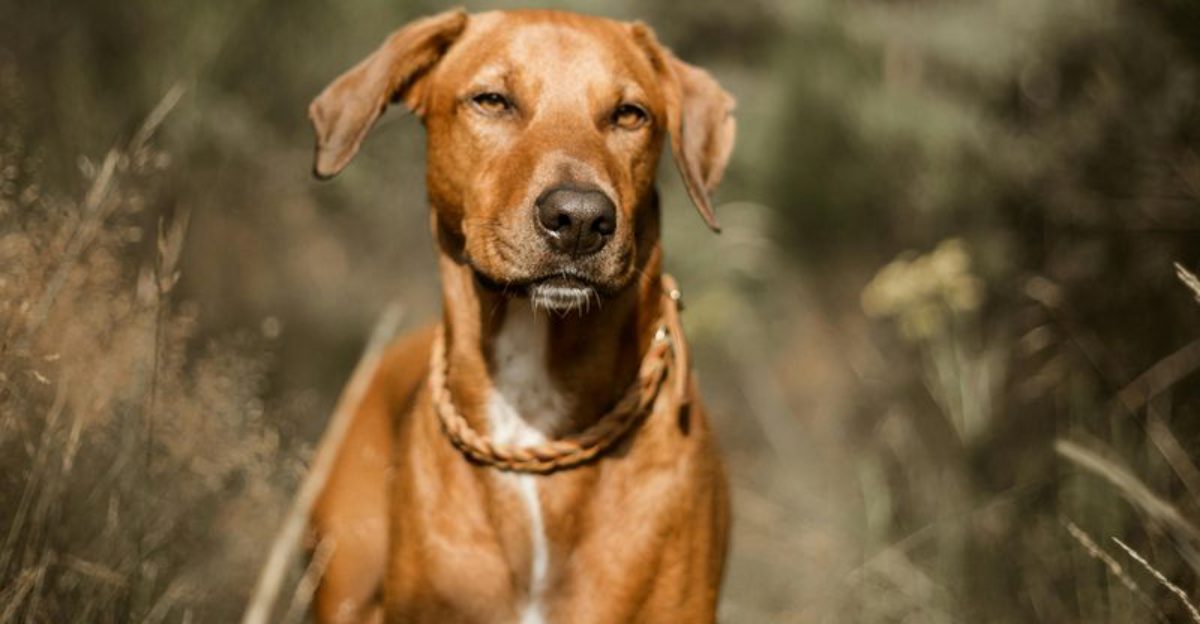
Runners are choosing certain dog breeds in surprising ways that go far beyond speed. It is not just about logging miles but about mindset, recovery, and daily rhythm. These dogs bring focus, structure, and calm that keep training sustainable. If you want a partner who nudges you out the door and then helps you unwind, keep reading.
Weimaraner
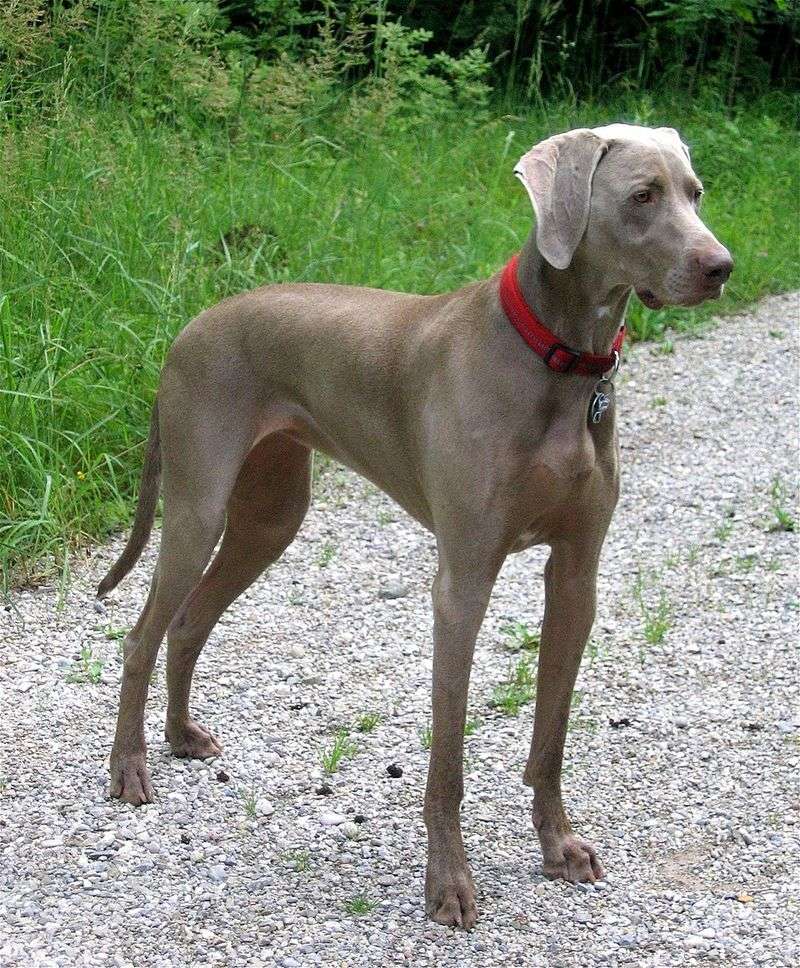
You notice the Weimaraner before the pace even starts to build. Smooth, silver coat, eager eyes, and that tuned-in energy that mirrors your warmup breath. Runners love them not only for endurance but for the ritual they create, nudging you toward consistent routines and early bedtimes.
They demand structure, which means you actually recover, stretch, and hydrate. Their sensitivity teaches patient, present training instead of chasing crazy splits. After the run, they settle fast, sprawling across the floor like a living reminder to slow down.
That balance is the secret. You get a dog that flies on trails and also anchors your stress. The result feels sustainable, not frantic, mile after mile.
Vizsla
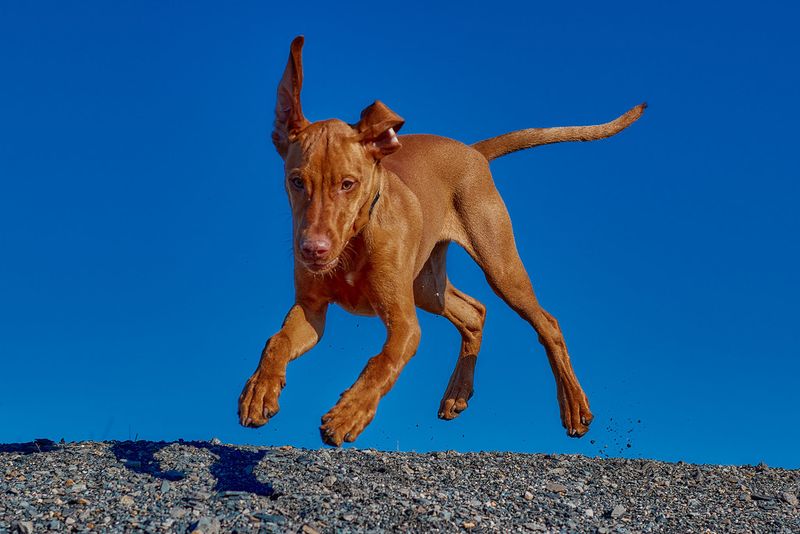
The Vizsla is called a velcro dog for a reason. This affectionate shadow follows your cadence and your emotions, syncing with pre-run jitters and post-run calm. Runners choose them because connection fuels consistency, and consistency wins seasons.
They thrive when included in everything. That means you actually get out the door because bright eyes and a wagging tail expect a loop. They read your mood, easing tough days and celebrating good ones without words.
Afterward, they tuck in and recover like champions, modeling the rest you usually skip. Warm snuggles, steady breathing, and a quiet house reset your nervous system. Suddenly running feels like self-care, not a grind.
German Shorthaired Pointer

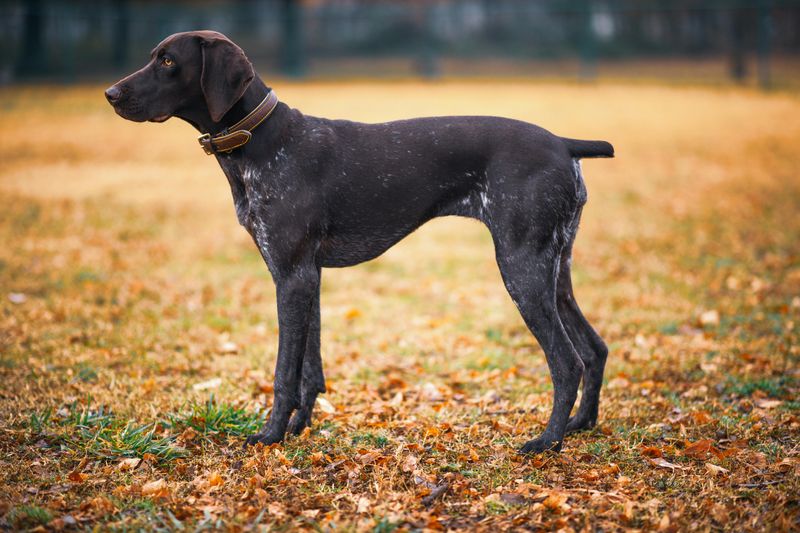
Yes, the German Shorthaired Pointer can go forever, but that is not the whole story. What quietly wins runners over is their problem-solving brain. They crave purposeful tasks, so your training becomes intentional instead of random laps.
Give them a job like pacing or tempo cues, and you gain focus. They remind you to warm up, head to the trail, and hit the recover loop because jobs must be finished. That structure reduces decision fatigue, so motivation stays high.
After runs, they switch off if their brain feels engaged. Nose games, simple drills, then nap. Your day stays productive without overstimulation, the perfect blend of drive and calm.
Pointer
The Pointer’s elegance hides a practical gift runners adore. Their natural focus transforms chaotic schedules into steady habits. When a dog locks onto purpose, you follow suit, trading distraction for consistent sessions.
They love open spaces and predictable routes, teaching you to choose smart terrain and safer footing. That means fewer rolled ankles and more enjoyable miles. Their confident stride encourages steady pacing rather than frantic surges.
At home, the calm demeanor is real. After a good outing, they settle peacefully and reinforce recovery rituals. The result is a training life with rhythm, not just exertion, which keeps you lacing up even on ordinary days.
English Setter
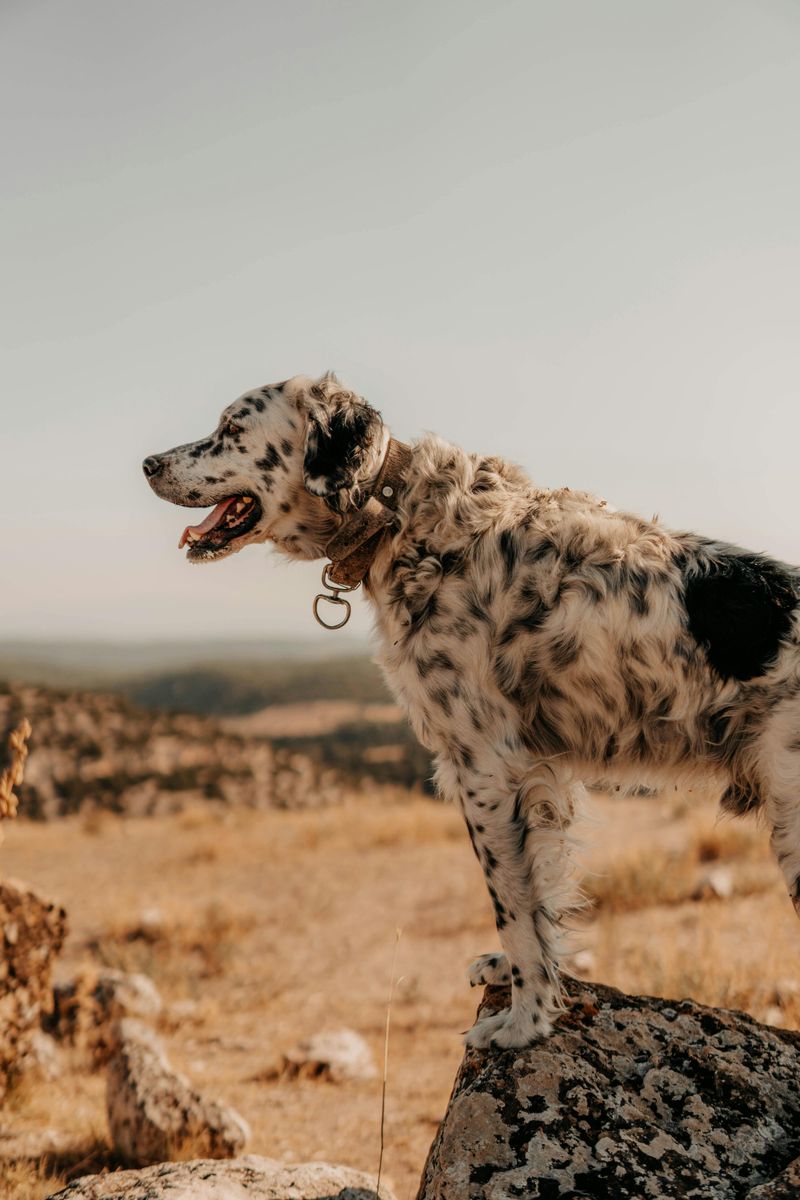
The English Setter brings something runners rarely expect: serenity. Gentle temperament, floating gait, and a patient presence that turns jittery pre-race nerves into breathy calm. You learn to warm up slower, listen to your body, and appreciate the scenery.
They also encourage social miles. People smile, conversations start, and group runs feel easier. The dog’s friendly vibe makes long efforts feel shorter because your mind relaxes.
Back home, they lean in and remind you to rest without guilt. Brushing the feathered coat becomes a mindful cool-down ritual. You end the day grounded, with legs refreshed and spirit lifted for tomorrow’s run.
Brittany
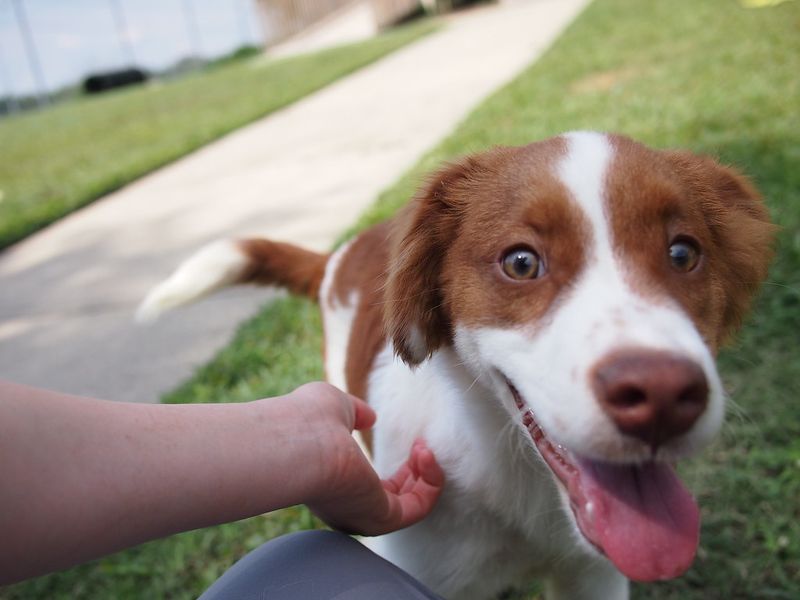
The Brittany shows up like a spark that never burns you out. They bring playful, lightweight energy that makes short daily runs feel fun instead of obligatory. That fun factor keeps frequency high, which quietly builds aerobic gold.
They are small enough for apartment life yet driven enough for trails. Quick sessions, agility games, and sniff breaks turn into joyful micro-workouts. You stop obsessing over perfect plans and start stacking consistent wins.
After skating through the woods, they snooze hard and recharge the house with quiet. The balance of pep and peace is the true appeal. You get sustainable momentum and a grinning sidekick every step.
Rhodesian Ridgeback
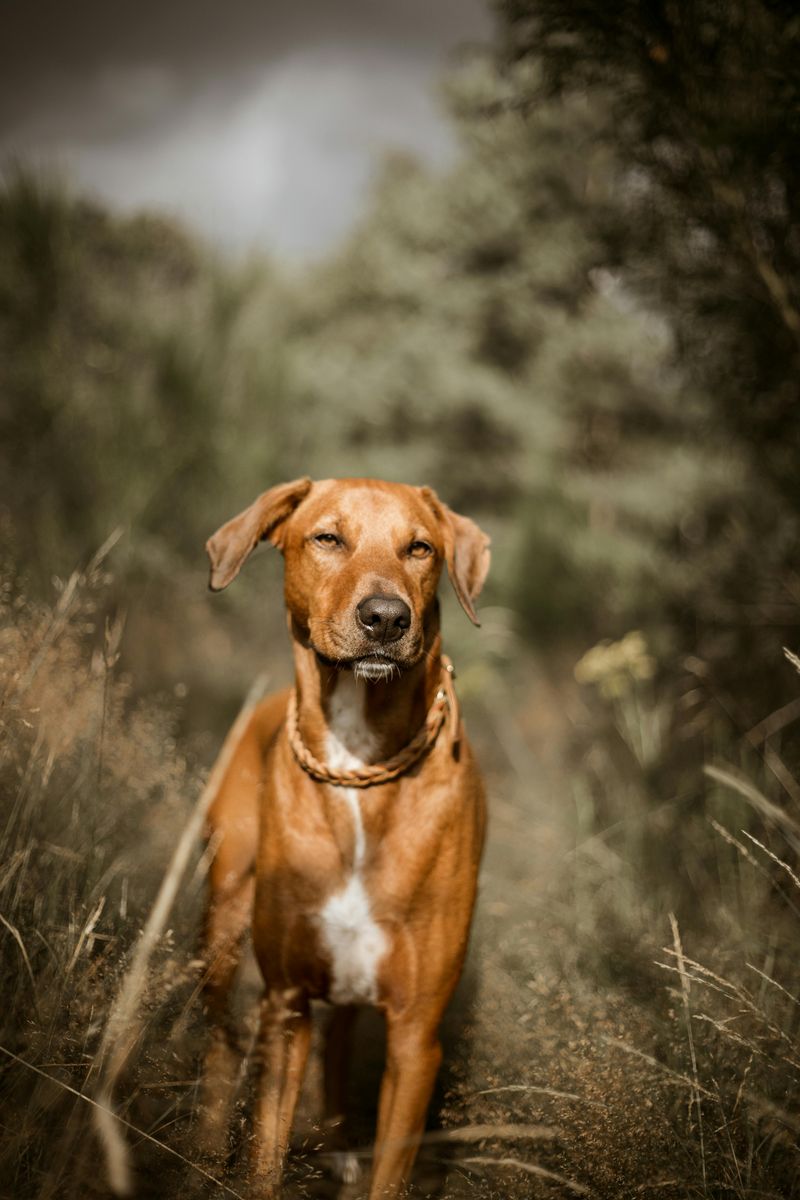
The Rhodesian Ridgeback brings dignified restraint more than constant speed. They are thoughtful partners, preferring steady pacing over chaotic sprinting. That patience helps you hold back early and finish strong later.
Runners choose them for the calming presence and protective confidence during early dawn miles. You feel secure, which lowers stress and keeps routines intact. Their stoic nature also reduces unnecessary barking and household frenzy.
After workouts, they prefer quiet corners and predictable schedules. That encourages sleep hygiene and consistent recovery windows. With a Ridgeback, the lifestyle around running improves, and suddenly progress feels inevitable rather than forced.
Dalmatian
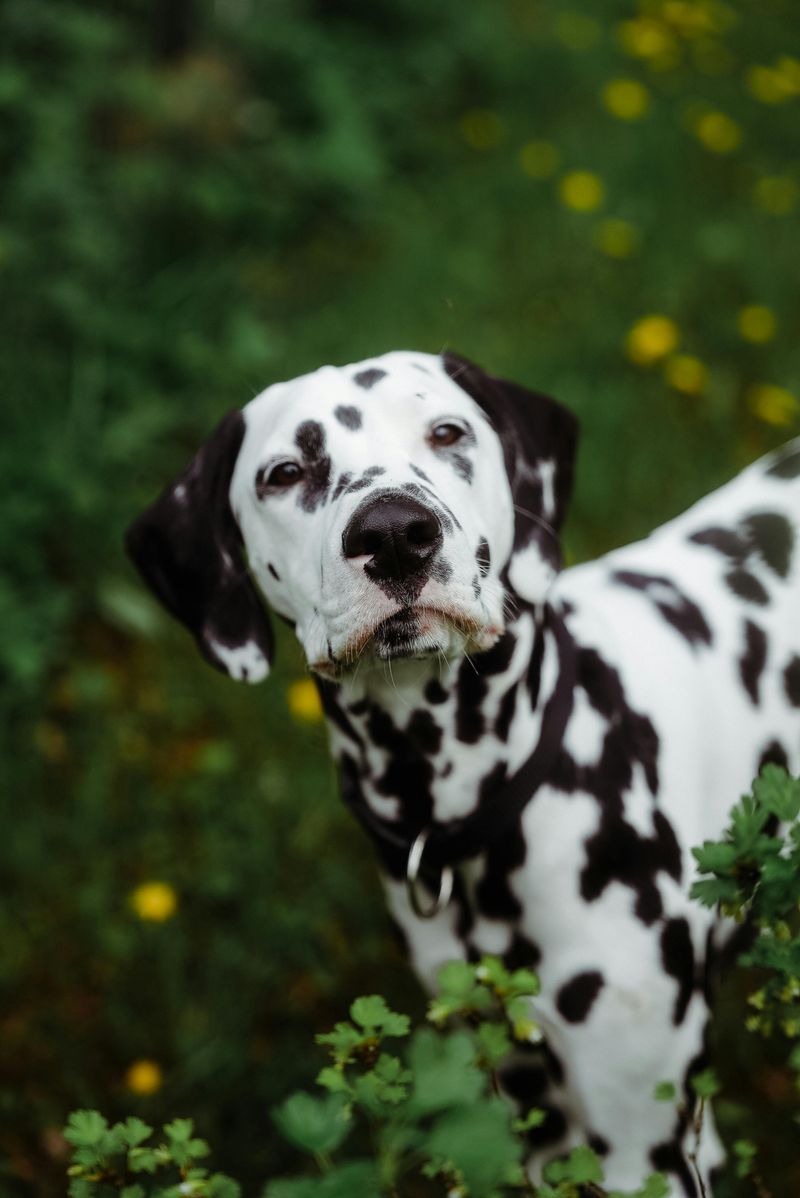
Dalmatians bring order disguised as fun. Historically road dogs, they thrive with routine routes and clear expectations. That structure helps you plan your week and actually stick to it.
They enjoy moderate to long efforts, but the real magic is the rhythm they set for life outside miles. You hydrate, prep gear, and clean up because the dog’s clock is precise. Consistency stacks, and training no longer feels chaotic.
At home, they are affectionate and tidy when needs are met. Quiet lounging after activity turns into shared recovery time. The spots may draw attention, but the predictable habits are what keep you improving.
Belgian Tervuren
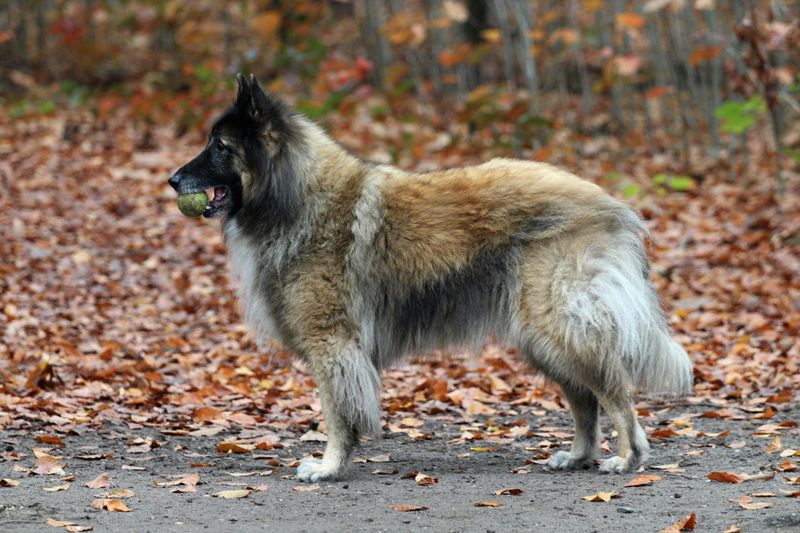
The Belgian Tervuren is a focus machine. When properly trained, they create a bubble where distractions fade and form matters. You pay attention to cadence, posture, and breath because your dog is reading you carefully.
That feedback loop sharpens technique and reduces injuries. Short drills, hill strides, and brainy games leave both of you satisfied without overdoing mileage. The dog’s mental engagement means shorter sessions can be incredibly effective.
Afterward, a calm decompress routine feels natural. Grooming turns into a meditative cool-down, and the house stays peaceful. You end up training smarter, not just harder, with confidence that sticks.
Dutch Shepherd

The Dutch Shepherd excels at adaptable routines. City sidewalks, park loops, or quick stair intervals, they switch gears smoothly. That flexibility makes busy schedules workable, so you keep moving even on hectic days.
They delight in training games that double as warmups and cooldowns. Target touches, figure eights, and controlled heel work build discipline and connection. You feel more intentional, less scattered, and your runs slot neatly into life.
Post-run, they settle when mentally satisfied, bringing a grounded vibe to evenings. With a Dutch Shepherd, it is about systems, not heroics. The steady habits they inspire become your quiet advantage week after week.