
A dog barking at every leaf, mail truck, and passing jogger can turn friendly neighbors into frosty ones fast. Some breeds, though, were shaped by history to work quietly, rest a lot, or simply express themselves in other ways.
This list covers ten real breeds known for keeping the volume low, along with the quirks that come with each one. No dog is completely silent, but these picks give apartment dwellers and thin-walled townhouse owners a real head start.
Basenji
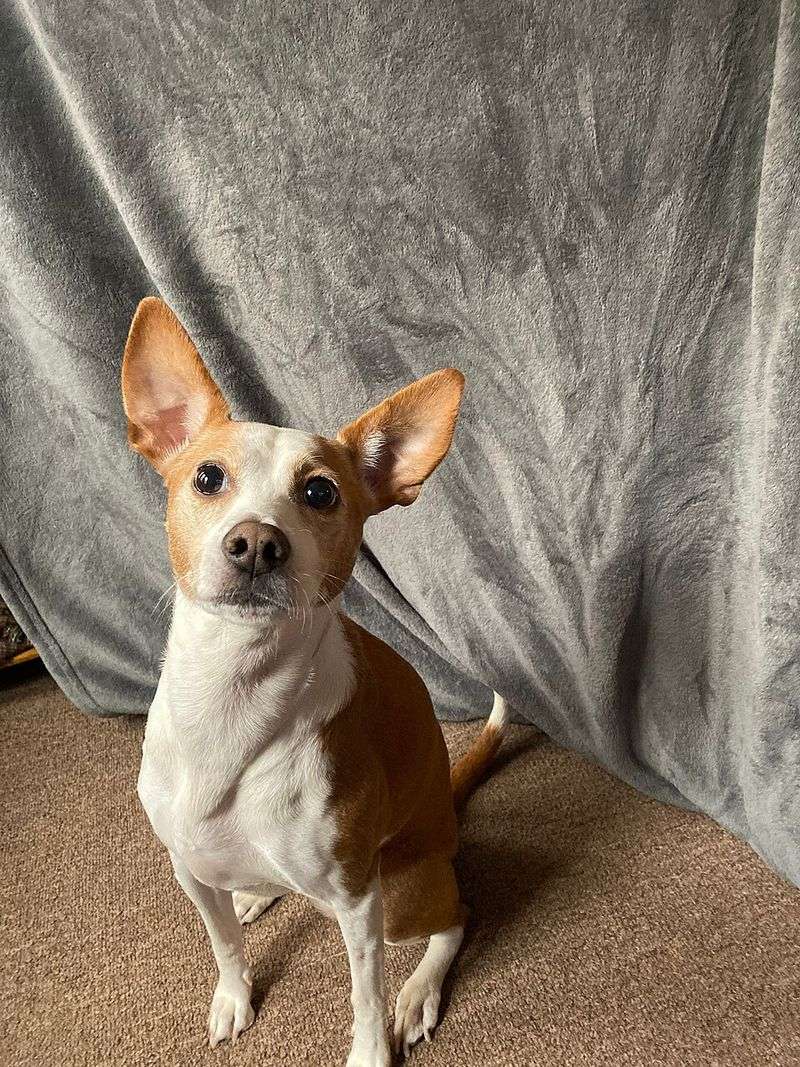
Here is a dog that physically struggles to bark the way other breeds do. The Basenji, an ancient hunting breed from Central Africa, has an unusually shaped larynx, so instead of a classic woof it tends to produce a yodel-like sound often called a barroo.
Quiet does not mean silent, though. Basenjis can whine, chortle, and even scream when frustrated, so neighbors may hear something odd now and then.
The bigger challenge is independence. Bred to hunt by sight and scent alongside people, many Basenjis have a strong prey drive and a reputation for ignoring recall around squirrels.
They also groom themselves somewhat like cats, which helps keep that short coat tidy with little effort.
Greyhound
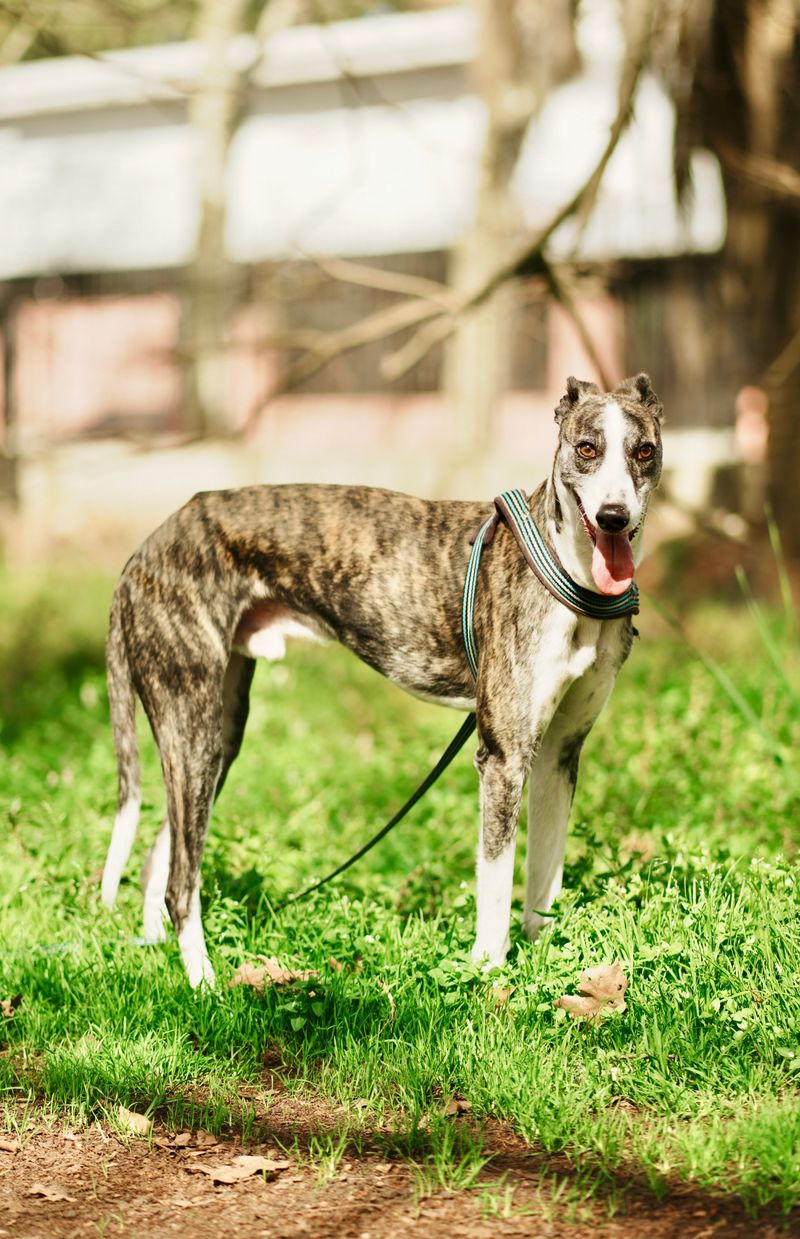
Picture the fastest dog breed on the planet, then picture it asleep on your sofa for most of the afternoon. That contrast surprises plenty of first-time Greyhound adopters.
Built for short sprints rather than endurance, Greyhounds often need a good daily walk and an occasional safe run, then settle down for long naps. The AKC describes them as rarely barking, which is a big reason retired racers do so well in apartments.
One practical warning: their sight-hound instinct can kick in when a rabbit darts by. A securely fenced area or a leash is the safer bet, since a Greyhound at full speed can outrun just about any owner.
Cavalier King Charles Spaniel
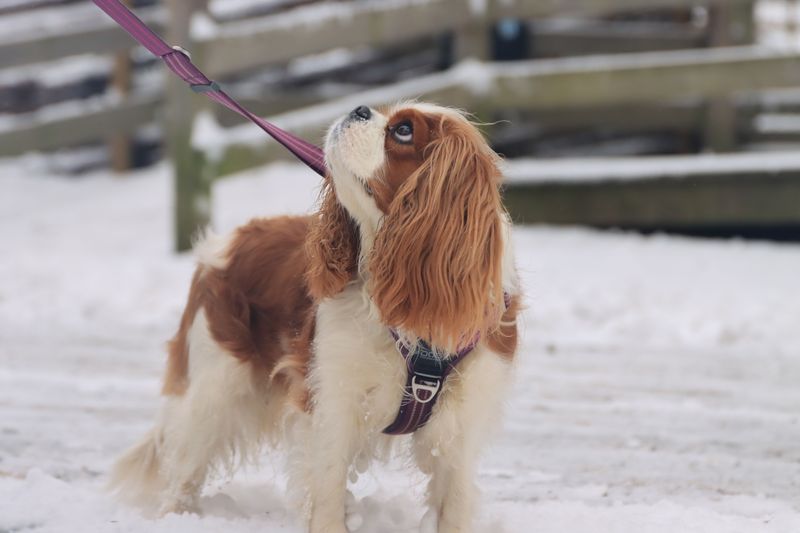
Royal lapdogs had one main job in English palaces: keep people company without causing a fuss. The modern Cavalier still carries a lot of that easygoing, people-focused temperament.
Many Cavaliers save their voice for the doorbell and then quickly move on to greeting the visitor. That makes them a solid choice for shared walls.
The catch is that their sociable streak can make long hours alone hard for some individuals. Prospective owners should also look for breeders who health screen, since the breed has a known predisposition to mitral valve disease.
Bernese Mountain Dog
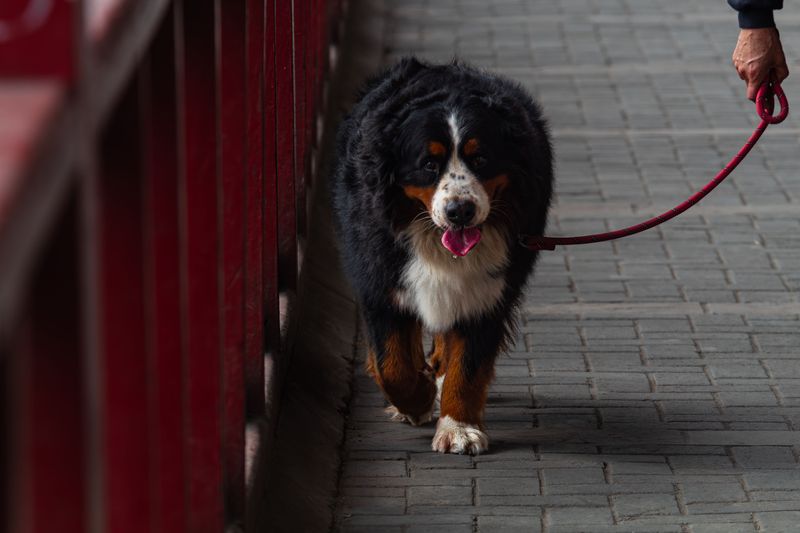
Size can fool people. A Bernese Mountain Dog may weigh more than 100 pounds, yet many are surprisingly mellow and not especially chatty.
The breed was developed on Swiss farms to pull carts of milk and cheese and to keep watch, so a Berner may give a deep bark when something truly seems off. Day to day, though, most are more likely to lean on your legs than sound off at every noise.
The real commitment is the coat. That thick double layer sheds heavily, especially during seasonal blowouts, and warm weather can be tough on them.
Whippet
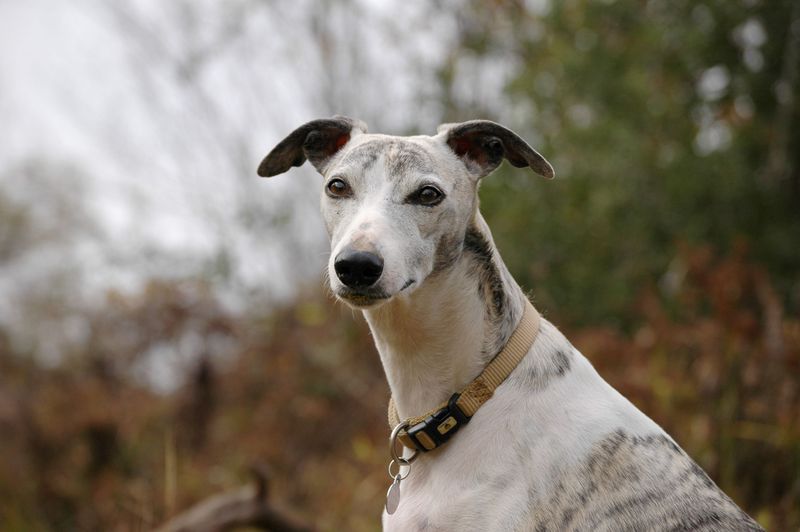
Sweaters are not just a fashion statement for Whippets. With very little body fat and a thin coat, these slim sight hounds often get chilly, and many will burrow under blankets the moment you turn your back.
Often described as a smaller cousin to the Greyhound, the Whippet was popular in England as a racing and rabbit-coursing dog. Indoors, they tend to be quiet and gentle, with barking reserved for rare moments.
Their size makes them easier to manage in smaller homes than a Greyhound. Just remember that quick bursts of speed still need a safe outlet.
Shiba Inu
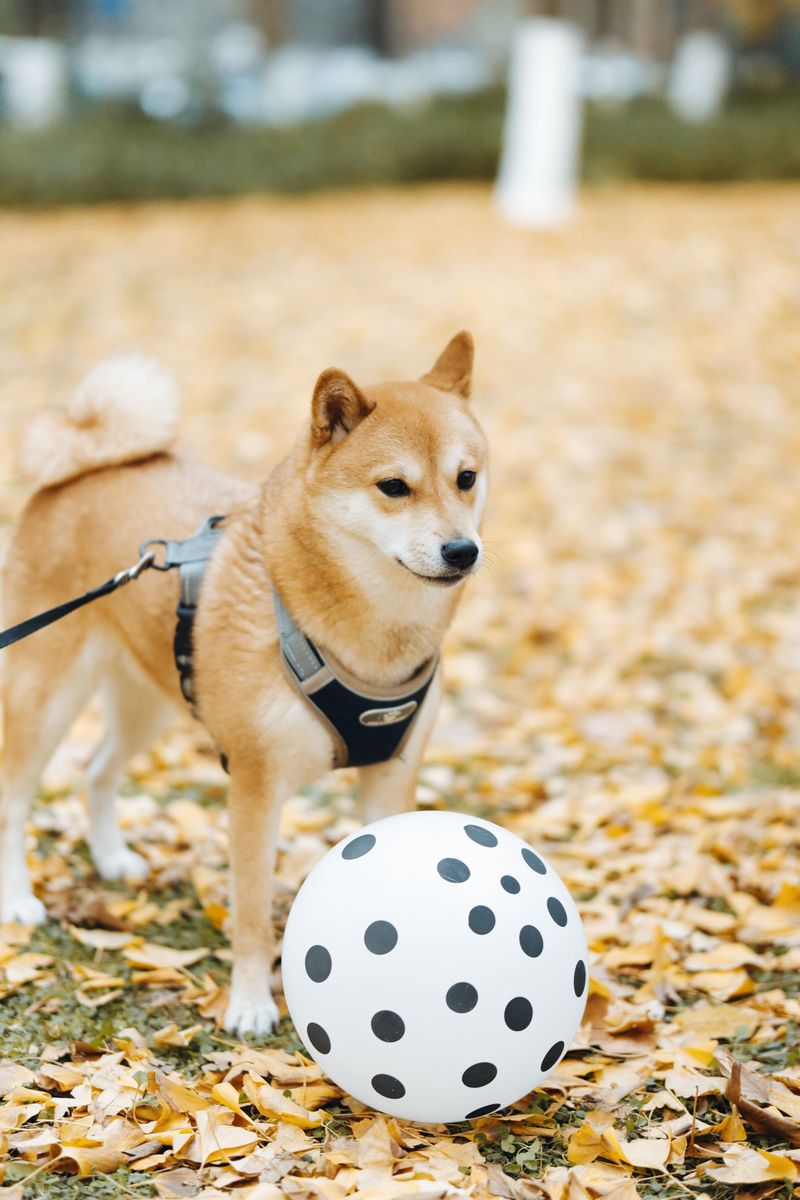
Ask Shiba owners about barking and many will laugh, then mention the Shiba scream. This ancient Japanese breed does not bark much, but it can unleash a dramatic high-pitched protest during nail trims or baths.
Outside of those moments, Shibas are generally reserved and catlike. They tend to keep themselves very clean and may be aloof with strangers rather than noisy about them.
That independence cuts both ways. Training takes patience and good rewards, and a Shiba off leash may decide it has better plans than coming back.
Newfoundland
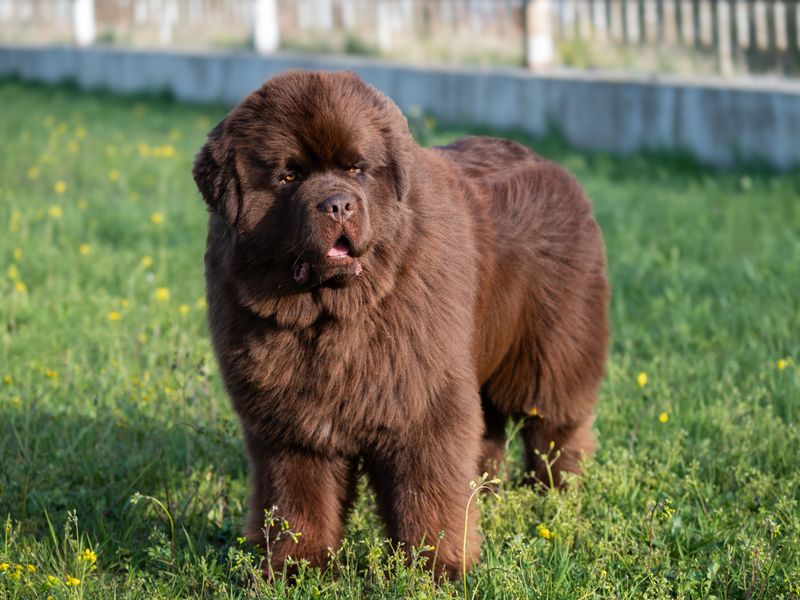
Water rescue was the Newfoundland’s claim to fame, with these dogs historically helping fishermen haul nets and pull people from cold Canadian waters. Today they are more commonly known for patience and a famously sweet temperament.
Newfies are not big barkers in general. Their huge size and calm manner tend to do the talking.
Owners should plan for drool, a lot of shedding, and a dog that may weigh as much as an adult person. Noise complaints are unlikely, but the slobber on your neighbor’s pant leg is another story.
Chinese Shar-Pei
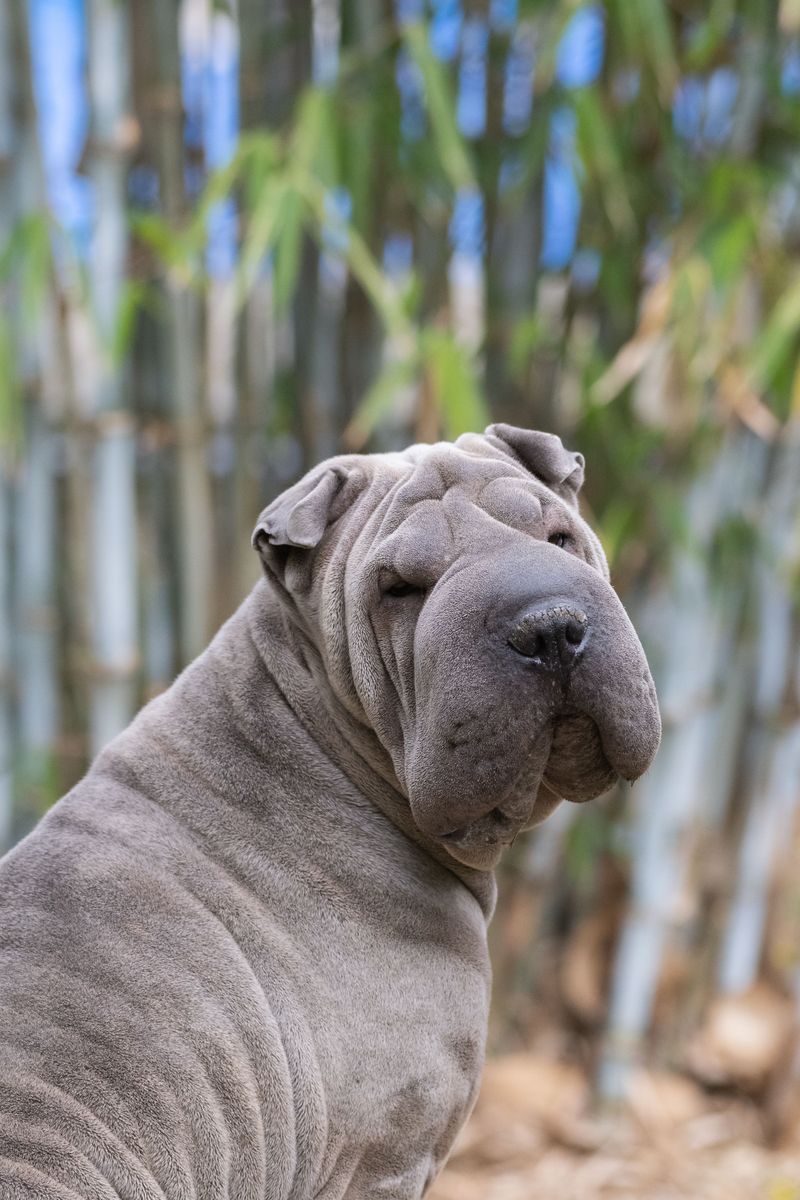
Those wrinkles get all the attention, but the Shar-Pei’s personality matters more for apartment life. Originally an all-purpose farm and guard dog in southern China, this breed tends to be calm, dignified, and selective about when it speaks up.
A Shar-Pei usually barks for a reason, such as an unfamiliar person at the door. Random barking is less typical.
Their protective, reserved nature means early socialization helps a lot. Skin folds also need regular checks, since the breed can be prone to skin issues.
Scottish Deerhound
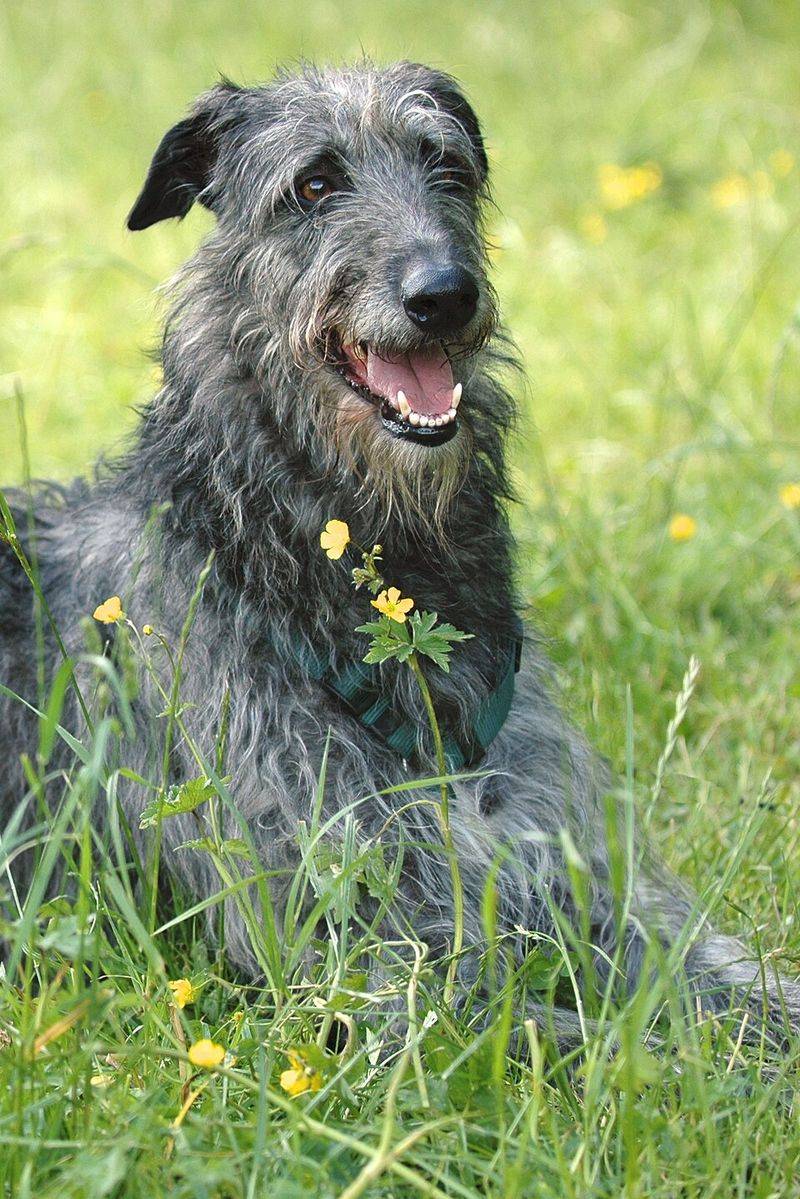
Few breeds look more dramatic and act more low key. The Scottish Deerhound, used to hunt red deer in the Scottish Highlands, is tall, shaggy, and generally quiet.
Many Deerhounds are polite and gentle indoors, and they are not considered good watchdogs because they rarely raise an alarm. For neighbors, that is great news.
Space is the main issue. A dog this tall needs room to stretch and a fenced area to run, so they suit houses better than studio apartments.
Bulldog
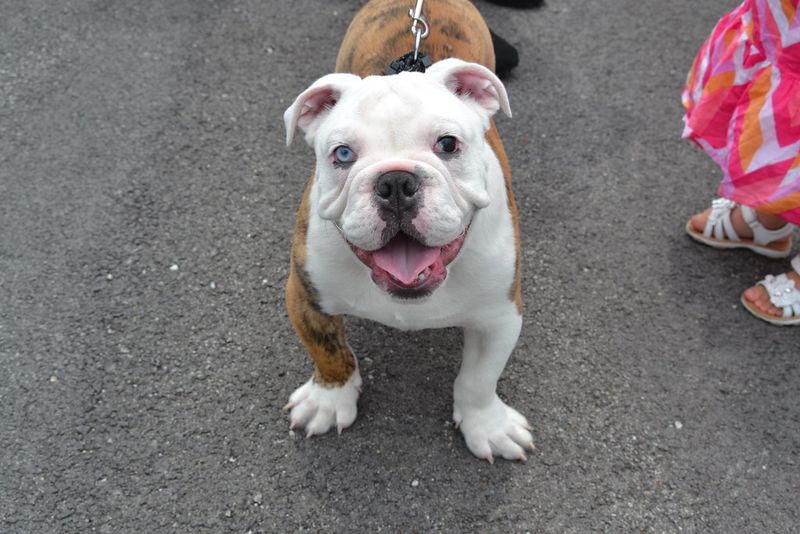
Snoring, snorting, and wheezing? Sure.
Barking, not so much. The Bulldog makes plenty of sounds, but repetitive barking usually is not among them.
Modern Bulldogs are known for a laid-back attitude and moderate exercise needs, which helps them fit city living. Short walks often satisfy them.
Their flat faces make them sensitive to heat, so cool rooms and careful summer outings matter. Choosing a breeder who prioritizes breathing health is a smart move.