
Walk through any shelter and you will notice certain dogs getting passed by again and again. It is rarely about heart or potential, and more about myths, energy levels, or simple first impressions.
If you have ever wondered which pups need you most, this list will open your eyes and maybe your home. Meet the underdogs who are ready to become your best friend.
Pit Bull Terrier
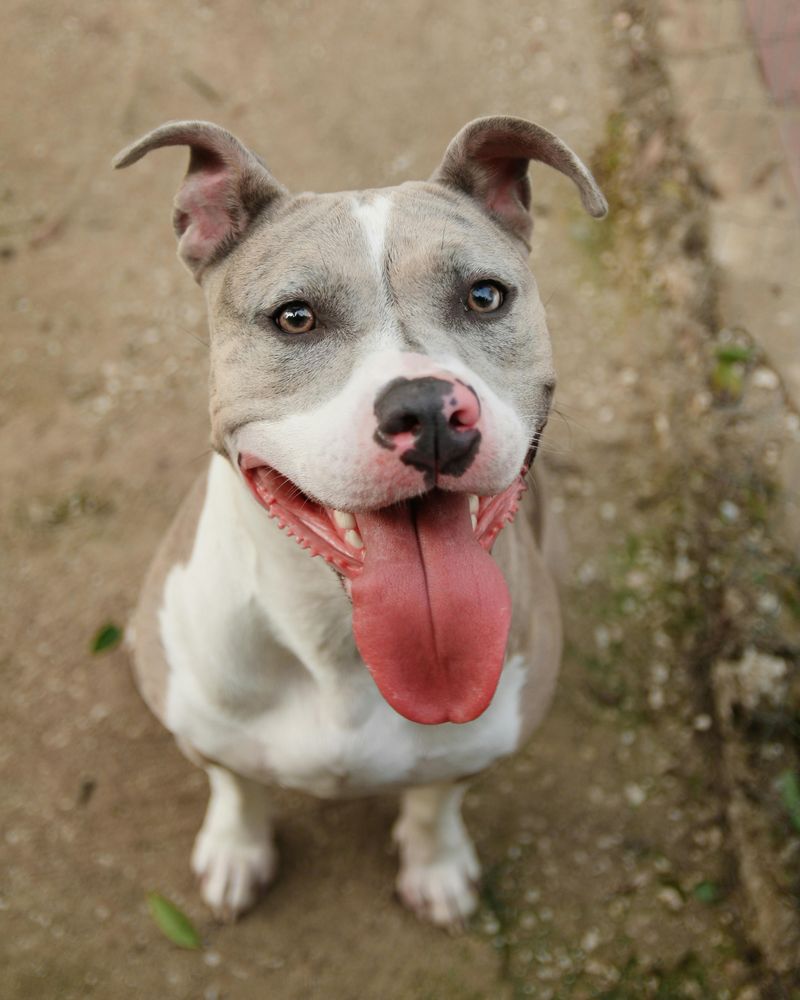
Many shelters see Pit Bull Terriers wait the longest, mostly because of fear and unfair myths. You might picture a tough dog, yet most are goofy, loyal, and eager to cuddle.
Strong builds and big smiles can be misunderstood, so adopters worry about training and apartment rules. I always suggest meeting one in person.
You feel the difference instantly.
These dogs thrive with structure, exercise, and positive reinforcement. If you want a partner for hikes, couch naps, and silly games, a Pittie can be perfect.
Ask the shelter about temperament tests, leash manners, and play style. Offer slow introductions with other pets, and you will be golden.
With patience and clear boundaries, you unlock a lifetime of affectionate devotion.
American Staffordshire Terrier
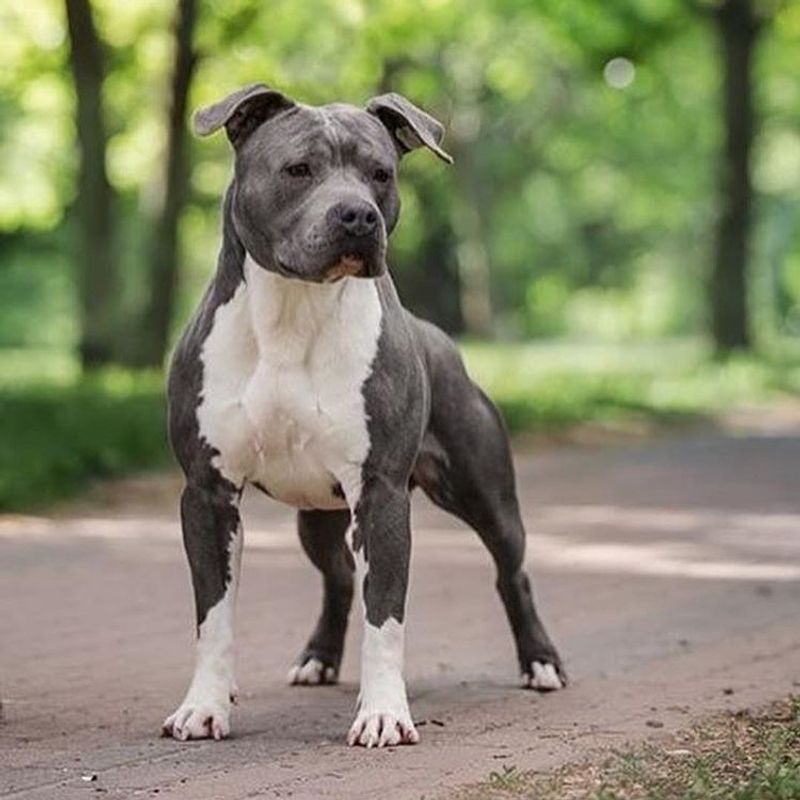
American Staffordshire Terriers share many challenges with Pitties, starting with landlords and breed lists. You might worry about strength, yet most Am Staffs crave guidance and love to please.
In shelters, they get overlooked because they appear intense behind kennel bars. Meet one outside, and the wiggles start.
That joyful grin changes everything fast.
Am Staffs shine with routine, mental workouts, and clear rules delivered kindly. If you are active, this companion will match your pace beautifully.
Ask about training support at the rescue, plus tips for polite greetings and enrichment toys. Slow, thoughtful socialization builds trust.
Give them a job, like scent games or fetch, and you will discover a steady, devoted friend today.
German Shepherd
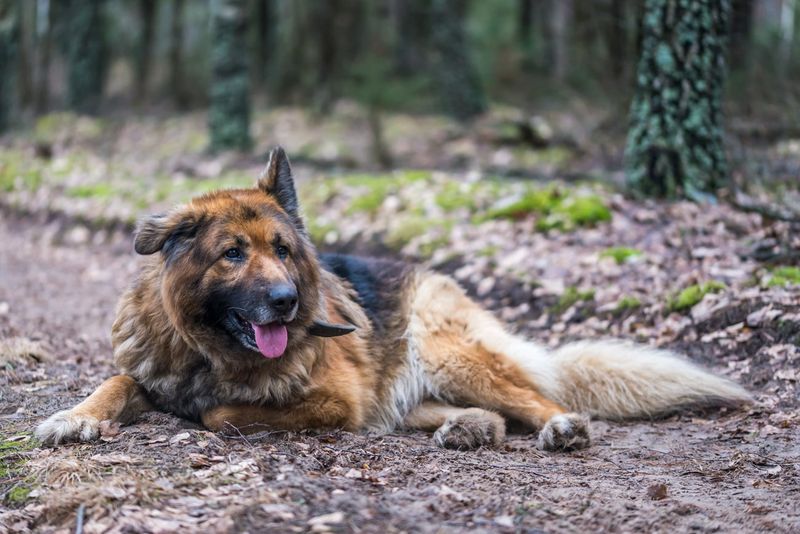
German Shepherds land in shelters when families underestimate energy and training needs. You see a beautiful, smart dog, yet daily structure is essential.
Without clear guidance, they invent their own jobs, like patrolling windows or herding kids. In kennels, they may bark from stress, which scares people away.
Outside, you notice sensitivity and sharp focus.
If you enjoy teaching, this breed gives back tenfold. Plan consistent obedience, scent work, or tracking games to channel brilliance.
Ask the shelter about reactivity and past training, then build a calm routine. Provide secure fences and steady exercise, plus decompression time at home.
With patient leadership, a Shepherd becomes your loyal shadow and thoughtful partner. You will feel proud every single day.
Boxer
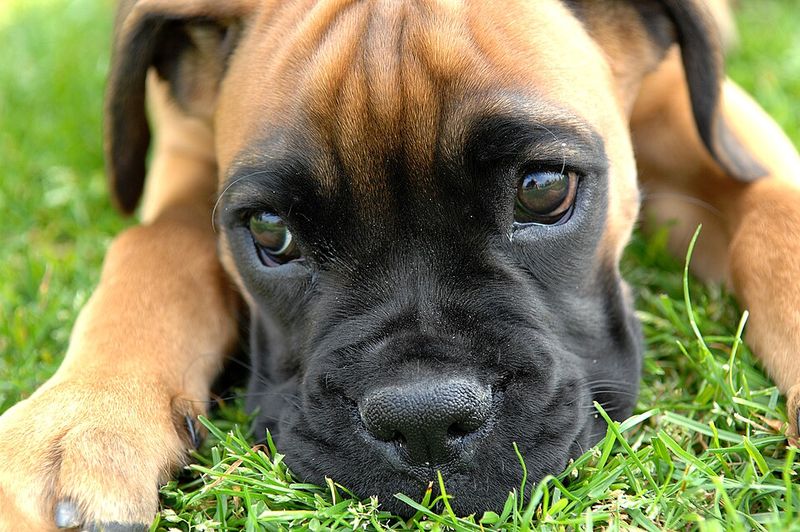
Boxers are clowns at heart, but that bouncy energy can overwhelm first impressions. In a kennel, they leap and wiggle, which reads as chaos.
You might think they never relax, yet these dogs crave routine and human touch. Once outside, the soft eyes show up.
I have seen the goofiest zoomies followed by snoring cuddles.
Give a Boxer structure, play outlets, and short training bursts. They shine with fetch, flirt poles, and puzzle feeders that tire body and mind.
Ask the rescue about manners and impulse control work. Consistent boundaries turn springy antics into charming routines.
If you want a lovable comedian who also watches the door, a Boxer makes everyday life brighter for you.
Chihuahua
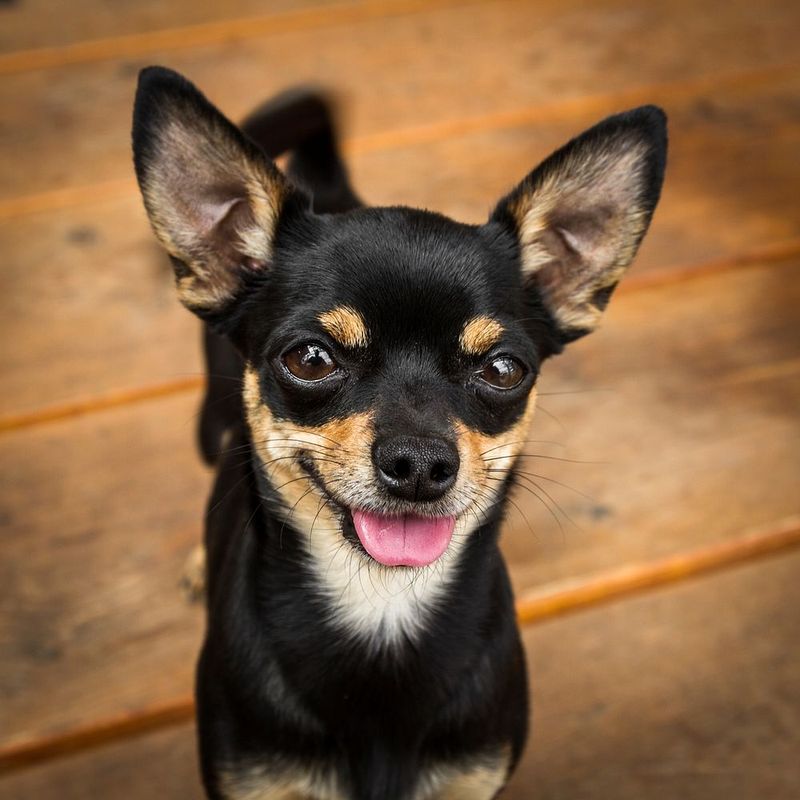
Chihuahuas get mislabeled as nippy, but many are just scared in noisy shelters. Big hands and loud echoes feel huge when you are tiny.
You may see trembling and think attitude. Really, they want safety, warmth, and predictable routines.
I always crouch low, offer a gentle hand, and wait for a brave sniff.
At home, start with quiet spaces, soft blankets, and slow introductions. Use tiny treats and patient encouragement to build trust.
Ask the shelter about handling preferences, potty routines, and medical notes like dentals. Keep walks short at first, then explore more as confidence grows.
Soon the pocket-sized comedian appears, and you get loyalty, sass, and endless cozy companionship. You will adore the tiny swagger.
Beagle
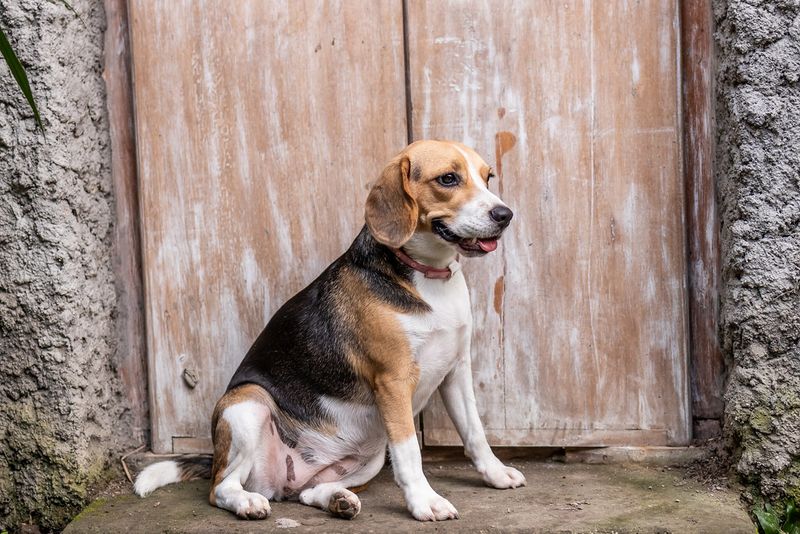
Beagles often arrive as strays, following their noses past fences and right into trouble. In shelters, they sing loudly, which can scare off visitors.
You might assume stubborn, but really they are scent-driven and curious. With patience, that curiosity becomes playfulness and charm.
I love watching their tails helicopter when they catch a new smell.
Give a Beagle secure containment, long sniffy walks, and food puzzles. Training works best with rewards and games that let the nose lead.
Ask about prey drive, recall history, and vocal tendencies before adopting. Plan enrichment like tracking lines and safe digging zones.
With consistency, you get a cheerful buddy who explores the world beside you, ears flopping happily today.
Rottweiler
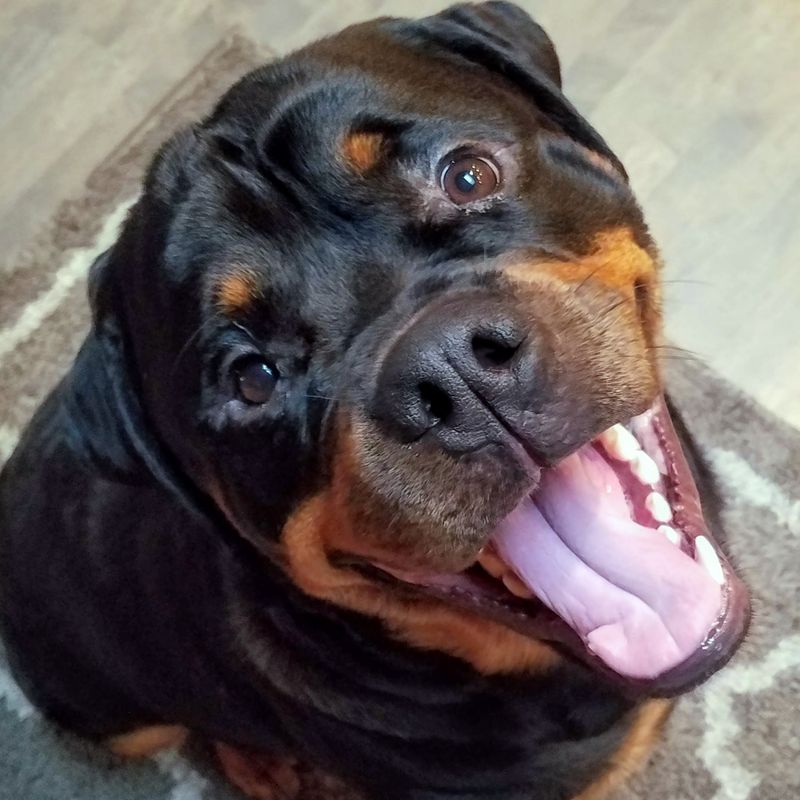
Rottweilers look imposing, and that alone keeps many adopters walking past. Behind the blocky head is a sensitive, thoughtful dog who bonds deeply.
In shelters, stress barking and guardy posture send the wrong message. Meet on neutral ground, move slowly, and you will see soft eye contact.
Respect builds trust faster than anything.
These dogs thrive with calm leadership, purpose, and steady routines. If you enjoy clear training and gentle structure, a Rottie will respond beautifully.
Ask the rescue about handling safeguards, resource guarding history, and body language cues. Provide tendon chews, obedience homework, and thoughtful introductions to friends.
With patient guidance, you gain a dignified guardian who relaxes at home and adores family members.
Siberian Husky
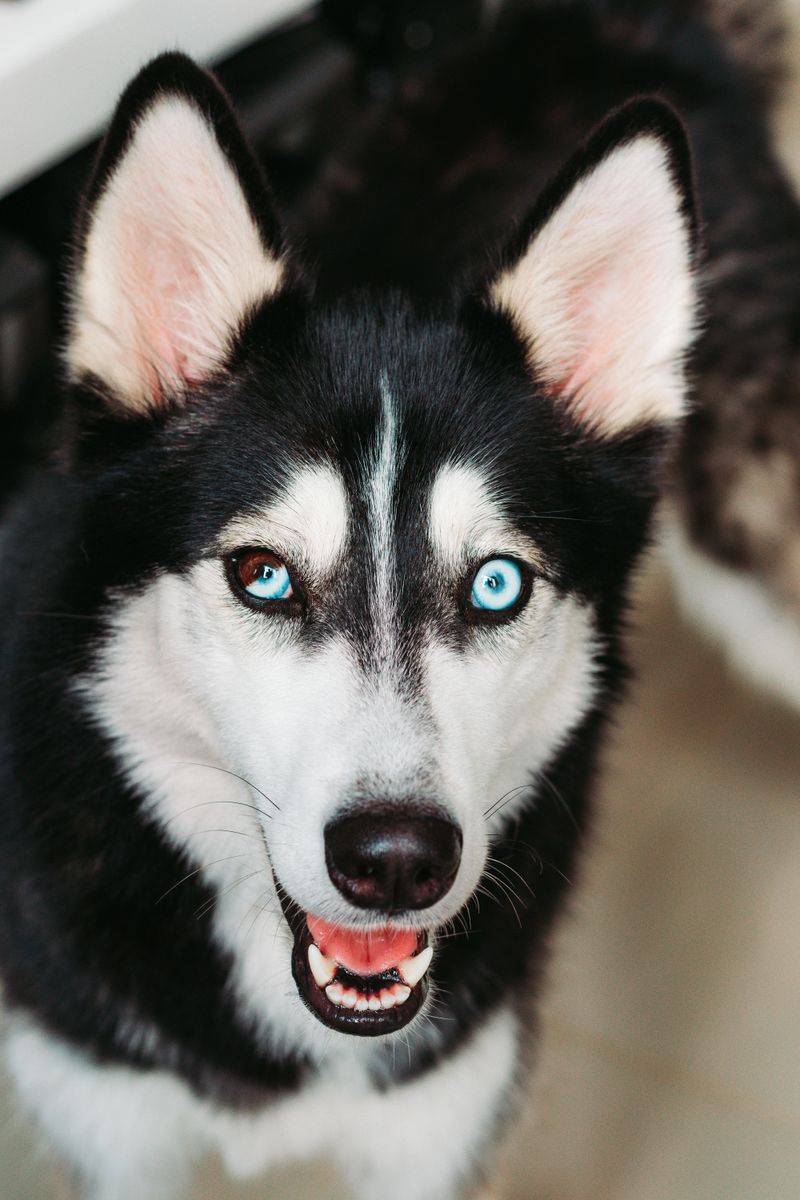
Siberian Huskies are breathtaking, but their needs surprise first-time adopters. You get energy, noise, and a master escape artist in one fluffy package.
In shelters, the dramatic singing and spinning can look intense. Meet outside and you will notice humor and friendliness.
They read feelings well and thrive with patient direction.
Plan serious exercise, mental games, and secure fencing that respects athleticism. A bored Husky will remodel your yard, so set expectations early.
Ask the rescue about prey drive, off leash reliability, and crate training. Try canicross, bikejor, or long-line adventures to channel drive safely.
With routine and enrichment, you get a hilarious companion who cuddles after the miles. You will sleep well after those sessions.
Great Dane
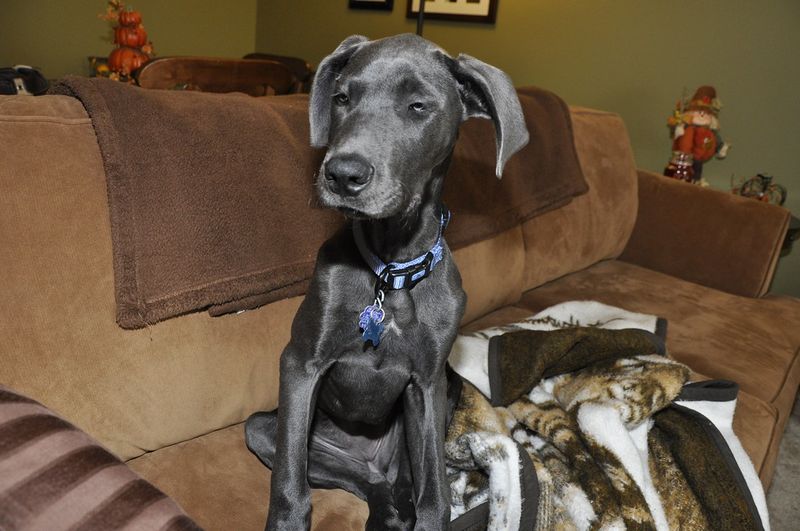
Great Danes intimidate with size, yet many are gentle couch ornaments. Shelters struggle because people worry about space, drool, and medical costs.
You might think apartment life is impossible. Actually, Danes often prefer short walks and long naps, plus affection on demand.
Meet one calmly and you will see sweet, soulful manners.
Prepare for big-dog logistics, like tall water bowls, sturdy beds, and thoughtful car rides. Ask the rescue about joint care, diet, and stairs tolerance.
Short training sessions keep manners polished without stressing joints. Gentle play and soft surfaces help prevent slips.
If you want a tender giant who leans in for hugs, a Dane brings steady, velvety companionship. Your living room will feel lovingly shared.
Bulldog
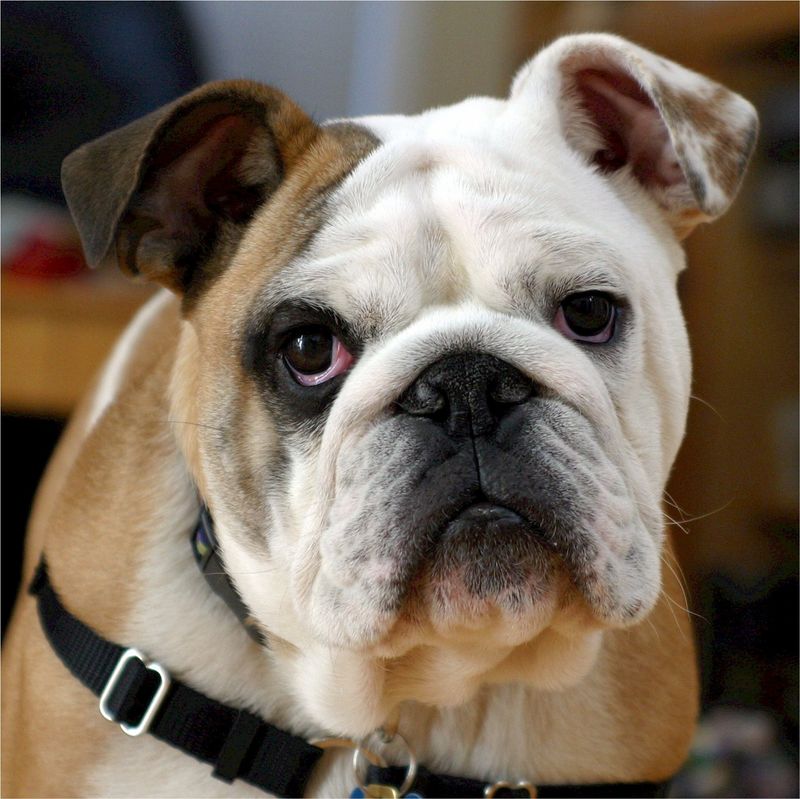
Bulldogs melt hearts, but health needs and snorts can scare adopters away. In kennels, they often look miserable due to heat and stress.
You may see stubborn, while many simply move carefully and prefer rests. Meet in shade, go slow, and offer water.
Those rolling wrinkles come with comic timing and surprising tenderness.
Plan vet partnerships, climate control, and short, cheerful exercise. Ask the rescue about airway health, skin folds, and weight goals.
Use harnesses, ramps, and non slip rugs for comfort. Training stays fun with tiny rewards and clear, patient cues.
If you love affectionate, low-to-moderate activity companions, a Bulldog will lounge beside you and brighten every afternoon. You will cherish the quiet snores nightly.