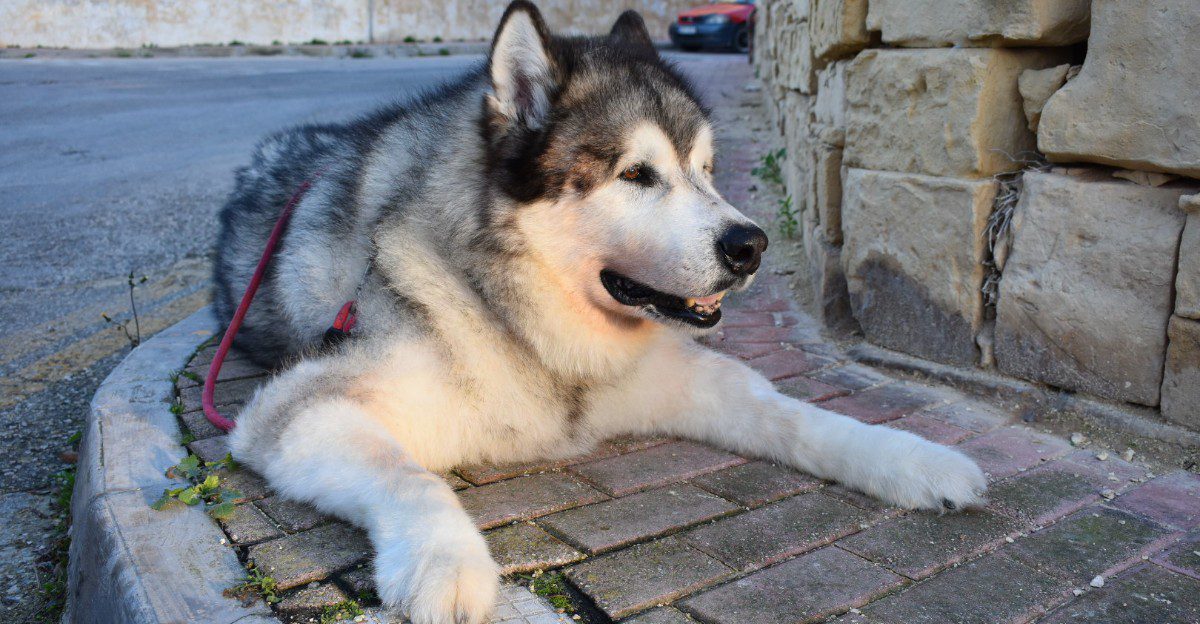
Watching a dog run free in an open field feels like pure joy. But some breeds were built to chase, sniff, or roam, and their instincts can take over in a split second.
A squirrel, a smell, or a wide open space can turn a sweet pet into a runaway. Knowing which breeds carry these risks can help you keep your best friend safe and happy.
Siberian Husky
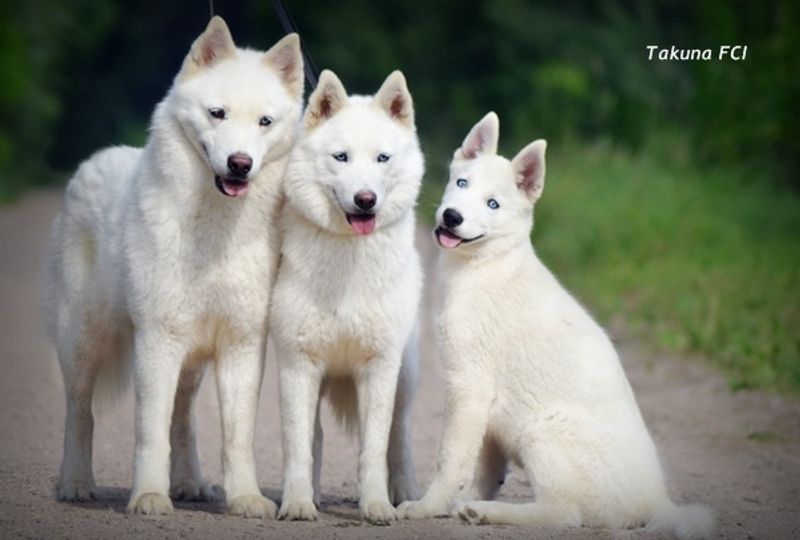
Ask any husky owner about escape stories, and you might hear a dozen. These sled dogs were bred to run long miles across frozen land, and that urge never really fades.
Once a husky starts moving, calling its name often does nothing. Many simply keep going for hours.
Try fenced dog parks, long training leads, or canicross running instead. A tired husky is a far less sneaky husky at home.
Beagle
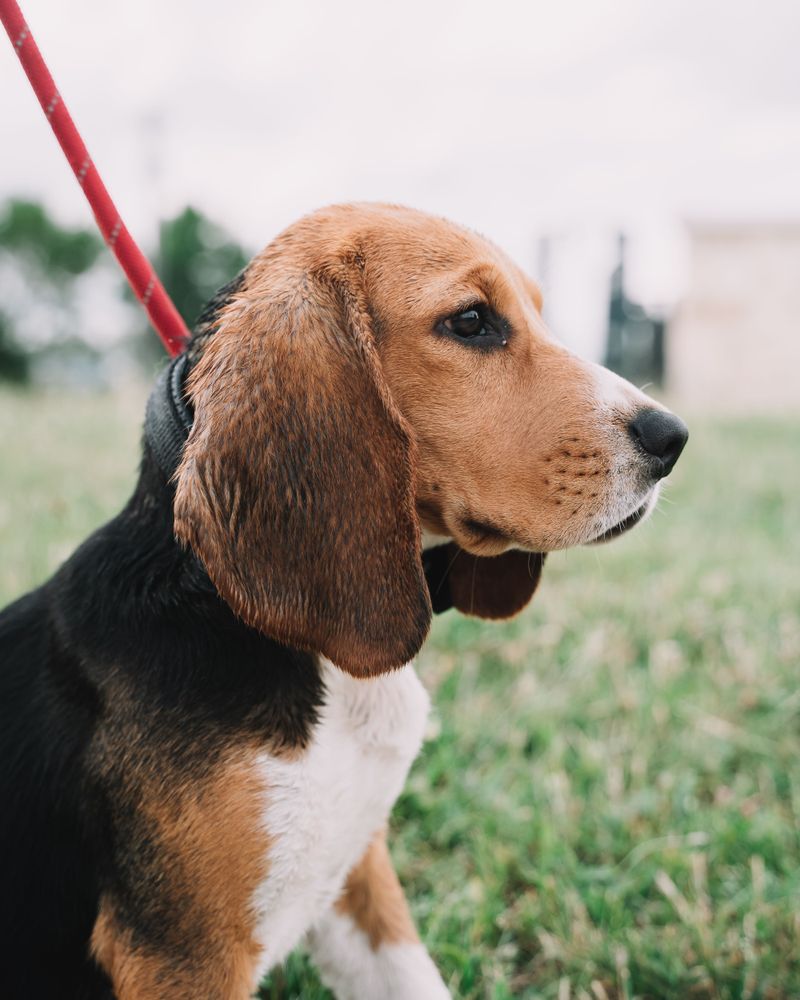
Picture a cute little hound with its nose glued to the grass, ears flopping, totally ignoring you. That is a beagle on a scent trail.
Their noses hold around 220 million scent receptors, so smells pull harder than any treat. A rabbit track can lead them blocks away before they look up.
Fun fact: beagles were once hunted with in packs on foot. Keep yours leashed, and try scent games at home.
Jack Russell Terrier
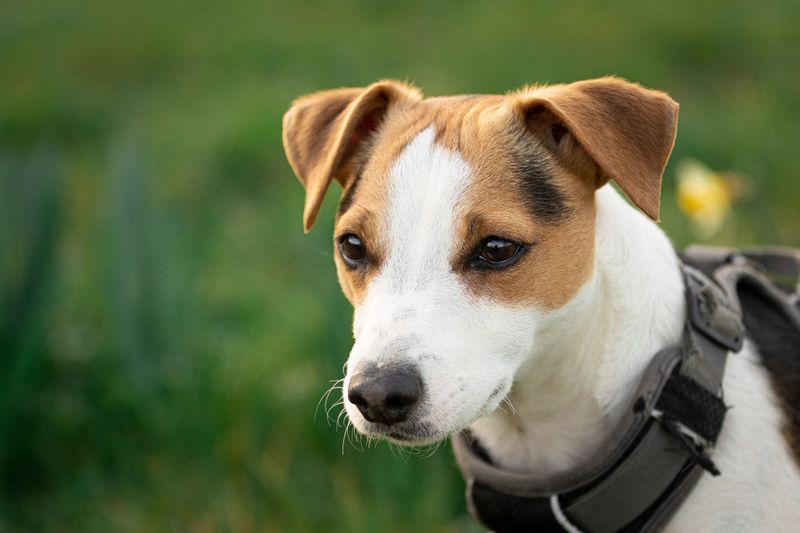
Small body, huge attitude. The Jack Russell was bred to chase foxes into holes, and it still believes every squirrel is its personal job.
These terriers are fast, fearless, and stubborn. If something small scurries past, they may bolt into traffic or dig under a fence without a second thought.
Practice recall daily with high-value rewards. Even then, play it safe near roads and busy trails with a sturdy harness.
Shiba Inu
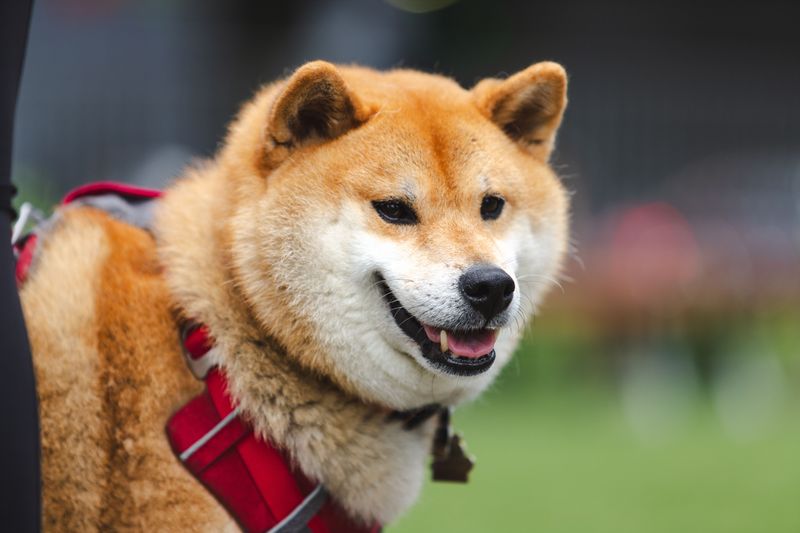
Owners often joke that a Shiba Inu listens only when it feels like it. Honestly, that joke is mostly true.
This ancient Japanese breed is clever, independent, and quick to slip away when curious. Shibas are also famous escape artists, wiggling out of loose collars with ease.
Use a well-fitted harness and double-check gates. Patience matters, because forcing a Shiba usually backfires.
Calm, consistent training earns more trust over time.
Dachshund
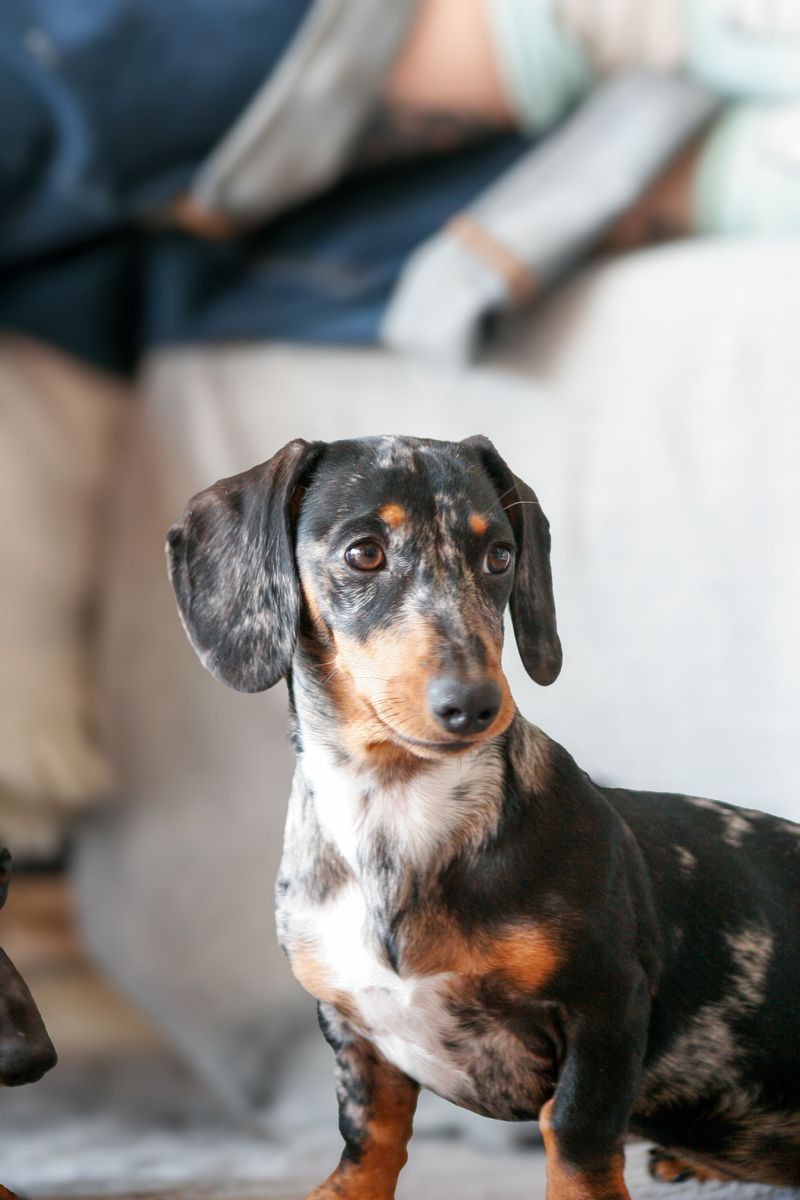
Don’t let those short legs fool you. Dachshunds were bred in Germany to hunt badgers, and their name literally means badger dog.
That brave hunting spirit means they may dive into burrows, chase critters, or wander off following a smell. Their small size also makes them hard to spot in tall grass.
Keep walks leashed and protect that long back by avoiding big jumps. Fenced yards should be checked often for dug holes.
Greyhound
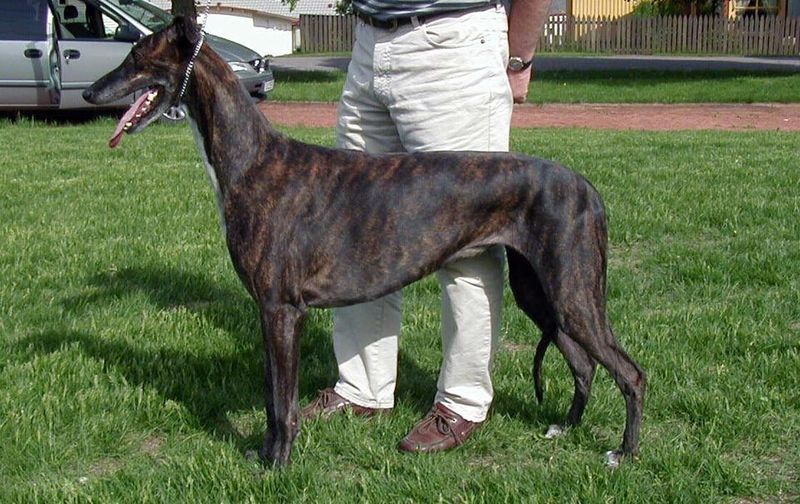
Zero to forty-five miles per hour in a few strides. Greyhounds are the fastest dogs on Earth, and that speed is the problem.
Many are calm couch lovers indoors. But spot a rabbit or cat, and their sighthound instinct switches on instantly, often before you can even shout.
Most greyhound adoption groups recommend never letting them off leash in open areas. Fully enclosed spaces let them stretch those amazing legs safely.
Alaskan Malamute
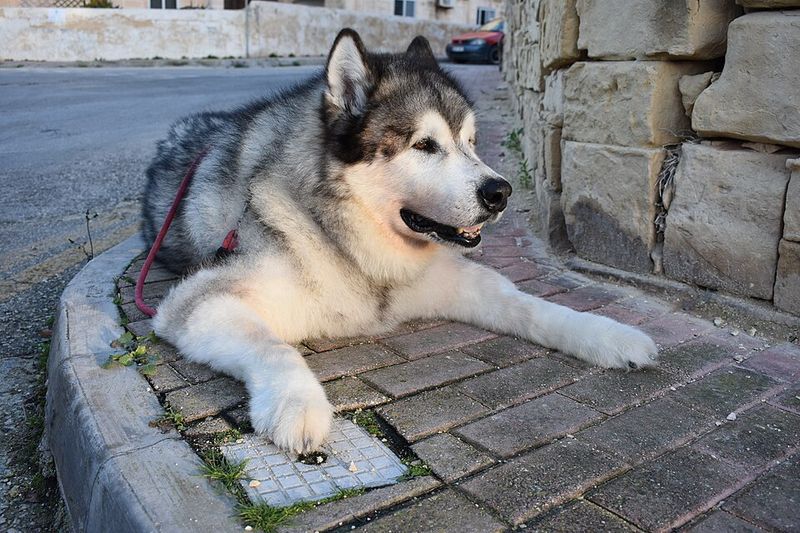
Built like a furry freight train, the Alaskan Malamute once hauled heavy sleds for Arctic peoples. Strength and stamina are basically its middle names.
Malamutes love to explore and can roam far when given the chance. Their strong prey drive may also cause trouble around small pets or wildlife.
Give them jobs like pulling a cart, hiking with a backpack, or skijoring. Busy minds wander less, and secure fences help too.
Afghan Hound
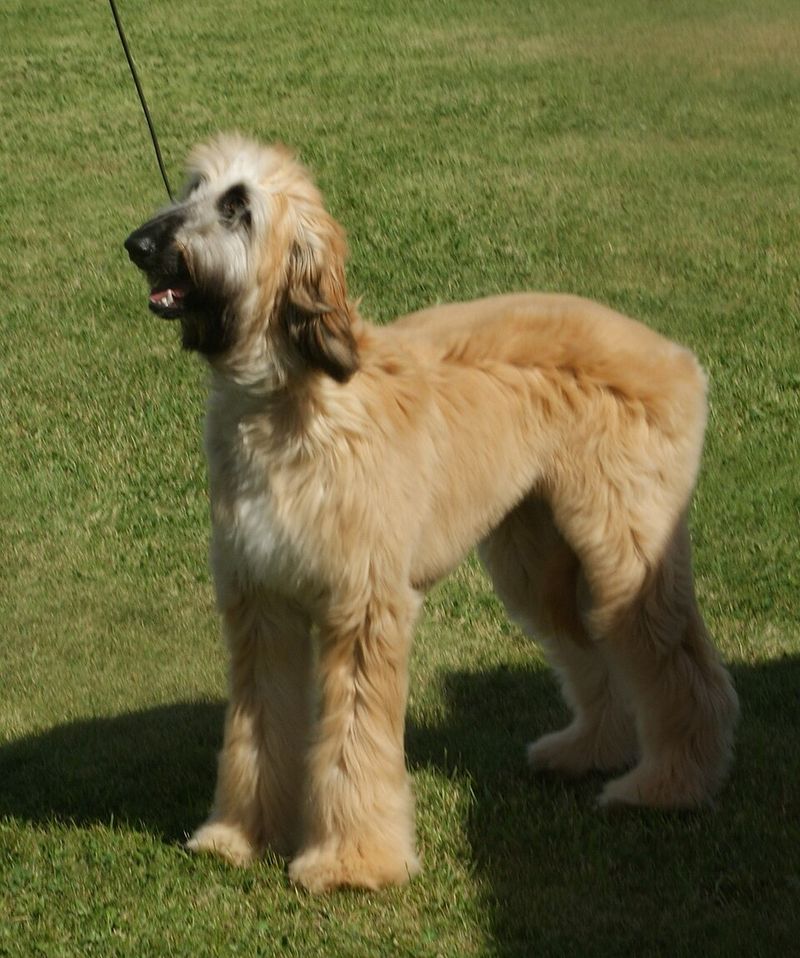
Flowing hair, a regal stare, and a body made for racing across mountain terrain. The Afghan Hound looks like royalty but runs like the wind.
Bred to hunt in the rugged hills of Afghanistan, these sighthounds chase what they see. Recall can be shaky, since they think for themselves.
Let them gallop in secure areas like enclosed fields. Lure coursing events are a fantastic, safe way to feed that need for speed.
Rhodesian Ridgeback
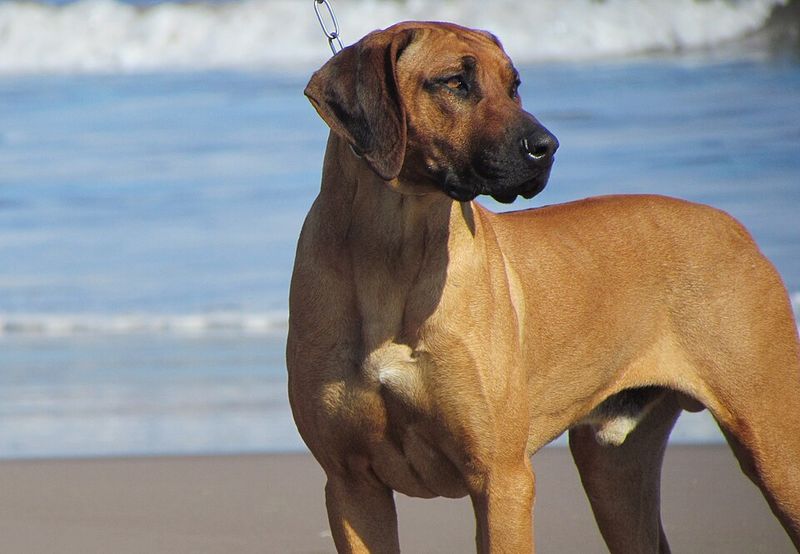
Here’s a wild bit of history: Rhodesian Ridgebacks were used in Africa to track and hold lions at bay. Talk about confidence.
That bravery comes with a strong chase drive and a stubborn streak. A running deer or cat may grab their focus completely.
Start training early and stay firm but kind. These powerful dogs need plenty of daily exercise, ideally on long leads or within strong, tall fences.
German Shorthaired Pointer
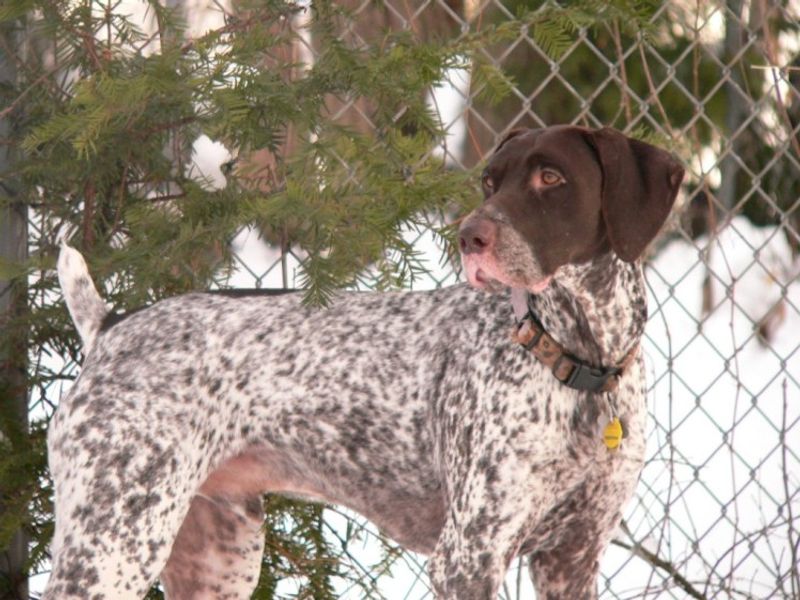
Energy level? Off the charts.
The German Shorthaired Pointer was made to hunt birds all day, and it rarely seems tired.
Spotting a bird can send one racing across fields far beyond your voice. Their excitement can override even good training in seconds.
Try GPS collars, long lines, and bird-dog training classes. Daily runs, fetch, and swimming keep this athletic pup satisfied and much more likely to stay close.