
You do not need big, complicated training plans to feel closer to your dog. Small, thoughtful moments stacked through the day can transform how you understand each other.
These simple gestures are easy to try, soothing to practice, and powerful over time. Start with one today and notice how your dog softens, listens, and leans in.
Gentle daily eye contact
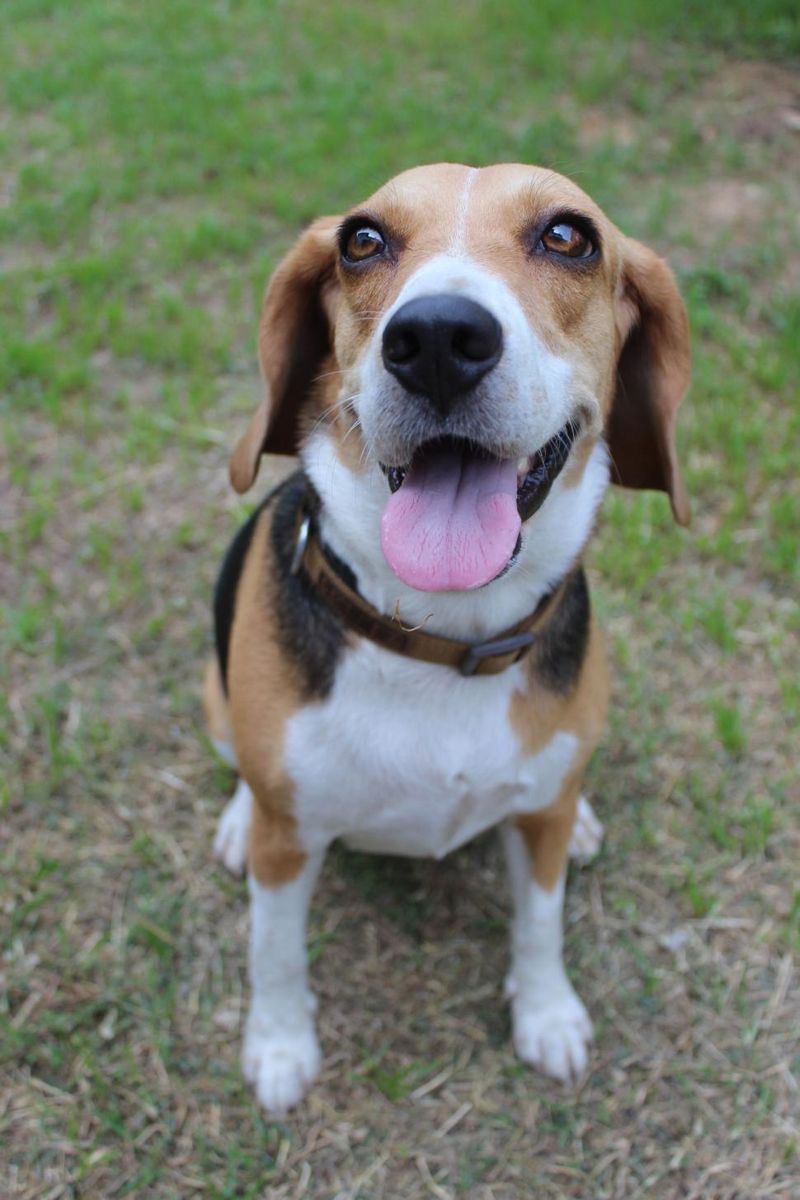
Eye contact can feel intimate for dogs, so keep it soft, brief, and friendly. When your dog glances up, blink slowly, relax your face, then look away.
Pair that moment with a calm smile and a warm tone, so it reads as safety, not pressure.
Repeat this tiny ritual daily, especially during quiet moments. You are telling your dog, with your eyes, that you notice them and they matter.
Over time, trust grows, check-ins become easier, and recall tightens, because your dog learns your gaze means guidance, comfort, and partnership. If your dog looks away or licks their lips, soften further, turn slightly, and try again later.
Respecting thresholds keeps curiosity alive and deepens connection.
Calm praise for good behavior
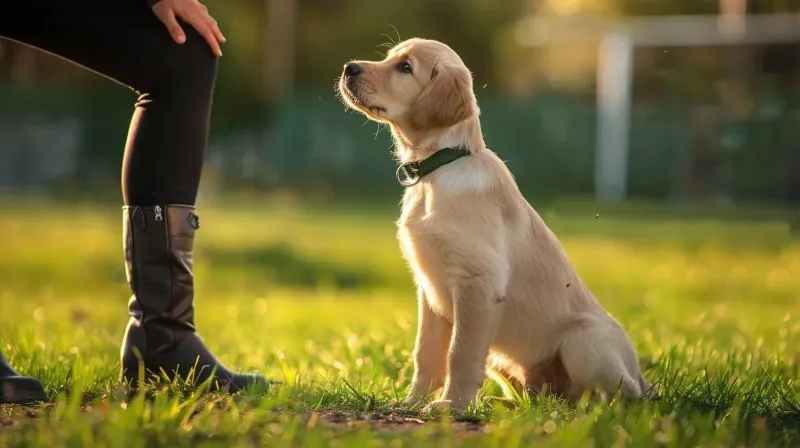
Catch good choices the moment they happen, and mark them with calm, sincere praise. Keep your voice low and steady, like a gentle pat in sound form.
Saying good settle or nice leave it while you breathe slowly helps your dog feel grounded, not revved up.
Pair praise with tiny rewards like a scratch, a soft yes, or a single treat. You are teaching your dog exactly which behaviors open the door to peace and attention.
The more you celebrate the quiet wins, the more your dog repeats them, building steady confidence and cooperation. Keep sessions short, end on success, and let your calm tone be the strongest reinforcer.
Praise is information, not noise, so deliver it thoughtfully.
Short play sessions
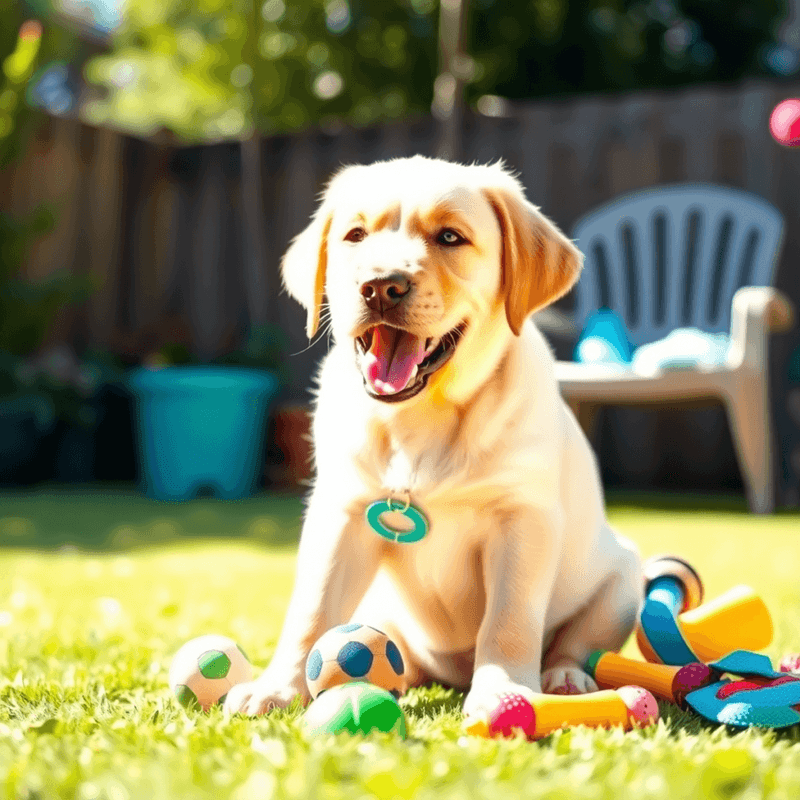
Short play breaks keep energy balanced and brains engaged. Two to five minutes of tug, fetch, or chase me can reset a training lull.
Use clear start cues, like ready, and clear end cues, like all done, so your dog understands the game has structure.
Rotate toys to prevent boredom and keep arousal in a sweet spot. If excitement spikes, pause, ask for a sit, then resume once breathing slows.
Short, thoughtful bursts satisfy needs, protect joints, and strengthen focus, leaving your dog happily tired and still eager to listen afterward. You become the bringer of fun and the bringer of calm, which deepens trust.
Consistency makes play predictable and safe for sensitive dogs. End before they fade.
Consistent feeding routines
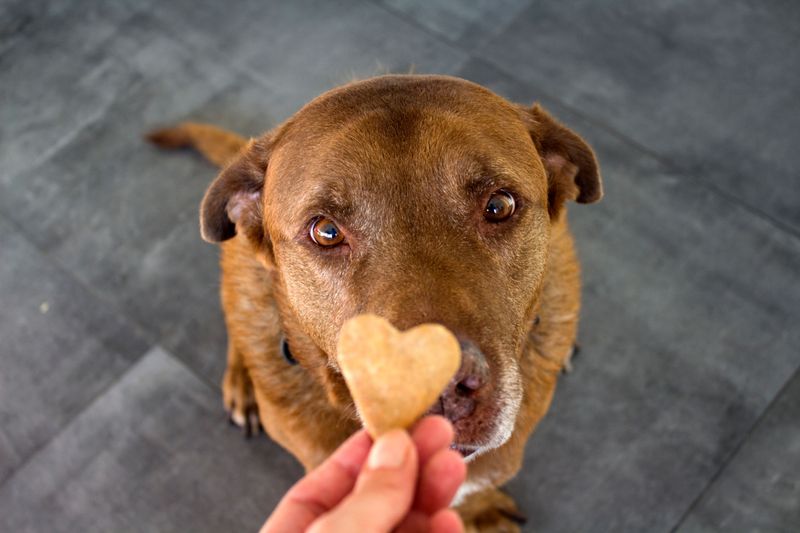
Predictable meals reduce stress and help behavior settle. Feed at the same times daily, in the same spot, with the same bowl, if possible.
Ask for a simple sit before placing the dish, wait a beat for eye contact, then release with your chosen cue.
If resource guarding appears, step back from the bowl and add distance while sprinkling bonus food. You are teaching safety, not competition.
A steady routine supports digestion, keeps energy even, and simplifies training, because your dog can predict when food arrives and what behavior earns access. That certainty lowers cortisol and lets learning feel easier throughout the day.
It also helps you track appetite changes quickly. Small habits add up.
Letting your dog sniff on walks
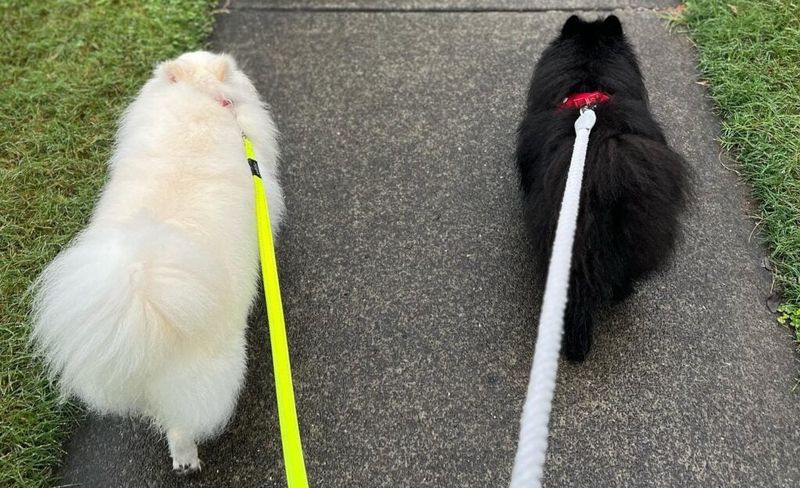
Sniffing is how dogs read the neighborhood news and unload stress. Build sniff breaks into every walk, using a longer leash and a relaxed pace.
Say go sniff to start, then stand still and follow lightly, letting your dog write their nose story without rushing.
After a minute, invite a brief heel or sit, then release again to sniff. This rhythm trains flexibility and turns you into a guide, not a hall monitor.
Sniff time enriches the brain, reduces reactivity, and tires dogs efficiently, so the rest of your day often feels smoother. If your dog gets stuck sniffing one spot, gently count to five, say let’s go, and move together kindly.
Curiosity satisfied equals calmer choices.
Soft brushing or grooming
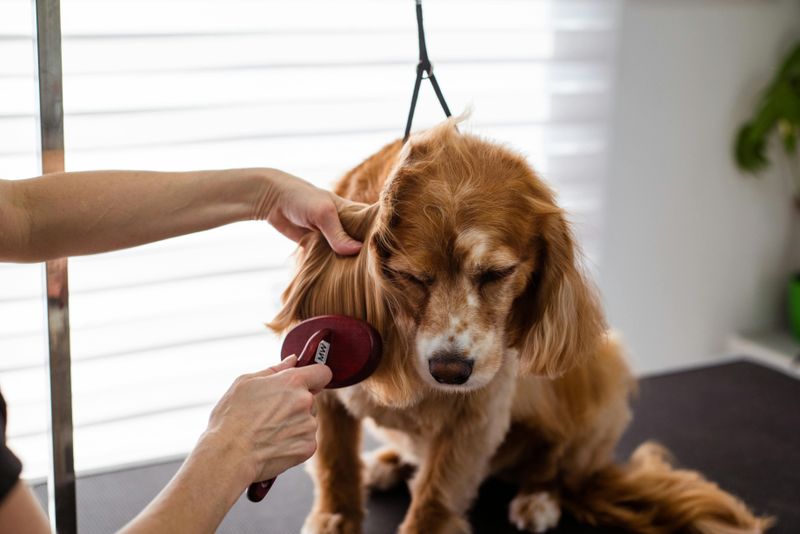
Turn grooming into a spa moment, not a wrestling match. Start with short sessions, the softest brush your dog enjoys, and tasty rewards nearby.
Brush one area, pause, feed, and praise, letting the nervous system pair touch with relief.
Over days, expand to nails, ears, and teeth, always staying within comfort limits. If you see stiff posture or lip licking, take a break and lower intensity.
Soft grooming builds resilience, prevents matting, and creates consent culture, so vet visits become calmer and home care becomes bonding time. Let your dog choose the resting place and set a clear all done cue to finish kindly.
Small victories stack into lifelong ease. Your patience teaches trust.
Breathe together.
Sitting quietly together
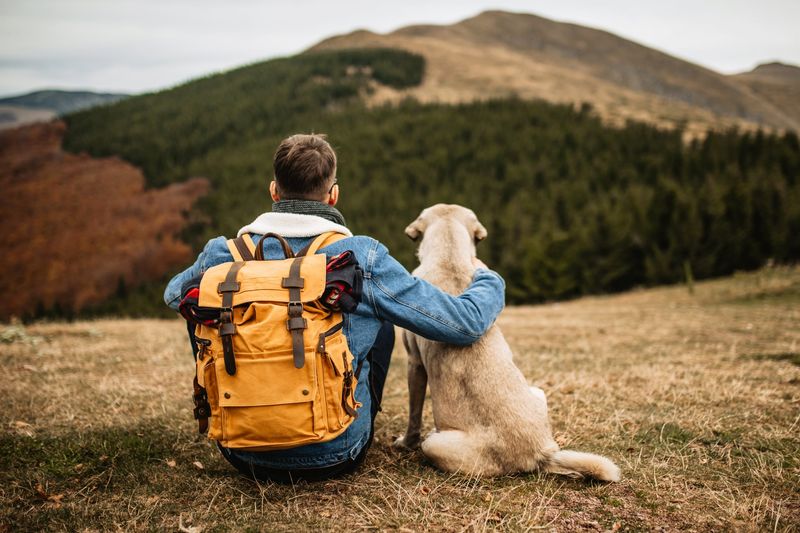
Not every moment needs activity. Sit beside your dog on the floor or couch, keep your phone away, and settle your breathing.
Let the room be simple, your shoulder relaxed, and your presence steady.
This quiet companionship says I am here with you, nothing required. Many dogs nap, sigh, or lean when they finally feel that calm invitation.
Practicing stillness together tunes nervous systems, making later training smoother because the baseline is safe, connected, and easy to return to. A cozy blanket, tea, and a soft light can help both of you unwind without effort.
Repeat often until this becomes a natural anchor in your daily rhythm. Quiet love speaks profoundly.
Stay present. Dogs notice.
Rewarding trust with treats
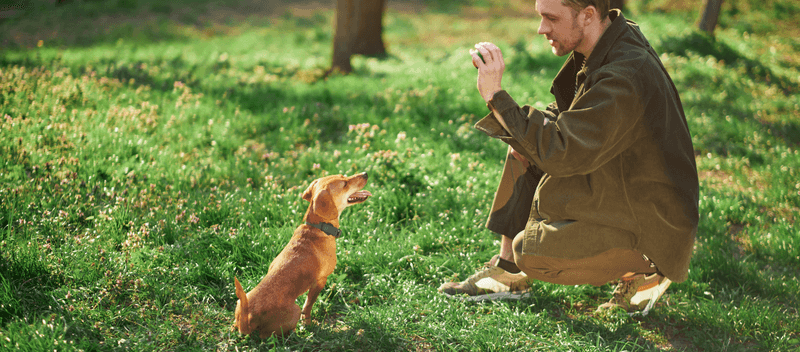
Use food to honor brave choices, not just tricks. If your dog steps onto a wobble board, sniffs a scary bag, or lets you handle a paw, pay promptly.
A single pea-sized treat tells your dog yes, that was courageous, and I see you.
Place the treat low to keep arousal down, and pair with soft praise. Over time, trust compounds, because your dog learns that curiosity and cooperation open delicious doors.
This habit transforms vet care, grooming, and novel places into manageable challenges, while your relationship grows sweeter, steadier, and delightfully resilient. Measure treats to protect the diet, and use kibble at times when extra calories are not desired.
Your timing matters most. Catch bravery quickly.
Learning your dog’s body language
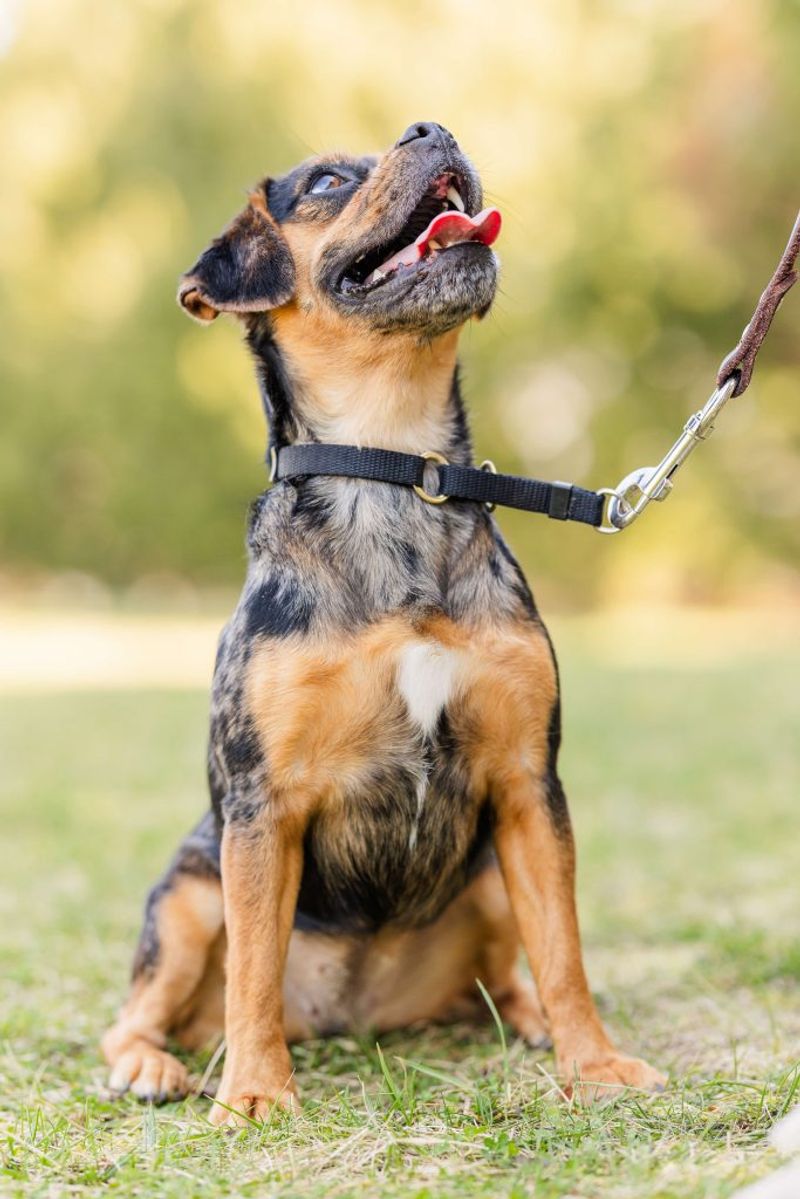
Body language is your dictionary for daily life. Notice ear shape, tail carriage, weight shifts, breathing, and eye softness or hardening.
Collect these details in calm moments, so you can read tension early and respond before feelings tip into barking or avoidance.
When you see lip licking, a tucked tail, or a freeze, lower intensity or add distance. When you see loose curves, soft eyes, and a play bow, invite engagement.
Reading your dog quickly prevents conflict, protects learning, and helps you stay the safe, predictable partner they rely on. Keep a notes app with patterns you notice, because trends reveal triggers and favorite comforts.
Curiosity today prevents crises tomorrow. Listening builds mutual wisdom.
Practice often.
Giving patient, gentle attention
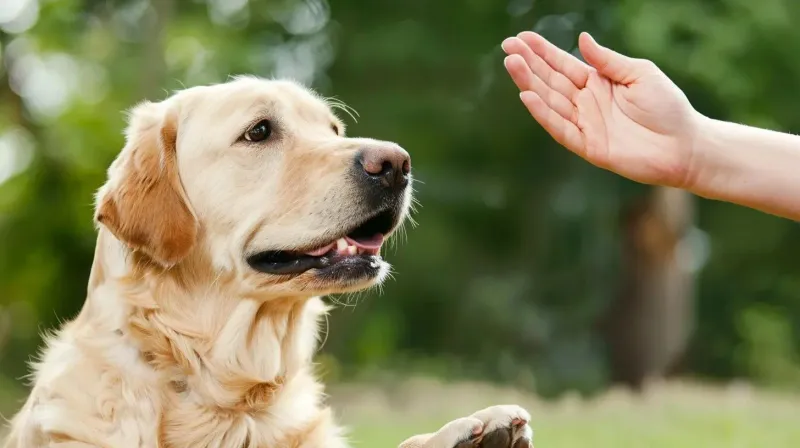
Attention is your most valuable currency. Offer it generously when your dog is calm, curious, or trying hard, not only when they are loud.
Kneel to their level, soften your hands, and let your presence feel like shade on a sunny day.
If frustration rises, inhale, exhale, and slow down before speaking. Touch lightly, speak briefly, and pause often so your dog can process.
Patient attention turns confusion into clarity, shows love without pressure, and makes everyday moments feel safe, meaningful, and worth returning to again and again. Your steadiness becomes a lighthouse, guiding behavior gently and reliably through daily waves.
Small, kind minutes today shape a lifetime of trust. Attention given well heals.
Keep showing up.