
Big dogs often look ready for the world long before their hearts and heads catch up. If you have ever wondered why your giant pup still acts like an oversized toddler, you are in the right place.
Understanding slower emotional timelines can save your furniture, your patience, and your training goals. Let’s explore which colossal companions take extra time to grow up inside, and how you can support them.
Leonberger
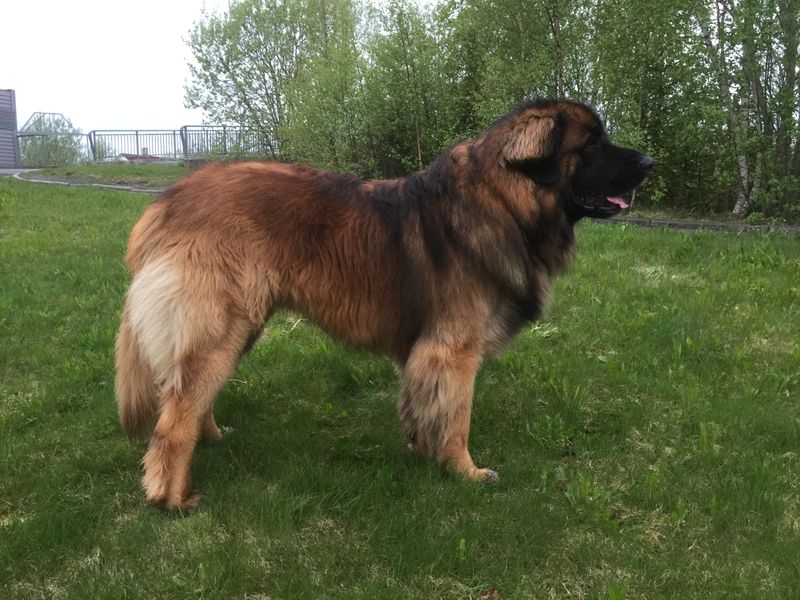
Leonbergers wear a lion-like mane and an even bigger heart, but their emotional maturity often lags behind their size. You might see a towering pup struggling with impulse control, especially around excitement, visitors, or play.
They respond beautifully to gentle structure, predictable routines, and calm guidance rather than heavy pressure.
Because they crave closeness, separation can trigger puppyish behaviors longer than expected. Provide enrichment, steady socialization, and short training sessions that emphasize cooperation and self-soothing.
You will notice growth in waves rather than overnight transformations.
Protect joints by balancing exercise with rest while shaping manners through reward-based training. Teach settle cues early and reinforce calm greetings.
With time, your Leonberger’s sweet goofiness evolves into steady, patient companionship.
Tibetan Mastiff
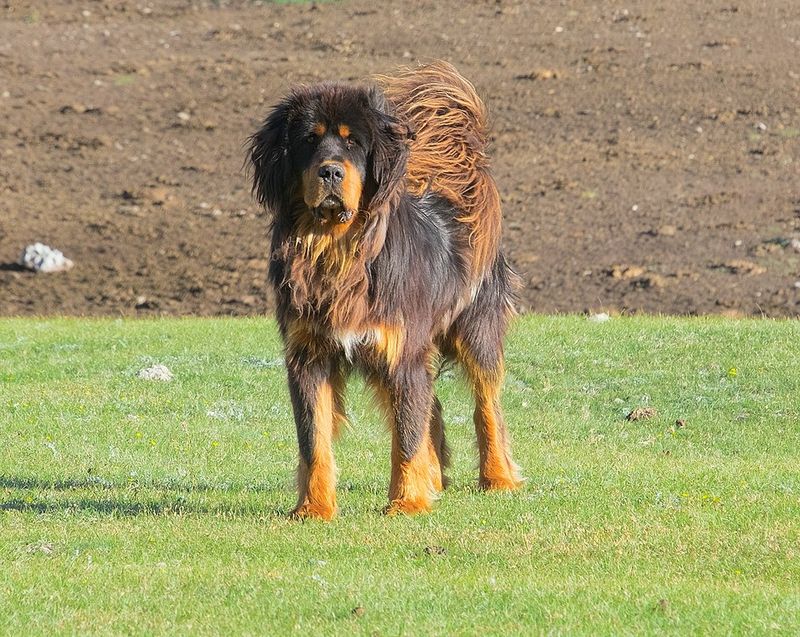
Tibetan Mastiffs carry an ancient guardian mindset, and emotional maturity can trail their massive frame. Expect a slow-burn confidence that sometimes appears stubborn or aloof.
They test boundaries quietly, needing clear rules set with respect rather than force.
Independence is strong, so bonding and cooperation grow through trust-building routines. Short, purposeful training beats marathon sessions, and calm exposure to visitors reduces suspicion over time.
Socialization should be thoughtful, never rushed.
Adolescence can feel prolonged with protective instincts peaking unevenly. Reinforce settle behaviors, impulse control, and reliable recalls in low-distraction environments first.
With patience, you will see a steady shift from willful teenager vibes to noble, level-headed guardian.
Spanish Mastiff
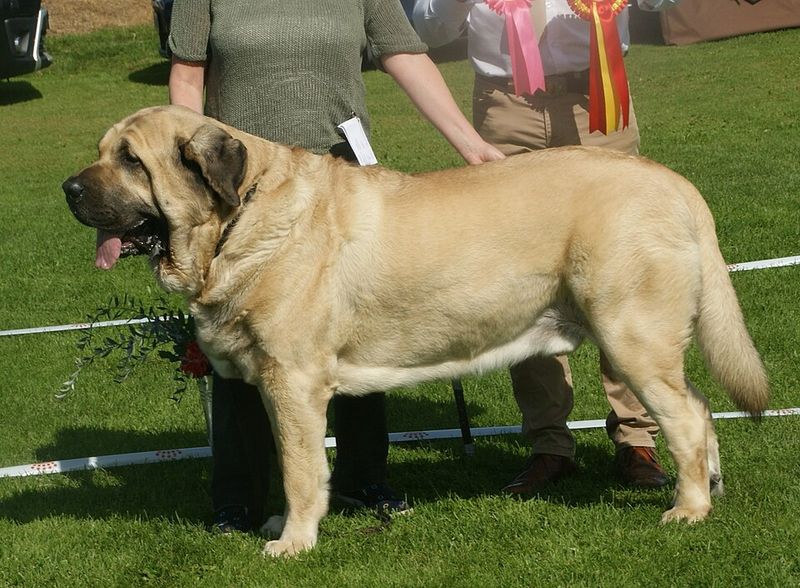
The Spanish Mastiff’s body matures early, but the mind and emotions take their time. Expect lingering puppy behaviors like mouthing or clumsy enthusiasm longer than you would with smaller breeds.
Balanced leadership and clear routines help channel their affectionate nature.
Because they are natural guardians, sensitive socialization matters. Gradual introductions to new people, livestock, and environments build confidence.
Overcorrection risks shutting them down rather than teaching thoughtful responses.
Training should prioritize impulse control, loose-leash manners, and calm greetings. Reinforce rest, since over-stimulation can make them regress.
As months pass, you will notice greater steadiness, reliable checks-ins, and a comforting, protective presence that finally matches their impressive frame.
Pyrenean Mastiff
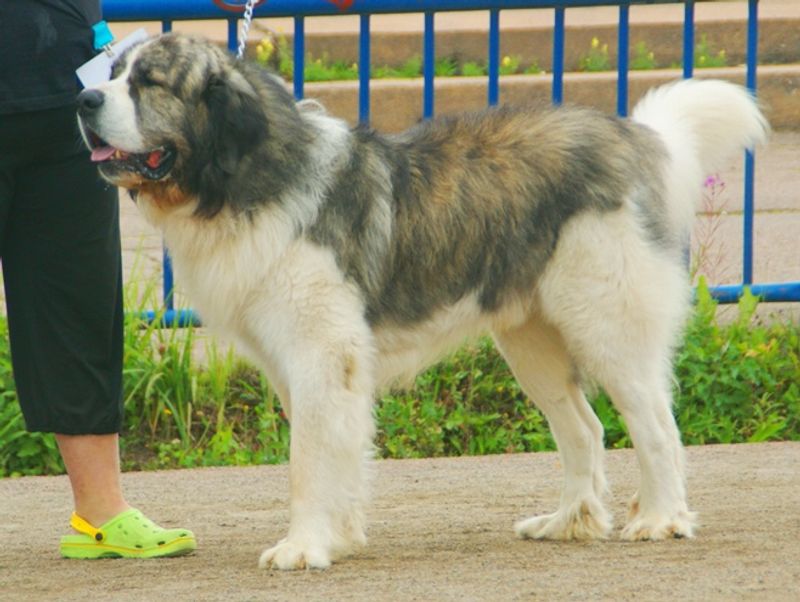
Pyrenean Mastiffs are gentle giants whose hearts stay puppy-soft well into adolescence. They can misjudge their size, leaning and nudging for comfort like lapdogs.
This sweetness pairs best with calm, consistent training and a predictable home rhythm.
Socialization should highlight neutrality around strangers and strange noises. Soothe startle responses with gradual exposure and rewards for calm.
They thrive when praised for choosing to settle rather than being pushed.
Because they mature emotionally later, patience prevents frustration on both sides. Keep sessions short, reinforce polite leash work, and set up safe rest spaces.
Over time, their easygoing nature matures into dependable steadiness, matching their gentle guardian heritage beautifully.
Caucasian Shepherd
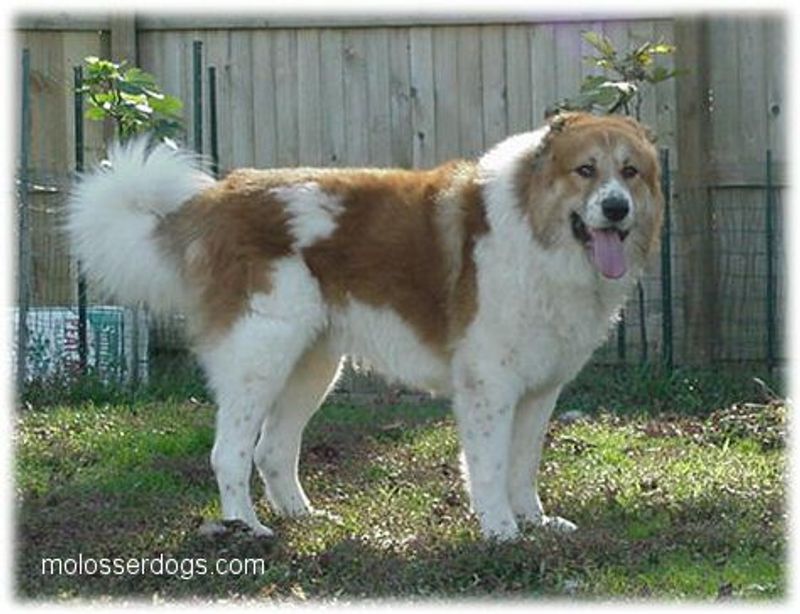
Caucasian Shepherds are formidable protectors whose emotional development can stretch longer than new owners expect. Adolescence may magnify suspicion and independence, making structure critical.
Gentle consistency beats confrontational methods every time.
Focus on neutrality training, boundary games, and reliable recalls in secure areas. Allow thoughtful socialization without flooding or forced interactions.
Reinforce calm decision-making by rewarding pauses and check-ins.
Because their instincts run deep, late maturity requires proactive management. Provide mental work like scent games and place training to channel vigilance.
With steady leadership and respect, their intensity gradually softens into measured confidence, turning raw power into trustworthy guardianship.
Central Asian Shepherd
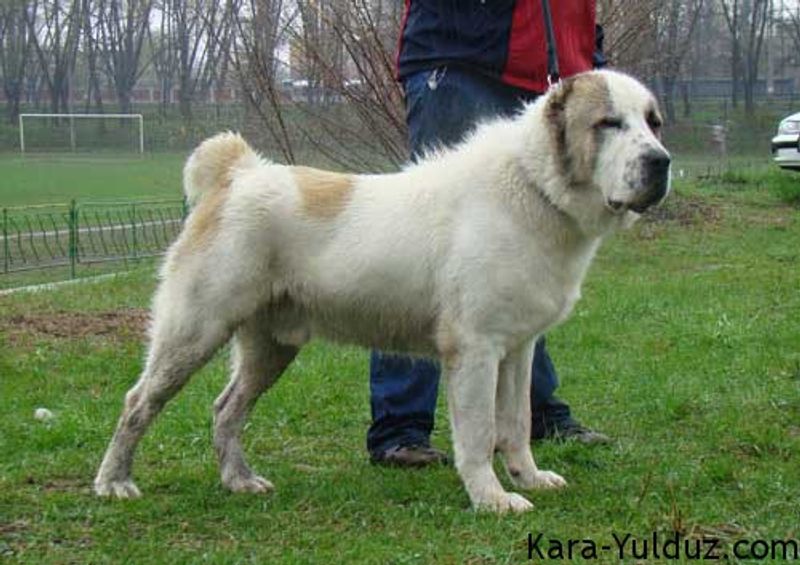
Central Asian Shepherds grow massive quickly while their emotional control develops slowly. Expect youthful bravado mixed with uncertainty during long adolescence.
Your job is to provide calm boundaries, predictable routines, and respectful guidance.
They bond deeply yet value independence, so training should be purposeful and brief. Reward natural check-ins, practice place work, and reinforce neutrality around other animals.
Avoid confrontational corrections that erode trust.
Since maturity arrives late, manage freedom thoughtfully until reliability proves consistent. Rotate enrichment like chew sessions, scent work, and structured walks to prevent restless mischief.
With patience, their stormy teenage phase gives way to steady, even-tempered guardianship that honors their ancient working roots.
South Russian Ovcharka
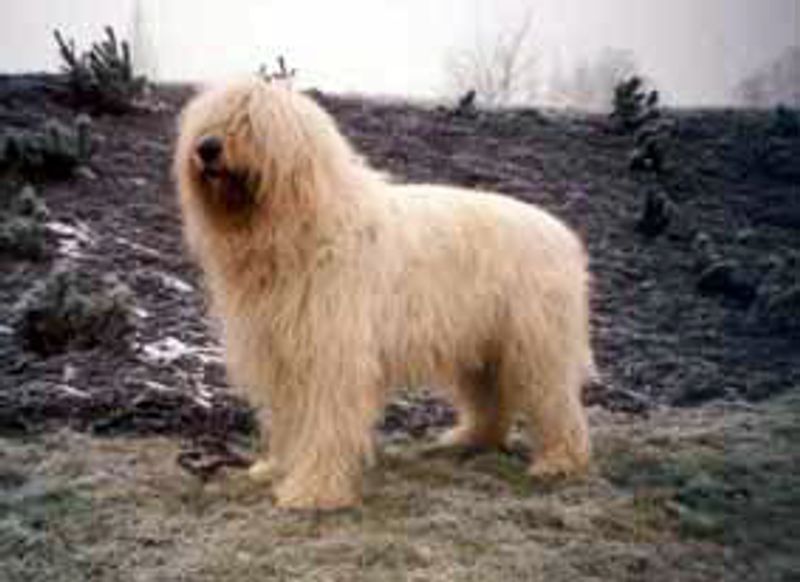
The South Russian Ovcharka looks like a walking snowdrift, yet inside can be an overgrown puppy for quite a while. Emotional maturity lags, showing as stubborn playfulness and selective listening.
Consistency is your anchor here.
Because vision can be obscured by coat, intentional socialization and sound desensitizing pay off. Keep training short, upbeat, and firm on boundaries.
Reward stillness, eye contact, and calm handling.
They can guard first and think second during adolescence. Teach impulse control games, settle on mat, and polite doorway manners.
Over months, you will see the switch flip from wooly whirlwind to discerning protector, with loyalty that runs deep.
Boerboel
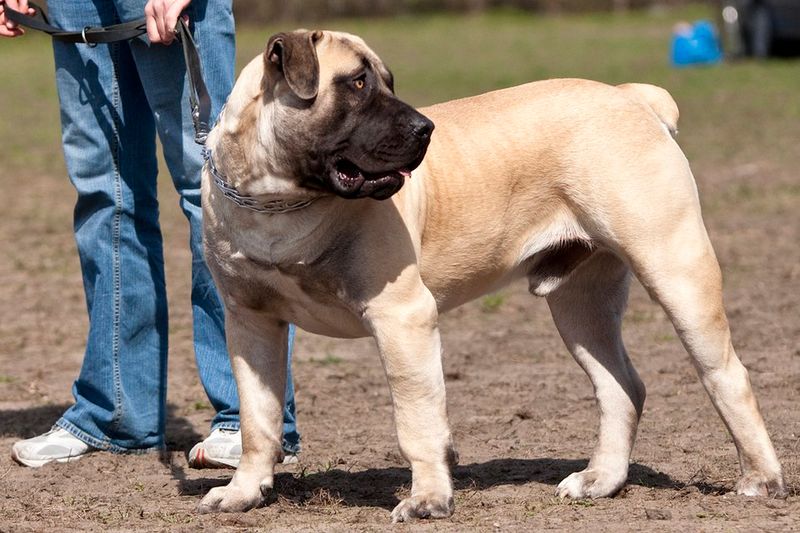
Boerboels are powerful, affectionate dogs whose maturity curve can feel stretched. They often oscillate between cuddly lapdog energy and explosive zoomies.
Clear household rules and calm repetition build reliability.
Because they are sensitive, heavy-handed training backfires. Use rewards to shape loose-leash walking, polite greetings, and solid stay behaviors.
Socialize steadily so protective instincts develop with discernment.
Expect adolescent testing phases where boundaries are questioned. Stay consistent with impulse control routines and structured exercise.
Over time, their clownish charm refines into dependable stability, making them exceptional family guardians when guided thoughtfully.
Great Swiss Mountain Dog
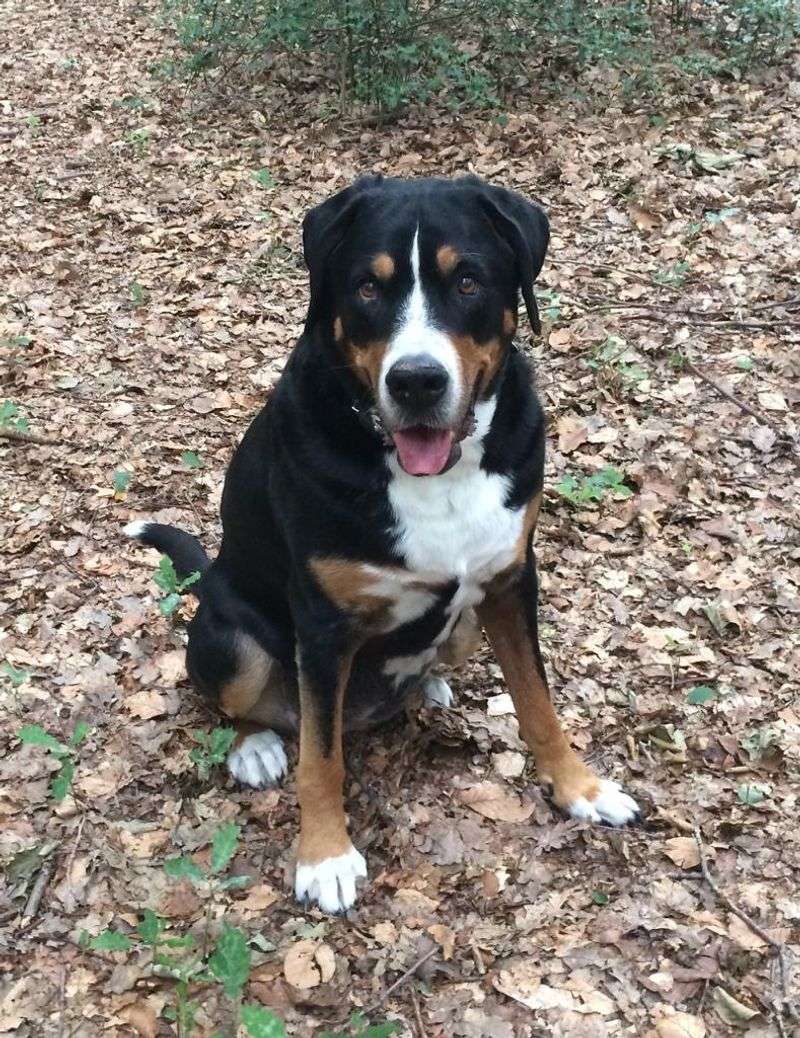
The Great Swiss Mountain Dog can act like a cheerful teenager long after looking grown. Expect delayed impulse control around guests, food excitement, and play.
Gentle structure, steady routines, and meaningful mental work help a lot.
Socialization should focus on calm confidence and polite neutrality. Keep training upbeat and short, reinforcing recalls and stays in easy settings before adding distractions.
They are sensitive to mood, so keep your tone encouraging.
Because joints mature slowly, pair controlled exercise with brain games. Teach settle early, reward quiet choices, and manage greetings thoughtfully.
With time, the goofy sparkle remains while emotional steadiness finally locks in.
Neapolitan Mastiff
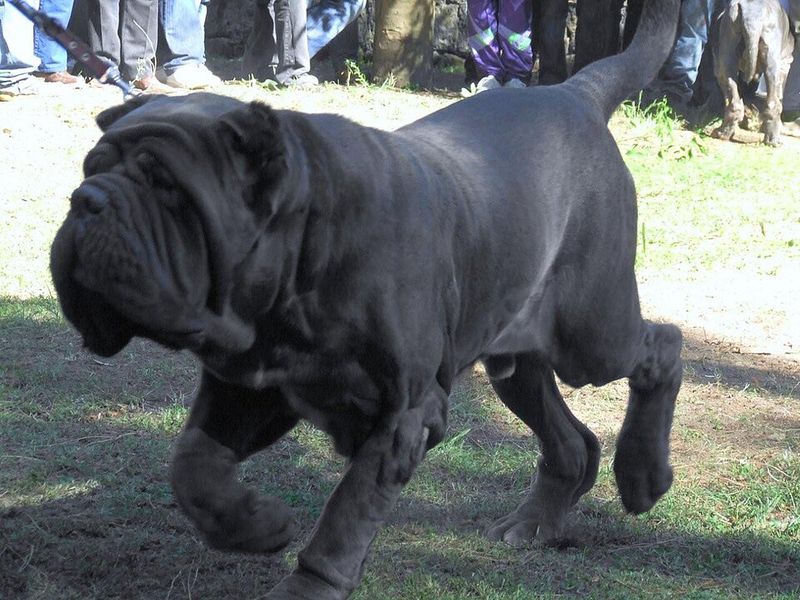
Neapolitan Mastiffs grow into colossal, wrinkled presences while their emotions lag behind. You may see toddler-like clinginess, dramatic pouting, and inconsistent listening.
Meet this with humor, structure, and patient repetition.
They benefit from brief training bursts paired with rest. Socialization should be calm and positive to avoid defensive bluster.
Reinforce leash manners and controlled greetings before allowing full freedom.
Because their bodies are heavy, avoid rough play during long adolescence. Teach settle cues and impulse control games that do not pound joints.
With consistent guidance, their theatrical antics mellow into steady, affectionate companionship anchored by deep loyalty.
Cane da Pastore Abruzzese
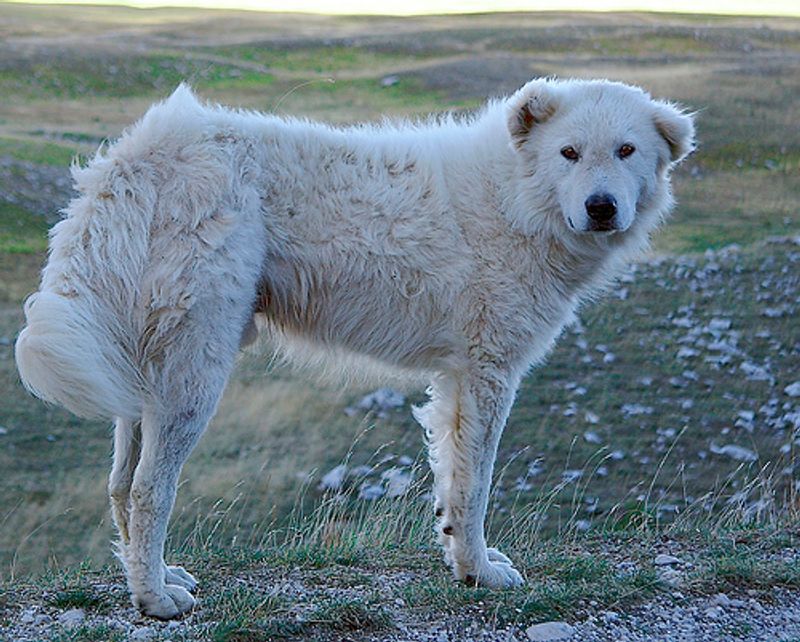
The Cane da Pastore Abruzzese matures emotionally at a pastoral pace. Expect independence, a soft heart for family, and occasional puppyish mischief lingering longer than expected.
Consistent boundaries make all the difference.
Socialize thoughtfully around livestock, vehicles, and visitors to foster measured confidence. Keep training short, reward check-ins, and practice place work in quiet settings.
Avoid harsh corrections that undermine trust.
During adolescence, their guardian instincts can flare unpredictably. Reinforce neutrality, teach calm greetings, and maintain structured exercise that protects growing joints.
With patience, the playful shepherd brain settles into vigilant, steady adulthood, perfectly suited to thoughtful guardianship.