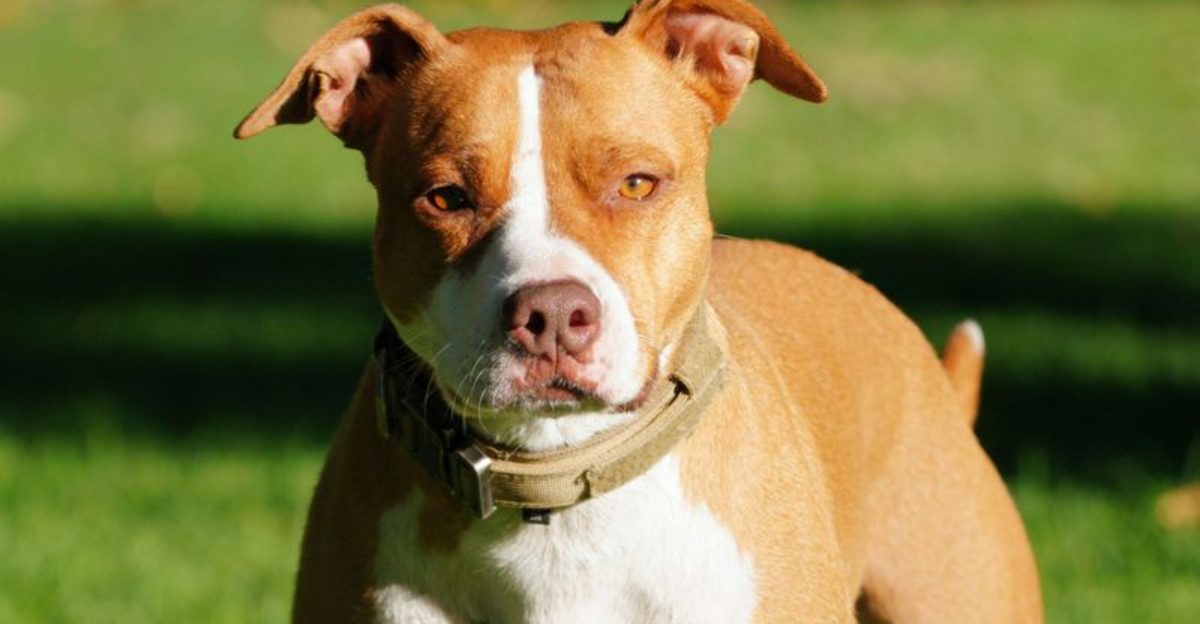
When dog bites make headlines or court dockets, a few breeds show up more than others. That does not mean every dog is dangerous, but it does mean owners need clear plans, training, and accountability.
If you share your life with one of these powerful breeds, small choices add up to big prevention. Let’s look at the breeds most cited in bite-related legal actions, and what you can do to keep everyone safe.
Pit Bull Terrier
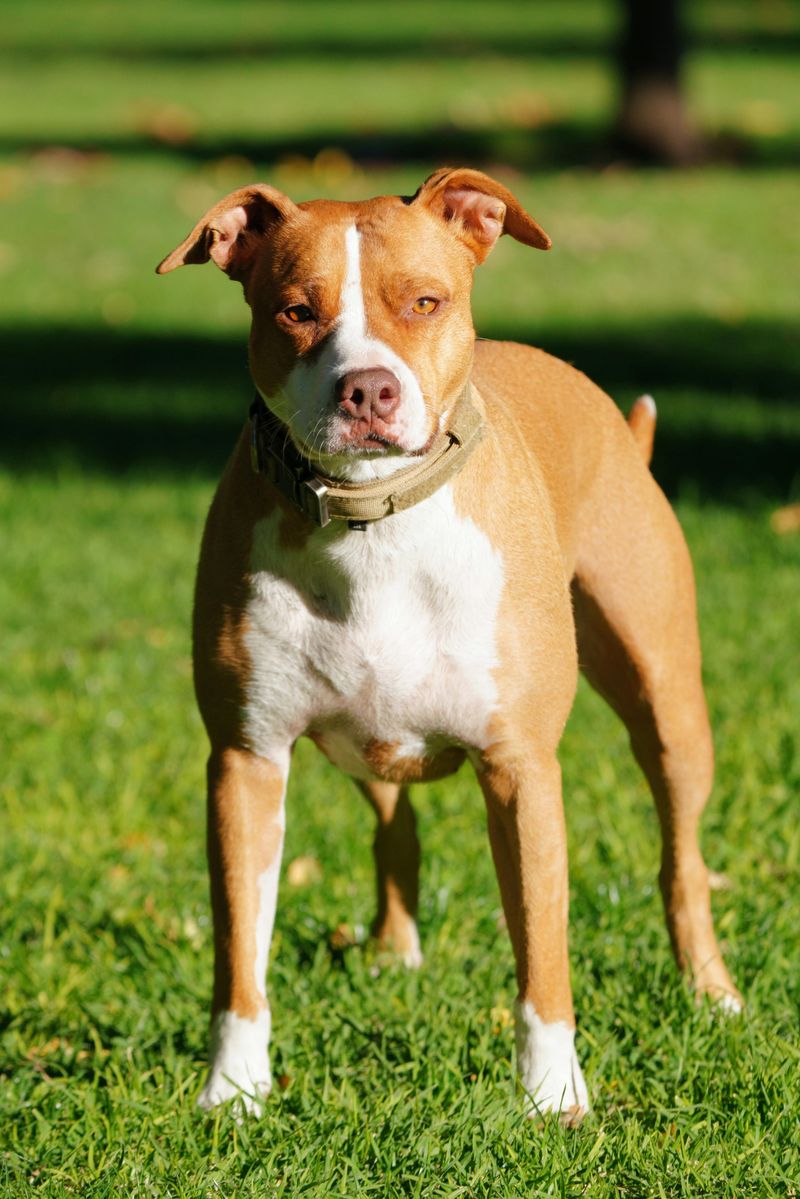
Pit Bull Terriers often appear in bite related legal cases due to size, strength, and media attention. Many incidents involve poor training, backyard breeding, or lack of supervision, not inherent aggression.
Still, courts frequently evaluate history, containment, and owner compliance when injuries occur.
If you live with this breed, proactive socialization, structured obedience, and secure fencing are non negotiable. Keep detailed vet records, proof of training, and up to date local registrations to demonstrate responsibility.
Use a sturdy leash, reliable muzzle where required, and carry liability insurance, because neighbors and insurers scrutinize risk closely. Schedule regular behavior check ins with a certified trainer, and practice calm exposures to noises, kids, and dogs, so stress stays low and bite thresholds remain high.
Rottweiler
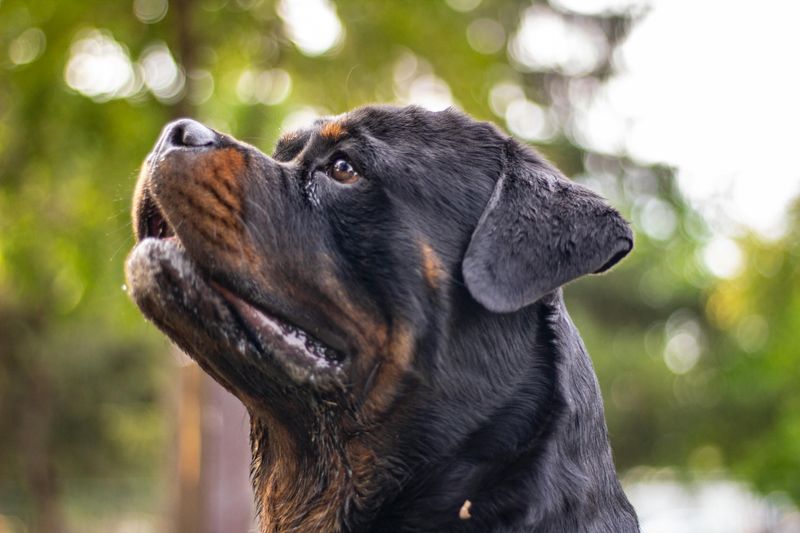
Rottweilers are strong guardians, which is why bite related lawsuits sometimes feature them. Their protective instincts can escalate quickly if boundaries are unclear or strangers crowd them.
When injuries happen, investigators often review fencing, warning signs, and prior bite reports to assess negligence.
You can lower risk by managing arousal and teaching predictable routines. Use a head halter or prong alternative fitted by a trainer, and reward loose leash walking near distractions.
Rotate mentally tiring games, like scent work and controlled tug, so energy outlets are safe. Post clear gate notices, check latches, and practice rock solid recalls.
If visitors feel uneasy, crate and rotate. Responsible structure helps your dog relax, and it reassures the people around you too.
German Shepherd
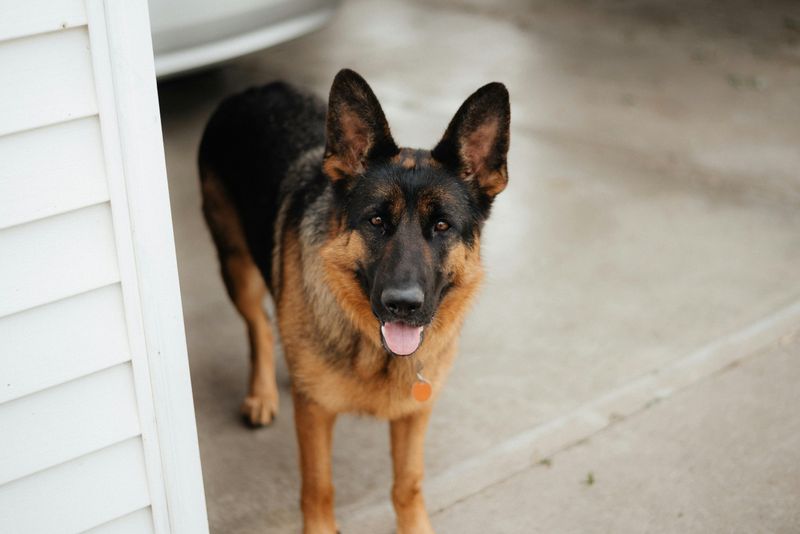
German Shepherds are frequently named in bite disputes because they are popular, powerful, and often used for protection roles. Without channeling, their vigilance can turn into barrier frustration and nips.
Attorneys and insurers scrutinize kennel setups, bite history, and training logs to judge responsibility.
Help your shepherd thrive with clear jobs and fair corrections. Daily obedience, neutrality drills near dogs and bikes, and decompression walks reduce reactivity.
Window film, privacy fencing, and quiet place training cut trigger stacking at home. Fit a well sized basket muzzle for vet visits and crowded events, and normalize it with treats.
Keep proof of vaccines, microchip, and homeowner policy riders in one folder. Prepared owners rarely panic, and that confidence helps the dog.
Cane Corso
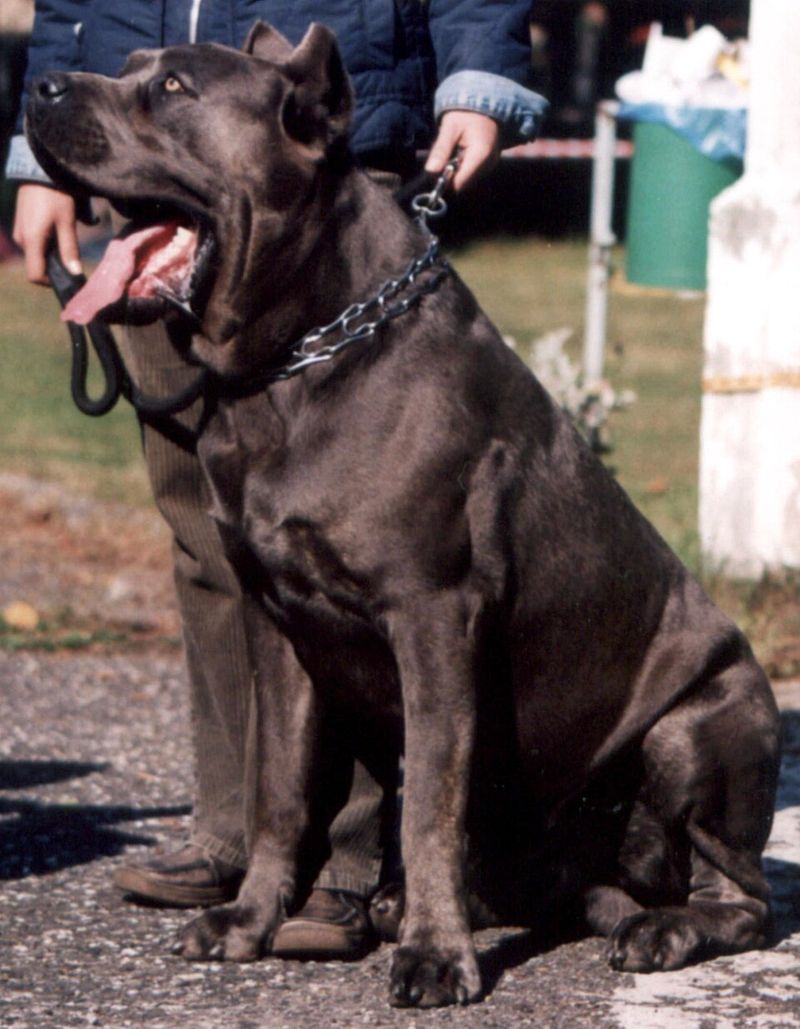
Cane Corsos have imposing presence, which can intimidate neighbors and magnify complaints after conflicts. When bites occur, the combination of size and jaw strength drives higher medical costs and legal exposure.
Case files often examine breeder contracts, temperament tests, and property signage.
Focus on impulse control, neutrality, and predictable greetings. Teach your Corso to hold a sit while visitors enter, and reward disengagement from fences or windows.
Use double leash setups and reliable equipment like a martingale plus safety clip. Muzzle condition early, document training milestones, and schedule regular vet wellness checks.
Consider umbrella liability insurance and disclose breed accurately to landlords. Calm leadership, thoughtful management, and honest communication defuse tension and keep your household protected.
Presa Canario
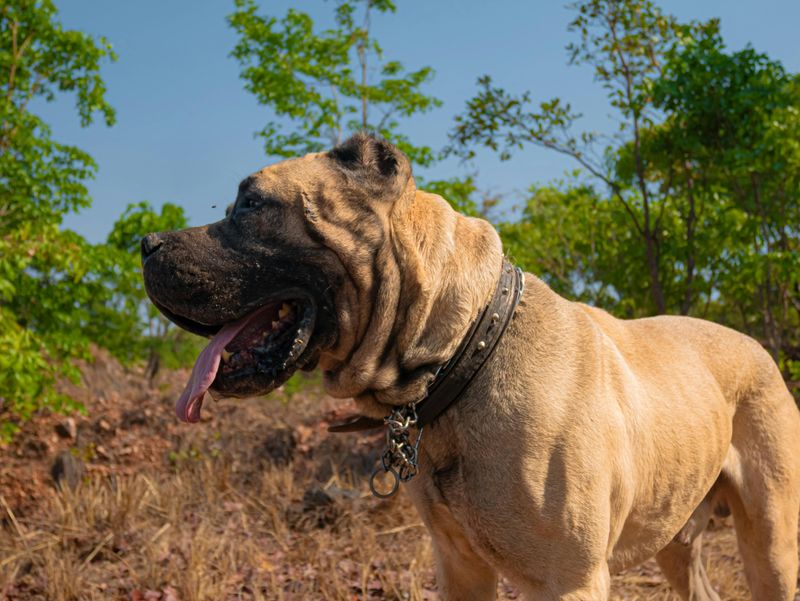
Presa Canarios are powerful working dogs bred for guarding, which raises stakes when conflicts escalate. Legal cases frequently focus on containment, prior warnings, and whether the dog was provoked.
Because injuries can be severe, plaintiffs often argue foreseeability, putting training and records under a microscope.
Prevent problems by prioritizing neutrality over friendliness. Practice place commands during deliveries and install a secure entry vestibule if possible.
Keep a fitted basket muzzle for new environments, and reward calm while passing people and pets. Rotate enrichment with chew management, scent puzzles, and structured fetch to drain drive safely.
Share written handling rules with family and dog sitters. Transparency, routine, and good equipment reduce risk more than brute control ever will.
Dogo Argentino
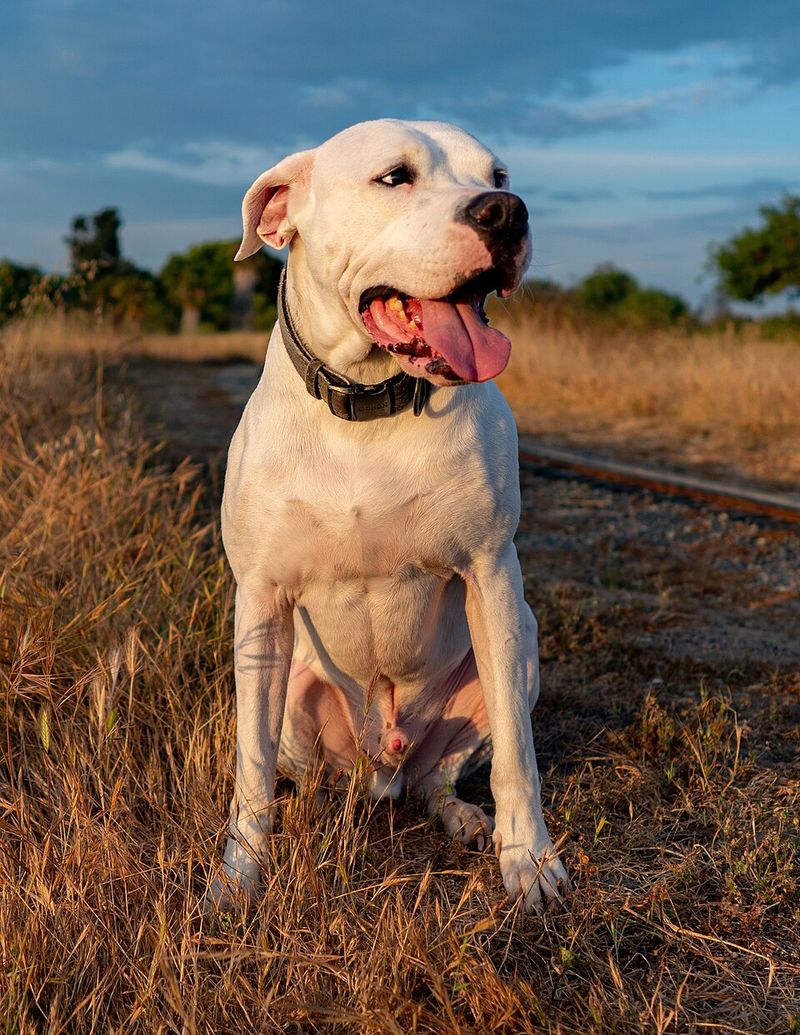
Dogo Argentinos were developed for demanding work, so they bring intensity to daily life. That drive can translate into prey chasing or hard grabs if boundaries slip.
When injuries happen, investigators review off leash decisions, recall reliability, and neighborhood wildlife conflicts.
Build safeguards by proofing recalls around distractions and reinforcing leave it with high value rewards. Use long lines in open spaces, secure fencing, and clear decompression after stimulating outings.
Muzzle train for vet visits and crowded trails, normalizing it with food games. Keep a behavior diary, vet notes, and homeowner riders together for quick reference.
If concerns arise, consult a veterinary behaviorist early. Consistency and honest risk assessment keep your powerful companion welcome in the community.
Akita
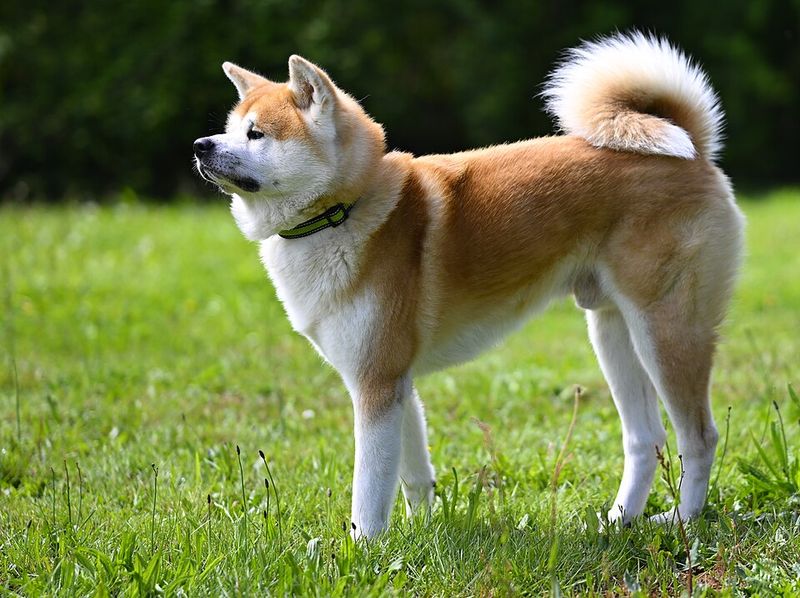
Akitas are dignified, selective dogs that may not appreciate rough handling or pushy greetings. Bite related cases often stem from resource guarding, same sex tension, or ignoring warning signals.
Lawyers and insurers evaluate history of bites, posted warnings, and whether owners managed introductions appropriately.
Set smart boundaries. Avoid dog parks, use slow doorway routines, and prevent crowding around food and resting spaces.
Teach a rock solid out and trade for high value items. Fit a basket muzzle for vet care and grooming to ensure safety without drama.
Maintain training logs, proof of classes, and a household handling plan. When visitors arrive, crate and rotate.
Clarity reduces pressure, and calm structure lets your Akita shine.
Chow Chow
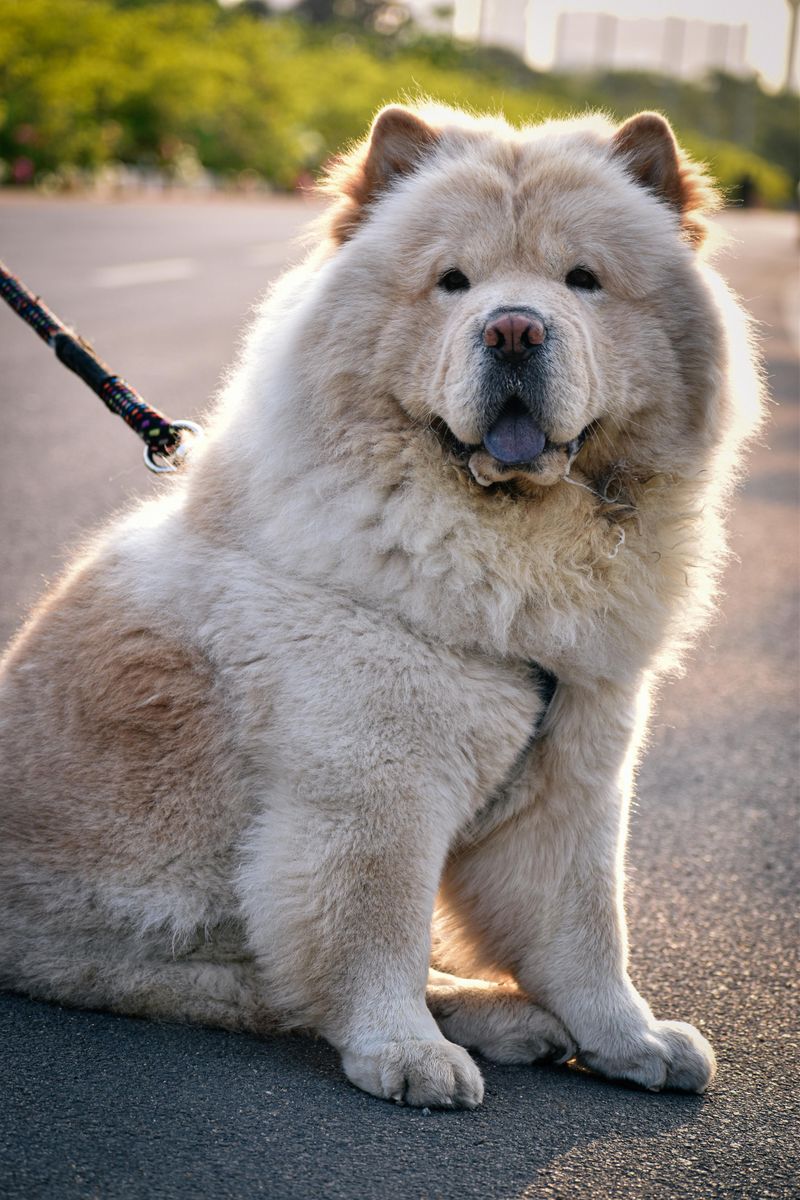
Chow Chows can be aloof and defensive if cornered or touched unexpectedly. Many legal conflicts begin with grooming struggles or startled reactions near children.
Because their warnings can be subtle, misunderstandings lead to nips that spiral into complaints and claims.
Protect everyone by controlling greetings and honoring space. Use cooperative care training for brushing and paw handling, paying generously.
Practice place during visits and post polite, clear signage at the door. Keep nails short, harnesses comfortable, and walks predictable to limit frustration.
A lightweight basket muzzle helps in crowded settings. Document progress, keep vet letters on file, and communicate boundaries with guests.
Respectful handling and routine turn a proud dog into a safe neighbor.
Belgian Malinois
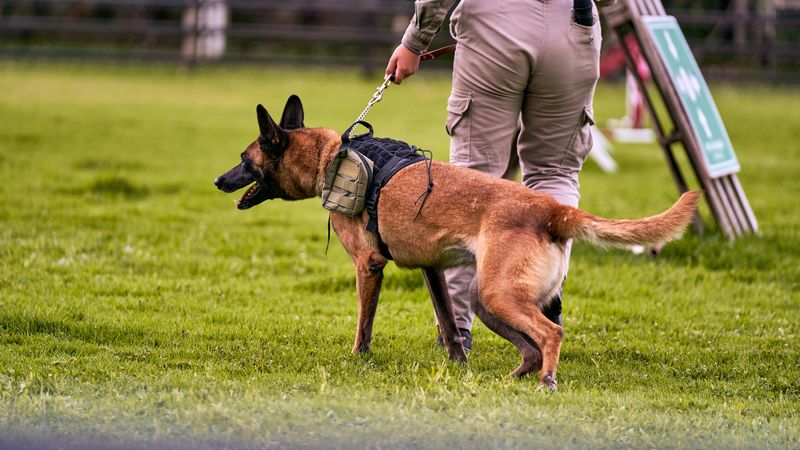
Belgian Malinois are intense working athletes. Without jobs and boundaries, they may bite out of frustration or herding instincts.
When cases arise, investigators scrutinize training credentials, exercise schedules, and whether the owner matched the dog’s needs.
Plan like a pro. Book structured sport outlets, like IGP, ring, or agility, and hire a balanced trainer.
Rotate grip games with clear out cues, impulse control, and decompression naps. Use crates, tethers, and double leashes in public.
Muzzle condition early for crowded venues and vet care. Maintain a paper trail of classes and behavior plans.
Meeting this breed’s workload is non negotiable, and when you do, you dramatically reduce risk for everyone.
Doberman Pinscher
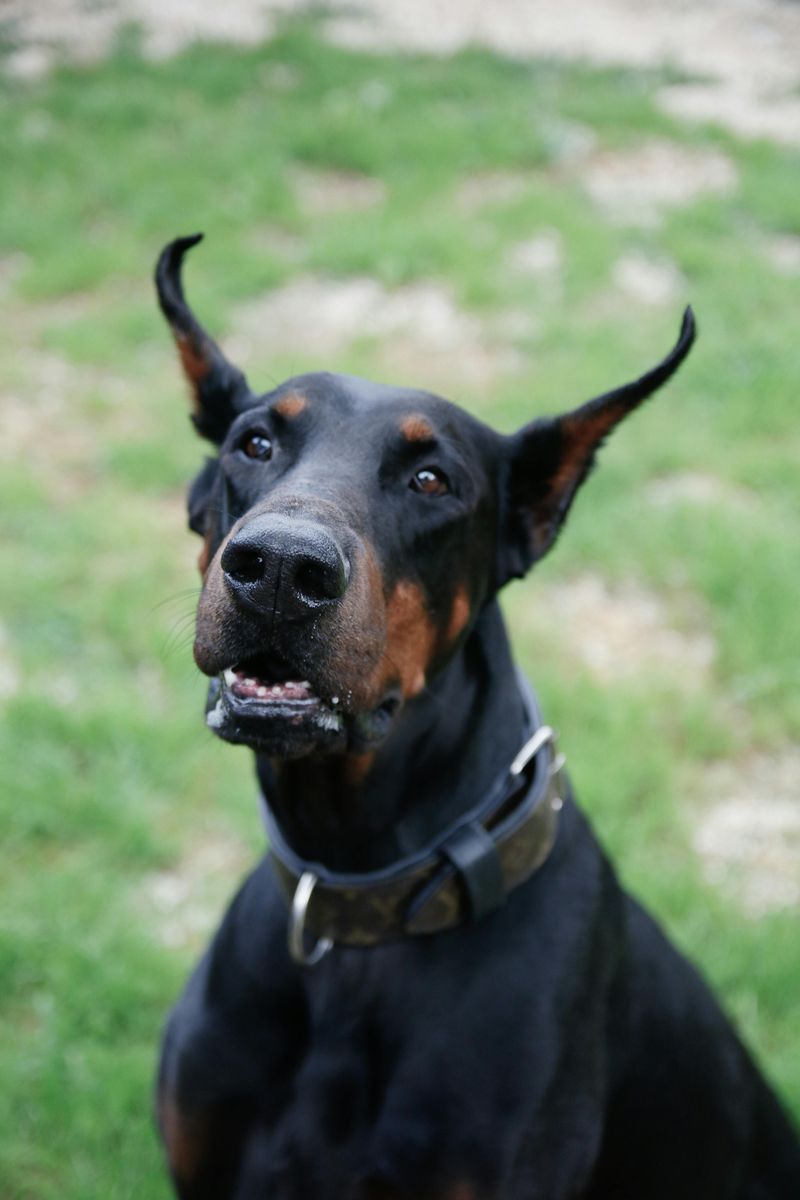
Doberman Pinschers often feature in bite debates because of their guarding image and athletic build. Misread signals at doors or fences can escalate quickly, especially with excited visitors.
Legal reviews usually examine signage, training consistency, and whether the owner anticipated predictable triggers.
Make prevention routine. Teach a reliable place for deliveries, reinforce calm behind barriers, and use structured greetings.
Fit a basket muzzle for high traffic errands and advocate for space when needed. Keep records of training classes, insurance, and vet care organized.
Daily obedience, scent games, and decompression walks keep arousal low. When stress rises, crate and rotate rather than gamble.
Predictability builds trust, and trust keeps teeth out of trouble.
American Bulldog
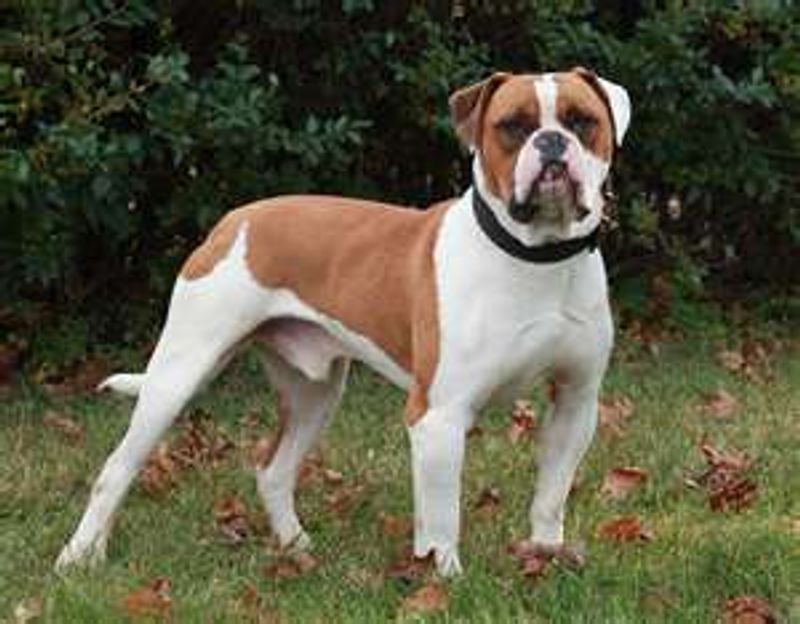
American Bulldogs are muscular, enthusiastic dogs that can cause injury if play turns rough or thresholds are untrained. Bite cases sometimes cite door rushing, yard escapes, or disagreements with unfamiliar dogs.
Files often include fence audits, witness statements, and proof of prior warnings.
Prevent incidents with impulse control and sturdy management. Teach sit to greet, door thresholds, and hand targets for redirection.
Use tall, well anchored fencing, self closing gates, and double checks before opening doors. Keep a fitted muzzle for crowded spaces and vet care.
Rotate enrichment with flirt pole rules, tug with outs, and calm sniff walks. Maintain insurance, microchip, and vet documents together.
Responsible habits make strong dogs easier for everyone to live beside.