
Cute faces and viral videos are pushing certain dog breeds into the spotlight, but the truth behind the trend is more complicated. Many of these favorites come with hidden health costs, training challenges, and lifestyle demands you might not expect.
Vets are seeing the consequences every day, and they want you informed before you bring one home. If you love dogs, you deserve the full picture so you can choose wisely.
French Bulldog

French Bulldogs look irresistibly cute on social media, which fuels demand and skyrockets prices. Yet vets keep warning about brachycephalic airway syndrome that makes breathing hard during play or heat.
You may notice snorting, exercise intolerance, and frequent overheating even on mild days. Heat strokes and anesthesia risks are significantly higher in this breed.
Chronic ear infections, skin fold dermatitis, and spinal issues can add costly surgeries and lifelong meds. Responsible breeders do health testing, but many puppies come from volume operations chasing quick profit.
Before adopting, ask about nostril widening, airway exams, and insurance quotes so surprises do not crush your budget. Daily management means short walks, cooling mats, and careful travel planning.
Choose pet insurance early if possible.
Bulldog

Bulldogs are sweet, expressive companions with a mellow vibe that charms everyone. Popularity has surged, but health concerns often follow close behind the cuteness.
Flat faces mean restricted airways, noisy breathing, and poor heat tolerance during even gentle exercise. Many Bulldogs struggle with skin fold infections, eye ulcers, and chronic joint pain.
C-sections are common, adding significant breeding and purchase costs that spill into ownership. Vets see repeated ear infections, allergies, and gum disease that demand ongoing care.
If you love this breed, plan for weight control, skin cleaning, and shorter, cooler walks. Ask breeders about airway evaluations, nares surgery, and genetic screening results.
Budget for insurance and potential surgeries so your Bulldog can breathe easier.
Pug
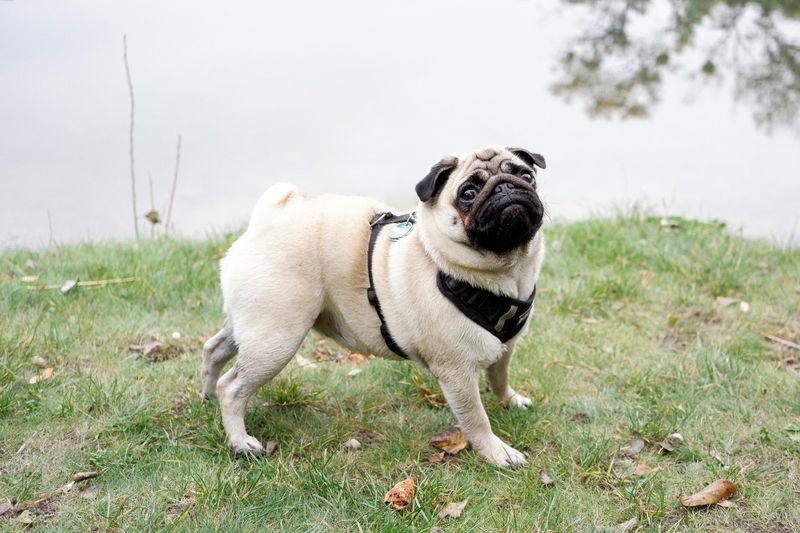
Pugs deliver clownish charm and soulful eyes that melt hearts instantly. Their fame on reels and memes keeps demand rising across cities and suburbs.
Still, vets caution about obstructed airways, elongated soft palates, and narrow nostrils that limit airflow. Hot weather, excitement, or even stairs can push a Pug into distress.
Eye problems are frequent due to shallow sockets and prominent globes. Corneal ulcers, pigmentary keratitis, and dry eye need fast attention and lifelong care.
Expect skin fold maintenance, weight vigilance, and selective exercise on cooler parts of the day. Choose a harness over a collar to protect the airway.
Work with a breeder who prioritizes open nostrils, clear eyes, and comfortable breathing.
Cane Corso
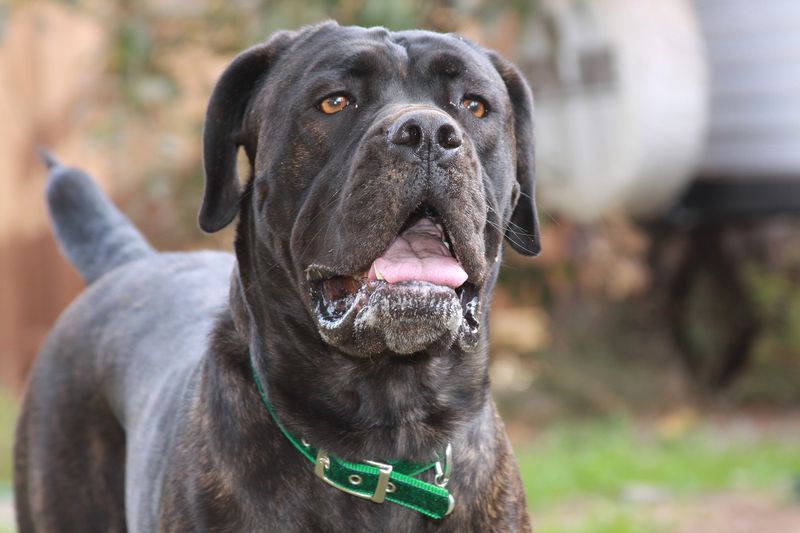
The Cane Corso’s striking build and protective presence draw huge attention online. Many families want the look, but underestimate the training, structure, and power.
Without consistent guidance, socialization, and boundaries, this guardian breed can become reactive or hard to manage. Vets and trainers urge early classes, neutral exposure, and reliable recall foundations.
Hip and elbow dysplasia, cruciate tears, and bloat are key health concerns. Screening hips, elbows, heart, and thyroid reduces risk but never removes it.
Daily mental work matters as much as physical exercise for this thinker. If you are new to guardians, consider mentorship with a reputable trainer.
Insurance, high quality food, and preventive vet checks protect both your dog and community.
Belgian Malinois
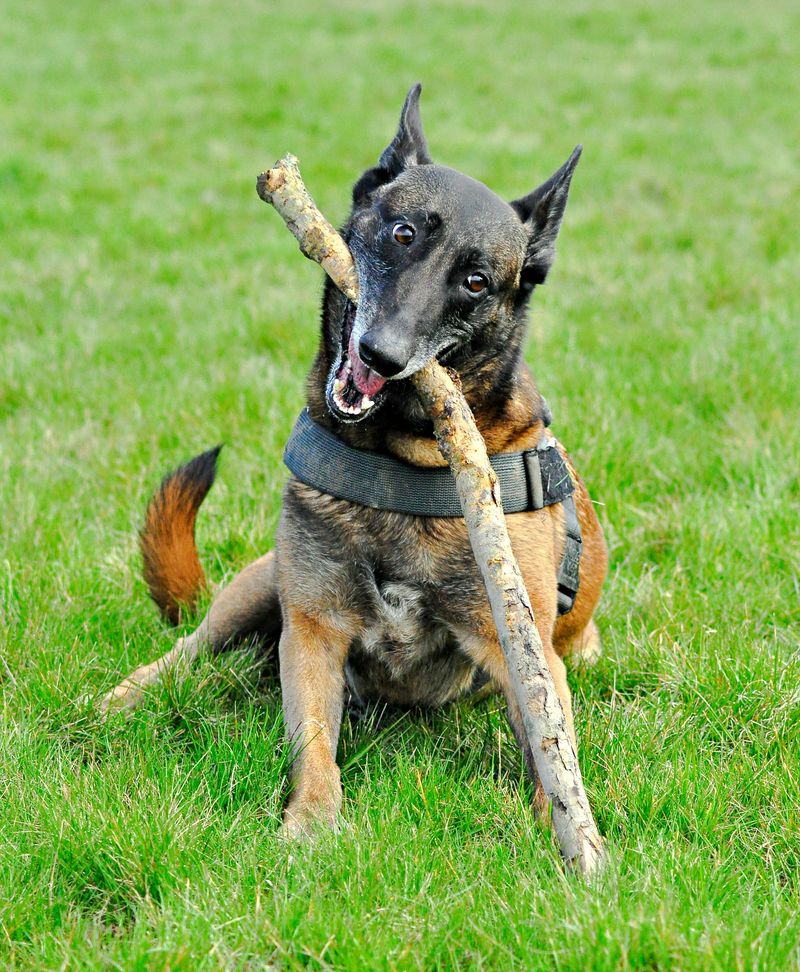
Belgian Malinois explode across action videos, making the breed look thrilling and cool. What you do not always see is the hours of training behind that control.
This is a working dog built for intensity, stamina, and serious jobs. Without structure, outlet, and expert handling, stress behaviors and nipping can escalate fast.
Vets and behaviorists see overarousal injuries, anxiety, and destructive boredom in underworked Malinois. Daily bite work is not the answer for pet homes, but precision obedience and scent games help.
Expect two to three structured sessions plus decompression walks every day. Ethical breeders place pups carefully and screen for hips, elbows, and nerves.
If you want this breed, budget time, classes, and professional coaching.
Dachshund

Dachshunds are playful, portable, and full of personality that wins hearts fast. Their long backs and short legs, however, raise significant orthopedic risks.
Intervertebral disc disease can appear suddenly with pain, paralysis, or loss of bladder control. Emergency surgery and rehab are expensive, and recovery can be lengthy.
Preventive habits matter: ramps for furniture, no jumping, and sensible weight. Leash walks and core exercises help protect that iconic silhouette.
Vets also flag dental disease and back pain that worsen with extra pounds. Choose breeders who screen for IVDD markers and prioritize strong, stable structure.
If you love a Doxie, plan environmental tweaks and savings for possible imaging, meds, or surgery.
Cavalier King Charles Spaniel
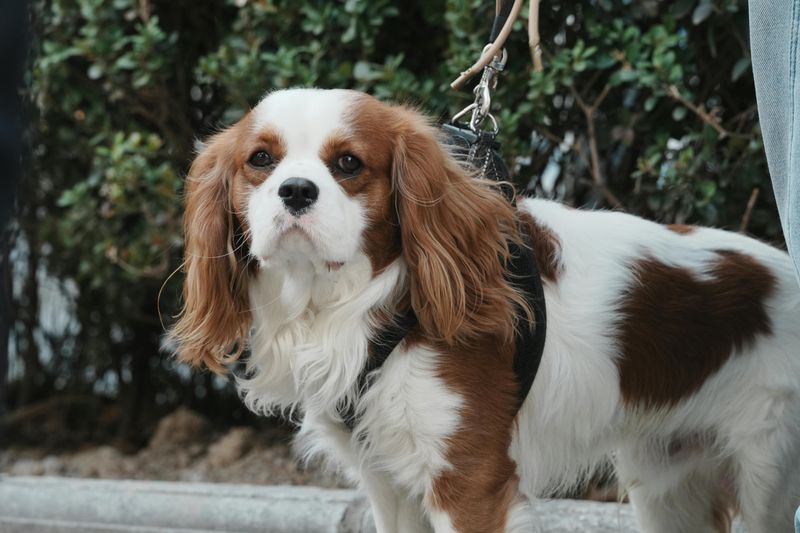
Cavaliers are affectionate lap magnets with gentle eyes and a calm, friendly nature. Popularity is soaring because they fit apartments, families, and quieter lifestyles.
The breed also carries heavy heart disease risk, especially mitral valve disease that progresses over time. Early murmurs can lead to cough, fatigue, and medication costs.
Neurological pain from syringomyelia and frequent ear infections also concern vets. Ethical breeders perform cardiac evaluations and MRI screening in breeding dogs.
Ask for documented health testing and relatives’ longevity before you commit. Keep weight lean, schedule regular auscultations, and consider cardiac ultrasounds if a murmur appears.
With proactive care, many Cavaliers thrive, but you must be ready emotionally and financially.
Great Dane
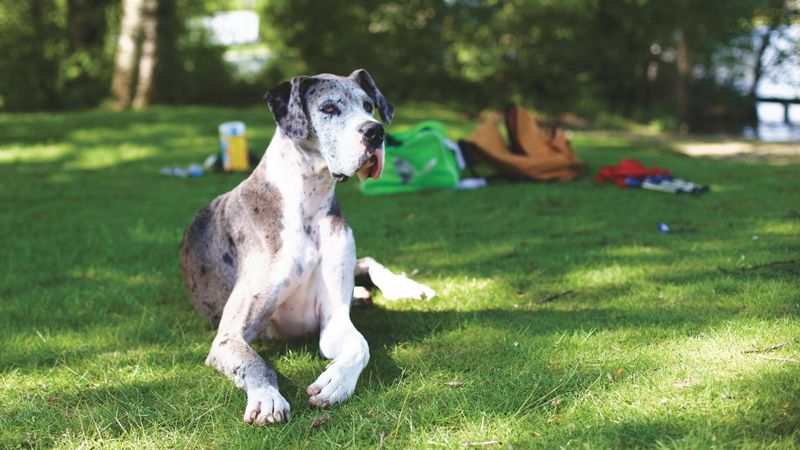
Great Danes bring gentle giant energy that turns heads everywhere you go. They mature slowly, eat a lot, and need soft surfaces for growing joints.
Bloat and gastric torsion are major emergencies that strike quickly and can be fatal. Many owners choose a preventive gastropexy to anchor the stomach safely.
Hip and elbow dysplasia, cardiomyopathy, and cancer risks mean consistent vet checks. Slow, steady growth with large breed diets helps protect joints.
Expect shorter lifespans and higher medication doses due to size. Training should emphasize calm manners, cooperative handling, and safe leash skills for city life.
If you adore Danes, plan insurance, savings, and space for a very large friend.
Rottweiler
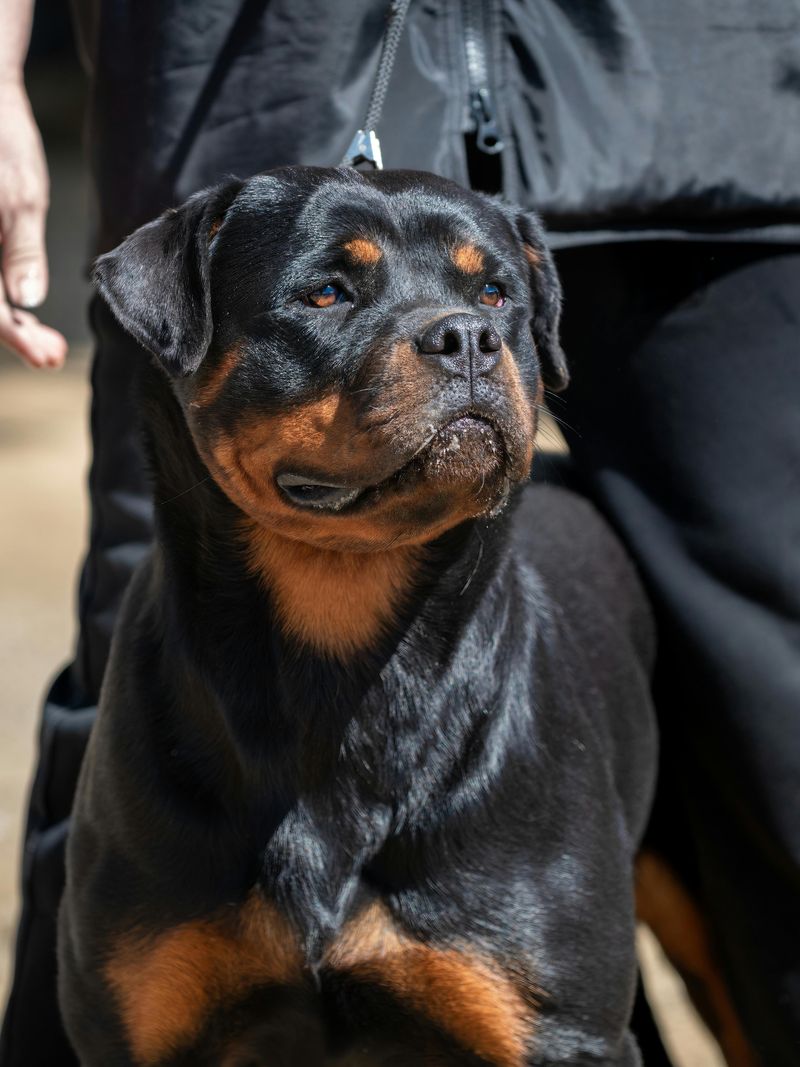
Rottweilers are powerful, loyal workers whose popularity rises with every impressive video. They thrive with clarity, routines, and purpose anchored by fair, consistent handling.
Without that structure, a bored Rottie can make independent choices you will not enjoy. Early socialization and rock solid impulse control are non negotiable for city living.
Health wise, watch hips, elbows, cruciate ligaments, and dilated cardiomyopathy. Ethical breeders complete hips, elbows, heart, and JLPP testing while prioritizing stable temperament.
Daily enrichment is key: tracking games, controlled tug, and thoughtful strength work. Insurance and savings help if orthopedic surgery becomes necessary later.
Choose trainers who reward good choices and teach you to guide this confident partner.
Bernedoodle
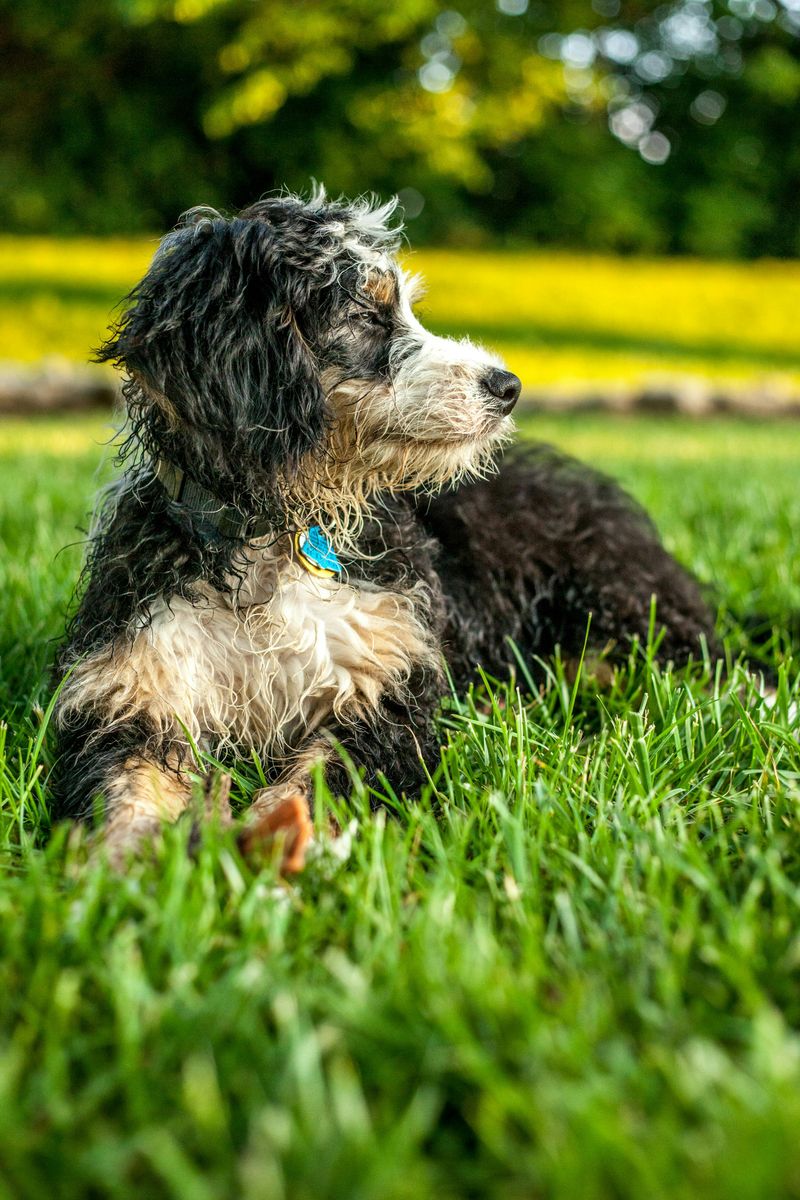
Bernedoodles blend Bernese sweetness with Poodle smarts, which fuels serious buzz. Families love the friendly vibe, but coat care is not magically effortless.
Many Bernedoodles mat quickly without daily brushing and regular, skilled grooming appointments. Matting can hide skin infections, tighten painfully, and force short, expensive shave downs.
Genetics are a roll of the dice with energy, size, and shedding levels. Hip dysplasia, elbow issues, and cruciate injuries appear in active lines.
Ethical programs health test parents and share clear contracts and support. Plan for training, enrichment, and real grooming budgets every six to eight weeks.
If that sounds doable, this cheerful companion can shine in active homes.
Pomsky
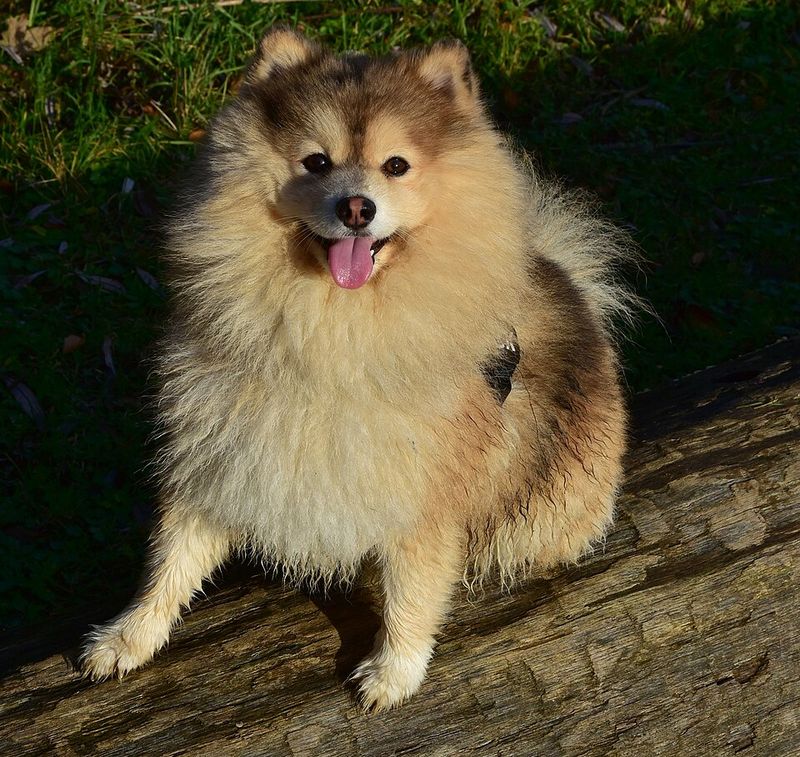
Pomskies mix Pomeranian looks with Husky flair, creating a photogenic, trending package. Size varies widely, and energy can lean more Husky than many expect.
Without enough outlets, you may see howling, escape attempts, and spirited mischief. Regular exercise, puzzle feeders, and calm crate training help channel that spark.
Coat maintenance is real, with seasonal blowouts and steady shedding. Ethical breeders focus on health, temperament, and responsible pairings rather than novelty.
Ask about patella checks, eye exams, and DNA panels when screening litters. Socialize early to city sounds, grooming tools, and respectful greetings.
If you want portable Husky vibes, prepare for training time, noise management, and fur everywhere.