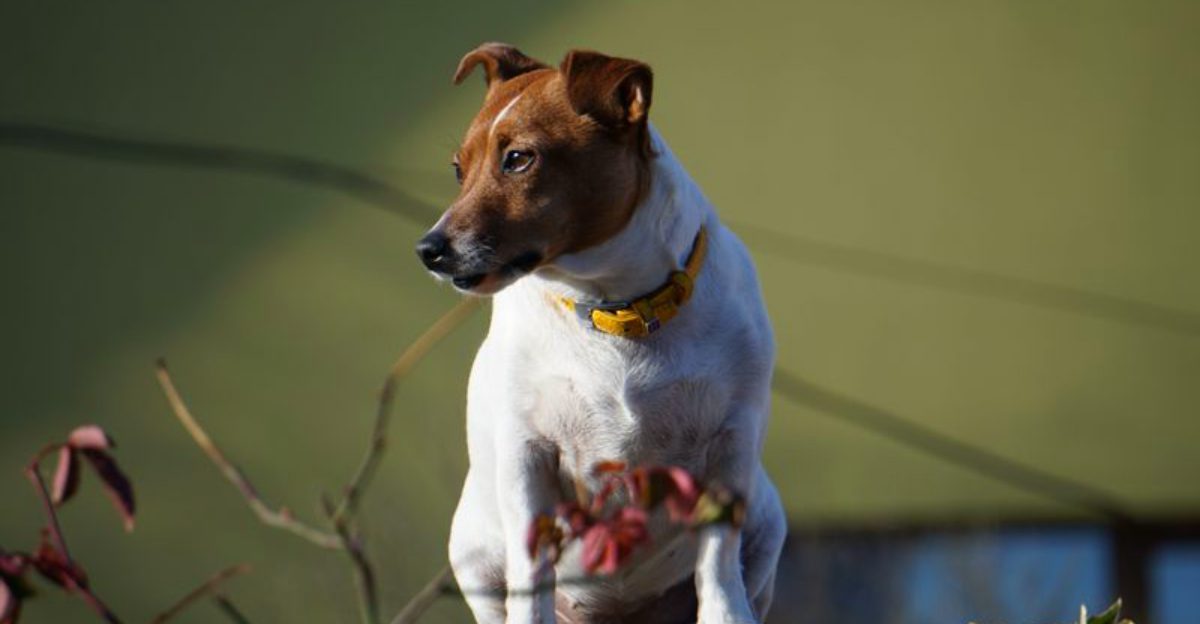
Most dogs are doing exactly what they were bred to do. The trouble starts when we expect them to be someone else.
Know the job your dog was designed for, and you unlock the best version of them. Miss it, and you might call normal behavior a problem.
Belgian Malinois
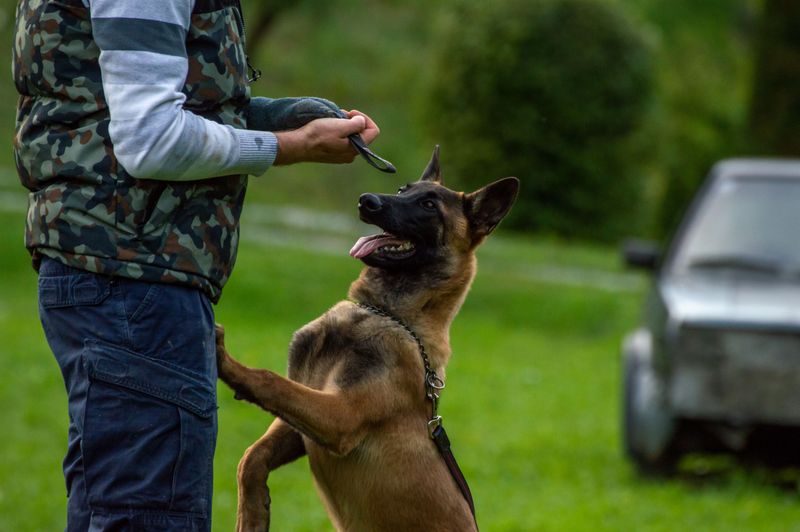
The Belgian Malinois is brilliant, driven, and endlessly watchful, which is why overwhelmed owners often blame the dog instead of the routine. This breed craves jobs, clear rules, and daily brain workouts.
Without structure, that intensity can spill into spinning, nipping, or fence pacing.
Give yours two solid training sessions, scent games, and vigorous fetch, and you will see a focused teammate. Crate training, calm leash manners, and bite inhibition should start early and stay consistent.
If you skip socialization or let rough play slide, problems grow fast. With leadership that is fair and predictable, the Malinois becomes protective, affectionate, and astonishingly capable.
If you want a couch ornament, choose a different dog. If trained kindly, they thrive.
Australian Shepherd
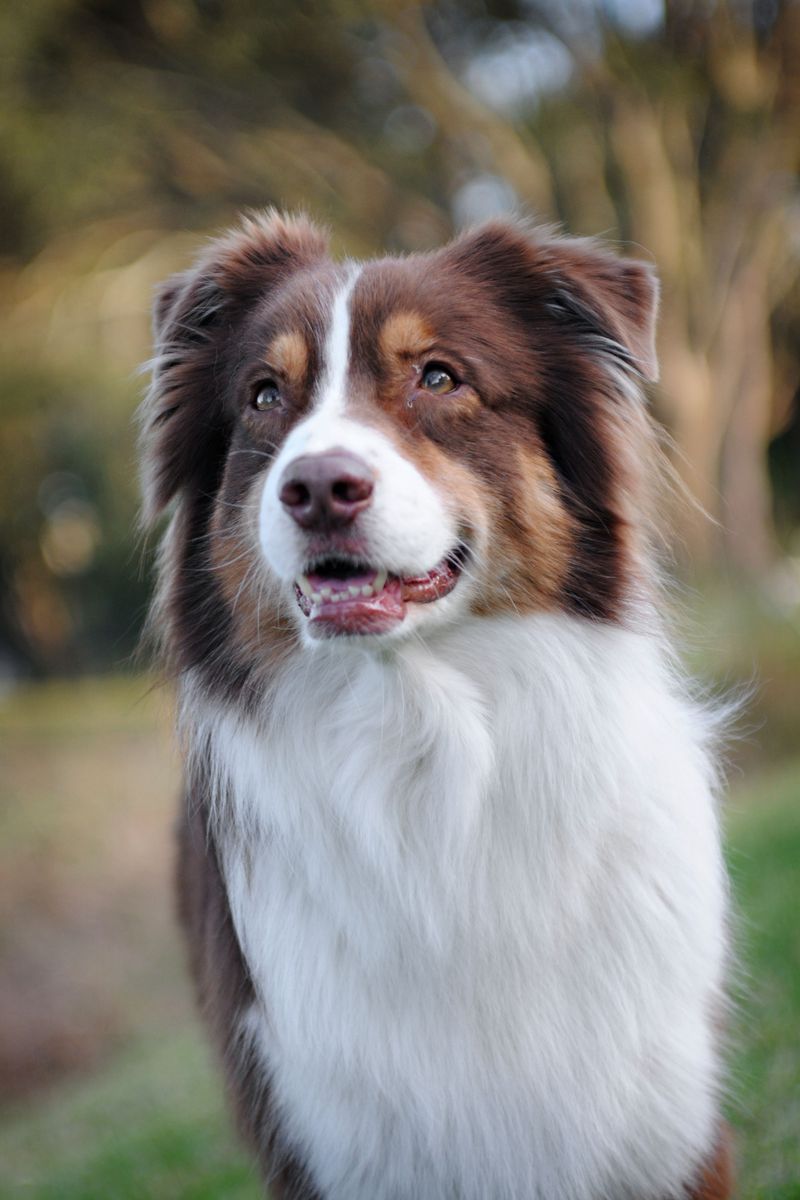
The Australian Shepherd is a whip smart herder with energy to spare, and boredom is its worst enemy. Many complaints about nipping, chasing kids, or shredding furniture trace back to unmet needs.
This dog shines when daily tasks, trick training, and real exercise become non negotiable.
Plan brisk walks, off leash fetch in safe spaces, and puzzle feeders that make meals a job. Teach a strong settle cue so excitement has an off switch at home.
Herding instincts mean motion can trigger overarousal, so supervise play and reward calm choices. Socialize thoughtfully, guide politely, and you will get a velcro companion who works with heart.
Skip structure, and the Aussie will invent chaos. Give clarity, not harshness.
Siberian Husky
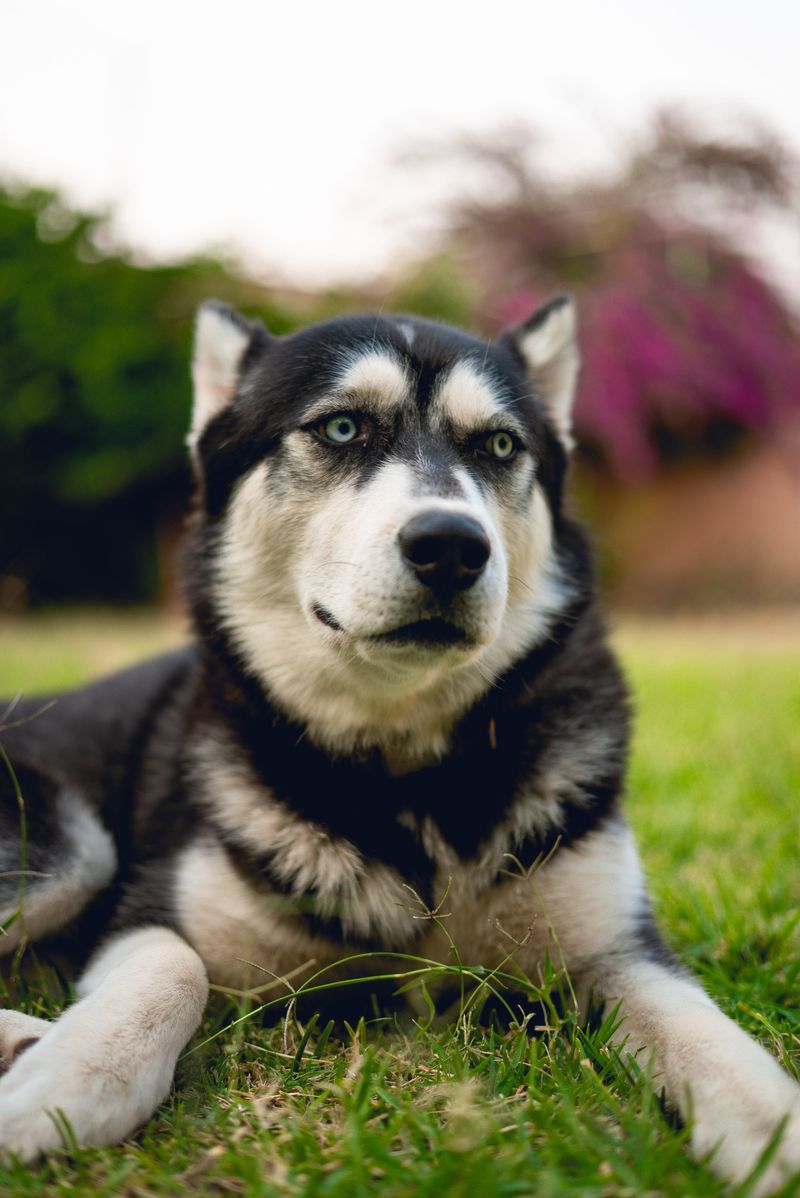
The Siberian Husky is athletic, independent, and wired for motion, not living room naps. When owners underestimate stamina, escape artistry and howling start.
This breed needs miles, not minutes, plus mental games beyond sit and down.
Run, bike with a proper towline, or skijor when weather allows, then practice calm indoor behaviors afterward. Secure fencing is mandatory because prey drive and curiosity are real.
Teach a rock solid recall with long lines and generous rewards. Fair expectations, consistent routines, and enrichment keep that sparkle without the drama.
If you respect the breed’s heritage and channel it, you get delight. If you try to squash it, frustration explodes for both of you.
Cold friendly adventures help, too.
German Shepherd
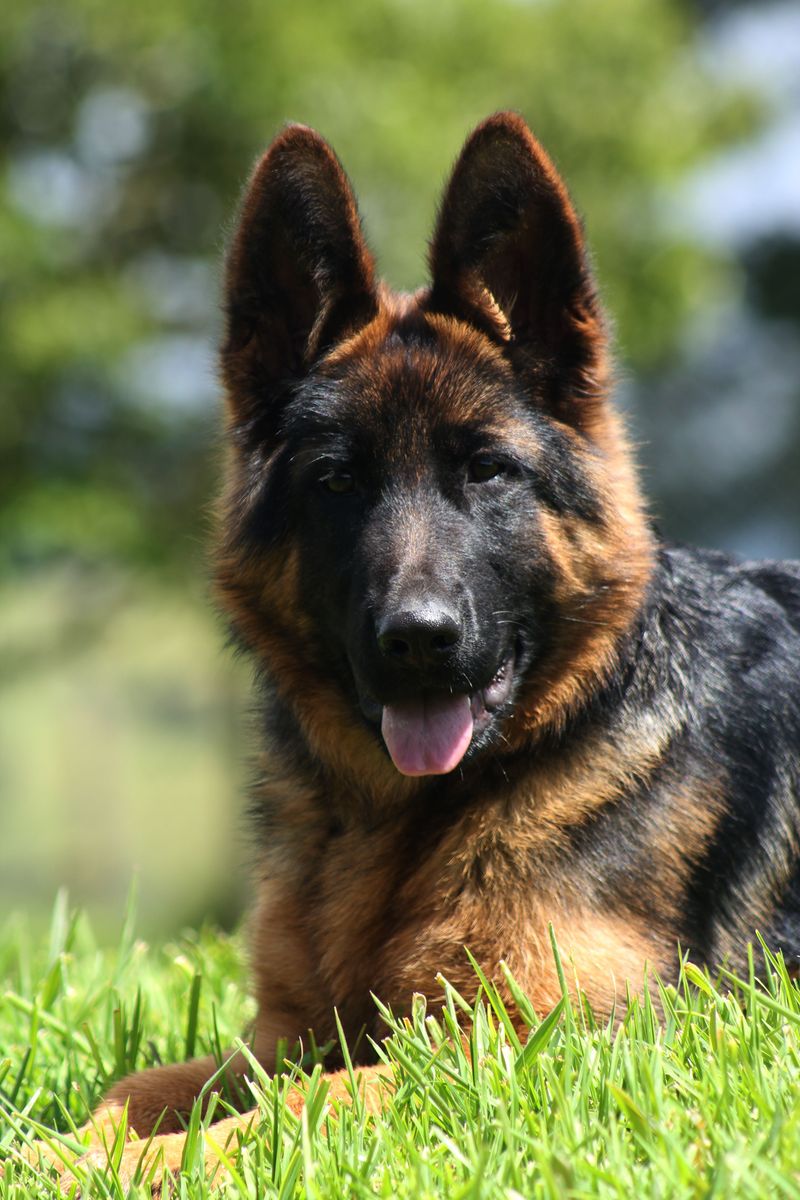
German Shepherds are incredibly biddable, sensitive, and eager to partner, which means sloppy handling backfires quickly. Confusion, harsh corrections, or chaotic homes can create reactivity.
Clear communication and rewarding calm choices build confidence fast.
Use marker training, short focused sessions, and balanced exercise that works body and brain. Teach neutrality around strangers while protecting space, not forcing petting.
Provide chew outlets, scent work, and place training for daily decompression. Hip friendly conditioning and vet checks matter, as do good breeders and supportive diets.
Meet needs with patience and consistency, and you will see loyalty that feels almost telepathic. Treat this dog like equipment, and you invite problems you could have avoided.
Fair leadership prevents spirals.
Cane Corso
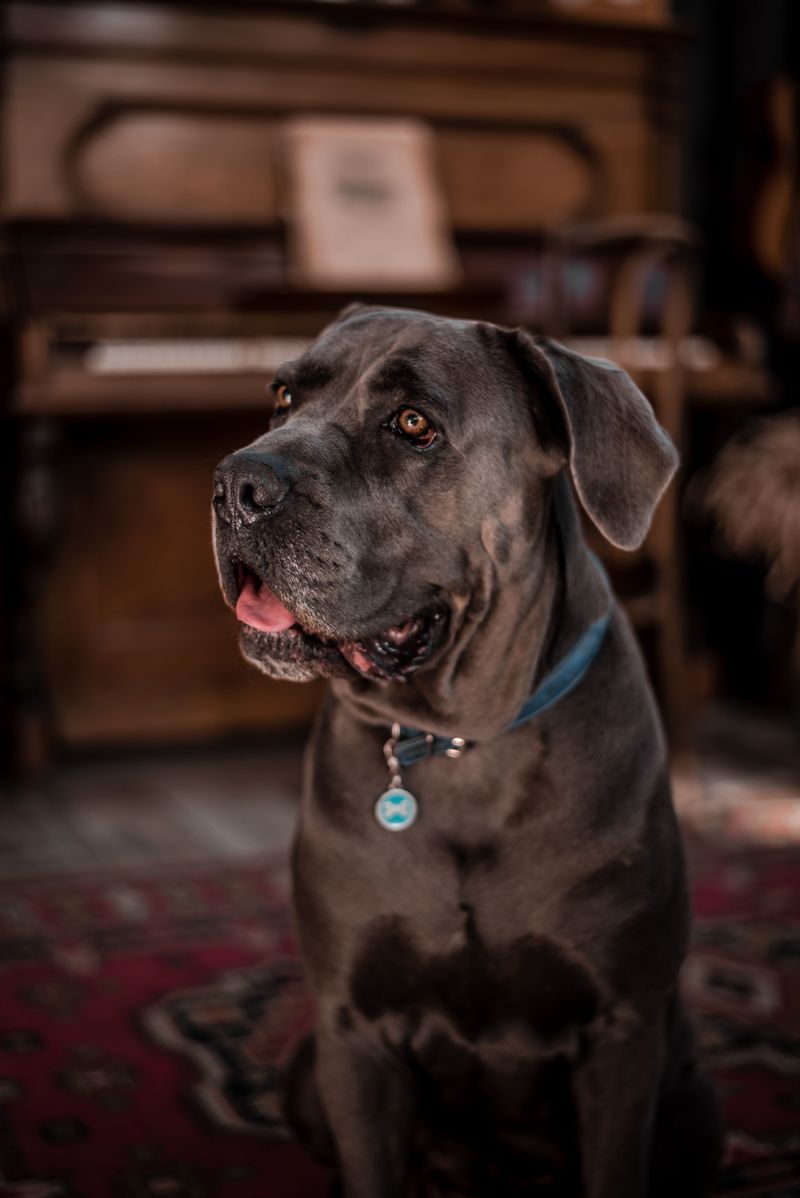
The Cane Corso is imposing yet deeply family oriented, and that combination demands thoughtful guidance. Adolescent pushiness is normal, not a sign of dominance, but it must be channeled.
If exercise, training, and boundaries slip, you will see guarding go sideways.
Prioritize early socialization with neutrality, handling practice, and rock solid obedience. Teach a relaxed heel, place command, and door manners so guests are managed safely.
Daily outlet challenges like tug with rules, scent games, and controlled fetch drain energy. Invest in health screening, quality diet, and joint friendly conditioning.
With consistent, fair leadership, this guardian blossoms into a stable companion you trust. Neglect that responsibility, and the Corso gets blamed for choices you shaped.
Vizsla

The Vizsla is a sensitive, people focused athlete who reads your mood like a book. When left underexercised or lonely, they vocalize, dig, and bounce off walls.
Gentle guidance and purposeful outlets make all the difference.
Plan daily runs, field style retrieves, and nose work to satisfy that hunting brain. Teach impulse control with sit and wait games, then reward generously for checking in.
Crate training protects rest, while cozy routines soothe a clingy temperament. Keep sessions short, upbeat, and clear, because corrections hit this breed hard.
Meet needs proactively and you will enjoy a cuddly, eager partner. Ignore them, and frustration writes the story people mislabel as stubbornness.
Make training playful, not punishing.
Weimaraner
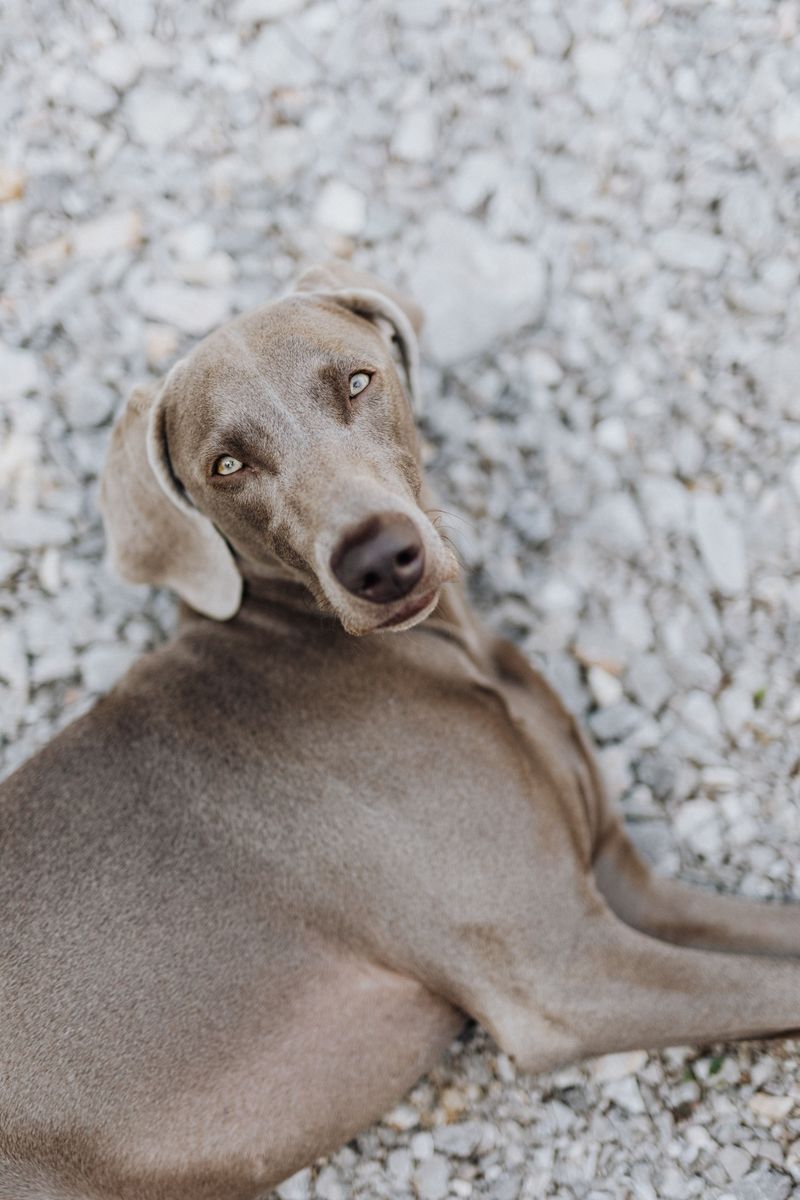
The Weimaraner is velcro personified, sleek, speedy, and wildly curious. Left to self entertain, they counter surf, chase wildlife, and redecorate with joyful chaos.
They were bred to hunt alongside you, not sit idle.
Channel that drive with track games, long line field walks, and steadiness drills before retrieves. Teach off switch skills like place, settle, and relaxed crating.
Provide chew projects, scatter feeding, and training that rewards eye contact and patience. Early socialization should feel positive and structured, so sensitivity builds confidence instead of nerves.
Healthful outlets plus predictable routines create a partner who zips then cuddles. Skip them, and the Weim will test every boundary you forgot to set.
Gentle consistency beats power.
Jack Russell Terrier
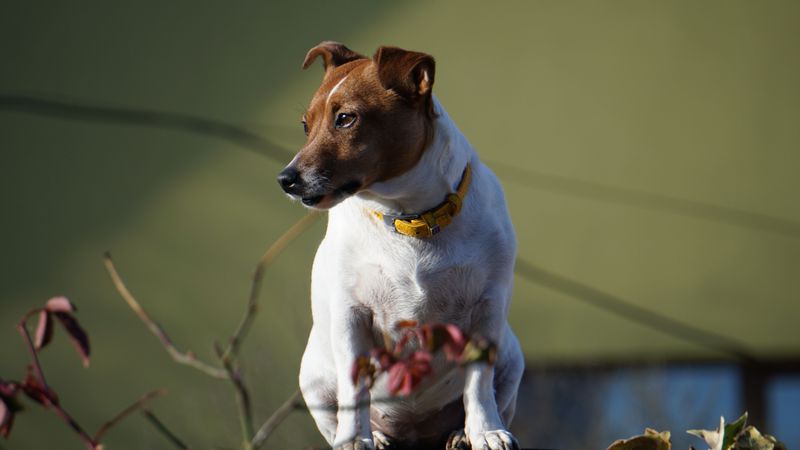
The Jack Russell Terrier is a comic firecracker built for work, not boredom. When their hunting brain goes unused, they invent chaos, from digging craters to launching at shadows.
Small body, huge engine, and a sharp mind need real direction.
Trade endless scolding for targeted jobs like scent work, barn hunt, and trick chains. Short, fun sessions keep focus, while long sniffy walks take the edge off.
Teach polite greetings, impulse control, and a bed cue to save couch time. Use food, toys, and clarity instead of nagging.
Meet needs, and you will laugh daily at a brave, brilliant clown. Deny them, and that mischief becomes the myth that the breed is impossible.
Give outlets before asking for stillness.
Standard Poodle
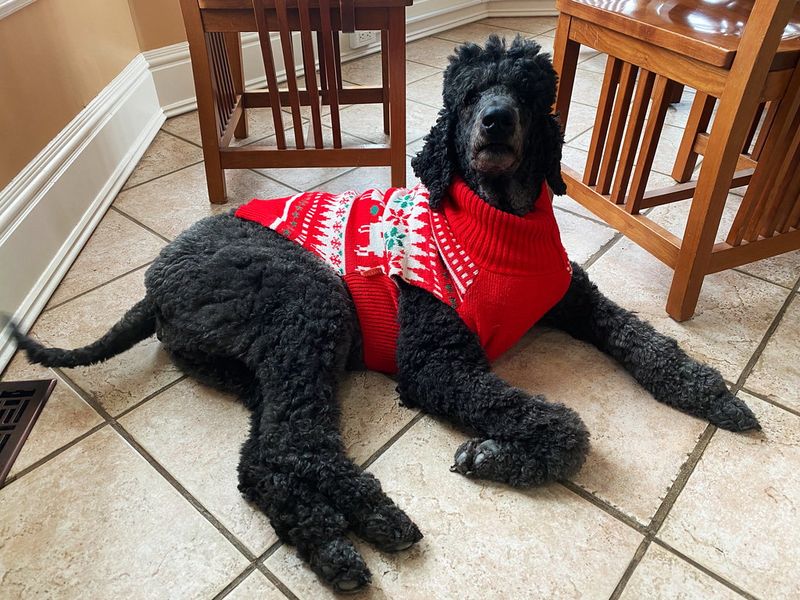
The Standard Poodle is an athlete in couture, wicked smart and emotionally tuned in. When needs are met, they are goofy, steady partners, not pampered ornaments.
Problems arise when grooming is prioritized over training and exercise.
Teach shaping games, cooperative care for brushing and nails, and retrievals that build confidence. Run, swim, and practice off switch skills so brilliance does not become busyness.
Fair boundaries, enrichment, and positive reinforcement grow resilience. Socialize with intention, because sensitivity can read as snooty when actually unsure.
Keep sessions short and upbeat, and you will uncover a comedian who solves puzzles for fun. Neglect engagement, and that brain invents trouble faster than you can chase it.
Give challenges, then rest.
Australian Cattle Dog
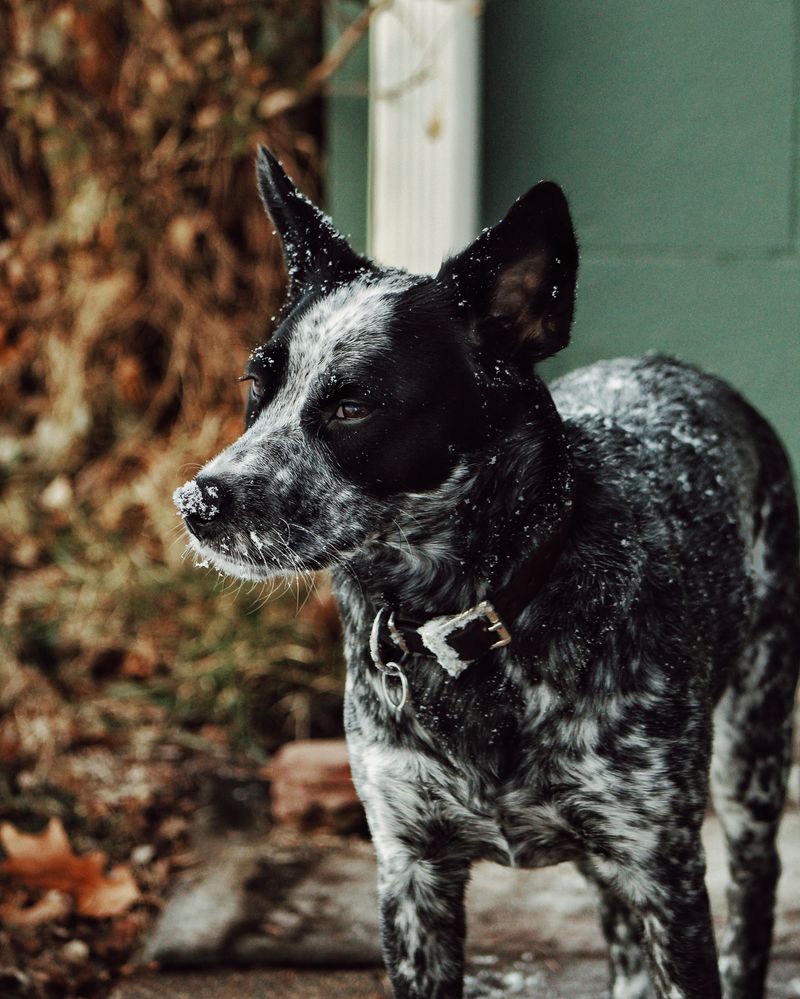
The Australian Cattle Dog is gritty, clever, and purpose built for pushing livestock, not lounging. Without structure and real outlets, mouthiness and motion obsession bloom.
Many so called behavior problems are simply needs shouting.
Work the brain with heelwork, targeting, and precise fetch patterns that require patience. Plan controlled exposure to bikes, kids, and joggers while reinforcing calm.
Teach off switch cues, and protect sleep, because overtired dogs get snappy. Provide rugged exercise on trails, balance discs for strength, and thoughtful socialization.
With fair jobs and predictable rules, this breed becomes astonishingly reliable. Skip them, and you will face a stubborn whirlwind that was asking for help all along.
Clarity prevents conflict, kindness cements trust.
Beagle
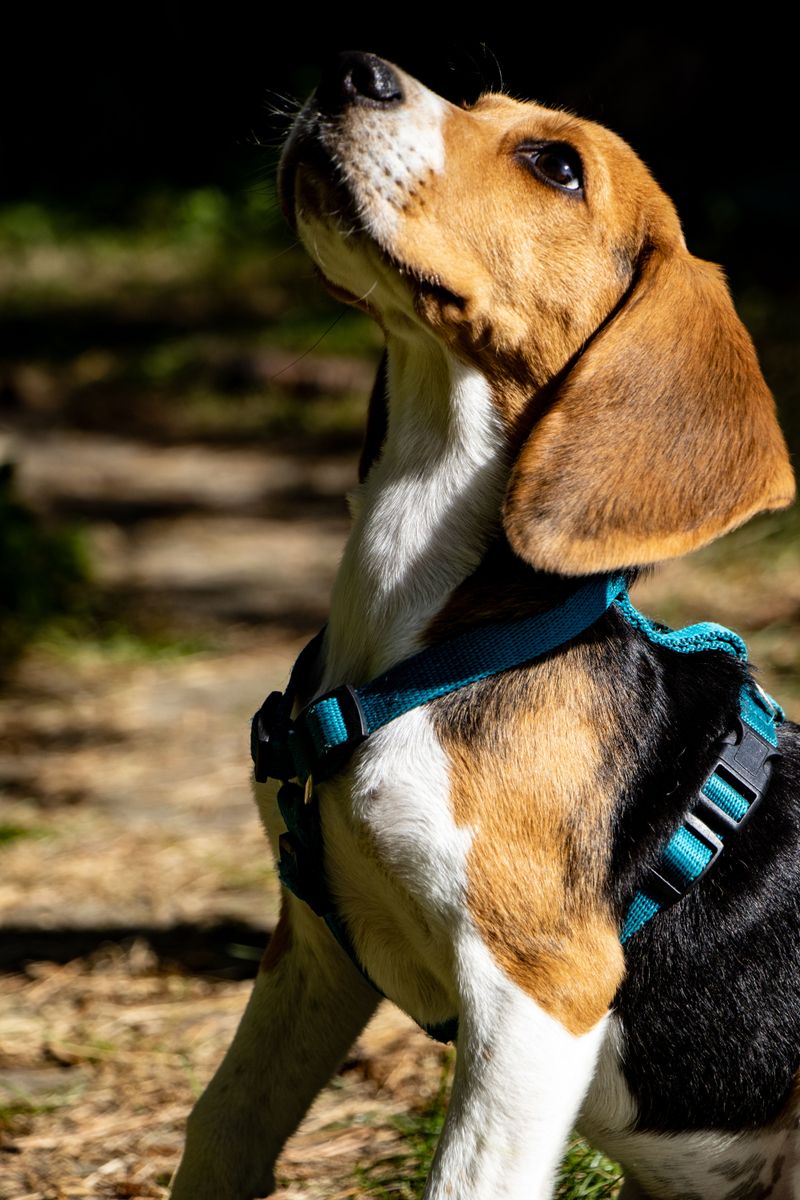
The Beagle is a merry nose on four legs, bred to follow scent with friends. People get frustrated when recall fails, yet the environment is louder than the cookie.
Management and smart training make this cheerful hunter shine.
Use long lines, track games, and recall games that pay like jackpots. Give daily sniffaris, food puzzles, and calm crate time to balance excitement.
Teach polite house manners with gates and routines instead of constant scolding. Keep training upbeat, short, and frequent, and you will see focus grow.
If you respect the nose and plan for it, life gets easier and sweeter. If you pretend it is not there, you set up losses for both of you.