
Some dogs spend your workday pacing, chewing, and watching the door, while others barely notice you left. The difference often comes down to breed history, energy level, and how much a dog was built to rest between bursts of activity.
If you work outside the home, picking a dog that enjoys long, quiet stretches can make life calmer for both of you. Here are 11 breeds with a well-earned reputation for treating the daytime like one long nap.
Basset Hound
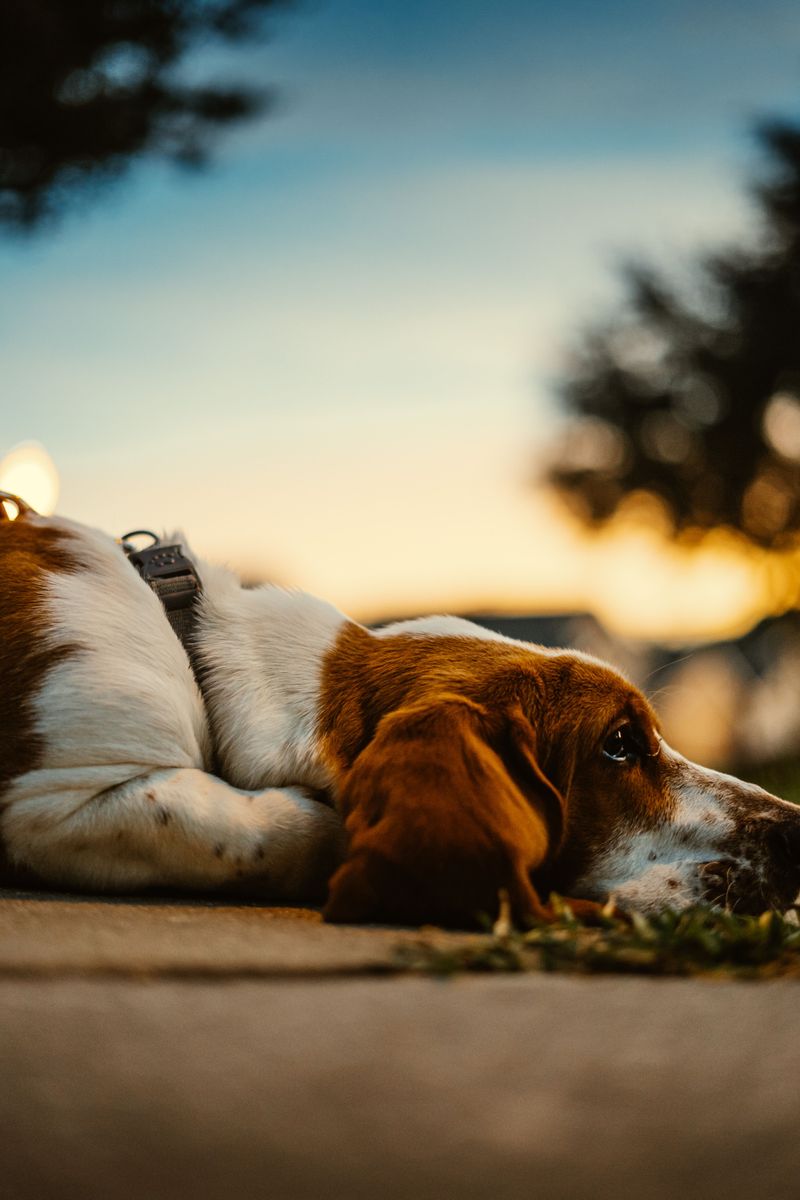
Short legs and a heavy, long body add up to a dog that takes rest seriously. Basset Hounds were developed in France to trail rabbits and hares at a slow, steady pace that hunters on foot could follow, so explosive energy was never part of the job description.
At home, that steady pace often turns into a talent for lounging. Many Bassets are happy to snooze through quiet afternoons, especially after a morning sniff walk that lets them use that famous nose.
One thing to plan for: Bassets can be vocal, with a deep bay that neighbors may hear. A good walk before you leave and a food puzzle can help keep the house quiet while you are gone.
Greyhound
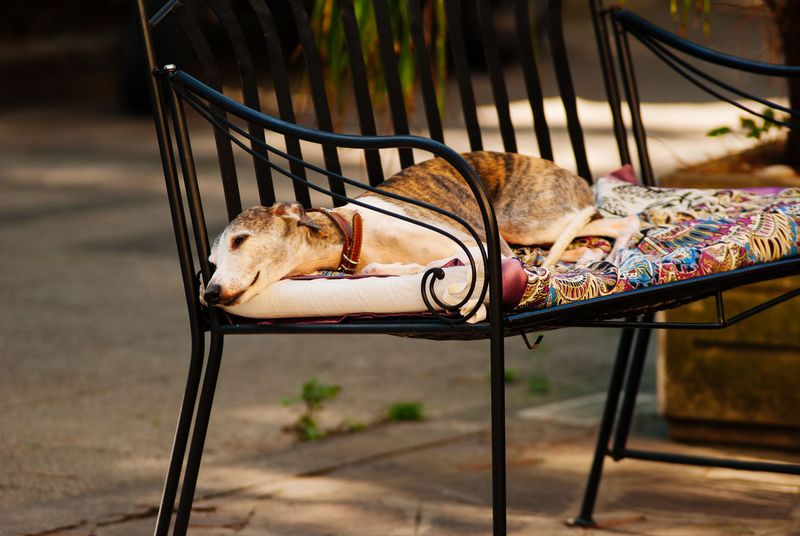
Here is a surprise for anyone who assumes the fastest dog breed must be the most hyper. Greyhounds can hit around 40 to 45 miles per hour, yet they are often nicknamed 45 mph couch potatoes.
Built as sprinters rather than endurance athletes, they tend to spend energy in short bursts and then crash hard. Many retired racers settle into home life by sleeping for much of the day.
Their thin coats and low body fat mean they appreciate a soft bed and a warm spot. A securely fenced area for an occasional run is still a must, since a Greyhound chasing something will outrun any owner.
Bullmastiff
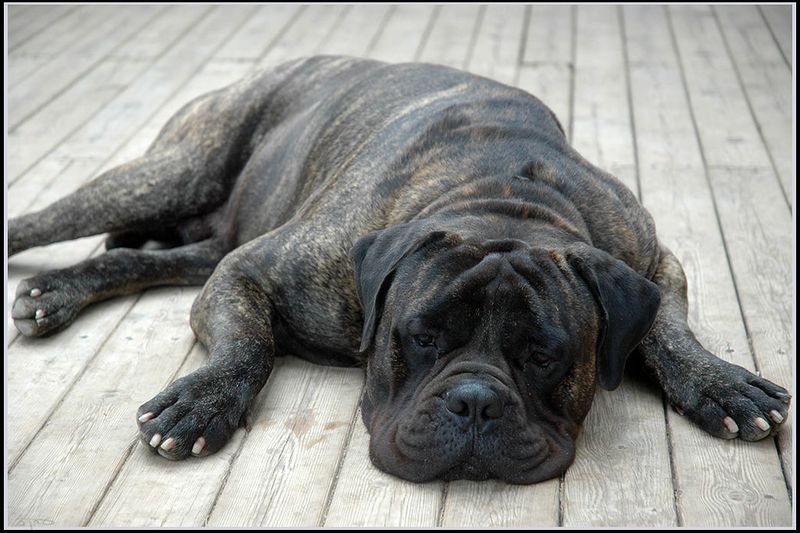
Gamekeepers in 19th-century England wanted a dog that could stay silent and still for long periods, then stop a poacher when needed. The Bullmastiff was the answer, and that patient streak still shows today.
Adult Bullmastiffs are generally calm indoor dogs with modest exercise needs. A couple of moderate walks often satisfies them, and the rest of the day can be spent stretched out on the floor.
Size is the real consideration. At 100 to 130 pounds, they need early training and socialization while still small enough to manage, plus room to sprawl.
Shih Tzu
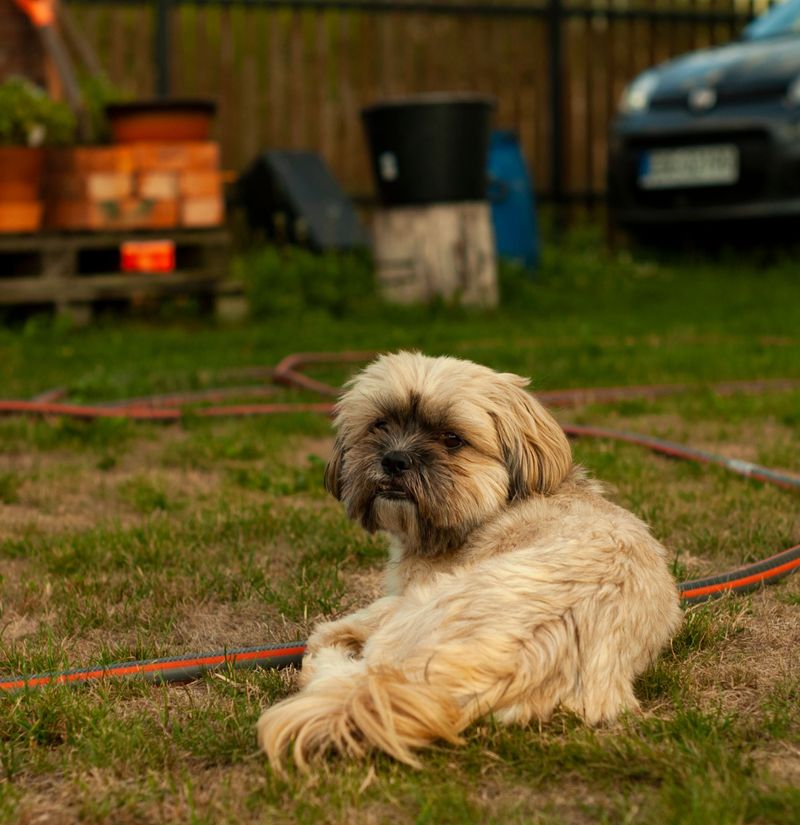
Bred as companions in Chinese imperial courts, Shih Tzus never had a working job to stay busy with. Their role was simply to keep people company, and they adapted nicely to a slower routine.
Their exercise needs are low, which makes them a natural fit for apartments. A short walk and some indoor play usually leave them ready for a long nap.
The flat face is worth knowing about. Shih Tzus can struggle in heat, so a cool, comfortable space while you are away matters more than extra toys.
Chow Chow
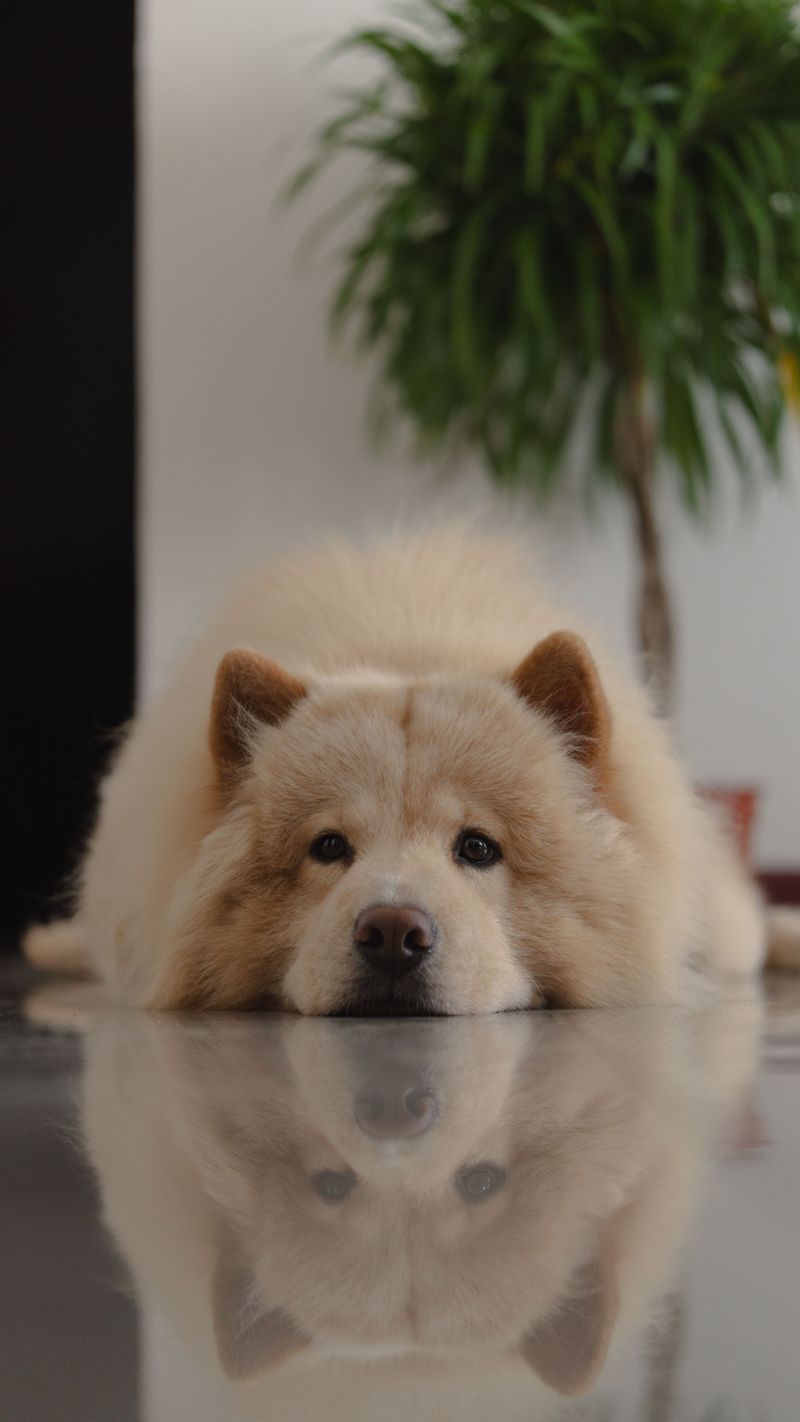
Independence is the Chow Chow’s calling card. Unlike breeds that shadow their owners from room to room, Chows are often described as aloof and catlike, content with their own company.
That self-reliance can make alone time easier. Chows typically have moderate energy and tend to be quiet indoors, preferring a cool floor to a game of fetch.
Their dense double coat needs regular brushing, especially during heavy shedding. Socialization from puppyhood also helps, since they can be reserved with strangers.
English Bulldog
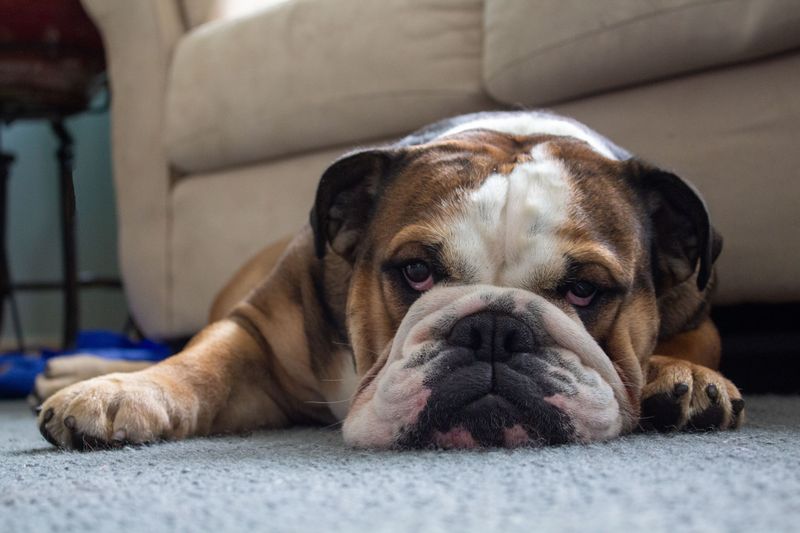
Anyone who has heard a Bulldog snore knows how seriously this breed takes nap time. Modern Bulldogs bear little resemblance to their rough ancestors and are bred today as mellow companions.
Short, easy walks are usually enough for them. Their compact build and flat face make long runs or hot weather risky, so they are naturally inclined toward a relaxed indoor life.
Owners should keep an eye on breathing, weight, and skin folds. A temperature-controlled home and a chat with your vet about breed health concerns go a long way.
Great Dane
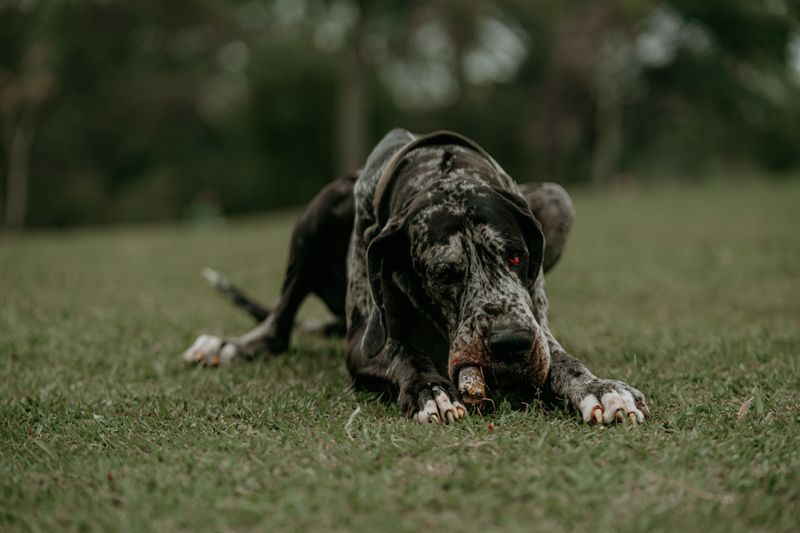
It seems backwards, but one of the tallest dogs around is also one of the laziest indoors. Great Danes are famously mellow adults that often claim the entire couch.
Puppies are a different story and need careful, moderate exercise while their joints develop. Once grown, many Danes are satisfied with daily walks and lots of downtime.
Bloat is a known risk for deep-chested breeds like this one, so ask your vet about feeding routines and avoid hard exercise right after meals.
Pekingese
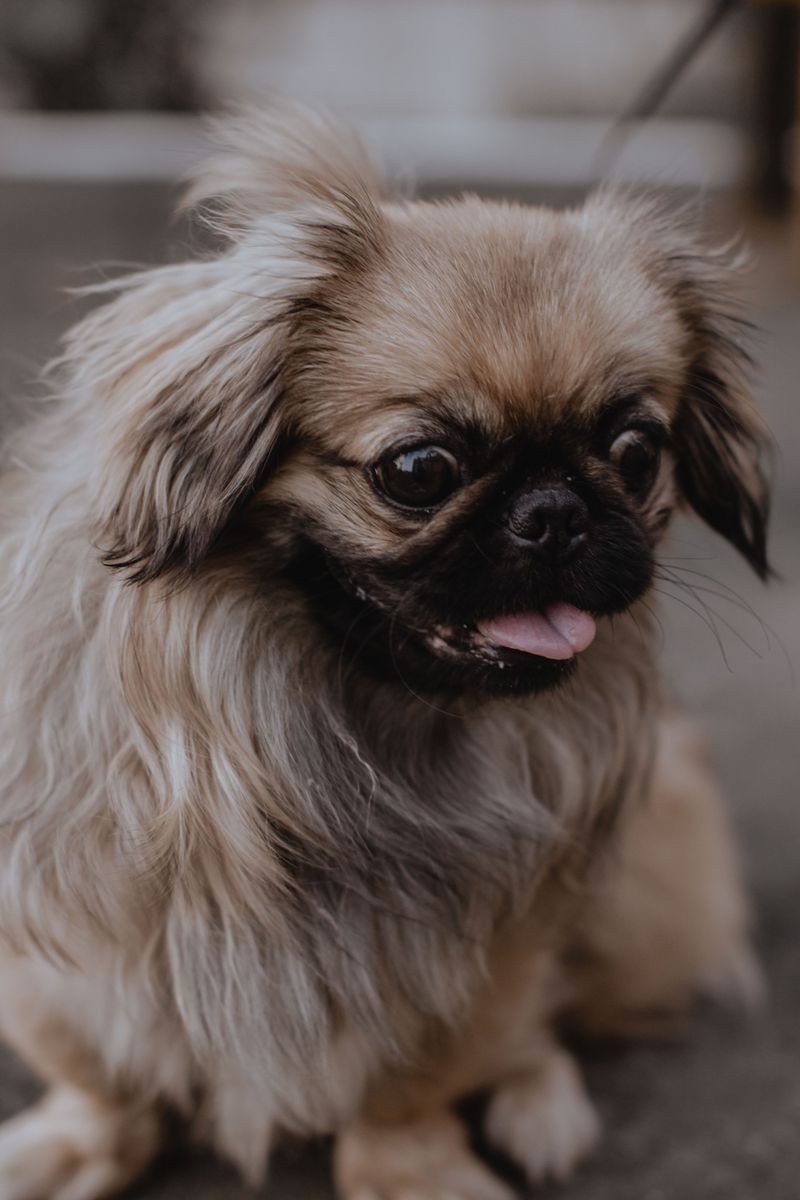
Ancient Chinese royalty kept these little lion dogs as palace companions, and the Pekingese still carries itself with a dignified, unhurried air.
They are not big on strenuous activity. A slow stroll and some attention often satisfy them, and they are fairly comfortable spending quiet hours alone.
That luxurious coat needs regular grooming, and like other flat-faced breeds, they do best in cool conditions.
Clumber Spaniel
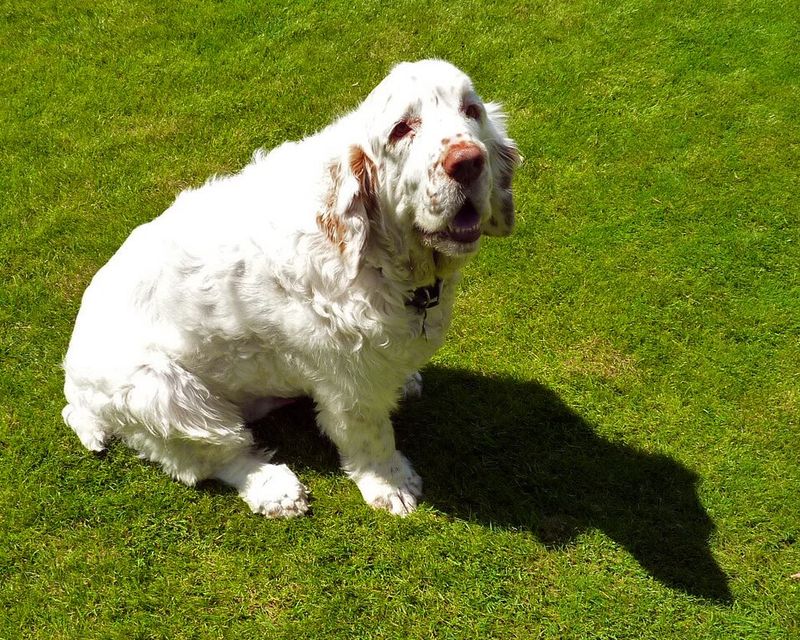
Not every spaniel bounces off the walls. The Clumber Spaniel, a heavy, low-built bird dog from England, works at a deliberate pace and is often called the most laid-back member of the spaniel family.
Many Clumbers are happy to snooze for long stretches once they get a decent walk. They are generally quiet dogs, which helps when nobody is home.
Fair warning: they shed and can drool. A washable bed is a smart investment.
Cavalier King Charles Spaniel
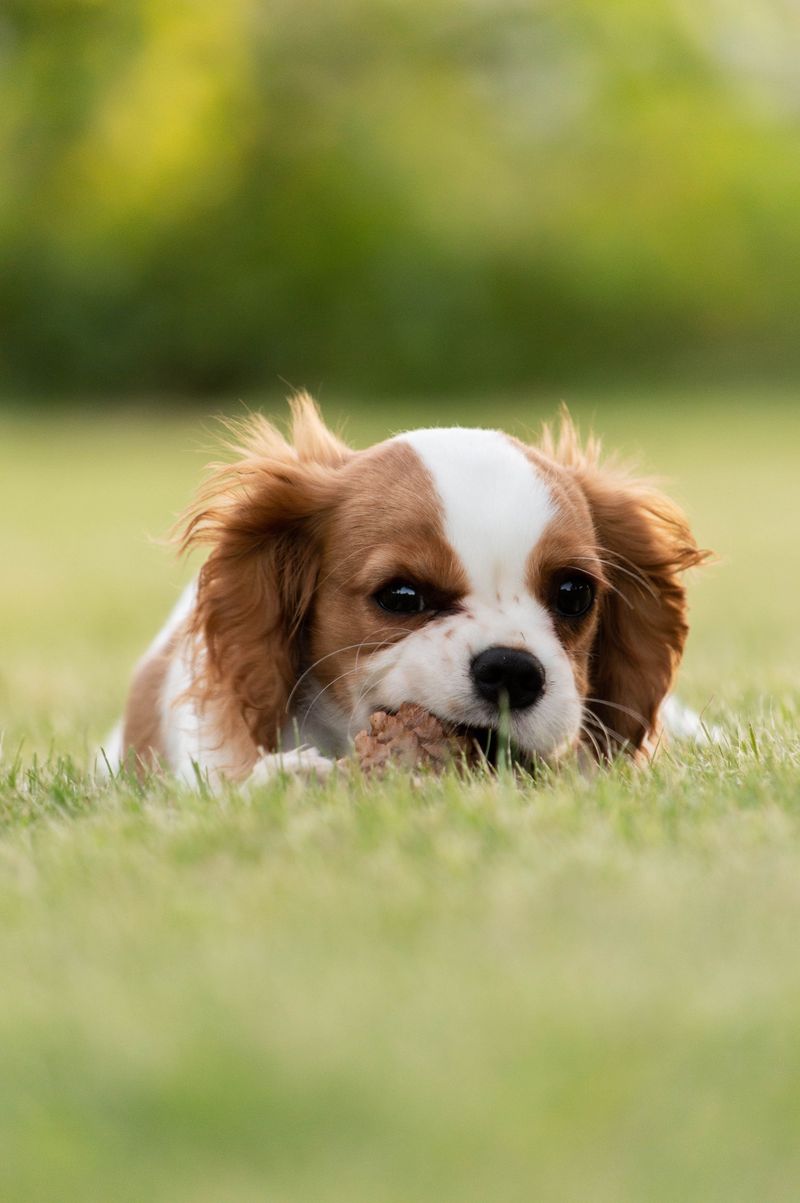
Cavaliers adjust to their people. They can enjoy a hike on weekends and then happily settle into lap-warming mode on weekdays.
That adaptability is why they land on this list. With a morning walk and some play, many adults will sleep through a good part of the day.
They are very people-oriented, so gradual practice with alone time is helpful.
Newfoundland
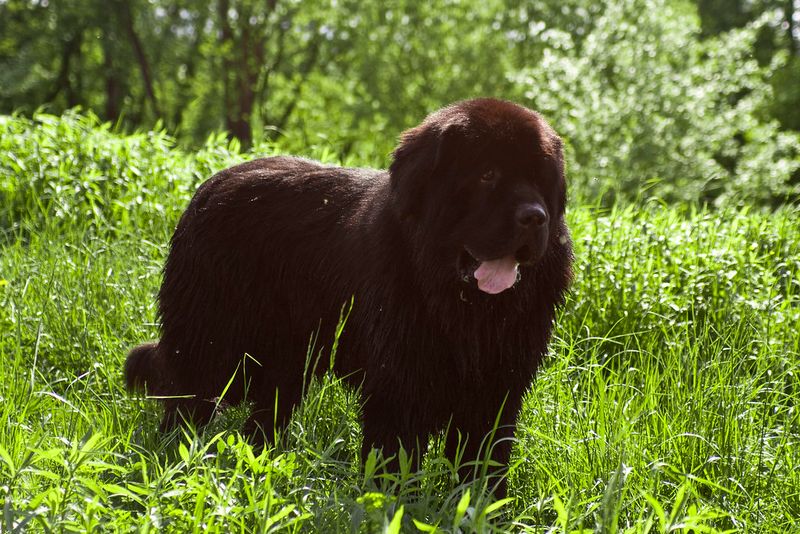
Originally water rescue and working dogs in Canada, Newfoundlands are strong swimmers with a famously sweet, patient temperament. On land, they mostly prefer to relax.
Adults usually need only moderate exercise and often spend afternoons sprawled on cool floors. Heavy coats mean warm weather wears them out quickly.
Expect drool and plenty of brushing.