Some dogs seem to show up at just the right moment. They notice when you are sad, when a door is open, or when help is needed.
That kind of timing does not happen by accident. It comes from instincts, training, and a strong wish to be part of the team.
Golden Retriever
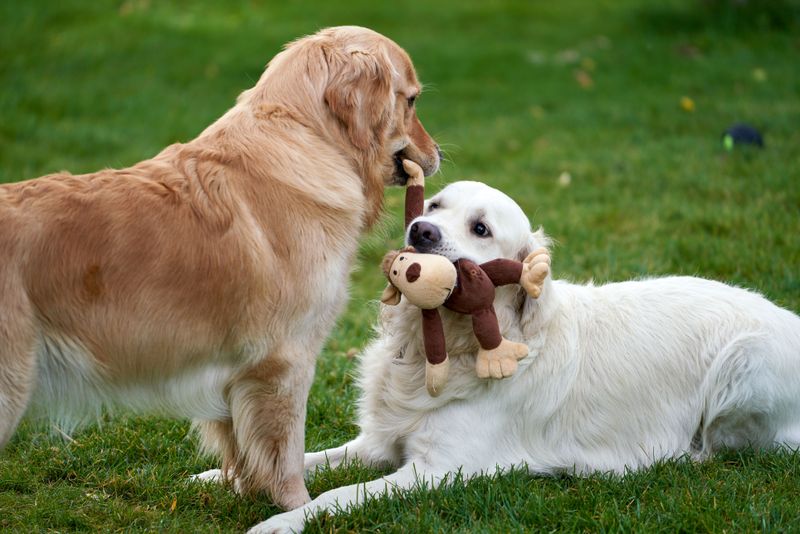
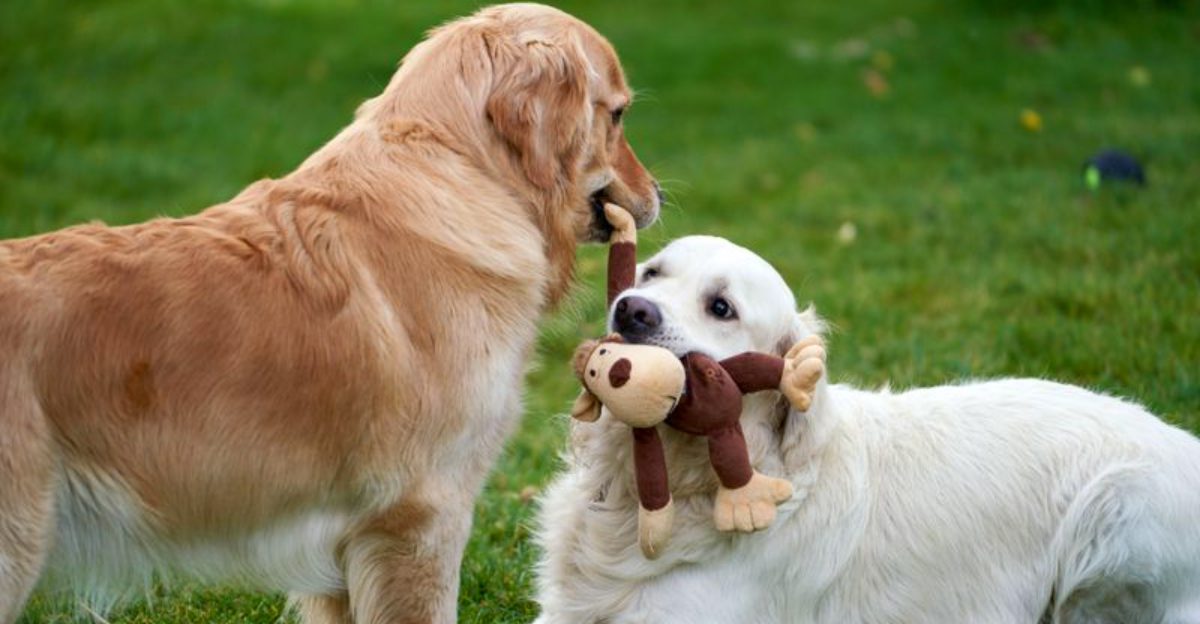
Ever notice how a Golden seems to appear right when a hug is needed? Eager eyes read the room, and that soft nudge invites calm.
Families rely on their steady mood during homework stress, rainy days, or big changes.
Train with short, upbeat sessions, and reward patience as much as fetch. Therapy work, search drills, and simple trick routines all suit their minds.
Quick tip for storms or guests, give a job like carrying a toy, which turns nervous energy into helpful focus.
Newfoundland
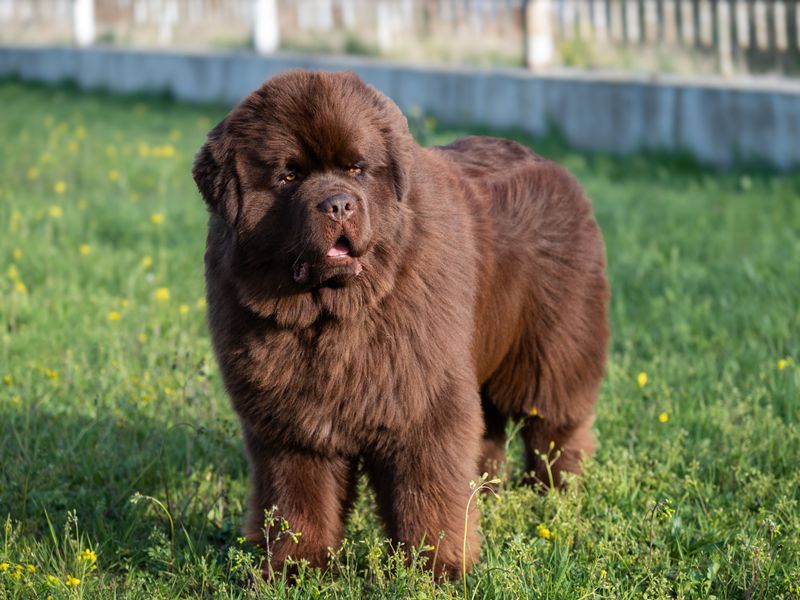
With a heart as big as its paws, the Newfoundland steps in when safety counts. Stories tell of water rescues and kids guided from slippery docks.
That calm stare checks the scene, then the body blocks hazards like a slow moving shield.
Start swim lessons early, keep sessions short, and praise gentle pulls toward shore. Carting sports build strength and confidence for real life tasks.
For households with pools, teach a go to mat cue, so the dog parks beside swimmers and waits for calls.
Collie
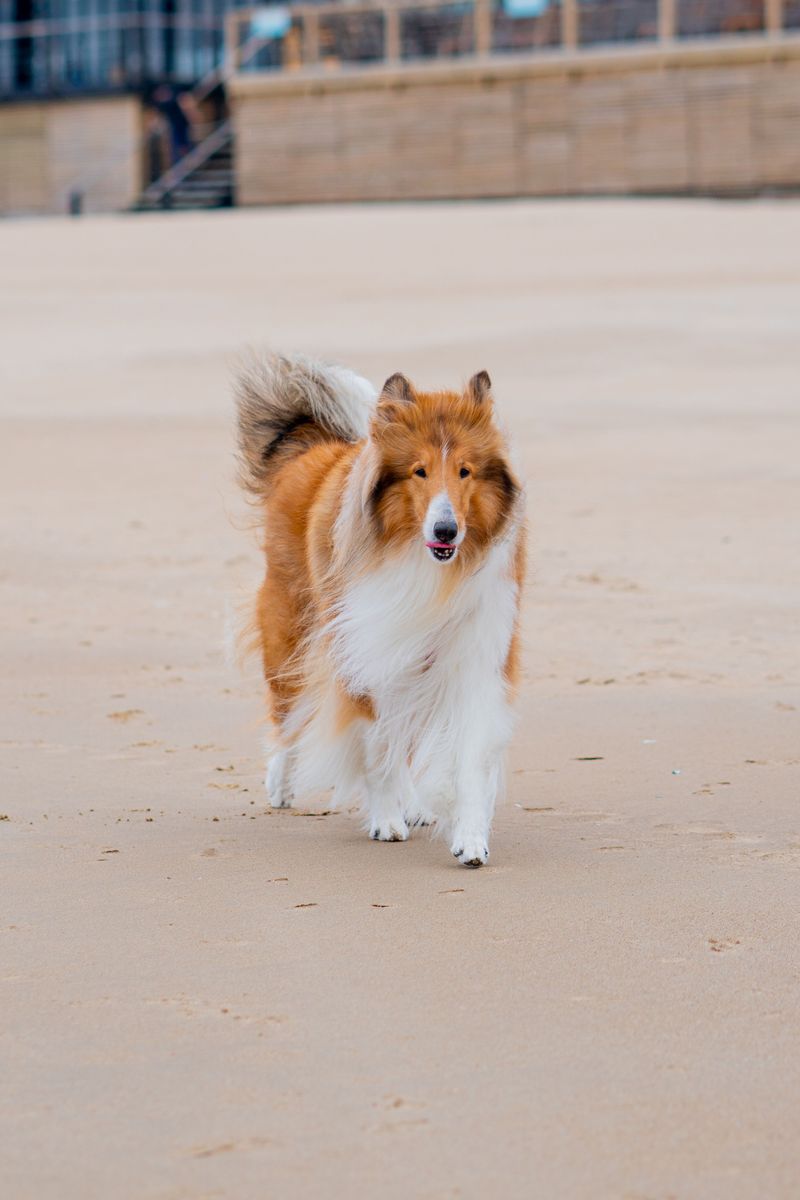
First to notice a gate left open, the Collie sounds the alert without panicking the whole street. A quick trot gathers stragglers, then that bright face checks in with you.
Farmers loved this balance of care and initiative, and modern families still do.
Daily herding games help channel that radar brain. Try figure eight walks with cones, or practice moving kids toward car using a focus cue.
For nervous moments, teach a chin rest on your palm, which steadies breathing and keeps attention on you.
German Shepherd
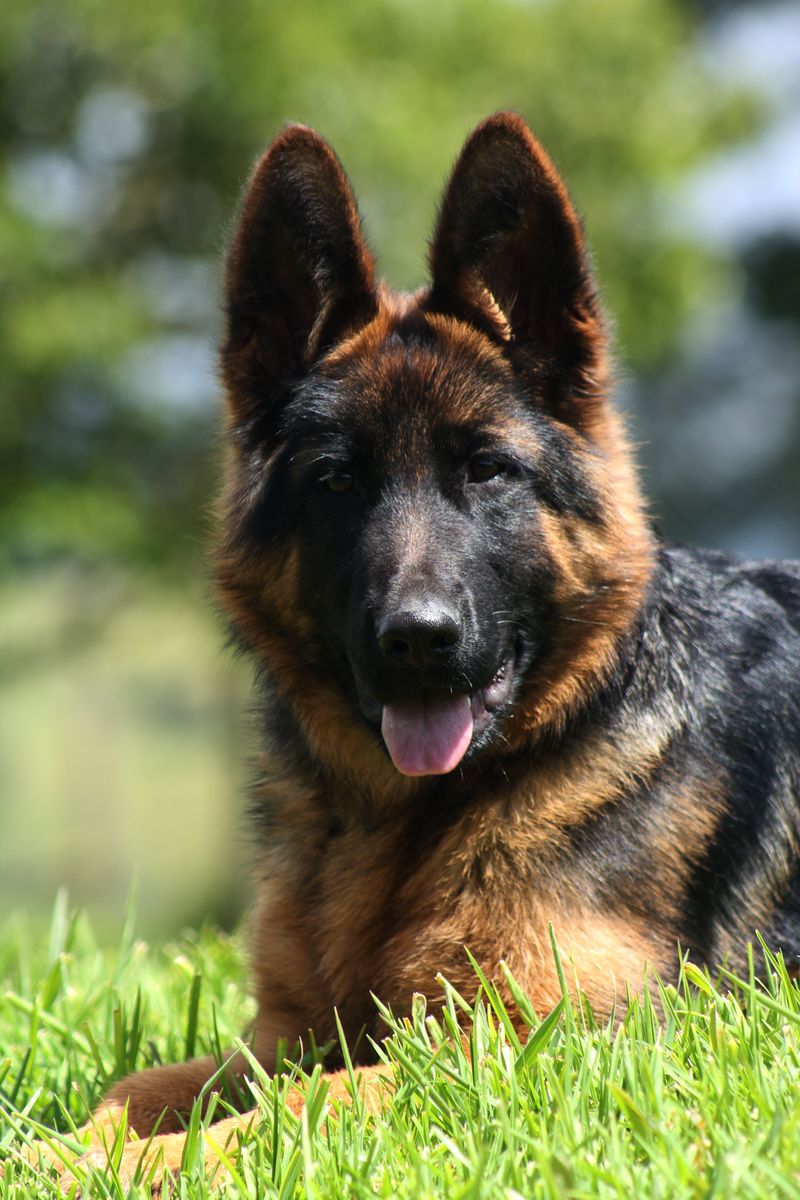
Ask for a dependable helper, and a German Shepherd steps forward as a teammate. Keen ears map sounds, while a nose tracks lost items or people.
Police units prize that focus, yet home trained Shepherds use it for daily errands and comfort.
Structure works wonders. Obedience bursts, scent boxes, and quiet place training teach to switch from high gear to calm.
If visitors feel uneasy, park your dog on a mat with a chew, then release for short greetings, which keeps everyone relaxed and safe.
Labrador Retriever
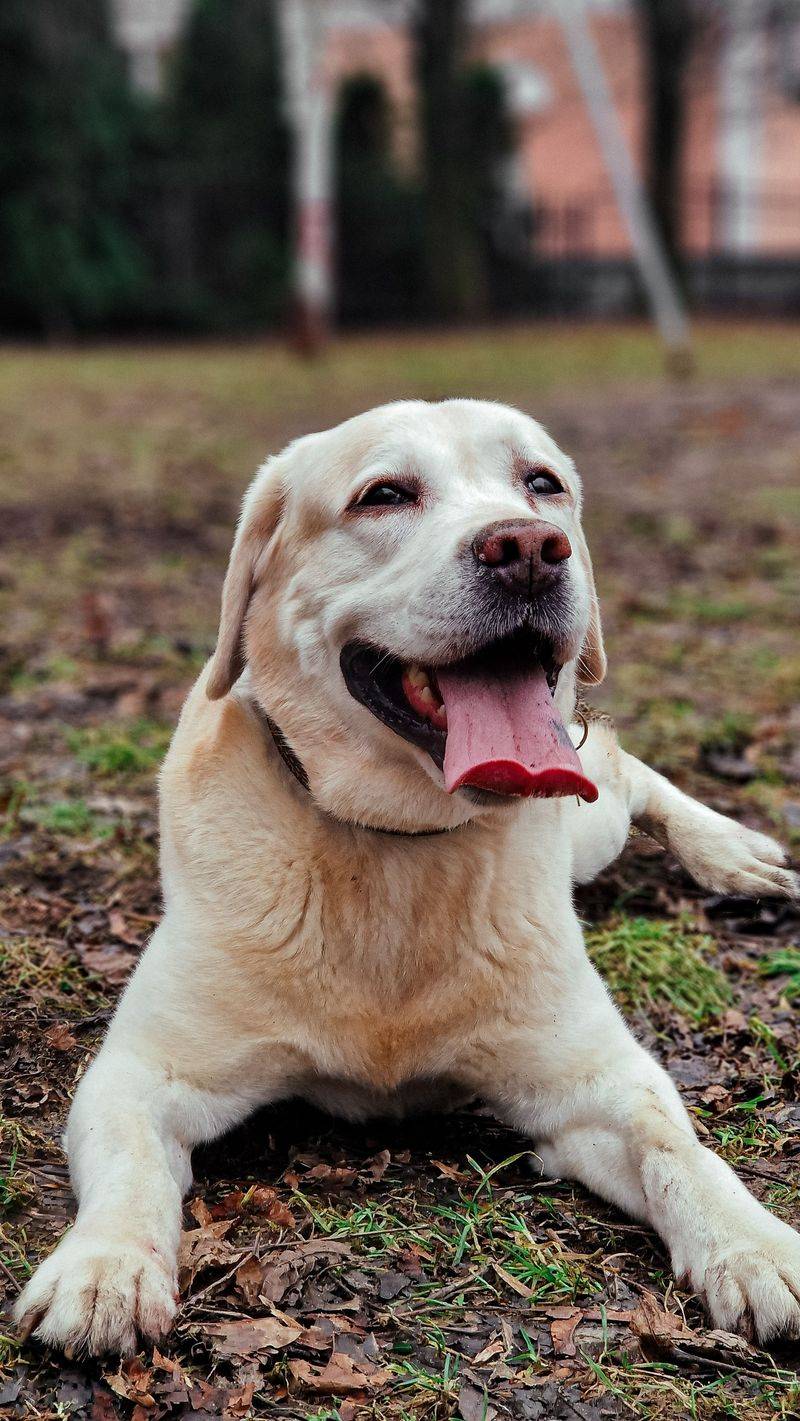
Ready for duty and play, the Labrador is already halfway there. That cheerful stride moves backpacks, finds dropped keys, and brightens tough mornings.
Fisherfolk once valued their steady work on boats, and today many assist with mobility or autism support.
Channel energy smartly. Rotate fetch with nose work and settle practice, so excitement gets useful outlets.
Before school runs, ask for three tasks like carry the lunchbox, touch the door, and lie on a mat for count to ten, which builds focus during busy minutes.
Bernese Mountain Dog
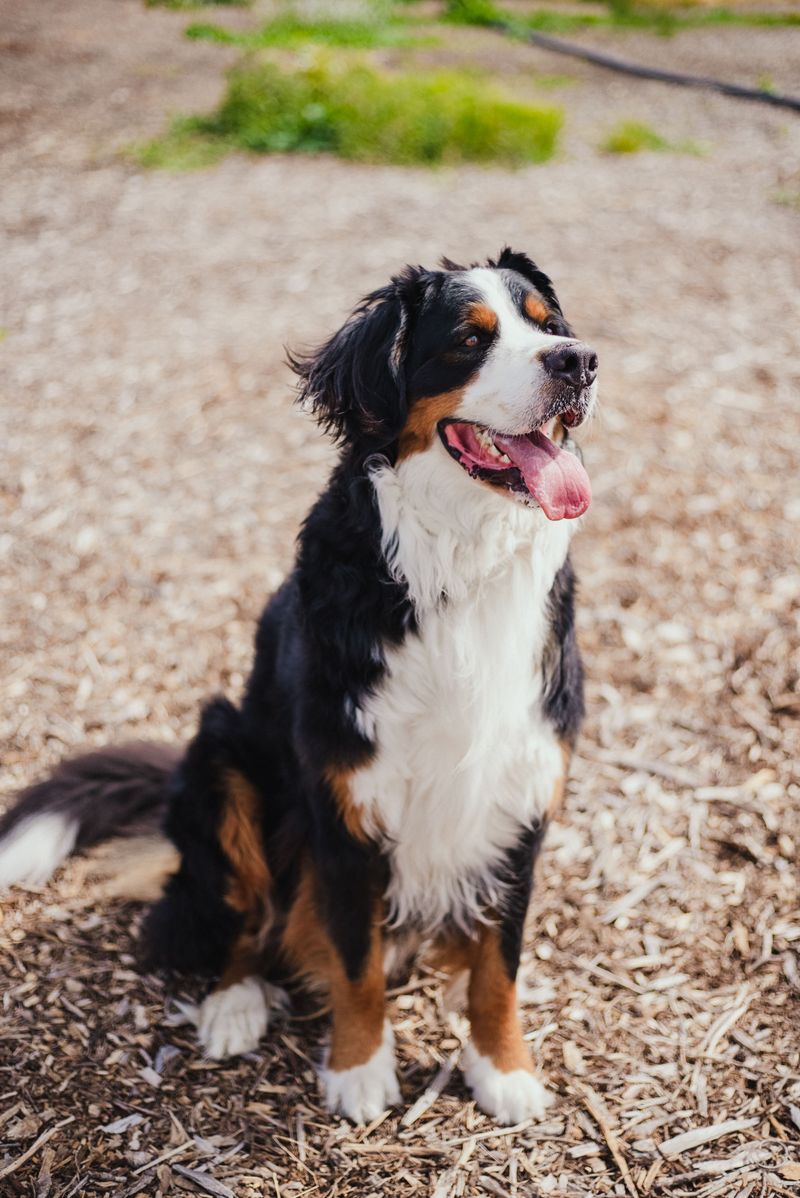
Picture a big, kind coworker who never clocks out. The Bernese comes when boxes need moving or kids feel unsteady on stairs.
Alpine farmers relied on cart work and property watch, and that reliability still helps at home.
Teach helpful chores. Tug open a bin, pull a small cart, or deliver notes to family members, which turns strength into service.
For guests who feel tiny beside a giant dog, practice a sit to greet routine at a doorway, then reward calm with scratches and space.
Standard Poodle
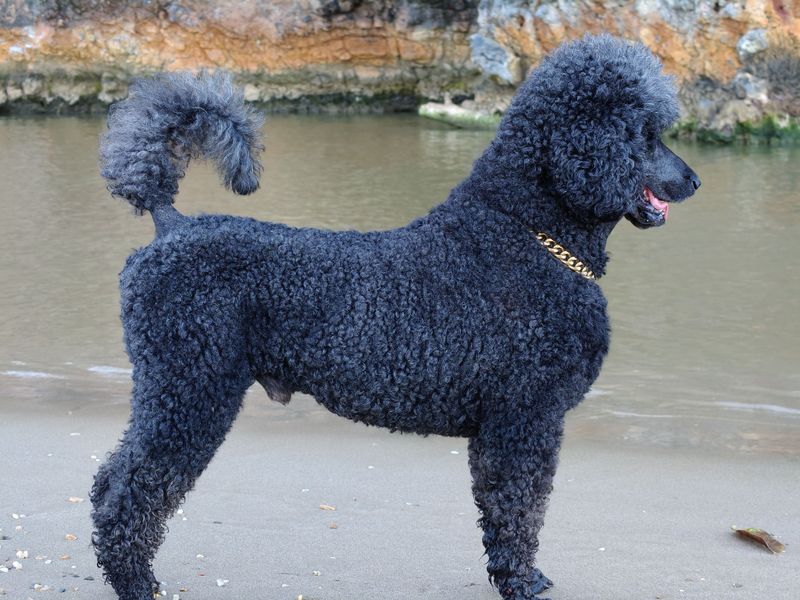
Brains, bounce, and timing make the Standard Poodle a natural problem solver. When a family member feels sad, quietly lean in and wait.
Hunters once chose them for smarts in rough water, and that same sharp mind now spots needs before you finish asking.
Keep curiosity busy. Teach object names, hide toys, and practice nose targeting to sleeves for service tasks.
For grooming days, pair brushing with a place cue, turning fidgets into watch duty, which helps sensitive dogs handle clippers and drying.
Doberman Pinscher
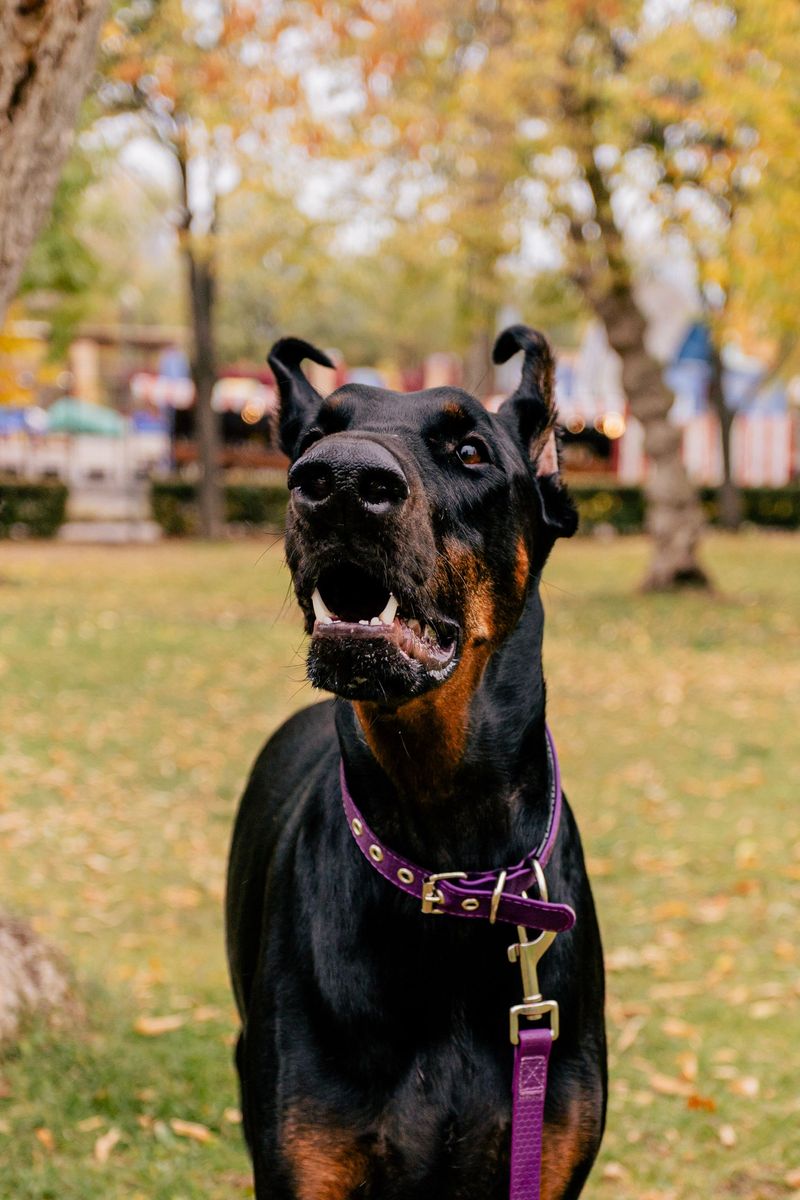
Like a bodyguard, the Doberman notices the doorbell before you do and waits for direction. Athletic power stays paired with attention, so guidance lands fast.
Once developed for personal protection, many now excel at therapy visits, crisis response, and companionship for active people.
Clarity builds confidence. Use yes and no markers, obedience patterns, and exposure to hats, bikes, and crowded sidewalks.
When hosting visitors, walk a greeting loop outdoors, then come inside for a down stay, which lets your dog process sights before meeting hands.
Boxer
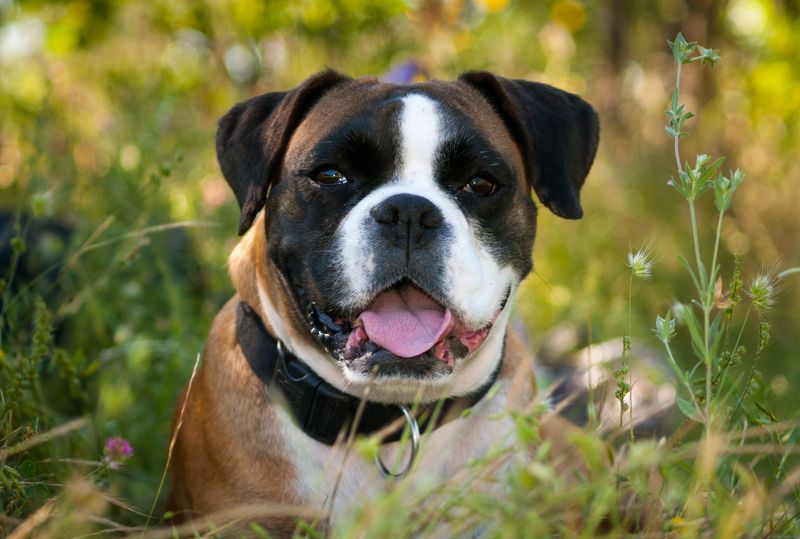
A Boxer pops up at the second a mood needs lifting. Wiggles, play bows, and eye contact turn tense rooms friendly again.
Originally bred for work beside hunters and butchers, they now shine as energizers for families who like movement and laughter.
Aim that bounce well. Set sprints, puzzle feeders, and settle breaks to build control.
For kids learning boundaries, teach a tag out cue where the dog touches a target on the wall, then relaxes by the couch for quiet praise and a chew.
English Cocker Spaniel
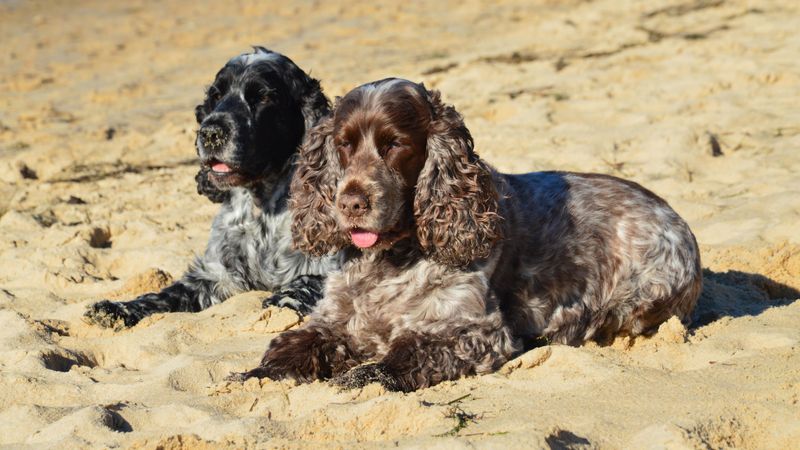
Ears perk at a sigh, and the English Cocker trots over, eyes warm. Sensitive souls respond to tone changes and curl up where support is needed.
Bred to flush game in dense cover, they weave through rooms with the same cheerful purpose.
Keep routines cozy. Gentle fetch, hide and seek for socks, and place training near your desk help them feel useful.
During loud gatherings, set a blanket station, teach a head rest on your knee, and offer a stuffed toy, which creates calm jobs.
Shetland Sheepdog
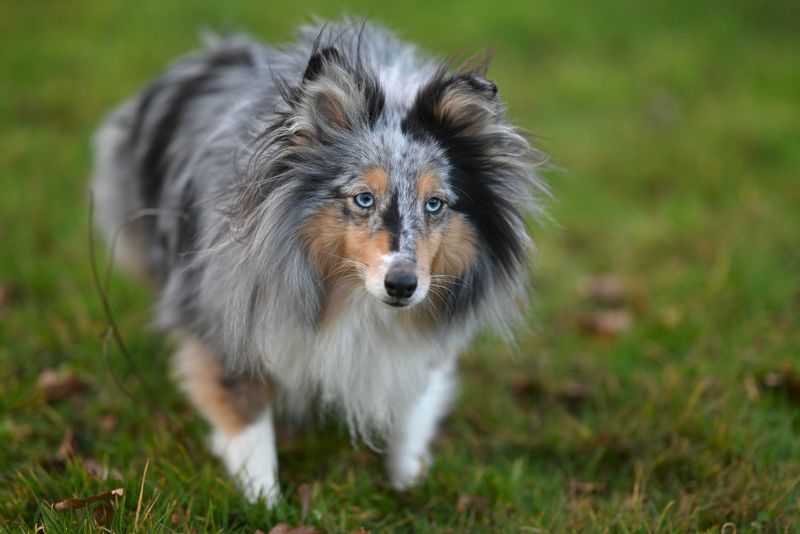
Small size, big lookout skills. The Sheltie tracks family movement like an air traffic controller and notices when someone lingers.
On windy islands they guarded gardens and gathered sheep, and that habit now helps in parks and halls.
Give the brain jobs. Practice hand signals, turns around cones, and a go check cue to visit each family member.
For barky moments, reward a look at you, then a heel to a mat for a count of five, which shifts watchdog energy into teamwork.