
Ever wonder why your dog seems to hold full-blown conversations with you at the worst possible time, like during work calls. Some breeds have turned chatter into an art form, complete with yodels, bays, and dramatic sighs.
Get ready to meet the funniest canine communicators and learn how to channel all that noise into teamwork. You will hear them, understand them, and maybe even talk back.
Siberian Husky
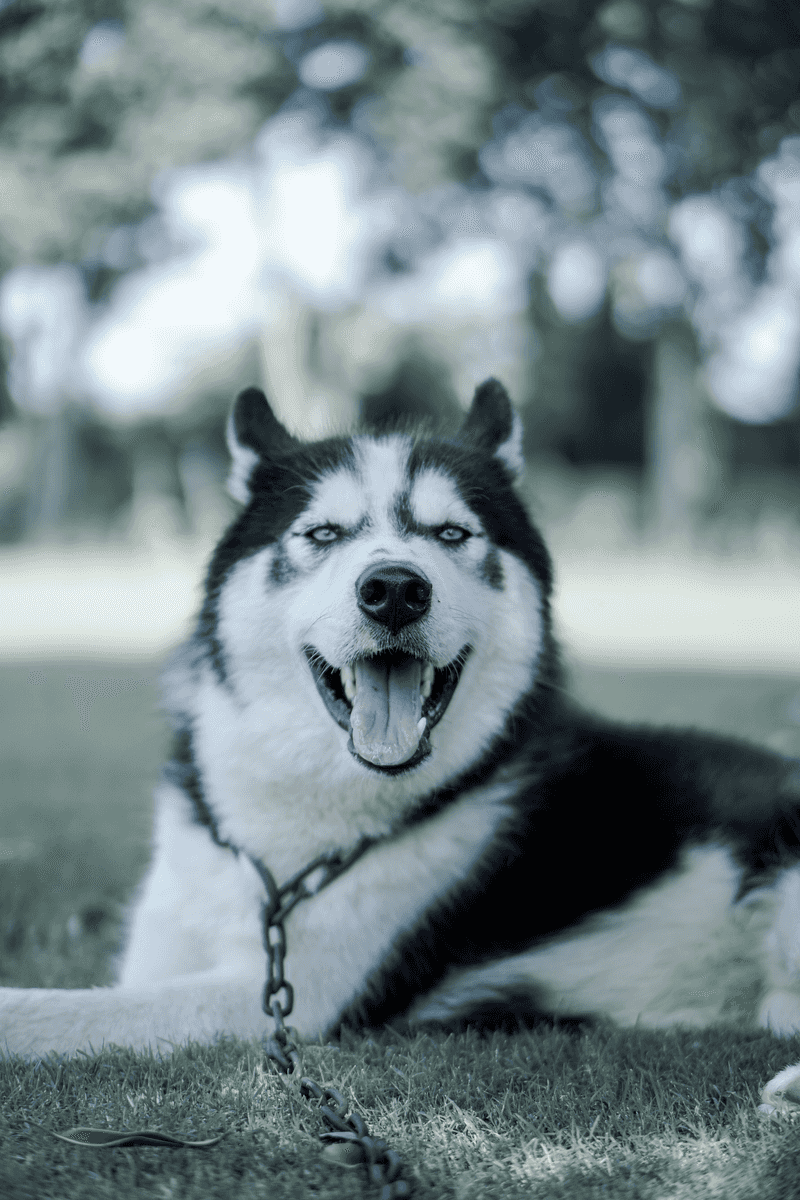
You know that Husky voice that sounds like a teenager arguing about chores. Huskies are famous for talk-singing, wooing, and full-on conversations that answer your tone.
Ask a question, and you might get a dramatic yodel or a theatrical sigh that says everything. Their blue eyes and expressive brows sell the message, whether it is walk time or snack o clock.
To communicate better, mirror that tone back playfully and add clear cues. Short phrases paired with gestures help them focus through the sass.
Give them jobs, like pulling a scooter or carrying a light pack, and watch the chatter turn purposeful. When boredom creeps in, enrichment puzzles, nose games, and structured howling sessions channel all that noise into connection.
Basenji
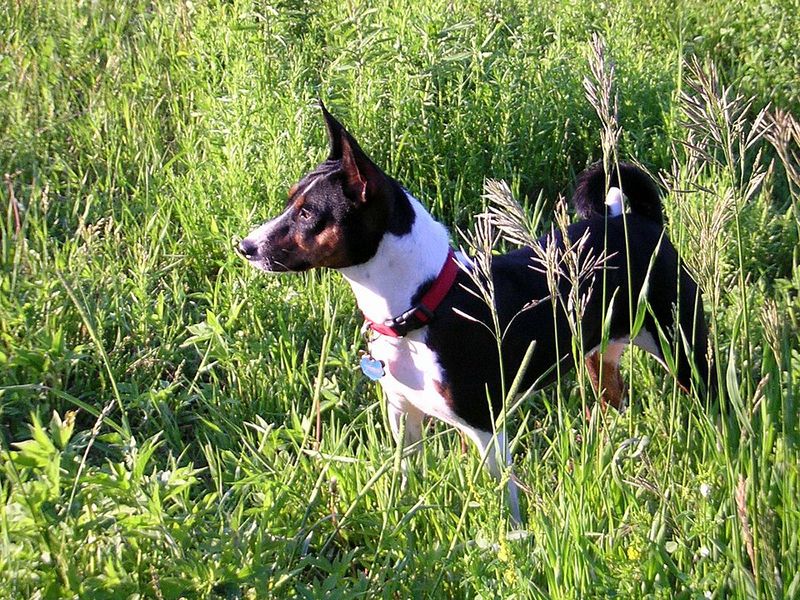
Meet the Basenji, the so-called barkless dog that absolutely still talks. Instead of barks, you get yodels, chortles, and inquisitive hums that feel like commentary on your every move.
They communicate with side-eye, tail curls, and catlike pauses that say hold on, I am thinking. That quiet house suddenly has running narration, just delivered in soft trills and perfectly timed head tilts.
Lean into it with routine, enrichment, and clear hand signals. Clicker games, scent trails, and short training bursts let that curious brain speak productively.
Keep sessions upbeat and end on small wins, or the commentary becomes stubborn silence. Offer puzzle feeders and fetch sprints, and you will hear that signature yodel of approval at just the right moments.
Beagle
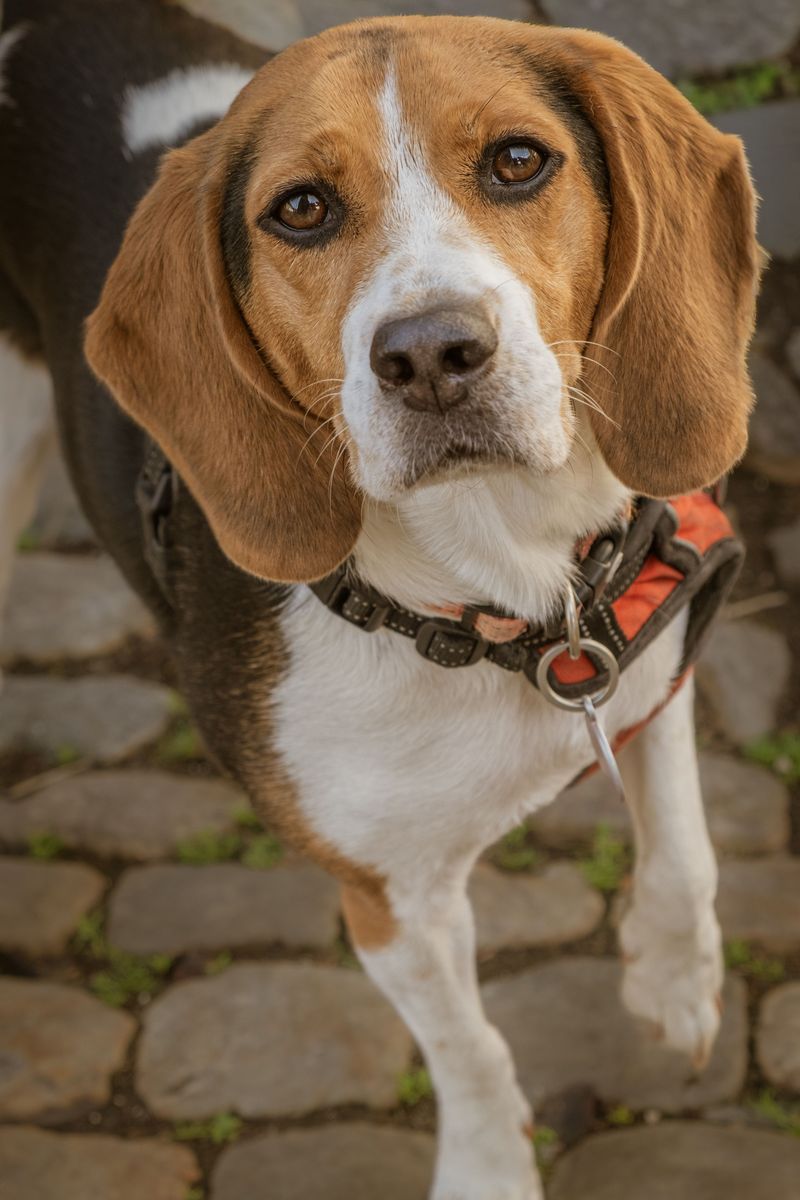
Beagles have opinions about everything, and they broadcast them with that glorious bay. You will hear the I found something call from half a block away, followed by nose-down commentary on every scent.
Their ears, tail flag, and gentle paw taps become subtitles to the song. Ask a Beagle to wait, and you may get a heartfelt aria explaining why that is impossible.
Work with the music, not against it. Teach a quiet cue paired with sniff breaks so curiosity gets rewarded.
Scentwork classes, long-line walks, and find-it games transform the soundtrack into teamwork. Use treats and timing to mark voluntary calm, then invite a joyful bay on cue.
Suddenly, your detective becomes a duet partner instead of a hallway soloist.
Boxer
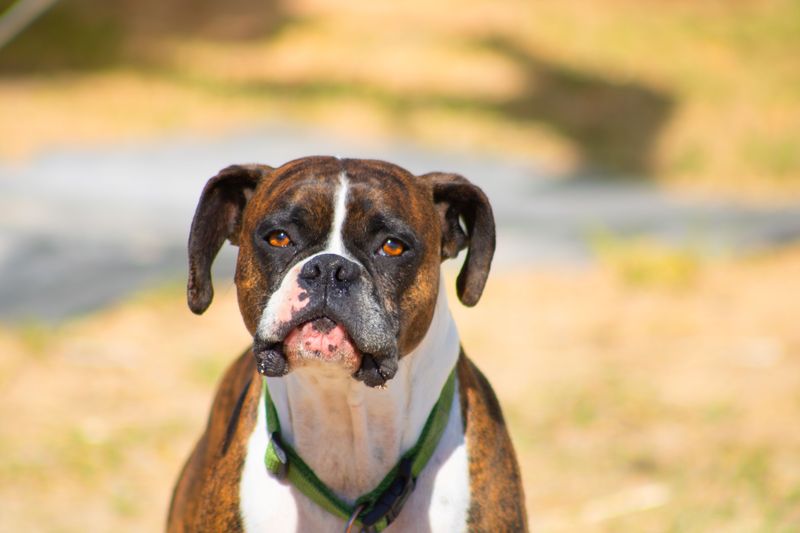
Boxers talk with their whole bodies, and the soundtrack follows. There is the woo-woo greeting, the grumble-chat during play, and the dramatic groan when you stop scratching.
Those paws box with air while the jowls narrate every jab. Watch the kidney bean dance, and you will hear breathy huffs that translate to you are my favorite human ever.
Channel that expressive energy with structured play and clear stop-start signals. Tug sessions with rules, flirt-pole chases, and place training build impulse control without muting the joy.
Reward check-ins and calm sits between bursts, and the grumbles become thank-yous. Keep training snappy, funny, and fair.
A Boxer loves a job, and that job can be cheerfully updating you all day.
Dachshund
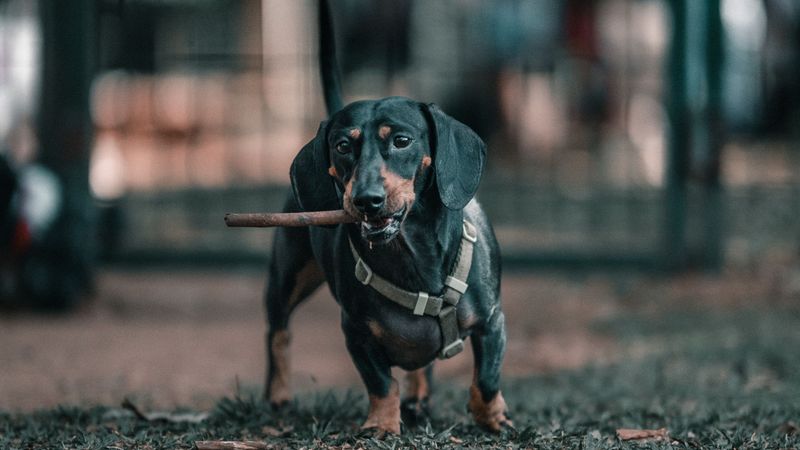
Dachshunds narrate like tiny reporters on a breaking case. A leaf moves, and you get a sharp alert, followed by low commentary that sounds very official.
Their long bodies turn into exclamation points when excitement spikes. That brave heart was bred to go underground, so their voices are confident, persistent, and surprisingly big for such short legs.
Help them feel heard, then redirect. Thank the alert, walk to check together, and ask for a sit to switch gears.
Teach a place cue near a window with chews that occupy the reporter. Sniffaris, dig boxes, and soft tunnels satisfy that instinct respectfully.
With needs met, the play-by-play becomes timely headlines instead of an all-day news marathon.
Chihuahua
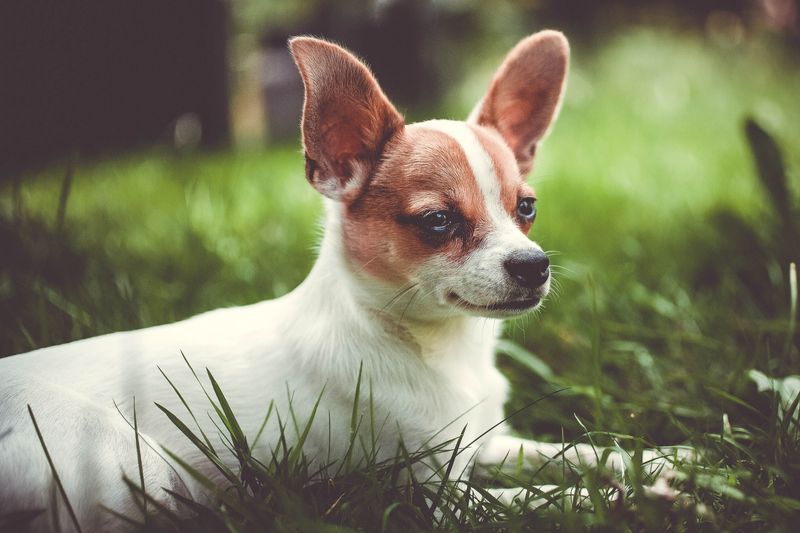
Chihuahuas speak in fast microbursts, like a tiny friend with big feelings and perfect timing. They ping-pong between chirps, trills, and confident alerts that announce visitors, mail, and suspicious leaves.
Those apple-dome eyes and perky ears amplify every update. If you pick them up mid-speech, expect a squeaky paragraph about personal boundaries and the importance of blankets.
Give structure and warmth. Use predictable routines, soft carriers, and calm exposure to new sights so their world feels safe.
Reinforce four-on-the-floor greetings and reward quiet checks with treats. Teach a settle on a cozy mat, then celebrate brave curiosity.
The chatter remains, but it softens into thoughtful notes that say got it, thanks for listening, I am okay now.
Samoyed
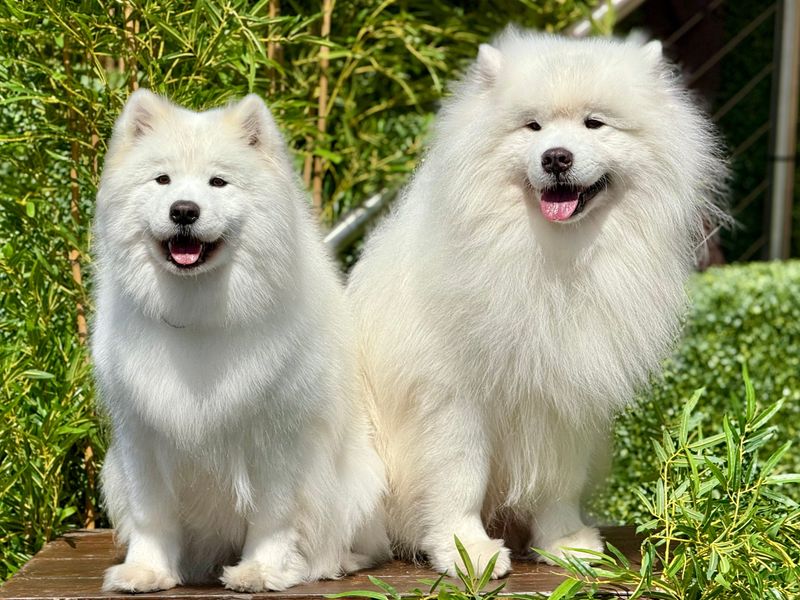
Samoyeds smile while they talk, which makes every comment sound friendly, even the complaints. Expect musical woo-woos, cheerful trills, and a social giggle whenever guests arrive.
Their fluffy tails swish like punctuation, and that cloud of fur seems to amplify the chorus. They were bred to live close with people, so their communication style leans collaborative, affectionate, and persistent.
Invite teamwork through routines and jobs. Teach harness pulling, rally skills, or simple carry tasks to give purpose.
Use clear markers for start and finished so the conversation has chapters. Reward quiet attention with cuddles and play, then cue a joyful woo on purpose.
When you guide the tempo, the Samoyed soundtrack becomes bright, organized, and delightfully chatty.
Bloodhound
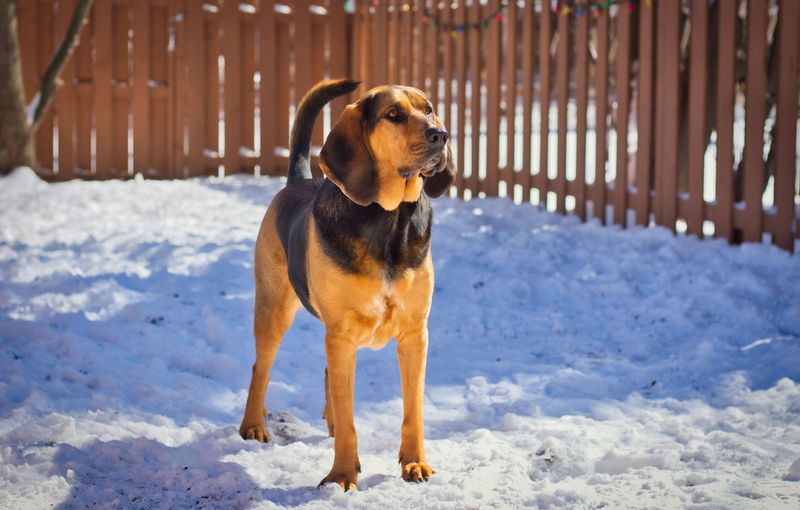
Bloodhounds deliver low, resonant ballads that vibrate through the floorboards. When that nose catches a mystery, the voice follows in soulful waves that say I will find it.
Their skin folds, pendulous ears, and deliberate gait create a storyteller vibe, like an old detective explaining clues. Even their sighs feel wise, a deep baritone note that settles the whole room.
Respect the calling. Build long sniffing sessions, mantrailing games, and slow tracking walks into your week.
Use a release word to begin the hunt and a jackpot party when the trail ends. Teach a quiet settle at home with comfy mats and chew projects.
The music stays, but it gains structure, purpose, and a peaceful decrescendo between adventures.
Coonhound
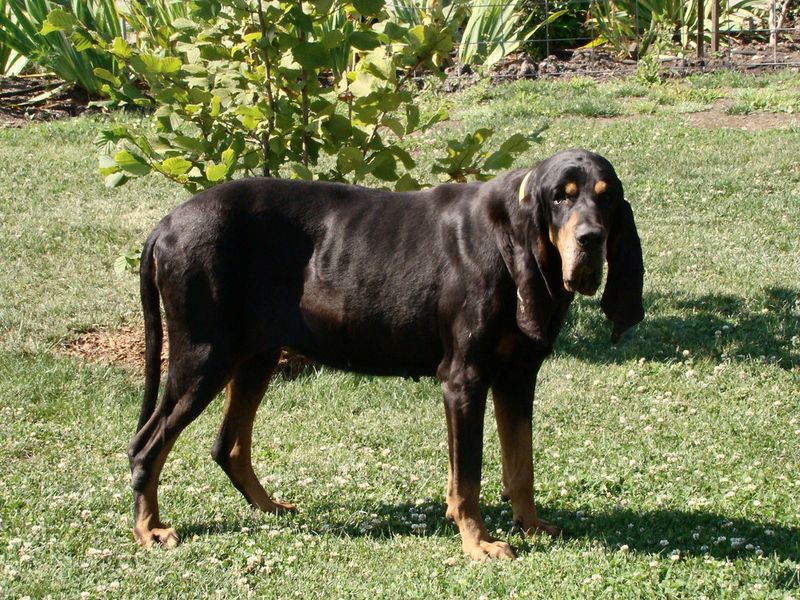
Coonhounds speak in operatic bays that echo across fields and backyards. There is pride in every note, especially when a scent line lights up their brain.
They share updates with sweeping tails, skyward noses, and a chorus that asks you to follow. If you answer enthusiastically, they sing louder, because teamwork is the point and the performance.
Turn that voice into a compass. Plan decompression hikes, nosework searches, and recall games that end at a sniff jackpot.
Use a cue for start the song and another for thank you, quiet now. Reinforce pauses with food scatter and scratches.
When you meet their drive, the aria transforms into navigational beacons you both celebrate on every outing.
Shiba Inu
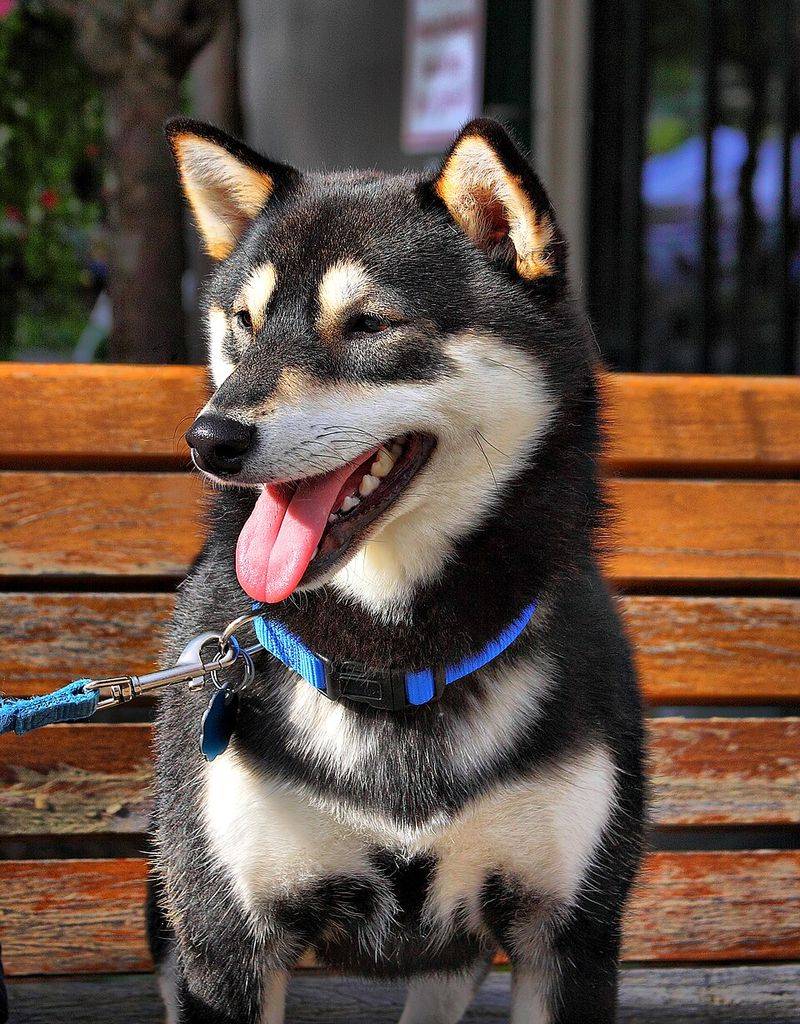
Shibas have a signature scream that somehow conveys outrage, comedy, and clear boundaries all at once. Add in foxlike chirps, prim little huffs, and long stares that say your move.
They are independent communicators, quick to comment when plans feel inefficient. You will learn the language fast, because silence from a Shiba usually means a decision happened without you.
Give choices to earn buy-in. Use yes-no cues, tiny treat trades, and clear release words so cooperation feels respectful.
Keep sessions short and clever, with jackpot praise for consented handling. Practice go sniff breaks between reps to reset the mood.
When you honor that autonomy, the scream shows up less, and thoughtful dialogue replaces standoffs nicely.
Miniature Schnauzer
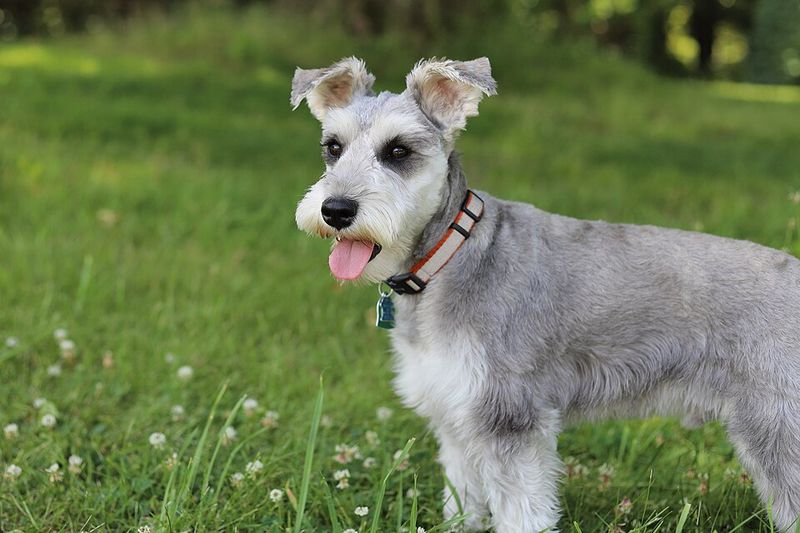
Miniature Schnauzers are spirited narrators with eyebrows that punctuate every line. Expect brisk alerts, cheeky grumbles, and victory rumbles after a job well done.
They love to brief you on deliveries, neighbors, and the whereabouts of every tennis ball. Underneath the sass sits a clever worker who wants to help and absolutely believes feedback should be immediate.
Make feedback a game you share. Train yes markers, quick place cues, and joyful fetch retrieves between obedience reps.
Provide chew breaks and scatter feeding so intensity finds a calm lane. Reward quiet observation from a window perch, then cue a celebratory grr on purpose.
The report becomes collaborative, structured, and really pretty funny for you both today.
Alaskan Malamute
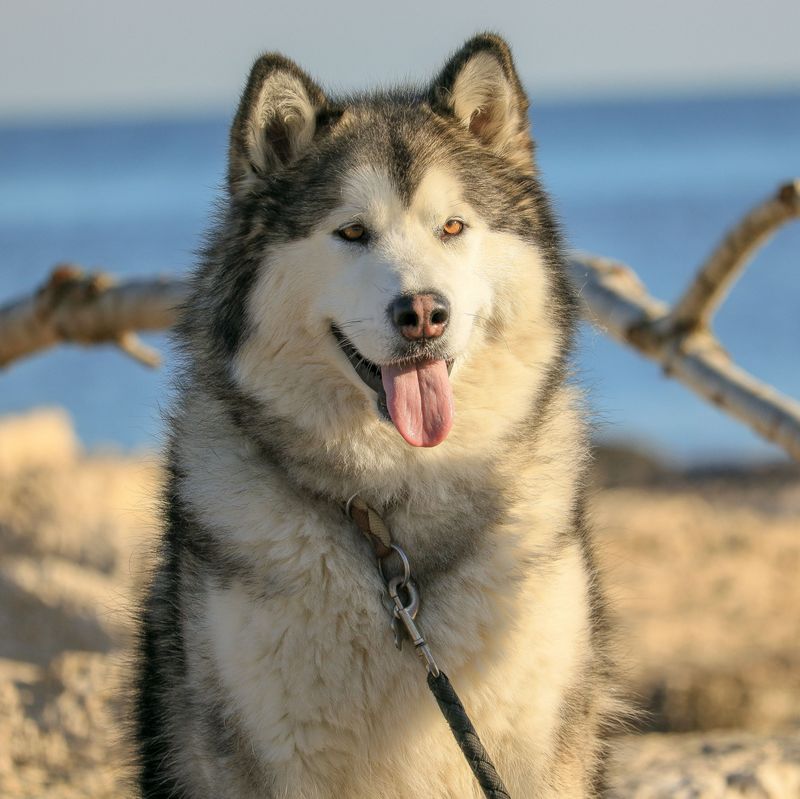
Malamutes speak in melodic woos and conversational murrs that sound like storytelling around a winter fire. Their faces are so expressive that you can practically read the subtitles.
Ask a question and you might get an answer, a counteroffer, and a closing statement with a fluffy tail flick. This is a partner breed, bred for teamwork, so the dialogue wants purpose.
Offer purpose daily. Teach light pulling, backpacking manners, and polite greetings that require focus.
Use patterned routines with start and finish markers, and watch the commentary sync to the work. Reinforce calm between tasks with sniff breaks and deep-chew time.
When the job is clear, the Malamute voice shifts from restlessness to confident, satisfying collaboration.
Basset Hound
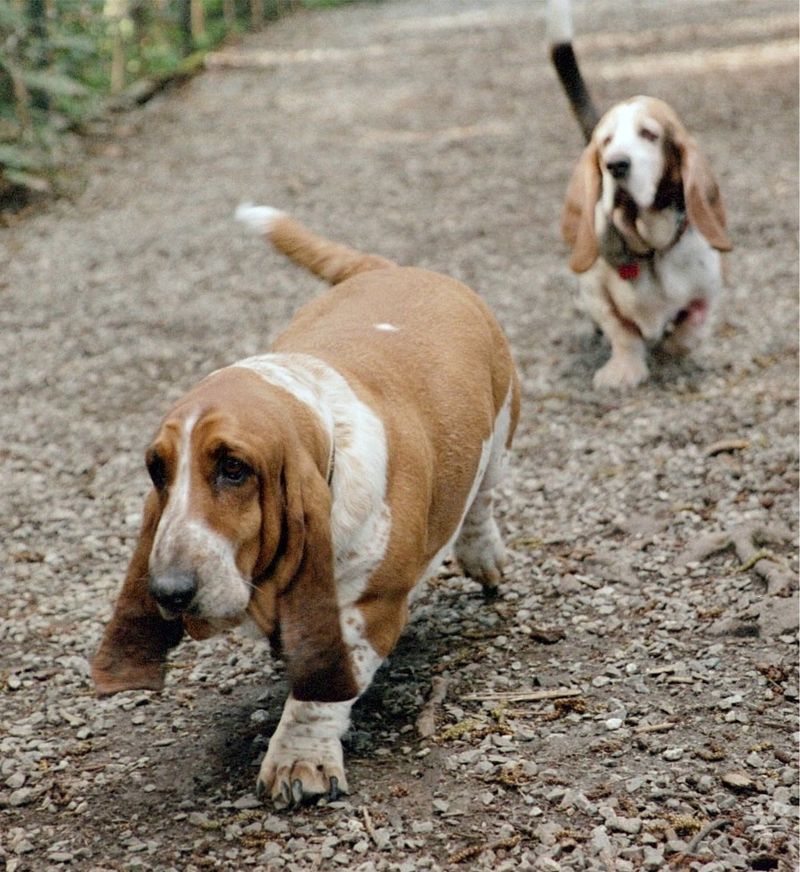
Basset Hounds deliver sonorous announcements that roll like thunder down a hallway. Those soulful eyes and heavy ears add gravitas, even when they are lobbying for snacks.
The voice deepens when a scent trail appears, turning into a steady, churchy hymn. Their communications are sincere, patient, and occasionally a little bit theatrical, especially at the front door.
Honor the ritual, then shape it. Walk together to check, ask for a sit, and reward quiet with sniff time outside.
Build daily sniff walks, scatter feeding, and find-the-treat hunts. Teach a place mat near windows to convert watch duty into relaxation.
With those needs met, the hymns arrive on cue, and the silence between them feels sweet.
Yorkshire Terrier
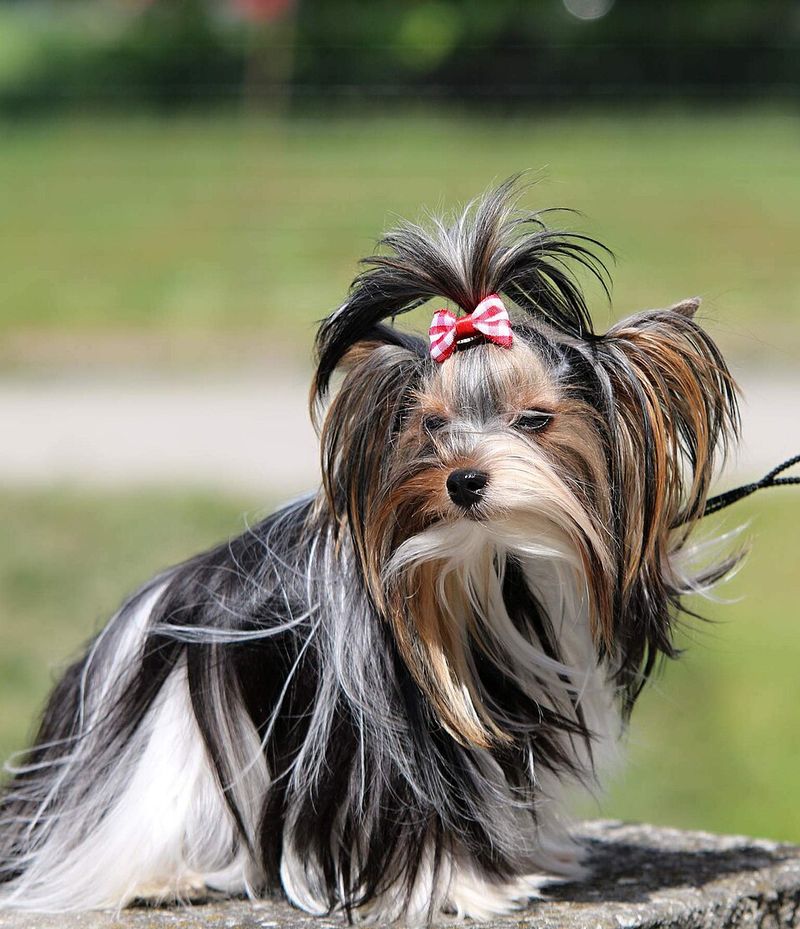
Yorkies pack Broadway energy into a pocket body. Their voices sparkle with trills, tiny arias, and serious alerts when the doorbell rings.
Add in head tilts, high-stepping prances, and proud toy parades that say watch me. Beneath the glam is a brave terrier heart that loves to report, chase, and then cuddle like a heat-seeking bean.
Give structure to the spotlight. Practice sit-watch-me, quick mat settles, and polite window duty with treat paychecks.
Rotate toys and teach tidy up to turn commentary into chores. Pair quiet moments with lap time and grooming, then cue a showtime bark on command.
You will get the sparkle, plus a calm encore when the curtain falls at home tonight.